
Selling a home is never a casual affair. Even in a market where demand has historically outpaced supply, the wrong combination of features can turn a promising listing into a stale, ignored property that sits on platforms for months. We’re not just talking about ugly paint colors or a questionable carpet choice. Some issues run far deeper, and buyers today are sharper, better informed, and far less forgiving than ever before.
According to HomeLight’s Top Agent Insights for Q3 2025, nearly two thirds of agents reported an increase in home sales collapsing compared to the previous year. That’s a sobering number. The question is: what’s actually sending buyers running for the exit? Let’s find out.
1. Mold: The Silent Deal-Killer That Costs Sellers a Fortune
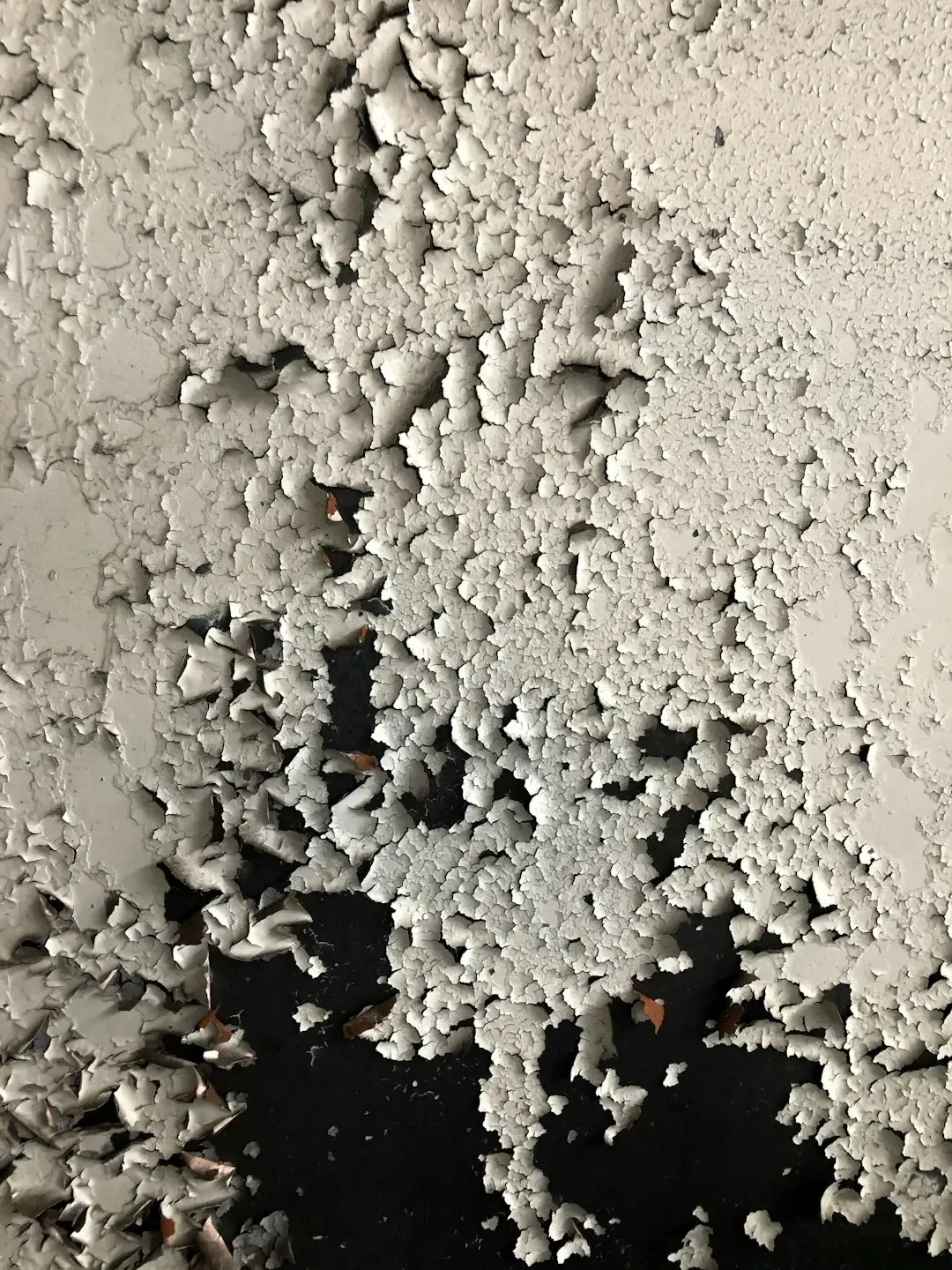
If there’s one single issue that makes a buyer’s stomach drop, it’s mold. It’s not dramatic to say that a visible mold problem can essentially blacklist a property in the eyes of most buyers.
An Appraisal Journal report found that home resale prices can be cut by roughly 20% to 37% if visible mold is inside the home. With the average U.S. house price sitting around $495,100, that translates to over $99,000 shaved off a home’s valuation.
Home resale values can drop between 20% and 37% due to mold issues, and as many as half of potential buyers back out of a deal once they learn a property has had a mold problem, even if it has already been remediated. Think about that for a second. Even a cleaned-up, professionally treated mold issue still sends half of buyers walking.
Studies suggest the majority of mold problems hide behind walls, under flooring, and in crawl spaces, which are areas standard home inspections don’t typically reach. So the problem often runs deeper than what’s visible, which adds an extra layer of anxiety for any cautious buyer entering the deal.
2. Outdated Kitchens Stuck in a Different Decade

The kitchen is still the emotional heart of the home. When it’s outdated, buyers don’t just see a renovation project, they see a reason to negotiate hard or walk away entirely.
An overly outdated kitchen that is clearly stuck in a previous decade is a huge red flag. Outdated cabinets, appliances from 30 years ago, and tile countertops are all considered major dealbreakers for the majority of homebuyers.
According to the Remodeling 2024 Cost vs. Value Report, only three home improvements consistently boosted value at resale: garage door replacement, replacing an entry door with a steel door, and installing manufactured stone veneer. Kitchen renovations, by contrast, rarely recoup their full cost, yet failing to update a truly dated kitchen costs sellers even more.
Honestly, I think the kitchen problem is underestimated by most sellers. Buyers can mentally renovate a bathroom. Mentally renovating a kitchen feels overwhelming, and that anxiety translates directly into lower offers or zero offers at all.
3. Carpet Over Hard Floors: A Suspicious Choice That Costs Real Money
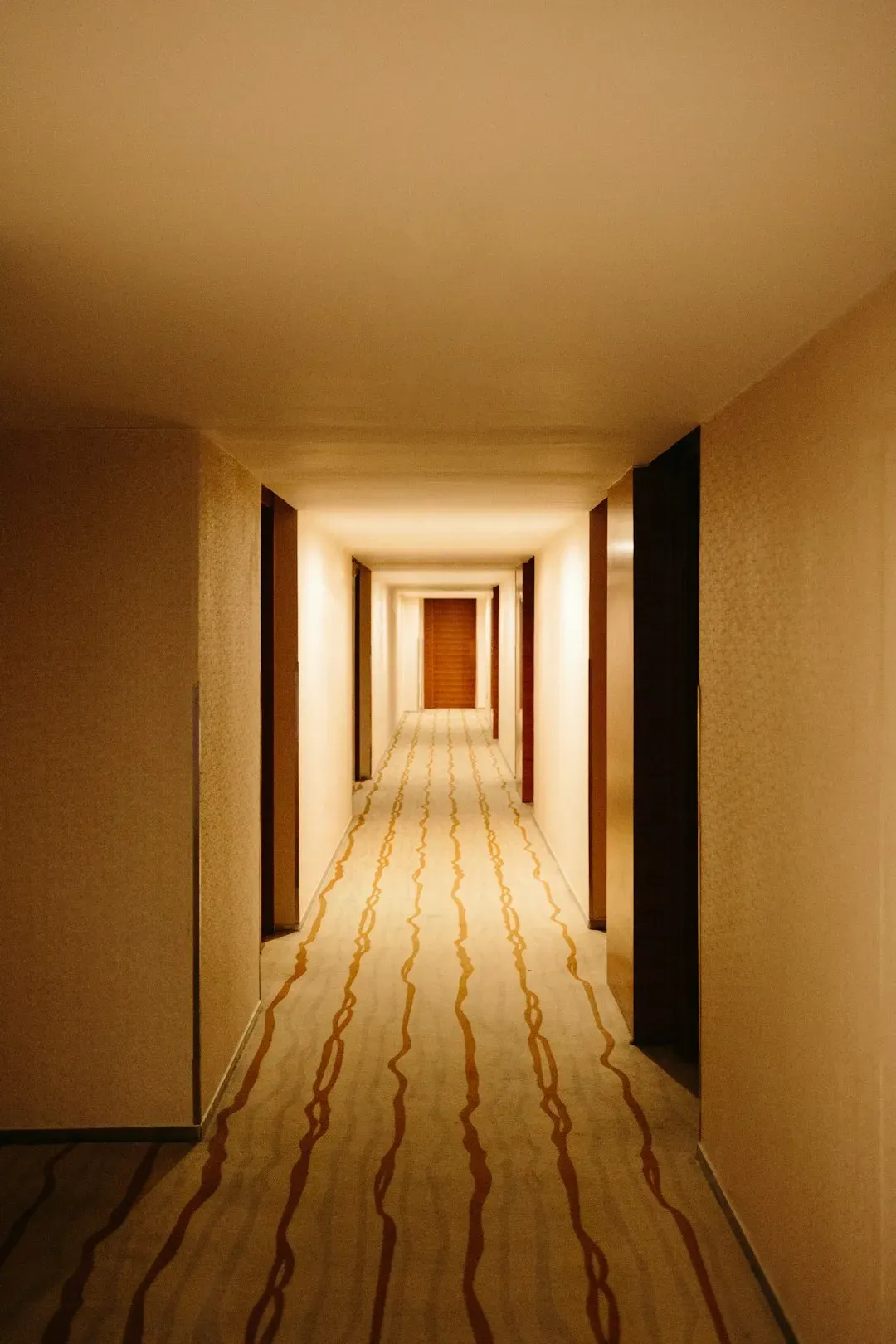
Here’s the thing about carpet. Many sellers assume it’s a neutral, safe feature. It’s almost never seen that way by buyers today.
Carpet traps allergens, absorbs odors, and wears visibly over time. Even new, neutral carpet can raise red flags for buyers, who often wonder if it is covering up damage to the subfloor or hiding pet stains and other issues underneath. It creates suspicion rather than confidence.
Data from real estate sales suggests homes with carpet sell for roughly 1% to 3% less than comparable homes with hard flooring. On a $400,000 home, that’s a loss of between $4,000 and $12,000 in value. That’s a meaningful hit for a feature most sellers don’t even think twice about.
Hard floors, including hardwood, luxury vinyl plank, and tile, are easier to clean, longer-lasting, and appeal to a broader range of buyers. In today’s market, that broader appeal is everything.
4. Mold’s Close Cousin: Structural and Foundation Problems
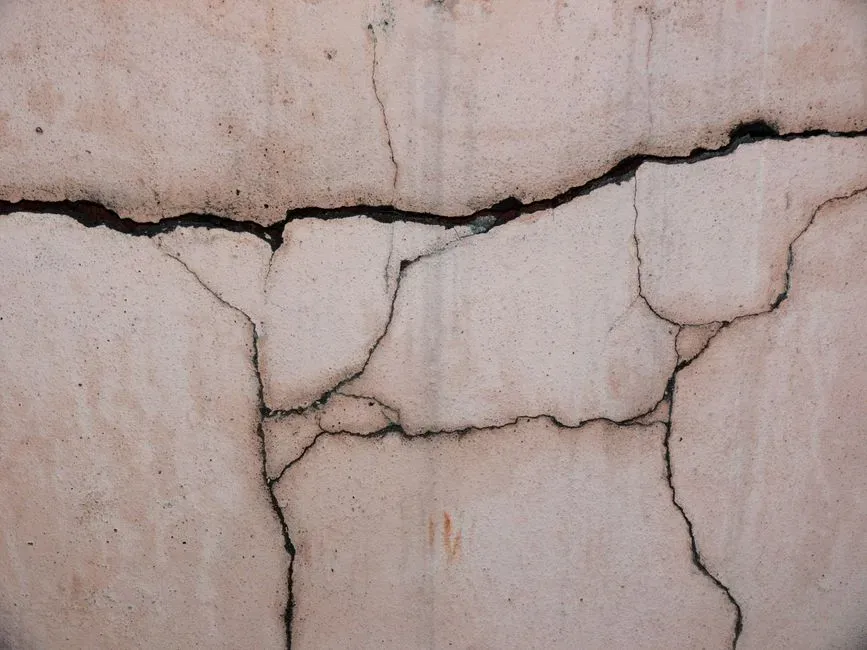
Foundation issues are arguably the most feared disclosure in all of residential real estate. They signal deep, expensive problems that most buyers, especially first-timers, simply don’t want to inherit.
Data from HomeLight shows that the biggest reason for collapsing sales is home inspections uncovering problems buyers aren’t willing to take on. Foundation cracks and structural concerns are consistently among the most frequently uncovered issues that kill deals outright.
Inspection issues continue to be a major cause of cancellations, especially for homes with deferred maintenance or sellers insisting on “as-is” terms. Even if mortgage rates ease slightly in 2026, affordability challenges persist, and many buyers actively avoid properties with expensive repair needs.
Think of it like this: a cosmetic problem is a scratch on a car. A foundation problem is a bent frame. One can be buffed out, the other requires a completely different level of commitment and cost. Most buyers simply move on to the next listing.
5. Converted Garages: The “Bonus Room” Nobody Wanted
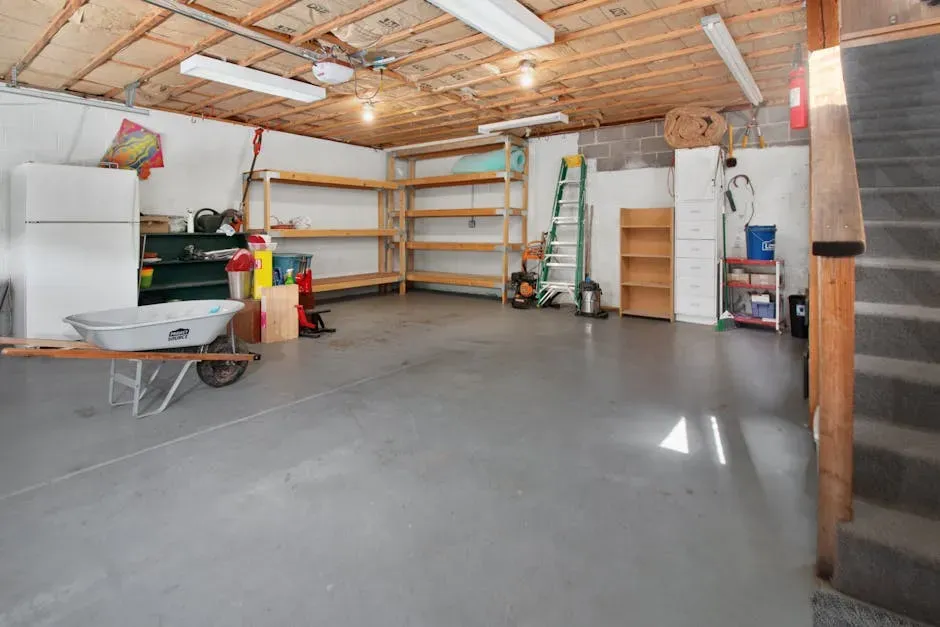
Some homeowners convert their garage into a home office, a gym, or a playroom, fully convinced future buyers will see the logic. Most of the time, they don’t.
Garage storage ranks among buyers’ top priorities and is consistently one of the most desired features in single-family homes. When you remove that functionality, especially if you remove the garage door, you lose one of the home’s most practical and widely valued features.
Listings that mention garages are associated with a slight but meaningful sales premium, according to Zillow’s 2024 analysis of listings data. Removing a garage, even to create “useful” living space, eliminates that premium entirely and often tips the property into negative territory with buyers.
A garage is inherently flexible. Buyers can use it for cars, storage, a workshop, or eventually convert it themselves if they choose. A converted garage is a decision someone else made for them, and most buyers don’t like that.
6. Swimming Pools in the Wrong Market: Asset or Anchor?
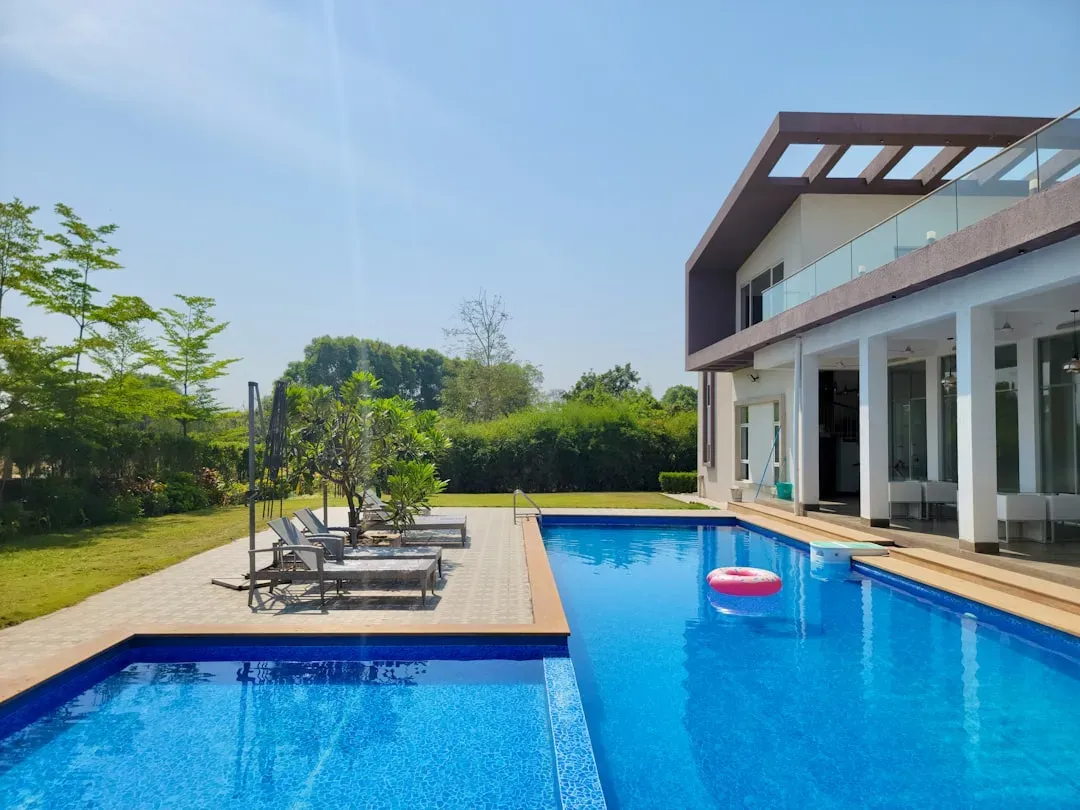
This one surprises people. Pools feel glamorous. They look great in listing photos. However, in many markets, they are far more complicated to sell than most homeowners expect.
On average, a swimming pool increases a home’s value by about 1% to 7%, depending on location, climate, and neighborhood expectations. In rare, highly localized markets such as luxury-heavy areas of Florida, Southern California, or Nevada, the premium can climb significantly, but these outcomes are the exception, not the rule.
With the median U.S. home price reported at $435,500, a pool that adds roughly 7% translates to added value of around $30,485. Considering that an average pool costs $65,000 to build, it usually is not worth it solely as an investment.
In some regions, a pool may add little to no value and might even be seen as a drawback due to upkeep and ongoing costs. Pools come with ongoing expenses including cleaning, chemicals, utilities, and insurance, which some buyers view purely as a downside. In a market like Boston, that “downside” framing can actually reduce what buyers are willing to pay.
7. Over-Personalized Renovations That Lock Out Mainstream Buyers
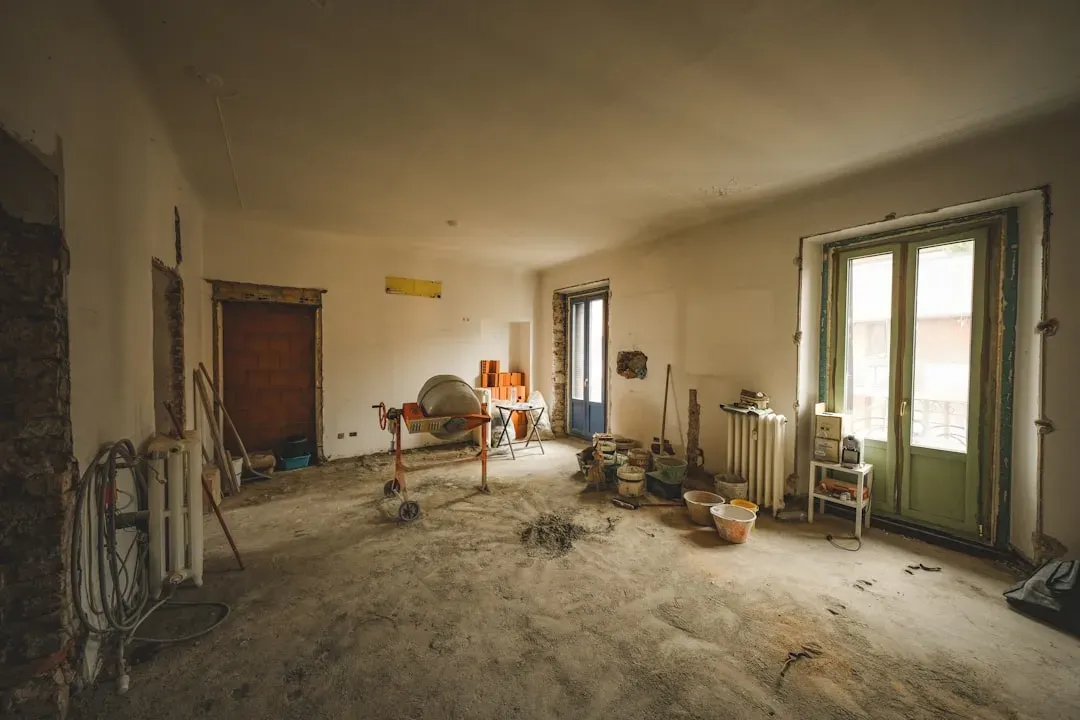
Personalization is wonderful when you live in a home. The moment you decide to sell, that very same personalization can become one of your biggest liabilities.
Zillow research into home features confirms that buyer preferences change over time. A trendy home update made today, done solely to add value, can seem dated or even detract from value in five or ten years.
Although an upgraded bathroom can add value to a home, going too high-end can actually work against sellers. A freestanding or whirlpool tub may feel like a luxury, but buyers often see it as a waste of space. Overly opulent bathrooms definitely fit in the category of renovations that hurt resale value.
Built-ins may seem like luxurious features that everybody will love, but if they restrict space or appliance configuration options, they can easily be a hard pass for buyers. The lesson is this: renovate for the broadest possible taste, not for your own. Buyers want a home that feels flexible, not one that tells them exactly how to live in it.
8. Deferred Maintenance: The Slow-Motion Deal Killer
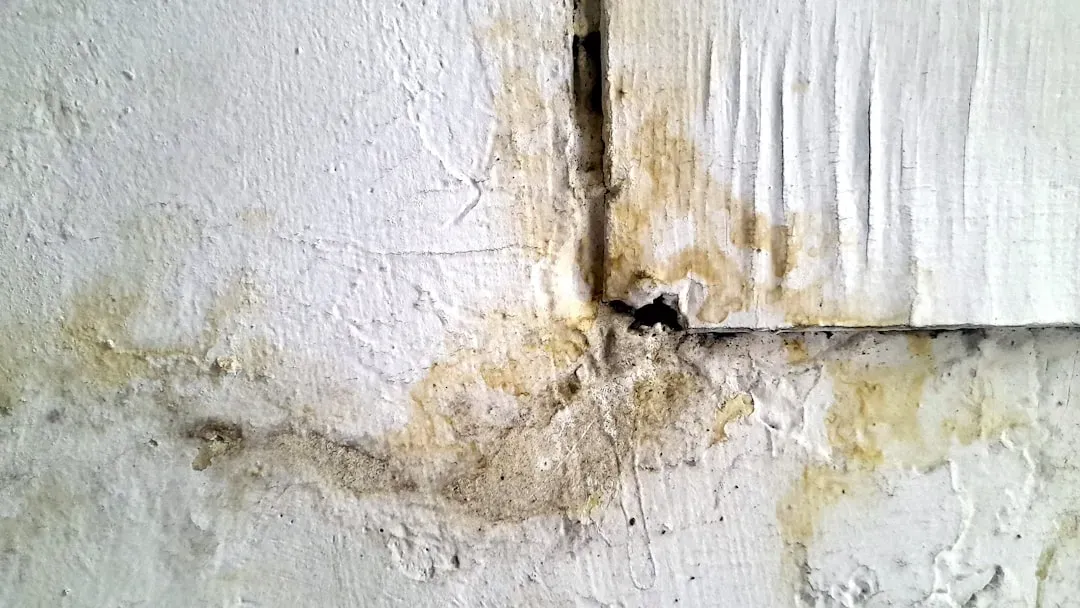
There is nothing glamorous about this one. It is not a dramatic flaw or a shocking renovation gone wrong. It is just neglect, plain and simple, and it costs sellers dearly.
Buyers want to walk into a clean home that has been maintained. Buyers generally don’t want to deal with a seller’s long list of unfinished repairs. Additionally, buyers will automatically default to thinking that there is more wrong than meets the eye and will eliminate a home just based on obvious lack of maintenance.
According to a HomeLight survey, roughly four out of five top real estate agents across the country reported an increase in price cuts during the second quarter of 2025 compared to the same time in 2024. Deferred maintenance is one of the fastest ways to land in that price-cut category.
Sometimes lower property values stem from factors like neglected maintenance, outdated kitchens, or patchy home improvement projects. It sounds almost too simple, but the data keeps pointing back to the same conclusion. A well-maintained home in today’s cautious market will always outperform a neglected one, even if the neglected home is larger or in a slightly better location.
A Final Thought Worth Sitting With
The real estate market in 2026 is not forgiving of “good enough.” From a 16-day average days-on-market in 2021, we are now seeing the slowest sales pace in 10 years, with homes sitting between 47 and 62 days on the market in the third quarter of 2025. Buyers have time to be selective, and they are using it.
The eight features described in this article are not minor inconveniences. They are genuine barriers to sale, backed by real data and confirmed by agents working at the front lines of today’s market. A problematic home isn’t unsellable, but it requires either a significantly reduced price or significant effort to fix before listing.
The smart move is to see your home the way a stranger would see it on a cold walk-through, without attachment, without sentimentality, and with a very practical eye. What would you hesitate about? That hesitation is exactly where the work needs to happen. What feature on this list surprised you the most?





Leave a Reply