
Open almost any cookie recipe and the first line of the ingredient list is a fat. It might be butter, a block of margarine, or a bottle of vegetable oil. The choice looks small, yet it shapes nearly everything about the finished cookie.
Texture, spread, flavor, shelf life and even color all trace back to that one decision. Bakers have settled into habits over the years, and most of those habits have solid chemistry behind them.
Why Fat Matters in a Cookie
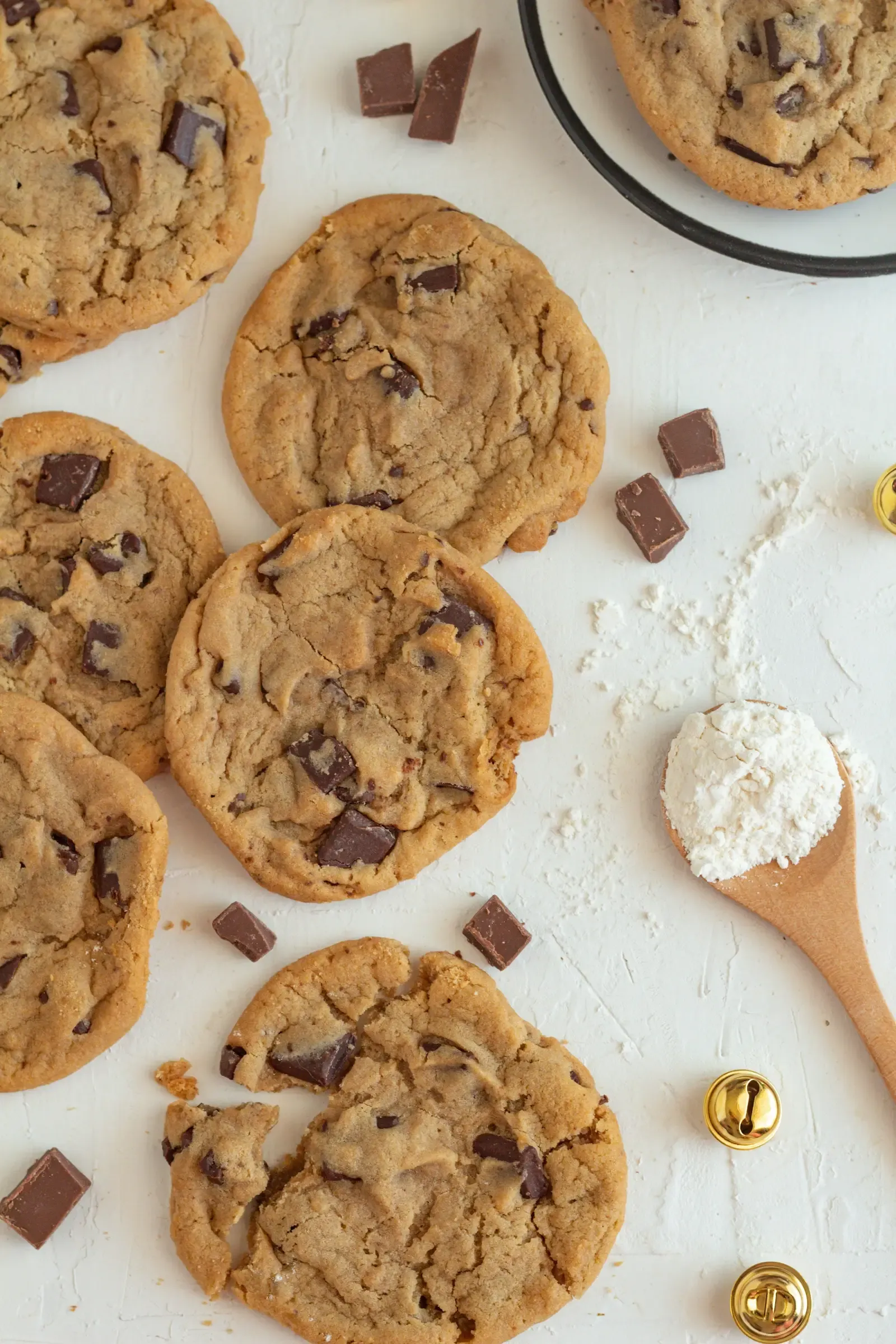
Fat does several jobs at once. It coats flour proteins and limits gluten development, which keeps cookies tender instead of bready. It also carries flavor and affects how far the dough spreads in the oven.
Fat also affects moisture and how a cookie feels in the mouth. Different fats are solid or liquid at room temperature, and they contain different amounts of water. Those two traits explain most of the differences between butter, margarine and oil.
Butter Is the Default for Flavor
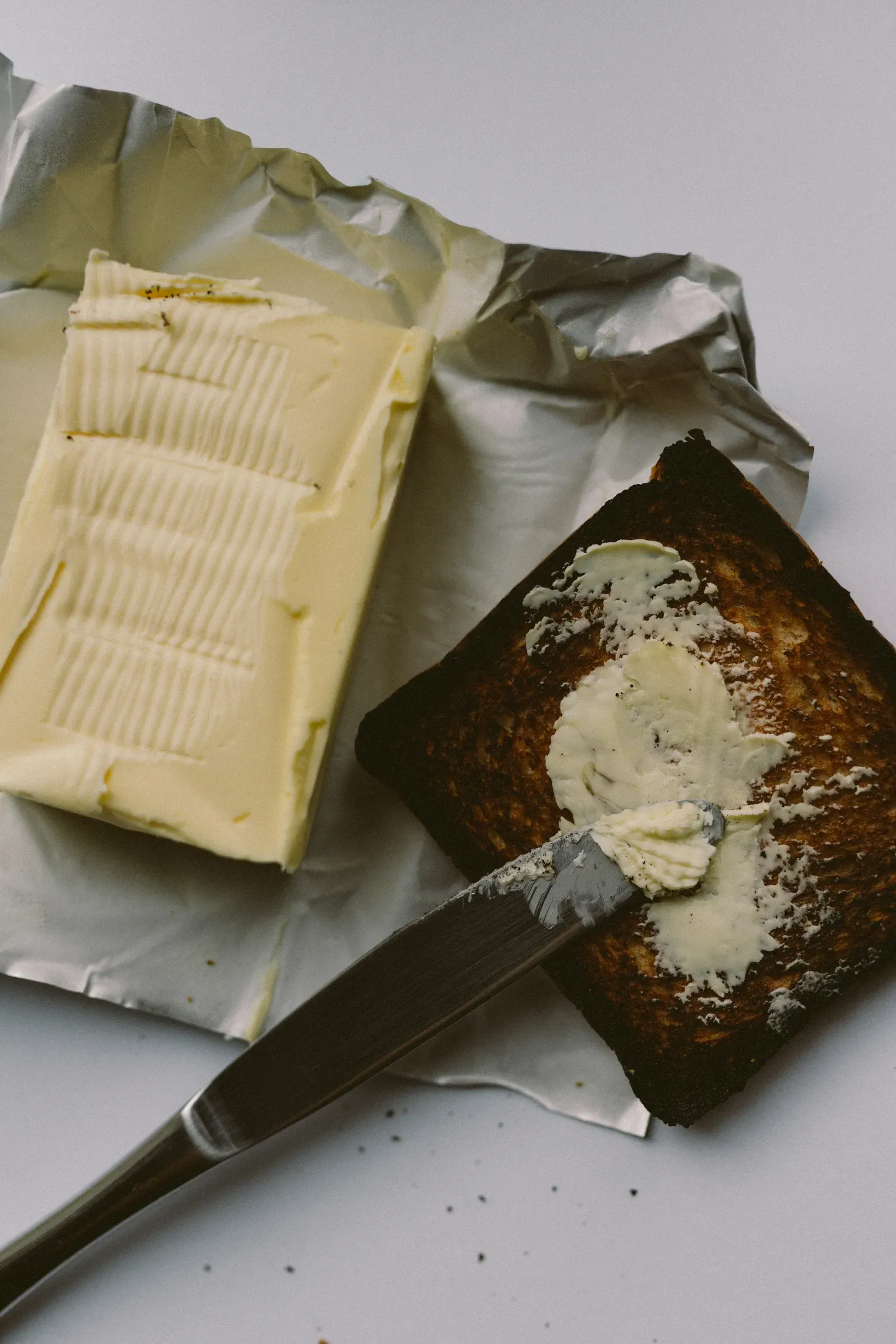
In the United States, butter must contain at least eighty percent milkfat, according to the USDA standard. The rest is mostly water, plus some milk solids. Those milk solids brown during baking, which adds the toasty, caramel notes many people associate with a good cookie.
That flavor is the main reason professional bakers lean on butter for classics like shortbread, sugar cookies and chocolate chip. Butter also melts at a temperature close to body heat, so it gives a clean, almost melting finish. Few other fats manage that combination.
How Butter Controls Spread and Texture
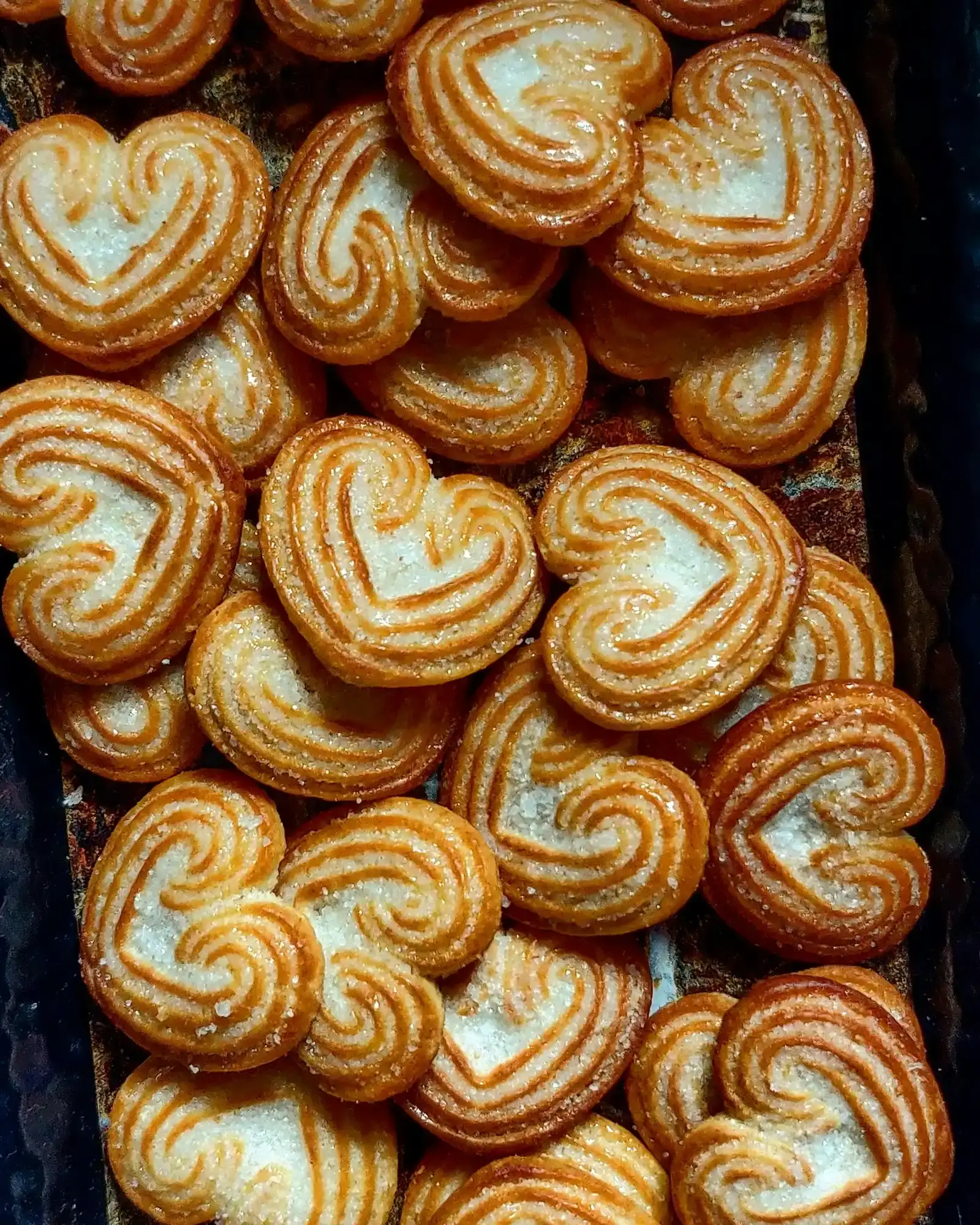
Because butter is solid when cold and soft when warm, bakers can steer the result with temperature. Creaming softened butter with sugar traps tiny air pockets, which helps the cookie lift and keeps it tender. Chilled dough spreads less, giving thicker cookies with defined edges.
The water in butter turns to steam while baking, adding a little lift and a crisp edge. Melted butter, by contrast, tends to produce chewier, denser cookies. Many bakers use that trick on purpose when they want a chewy bakery style result.
What Margarine Brings to the Dough
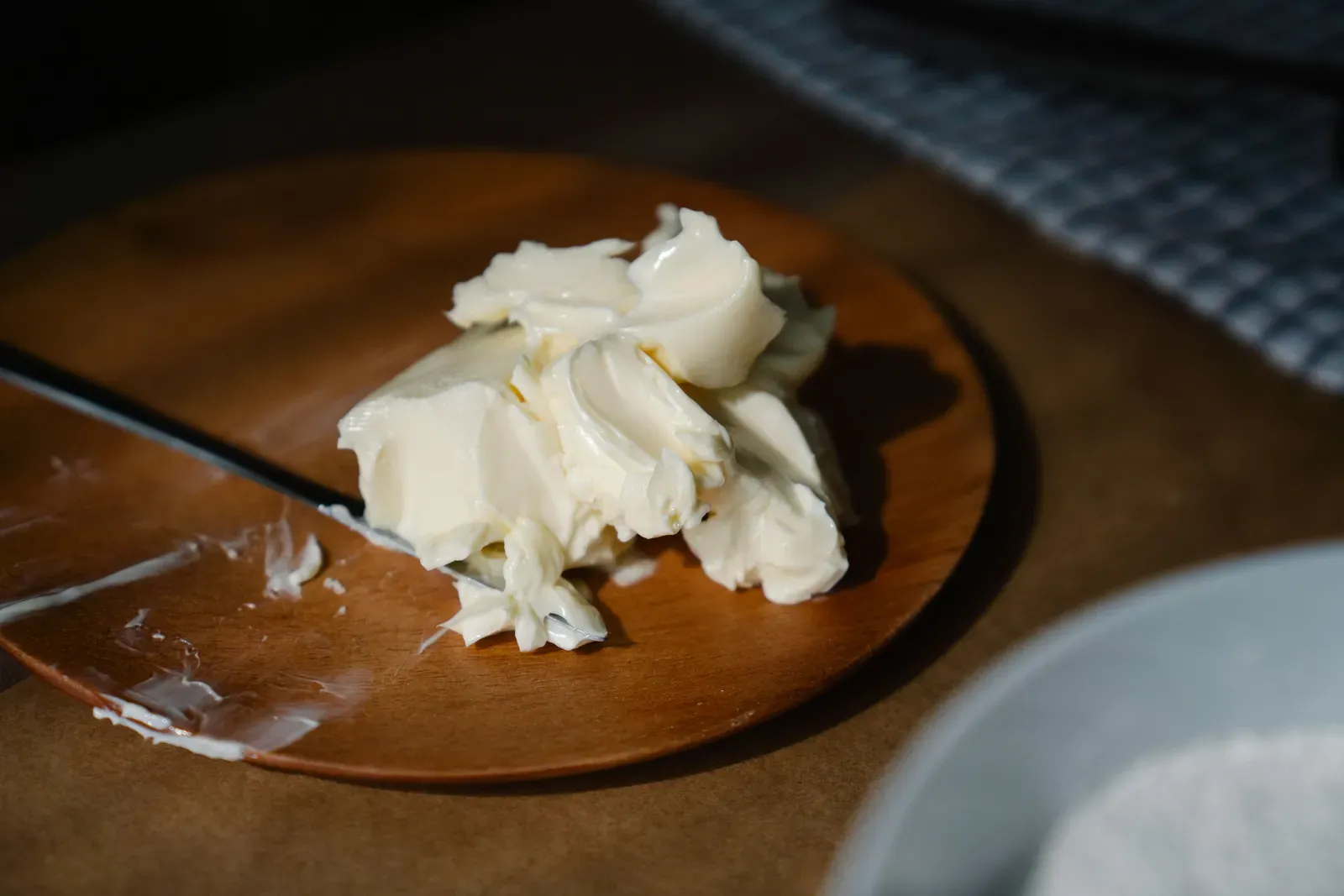
Margarine was developed as a cheaper stand-in for butter, made from vegetable oils. Stick versions often contain around eighty percent fat, similar to butter, so they can swap into recipes fairly smoothly. Tub margarine is a different story, since it usually holds more water and air.
Cookies made with soft tub spreads often spread too much or turn out cakey. Bakers who use margarine tend to choose the firm stick style and check the label for fat content. It can produce a soft, uniform cookie, though the flavor is usually milder than butter’s.
Cost, Diet and Availability
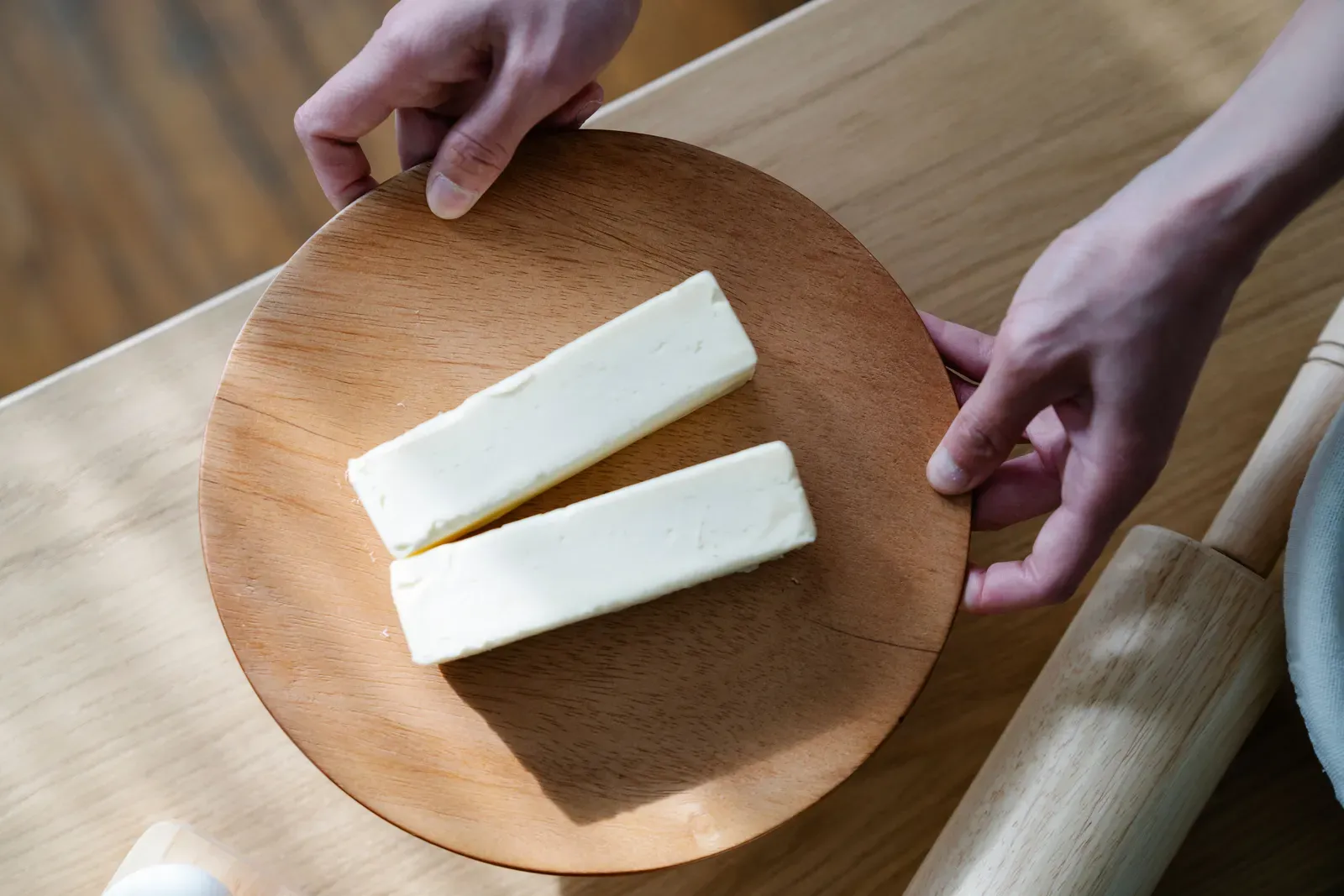
Price is a real factor. Butter costs have swung noticeably in recent years, and commercial bakeries often weigh that against the flavor payoff. Margarine and shortening can be steadier and cheaper per pound.
Diet plays a part too. Margarine and oil work for people avoiding dairy, and plant-based sticks are widely sold for that reason. Older margarines contained artificial trans fats, but the FDA moved to remove partially hydrogenated oils from the food supply, so modern products are largely free of them.
Oil Makes Cookies Soft and Chewy
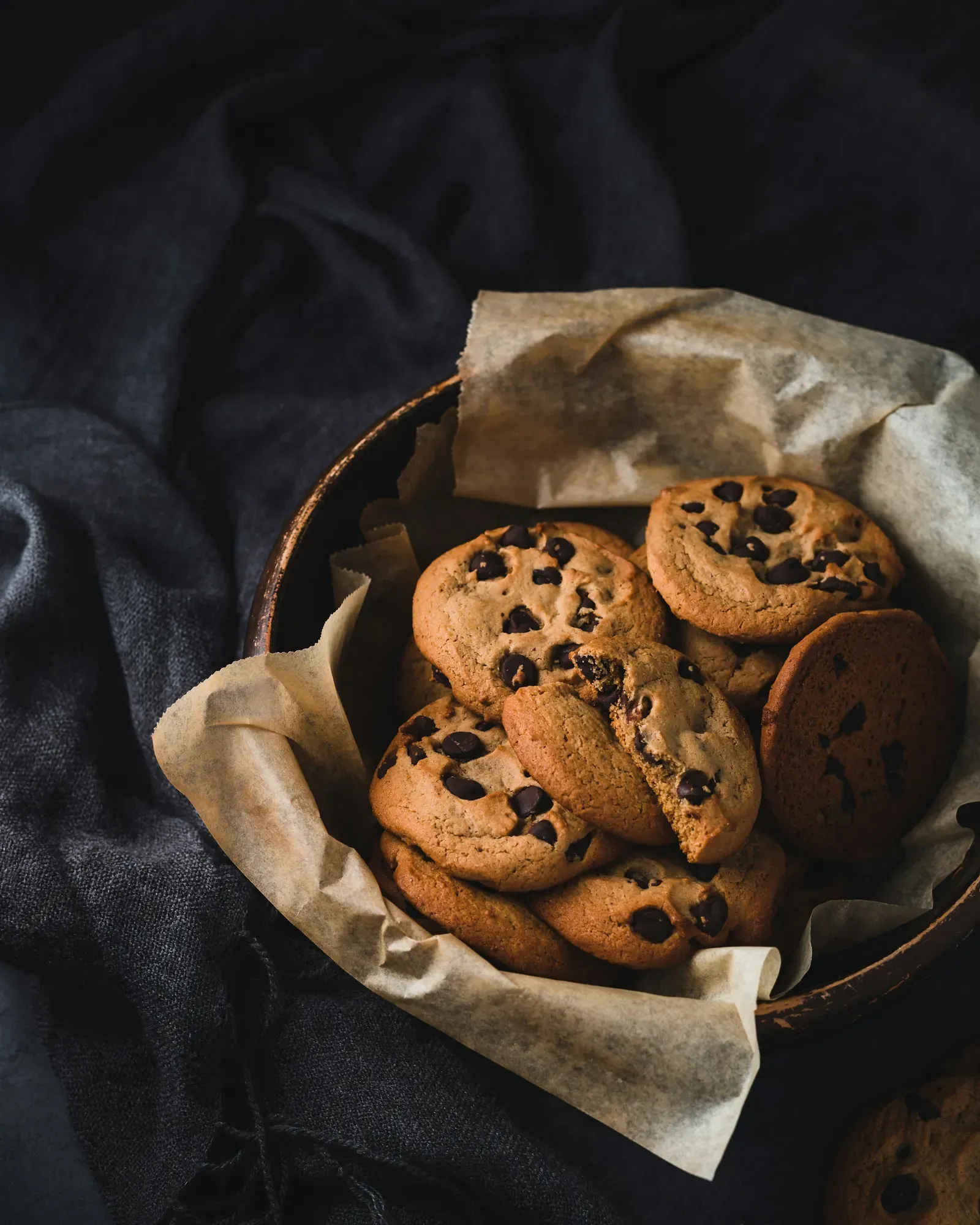
Oil is one hundred percent fat with no water, and it stays liquid at room temperature. That means it can’t be creamed to trap air, so oil cookies are usually denser and moister. They often stay soft for days.
Oil works well in recipes designed for it, like some oatmeal, molasses and vegan cookies. A neutral oil such as canola lets other flavors lead, while olive oil adds a noticeable savory edge. Swapping oil into a butter recipe without adjusting it usually gives greasy, flat results.
Shortening and Blends for Special Results
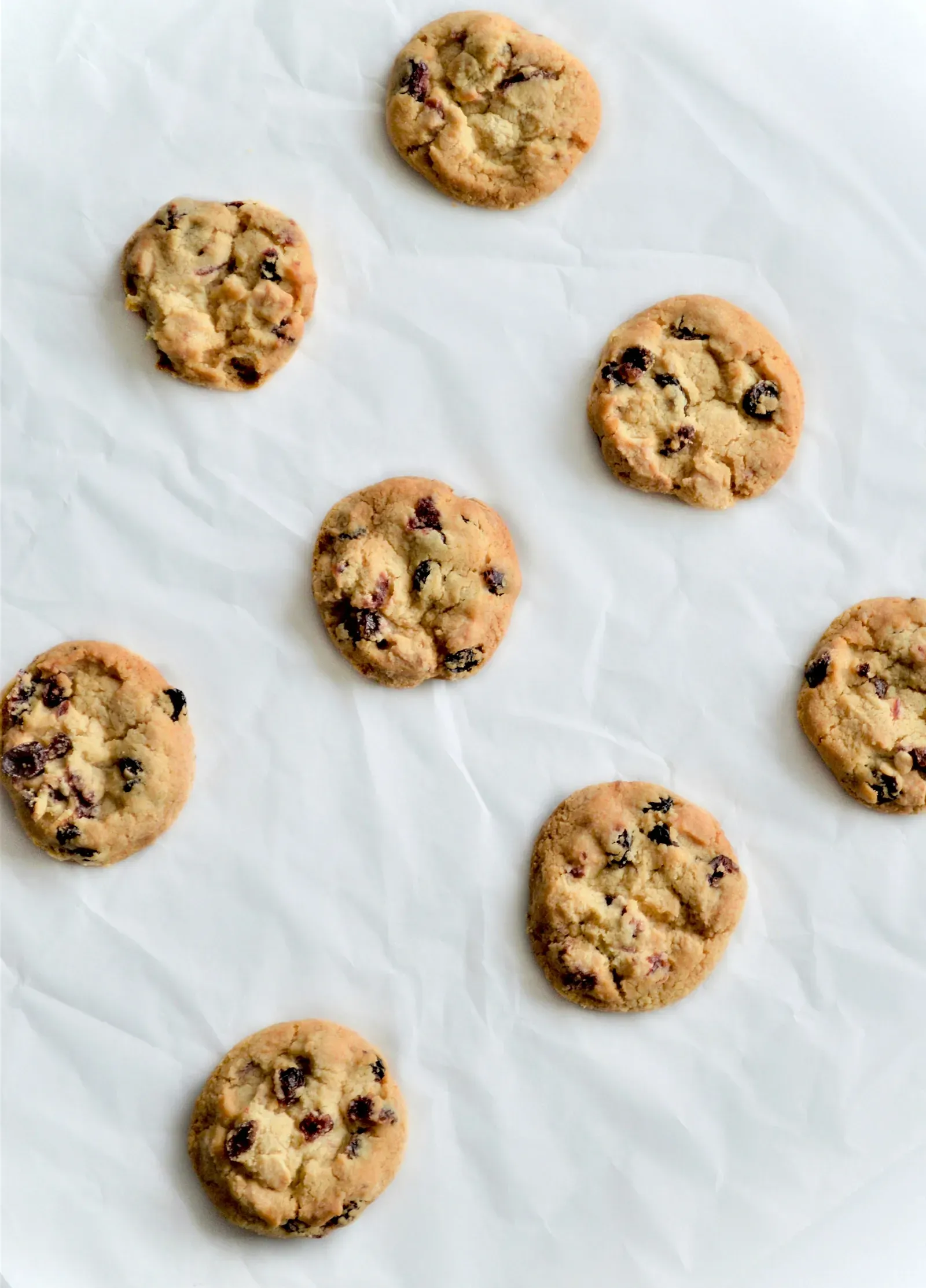
Vegetable shortening is another fat bakers reach for. It contains no water, and it’s solid at warmer temperatures than butter. As a result, cookies made with it hold their shape and stay puffy, which suits cutout and decorated cookies.
Many bakers combine fats to get the best of both. A mix of butter and shortening can give flavor along with structure. It’s a practical compromise rather than a rule, and recipes vary widely.
Swapping Fats Without Ruining the Batch
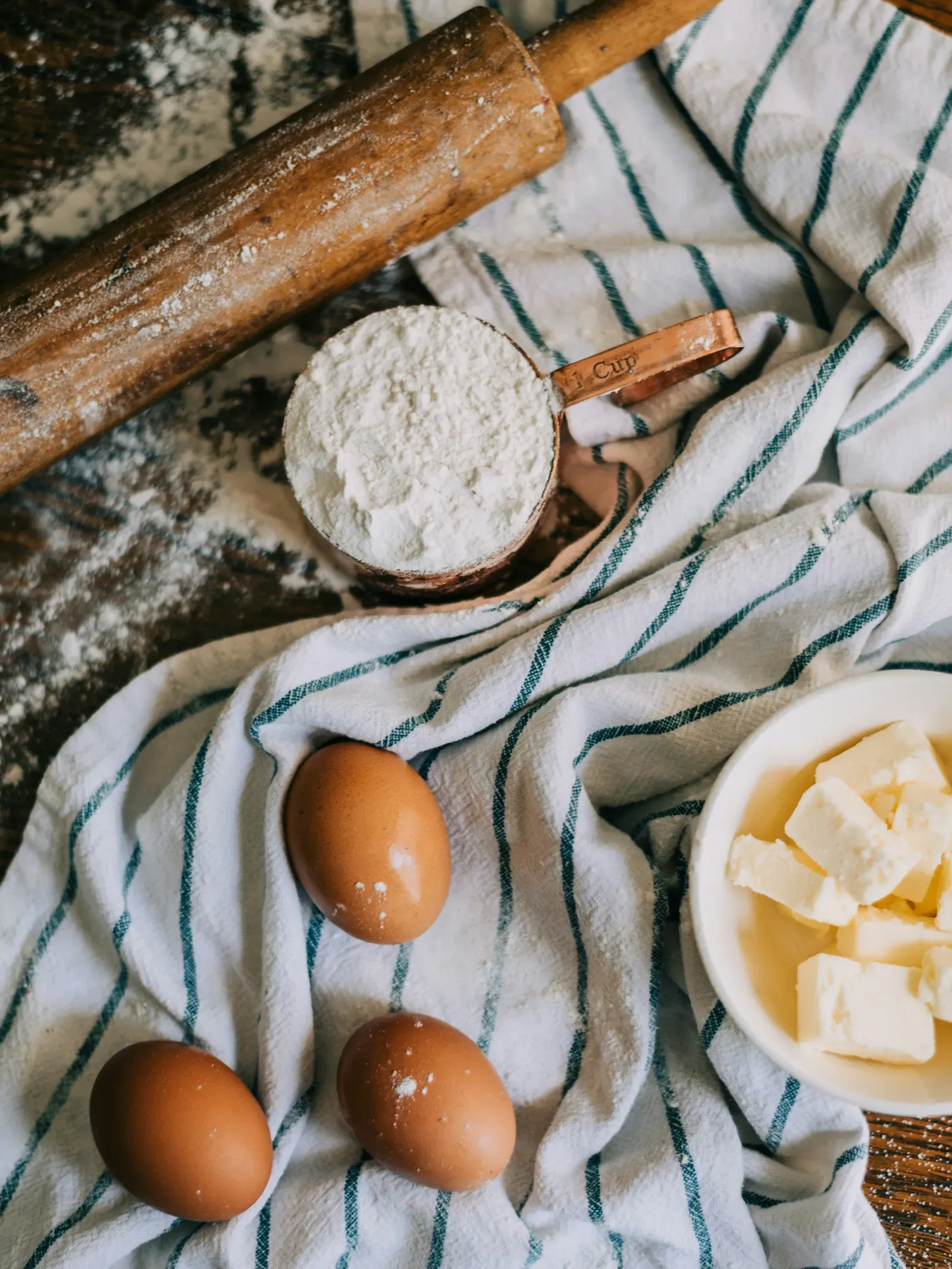
Substitutions work best when you account for water. Since butter is roughly one fifth water, replacing it with pure oil or shortening means you are adding more actual fat than the recipe expects. Many baking references suggest using a bit less oil than butter called for, and results still vary by recipe.
Temperature and chilling matter just as much. If a swap makes dough too soft, resting it in the refrigerator before baking can limit spread. Testing a small tray first is the simplest way to judge the outcome before committing the whole batch.
Which Fat Suits Which Cookie
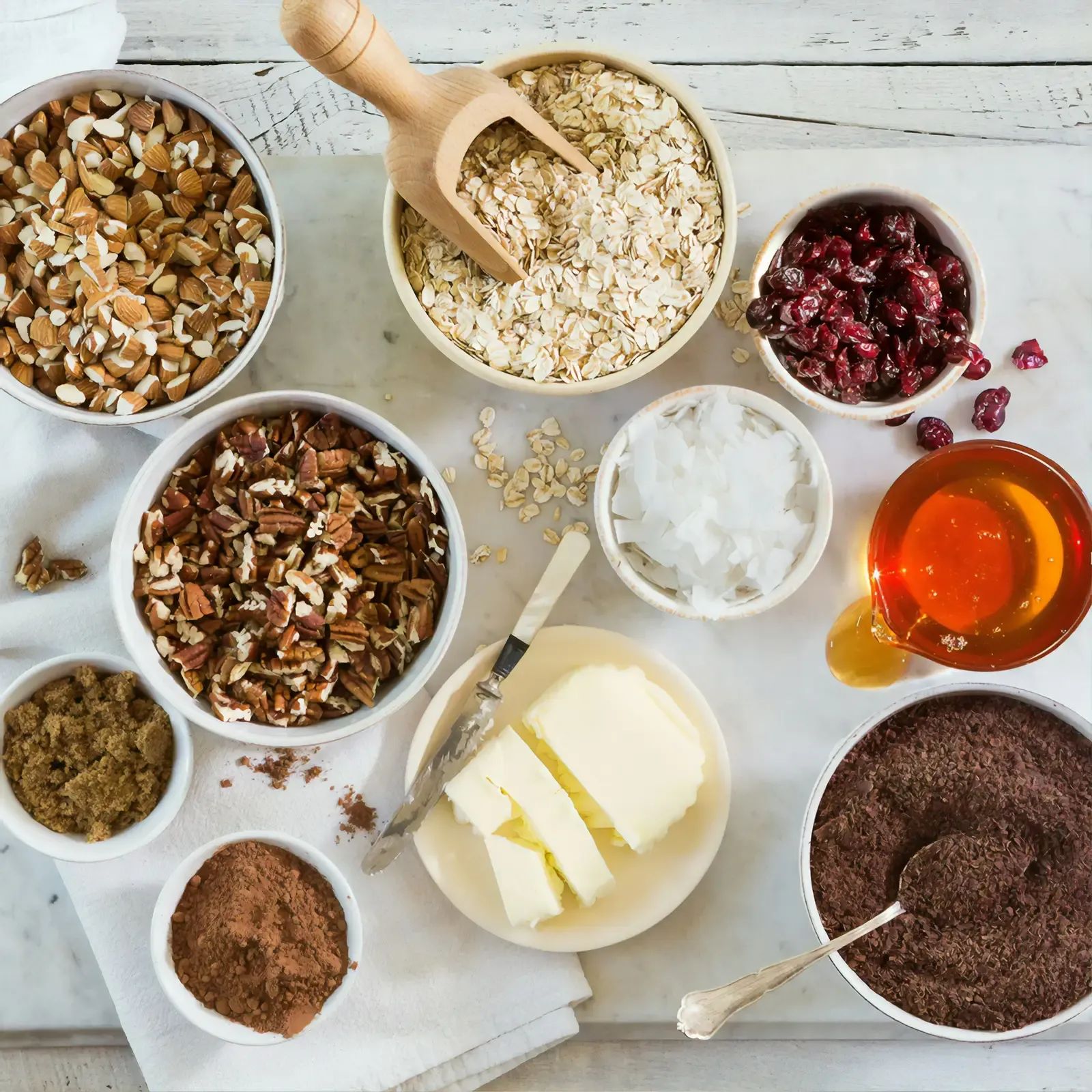
For rich flavor and crisp edges, butter remains the usual choice. For soft, uniform and budget friendly cookies, firm margarine sticks can do the job. For long lasting chew or dairy free baking, oil is a sensible option.
Shortening suits cookies that need to hold intricate shapes. Bakers pick based on the result they want, not on one fat being universally best. Matching the fat to the cookie is what separates a reliable recipe from a disappointing one.




Leave a Reply