
Where the apple and potato trick comes from
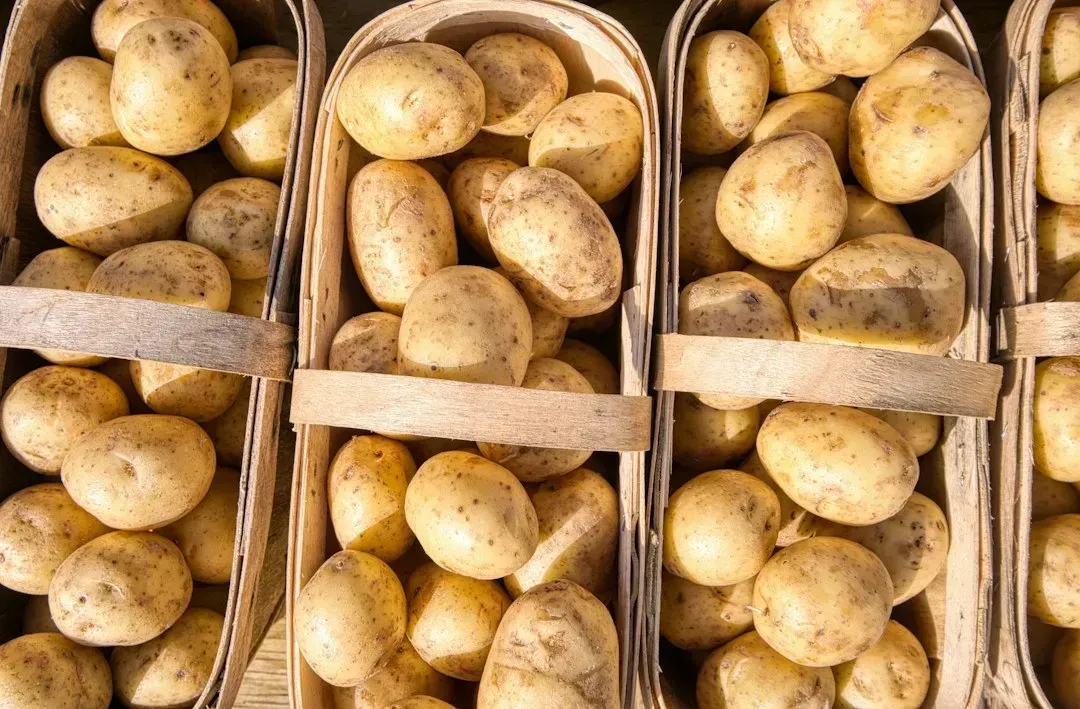
The idea of pairing apples with potatoes in storage isn’t a recent internet hack. It traces back decades, showing up in old food preservation guides and farmhouse cookbooks long before anyone had a name for the gas involved. According to many food preservation books, as well as cookbooks and magazine articles, apples, when stored with potatoes, will help prevent early sprouting, though this information comes from experiments carried out in the 1930s.
That century-old origin matters because it means the advice predates a lot of the precise laboratory work we now have access to. It was passed along as folk wisdom for years before scientists really tried to pin down the mechanism. That doesn’t make it wrong, but it does mean the trick was accepted long before anyone tested it rigorously.
The gas that makes it all possible
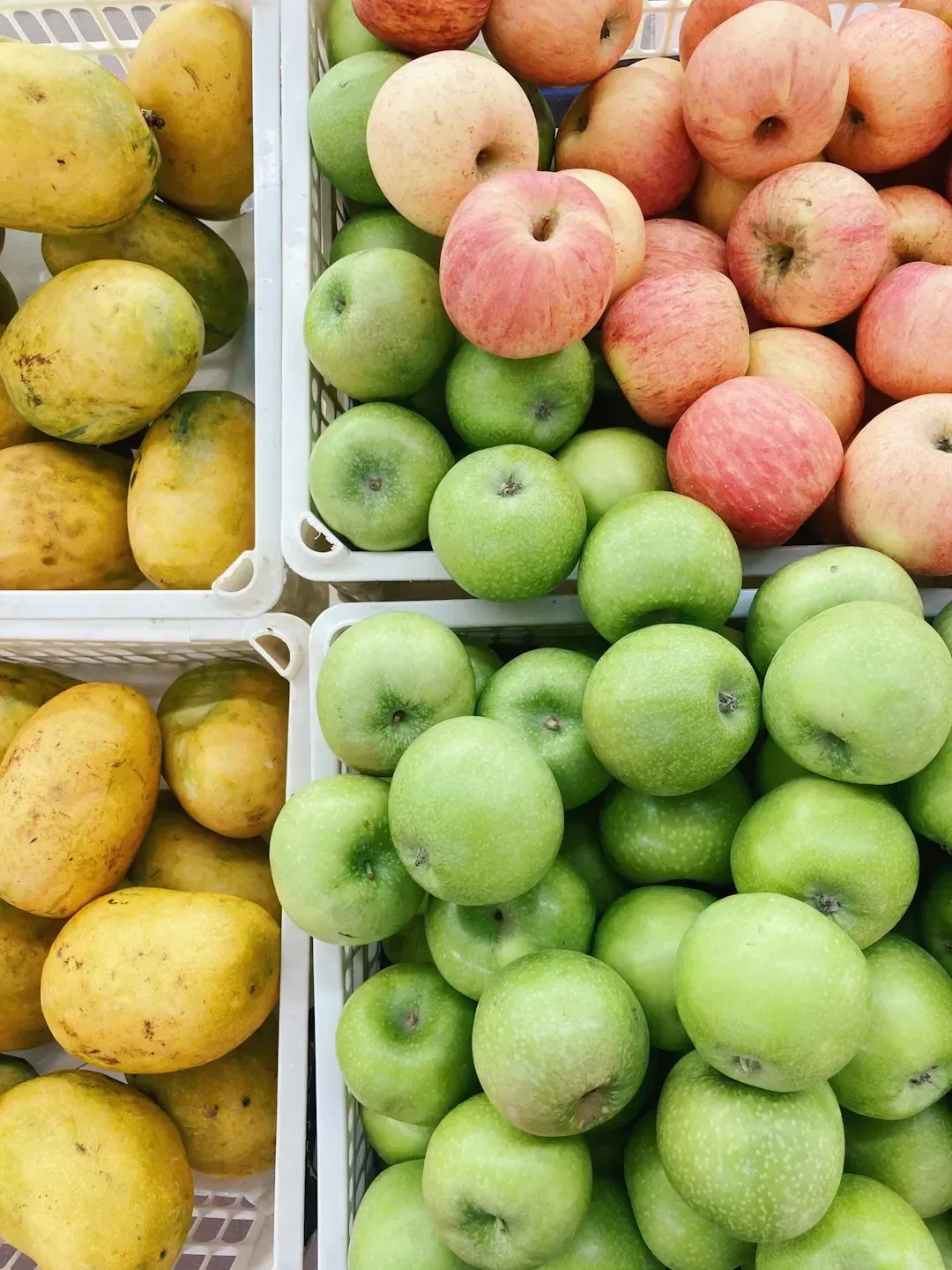
The entire premise hinges on ethylene, a naturally occurring plant hormone. Ethylene gas is a natural plant hormone produced by fruits like apples, bananas, and tomatoes, and it plays a crucial role in the ripening process of fruits and the aging of vegetables. Apples happen to release a fair amount of it as they sit and continue to ripen on a counter or in a bin.
Ethylene is a colorless, odorless, and tasteless gas that acts as a plant hormone, having many physiological effects, most of which are related to growth regulation. That’s exactly why it gets so much attention in postharvest science. Depending on the crop and the dose, it can either speed things up or slow them down, and figuring out which applies to potatoes has taken more than a little scientific back and forth.
What the original potato study actually found
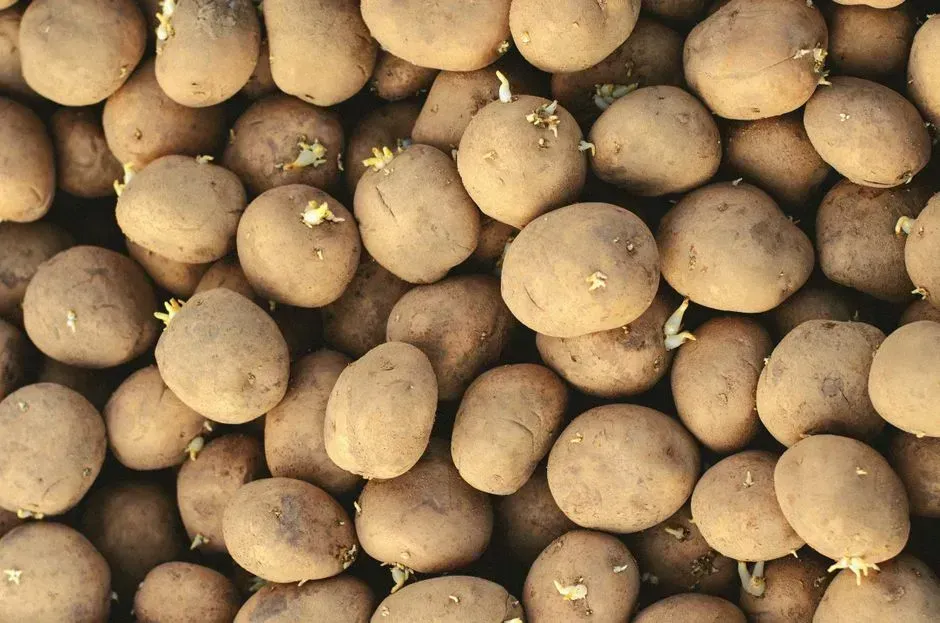
The study most commonly cited to support the apple trick comes from the Journal of Food Science and Technology. The study examined the effect of ethylene on potatoes, using Favorita potatoes kept in cold storage and treated at timed intervals with specific doses of ethylene gas, then analyzed for sprouting, respiration rate, sugar content, starch content, and enzyme activity. The researchers weren’t testing apples directly, they were testing ethylene itself under carefully controlled lab conditions.
The results were notable. The study showed that ethylene treatment delayed the sprouting of potatoes, at least under these tightly managed conditions. That’s the finding that eventually made its way into food blogs and articles claiming that an apple in the potato bin works the same magic, even though a whole apple releasing gas in a paper sack is a far cry from a lab dosing tubers with a precise ethylene concentration.
Newer research adds some real support
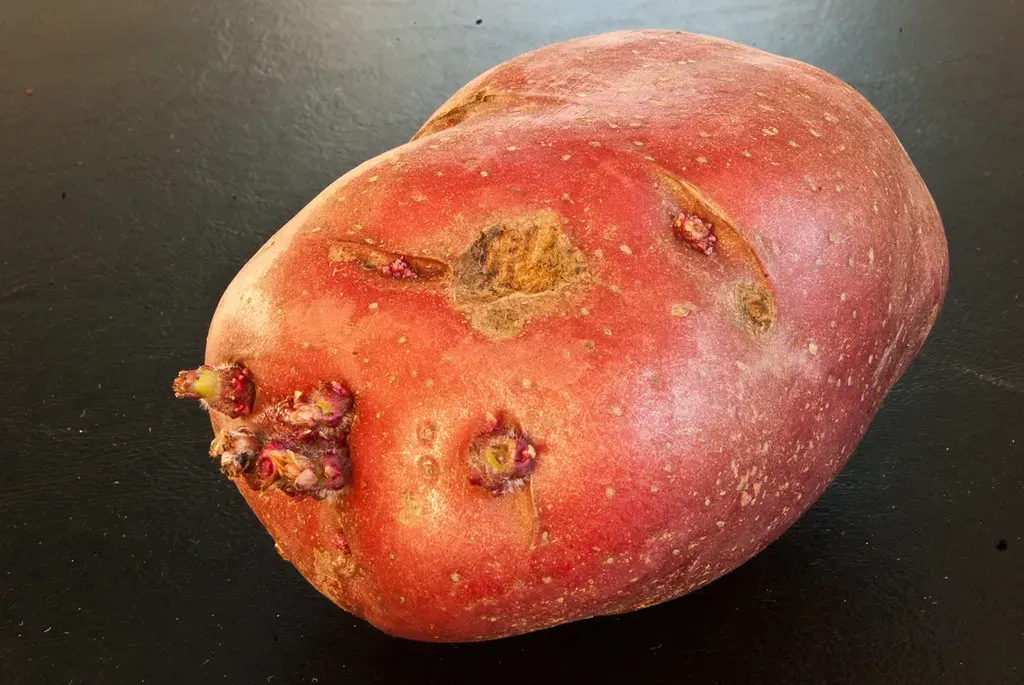
It’s not just an old study propping up this whole idea anymore. A 2024 paper published in Heliyon actually tested the apple pairing directly rather than isolated ethylene gas. Tubers stored with apple fruit had significantly reduced physiological weight loss after 30 day storage compared to the control, and sprouting was significantly lower on tubers stored with fruit compared to the control.
The researchers went as far as suggesting a practical application for this. They concluded that apple fruit could serve as an effective sprout suppressant for potatoes at ambient storage, and could be adopted as an alternative to synthetic ethylene gas and chemicals such as chlorpropham. That’s a meaningful update, since it’s one of the few studies that tested the folk remedy in something closer to its real-world form rather than pure gas exposure in a lab.
The catch that most articles skip over
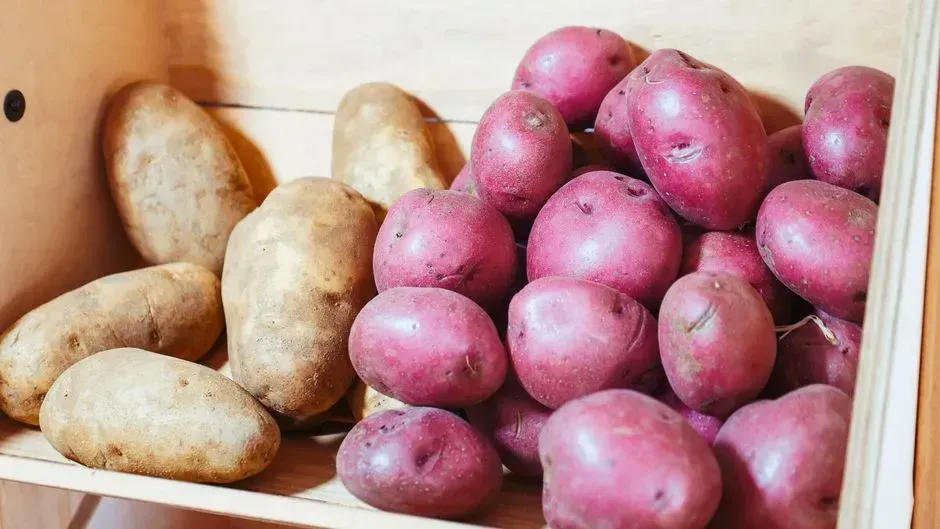
Sprouting isn’t the only thing that changes in a potato sitting next to ethylene for weeks. The same Heliyon research found tradeoffs that rarely make it into the quick internet summaries of this trick. Sucrose, glucose and fructose increased in tubers stored with apple fruit compared to the control, tubers stored with apple fruit decayed significantly more, and dry matter and starch content were significantly lower.
In plain terms, fewer sprouts doesn’t automatically mean a better potato. Higher sugar content can affect flavor and how the potato browns when cooked, and faster decay somewhat undercuts the whole point of trying to extend shelf life in the first place. It’s a reminder that food storage tricks rarely come with only upside.
Why some food scientists remain skeptical
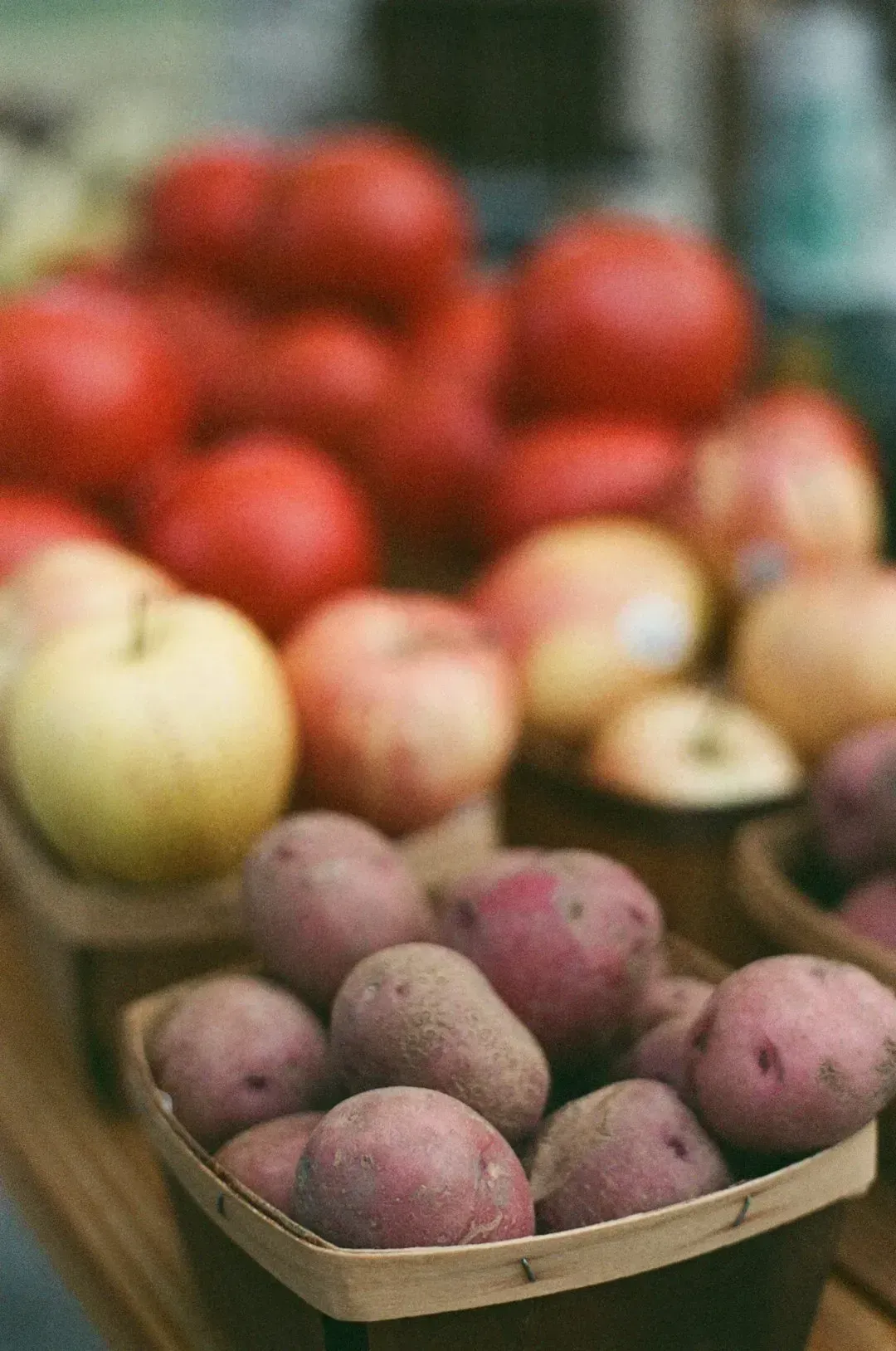
Not everyone in the food writing world is convinced this is settled science. One widely cited food science blog went so far as to walk back its own earlier endorsement of the trick after digging deeper into the literature. Apples, as part of the ripening process, give off ethylene gas, and this gas promotes the sprouting of the spuds, whereas, early on, it was claimed that ethylene gas prevented sprouting.
That contradiction sums up why this topic still generates debate. As a result, the potato freshness apple hack is hotly debated. Ethylene’s effect on potatoes appears to depend heavily on concentration, exposure duration, temperature, and even the potato variety, which means a single apple in a kitchen pantry may not replicate the conditions where positive results were actually measured.
How the industry actually uses ethylene
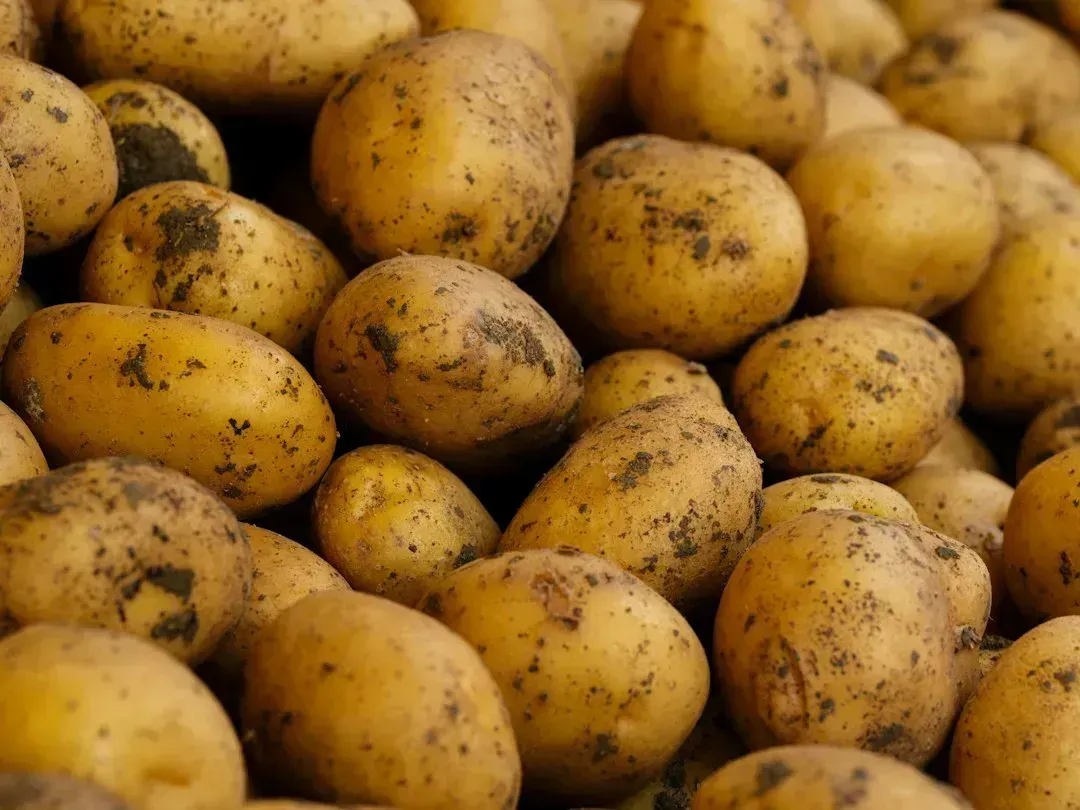
Large scale potato storage facilities have taken ethylene seriously enough to build entire systems around it, which says something about its real potential. Since the sprout-inhibiting chemical chlorpropham was banned in Europe in 2020, many potato producers have been looking for an alternate way to treat their crops to ensure freshness. Ethylene became one of the leading candidates precisely because of findings like the ones described above.
But scaling it up hasn’t been simple. Big companies have been very interested in the possibility of using ethylene based on this and other promising research, but even with all their resources, it’s proven hard to get the process right. That’s a telling detail. If commercial operations with precise gas metering equipment still struggle to dial in the right ethylene dose, a random apple sitting in a five pound bag of potatoes on a countertop is unlikely to deliver anything close to a controlled treatment.
What ethylene does to potatoes’ neighbors
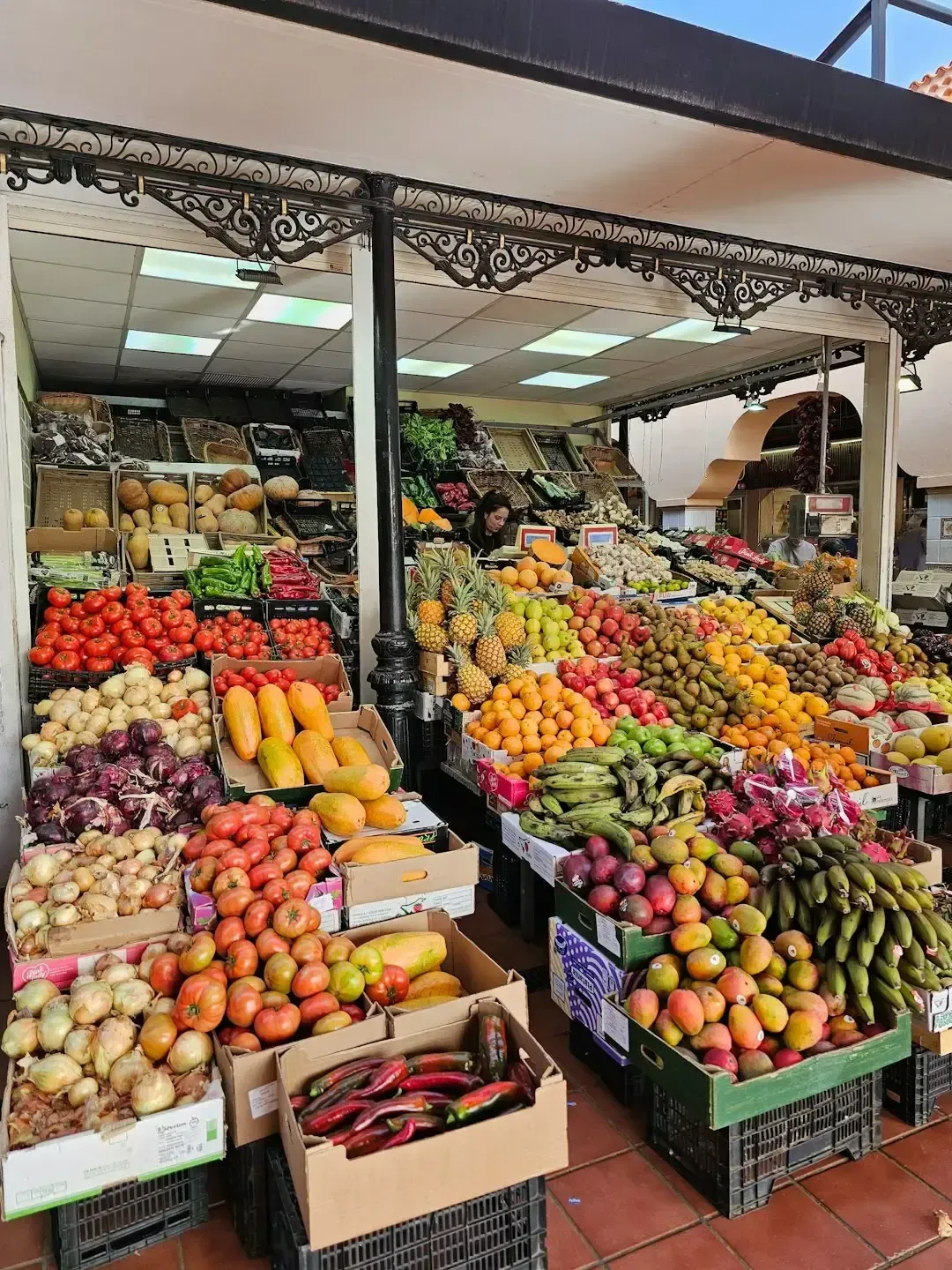
One thing worth clarifying is that this whole trick only works because potatoes are unusually tolerant of ethylene compared to most other produce. Any fruit or vegetable that produces or is vulnerable to ethylene, which includes produce like bananas, tomatoes, and melons, is typically stored on its own, while potatoes also produce ethylene but have a lower overall sensitivity to the chemical. That relative tolerance is what makes the pairing plausible in the first place.
It also explains why the advice always comes with a warning attached. You should not keep apples next to items that are especially sensitive to ethylene, such as onions, melons, broccoli, and peaches. The same gas that might modestly help a potato can quietly ruin produce sitting a shelf away, so the placement of that apple matters as much as the pairing itself.
So, does it actually work?
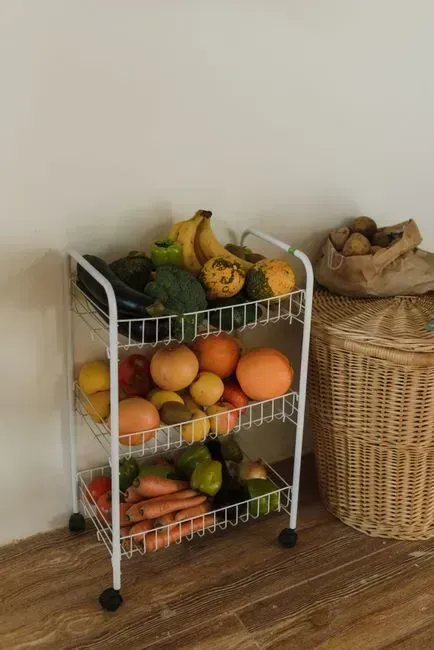
The honest answer sits somewhere between the confident kitchen folklore and outright dismissal. The theory behind the apple-potato trick is that apples release ethylene gas, and ethylene gas has been shown to inhibit potatoes from sprouting in at least one lab experiment. A 2024 study strengthens that case by testing whole apples rather than isolated gas, and finding measurably less sprouting and less weight loss in the tubers that shared space with fruit.
At the same time, the same research flags higher sugar content and faster decay as tradeoffs, and food scientists still disagree on how reliably the effect holds up outside a lab setting. What’s clear is that potatoes should be kept in a cool, dark, ventilated spot regardless, since temperature and light control the bulk of sprouting on their own. An apple tossed into that mix appears to help at the margins, but it’s a modest assist rather than a guaranteed fix.

Leave a Reply