
There’s a conversation that plays out in showrooms and on job sites countless times a year. A homeowner points to a carpet sample, eyes bright with enthusiasm, and the installer quietly braces for what’s coming. The color is beautiful. The color is also, from a practical standpoint, a disaster waiting to happen in a hallway, entryway, or family room.
Color is one of the most powerful tools in any interior design decision, but in high-traffic carpeted spaces, it can also be one of the most costly mistakes a homeowner makes. Flooring is one of the most visible and heavily used elements in any home, and many homeowners, focused purely on color, inadvertently make costly mistakes that often lead to premature wear and visual disappointment. Here’s what professionals wish more people knew before they signed the purchase order.
Bright White and Off-White: The Maintenance Trap Nobody Sees Coming
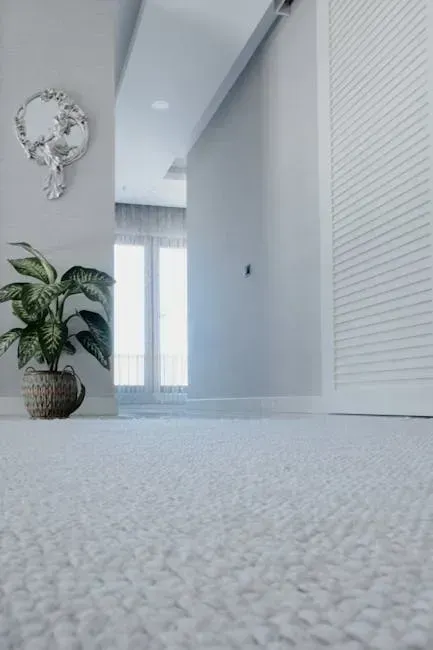
White is notorious for showing spills and stains. The bright shade makes it difficult to maintain a clean space because stains are obvious and hard to remove. In a bedroom, a soft white carpet can feel serene and luxurious. In a hallway or living room, that same carpet becomes a daily record of everything that crosses it, from muddy shoes to pet paws to a tipped coffee cup.
High-traffic areas such as hallways, entryways, and staircases often experience more wear and tear than other parts of the home. Choosing a light-colored carpet for these spaces can lead to premature fading, stains, and damage. Homeowners may overlook the importance of durability when selecting a carpet, only to find that it doesn’t stand up to the demands of daily life. Professionals see this pattern repeatedly, and it almost always ends in the same frustration.
Solid Black: The Opposite Problem, Same Result
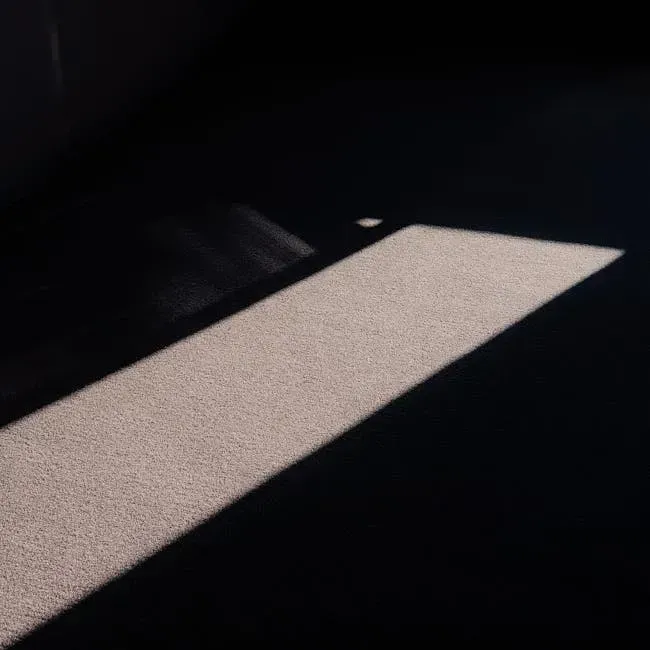
Black may seem like a good option for your floor, but the truth is black highlights just as much debris, if not more, than white carpets, especially if you have pets. While it might seem a strong option to disguise dirt, black carpets tend to accumulate grime over time. It also makes it tricky to know which areas are actually clean. This surprises most homeowners who assumed that the darkest shade would hide the most.
Solid black carpets might seem like a great idea for hiding stains, but they actually highlight dust, lint, and pet hair. Unless you’re ready to vacuum constantly, black may not be your best bet. Black and white carpets can create a striking visual impact, but they are less forgiving when hiding dirt, prominently displaying dirt and stains and necessitating regular maintenance and cleaning efforts.
Uniform Solid Gray in the Medium Range
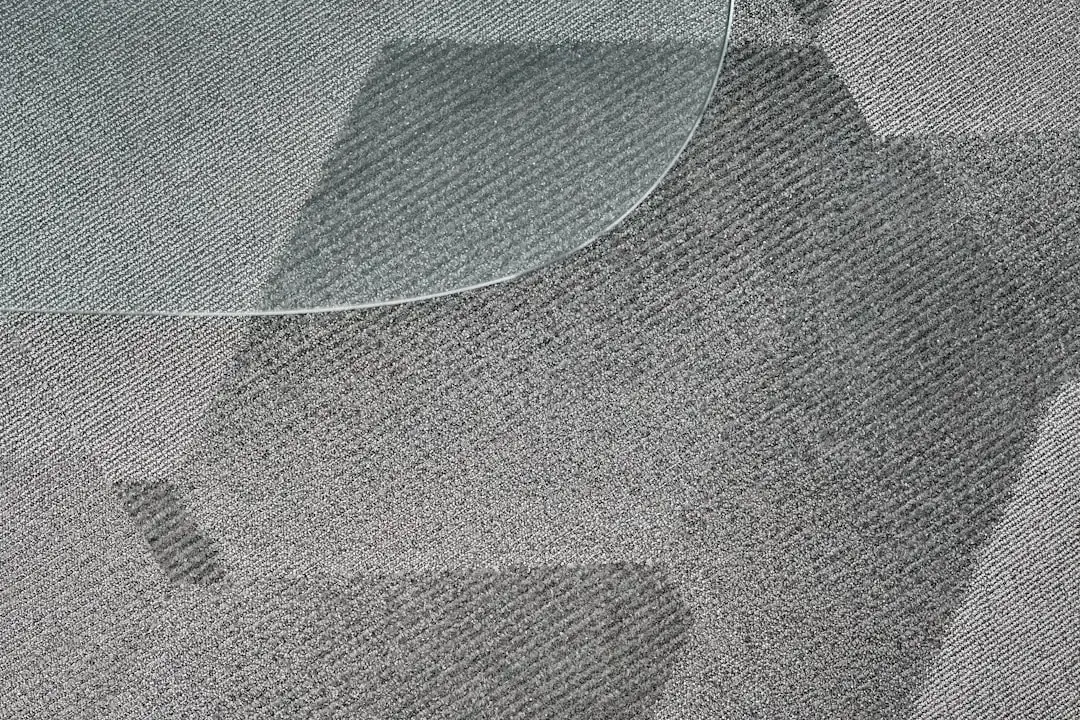
Medium-toned solid colors like slate blue, middle gray, or sage green might look perfectly clean in the showroom. But these middle-range solid colors tend to show every crumb, hair, and speck of dust that lands on them, making them high-maintenance choices for busy households. It’s a counterintuitive problem. People gravitate toward mid-tones thinking they offer a safe middle ground, yet a flat, uniform gray in a heavy-traffic zone can be merciless about revealing everything on its surface.
The key distinction is uniformity, not darkness. Very light and very dark solid carpets actually show more debris than you might expect. For high-traffic areas, carpets with subtle patterns, flecks, or multicolored designs help camouflage everyday dirt between cleanings. These forgiving options maintain their appearance much longer with less effort.
Bold, Trendy Colors That Date Quickly
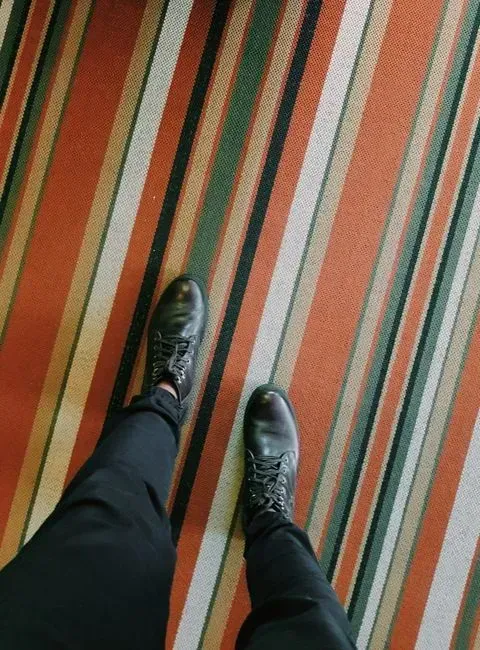
An ultra-trendy bright teal carpet might seem exciting now, but carpet is a significant investment that typically stays in place for five to ten years. Bold, trendy colors often lose their appeal much faster than more timeless options, leaving you stuck with a dated look that’s expensive to replace. Beyond the aesthetic issue, bright saturated colors present a practical problem in busy rooms.
Vivid shades like red, yellow, or bright blue might make a bold statement, but they also make stains stand out. These colors draw attention to themselves, and anything that spills on them. Neutral carpets in beige, gray, taupe, or soft blue provide longevity while still allowing you to update your room’s look through less expensive elements like throw pillows, artwork, or paint. If you love vibrant colors, consider expressing them through accessories rather than permanent flooring choices that are costly to change.
Purple and Other Statement Colors With Limited Flexibility
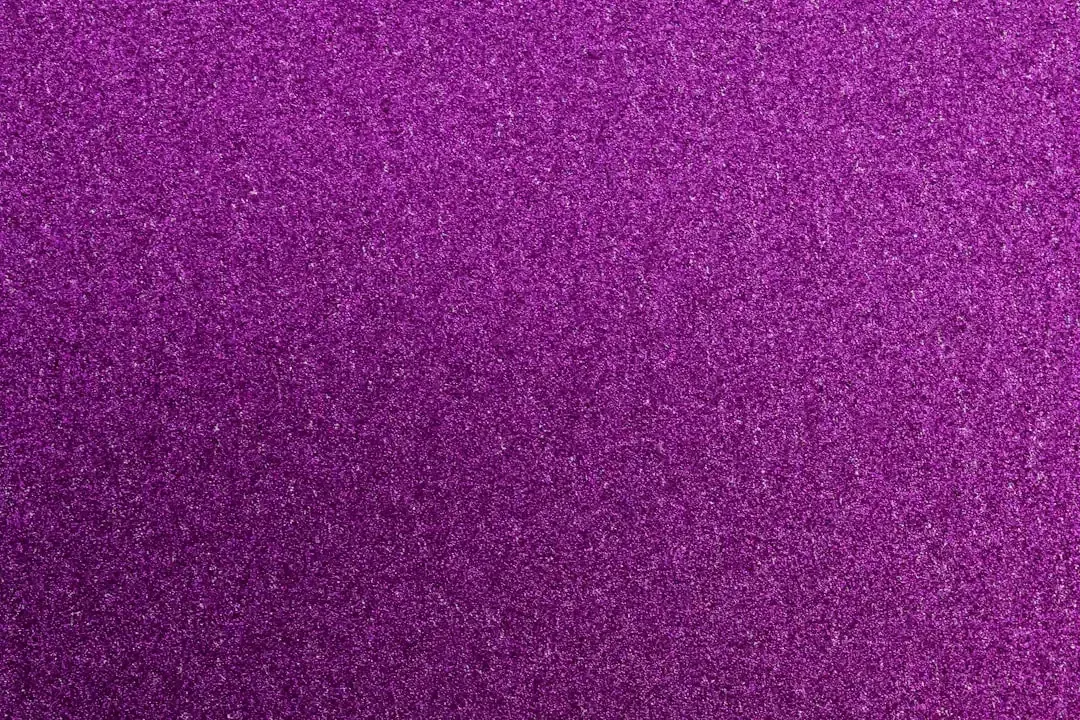
Purple flooring might have been a pivotal trend in the nineties, but this statement color has surely had its day. The deeper issue with highly saturated statement colors isn’t just visual fatigue. It’s the way they lock your entire decorating scheme into a narrow set of options. Walls, furniture, and accessories all have to work around the floor, and that gets constraining fast.
The practical wear problem adds to this. High-traffic zones subject carpet to oils from skin and hair, tracked-in grime, and UV exposure from windows. High-traffic areas often show signs of wear and tear, resulting in a dull appearance. Improper cleaning or excessive moisture can cause colors to bleed or fade, especially over time. On a vibrant, saturated carpet, that fading is immediately obvious and almost impossible to ignore.
Very Light Beige and Cream Solids Without Pattern
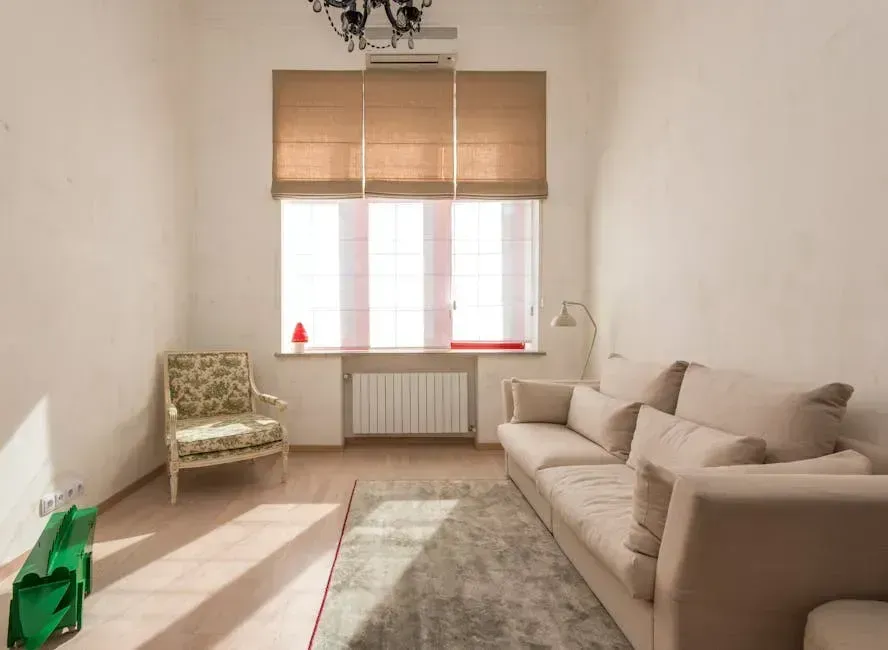
Lighter shade carpets reveal every spec of dirt. Cream, beige, and eggshell carpets showcase footprints, vacuum cleaner marks, and spills. Mid-tone hues like tan perform slightly better but still show traffic patterns. Installers see this specific misstep often because the showroom sample always looks impeccable, bathed in good lighting against a clean background.
The reality of daily household life is quite different. High-traffic areas like hallways, entryways, and living rooms tend to show wear and tear quickly. Over time, these areas collect dirt, oils, and debris that become embedded in the fibers, leading to dark, dingy stains that regular vacuuming can’t always remove. A plain light beige carpet with no textural variation amplifies every one of those embedded marks instead of masking them.
High-Pile Plush in Any Light Color
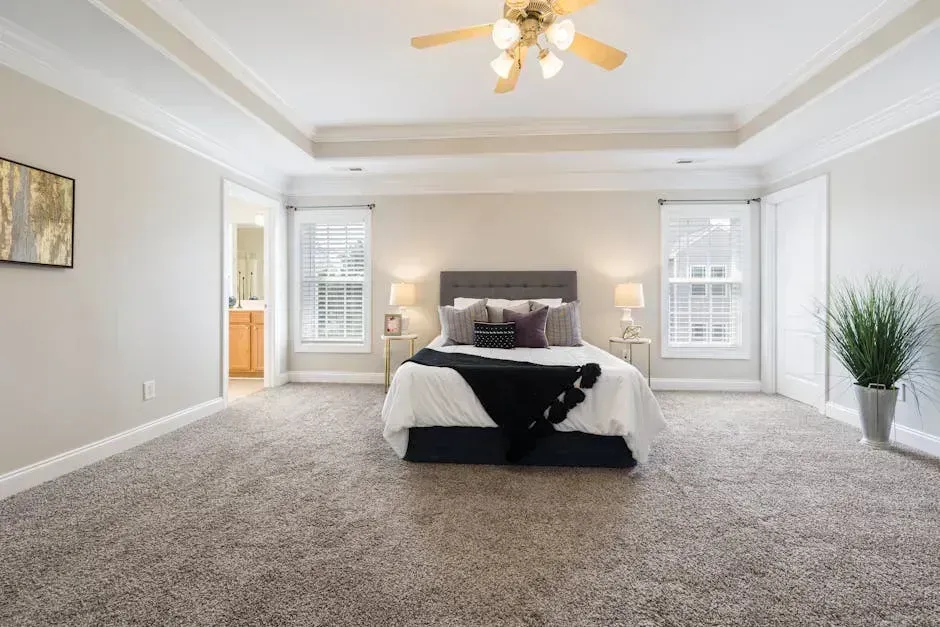
High-pile carpets may not be ideal for high-traffic areas but are perfect for creating a cozy retreat. The problem compounds when you pair a high-pile construction with a light or uniform color in a busy space. Within just a few months of moving into a home, carpet fibers in high-traffic areas begin to flatten. This doesn’t mean your carpet is poor quality. Even premium carpet can develop visible patterns based on movement.
On a plush, light-colored carpet, those flattened pathways read as darker lanes almost immediately. The darker shading you see isn’t just discoloration. It’s a combination of embedded oils, compacted fibers, and loss of reflective texture. The issue is particularly noticeable on lighter carpets and in homes with kids, pets, or multiple residents. Choosing a denser, lower-pile option removes a significant part of this problem from the equation.
Single-Tone Bright Yellows and Oranges
Yellow and orange hues display dirt and footprints clearly. Black carpets, while seemingly good at disguising dirt, tend to build up grime over time. Yellow and orange stand out as particularly poor performers in hallways and entry areas, where muddy footprints are a daily reality. The warm vibrancy that makes these colors charming in small doses makes them relentless about exposing every blemish at floor level.
Floor color plays a massive role in how clean your house appears on a daily basis. Extremely dark floors highlight dust, pet hair, and surface scratches immediately. Very light, uniform colors highlight dirt and mud instantly. Yellow and orange sit firmly in the “light, uniform” category where the worst of both extremes collide.
What Installers Actually Recommend Instead
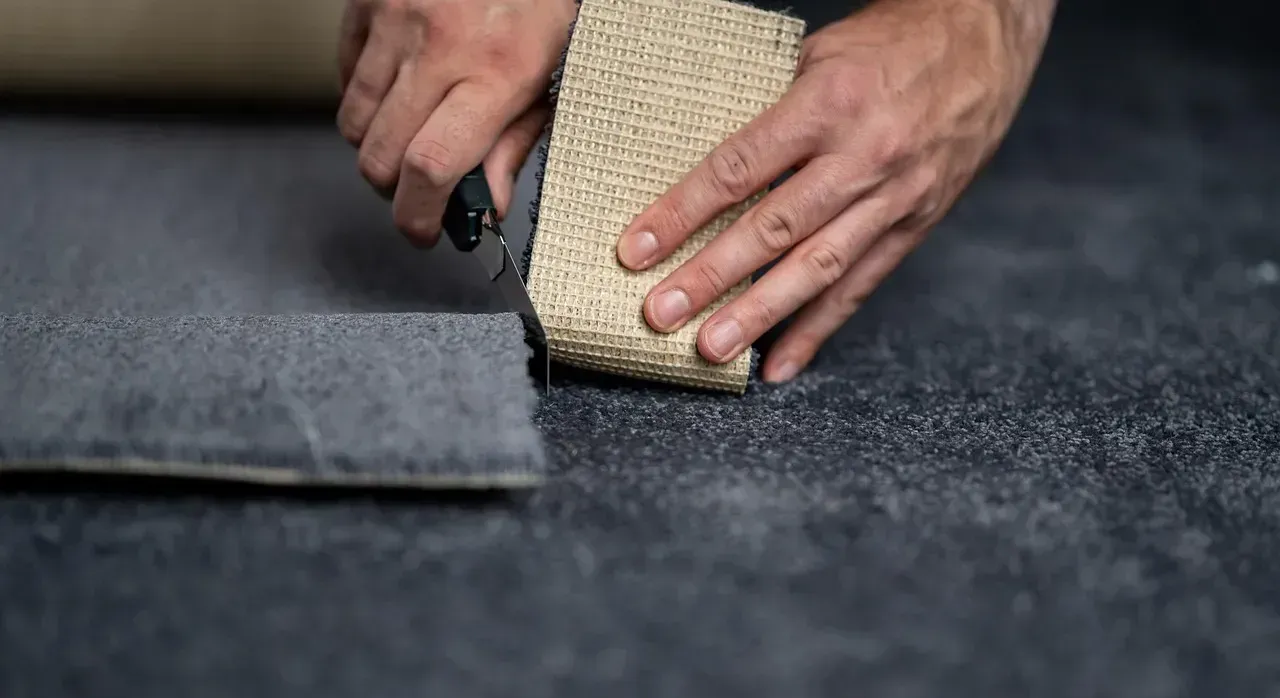
The fix is to choose mid-tones or textures. Medium brown, light gray, or textured and distressed finishes do the best job of hiding dust, minor scratches, and small debris, making daily maintenance less stressful. Professionals consistently steer homeowners toward options that use variation, either through fiber construction or color pattern, to work in their favor.
Multicolor and tweed style carpets can be extremely effective for hiding dirt between routine cleaning. These finishes combine multiple tones within each fiber or within the pattern. With more visual variation, small pieces of debris are far less noticeable. These finishes do not require frequent vacuuming to look presentable. The blended colors break up the appearance of dirt naturally, making them perfect for high-activity floors. In high-traffic areas, textured or multi-tone carpets help hide dirt and wear. Spaces like hallways, living rooms, and family rooms benefit from durable options that don’t show everything.
The Fiber Choice Matters As Much As the Color
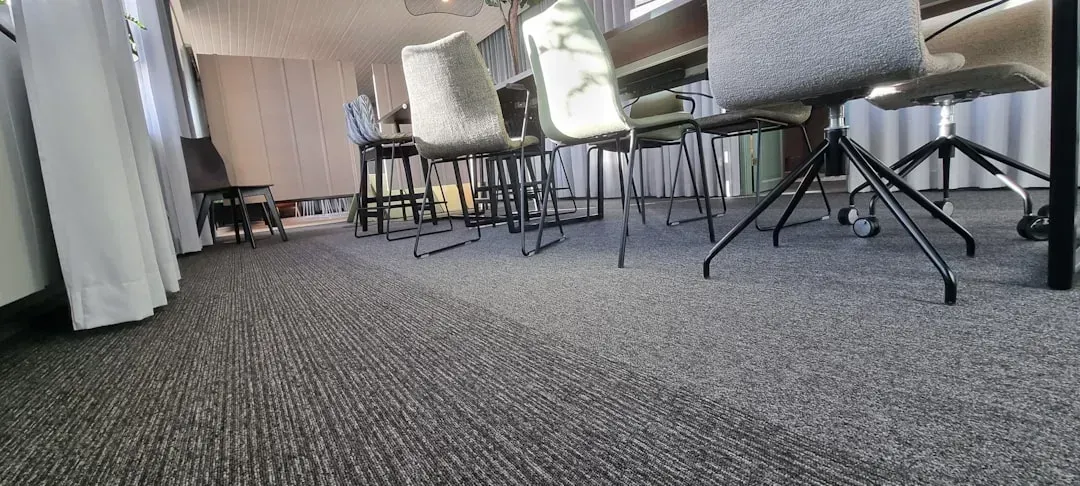
Nylon is known for its durability and resilience. It bounces back well from foot traffic and is ideal for high-traffic areas like hallways and living rooms. It also handles stains well when treated. Color can only do so much if the underlying fiber isn’t built to handle constant use. Professionals point out that the best color choice on the wrong fiber type still leads to early failure in a busy home.
Triexta is a newer fiber that blends softness and resilience, making it ideal for families with kids or pets. It resists stains without chemical treatments and performs well under heavy use. Pairing a smart color strategy with the right fiber, whether nylon, triexta, or a durable wool blend, means the carpet holds its appearance far longer. Carpets with stain-resistant treatments or those specifically designed for high-traffic areas tend to be more resistant to stains and fading, ensuring that your carpet remains vibrant for a longer period. Color is the starting point of a smart decision, not the whole decision.



Leave a Reply