
Walk into any open house these days and you’ll notice something subtle has shifted. Buyers move quickly through rooms that would have stopped them cold a decade ago. That oversized soaking tub with the jetted motor, the floor-to-ceiling white subway tile, the chrome fixtures that once read as timeless – they barely get a second glance. What changed isn’t taste exactly. It’s the math.
Contractors consistently see that buyers prioritize bathrooms that feel clean, spacious, and easy to maintain. Overly luxurious features may look appealing but don’t always translate into higher resale value. Upgrades that balance comfort with practicality consistently perform best. That reality is pushing sellers to rethink what they’ve spent money on – and what future buyers are quietly rejecting before they even make an offer.
The Whirlpool Jetted Tub
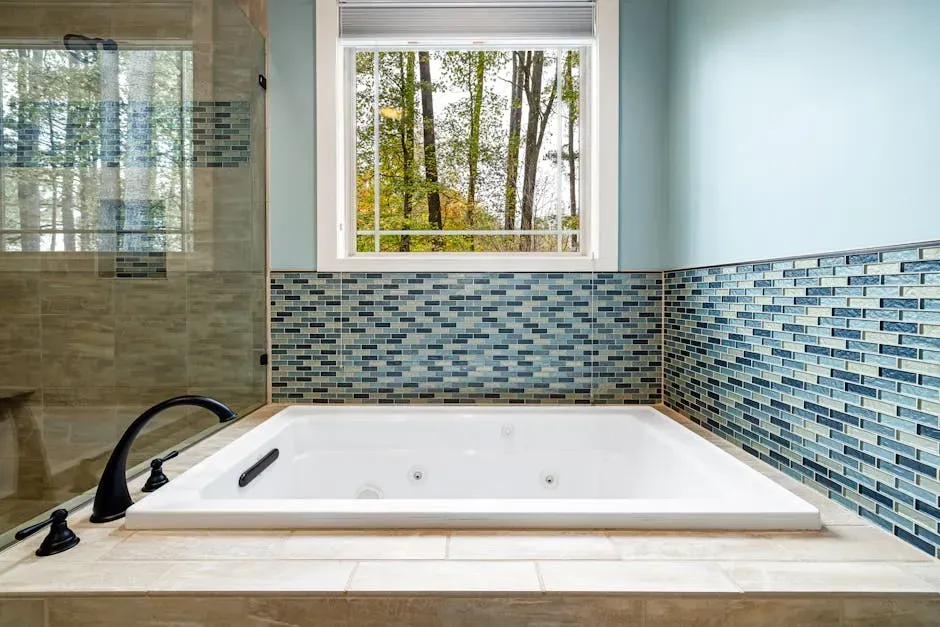
Back in the 1970s, Roy Jacuzzi brought mechanical jetted tubs to the market, and by the 1990s, the indulgent Jacuzzi tub was everywhere. However, enthusiasm for these large, loud bathroom fixtures has waned, and interior designers and decorators are saying goodbye to the feature in 2025 and beyond. What once signaled luxury now signals maintenance headaches.
In a recent NAHB survey directed at home builders, whirlpool tubs made the list of Top 10 Features Least Likely to Be Installed in a Home. Once seen as the pinnacle of relaxation, jetted tubs are losing their appeal. Buyers are now wary of the maintenance, energy use, and space they require. Many say they’d rather have a luxurious walk-in shower than a bulky tub they’ll rarely use.
The All-White Bathroom
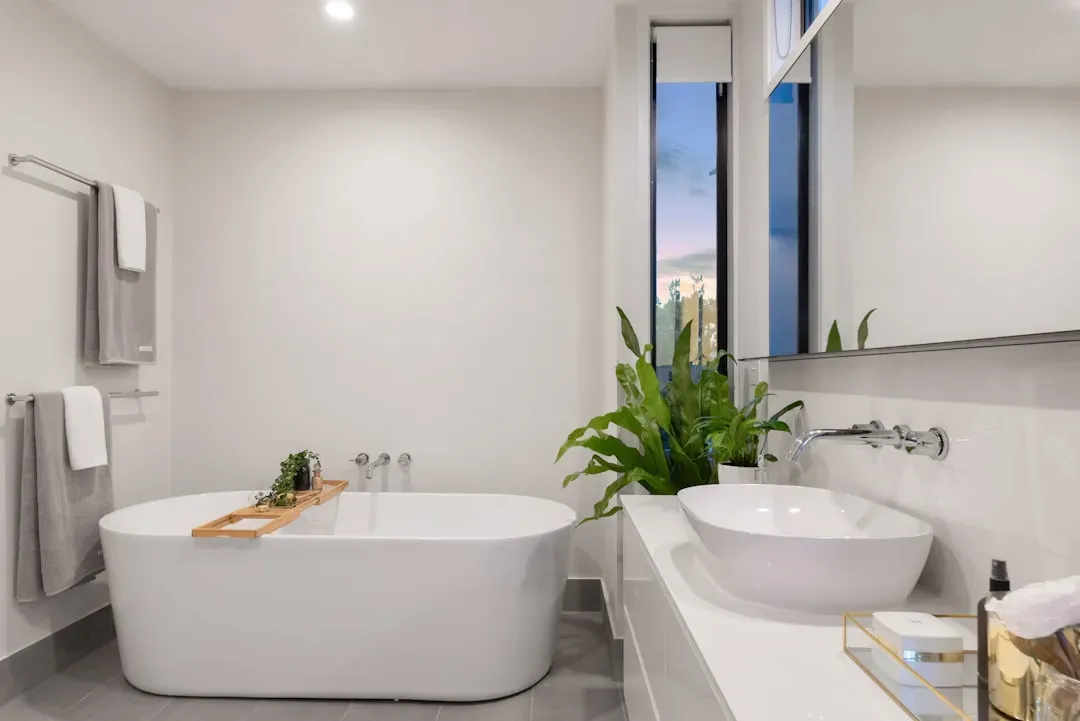
Top-to-toe white bathrooms are a no-go for 2026, according to designers. While minimalist, white bathrooms were once favorites for a hotel-luxury look, these schemes now look cold, clinical, and a little dated. The irony is that sellers often spent considerable money achieving this look – and buyers are now reading it as a blank, impersonal slate rather than a premium finish.
Once popular for adding a sense of luxury and cleanliness, all-white bathrooms are going out of style, with designers moving away from a look that can feel cold, unwelcoming, and sterile. Minimalistic styling and white surfaces are certainly easy to keep clean, but they can lack warmth and feel rather cookie-cutter. Bathrooms are simply incorporating more color, texture, and contrast to give the space life.
Excessive Small-Format Tile and Heavy Grout Lines
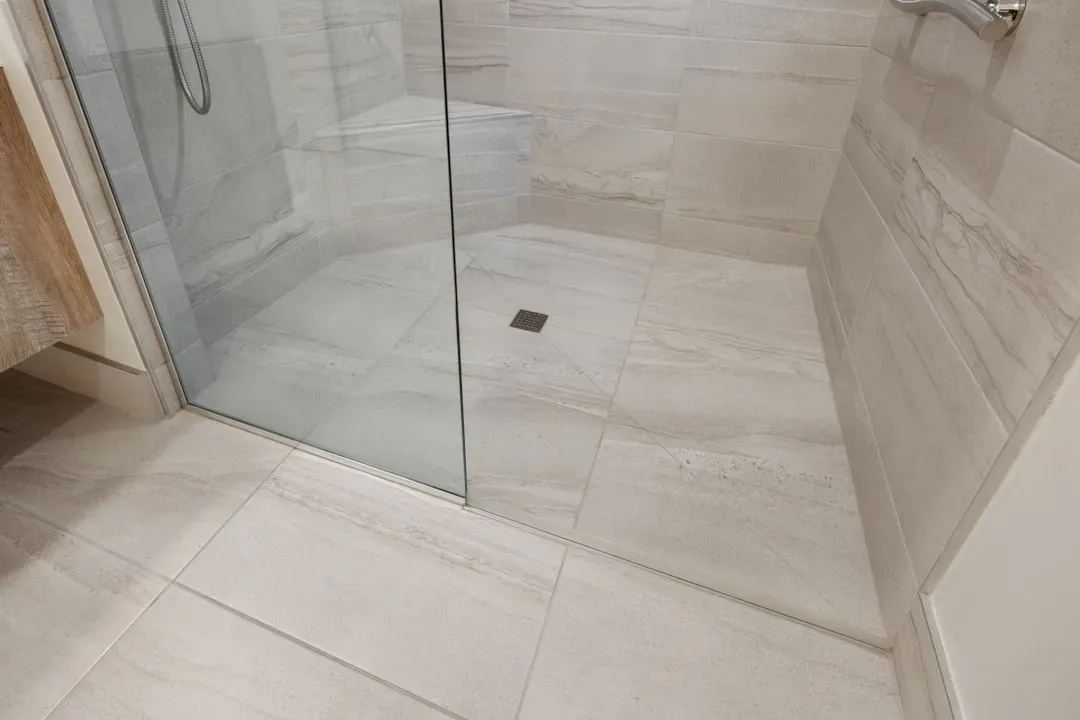
Small tiles had their moment. They were cute. They were artsy. Then homeowners tried cleaning them. Micro tiles and mosaics are fading fast. The issue isn’t purely aesthetic – it’s practical. Buyers doing the mental math on a home they’ll actually live in quickly factor in the hours of scrubbing required by hundreds of grout lines in a wet shower environment.
There is a clear departure from heavy grout lines separating tile to create texture. Instead, homeowners are designing showers and baths with acrylic panels, solid surface walls, or larger tiles separated by narrow grout lines. In addition to reducing problems with mold growth, these design choices also lend themselves to the minimalist aesthetic. From a resale perspective, a bathroom that photographs clean and stays clean commands attention.
Oversized Showers That Eat the Whole Floor Plan
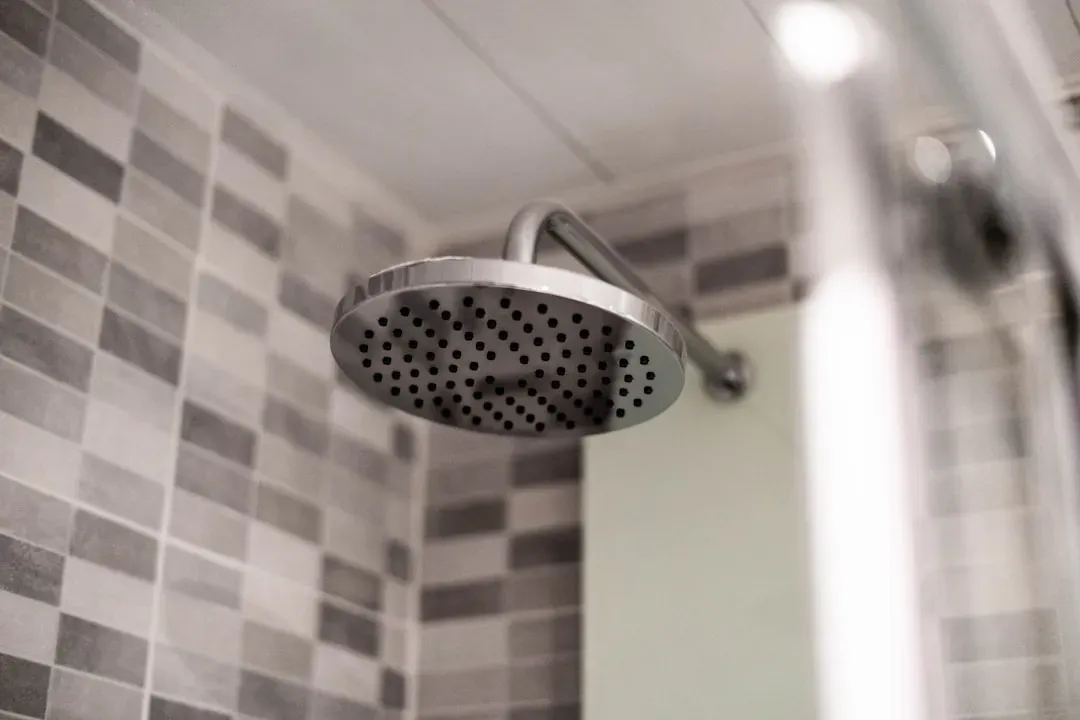
For a time, shower trends were all about super-sized footprints. Spacious shower areas, even those within a full bathroom, felt like the pillar of luxury in theory – but in practice, they feel vast, cold, and a bit of a waste of space. Buyers touring homes with a shower that occupies nearly a third of the bathroom often feel the room is unbalanced rather than indulgent.
Using less space for the shower leaves room for a freestanding tub or makeup vanity – and that’s being called a win all around by designers. Big bathtubs and showers were popular thanks to the luxurious feel they gave to a bathroom space. However, these statement pieces have already fallen out of favor in 2026. These huge tubs use masses of water, which isn’t great for keeping the water warm, and does no favors to the environment either. A huge bathtub also takes up a lot of room, which most homeowners don’t generally have to spare.
Polished Chrome and Matte Black Hardware
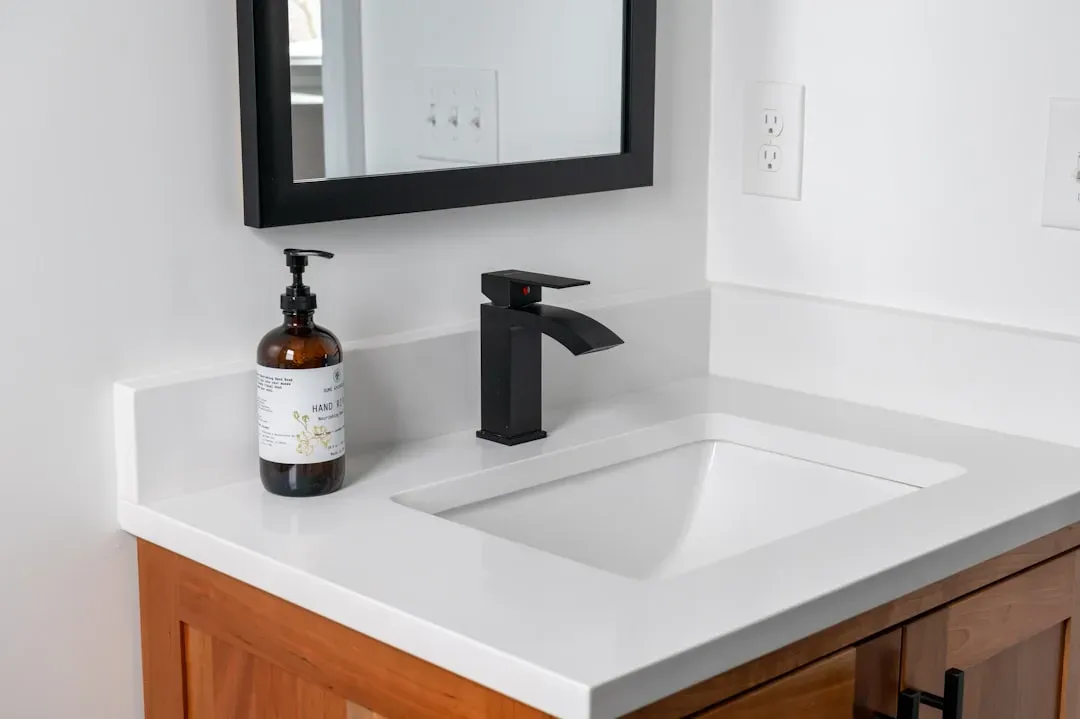
Chrome has remained a popular choice for bathroom fixtures over the years because it’s inexpensive and easy to find. However, this once-popular faucet finish should now be avoided. By 2026, this shiny look has been waved goodbye, with warmer tones and textures leading the way. Similarly, matte black hardware has also fallen out of fashion. Both finishes peaked at different points in the past decade – and both now read as dated to buyers who have been following the market.
Polished chrome dropped out of designer specifications in late 2024 and has not returned. Matte black is plateauing after a four-year run. Sticking with outdated trends can negatively impact a home’s value, aesthetic appeal, and functionality. Bathrooms that cling to past styles can feel uninviting, cluttered, or visually overwhelming. The hardware choices that seemed safe a few years ago can now quietly signal to buyers that the rest of the home may also be behind the curve.
Vessel Sinks and Glass Bowl Basins
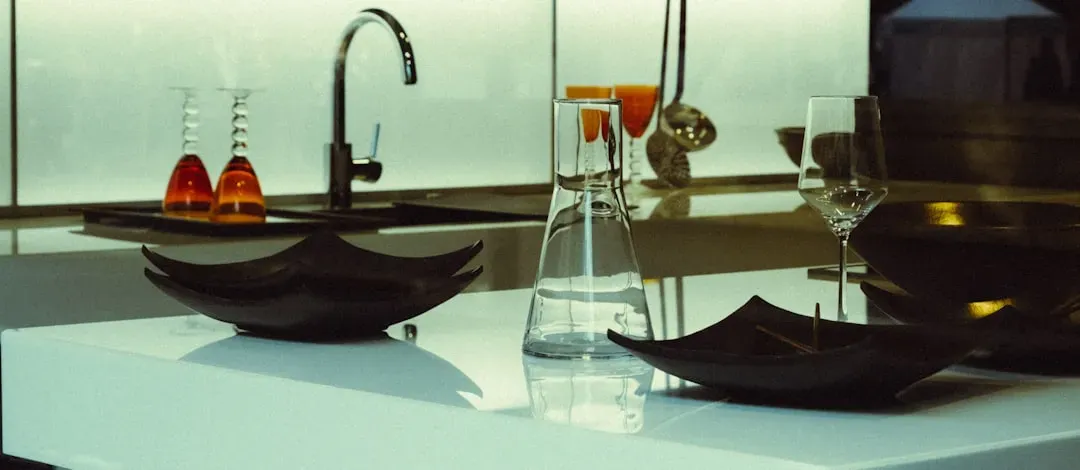
Glass bowl sinks that rest on top of the vanity are among the bathroom trends that have slipped out of style. Plumbing manufacturers and artists alike rolled these out around the turn of this century, with everything from hand-etched to hand-blown glass. They were genuinely striking at the time. Today, they look like a relic of an early-2000s design magazine feature – and buyers notice.
Vessel sinks in particular present a practical problem on top of the style one. They’re awkward heights for many users, prone to splashing, and difficult to replace without adjusting plumbing rough-ins. Bathrooms reveal a home’s age. When potential buyers spot bathroom trends that are out of style, they conclude the entire home is dated – even if it isn’t – and will lose interest in the rest of the walkthrough. A single outdated fixture can color the entire impression of a property.
Chromotherapy Lighting and Smart-App Tub Features
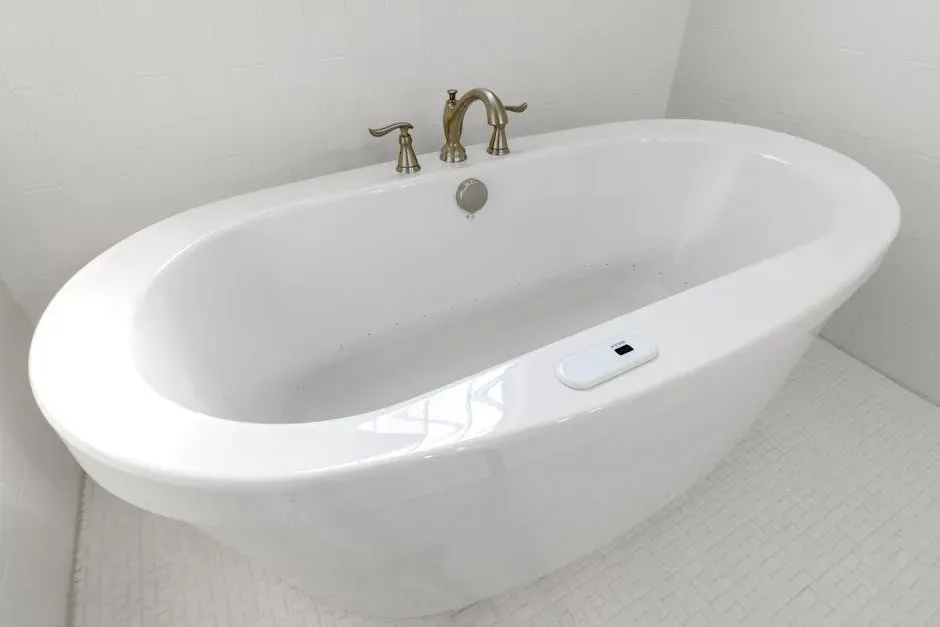
Heated soaking tubs with a whirlpool motor are now out. Chromotherapy LED is also out: the colored light fights the room’s lighting design and reads gimmicky to most clients. These features were marketed as a spa upgrade, but buyers increasingly see them as gadgets rather than genuine wellness enhancements – gadgets that can malfunction and need specialist repair.
This tracks with the 2025 Global Wellness Institute residential wellness brief, which separated passive wellness – thermal comfort, biophilic light, water quality – from active wellness involving jets, lights, and smart-app overlays. Designers and clients are converging on passive: the things you feel without a user interface. Luxury upgrades of this type tend to yield a return of only around 40%, compared to the roughly 73% you can recoup from a mid-range upgrade. The math simply doesn’t favor the bells and lights.
Leave a Reply