
Most plumbing disasters don’t begin with a dramatic flood or a burst pipe in the middle of the night. They start much quieter. A slow drain ignored for a few weeks. A slightly damp cabinet under the kitchen sink that nobody investigates. A toilet that makes a soft running sound and has done so for months. None of these feel urgent, and that’s precisely the problem.
Plumbing issues can be a homeowner’s worst nightmare, leading to everything from water damage to costly repairs. While some plumbing tasks may seem simple enough to handle yourself, mistakes can quickly turn a small problem into a larger, more expensive one. Many homeowners make common plumbing errors without realizing the long-term consequences. The real damage often isn’t the leak itself. It’s everything that happens after you’ve decided it can wait.
Ignoring Small Leaks Until They Become Big Problems
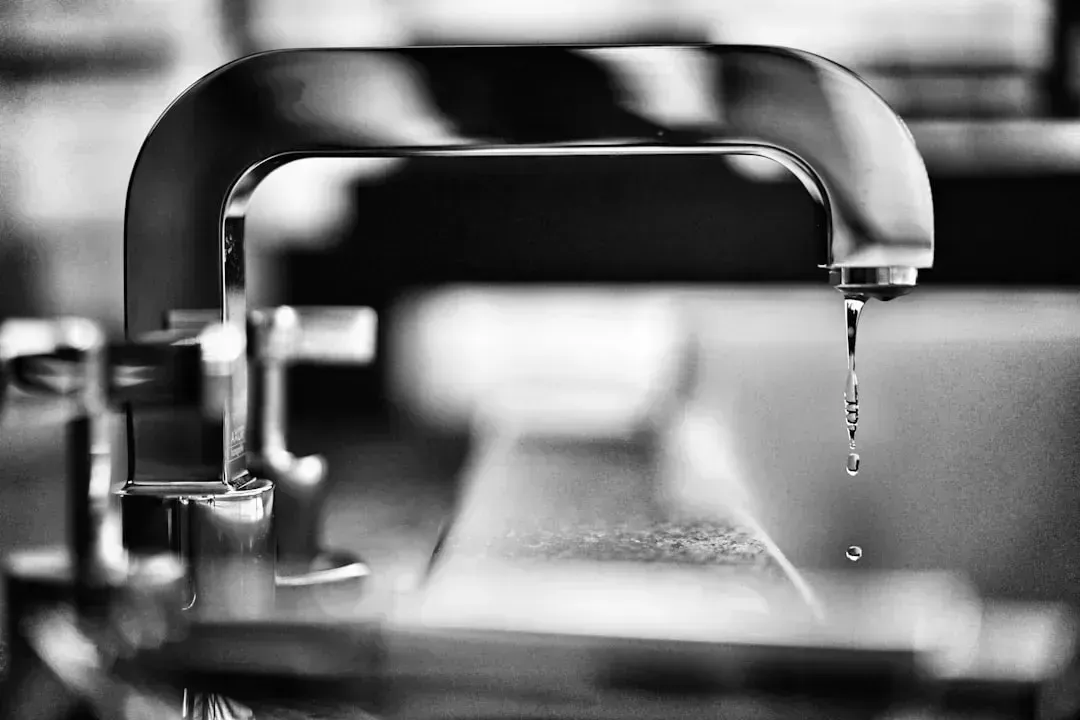
One of the most expensive plumbing mistakes you can make is ignoring the early warning signs of trouble. That persistent drip, slow-draining sink, or occasional gurgle may seem harmless at first. However, small issues can quickly escalate into major plumbing repairs if left unaddressed. A minor leak can lead to water damage, mould growth, and even structural problems in your home.
A leaky faucet that drips at the rate of one drip per second can waste more than 3,000 gallons per year. That’s the amount of water needed to take more than 180 showers. The average household’s leaks can account for more than 9,300 gallons of water wasted every year, and nine percent of homes have leaks that waste 50 gallons or more per day. When those numbers show up on a water bill, the “harmless drip” suddenly looks very different.
Reaching for Chemical Drain Cleaners as a First Response
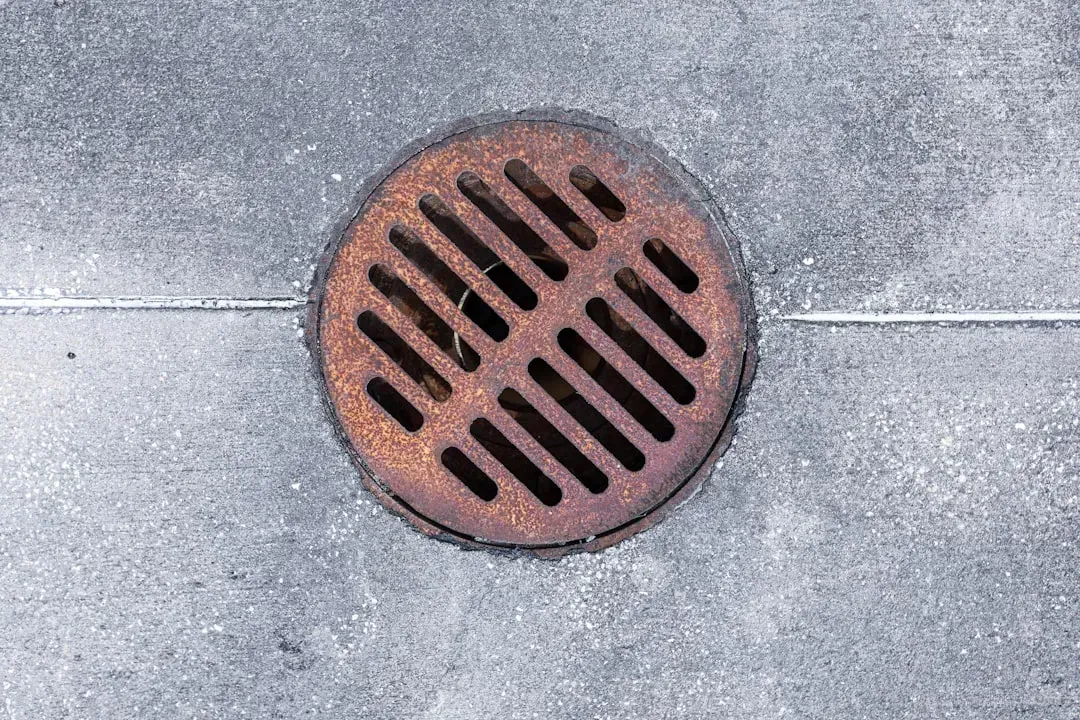
When faced with a clogged drain, many homeowners reach for a bottle of store-bought drain cleaner. While these products promise quick results, they can actually corrode your pipes over time, leading to leaks or even complete pipe failure. If you have a stubborn clog, a professional drain cleaning is a much safer and more effective long-term solution.
One of the most common plumbing mistakes homeowners make is using chemical drain cleaners to unclog drains. While these products may offer a quick fix, they can cause serious damage to your plumbing system over time. Chemical drain cleaners contain harsh chemicals that can erode your pipes, especially if used frequently. The label rarely mentions that part.
Over-Tightening Pipes and Fittings
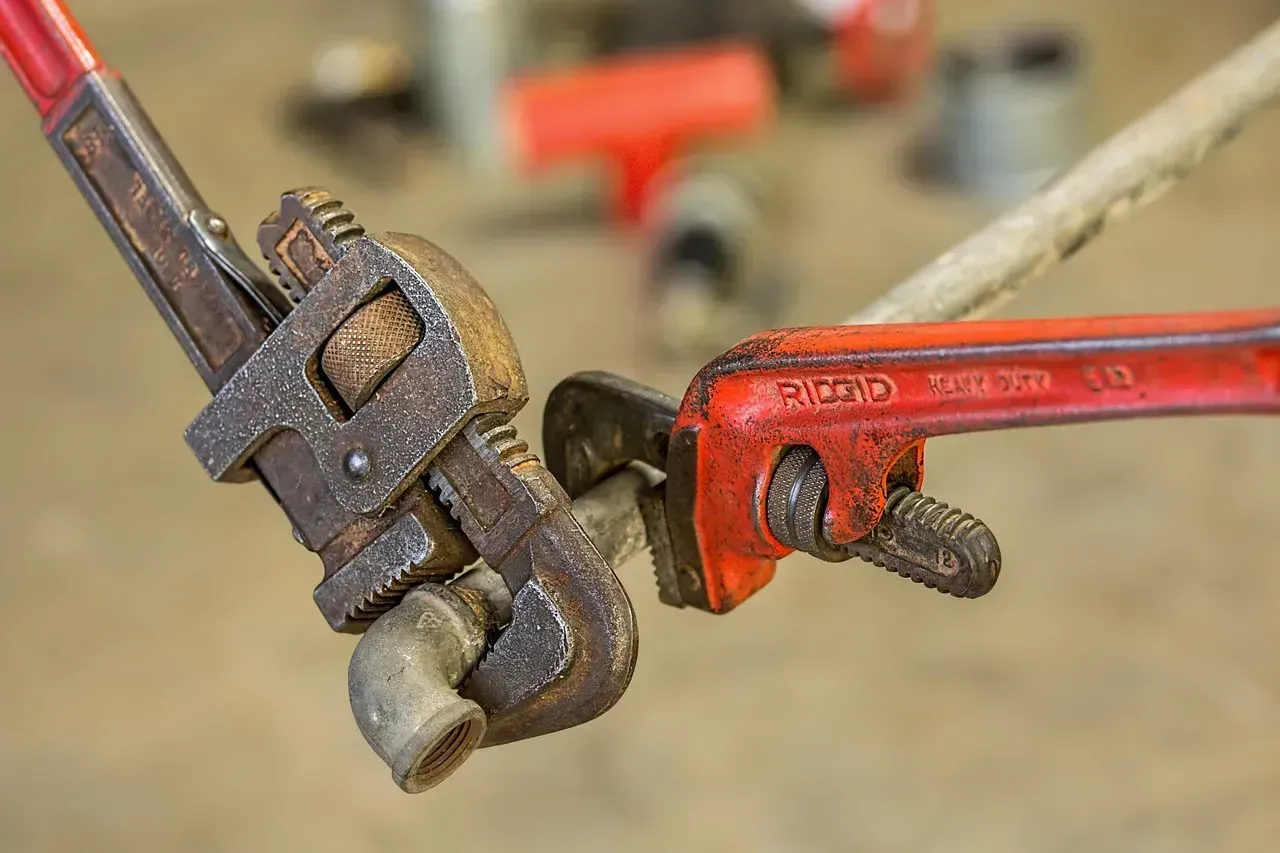
Many people think tightening a pipe as much as possible will make it more secure, but that’s actually not true. This is one of the most common DIY plumbing mistakes homeowners make. Overtightening can crack fittings, bend pipes, or even damage threads, which can lead to leaks or breakages over time.
Over-tightening can cause fittings and pipes to crack, especially if they are made of plastic or other delicate materials. These cracks may not appear immediately but can lead to leaks and water damage over time. Over-tightening can also strip the threads on pipes and connections, making it difficult to achieve a proper seal. This can lead to leaks that are challenging to fix. What feels like a secure connection can quietly be failing behind the wall for months.
Flushing the Wrong Items Down the Toilet
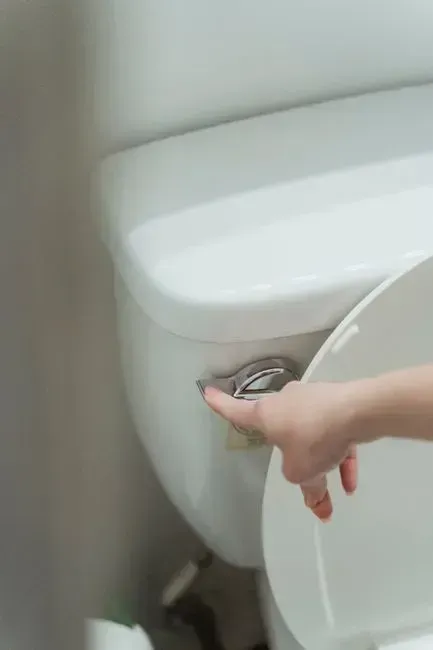
Another common plumbing mistake is using the toilet as a trash can. Many homeowners assume that if an item fits down the toilet, it’s safe to flush. However, flushing inappropriate items can lead to clogs, sewer backups, and costly repairs.
Items like paper towels, wipes, cotton swabs, and feminine hygiene products can clog your toilet and plumbing system, causing backups and slow drains. Flushing non-biodegradable items can lead to severe blockages in your sewer line, which can require expensive repairs or replacement. The only item that should be flushed down the toilet is toilet paper. Even products labeled as “flushable” can cause clogs.
Overlooking High Water Pressure
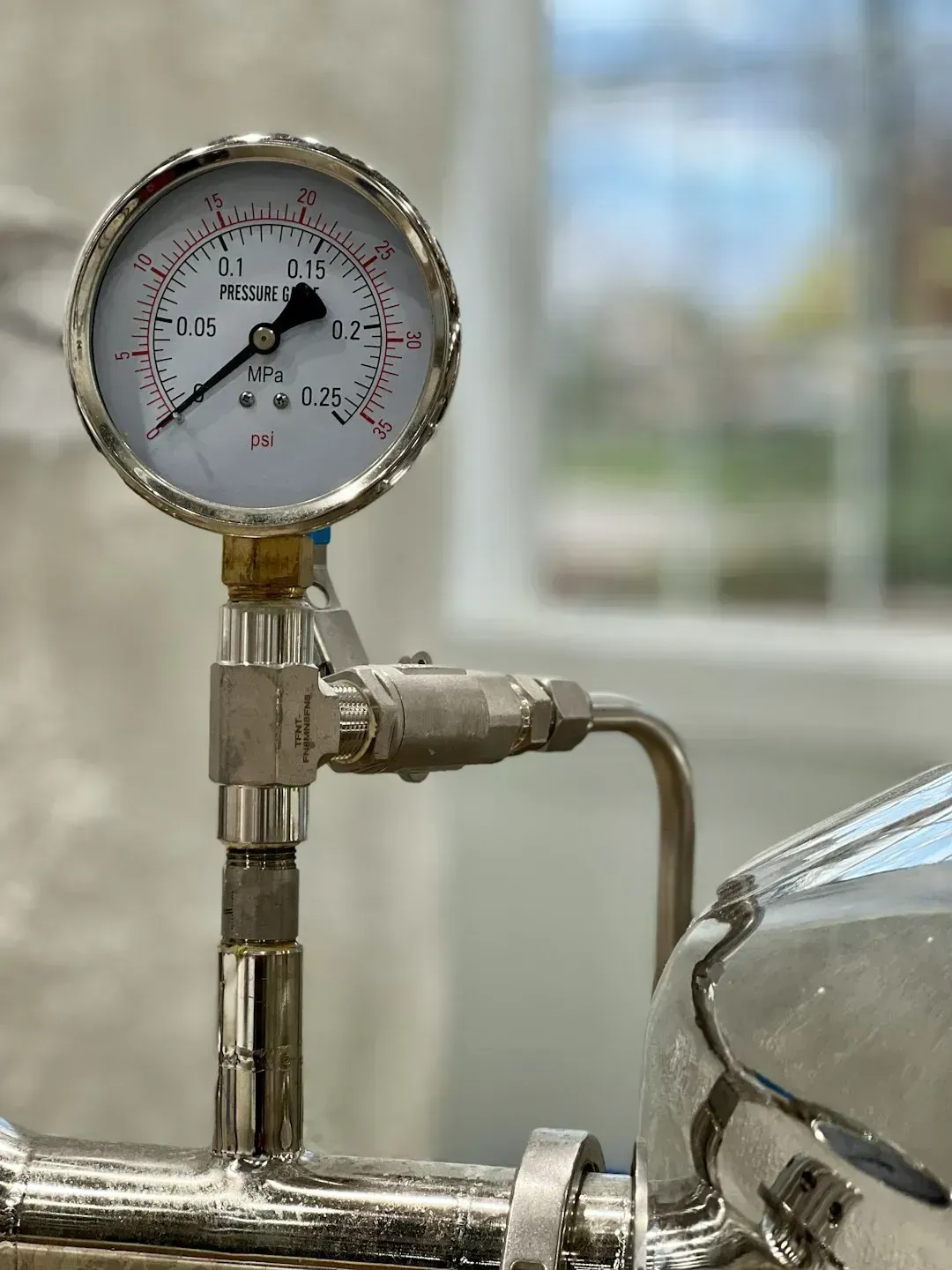
High water pressure can feel luxurious, but it puts strain on your plumbing system and leads to damage over time. Most homeowners never check the PSI coming out of their supply line, which is a real oversight. High pressure combined with scale buildup can accelerate pipe damage. Ideally, your home should stay within 60 to 80 PSI.
When water pressure runs consistently above recommended levels, it stresses every joint, valve, and appliance in the house simultaneously. Inside the plumbing system, scale reduces water flow, disrupts pressure, and creates conditions that allow corrosion to take hold. Over time, this can lead to leaks, premature pipe failure, and expensive repairs. A simple pressure gauge from any hardware store can reveal whether this is silently happening in your home right now.
Not Knowing Where the Main Shut-Off Valve Is
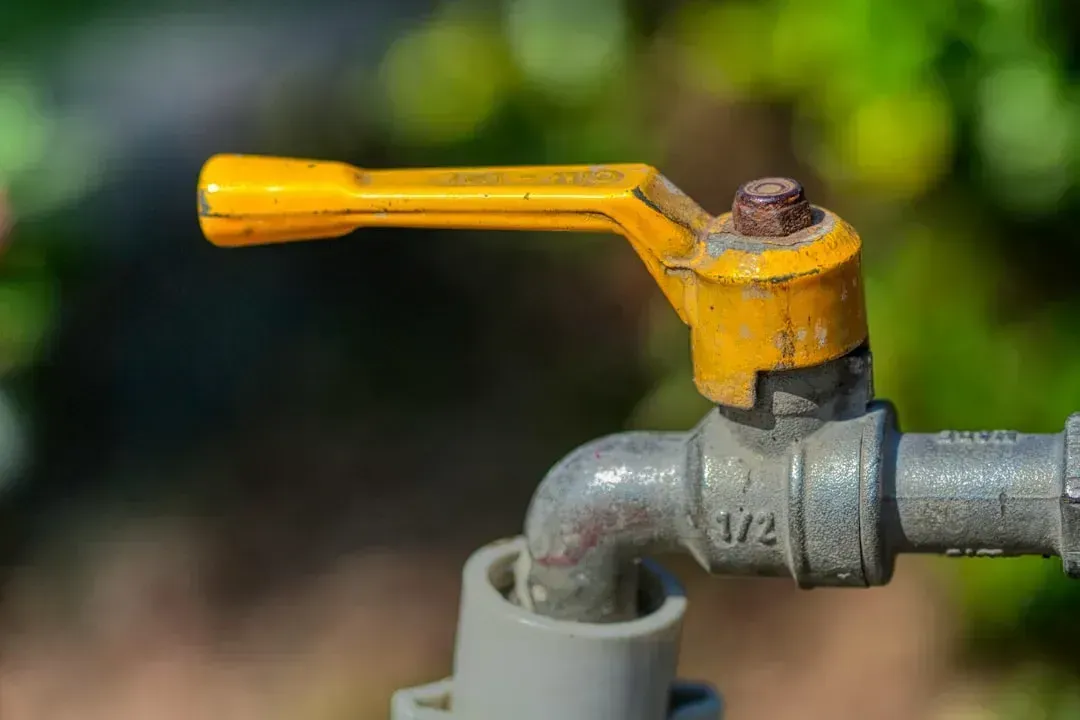
Many homeowners forget the importance of knowing where their main water shut-off valve is located. During emergencies like a burst pipe, shutting off the water quickly can minimize damage. Familiarize yourself with your home’s shut-off valve before you need it.
You’d be surprised how many people start a plumbing job without shutting off the water supply. A burst of high-pressure water can quickly flood your home, damaging flooring, drywall, and anything in its path. Before you tackle any plumbing repair, always locate and turn off the nearest water shutoff valve. Thirty seconds of preparation at the right moment can save tens of thousands of dollars in water damage restoration.
Mixing Incompatible Pipe Materials
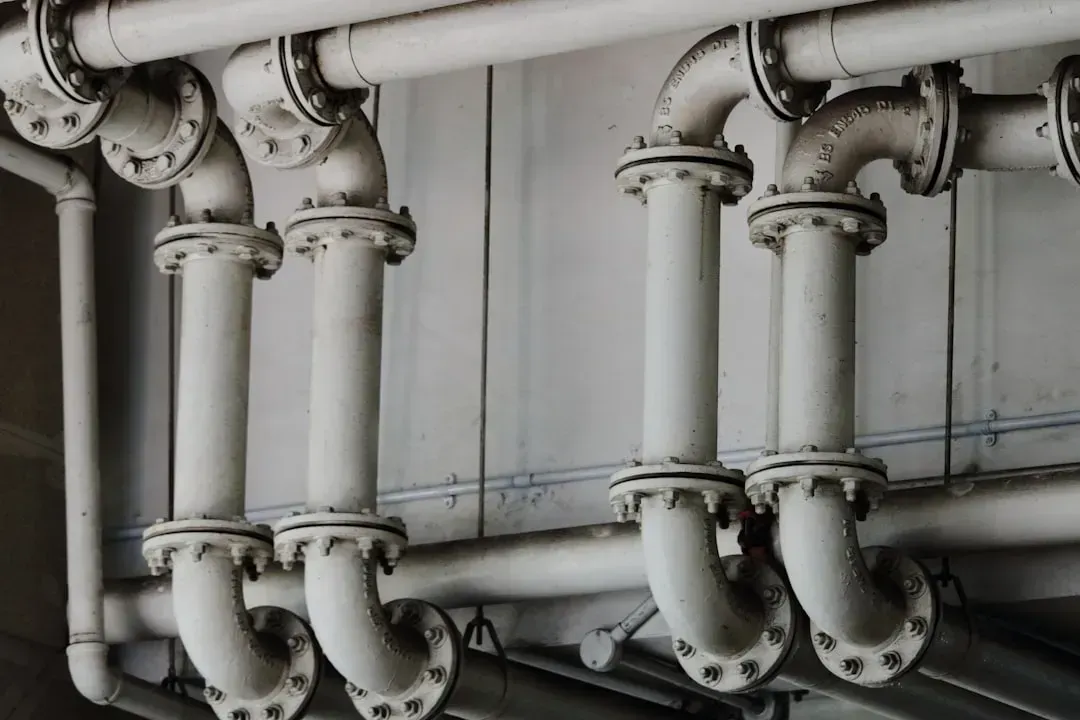
Mixing different types of metals in your plumbing system can cause corrosion, leading to leaks and pipe failure. Many homeowners unknowingly create these issues when attempting repairs. It tends to happen during a well-intentioned DIY fix, where the replacement part is simply grabbed from the nearest shelf without checking compatibility.
One of the most common and high-stakes errors in DIY plumbing is making incorrect pipe connections. It might seem like a simple task to join two pipes, but without the correct tools and techniques, these connections can fail spectacularly. A small leak can quickly escalate into a burst pipe, leading to extensive water damage throughout a home. The cost of repairing water-damaged walls, floors, and furniture can be staggering, not to mention the potential for mold growth if the moisture goes undetected.
Ignoring the Hidden Damage from Hard Water
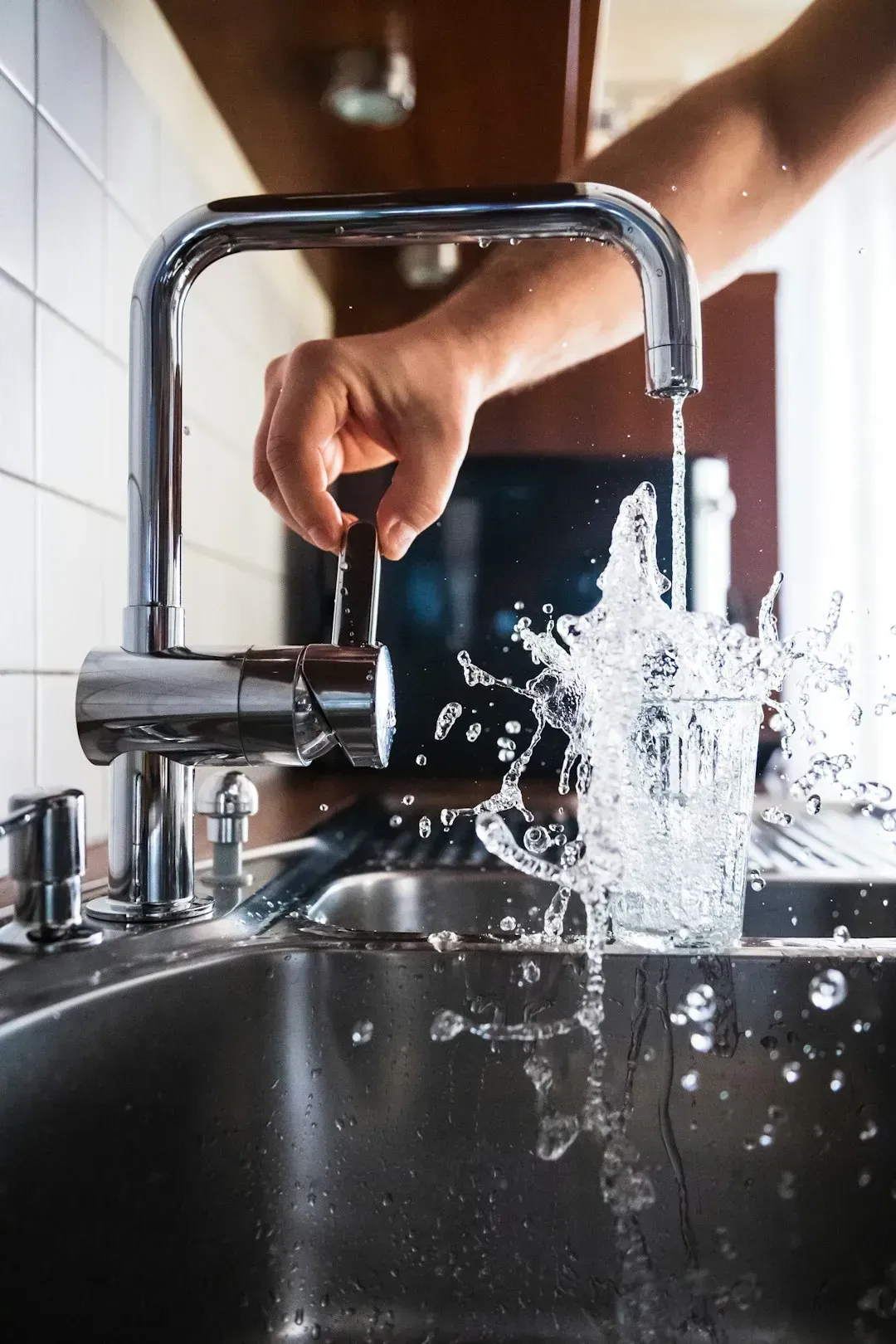
Hard water, which affects roughly 85% of the United States, can be responsible for costly damage to your plumbing, pipes, and appliances over time. Most homeowners notice the chalky residue on faucets and showerheads, shrug it off as a cosmetic issue, and move on. The real damage is happening deeper inside the pipes where nobody looks.
Hard water contains elevated levels of calcium and magnesium that slowly accumulate inside plumbing. These minerals form scale, a hard, chalky buildup that clings to pipe walls and narrows water pathways. This buildup doesn’t just affect visible fixtures like faucets and showerheads. Inside the plumbing system, scale reduces water flow, disrupts pressure, and creates conditions that allow corrosion to take hold. Over time, this can lead to leaks, premature pipe failure, and expensive repairs.
Skipping Routine Plumbing Inspections
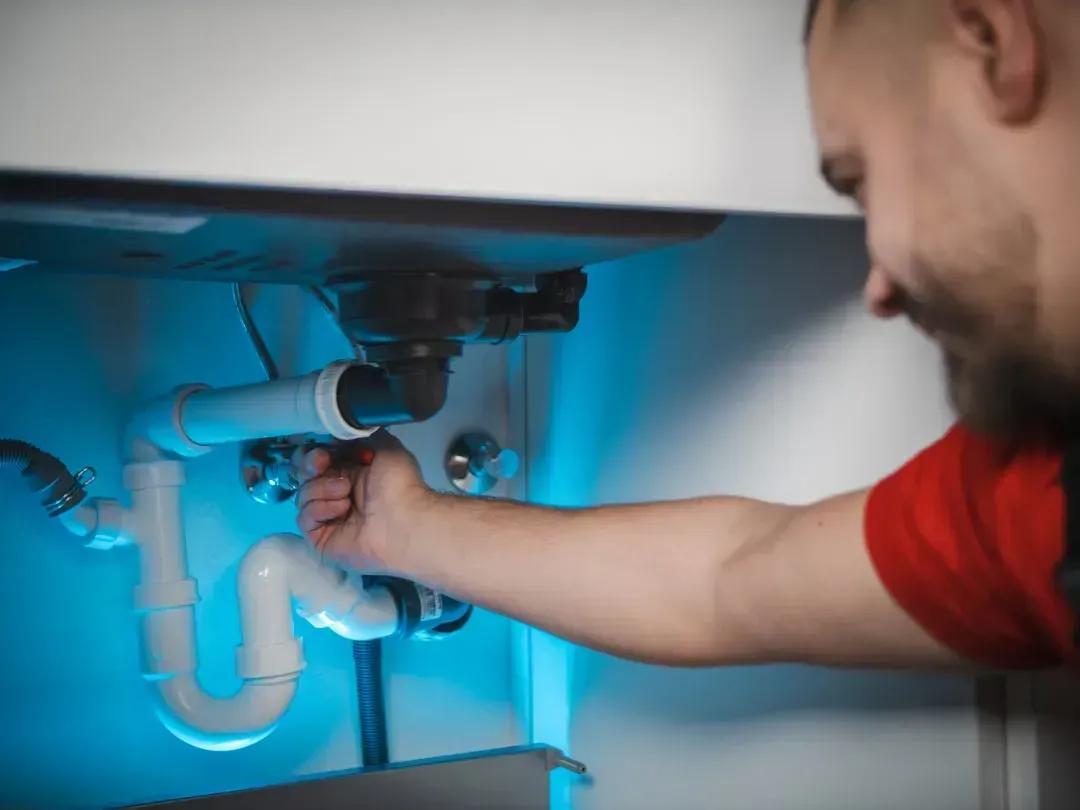
Many plumbing problems are easy to overlook, hiding out of sight until they become a major issue. Most homeowners notice common issues like leaky faucets or clogged toilets, but there are also hidden challenges that can secretly drain your finances. Issues like slab leaks and slow-draining sinks can lead to expensive repairs if not handled quickly.
Studies indicate that proactive home maintenance reduces repair costs by up to 30%. Slow leaks that go unnoticed can cause serious water damage over time. In many cases, water damage restoration costs more than the plumbing repair itself, especially when leaks have been active for weeks or months. Scheduling an annual plumbing inspection is one of the cheapest insurance policies a homeowner can buy.
Attempting Complex Repairs Without Professional Help
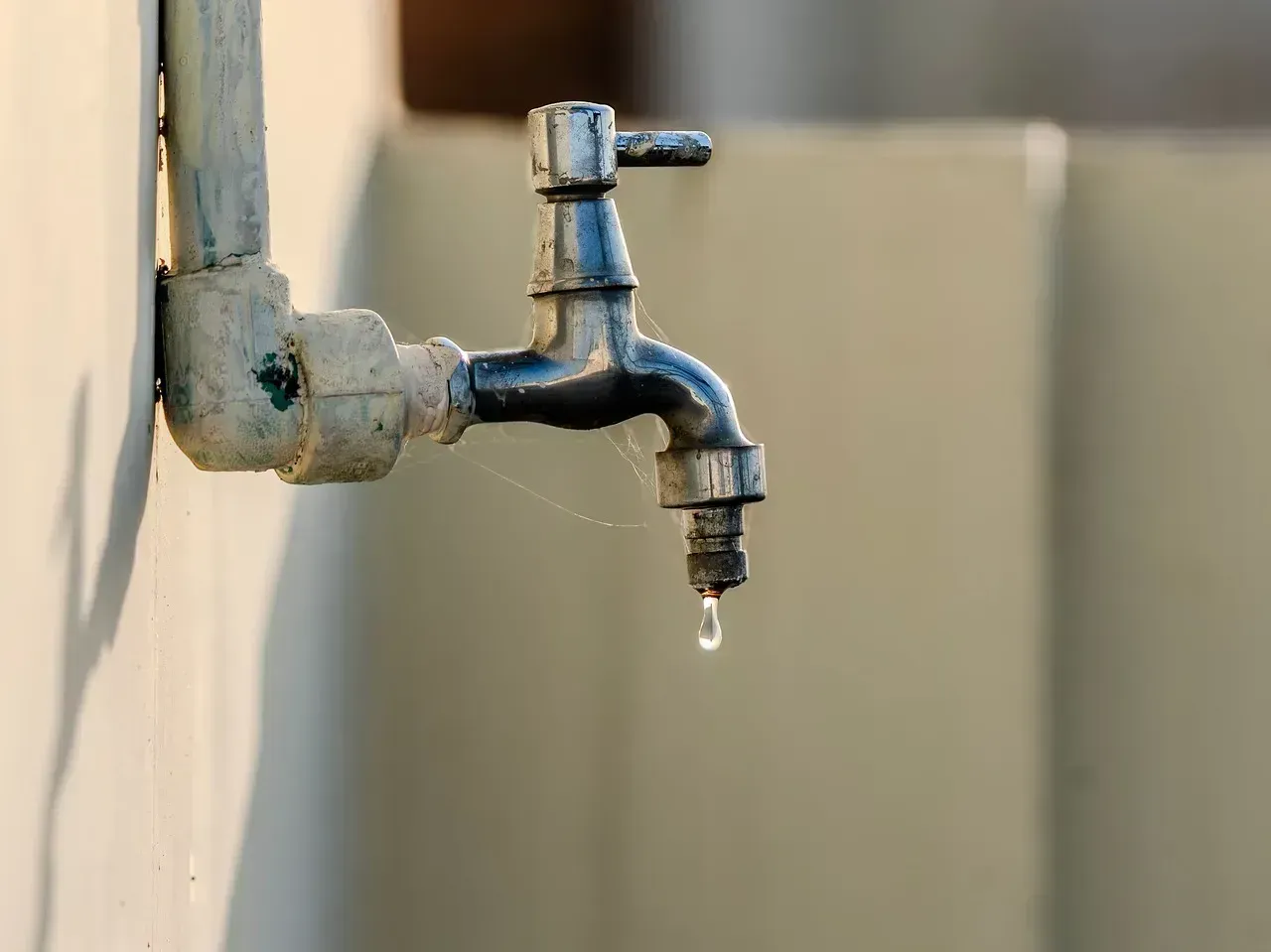
The allure of saving money is often the driving force behind the decision to tackle plumbing projects without professional help. However, this short-term frugality can lead to long-term financial strain. DIY plumbing mistakes can result in immediate issues that require costly emergency repairs. Moreover, these errors can have lasting effects, such as chronic leaks that increase water bills or structural damage that diminishes the value of the home. In many cases, the cumulative cost of these long-term expenses can dwarf the initial savings.
According to This Old House’s 2026 Bath Survey, unexpected costs are common in plumbing projects. Nearly one-third of homeowners reported their final cost exceeded their original budget. The most frequent hidden costs include water damage repairs, structural repairs, and mold remediation. Major jobs like sewer repair, water heater replacement, or repiping run into the thousands of dollars. Knowing when a job has crossed the line from manageable to professional territory is, itself, a form of home ownership skill worth developing.




Leave a Reply