
If you packed for a trip in the 1980s, you probably remember the small rituals that came before a flight. You folded paper maps, counted out checks, and wrote down phone numbers on the back of an envelope. Travel took more planning, and a lot more paper.
Many of those habits have disappeared, and a few have quietly survived. Here are eight that will feel familiar if you were there, and a few facts about what happened to each one.
Buying Traveler’s Checks Before You Left
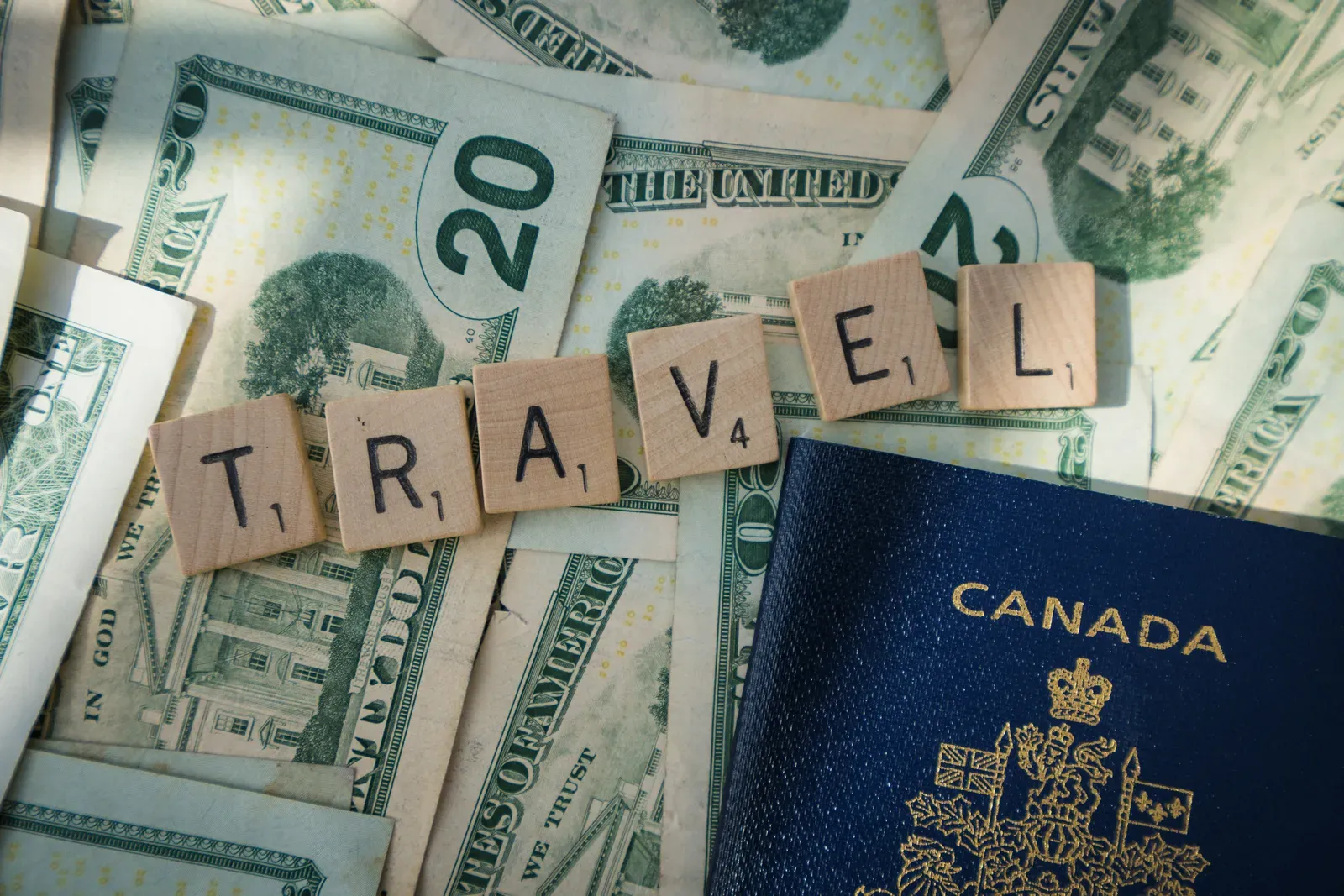
Traveler’s checks were the standard way to carry money abroad. You bought them at a bank, signed each one at purchase, and signed again when you cashed it. The pitch was simple: if they were lost or stolen, the issuer would replace them.
That system is now history. American Express traveller’s cheques were discontinued on 31 December 2020, and improved card acceptance, ATM access, and digital payment options led to declining demand. Old ones aren’t worthless, though, since they typically have no expiration date.
Hunting for a Bank Before It Closed
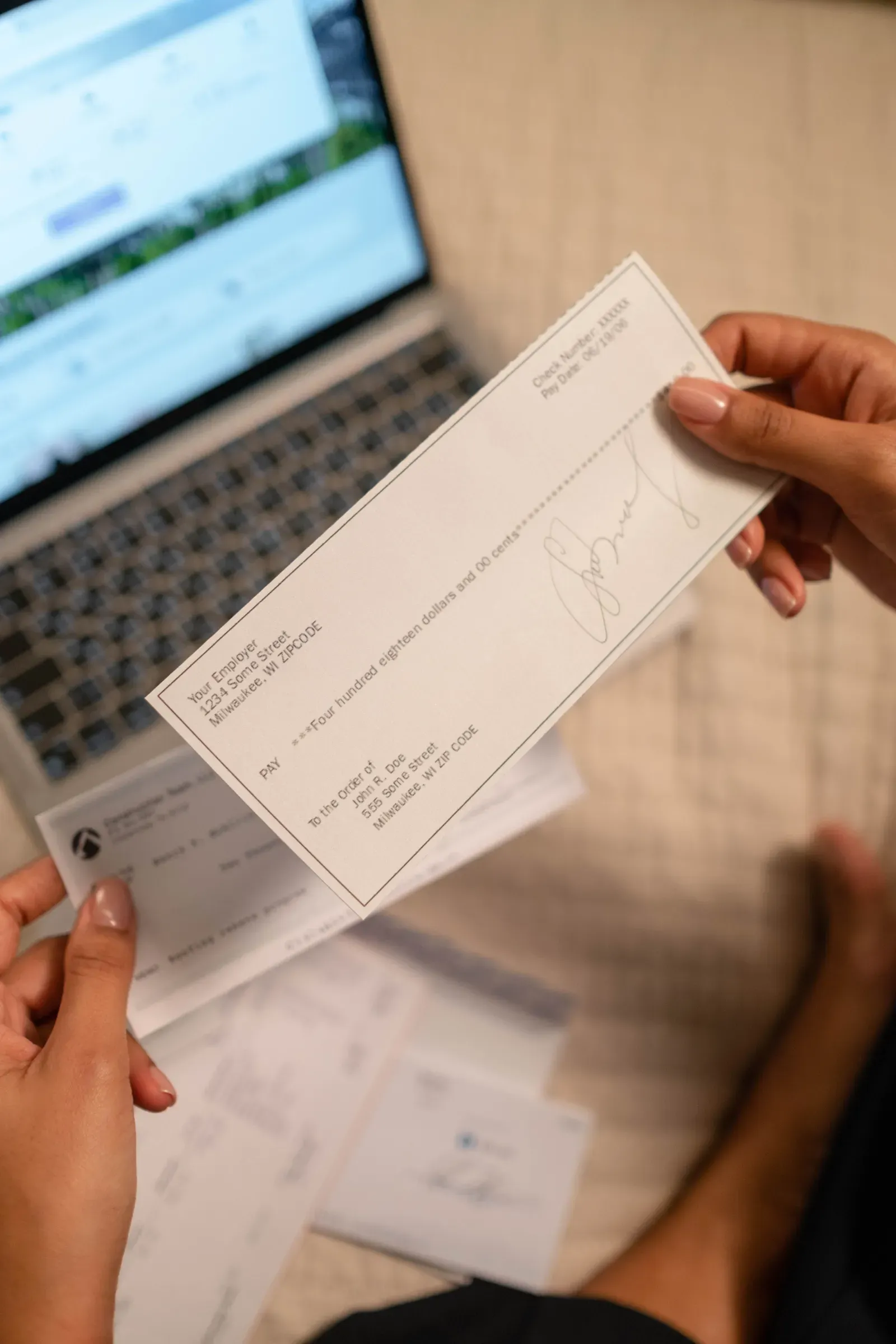
Cashing checks meant working around opening hours. You had to find a bank or exchange counter, queue up, and bring your passport. Arriving on a weekend could leave you short of local money until Monday.
Fees added to the hassle. Even in later years, some banks stopped accepting traveller’s cheques as deposits, and redemption fees may apply. An ATM that works at midnight has made that old scramble largely unnecessary.
Relying on a Paper Map
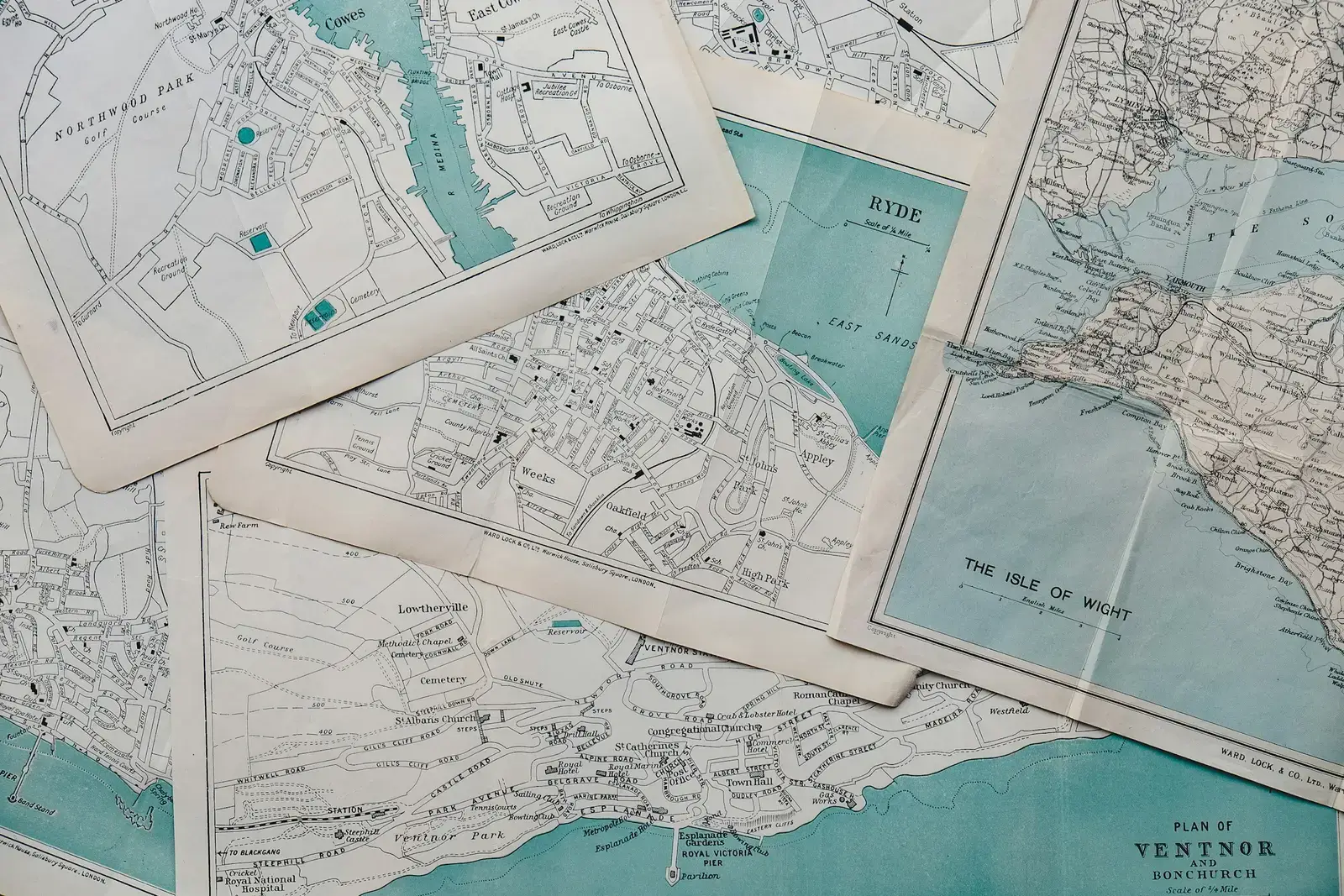
A folded road map lived in the glove box, and everyone knew the pain of refolding it. Navigation meant a passenger reading street names aloud, sometimes with strong disagreement. Wrong turns were part of the trip.
Gas stations sold maps, and clubs like AAA supplied route guides to members. Today most travelers use phone apps, though a paper map still helps in places with weak signal. Some people simply like having one.
Booking Everything Through a Travel Agent

Before online booking, a travel agent was how you found flights and hotels. You sat at a desk while the agent looked up fares on a computer reservation system. Printed tickets then arrived by mail or were picked up in person.
Agents haven’t vanished. The industry shifted toward complex trips, cruises, and group travel, where human help still matters. For a simple weekend away, most people now book on their own.
Shooting Film and Waiting to See the Results
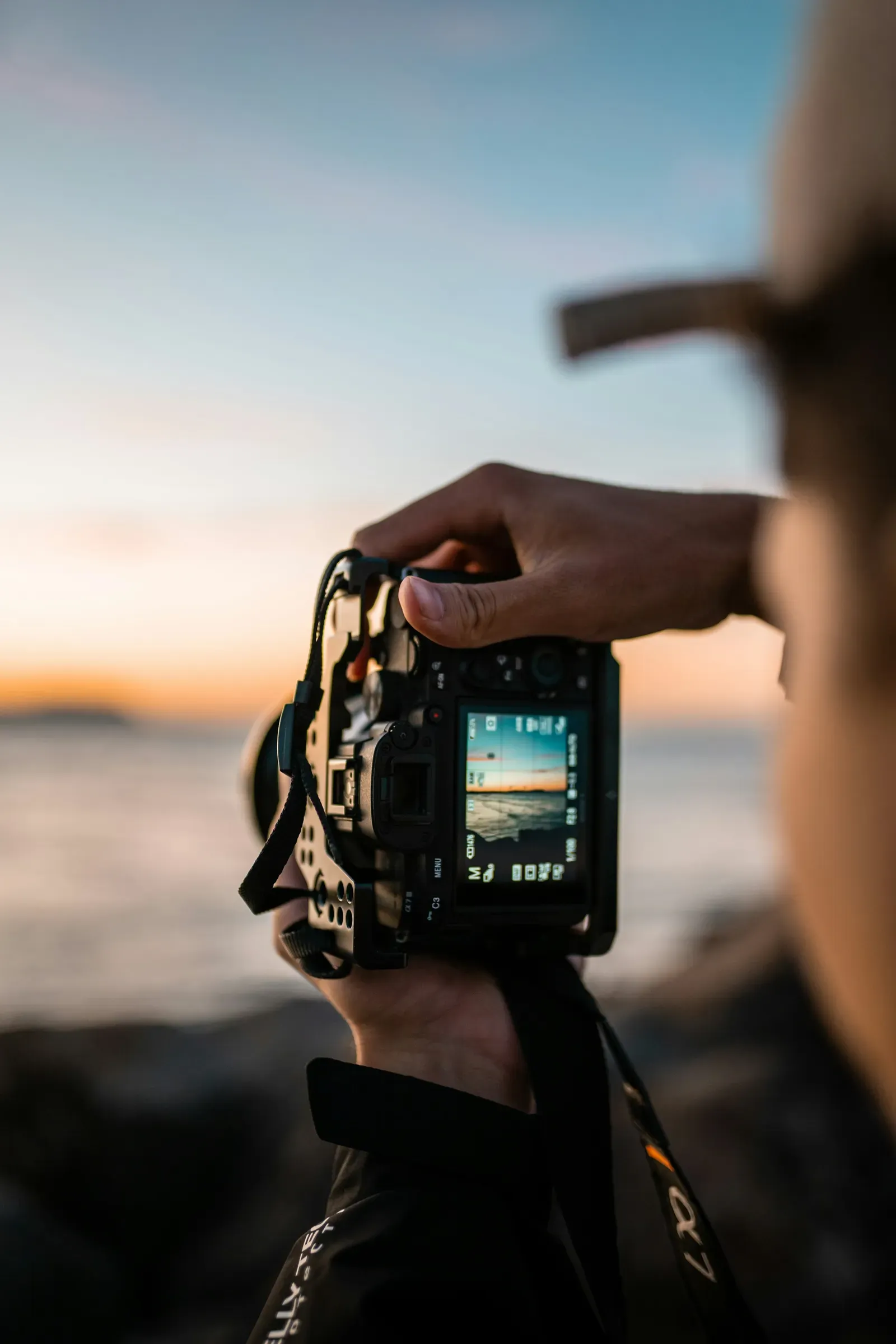
Vacation photos came on rolls of film, usually 24 or 36 exposures. You rationed shots, because you didn’t know whether the picture was good until you got it developed. Rolls were often dropped off at a drugstore after the trip.
Film still has a following, and some photographers choose it deliberately. For most travelers, though, a phone holds thousands of images and shows results instantly. The slideshow evening with relatives has mostly turned into a shared album link.
Sending Postcards and Calling Home from a Phone Booth
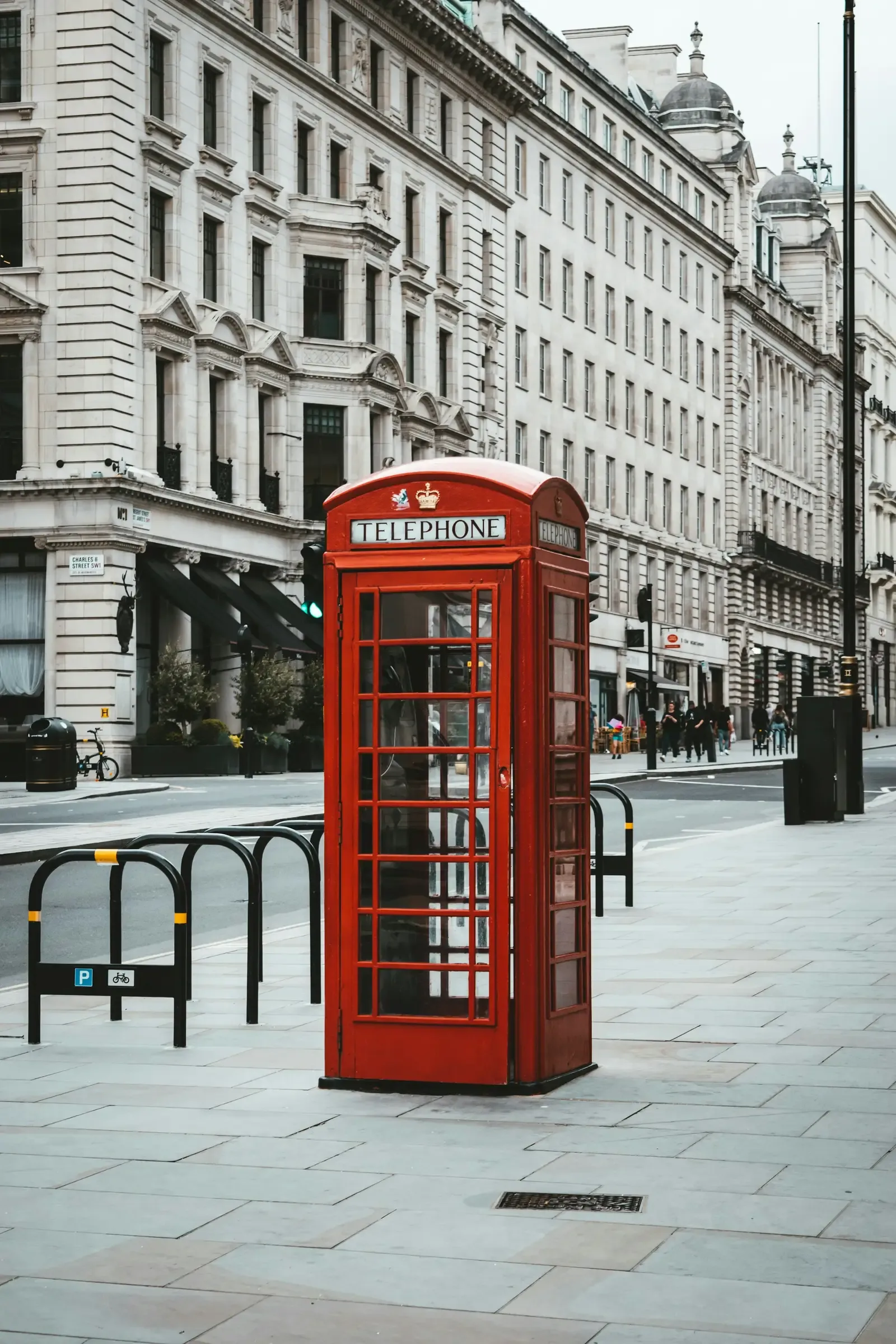
Staying in touch took effort. You bought postcards, hunted for stamps, and often arrived home before the card did. Calls home came from pay phones or hotel lines, and international rates could be steep.
Prepaid calling cards helped in later years, but the habit of checking in on a schedule stayed. Now video calls and messaging apps handle it for free over Wi-Fi. Postcards survive mainly as souvenirs.
Carrying Guidebooks and Phrasebooks
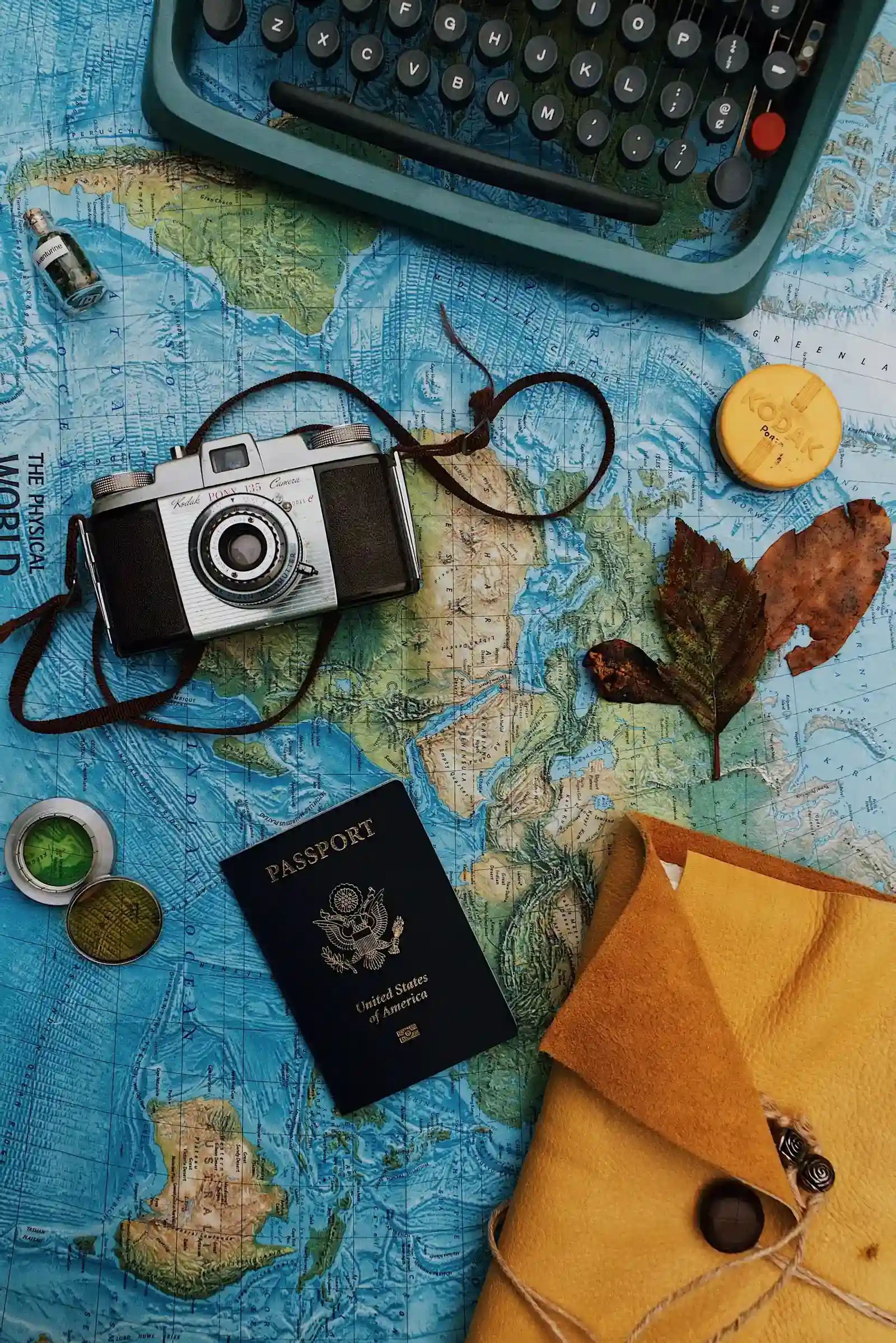
Thick guidebooks were the travel research of the day. People highlighted pages, folded corners, and carried a heavy book around all day. A pocket phrasebook helped you order dinner or ask directions, with mixed results.
Guidebooks still exist, and some travelers prefer their curated picks. Real-time reviews and translation apps have taken over many of their jobs. The pointing and smiling, however, hasn’t gone away entirely.
Keeping Printed Tickets and Itineraries Safe
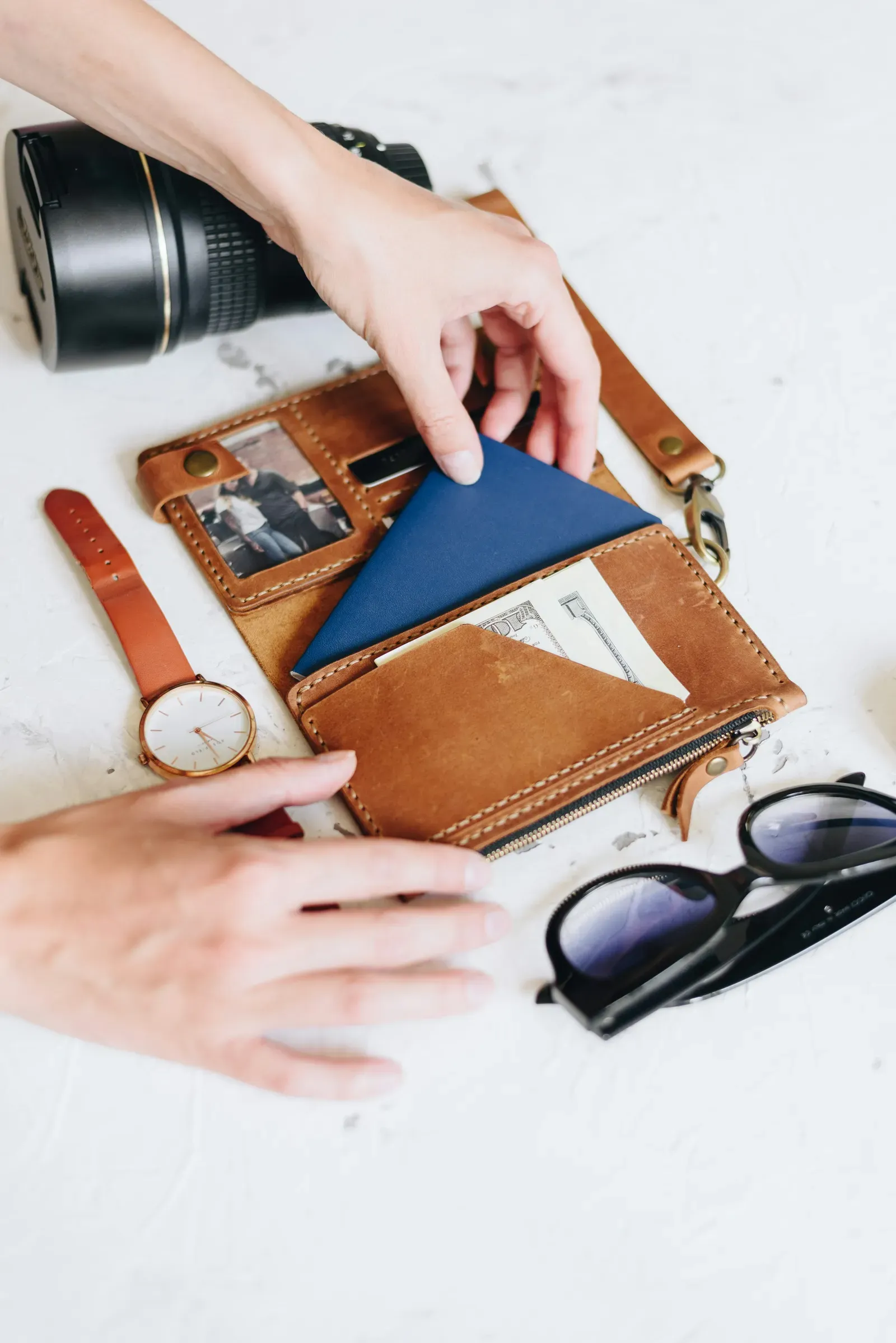
Paper airline tickets were treated like cash. Losing one could mean a long, stressful process at the airline counter. Travelers often kept their documents in a neck pouch or travel wallet.
Electronic ticketing has replaced them, and boarding passes now sit on phones. Passports remain physical, so that one careful habit is still worth keeping. A pouch for documents never really went out of style.
Where These Habits Left Off
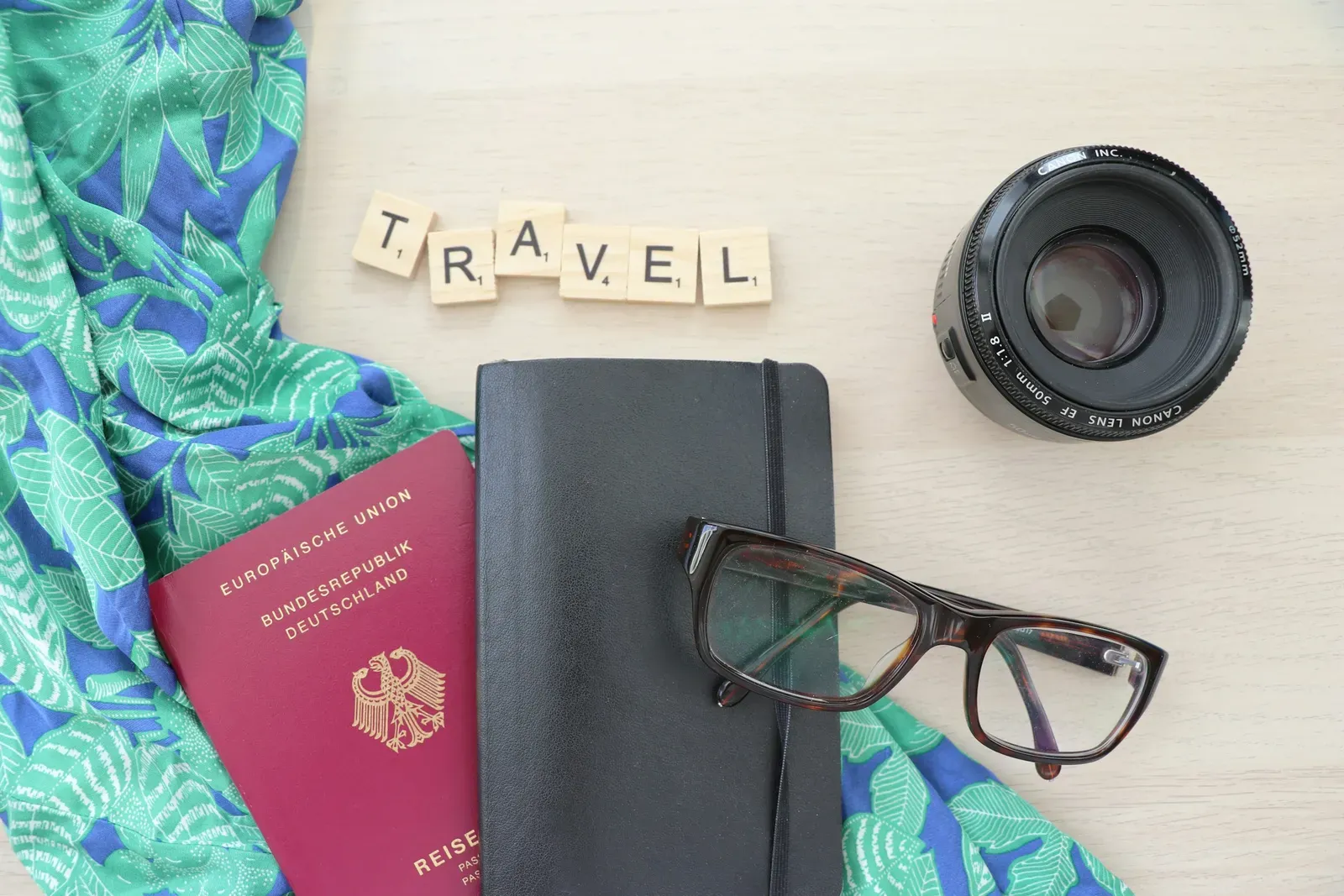
Traveler’s checks were the clearest sign of how travel used to work. Cards, ATMs, and phones replaced most of the old routines, and the paper trail shrank. A few habits, like carrying a backup copy of key documents, still make sense today.





Leave a Reply