
Membership tiers at a glance
Costco runs a two tier system. Gold Star costs $65 per year and Executive costs $130 per year as of 2026, following a fee hike that took effect in September 2024. That increase was notable mostly because Costco raised its membership fees in September 2024, the first increase in seven years.
Sam’s Club also splits into two tiers, and it recently followed suit with its own increase. The entry-level Club membership now costs $60 per year, after a price increase went into effect on May 1, 2026. The upgraded tier moved too, since the Plus membership now costs $120 per year after a price increase went into effect on May 1, 2026. On paper, Sam’s Club is cheaper at both levels, but cheaper entry does not automatically mean a faster payoff once you factor in what each tier actually returns to your wallet.
The base tier breakeven: Gold Star vs Club

At the entry level, the comparison is fairly simple because neither Gold Star nor Club pays cash back. You’re paying purely for access to warehouse pricing, gas discounts, and pharmacy or optical services. Gold Star gives you full access to all Costco warehouse locations, Costco.com, the food court, and the pharmacy for $65, while the basic Sam’s Club tier gets you access to all of the member-only prices at Sam’s Club locations and on SamsClub.com, as well as member prices at gas pumps and other perks like Scan & Go savings and free curbside pickup with no minimums for $60.
Because there’s no reward structure at this level, the payoff clock starts the moment your grocery savings and gas discounts exceed the annual fee. Gas alone can do a lot of the heavy lifting here. One estimate suggests that Costco gas typically runs $0.15 to $0.35 cheaper per gallon than nearby stations, and a weekly fill-up saving a quarter per gallon adds up to roughly $225 a year, nearly covering the Gold Star fee on its own. Sam’s Club drivers see something similar; one shopper reported that gas at her local Sam’s Club ran about 30 cents cheaper per gallon than the state average. In practice, the base tier tends to pay for itself within the first few grocery trips or gas fill-ups for either club, so the five dollar gap between $60 and $65 rarely decides the outcome.
Premium tier math: Executive vs Plus
This is where the real payoff race happens, because both premium tiers hand back 2 percent on qualifying purchases, but the breakeven spend and the annual cap are different. For Costco, the upgrade portion of Executive membership is exactly $65, and you need to spend enough to earn that back. As one analysis put it, you need to spend at least $3,250 per year at Costco for the 2 percent Executive reward to fully cover the $65 upgrade cost over Gold Star.
Sam’s Club Plus works on a similar mechanic but with a lower ceiling. The upgrade there costs $60, meaning you’d need roughly $3,000 in annual qualifying spend to break even on the fee itself. The bigger difference shows up at the top end of the reward. Costco’s Executive tier caps out much higher, since Sam’s Club caps rewards at $500 while Costco’s cap is $1,250. That means a heavy Costco shopper can earn well over double what a heavy Sam’s Club shopper earns before hitting the ceiling, even though the breakeven thresholds start out close to each other.
Gas savings speed up the payoff
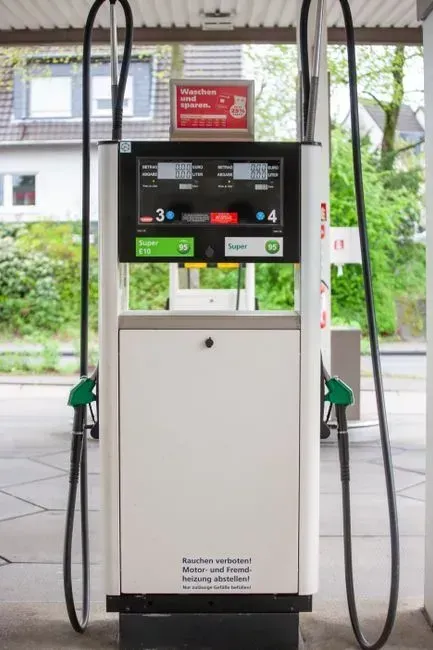
Fuel is often the fastest way either membership pays for itself, especially for households running two vehicles. A two car family filling up weekly at Costco could see gas savings alone reach $270 or more per year on a single membership. That single category can cover most or all of the Gold Star fee before a single grocery item gets scanned.
Sam’s Club has been leaning into convenience at the pump rather than pure price gaps. Its mobile payment tool lets members activate gas pumps directly through the app without any card presentation, which shaves time off the stop even if the per gallon savings are modest. Costco’s price edge at the pump tends to be the more consistent lever, with reports noting gas running 20-plus cents cheaper per gallon at Costco than other gas stations in some regions. Either way, drivers who fill up often will typically recover their membership fee faster than shoppers who only visit for groceries a few times a month.
Credit card stacking widens the gap

Neither club requires a co-branded credit card, but pairing one in dramatically changes the payoff timeline. The Costco Anywhere Visa by Citi layers on top of Executive rewards, and its structure includes 4 percent on eligible gas and EV charging up to $7,000 a year, 3 percent on restaurants and eligible travel including Costco Travel, and 2 percent on all other Costco and Costco.com purchases. Stack that with the Executive 2 percent reward and a household spending heavily on gas and dining can realistically pull in 4 percent or more combined on certain categories.
Sam’s Club offers its own comparable card, though it requires separate signup rather than being bundled automatically with Plus membership. The catch on the Costco side worth noting: the Citi Visa card requires a paid Costco membership to maintain, and if your membership lapses, you cannot use the card. That’s a minor but real dependency that ties your credit card rewards to keeping your warehouse membership active every single year.
Store brands and everyday pricing
Payoff speed isn’t only about the membership fee structure. It’s also about whether the products inside are actually cheaper once you’re through the door. Kirkland Signature and Member’s Mark are the two heavyweight private labels, and the general pattern favors Sam’s Club on price. As one comparison summarized, the two stores’ product lines are sometimes comparable in price, but when they’re not, Sam’s Club’s Member’s Mark products are usually cheaper than their Kirkland Signature counterparts.
That price gap matters more than it sounds, because it compounds every single shopping trip rather than once a year like the membership fee. A household doing large grocery runs weekly could see modest per item savings turn into a meaningful yearly total. Broader research backs this up too, noting that Sam’s Club tends to have slightly lower prices overall, especially on packaged foods and everyday basics, while Costco often offers higher quality, especially on fresh foods. If your household leans heavily on packaged staples, Sam’s Club may return your fee faster. If fresh produce and specialty items dominate your cart, Costco’s edge on quality could still make it the better long term value even if it’s not the cheapest on paper.
Food court and in-club perks

It sounds trivial, but food court economics genuinely factor into how quickly a membership feels worth it, especially for families who visit often. Both chains keep their headline item priced identically, since both stores offer a hot dog and soft drink combo for $1.50. Pizza differs slightly by the slice or the pie, with a 16 inch pizza at Sam’s Club running around $9 and a Costco 18 inch pizza costing about $10.
One access difference is worth flagging for anyone shopping with non members in tow. At Sam’s Club, nonmembers can dine at the cafes, while only members can order from Costco cafes. That’s a small but real convenience factor if you frequently bring guests or extended family who haven’t signed up themselves. It won’t move the breakeven math much, but it does affect how often you can actually use the perk you’re paying for.
Sign-up promotions and first-year deals
New member discounts can shrink the effective cost of year one substantially, sometimes cutting the payoff period in half. Sam’s Club has been running an aggressive promotion recently, offering to save over 50 percent on Plus or 55 percent on Club for new members joining between July 6 and July 31, 2026. Costco tends to be more conservative with blanket discounts but does target specific groups, and as of late 2025 it was partnered with UNiDAYS to offer student members $20 or $40 digital Costco Shop Cards when they sign up for a new membership.
Both retailers also run occasional bundled incentives that function like instant cash back on the membership fee itself. New Costco members can sometimes get a $45 Digital Costco Shop Card bundled with signup, reducing the effective first-year cost. If you’re shopping around for the fastest possible payoff, timing your signup around one of these promotional windows is arguably the single easiest lever to pull, since it requires no change in your shopping habits at all.
Footprint and access shape the real cost

A membership only pays off quickly if you can actually get to a warehouse without much friction. Costco currently operates approximately 640 locations throughout the U.S., with California having the highest concentration at 133 stores, while Rhode Island, West Virginia and Wyoming currently have none. Sam’s Club runs a similarly sized but distinctly different footprint, with 602 membership warehouse clubs in the United States across 44 states and Puerto Rico, with no locations in Alaska, Massachusetts, Oregon, Rhode Island, Washington, or Vermont.
If you live in a state where one chain simply isn’t present, the entire payoff conversation becomes moot regardless of which club technically offers better math. Distance also matters more subtly. A membership that requires a 40 minute drive each way will get used less often than one five minutes from home, and fewer visits per year almost always means a slower path to recovering the annual fee no matter how good the per item pricing looks on a spreadsheet.
Satisfaction guarantees make testing risk-free
Both clubs offer a safety net that effectively removes the risk of guessing wrong on tier selection. Costco’s policy means they will refund the difference if the reward does not cover the upgrade fee at year end, making the upgrade essentially risk-free to try. That’s a meaningful detail, because it means you can upgrade to Executive, track your spending for a year, and downgrade with a partial refund if the math didn’t work in your favor.
Sam’s Club and Costco both extend this logic to the full membership as well, not just the upgrade tier. As one comparison noted, both clubs offer a 100 percent satisfaction guarantee on their memberships and merchandise, meaning you can cancel your membership and receive a full refund anytime. Given that guarantee, there’s genuinely little financial downside to testing the higher tier for a full year at either club before committing long term, since the worst case outcome is simply reverting to the base tier with your extra fee returned.
Final tally






Leave a Reply