
Every summer, the same debate resurfaces in group chats and travel forums: book a cruise or lock in a week at an all-inclusive resort. Both promise a prepaid getaway with meals, entertainment, and a place to sleep already sorted out, yet the fine print behind those promises looks very different once you start comparing real receipts.
Prices for both have shifted noticeably heading into 2026, with resorts pushing aggressive promotions and cruise lines quietly adjusting fees behind the scenes. Figuring out which one actually stretches your dollar further takes more than glancing at the advertised starting rate.
The headline price gap on paper
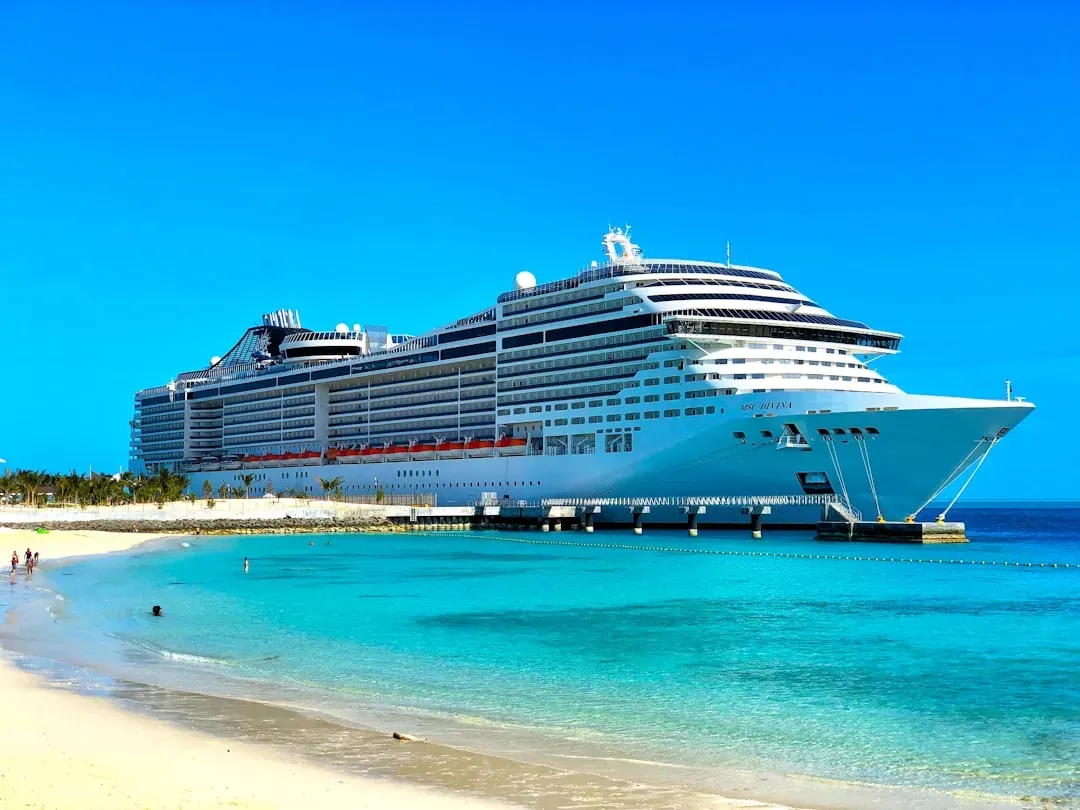
At first glance, cruises almost always look cheaper. A standard seven-day voyage can be listed for anywhere from $400 to over $5,000 per person, and shorter three or four night sailings sometimes drop even lower. It’s possible to find three or four night sailings with rates as low as $50 per person, per night, which is less than most hotels’ nightly rates at double occupancy.
Resorts, by contrast, tend to post one flat number that already covers the whole stay. One travel outlet found that a weeklong Royal Caribbean cruise to the Caribbean in February started at $1,542 for two passengers in an inside cabin, while an entry-level room at a four star resort north of Cancun cost $2,920 for a couple over the same period. That gap looks decisive until you factor in what each price actually includes.
Where cruise costs quietly add up
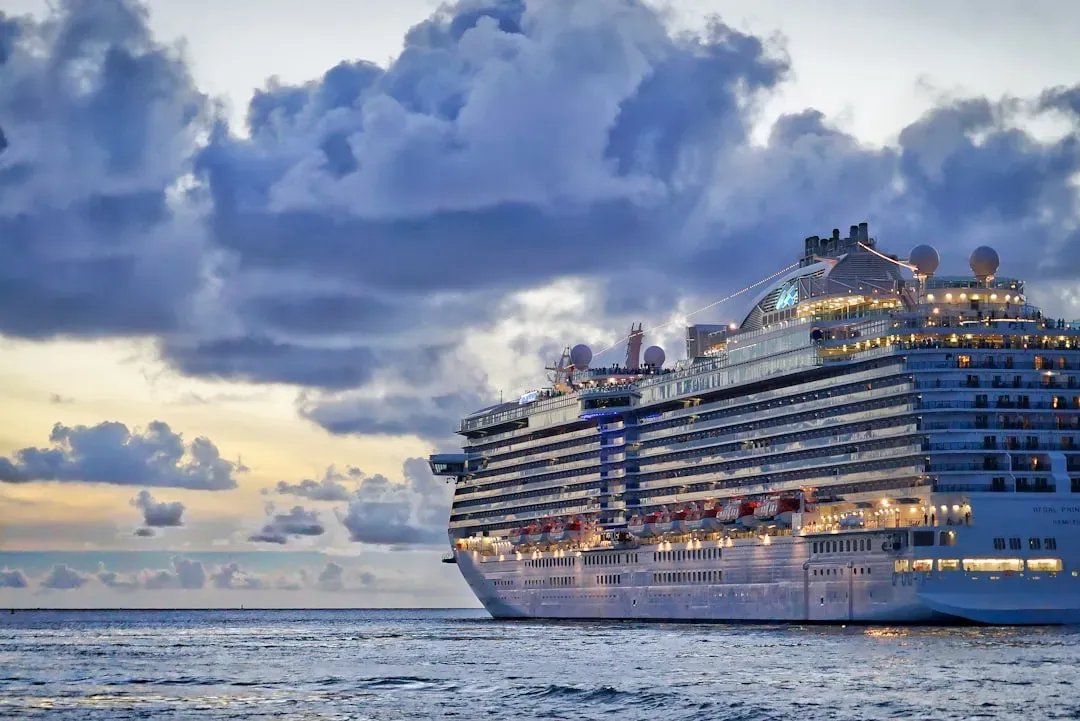
The advertised cruise fare rarely tells the whole story. Nonluxury cruise fares advertised online typically don’t include taxes, fees, port expenses, gratuities, shore excursions, alcoholic beverages, room service fees or other extras. That’s before anyone orders a cocktail or books a snorkeling trip.
Run the math on a typical seven night sailing and the numbers move fast. One breakdown showed a $1,798 base fare for two people climbing to $2,422 after adding mandatory port fees and taxes plus daily gratuities, then to $3,822 once a drink package was added. Toss in a few shore excursions, and that could add another $600 for three outings averaging $100 per person per port.
What “all-inclusive” really covers at a resort

Resorts earn their name honestly, for the most part. All-inclusive resort rates usually include meals, all drinks, beach and pool access, activities, and nonmotorized water sports, making budgeting simpler. That single number on the booking confirmation tends to be close to the final bill.
Still, nothing is ever fully unlimited. All-inclusive resorts don’t include absolutely everything, and guests still need to pay for premium property upgrades like luxury spa treatments, plus renting motorized water sports equipment like jet skis comes with an additional charge. High-end resorts also tend to fold in extras that cruises charge separately, since high-end resorts typically bundle taxes, tips and airport transfers into your final booking price.
Room size and personal space

This comparison isn’t close. A recent firsthand review found that after decades of cruising, standard cruise cabins range between 160 and 200 square feet, and after staying in a resort suite, the writer wasn’t sure how they’d ever go back to a closet sized cruise room. The same reviewer’s resort room measured 538 square feet with two queen beds, two showers, and a patio leading directly to a pool, something not possible even in the cruise line’s biggest suites.
Resorts generally hold this advantage across the board. Standard resort rooms are much larger, and you can find private terraces, swim up suites, or beachfront access. If square footage and breathing room matter to your idea of a good vacation, resorts win this round outright.
Dining variety versus dining quality

Cruise dining leans on variety and included table service. A cruise buffet is always an option when sailing, but the fare also includes meals at main dining rooms with full table service and dozens of meal options daily for breakfast, lunch and dinner. The catch is consistency, since quality can be hit or miss, with a clear difference between the complimentary and extra cost dining options.
Resorts often narrow the menu but raise the ceiling on any given plate. One traveler who tried a wellness focused resort noted that they ate at four different venues during the stay and enjoyed every dish, from spicy chilaquiles to fresh açaí bowls, though they also noticed portions were significantly smaller than standard dishes on the cruise, and the resort had limited quick service options. Neither format guarantees a perfect meal every time, but the trade off is clear: cruises give you more restaurants, resorts often give you more polish per plate.
Drinks, gratuities, and the hidden line items

Alcohol is where cruise budgets tend to blow up fastest. Adding a beverage package can run between $60 to $100 per day for a standard beverage upgrade, and that’s on top of the cruise fare itself. Gratuities compound the gap further, since Royal Caribbean automatically applies a daily gratuity that currently ranges from $18 to $21 per person, per day.
Resorts sidestep most of this friction entirely. At most resorts, guests can eat, drink, and play without worrying about extra charges, and while a few high end activities or off site excursions may cost more, surprise expenses are rare. For travelers who actually drink throughout the day, that predictability alone can tip the value equation toward the resort.
One destination versus several

This is the philosophical heart of the debate. The biggest difference between a cruise and a resort is movement versus staying put; a resort anchors you in one destination while a ship delivers a new island almost every day. For travelers who want to sample several countries without repacking, that’s hard to replicate on land.
Resorts trade that variety for depth and calm. Staying at a resort gives total freedom over your daily schedule, with 24/7 access to the sand and pools without any time limits. Neither approach is objectively better here; it depends entirely on whether you’d rather collect stamps or sink into one spot.
Activities, entertainment, and daily structure
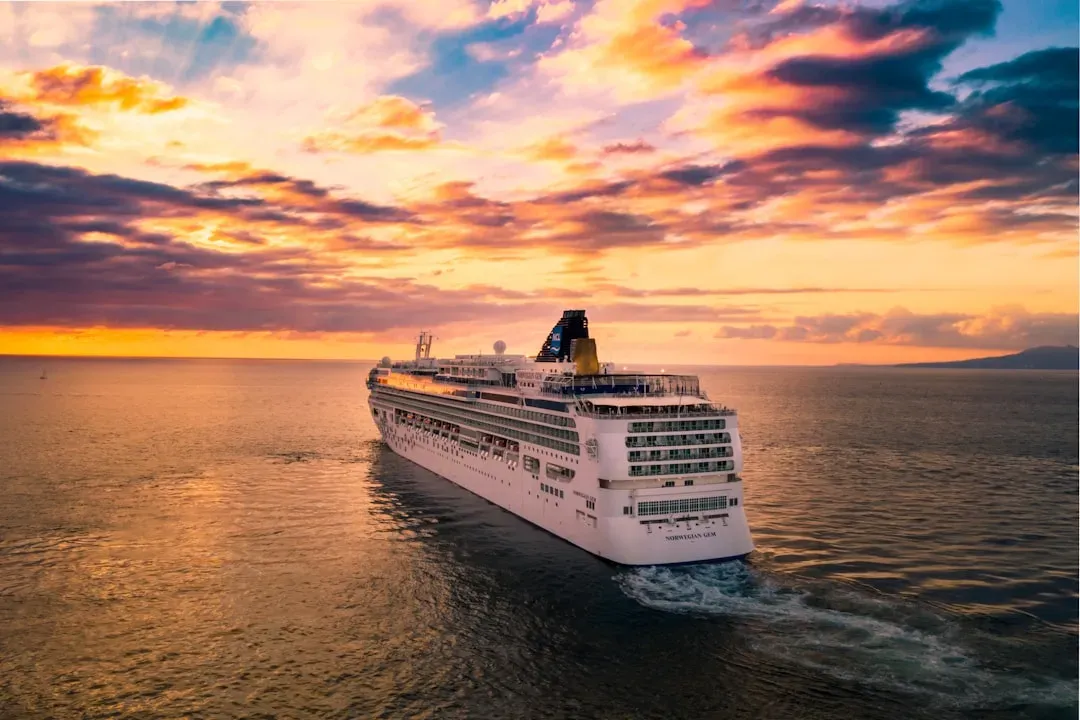
Cruise ships pack an enormous amount of programming into a single week. Modern day cruise ships are packed with onboard activities including rope courses, water parks, mini golf, rock climbing walls, ziplines, and surfing simulators, alongside Vegas style shows, Broadway musicals, comedy, magic acts, and live music every evening. It genuinely takes effort to run out of things to do.
Resorts operate on a slower rhythm by design. Instead of a Broadway show, you’ll find a live reggae band, a fire dancing performance on the beach, or a themed party, where the schedule is a suggestion rather than a mandate. The trade off comes down to whether you want organized momentum or the freedom to do absolutely nothing.
Airfare and getting there

Transportation costs rarely make it into the initial price comparison, but they matter. Cruises often depart from domestic ports, saving on airfare, while resorts typically require international flights, which can add to the total cost. That single difference can swing a comparison that looked close on paper.
Travel advisors consistently flag this gap as one travelers forget. When doing these calculations, don’t forget to include airfare, since most all-inclusive resorts are located outside the United States, making flying a necessity. A cheap resort rate can lose its shine fast once flights for a family of four get added to the total.
Which one actually wins on value

The honest answer is that it depends on how you personally spend money on vacation. Middle of the road comparisons tend to land close together, with one estimate showing a weeklong cruise for two in a balcony cabin totaling $2,500 to $3,000 once drinks, Wi-Fi, and tips are added, against a comparable four star resort running around $3,100 to $3,400 with nearly everything included. At that price point, the two options are essentially tied.
Drinkers, families who want variety, and travelers chasing multiple destinations tend to get more out of a cruise despite the add-ons. Couples who want a predictable bill, a big room, and zero schedule tend to get more out of a resort, since as one analysis put it, all-inclusive resorts frequently provide better overall value once all hidden costs are accounted for, especially for travelers who enjoy premium food and drinks. Price the entire trip, not just the sticker on the search results page, and the right answer for your money usually becomes clear on its own.




Leave a Reply