
It’s one of those kitchen habits passed down without much thought, the kind of thing a parent or grandparent insists on without ever explaining why. Slap a lid on the pot and the water boils quicker, or so the story goes. But is there any real physics behind it, or is this just another cooking myth that stuck around because it sounds plausible?
The short answer is that a lid does help, and the reasons come down to basic thermodynamics rather than kitchen folklore. To understand why, it helps to look at what’s actually happening inside that pot as the burner heats things up.
The quick verdict on lids and boiling speed
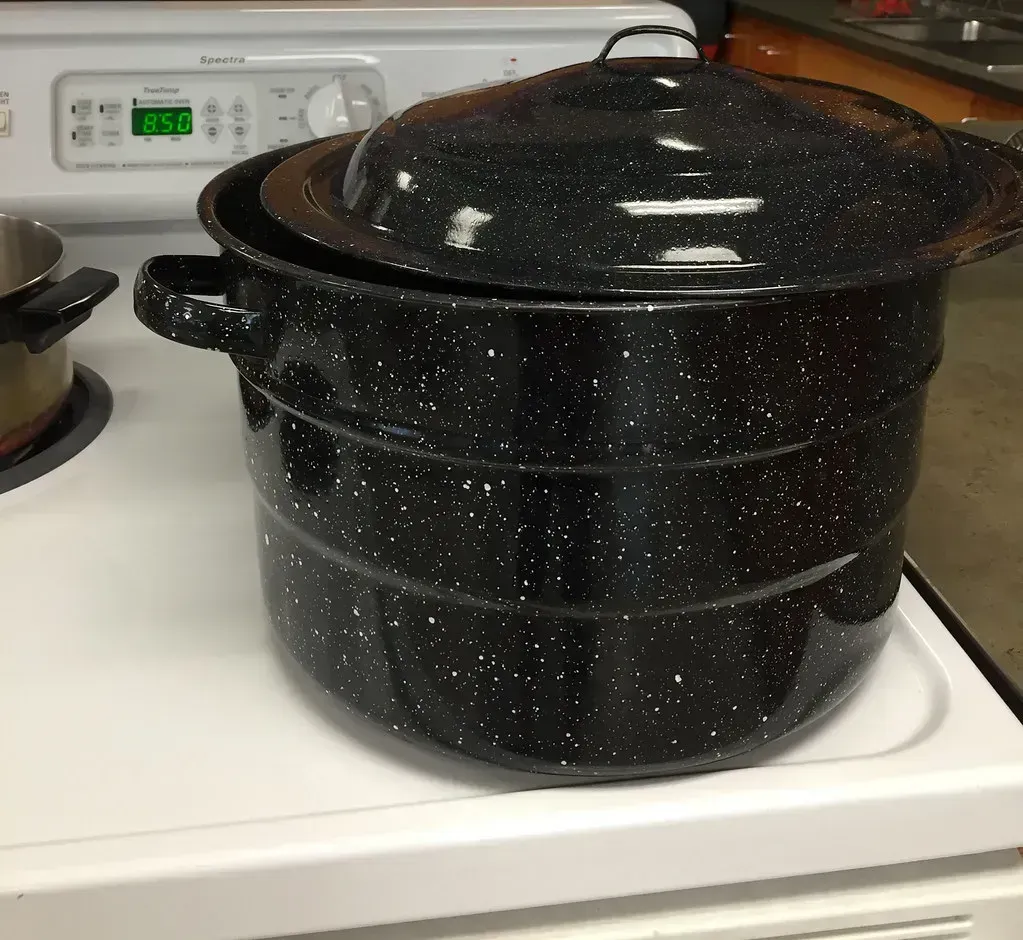
Yes, a lid genuinely speeds up the process of bringing water to a boil. The effect isn’t dramatic, but it’s measurable and consistent across different pot sizes, stove types, and water volumes. Multiple cooking science sources, including test kitchens like America’s Test Kitchen and Cook’s Illustrated, have confirmed this through repeated trials.
The difference typically ranges from a couple of minutes saved on a large pot of water to just seconds on a small saucepan. It’s not a myth that deserves to be debunked, but it’s also not the dramatic time-saver some people imagine. The physics behind it, though, is worth understanding because it explains a lot about how heat actually behaves in a kitchen.
What’s really happening inside the pot
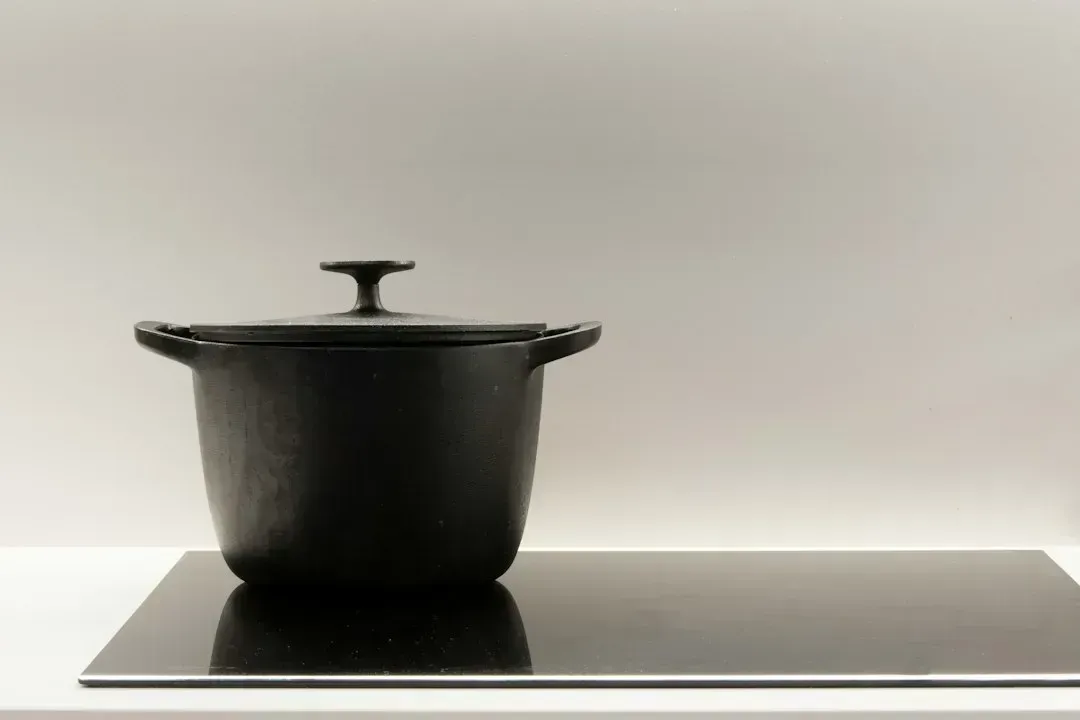
Water reaches its boiling point when enough thermal energy has been added to raise its temperature from whatever it started at up to 212 degrees Fahrenheit, or 100 degrees Celsius at sea level. Every joule of heat delivered by the burner either goes into raising that temperature or gets lost to the surrounding air. The faster heat accumulates in the water without escaping, the faster boiling happens.
An open pot is essentially a heat-loss machine. Warm air rises off the surface, steam escapes as soon as it forms, and the surrounding kitchen air constantly pulls energy away from the water. A lid interrupts that loss, and that interruption is the entire secret behind why covered pots boil faster.
The role of evaporative heat loss
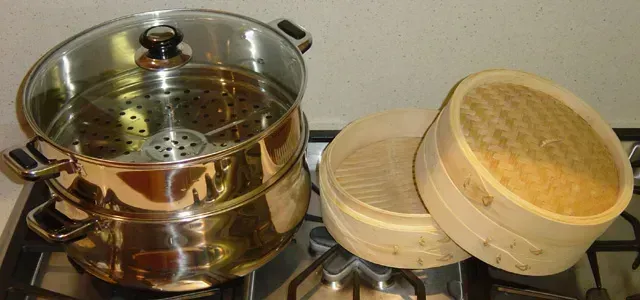
Long before water reaches a full boil, some molecules at the surface already have enough energy to escape as vapor. This process, called evaporation, quietly siphons heat away from the pot the entire time it’s uncovered. Because evaporation is itself a cooling process, an open pot is fighting against its own progress.
With a lid on, that escaping vapor has nowhere to go. It condenses on the underside of the lid and drips back into the pot, returning much of that heat rather than losing it to the room. This closed-loop effect means less total energy needs to be supplied by the stove to reach boiling point.
How much time a lid actually saves
Home cooking experiments and test kitchens have found that covering a pot can cut boiling time by roughly ten to twenty percent depending on the volume of water and the power of the burner. For a large pot used to boil pasta water, that might mean shaving off a couple of minutes rather than waiting the full ten or more. For a small saucepan of water for tea, the savings are closer to a few seconds, since there’s simply less surface area for heat to escape from in the first place.
The bigger the pot and the more open surface area exposed to air, the more noticeable the lid effect becomes. This is why the difference is often barely perceptible with a single mug’s worth of water in an electric kettle, where there’s already a sealed chamber design doing the same job a lid would do on a stovetop.
Why steam buildup matters just as much as heat retention
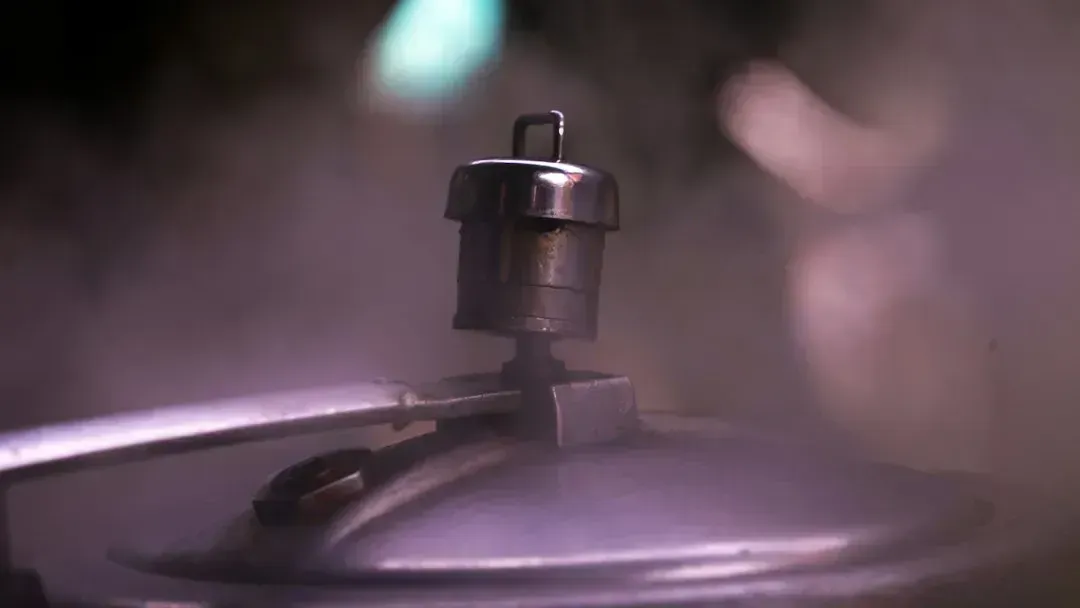
Beyond simply trapping warmth, a lid also allows pressure and steam to build slightly inside the pot. This buildup raises the local humidity right above the water’s surface, which reduces the rate of evaporation even further because the air can’t absorb much more moisture. Less evaporation means less energy lost, which means faster progress toward the boiling point.
This is a subtle effect compared to straightforward heat retention, but it compounds over the several minutes it typically takes to boil a full pot. In practical terms, it’s part of why cooks notice the lid making a bigger difference on larger volumes of water rather than small ones.
Does pot size or material change the outcome
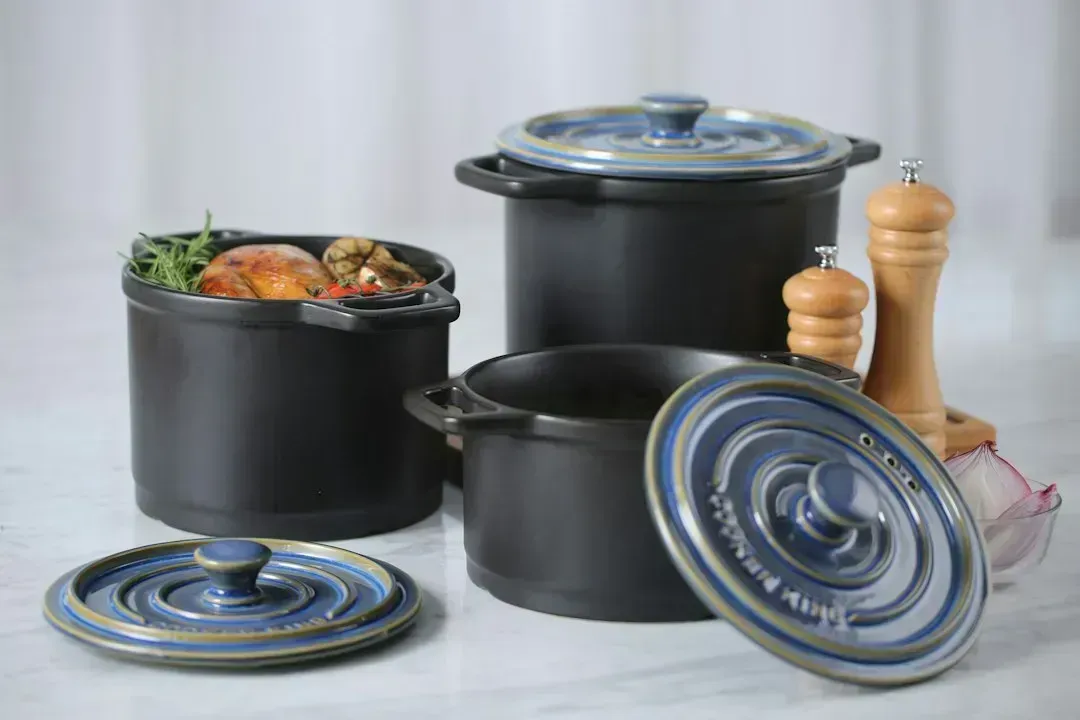
Wider, shallower pots lose heat faster than narrow, deep ones simply because they expose more surface area to the air. This means a wide skillet filled with water will show a bigger difference between lid-on and lid-off timing than a tall, narrow pot holding the same volume. Material also plays a small role, since thinner metal lids transfer and radiate heat differently than heavy glass ones, though the effect is minor compared to surface area.
Stainless steel and aluminum pots, the most common in home kitchens, both benefit from lids in roughly the same proportional way. The physics doesn’t change much based on material, but the shape of the vessel absolutely does. A wide stockpot used for pasta night will show the clearest, most noticeable time savings from covering it.
What about altitude and boiling point
Altitude changes the temperature at which water boils, since lower atmospheric pressure at higher elevations means water reaches its boiling point sooner, sometimes below 100 degrees Celsius. This is a separate phenomenon from the lid effect, but the two can interact. At high altitude, water boils at a lower temperature, so less total energy is needed overall, and the relative time saved from using a lid remains proportionally similar even though the absolute numbers shift.
Cooks in mountain regions or high-altitude cities already adjust cooking times because food takes longer to cook at lower boiling temperatures, according to guidance long published by the USDA and extension cooking programs. The lid effect doesn’t disappear at altitude, it simply operates within a different baseline boiling temperature.
Simmering with the lid on versus off
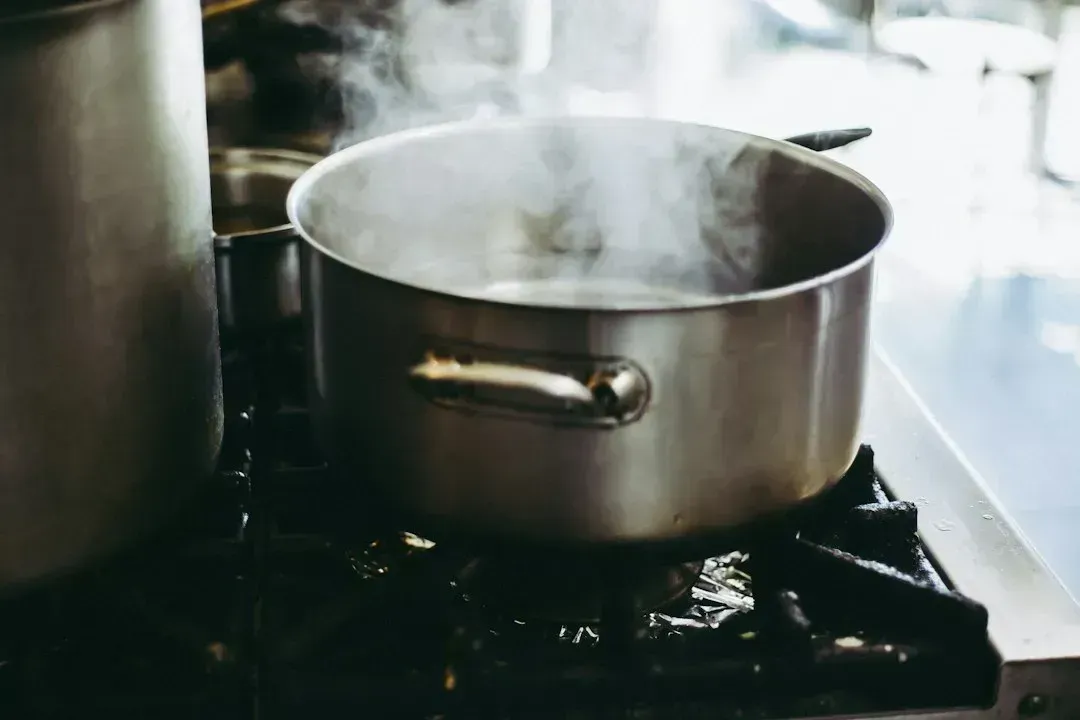
Once water reaches a boil and the goal shifts to simmering or reducing a sauce, the calculation flips. Leaving the lid off during simmering allows excess moisture to escape, which is exactly what’s needed when thickening a sauce or reducing stock. Keeping the lid on during this stage traps steam and can prevent proper reduction, which is why recipes often specify uncovered simmering for sauces but covered simmering for things like rice or braises where moisture retention matters.
This distinction trips up a lot of home cooks who assume the lid rule works the same way at every stage of cooking. The truth is that a lid’s usefulness depends entirely on what stage of the process you’re in and what outcome you’re trying to achieve, not just on getting water hot as fast as possible.
The energy and cost angle
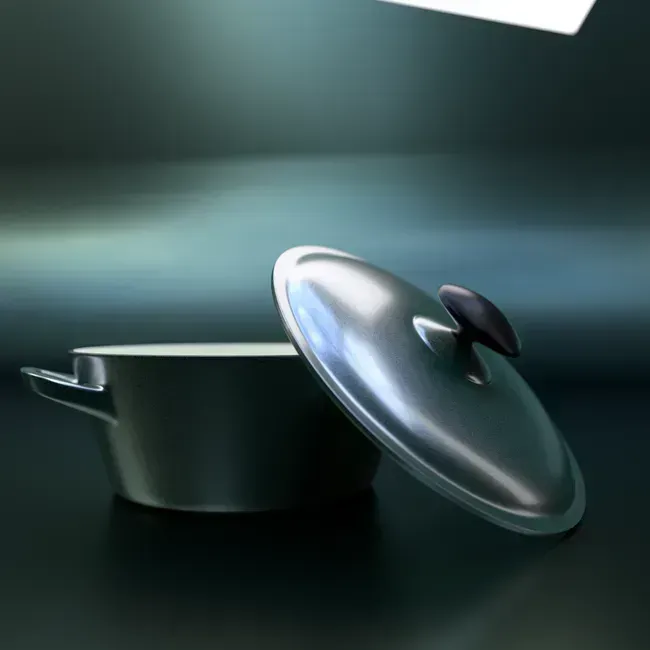
Because covering a pot reduces the total energy needed to reach boiling, it also translates into modest energy savings on the stove, whether gas or electric. Various home energy efficiency guides, including those published by the U.S. Department of Energy, note that covering pots and using appropriately sized burners are simple ways to reduce cooking energy use. The savings on any single meal are small, amounting to a matter of cents, but they add up across the hundreds of times a household boils water for pasta, rice, eggs, or tea each year.
For induction and electric stovetops, where energy costs are often higher than gas per unit of heat delivered, the lid habit has a slightly bigger practical payoff. It’s not going to transform anyone’s utility bill, but it’s a low-effort adjustment that consistently nudges energy use in the right direction.
Practical tips for boiling water faster
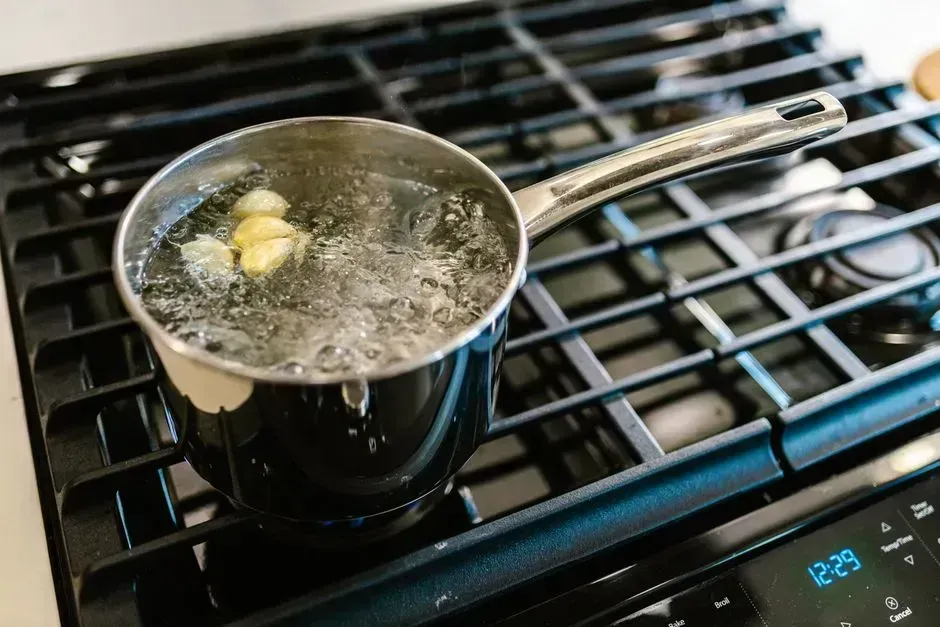
Beyond just using a lid, starting with hot tap water instead of cold shaves real time off the process, since less total heat needs to be added by the stove. Using a burner sized appropriately to the pot also matters, since a small flame under a large pot wastes heat around the edges rather than concentrating it on the pot’s base. Salt added to water raises the boiling point by a negligible amount, contrary to another common kitchen myth, so it has essentially no meaningful effect on boiling speed.
Choosing a narrower, taller pot over a wide shallow one when speed matters, and always keeping that lid on until the water reaches temperature, are the two most reliable habits for cutting down wait time. None of these tricks will turn a slow stove into a fast one, but stacked together they make a noticeable difference on busy cooking nights.


Leave a Reply