
A kitchen does not need a complete demolition to feel new again. In many homes, the most meaningful improvements come from thoughtful, smaller-scale changes that support daily living while preserving comfort, warmth, and character. Strategic kitchen upgrades can transform the atmosphere without the disruption of a major renovation.
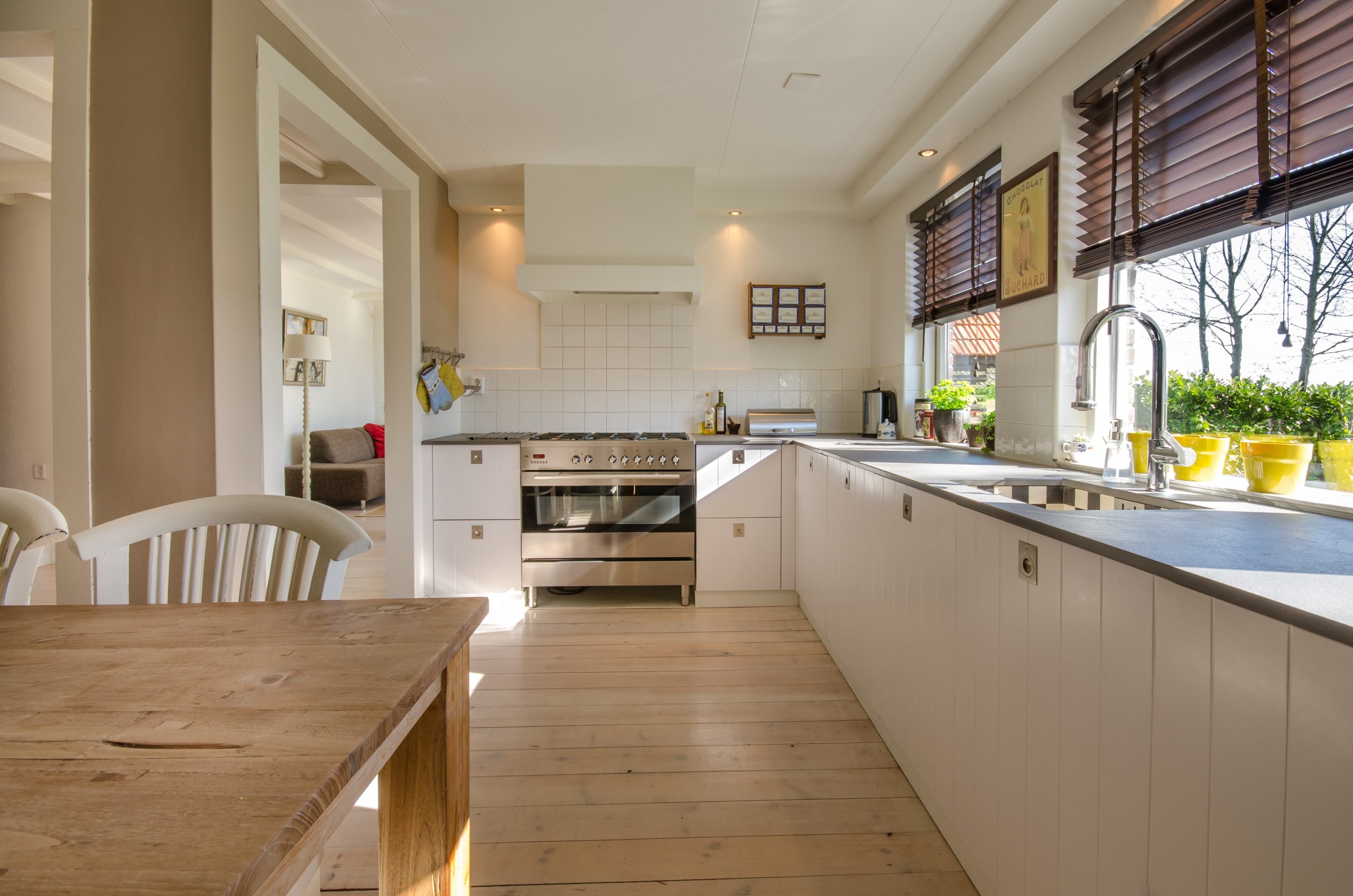
Image by ClickerHappy by Pixabay
Modern kitchen design has also shifted away from perfection. More people now value layered textures, natural materials, open shelving, softer lighting, and personalized details that reflect how a family truly uses the space. Let’s explore some upgrades that deliver substantial visual and functional impact while remaining manageable in cost, timeline, and complexity.
Refresh Cabinet Surfaces
Cabinet replacement often accounts for the largest portion of a renovation budget, yet many cabinets are structurally sound and only need cosmetic improvements. Refinishing, repainting, or refacing existing cabinetry can dramatically alter the room without removing the kitchen’s original footprint. Warm earthy neutrals, muted green, mushroom tones, and soft charcoal finishes are especially effective for creating a grounded appearance. Matte finishes tend to feel more organic and forgiving than glossy surfaces, particularly in busy family kitchens.
Upgrade Lighting to Create Warmth and Dimension
Lighting shapes the emotional tone of a kitchen more than most homeowners realize. Harsh overhead lighting can flatten a room, while layered lighting creates warmth, depth, and comfort. Replacing outdated fixtures with pendant lights over islands or breakfast areas instantly modernises the space. Fixtures made from woven fibers, ceramic, linen, or aged metal work especially well in homes that embrace relaxed, natural styling.
Introduce Texture Through Backsplashes and Wall Treatments
A backsplash upgrade can completely shift the visual identity of a kitchen without requiring structural work. While classic subway tile remains popular, newer approaches focus more heavily on texture and variation. Hand-made look tiles with slight imperfections create movement and warmth. Zellige-inspired finishes, limewashed walls, beadboard accents, and vertically stacked tile patterns all contribute visual interest without overwhelming the room.
Focus on Countertop Styling
Countertops naturally attract attention, but replacing them is not always necessary to refresh the kitchen’s appearance. In many cases, strategy styling and selective updates can significantly improve the overall presentation. Clearing excessive countertops immediately creates a calmer environment. Decorative trays, wooden cutting boards, ceramic vessels, and carefully chosen everyday items can make surfaces feel curated instead of crowded.
For homeowners considering future upgrades, researching materials ahead of time helps establish realistic priorities and budgets. Understanding factors that influence kitchen countertop cost can also guide smaller interim improvements, such as resurfacing laminate, sealing natural stone, or replacing only a heavily worn section rather than the entire kitchen.
Add Open Storage
Open shelving continues to evolve beyond trend-driven minimalism. When executed thoughtfully, it creates accessibility, visual openness, and opportunities for personal expression. The key lies in moderation. A few floating shelves can soften a wall of upper cabinets while providing space for frequently used dishes, cookbooks, handmade pottery, or seasonal decor. Natural wood shelves often work especially well because they introduce warmth against painted cabinets and tile.
Endnote
A meaningful kitchen transformation does not require tearing out cabinets or investing in a full-scale remodel. Thoughtful upgrades focused on texture, lighting, storage, and functionality can dramatically improve both the appearance and usability of the space.

Leave a Reply