
History tends to travel in neat, memorable packages. A brave explorer proves the world is round. A queen dismisses the hungry poor with a callous quip. A short general builds an empire to compensate for his stature. These stories feel satisfying because they’re clean, dramatic, and easy to repeat. The trouble is, a surprising number of them are wrong, or at least significantly more complicated than the version most people learned in school.
What’s especially interesting is that many of these myths didn’t arise from laziness or ignorance alone. They were deliberately crafted, whether through wartime propaganda, political fiction, or the embellishments of popular authors. Our understanding of the past is saturated with inaccuracies, be they falsehoods, errors, or myths. The following moments are among the most famous in history, and they deserve a second, more honest look.
Napoleon Wasn’t Actually Short
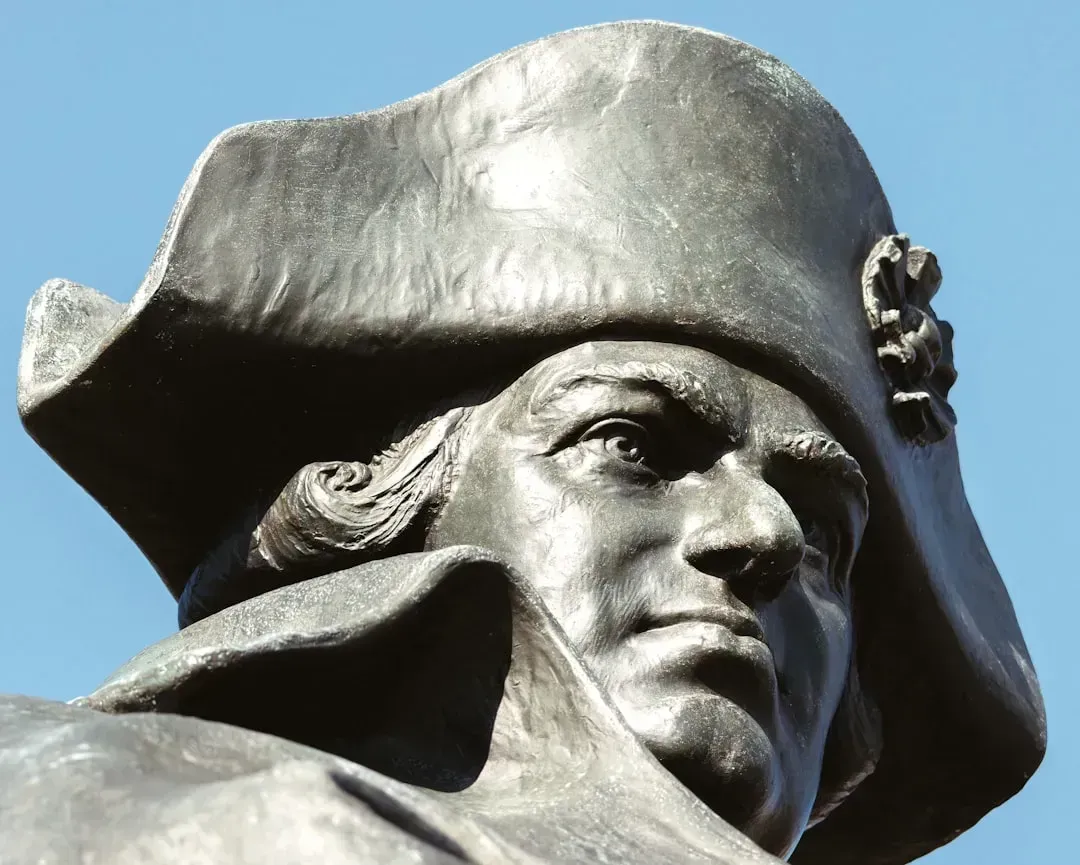
Napoleon wasn’t actually short. At his death in 1821, he measured what translates to approximately 5 feet 7 inches in modern measurements, which was completely average for French men of his era. The confusion stems partly from a measurement problem. French measurements used the pied du roi, which was slightly larger than the English foot. When English newspapers reported Napoleon’s height using French measurements, they often failed to convert properly, making him appear shorter than he actually was.
The real architect of Napoleon’s diminutive reputation was James Gillray, Britain’s most influential political caricaturist. During the Napoleonic Wars, Gillray created dozens of cartoons depicting Napoleon as comically small. These weren’t just random jokes. They were sophisticated propaganda designed to diminish Napoleon’s fearsome reputation. By making him appear physically small, Gillray made France’s emperor seem less threatening to British audiences who were genuinely terrified of his military prowess. Two hundred years before internet memes and social media, Gillray created a visual lie so compelling that it outlived its subject by centuries and spawned an entire psychological framework.
Columbus Didn’t Fight Flat-Earthers

The widespread belief that medieval Europeans thought the Earth was flat, and that Christopher Columbus faced opposition from church officials and scholars who feared he would sail off the planet’s edge, represents one of history’s most persistent mythologies, a fabrication largely created in the 19th century. The historical reality stands in stark contrast: educated medieval Europeans, following ancient Greek astronomical traditions, understood and accepted that the Earth was spherical. The actual dispute was about something far more practical.
The actual objections to Columbus’s proposed voyage concerned the distance to Asia, not Earth’s shape. Columbus claimed that Asia was approximately 3,000 nautical miles west of Europe, while his critics correctly argued that the actual distance was much greater, making the voyage impractical. Washington Irving’s biography of Columbus, published in 1828, played the pivotal role in creating and popularizing the flat Earth myth. Irving, a novelist rather than a professional historian, invented scenes of Columbus facing an inquisitorial council where supposedly ignorant clerics opposed his voyage on the grounds that Earth was flat. This dramatic scene never occurred.
The Salem Witch Trials Didn’t Involve Burning

The Salem Witch Trials represent one of early American history’s darkest chapters, resulting in accusations against over 200 people in 1692 and 1693. When most people imagine these executions, they picture dramatic scenes of accused witches burning at stakes while crowds watch. This image is deeply embedded in our cultural consciousness, appearing in countless movies, books, and artworks, and it’s completely false. Not a single person was burned during the Salem Witch Trials.
The actual execution method used was hanging. Nineteen people were hanged on what became known as Gallows Hill. The twentieth victim, Giles Corey, died through pressing, also called “peine forte et dure,” where heavy stones were placed on his chest until he either entered a plea or died. The burning myth comes from European witch-hunting practices, where burning at the stake was indeed a common execution method, particularly in continental Europe. German, French, and Scottish witch trials frequently ended with the condemned being burned. This execution method was used for heresy, and since witchcraft was considered a form of heresy in Catholic and some Protestant regions, burning became associated with witch executions.
Marie Antoinette Never Said “Let Them Eat Cake”
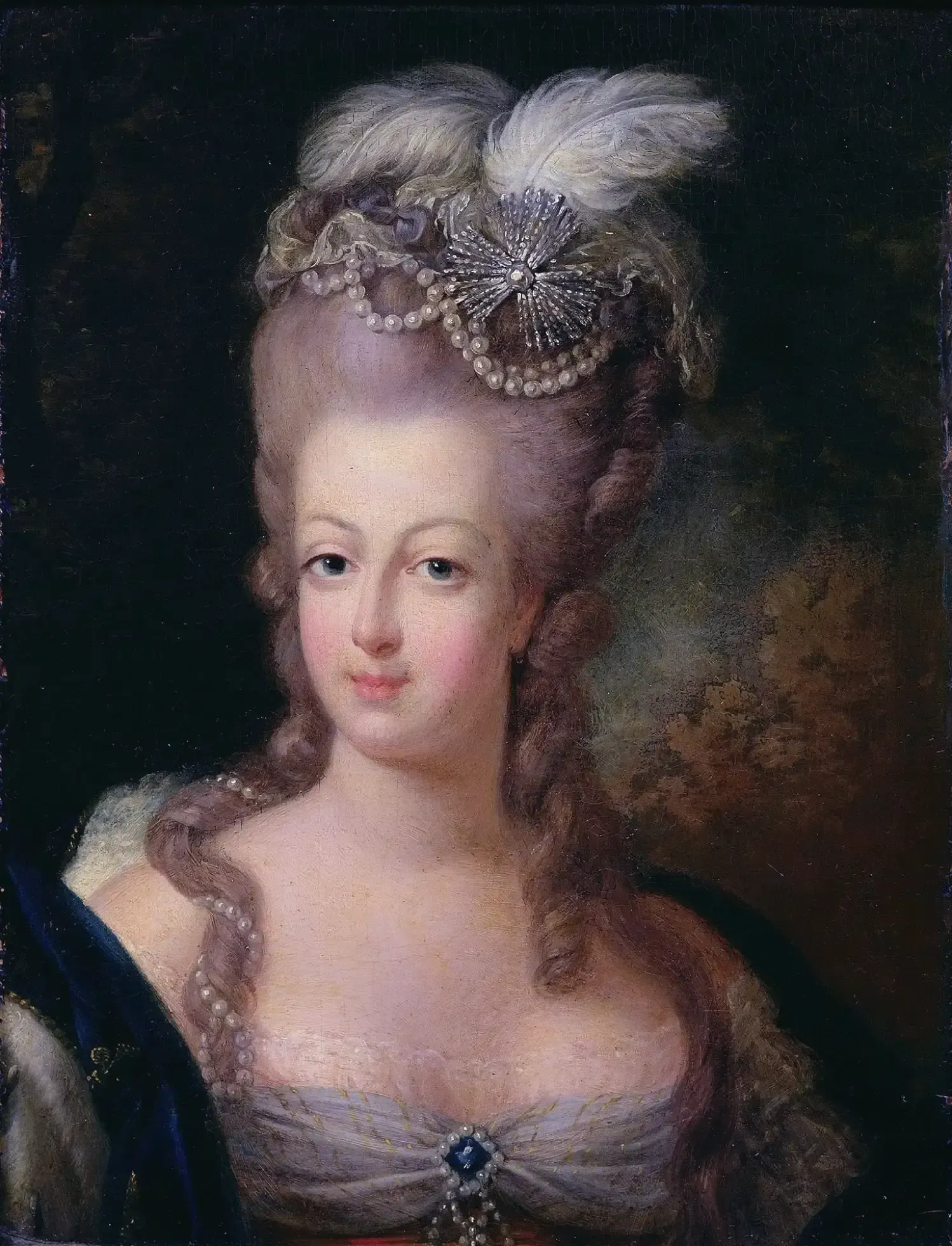
Biographer Antonia Fraser claims this quote is actually attributed to Maria Theresa, a Spanish princess who married Louis XIV more than a century before Marie Antoinette set foot in France. The phrase can actually be traced back to Jean-Jacques Rousseau’s Confessions, where he attributes the quote to a princess. Since Marie Antoinette was a mere child at the time the book was published, it’s unlikely she uttered the famous quote.
The misattribution is telling in its own way. It served a political purpose during the Revolution, attaching heartless indifference to a woman who was already a convenient symbol of royal excess. Even the 2006 film Marie Antoinette mentions that the French queen never said the words. Yet despite nearly two centuries of debunking, the myth remains. It’s a reminder that a well-timed quote, even a fabricated one, can define a person in ways that the historical record never quite undoes.
The Moon Landing Flag Wasn’t “Waving in the Wind”
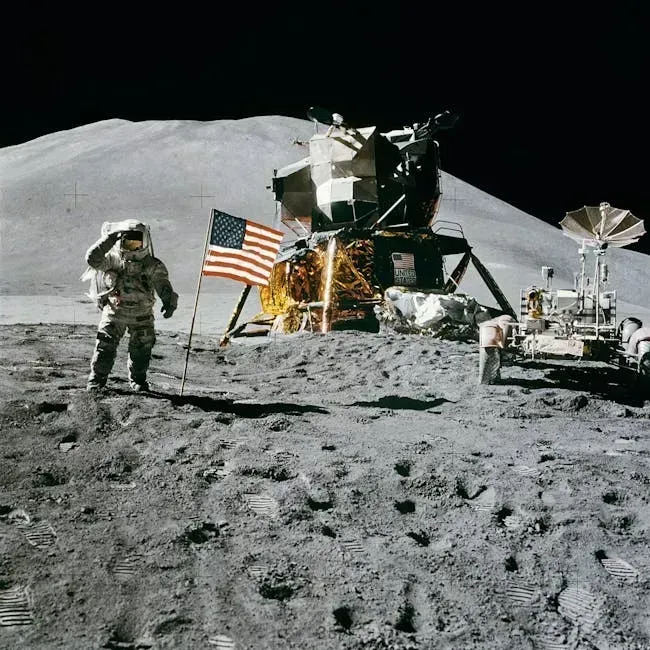
Moon landing conspiracy theories emerged shortly after the Apollo 11 mission in 1969. Proponents argued that the U.S. government faked the moon landing to win the Space Race, citing perceived inconsistencies in photographs. Common claims include the appearance of the American flag appearing to “wave,” the absence of stars in the lunar sky, and the unusual shadow placements in the images. Each of these has a straightforward scientific explanation.
NASA was aware that a traditional flag would hang limply on the moon but wanted to clearly show the American flag in pictures. A horizontal rod at the top of the pole holds the flag unfurled, which makes it look like wind is stopping it from hanging down. There is a fluttering effect because the weak gravity on the Moon is not strong enough to uncrumple the flag. After a little waving while the astronauts planted the flags, they have remained still ever since. Meanwhile, the Soviets, with their own competing Moon program, an extensive intelligence network, and a formidable scientific community, would have “cried foul” if the United States tried to fake a Moon landing. Proving a hoax would have been a huge propaganda win for the Soviets. Instead, the Great Soviet Encyclopedia contained articles reporting the landings as factual.
Rasputin’s Death Was Far Less Dramatic Than the Legend
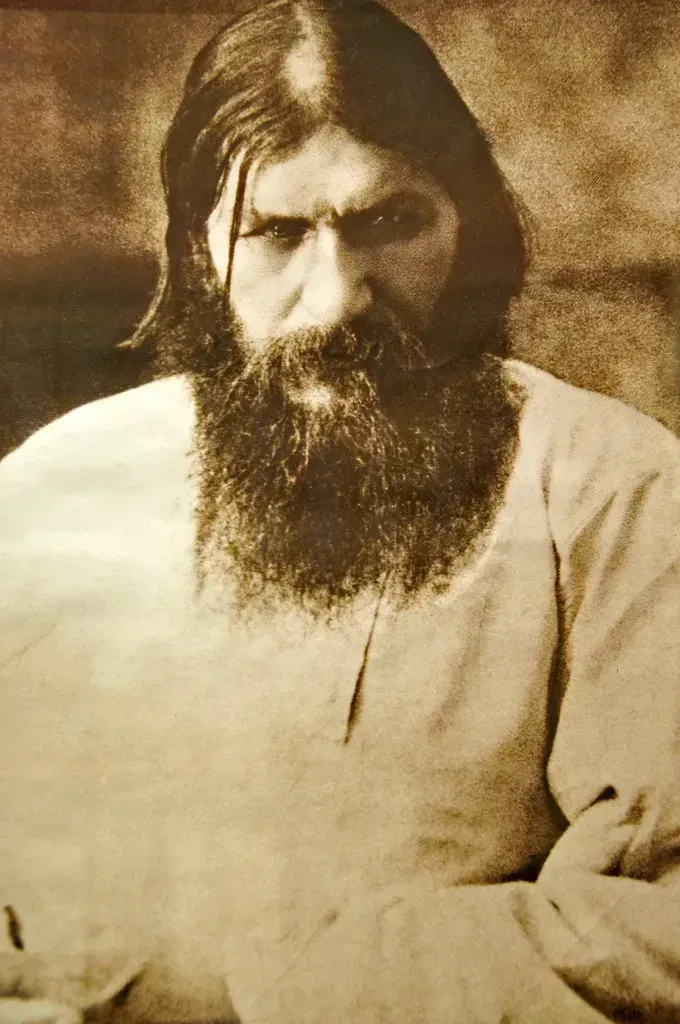
Grigori Rasputin was not assassinated by being fed cyanide-laced cakes and wine, shot multiple times, and then thrown into a river when he survived the former two. A contemporary autopsy reported that he was simply killed with gunshots. A sensationalized account from the memoirs of co-conspirator Prince Felix Yusupov is the only source of this story. The Yusupov version has an almost theatrical quality, painting Rasputin as a near-supernatural figure who refused to die through conventional means.
The life and death of Grigory Efimovich Rasputin is shrouded in mythology, making him an almost larger-than-life figure in Russian history. A sexual deviant, mystic healer, political saboteur, and renegade monk, the mysterious Rasputin was both reviled and revered during his lifetime, and became a scapegoat for various dissident groups. There is no evidence to suggest Rasputin was a sex-crazed maniac who had a secret affair with Russia’s queen. Much like the rest of his life, his behavior in this realm has been exaggerated, and following the February Revolution of 1917, embellished by his enemies in attempts to propagandize his life.
George Washington’s Dentures Were Not Made of Wood
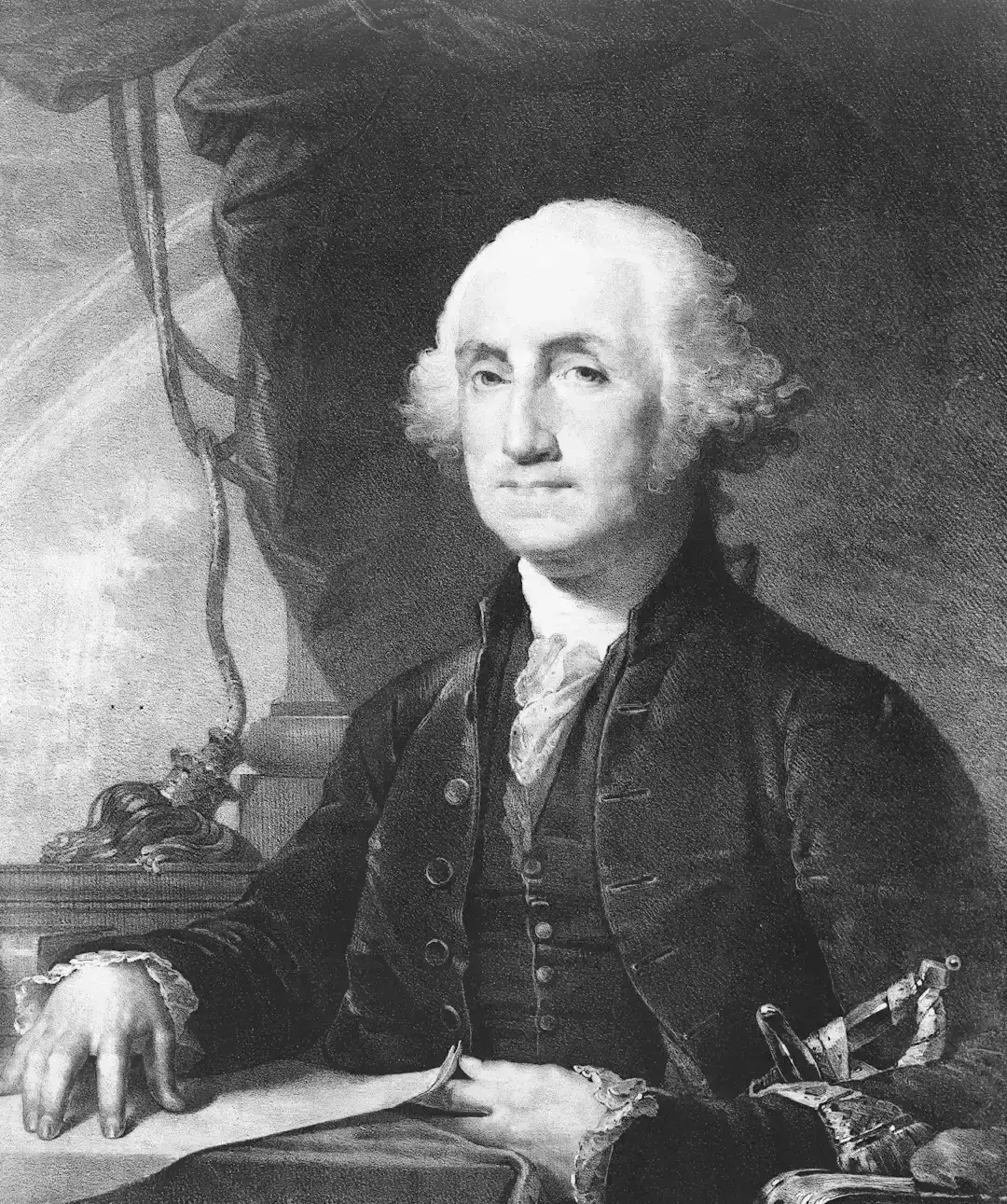
Washington suffered from dental problems throughout his life. However, his dentures were not wooden at all. They were made from a combination of human teeth, cow teeth, hippopotamus ivory, and metal, as was standard for wealthier people at the time. The myth has been part of American folklore for so long that it’s genuinely surprising to learn there’s essentially no evidence for it.
While no one can say for sure where the myth of wooden teeth came from, there’s a good chance people mistook the discolouration of his ivory dentures for wood, leading to a misconception that still exists today, hundreds of years later. When he took the oath of office, George Washington had just one original tooth in his mouth. The real story, involving human and animal teeth fused into an ivory framework, is arguably stranger and more uncomfortable than the wooden version people grew up hearing.
The Gunfight at the O.K. Corral Wasn’t at the O.K. Corral
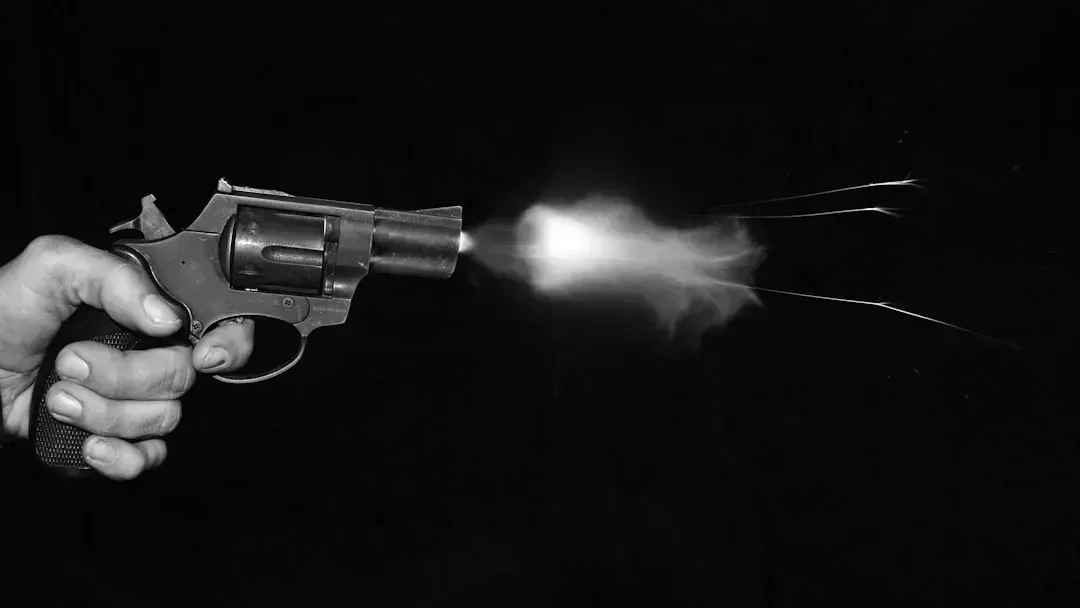
The famous gunfight in 1881, pitting the lawmen Virgil and Wyatt Earp against outlaws known as the “Cowboys,” is often seen as an emblem of the Wild West. Although depicted in many Hollywood films as evidence of the rampant lawlessness of the West, the real gunfight lasted only 30 seconds, killed three people, and didn’t happen at the O.K. Corral but in a vacant lot down the street.
Overall, the episode was a relatively minor one in the history of western North America, but it’s a moment that has become almost legendary in the romanticization of the Wild West, a period of American history stretching from about 1850 until 1900. The name “O.K. Corral” stuck because it had a better ring to it than “a nearby vacant lot.” It’s perhaps the most literal example of history being slightly moved down the street for the sake of a catchier story.
Ancient Greek and Roman Statues Were Not White
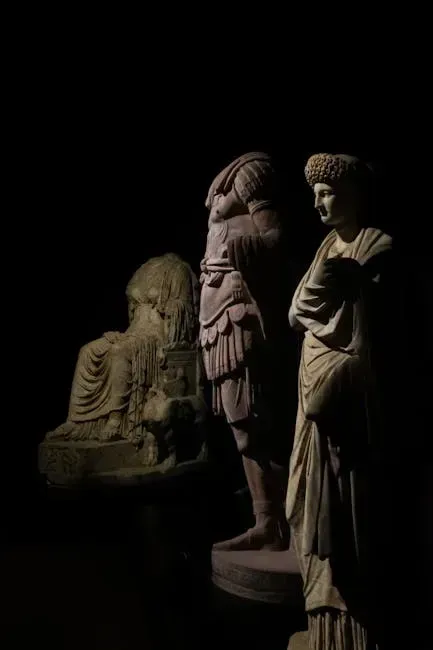
Many people naturally believe that ancient statues of stone and marble were always plain and white. Most surviving exhibits in museums are completely pale and bare, leading many to imagine ancient Greek and Roman statues as pristine white marble figures. This is an accident of time, not an accurate picture of how those objects looked when they were new.
Our ancestors loved colour and vibrancy more than we give them credit for. Most ancient statues were actually painted in vibrant colours, and the plain white appearance we see today is the result of pigment deterioration over time, largely due to exposure to the elements and sunlight. Archaeological techniques such as ultraviolet light analysis have revealed traces of these original colours, allowing us to reconstruct the true appearance of many ancient sculptures. The serene, pure-white classical world that inspired centuries of architecture and sculpture was, in reality, probably quite a lot more colourful and, to modern eyes, perhaps even a little garish.
Einstein Did Not Fail Math
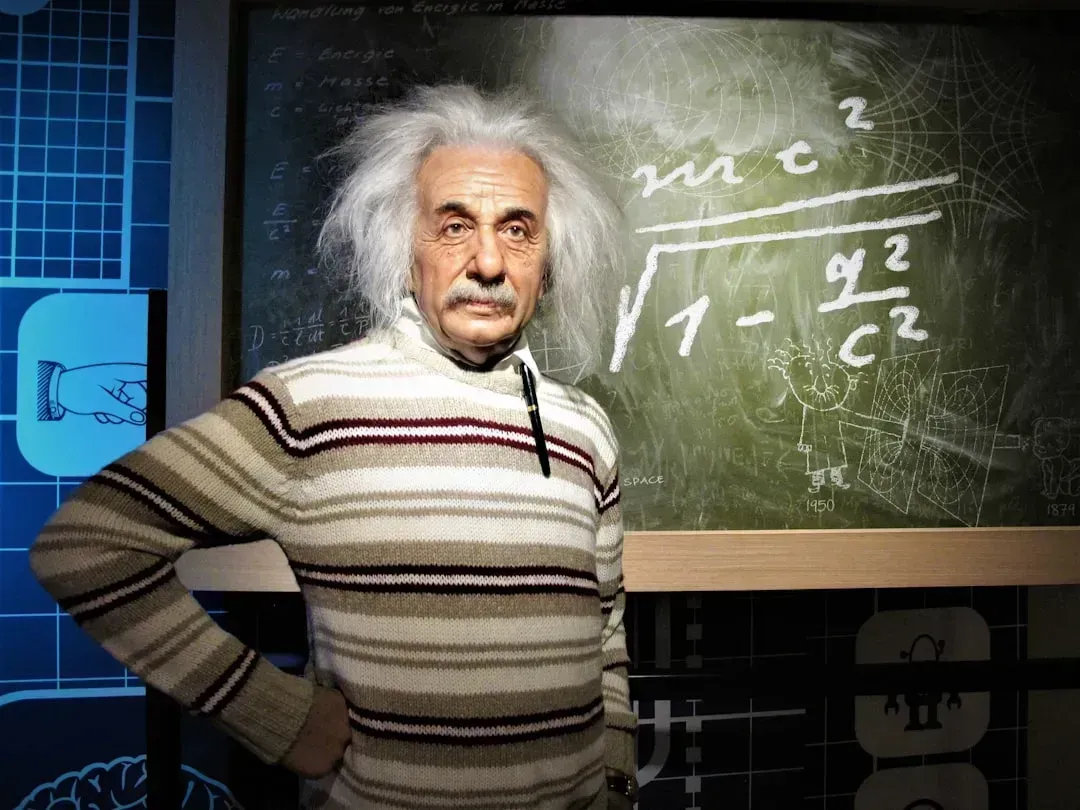
Albert Einstein was not a lousy student who failed math. The theoretical physicist did fine in math, but he did flunk the entrance exam to the Zurich Polytechnic Institute on his first try at age 16. The exam was given in French, which Einstein wasn’t fluent in, and records show he passed the math section but failed the language, botany, and zoology sections.
The myth persists partly because it’s comforting. If Einstein failed, then failure is not disqualifying, which is a genuinely useful message. The problem is that the real story is still interesting on its own terms: a teenage prodigy who excelled at mathematics was undone by botanical vocabulary in a foreign language. As historians look at the past with a critical eye, they’ve found proof to debunk common myths that evolved over time and are now widely accepted. Myths in history remind us of the importance of finding credible information to ensure news and stories are accurate. Einstein went on to pass the exam the following year and enrolled at the institute without much further difficulty.





Leave a Reply