
You spend decades dreaming about it. The white sand beaches. The year-round sunshine. No more snow shovels. No state income tax. Florida looked like the retirement jackpot. That’s exactly what I thought when I packed up my life and made the big move south.
Eighteen months later, I was loading up a moving truck heading back north. Turns out, paradise comes with a price tag and a whole lot of hidden challenges that nobody mentioned in those glossy retirement brochures. Let’s be real, I wasn’t alone in this decision. What I discovered during my time in the Sunshine State was eye opening, and honestly, I wish someone had told me the full story before I signed on the dotted line.
The Sticker Shock Nobody Warned Me About
When I first looked at Florida real estate, the prices seemed reasonable compared to where I was coming from. In just half a decade, the median price of a single-family house in Florida rose $150,000, or 60%, with the median sale price reaching $409,700 by July 2024. I bought right in the middle of that surge, thinking I was getting a deal.
Here’s the thing about Florida’s affordability myth. Sure, there’s no state income tax. That part is true. The problem is everything else costs more than I budgeted for. Florida’s cost of living index was calculated to be 101.4 in 2025, meaning it’s 1.4% above the national average, with the state ranking 32nd overall. Groceries kept creeping up, utilities during those brutal summer months were astronomical, and don’t even get me started on air conditioning bills.
The financial pressure wasn’t just about day to day expenses. Remote workers and the wealthy were flocking to the state and driving up home prices, leaving those on a fixed income feeling the pinch. I watched my retirement budget get squeezed from all sides while younger tech workers with unlimited money seemed to be buying up everything around me.

The Insurance Nightmare That Broke the Bank
If I had to pinpoint the single biggest shock, it was insurance. I thought I was prepared. I researched, I budgeted, I planned. Nothing could have prepared me for the absolute chaos of Florida’s homeowners insurance market.
Florida residents were paying the highest home insurance rates in the entire country in 2024, with the average annual premium at $14,140 compared to the national average of $3,259. My premium alone ate up nearly a quarter of my annual Social Security check. Then I had to add flood insurance on top of that, which was another several thousand dollars.
Seventy percent of Florida homeowners experienced rising insurance costs or coverage changes, with many having their insurers drop them entirely. I wasn’t one of the lucky ones. My carrier pulled out of Florida entirely after my first year. Scrambling to find new coverage while watching premiums skyrocket month after month was genuinely terrifying. Some neighbors couldn’t afford coverage at all and were gambling with their entire life savings.
The average cost of homeowners insurance in Florida reached more than $5,700, which was more than any state except Nebraska and Louisiana, and about $3,350 above the national average. When you’re living on a fixed income, those numbers aren’t just statistics on a page. They’re the difference between comfortable retirement and constant financial anxiety.
Hurricane Season Isn’t Just Weather, It’s a Lifestyle
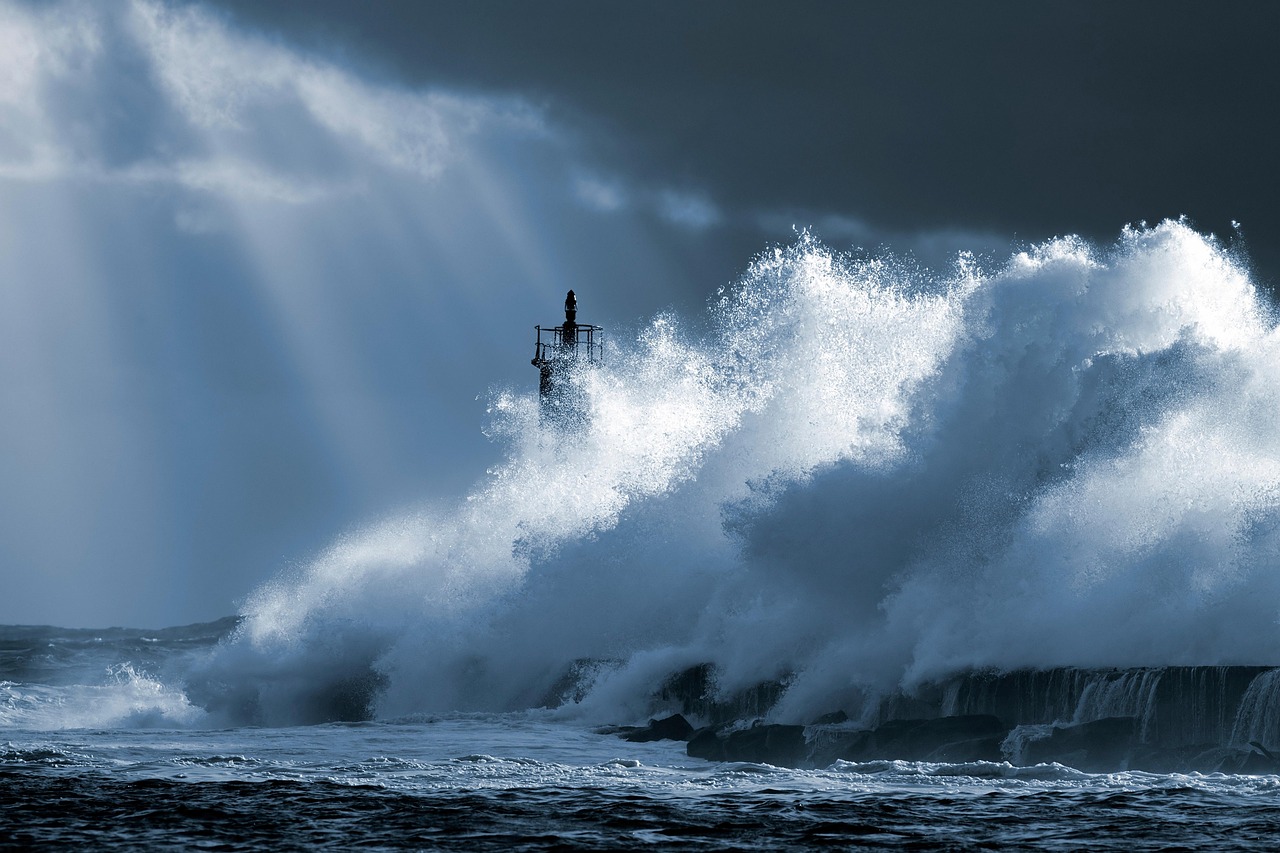
I moved to Florida in spring, so my first hurricane season caught me completely off guard. Everyone said not to worry. They said you get used to it. Honestly, I never did.
The 2024 Atlantic hurricane season saw 18 named storms, with 11 becoming hurricanes and five intensifying into major hurricanes, with five hurricanes making landfall in the continental U.S.. Living through that season was genuinely exhausting. The constant weather tracking, the emergency prep, the wondering if this would be the storm that changed everything.
Florida faced three landfalling hurricanes in 2024 alone, tying the record set in 2004, with Debby, Helene and Milton hitting the state. I rode out two of them. The stress of boarding up windows, the frantic grocery store runs, the gas station lines that stretched for blocks. Then came the aftermath with no power for days, spoiled food, and the nagging fear that another storm could form any minute.
The mental toll was worse than the physical preparation. The stress brought on by hurricanes meant most Floridians had to have a go-bag ready for last-minute evacuations and be prepared to leave behind what they couldn’t fit in their car, with just the stress of anticipating hurricane season being enough to send people packing. I found myself obsessively checking weather apps starting in June every year. That constant low-level anxiety became my new normal, and I hated it.
The Heat and Humidity Are Relentless
Warm weather sounded amazing when I was shoveling snow back home. Turns out there’s a massive difference between warm and oppressively hot. Florida doesn’t have warm weather. It has sweltering, can’t breathe, perpetually sweating weather for most of the year.
Florida’s warm and humid weather can be oppressive, and retreating indoors doesn’t always bring relief because air conditioning is drying and often difficult to regulate. I spent my first summer basically trapped inside from late morning until evening. Going outside felt like walking into a sauna wearing a wool coat. My electric bill reflected every single minute that AC unit ran, which was pretty much constantly from May through October.
What I didn’t expect was missing the seasons. Many retirees don’t realize how much they’ll miss experiencing winter, spring, and fall until they find themselves in endless summer and decide to move back north to enjoy the four seasons. I never thought I’d say this, but I missed crisp autumn air. I missed the smell of snow. I even missed bundling up in cozy sweaters. Endless summer sounds dreamy until you realize there’s no variety, no change, no anticipation of seasonal shifts.
The Infrastructure Couldn’t Keep Up
Florida is booming. Everyone knows that. What they don’t tell you is that the infrastructure hasn’t caught up with all the new residents flooding in. The traffic was absolutely maddening.
Florida is the third most populous state, with between 300,000 and 380,000 new residents arriving each year, and its aging infrastructure is scrambling to keep up. Simple errands that should have taken twenty minutes turned into hour long ordeals. Doctor appointments required planning your entire day around traffic patterns. I spent more time sitting in my car frustrated than I ever did back home during rush hour.
The crowding extended beyond just roads. Restaurants had waiting lists. Beaches were packed shoulder to shoulder. Even grocery shopping became a competitive sport during tourist season. Florida welcomed an estimated 142.87 million tourists, and you could feel every single one of them clogging up the places I was trying to enjoy in my retirement.
Healthcare access became a genuine concern too. Overburdened health services had driven away many retirees who depended on regular care. Getting appointments with specialists sometimes took months. Emergency rooms were consistently overwhelmed. For someone entering the stage of life where medical care becomes more important, this was deeply unsettling.
The Social Isolation Was Real
I thought moving to a retirement community would automatically mean instant friendships and social connections. The reality was much lonelier than I expected. Everyone was busy with their own lives, their own families visiting, their own routines.
Many of the people I met were seasonal residents, only in Florida for part of the year. Just when I’d start forming connections, people would disappear back north for summer or simply move away entirely. Out-migrants from Southwest Florida tended to be part of the working age population, while in-migrants were more likely to be retired or near retirement. The constant turnover made building lasting friendships incredibly difficult.
Being far from family weighed on me more than I anticipated. Florida is the most isolated, far-flung state in the contiguous United States, and while there are plenty of airports to facilitate travel, road trips rack up more miles when you want to visit family in other regions, with those leaving Florida to be closer to family wanting to live in a more central state. Video calls are great, but they don’t replace being able to hop in the car and see grandkids on a whim. Every trip back home required expensive flights or exhausting two-day drives.
The Reality Check From Other Retirees

I started noticing something around my first anniversary in Florida. People were leaving. Not just one or two folks, but a steady stream of retirees packing up and heading elsewhere. At first, I thought it was just my community, but the numbers told a different story.
Massachusetts became the number one destination for older adults moving to a new state specifically for retirement in 2024, with just over 20 percent choosing it, while Florida drew slightly under 20 percent. That shift was stunning to everyone who tracked retirement trends. Florida’s decades long dominance as the top retirement destination was genuinely slipping.
Current Florida retirees were actually looking into leaving the state because of housing costs, with those communities bringing in new retirees but losing some of the older ones. I met several people in my second year who were in the same boat as me. Rising costs, insurance chaos, hurricane stress. The Florida dream was turning into the Florida struggle for a whole lot of us.
One-third of homeowners who lost coverage moved or planned to move. When insurance becomes unaffordable or unavailable, what choice do people have? I watched neighbors make the heartbreaking decision to sell homes they loved because they simply couldn’t afford to stay.
Where People Like Me Were Going Instead

Once I made the decision to leave, I started researching where other retirees were heading. The options surprised me. States I’d never considered before suddenly looked incredibly appealing.
American retirees no longer had the Sunshine State as their number one destination, with a state further north than Florida taking the crown according to United Van Lines’ latest study. Places like North Carolina, Tennessee, and parts of the Midwest were attracting people looking for affordability, four seasons, and less climate risk.
Many were moving to Limestone County, Alabama, which boasted lakefront property, warm weather and low property taxes, making it a substitute for the Sunshine State. I looked at several states before ultimately deciding where to relocate. The cost of living differences were staggering. What I was paying for insurance alone in Florida could cover multiple expenses elsewhere.
When people left Florida, they tended to move to the Midwest, Colorado, New Mexico, Utah, or the Northeast. Each region offered something Florida couldn’t deliver anymore. Better affordability. Stable insurance markets. Proximity to family. Relief from constant climate anxiety. The grass really was greener, or at least more affordable and less stressful, in a lot of other places.
What Florida Got Right
Listen, I don’t want to make it sound like everything about Florida was terrible. That wouldn’t be honest. There were genuinely wonderful aspects that I’ll miss. The winter weather, when temperatures hovered in the seventies and eighties while the rest of the country froze, was absolutely glorious.
The natural beauty was stunning. Watching dolphins play in the surf. Spotting manatees in the waterways. The spectacular sunsets over the Gulf. Those moments were magical and reminded me why millions of people still choose Florida despite the challenges. The state has undeniable charm when you can afford to enjoy it without constant stress.
The laid back lifestyle appealed to me initially. No snow to shovel. No heavy winter coats. The casual beach culture felt refreshing after decades of northeastern formality. The diversity of people from all over the country and world made for interesting conversations and cultural experiences I wouldn’t have had elsewhere.
Florida absolutely works for some people. Those with substantial retirement savings who can absorb the insurance costs. Those who love the heat and don’t mind hurricanes. Those without family ties pulling them back north. For that population, Florida remains paradise. I just wasn’t one of them, and I think it’s important to acknowledge that the retirement dream doesn’t fit everyone’s reality.
The Honest Financial Breakdown

Let me get specific about money because that’s what ultimately pushed me out. Florida required minimum savings of $736,588 for 20 years of retirement based on annual cost of living minus Social Security income of $36,829. I thought I was financially prepared. I wasn’t prepared for costs that kept accelerating faster than my budget could adapt.
My monthly expenses in Florida broke down like this: mortgage, homeowners insurance averaging over a thousand dollars monthly, flood insurance, HOA fees that kept increasing, utilities that spiked every summer, property taxes that weren’t as low as promised, and routine living costs. Add it all up, and I was spending roughly thirty percent more each month than I’d budgeted for based on my pre-move research.
A typical Social Security income of $1,800 or $1,900 a month was getting eaten up almost entirely by median rent, making people on fixed incomes vulnerable because they needed predictable housing costs. Even though I owned my home, the unpredictable insurance increases created the same instability. Every renewal notice brought anxiety instead of security.
With rising costs of living, some Florida retirees had returned to the workforce out of necessity. I met retirees in their seventies taking part time jobs just to cover insurance premiums. That wasn’t the retirement I’d envisioned, and I refused to let that become my reality. Moving made more financial sense than slowly draining my savings to stay in a place that was becoming unaffordable.




Leave a Reply