
Why we assume fresh always wins
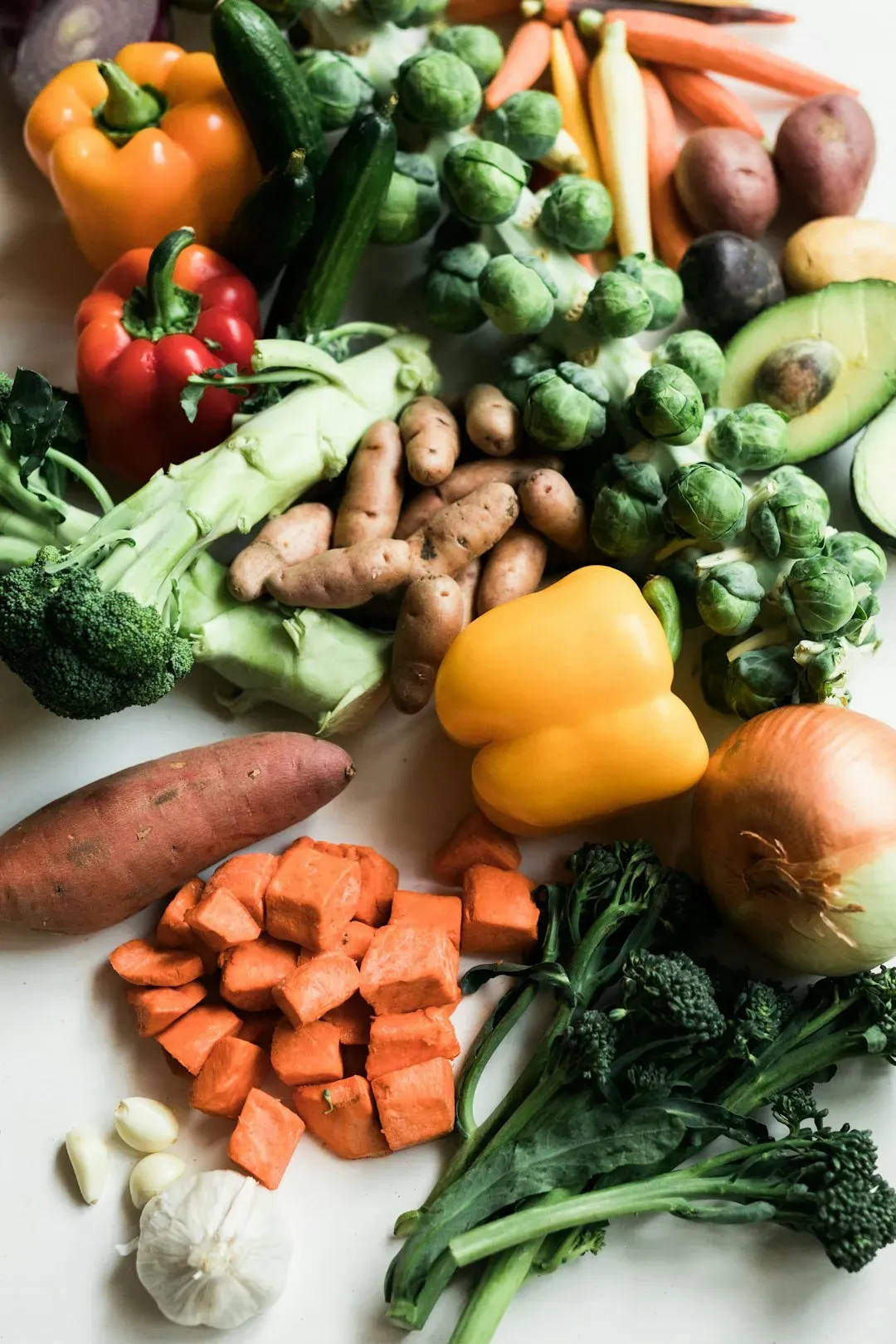
The bias toward fresh produce isn’t irrational, it’s just incomplete. Fresh fruits and vegetables are genuinely some of the healthiest foods available, packed with vitamins, minerals, and antioxidants that support everything from immune function to heart health. That reputation is well earned, which is exactly why it’s easy to stop the thinking there.
The problem is that “fresh” describes a starting point, not a guarantee. What matters nutritionally isn’t just how the food began its journey but how long that journey takes and what happens along the way. A tomato picked in one country and flown to a supermarket shelf halfway around the world is fresh in name only by the time it reaches your cart.
What actually happens during the freezing process
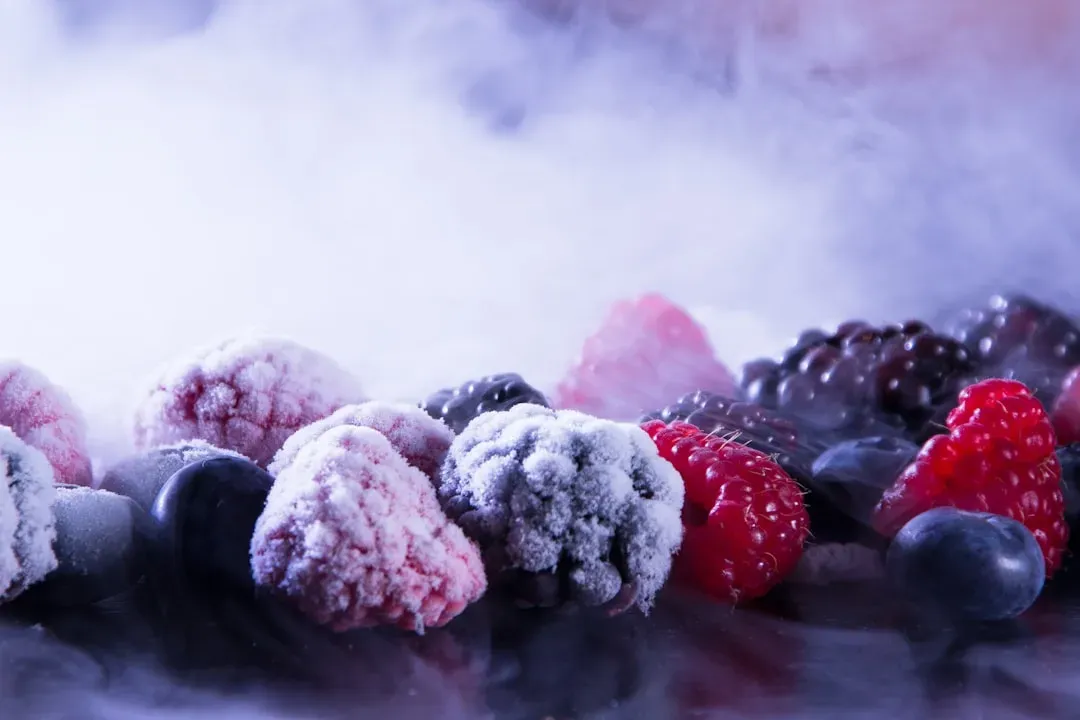
Commercial freezing isn’t a slow, gradual chill. Produce is typically harvested at peak ripeness and rapidly frozen, which effectively locks in their nutritional profile, preventing nutrient degradation that naturally occurs during transportation and extended refrigeration of fresh produce. That speed matters because it limits the window in which enzymes and oxygen can break down sensitive compounds.
Most vegetables go through a quick blanching step, a brief dip in hot water, before freezing. This deactivates enzymes that would otherwise keep degrading nutrients even in cold storage, which is part of why frozen vegetables can hold steady on the shelf for many months without much further decline.
Vitamin C tells a surprisingly complicated story
Vitamin C is the nutrient most sensitive to time, heat, and light, so it’s the one researchers watch most closely. A widely cited comparison of eight fruits and vegetables found that ascorbic acid showed no significant difference for five of the eight commodities and was higher in frozen samples than fresh for the remaining three commodities.
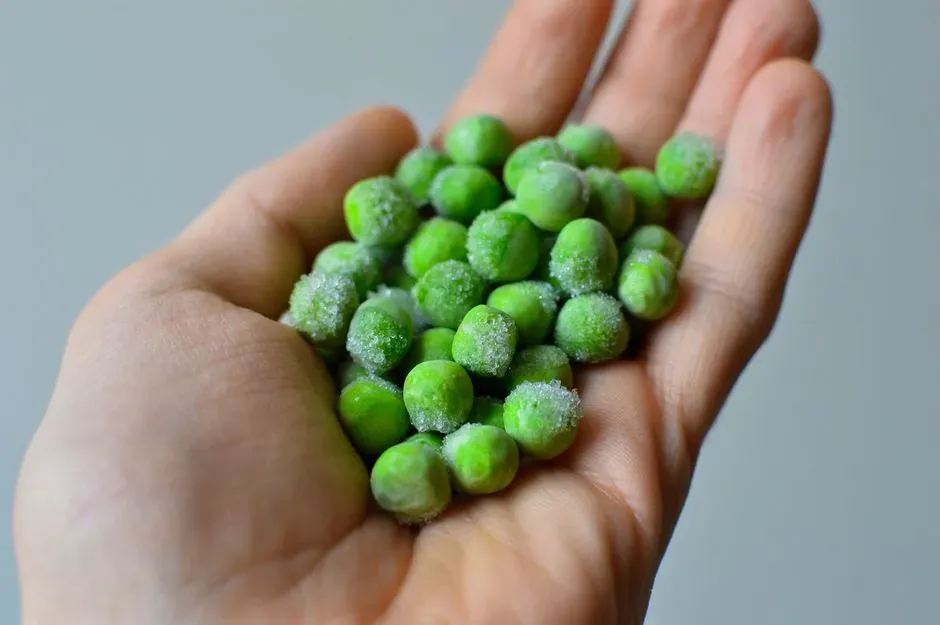
Fresh produce doesn’t get a free pass here either. Green peas have been shown to lose up to 51% of their vitamin C during the first 24–48 hours after harvesting. Once you factor in the days a vegetable might spend in transit and then in your refrigerator, frozen peas frozen within hours of picking can end up with more usable vitamin C than the “fresh” bag that traveled for a week.
Vitamin A and beta-carotene show more variation
Not every nutrient behaves the same way under freezing. Some research on frozen peas, carrots, and spinach found lower levels of beta-carotene, a pigment that the body converts to vitamin A, compared with their fresh counterparts. That’s a meaningful exception to the broader pattern.
Still, the picture isn’t uniformly negative for frozen produce. Separate testing found three commodities had higher levels of α-tocopherol in the frozen samples, while the remaining commodities showed no significant difference between fresh and frozen. The lesson here is that no single nutrient tells the whole story, and outcomes shift depending on the specific vegetable being tested.
Minerals and fiber barely notice the difference
If vitamins are the dramatic part of this comparison, minerals are the boring, reliable background. Research reviewing eight fruits and vegetables tested for minerals including calcium, iron, zinc, and magnesium, along with fiber and phenolic compounds, found the majority showed no significant difference between fresh and frozen storage, since these nutrients are more stable through the freezing process than vitamins like C and beta-carotene, with minerals and fiber holding steady either way.
Potassium follows a similar pattern. One analysis noted that frozen produce has a higher retention of potassium, with levels ranging from 90% to 100%, in comparison to fresh produce. For anyone eating frozen vegetables mainly for their mineral content, the freezer aisle isn’t giving up much of anything.
The refrigerator is where fresh produce quietly loses the race
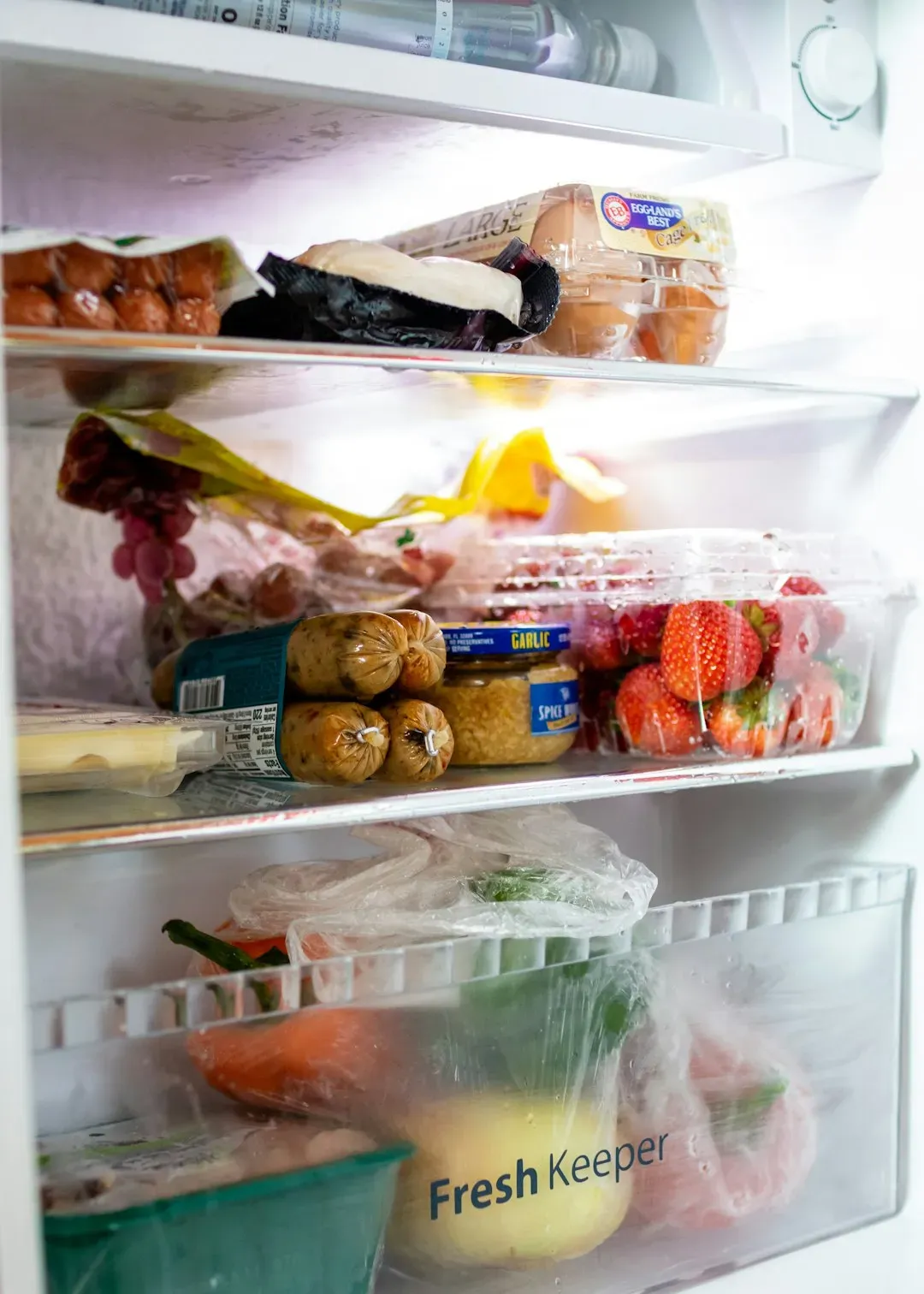
Most comparisons don’t measure fresh produce the moment it’s picked, because that’s not how anyone actually eats it. They measure what happens after a few days sitting in a home fridge, which is a much fairer test. One study found that fresh produce loses more nutritional value the longer it’s stored, and after 5 days, the frozen produce was more nutritious than the fresh produce.
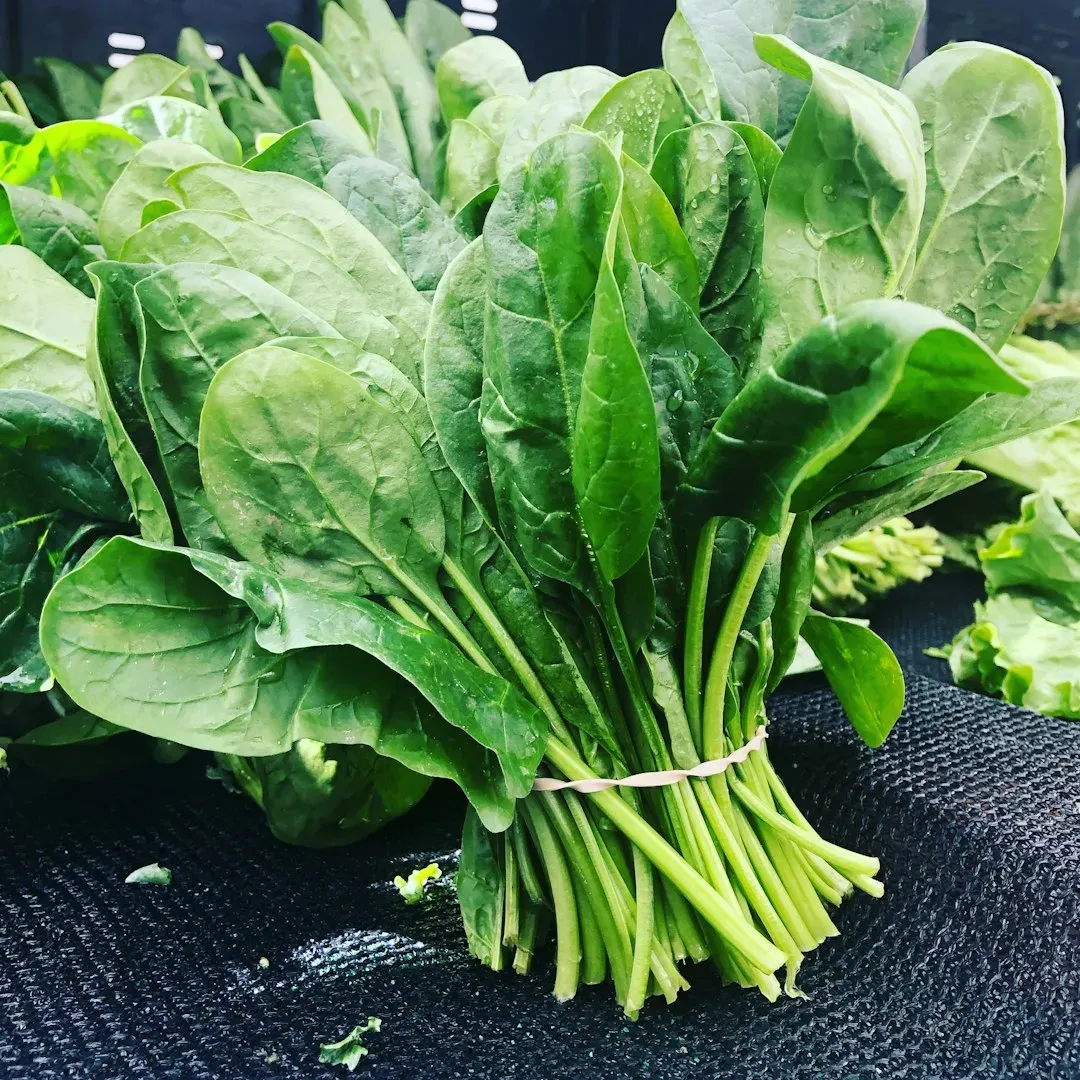
This decline tends to hit soft, leafy produce hardest. Spinach is a frequently cited example, where refrigerated storage causes a much steeper and faster vitamin C drop than the slow, largely flat decline seen in its frozen equivalent. Once you account for the realistic gap between harvest and dinner plate, frozen options start looking less like a compromise and more like a shortcut around spoilage.
Blanching has real trade-offs worth knowing about
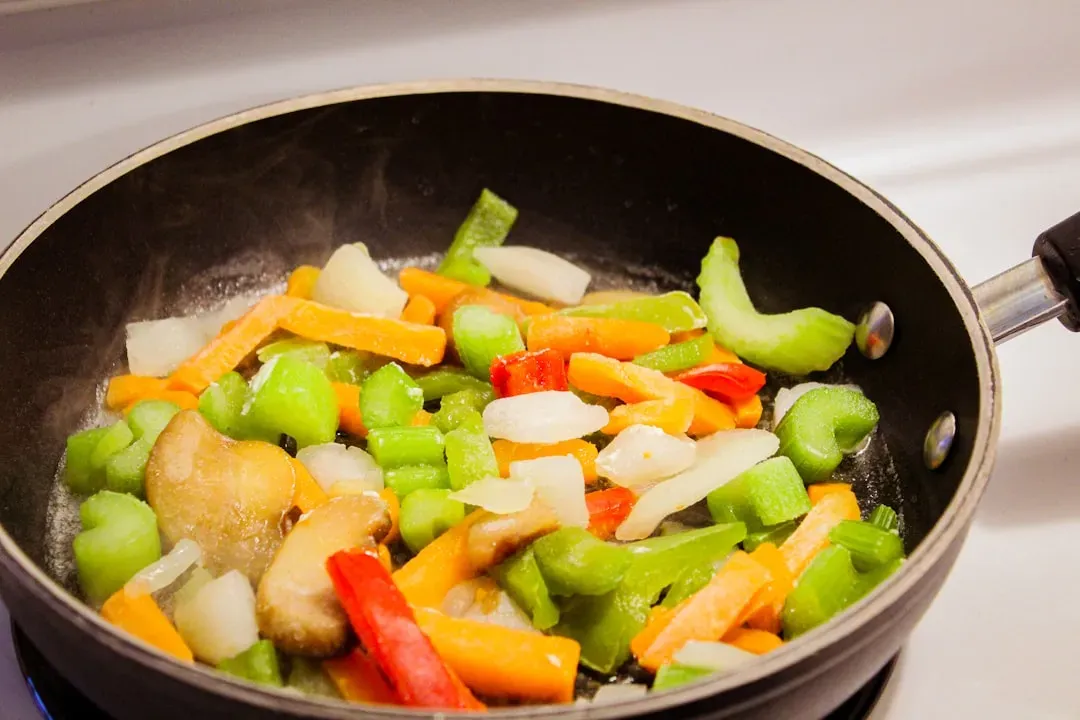
Freezing itself is gentle on nutrients, but the step before it, blanching, is where some losses happen. Heat exposure during blanching causes a loss of antioxidants, B-vitamins and vitamin C, though nutrient levels remain fairly stable after freezing. So the damage, when it occurs, tends to happen before the food ever reaches the freezer.
There’s also a more specific loss tied to cruciferous vegetables like broccoli and cauliflower. Blanching deactivates an enzyme called myrosinase, which is needed to produce sulforaphane, a compound linked to some of broccoli’s more notable health properties. This is a narrow but genuine gap in the case for frozen produce, and it applies mainly to that particular vegetable family rather than frozen produce broadly.
Averages hide a wide range depending on the vegetable
Broad statements about “frozen versus fresh” tend to smooth over some fairly large swings between individual foods. Overall estimates suggest that losses range from 10–80%, with averages around 50% when comparing nutrient retention across different processing and storage methods. That’s a wide enough range that it’s more useful to think in terms of specific vegetables than sweeping categories.
Leafy greens illustrate this well. Research comparing green vegetables found that the type of plant tissue significantly affects the rate of vitamin C loss, with frozen spinach found to be the most susceptible to vitamin C degradation, while peas and green beans demonstrated moderate retention and okra exhibited a substantially lower loss rate. A shopper comparing frozen spinach to frozen green beans is really comparing two different nutritional stories, not one universal rule.
Cooking method matters as much as the fresh or frozen label
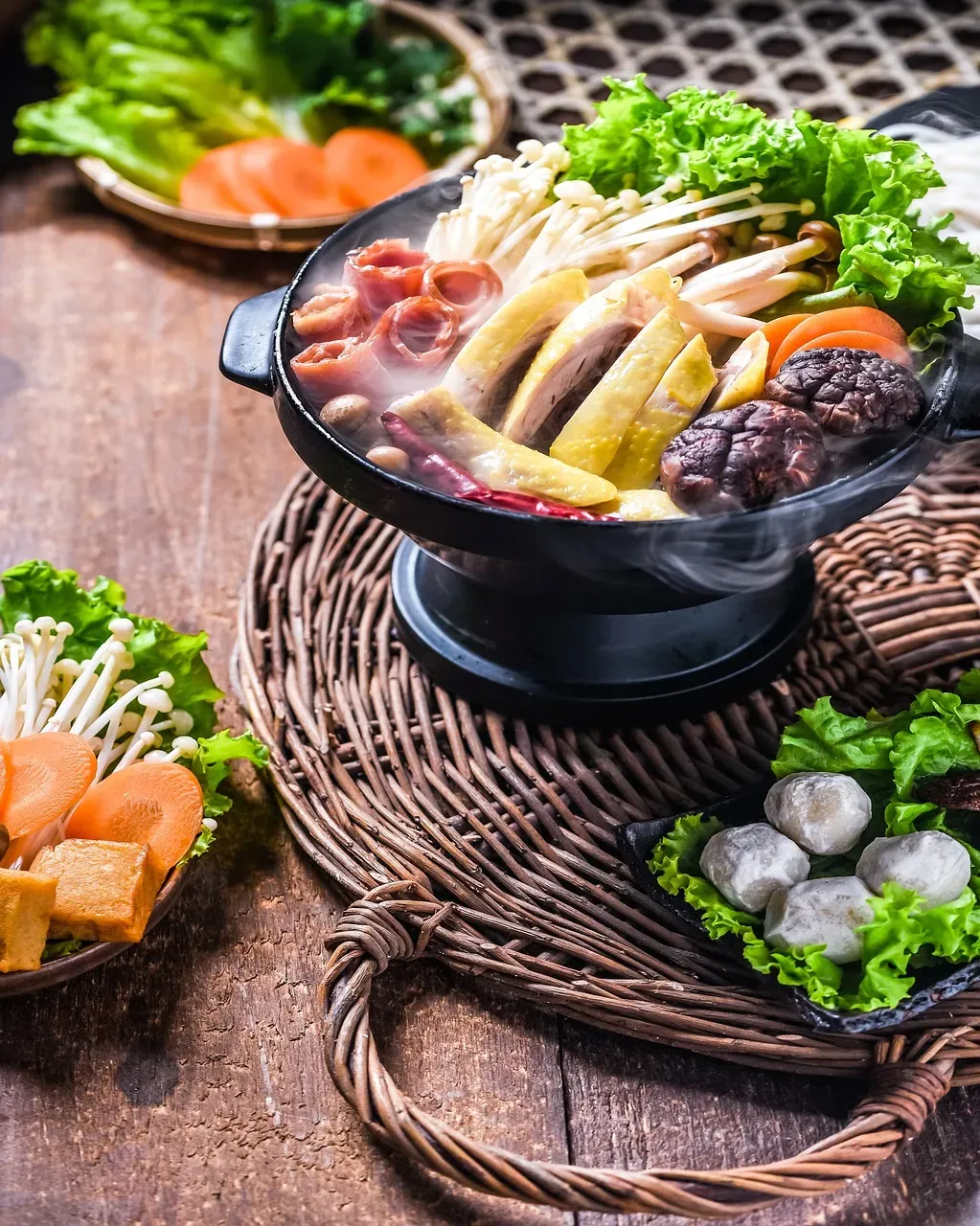
It’s easy to fixate on the fresh versus frozen question while ignoring what happens in the kitchen, which is often where the bigger nutrient losses occur. Boiling vegetables in a large volume of water, whether fresh or frozen, tends to leach out water-soluble vitamins like vitamin C and several B vitamins far more aggressively than steaming or quick sautéing does. The freezer bag and the produce bin lose relevance next to a pot of water at a rolling boil for ten minutes.
This is worth remembering because a lot of the frozen produce debate assumes people are eating raw fresh vegetables versus cooked frozen ones, which isn’t a fair comparison. If both are prepared the same way, using minimal water and shorter cooking times, the nutritional gap between the two narrows even further than lab studies already suggest.
Practical reasons frozen produce earns its place in the cart
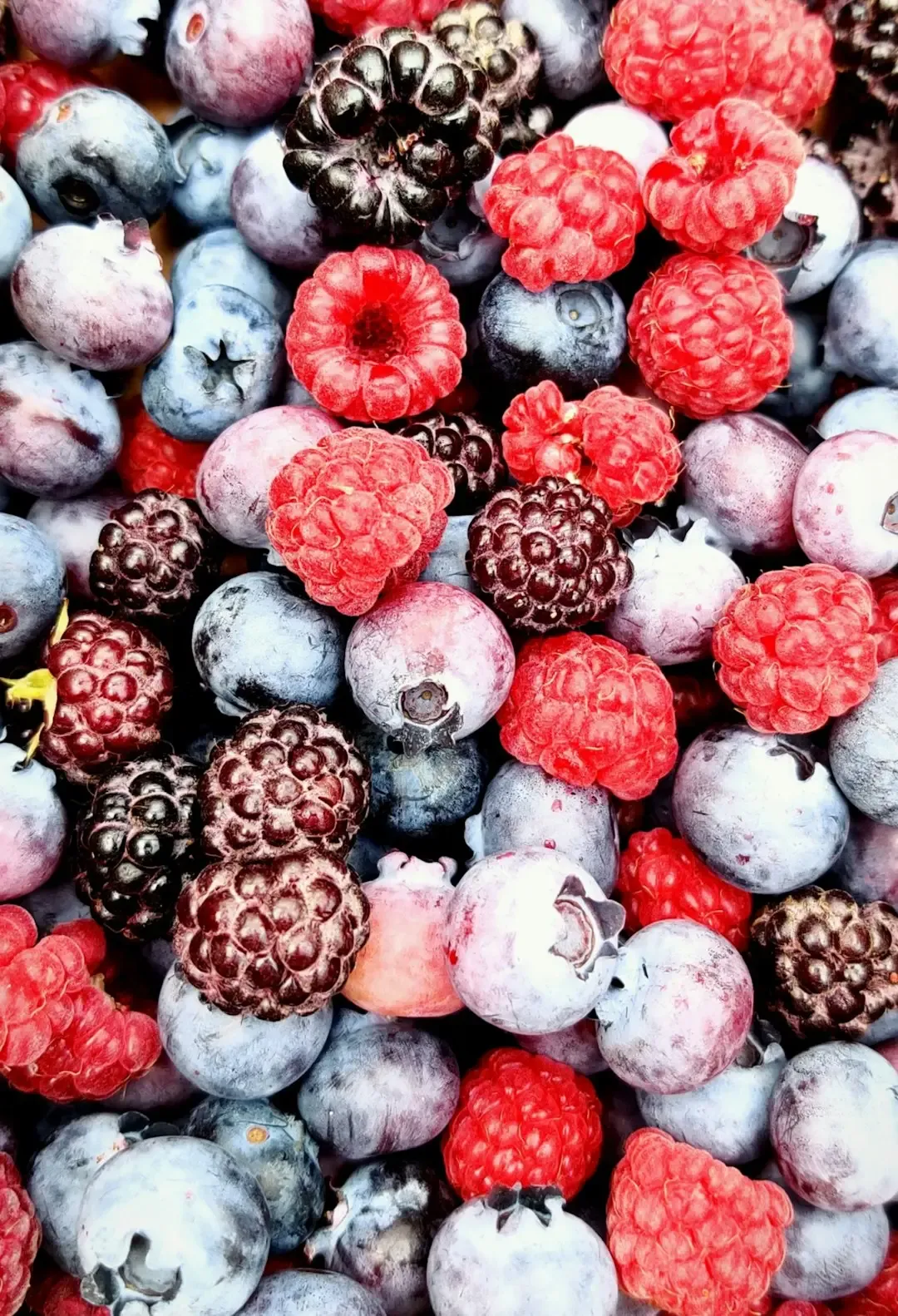
Beyond the nutrient tables, there are everyday reasons frozen vegetables and fruit make sense for a lot of households. They don’t spoil on a Tuesday you forgot about, they’re available regardless of season, and they tend to cost less per serving than their fresh equivalents, especially for anything out of its natural growing window. Frozen berries in January are a good example of matching convenience with reasonable nutrition rather than settling for less.
None of this makes fresh produce obsolete, and it shouldn’t. Fresh fruits and vegetables still offer texture, flavor, and versatility that frozen versions can’t always match, particularly for raw preparations like salads. The more useful mindset is treating fresh and frozen as two tools with overlapping strengths rather than a contest with one clear winner.



Leave a Reply