
Most people can name a Labrador or a German Shepherd without thinking. Ask about a dog bred for one swamp, one coastline or one county, and the answers get quieter. Many American breeds grew out of local work, such as hunting in wetlands, herding on ranches and pulling sleds across ice.
That local history is why so many of these dogs are tied to a single state. Several have been named official state dogs, which gives us a handy checklist. Here is a gallery of nine regional breeds, starting in Louisiana.
Catahoula Leopard Dog
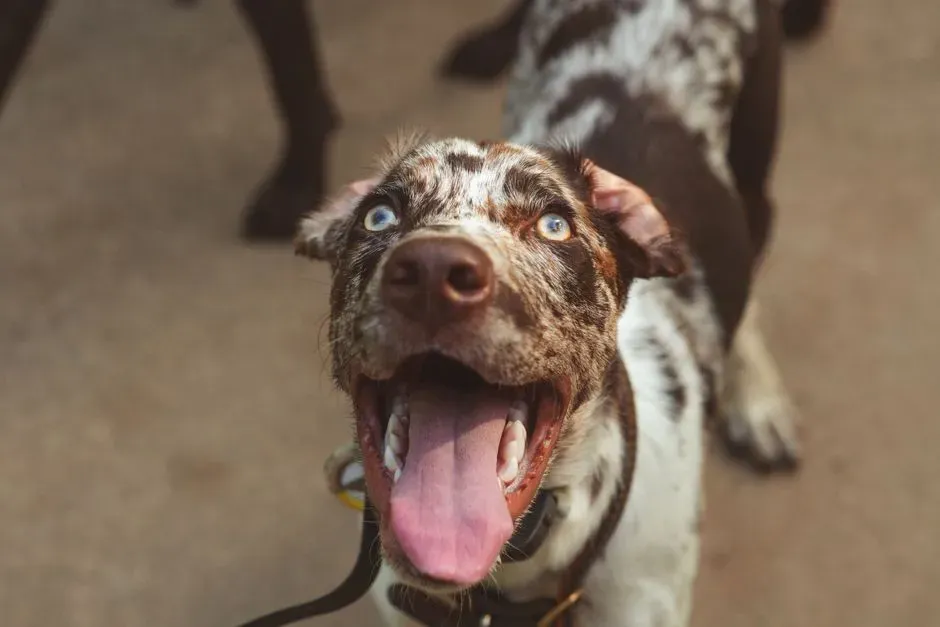
The Catahoula is the state dog of Louisiana, and the Louisiana legislature made that official in 1979. The breed takes its name from Catahoula Parish. Its coat is usually merle, with patches that give it the leopard look, and some dogs have pale glass blue eyes.
These dogs were developed to work wild hogs and cattle in rough, wooded country. They’re athletic, independent and quick to think for themselves. That makes them a lot of dog for anyone expecting a calm couch companion.
Boykin Spaniel
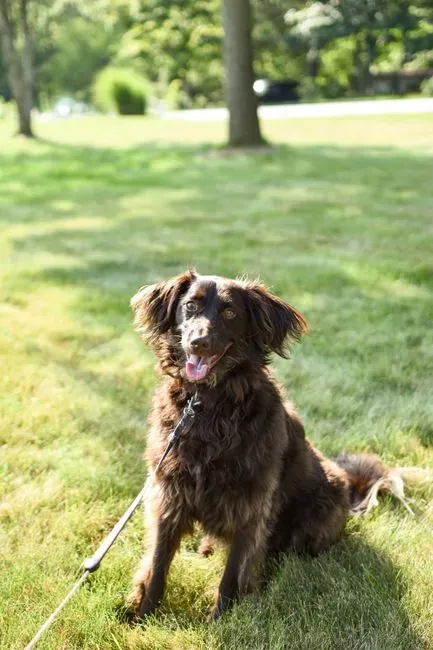
The Boykin Spaniel is South Carolina’s state dog, a title it received in 1985. It was developed in the early 1900s around Camden, South Carolina, and the breed is linked to the Boykin family there. The dogs were built for turkey hunting in the Wateree River swamps.
The Boykin is compact, which was part of the point. Hunters wanted a dog that could ride in a small boat without tipping it. The American Kennel Club recognized the breed in 2009, so it’s a fairly recent addition to the official registry.
Chesapeake Bay Retriever
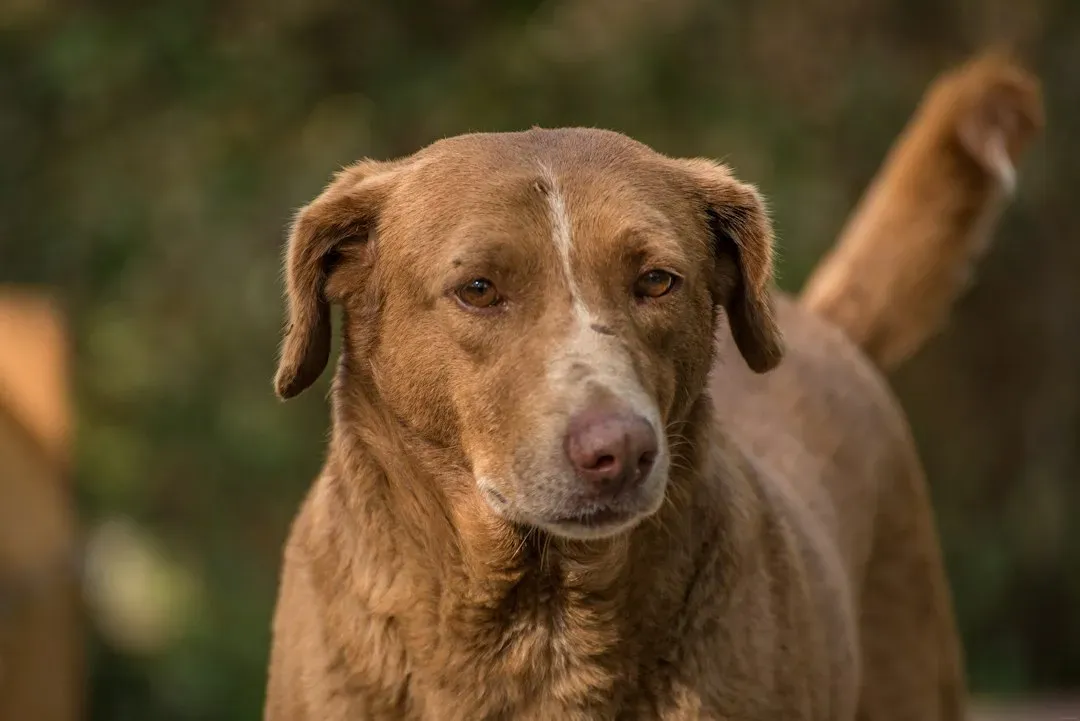
Maryland named the Chesapeake Bay Retriever its state dog in 1964. The breed’s story starts with a shipwreck in 1807, when two Newfoundland puppies were rescued off the Maryland coast. Those dogs, named Sailor and Canton, were bred with local retrievers.
The result was a dog made for cold, rough water. Its coat is oily and dense, and it sheds water well. Duck hunters on the bay valued that toughness, and the breed still carries a serious, determined temperament.
Plott Hound
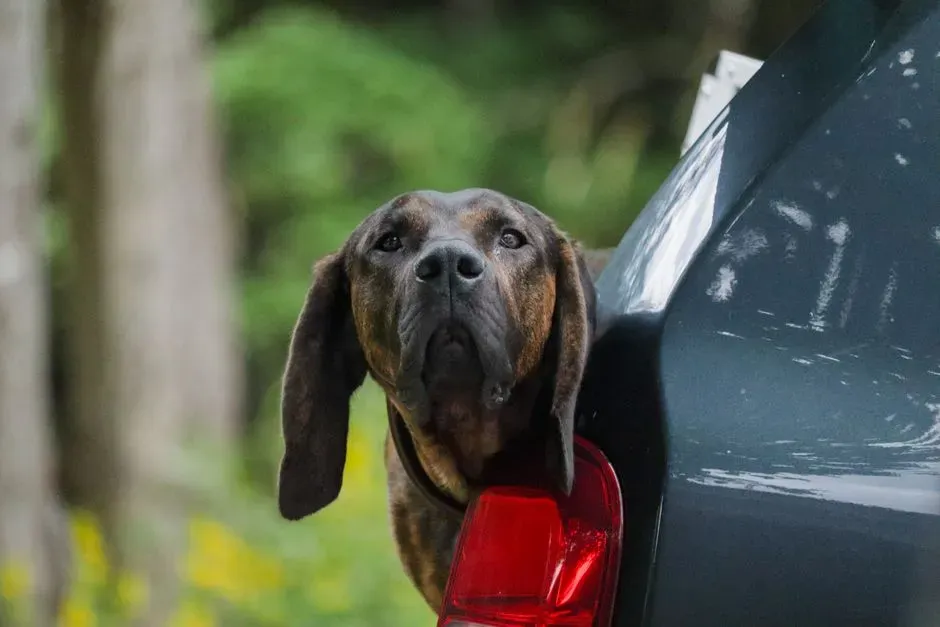
The Plott Hound is the state dog of North Carolina, designated in 1989. The line traces back to Jonathan Plott, who brought hounds from Germany to the Smoky Mountains region around 1750. Later generations of the family kept refining them for bear hunting.
Plotts are usually brindle, and they have a loud, ringing voice. They’re tenacious on a trail and known for courage. It’s one of the few breeds that has stayed so closely tied to a single family’s breeding work.
Alaskan Malamute
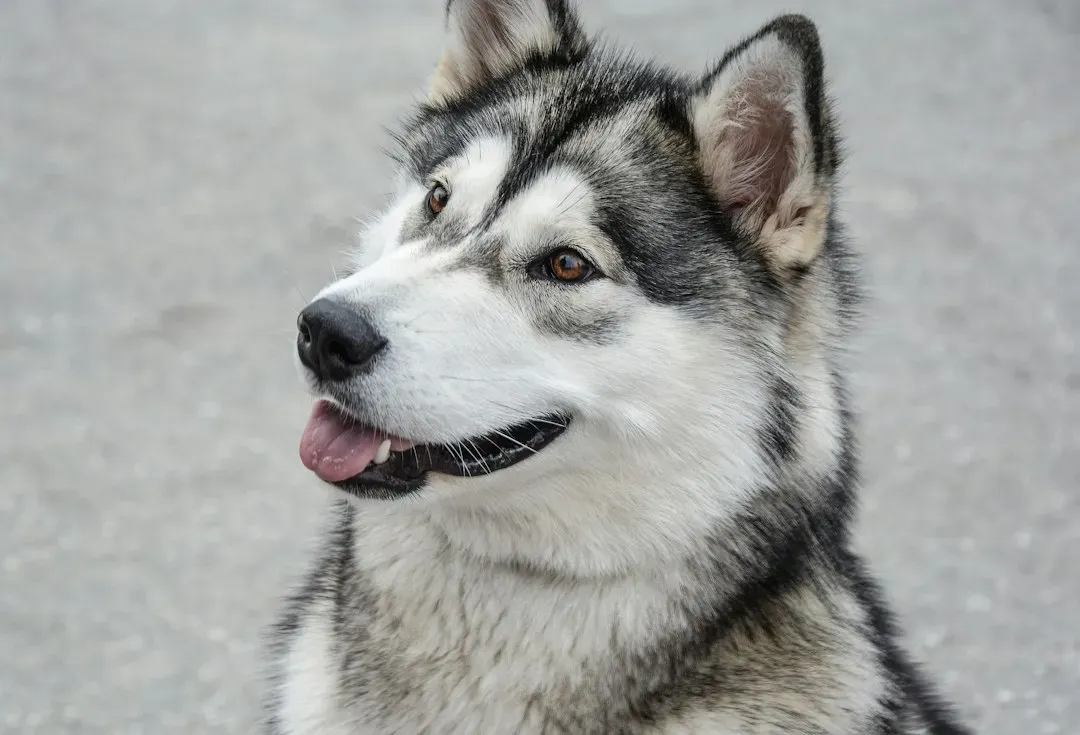
Alaska made the Alaskan Malamute its state dog in 2010. The breed is named for the Mahlemut people, an Inupiat group who relied on large, strong dogs to haul heavy loads. Unlike a racing sled dog, the Malamute is built more for power and endurance than for speed.
Its thick double coat and broad frame are made for arctic cold. Malamutes tend to be friendly but strong willed. Owners in warm climates need to take heat seriously, since the coat that serves them well in snow can be a burden in summer.
American Water Spaniel
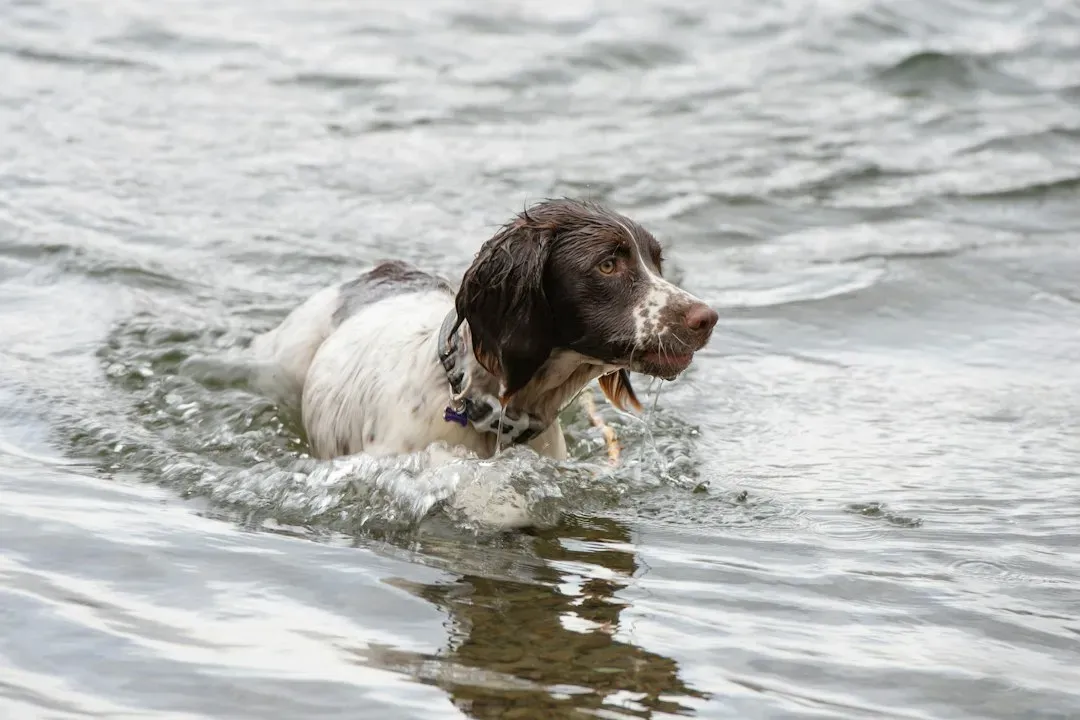
Wisconsin picked the American Water Spaniel as its state dog in 1985. The breed developed in the Midwest, with strong ties to the Fox River Valley and New London, Wisconsin. Hunters wanted a dog that could flush and retrieve birds from a small boat.
It’s a medium sized dog with a curly brown or liver coat that handles cold water. Many people have never met one, because the breed remains uncommon. That rarity is part of what makes it a good test of how well you know regional dogs.
Blue Lacy
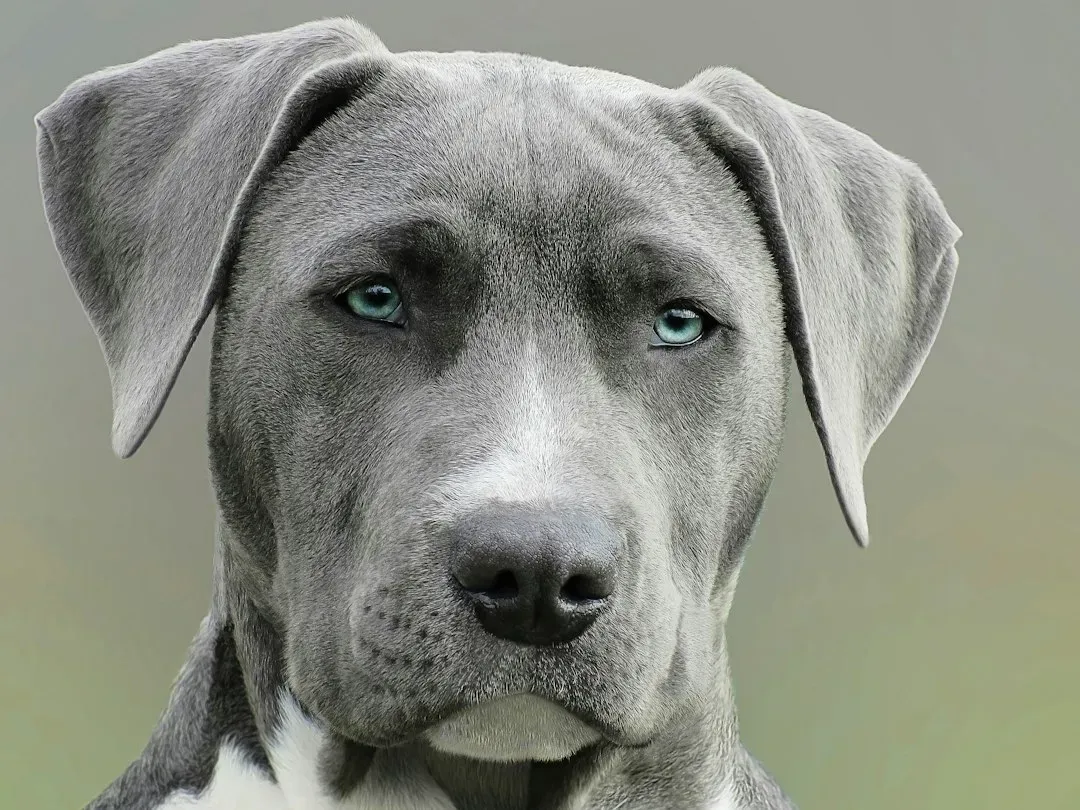
The Blue Lacy is Texas’s state dog, a designation made in 2005. It was developed by the Lacy family, who settled in Burnet County in the 1800s. The dogs were used to herd cattle and hogs and to track in hot, rugged terrain.
The coat is short and often blue gray, though red and tricolor versions exist. Blue Lacys are known for sharp drive and high energy. They were bred to work all day, and they tend to do best with a job to do.
Boston Terrier
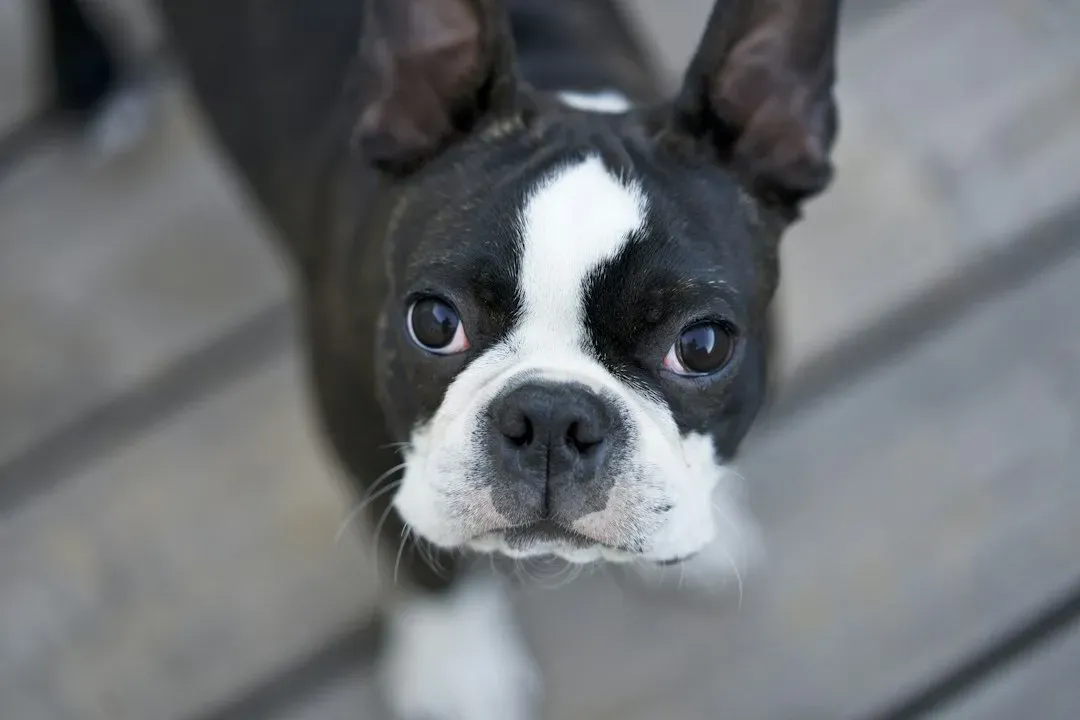
The Boston Terrier became Massachusetts’s state dog in 1979. It’s among the best known of the regional breeds, partly because it moved so easily into city homes. The American Kennel Club recognized it in 1893, which makes it one of the older American breeds on the registry.
Its compact build, short muzzle and tuxedo markings are easy to spot. Despite the nickname some people use, it’s a companion dog now, not a fighter. The short muzzle means owners should watch for breathing trouble in heat and during hard exercise.
Nova Scotia Duck Tolling Retriever
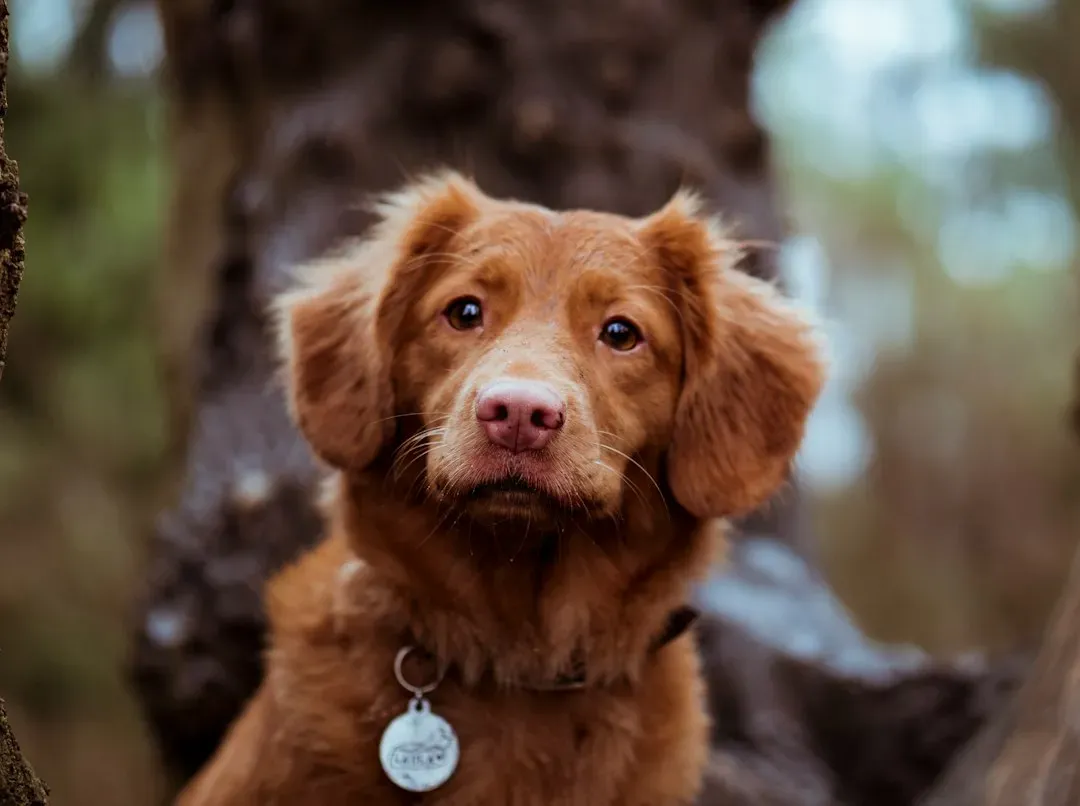
This breed comes from the Yarmouth area of Nova Scotia, Canada, so it’s regional in a broader sense. Tolling means luring waterfowl close to shore. Hunters used the dog’s playful movement along the water’s edge to draw the curious ducks in.
The Toller is the smallest of the retriever breeds, with a red or orange coat and white markings. It’s often mistaken for a small Golden Retriever. Tollers are energetic and quick to learn, and they love to retrieve.
Final Thoughts
Each of these dogs was shaped by a particular place and a particular job. If you recognized more than half, you know your regional breeds well.

Leave a Reply