
Air travel in the 1970s had a different feel from today. Fares were regulated, so airlines competed on service instead of price, and that shaped nearly everything passengers noticed once the door closed. Pan American World Airways and Trans World Airlines were two of the biggest names in that contest.
Not every detail was glamorous, and plenty of it would look strange now. Still, some of those small touches stuck in people’s memories for decades. Here are nine perks that anyone who flew those carriers back then is likely to recall.
The Boeing 747 Upper Deck Lounge
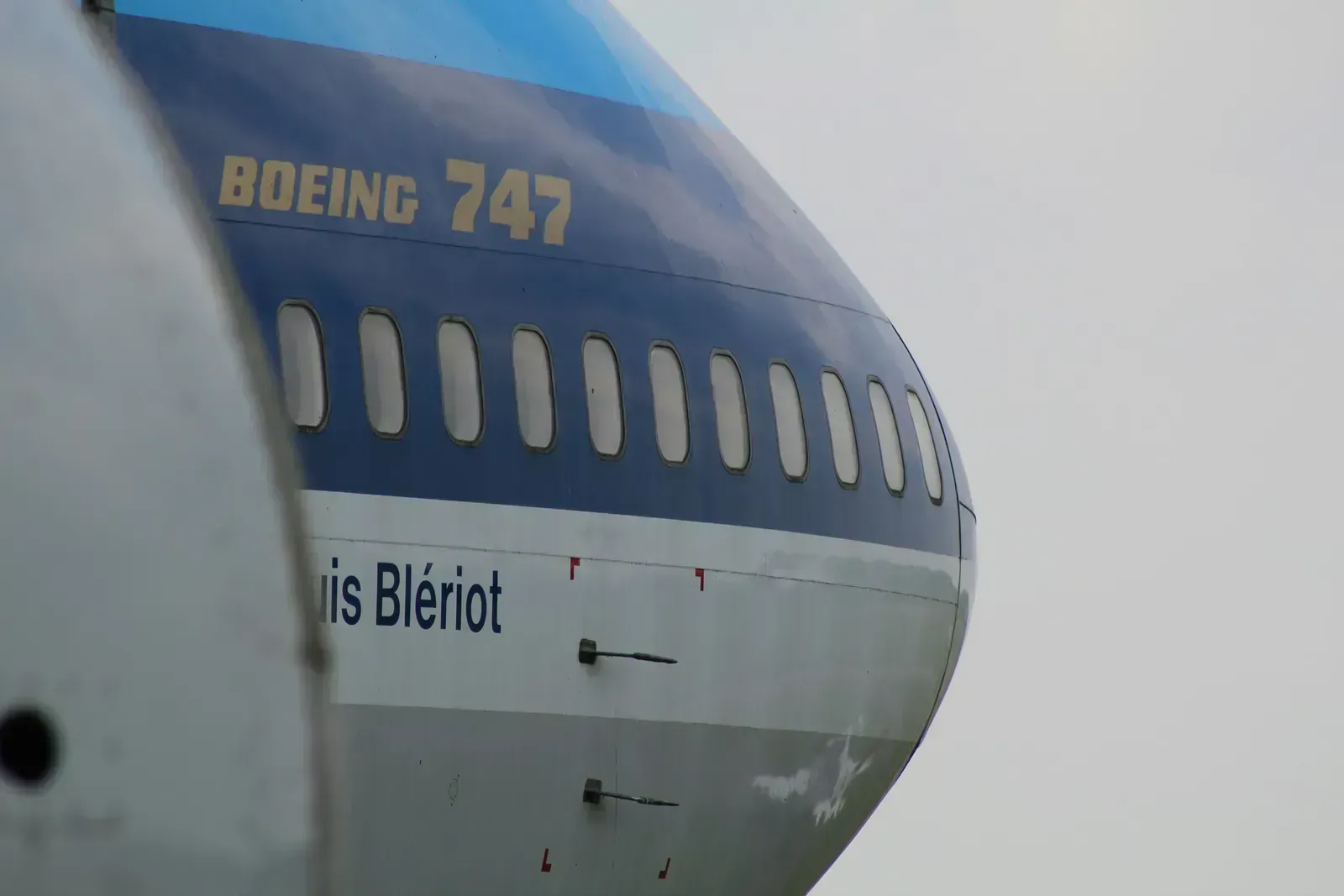
The Boeing 747 entered passenger service with Pan Am in January 1970, and its hump held a surprise. Several airlines used the space as a lounge instead of regular seating. It gave premium passengers a place to stand up, stretch and chat.
Layouts varied by carrier and by aircraft. Some lounges had sofas and small tables, while others were set up more like a cocktail bar. Airlines later converted most of these spaces to seats as they chased more revenue per flight.
Cabin Smoking, Ashtrays Included
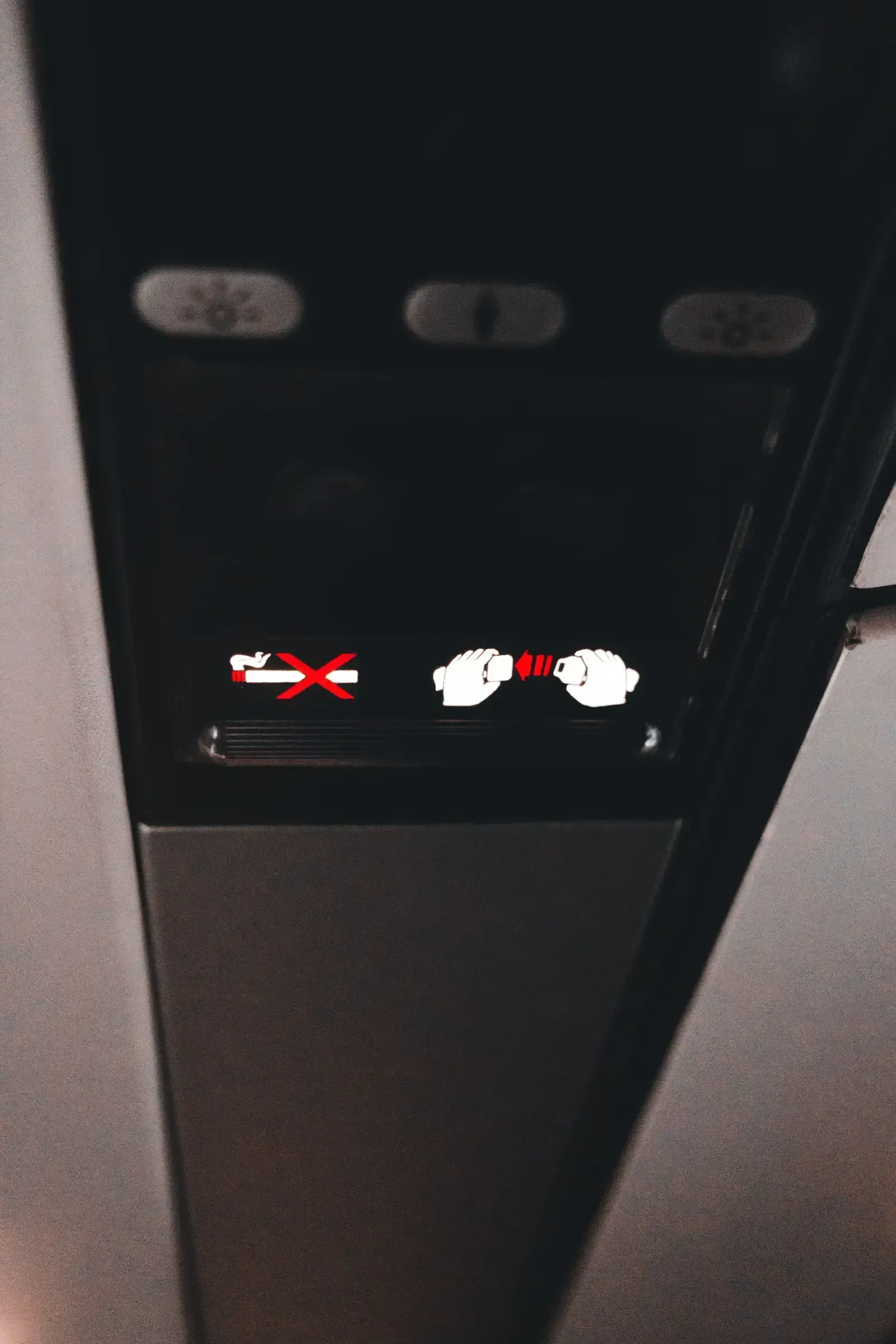
Smoking was allowed on US airlines throughout the decade. Seat armrests carried small built in ashtrays, and cabins had designated smoking rows. Nonsmokers were often seated just a few rows from the smokers, and the air was shared regardless.
Some carriers handed out cigarettes or branded matchbooks as a courtesy. Restrictions came gradually, and the US banned smoking on shorter domestic flights in 1988. Today it’s hard to picture a haze hanging over a cabin, yet it was routine then.
Real China and Metal Cutlery
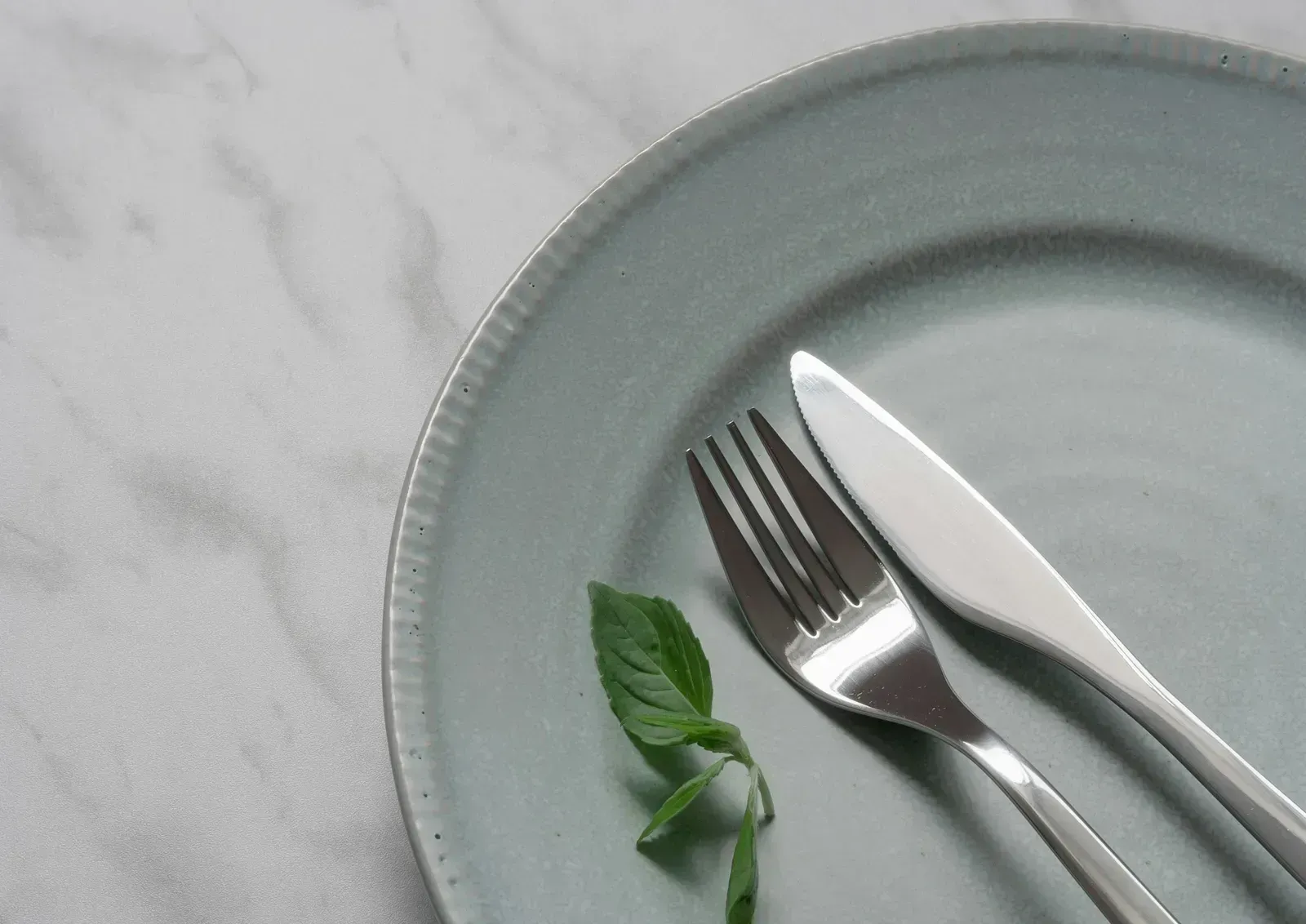
Meals in premium cabins came on actual plates, with metal flatware and cloth napkins. Even in economy, trays often included real utensils instead of the plastic sets that replaced them later. Presentation was part of the pitch.
Airlines treated the meal as a showpiece because they couldn’t compete on ticket price. Regulation under the Civil Aeronautics Board kept fares fairly uniform until the Airline Deregulation Act of 1978. That’s why so much effort went into the plate in front of you.
Carving Carts in First Class
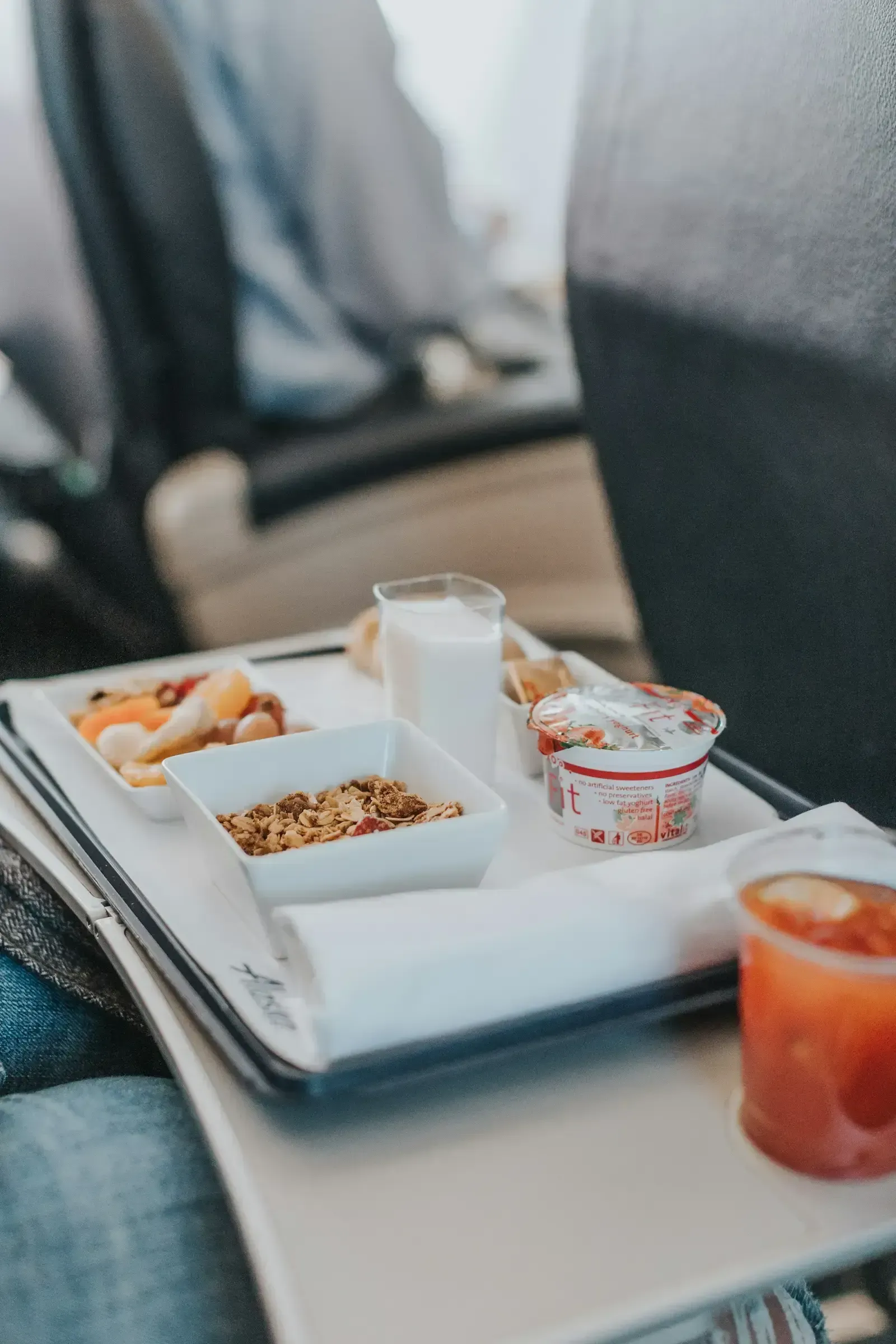
On long haul routes, first class passengers could watch a roast being carved at their seat. Flight attendants wheeled out a cart and sliced beef to order, often alongside appetizers and a dessert trolley. It was dining room theater at thirty thousand feet.
Pan Am and TWA both marketed their premium food heavily. Menus were printed on heavy card stock, and passengers often kept them as keepsakes. Details differed by route and year, but the table service style was common across top carriers.
Free Drinks Beyond First Class
Complimentary alcohol was more widely offered than many people expect today. On many international flights, wine, beer and cocktails were served without a separate charge, even in the main cabin. Policies depended on the route and the airline.
Attendants poured generously and came through the aisle repeatedly on longer trips. For a transatlantic passenger, it made the hours pass more easily. Today, premium cabins are where most travelers find similar treatment.
Movies With Hollow Tube Headsets
TWA introduced regular in flight movies in 1961, and by the 1970s the practice was familiar on long flights. A single film played on a projector screen at the front of the cabin. Everyone watched the same thing at the same time.
Audio came through headsets that used air filled tubes, and they often sounded thin and scratchy. Passengers usually paid a small fee for them on some routes, though policies varied. Compared with personal touchscreens, it was basic, but it was still a welcome break on an eight hour crossing.
Junior Wings and Kids’ Activity Packs
Children were a favorite audience for airline marketing. Young passengers could receive plastic wings, coloring books and small toys from the crew. Pan Am’s junior pilot wings became a recognizable souvenir for a generation of families.
Some kids even got a quick visit to the cockpit, something security rules have since ended. These gestures built loyalty early, since a child who loved flying with one airline might stay with it as an adult. Many of those wings still turn up in collectors’ hands today.
The Blue Flight Bag and Other Giveaways
Pan Am’s blue travel bag, printed with the globe logo, was probably the most famous freebie of the era. Travelers carried them to the beach, to school and onto other airlines. Few pieces of airline merchandise were as widely recognized.
Playing cards, swizzle sticks, postcards and luggage tags rounded out the souvenir pile. Both airlines used such items as small advertisements that traveled with the customer. Vintage examples now sell on collector sites and at memorabilia shows.
Plenty of Room to Spread Out
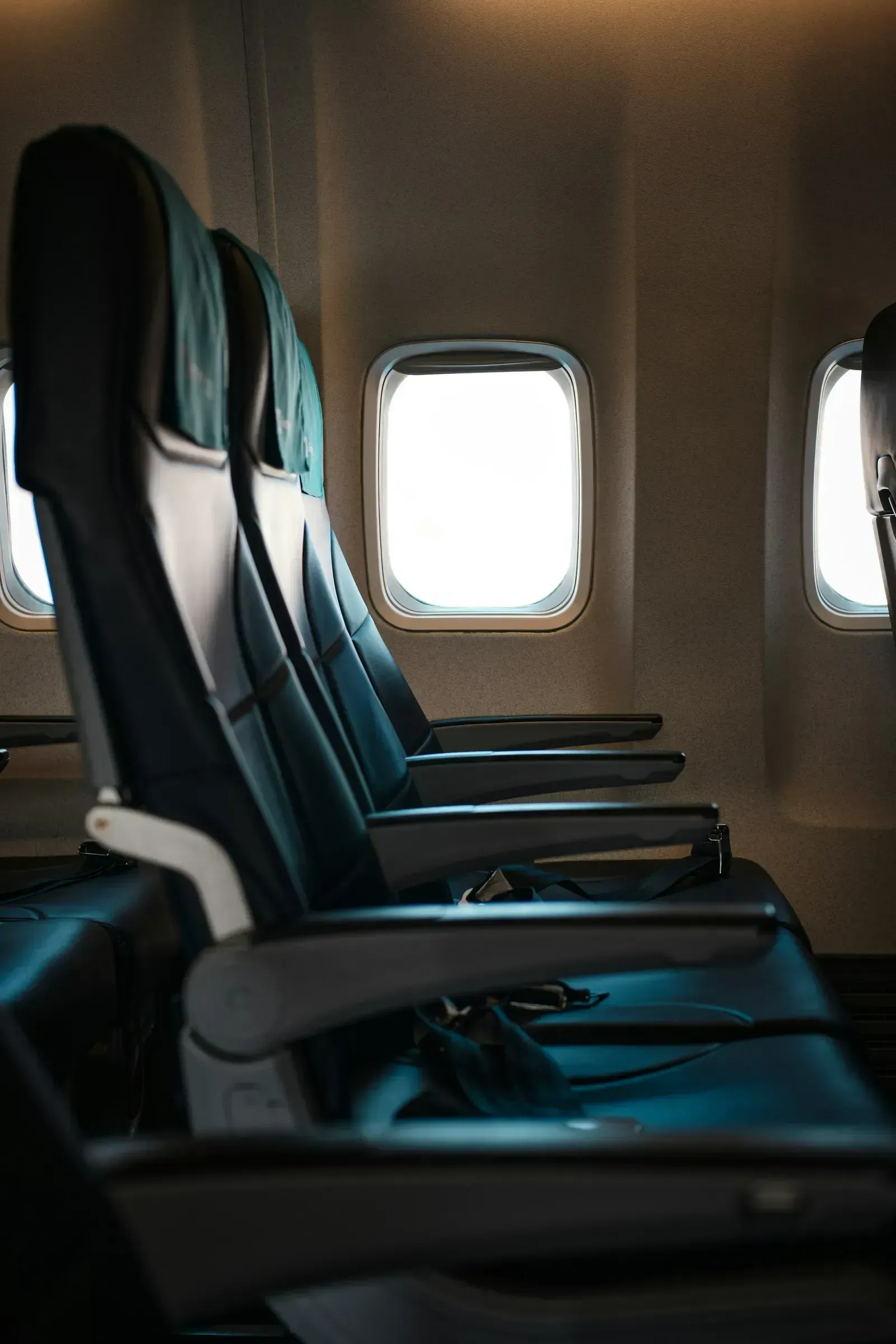
Planes weren’t always full in the 1970s, especially on early jumbo jet routes. Airlines had added a great deal of capacity, and many flights had open seats. Passengers sometimes stretched across an empty row to sleep.
Seat pitch in economy was also generally more generous than it later became. Airlines hadn’t yet squeezed in extra rows to the degree they do now. That extra space, along with the other perks above, is a big part of why people remember those flights so fondly.

Leave a Reply