
Open a metal lunchbox from the 1960s and you’d usually find a sandwich wrapped in wax paper, a piece of fruit, and maybe a thermos. The bread was soft, the fillings were simple, and the whole thing was built to survive a morning in a cloakroom or locker.
Most of these sandwiches came from pantry staples and the grocery shelves of the postwar years. Some have faded from lunch bags, while others never really left. Here are eight that many people from that era will recognize right away.
Peanut Butter and Jelly
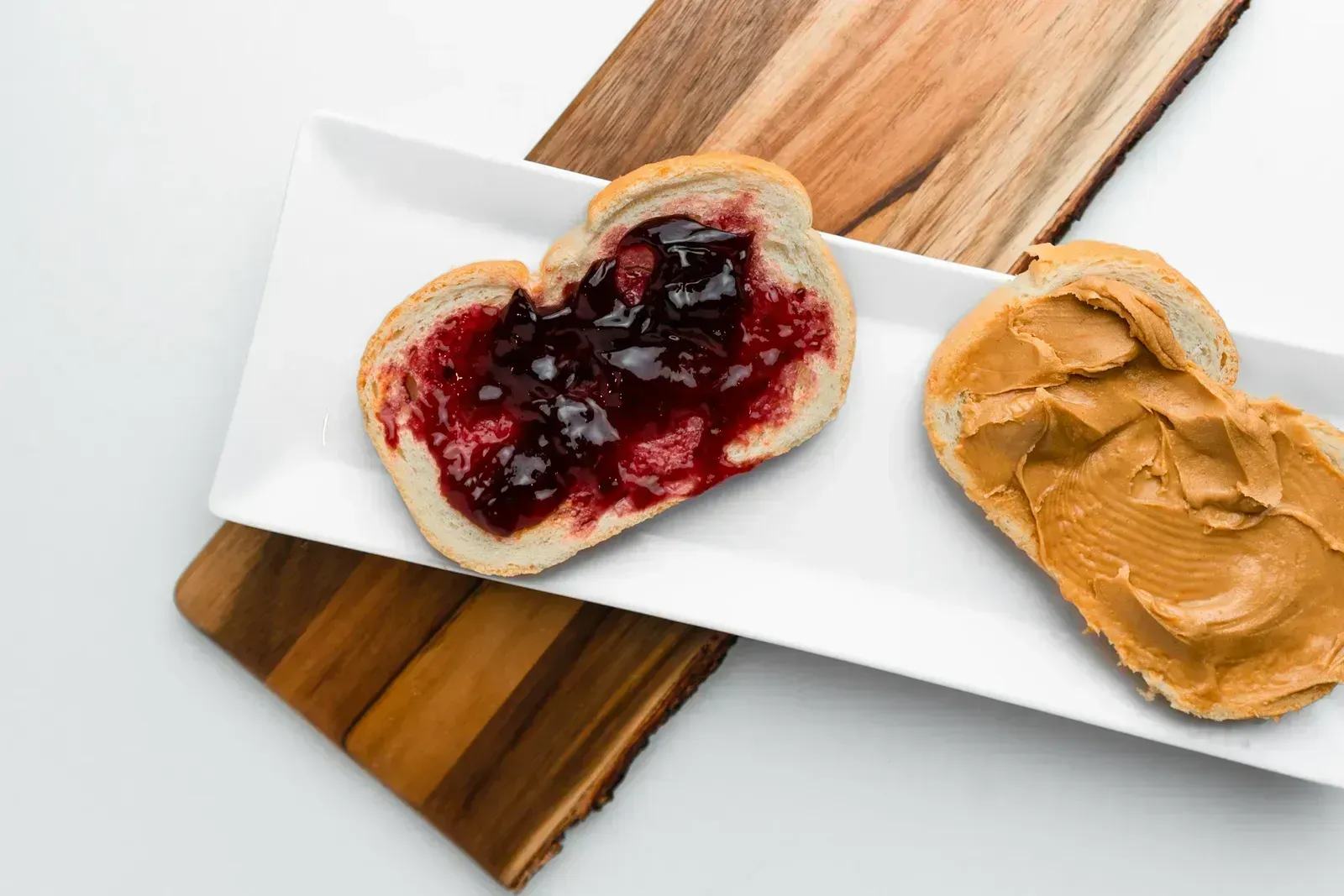
This was the workhorse of the school lunch. Peanut butter was cheap, filling, and needed no refrigeration, which mattered when a sandwich sat in a bag until noon. Jelly or jam added sweetness and kept the bread from tasting too dry.
The pairing had been popular for decades by the 1960s, and it’s still a lunchbox standard today. Many schools now restrict peanuts because of allergies, which is a big change from an era when nobody gave it a second thought.
Bologna and Mustard
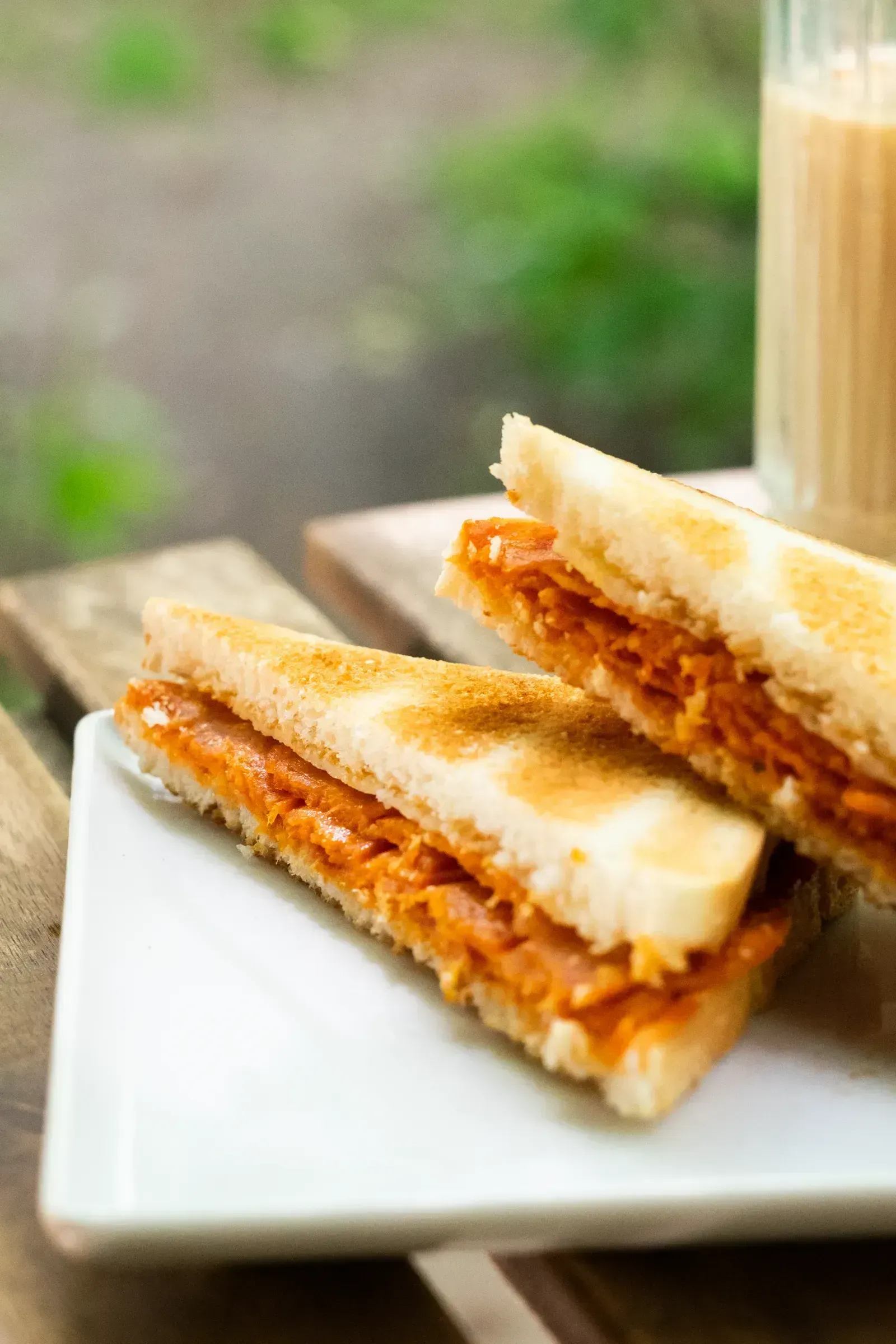
Bologna was an everyday lunch meat in many households. It was inexpensive, sliced thin or thick, and easy to find at any butcher counter or supermarket. A swipe of yellow mustard or a little mayonnaise was the usual finishing touch.
Some mothers fried the slices first to keep them from puffing up, though that was more of a dinner trick. In a lunch bag, the cold version was the norm, usually on plain white sandwich bread.
Egg Salad on White Bread
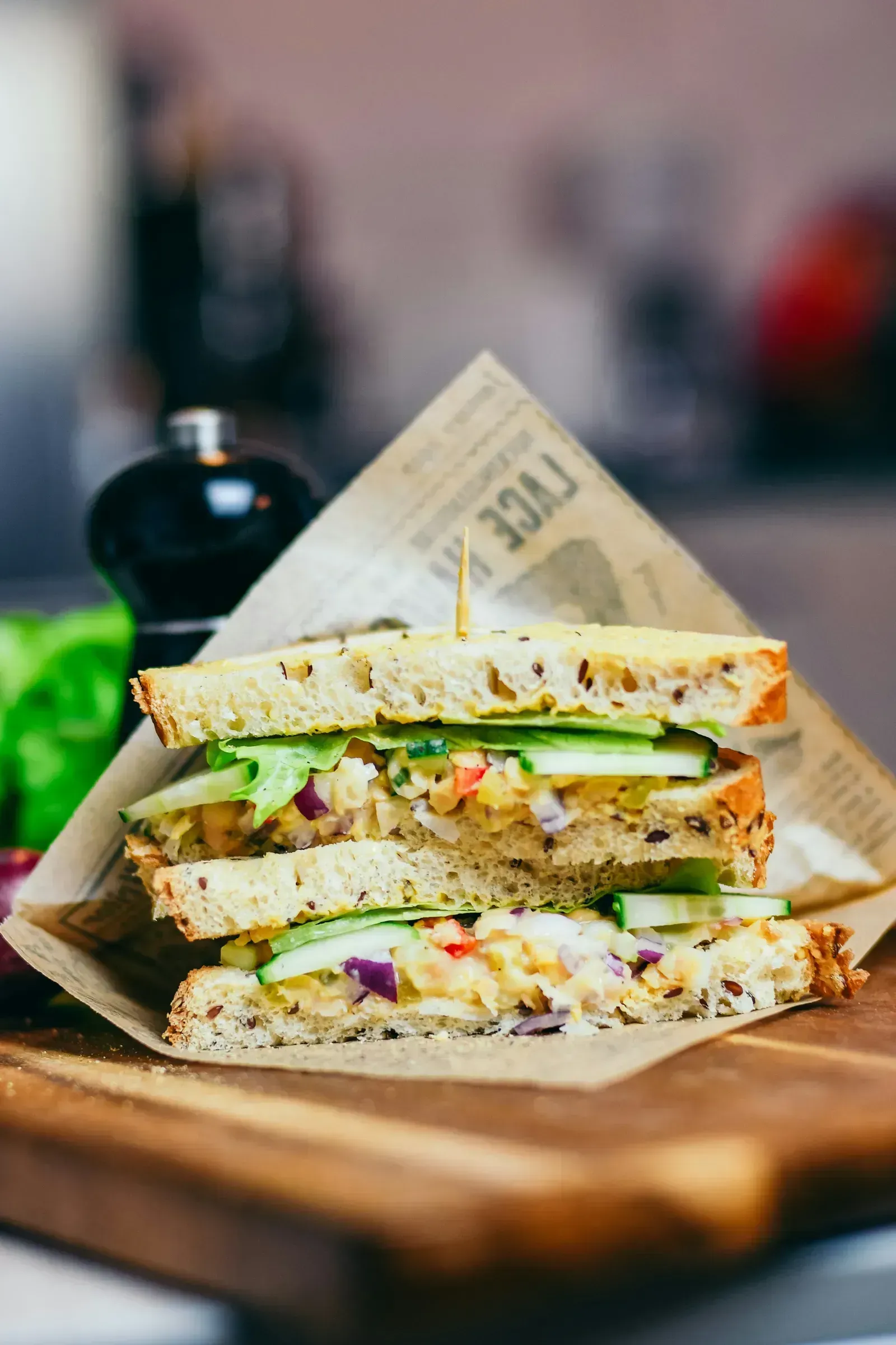
Hard-boiled eggs, mayonnaise, and a pinch of salt made a filling that stretched a dozen eggs a long way. Some cooks added chopped celery, pickle relish, or a little paprika on top. It was a thrifty lunch that felt homemade.
The downside was the smell, which tended to announce itself when the bag was opened. Even so, plenty of kids traded for it at the lunch table.
Ham Salad Spread
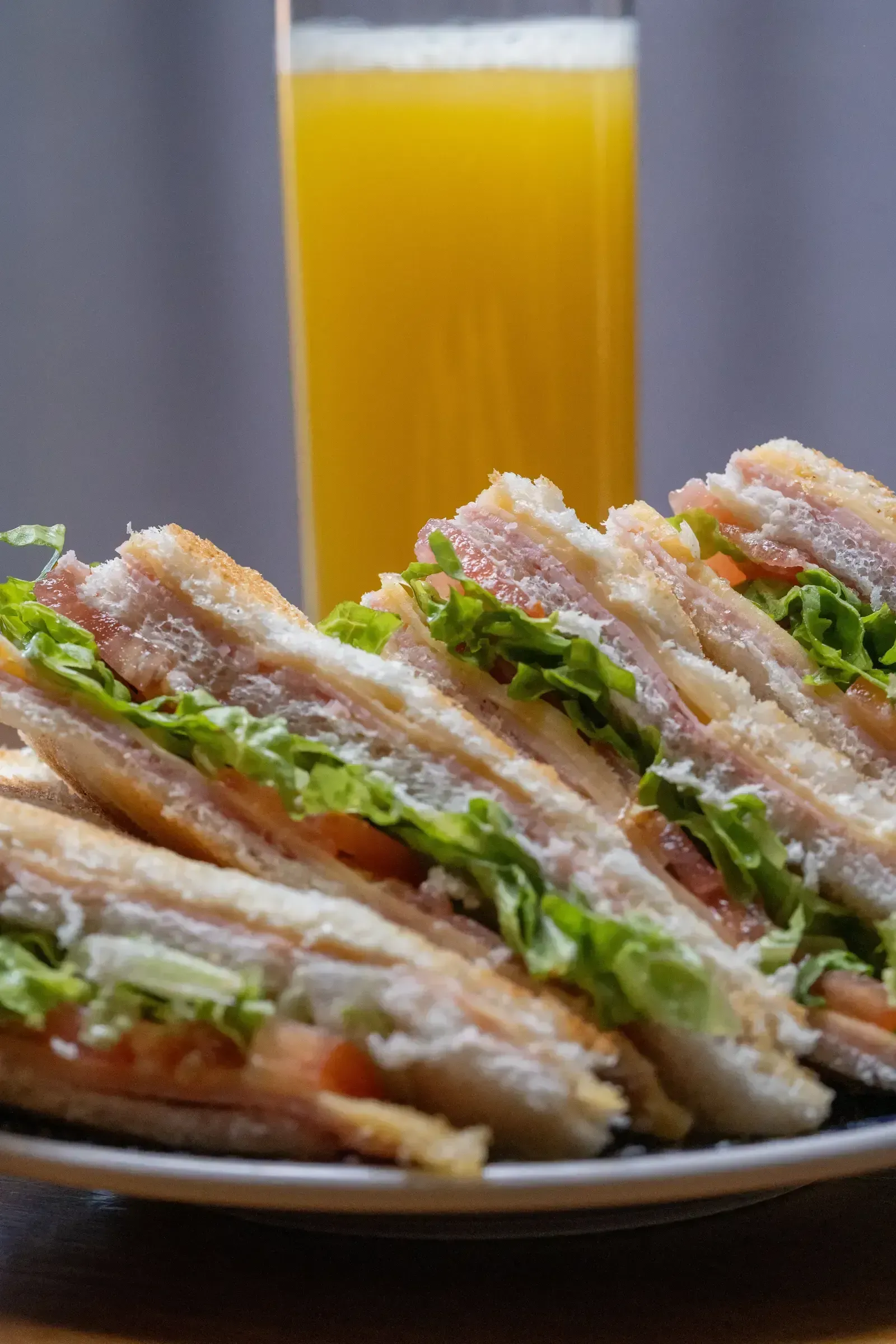
Ham salad was a clever way to use leftovers from a Sunday dinner. Cooks ground cooked ham with pickle relish and mayonnaise, then spread it thick between two slices of bread. Canned deviled ham offered a shortcut for households that didn’t have a roast to spare.
Underwood’s deviled ham has been sold in the United States since the nineteenth century, so it was already a familiar tin on pantry shelves. That convenience helped the sandwich show up in plenty of lunch bags.
Tuna Salad
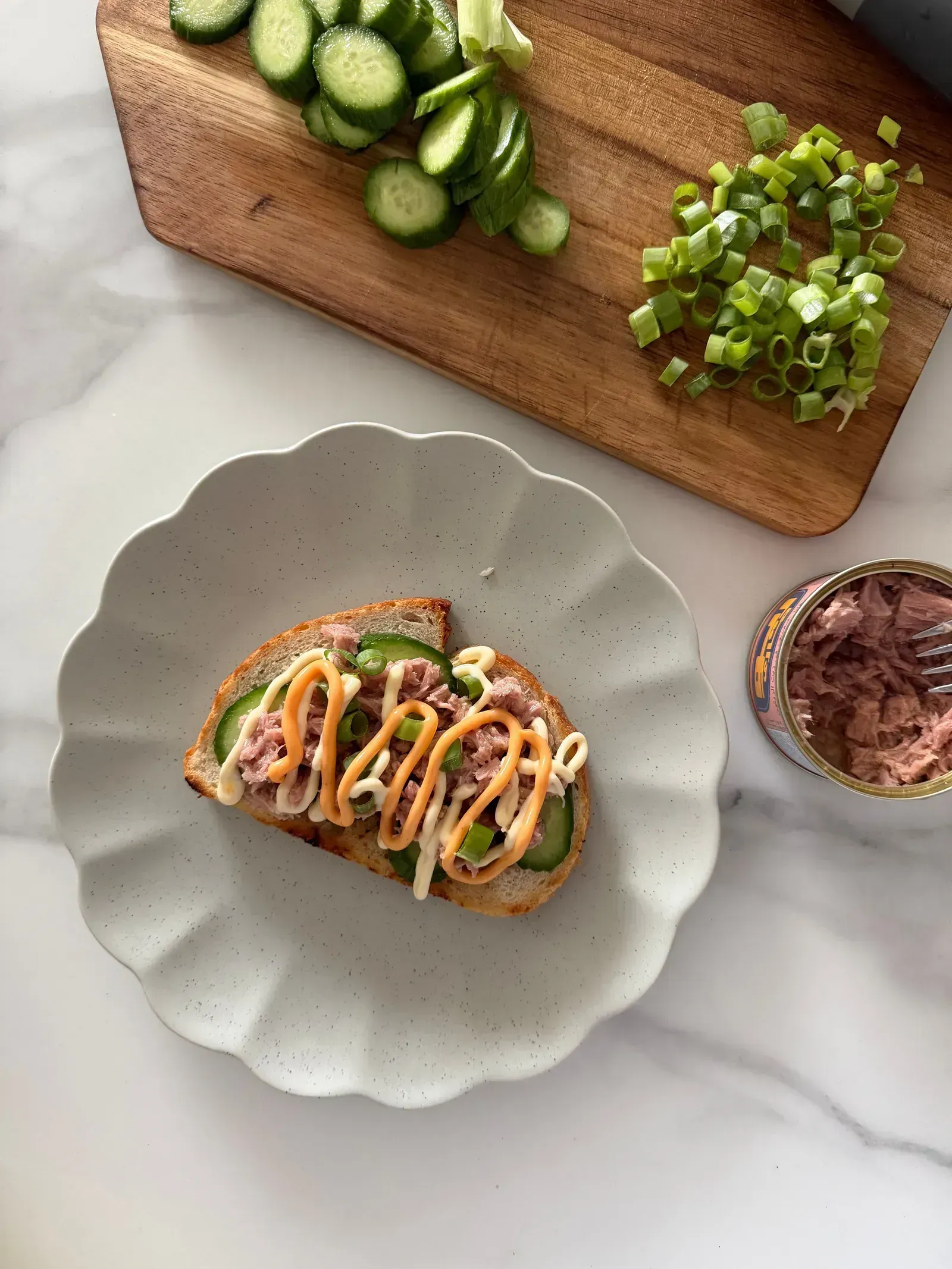
Canned tuna became a staple of American kitchens through the middle of the twentieth century. Mixed with mayonnaise and sometimes diced onion or celery, it made a quick, protein-rich filling. Mothers appreciated that a single can could feed the whole family.
It was also a popular choice for Friday lunches in Catholic households, when many families skipped meat. That habit was common in the 1960s, before the Church relaxed its rules on Friday abstinence in the United States in 1966.
Liverwurst and Onion
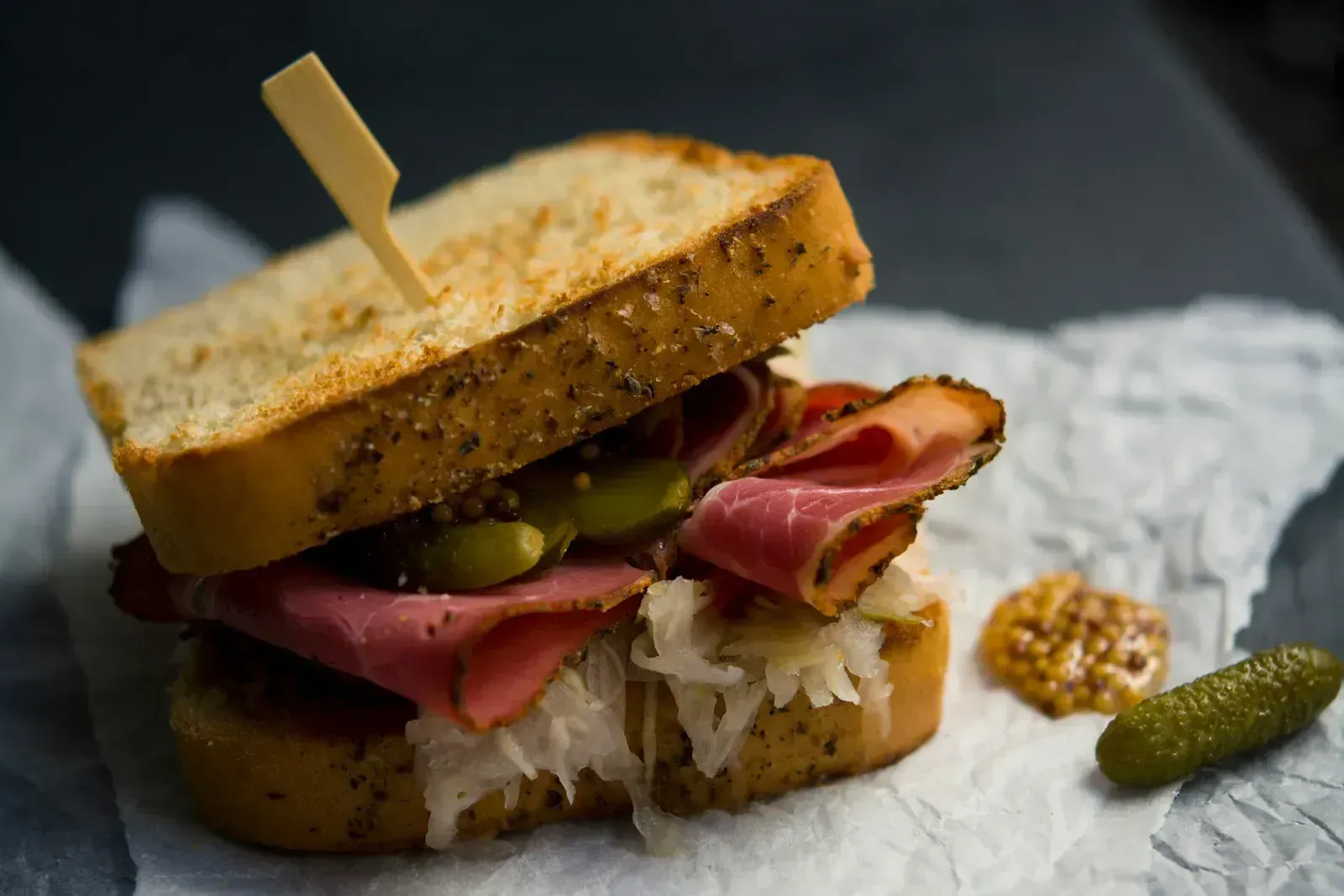
Liverwurst was a bold choice, and not every child loved it. It spread easily, had a rich flavor, and often showed up on rye bread with a slice of raw onion. It reflected the German and Eastern European food traditions that shaped many neighborhood delis.
This one tends to split people. Those who grew up on it often remember it fondly, while others recall trying to trade it away before lunch period ended.
Pimento Cheese
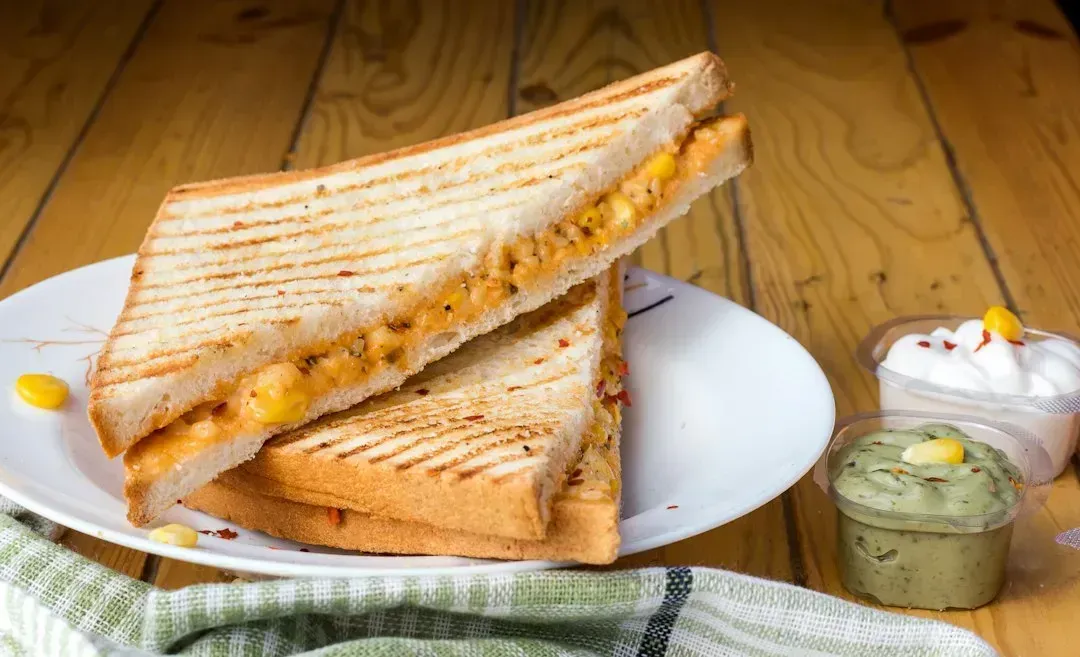
Pimento cheese is a mix of shredded cheese, mayonnaise, and diced pimentos. It’s especially tied to the American South, where it’s often called the pâté of the region. Packed between soft bread, it traveled well and tasted good at room temperature.
Processed cheese helped its spread in the mid-century years because it was cheap and consistent. Today, many cooks make it from sharp cheddar, and it has a loyal following well beyond the South.
Fluffernutter
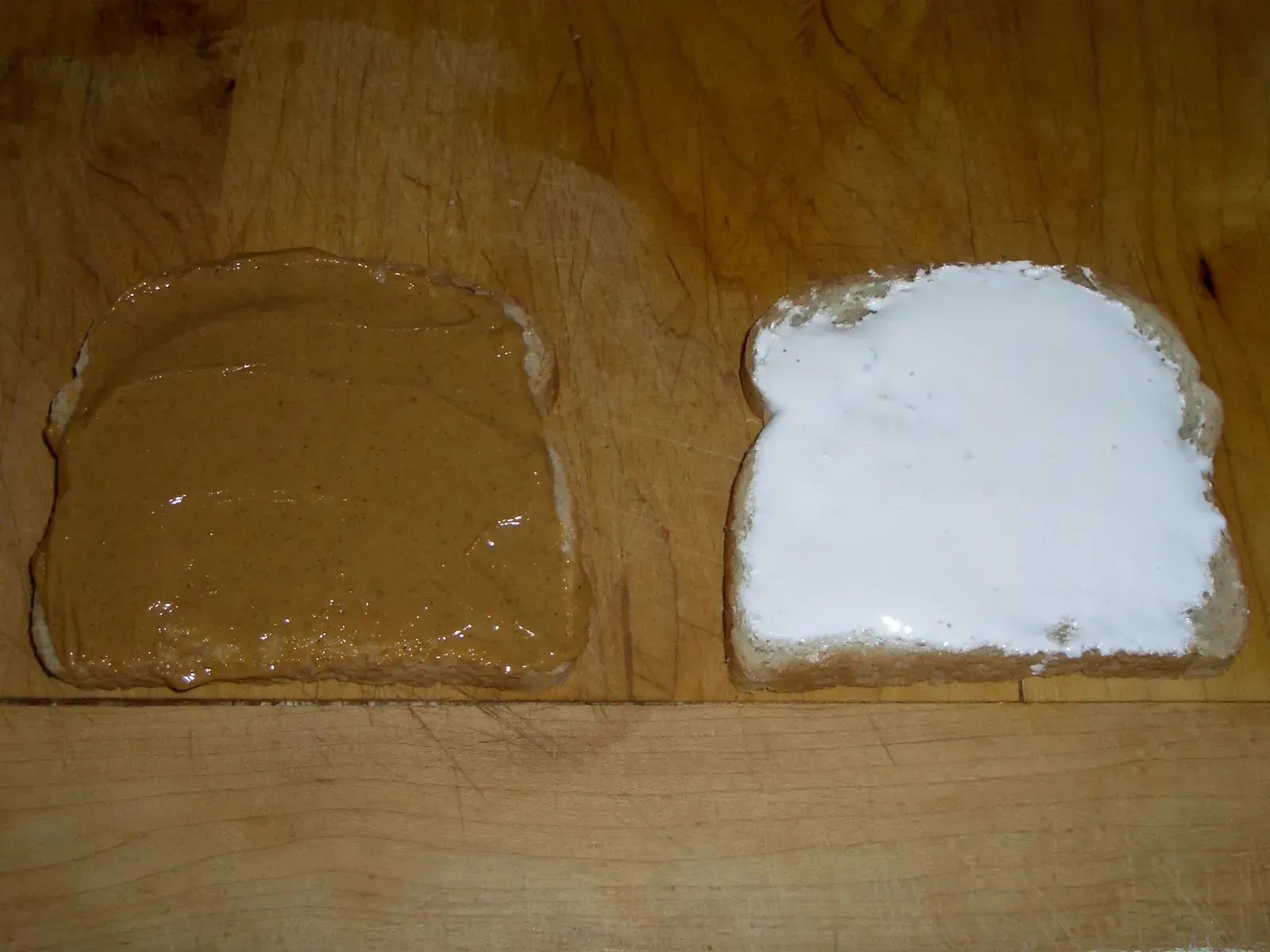
The Fluffernutter combines peanut butter with marshmallow creme on white bread. Marshmallow creme has long been a New England favorite, and the sandwich spread from there to lunchboxes across the country. It was more of a treat than a nutritious meal, though kids rarely complained.
The sandwich is still closely tied to Massachusetts, where Marshmallow Fluff has been made in the Boston area for generations. Many adults still make one when they want a taste of childhood.



Leave a Reply