
After enough years on the line, you stop reading menus the way most people do. You start reading them like a supply list. You ask what shows up in a box, what gets cooked to order, and what waits under a heat lamp.
Chain restaurants aren’t villains. Many run tight, consistent kitchens, and consistency has real value. Still, a few items on those big laminated menus make less sense than others, and these are the seven I pass on.
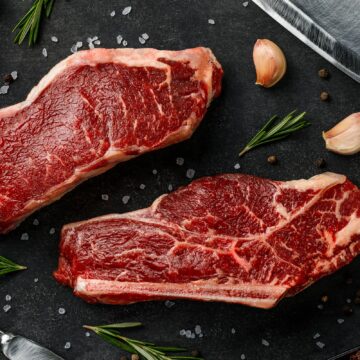
Steak Ordered Well Done
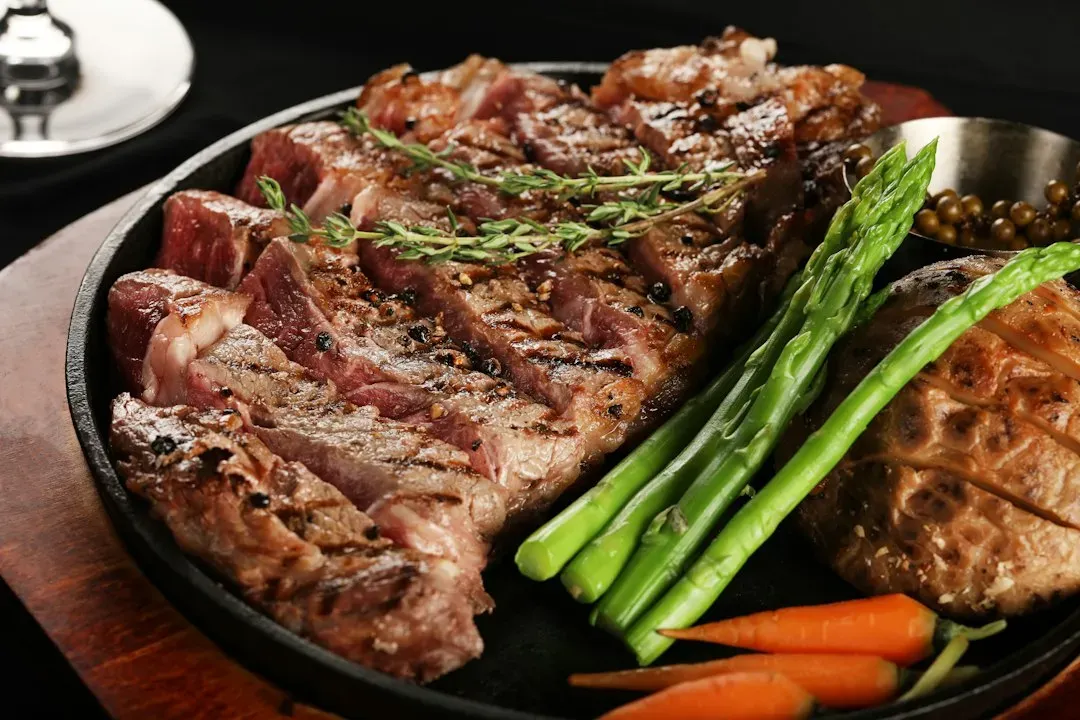
A steak cooked all the way through loses most of the juiciness that makes a steak worth ordering. At a chain, the kitchen usually works from a fixed portion size and a fixed cooking window. Asking for the most overcooked version often leaves you with a dry, gray result.
Food safety guidance from the USDA recommends a safe internal temperature for whole cuts of beef, and medium rare kitchens can meet that guidance with proper resting time. Well done isn’t unsafe, only unforgiving. If you love the texture, a braised dish or a burger cooked through is a better fit.
The Fish Special Far From the Coast
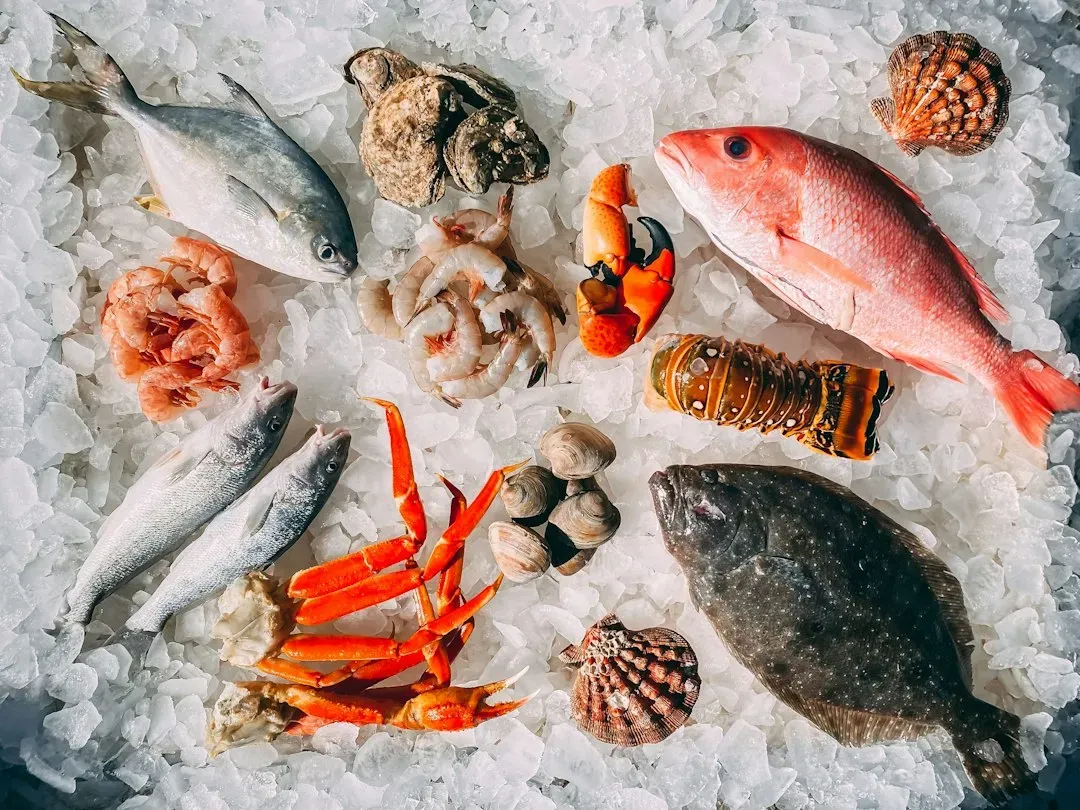
Fish is one of the most delicate items in any kitchen. At an inland chain, it has typically traveled a long way and has often been frozen, then thawed for service. That isn’t automatically bad, since good freezing can preserve quality.
It does mean the fish depends heavily on how well the thawing and cooking are handled. Those steps happen on a busy Friday night with a full ticket rail. I’d rather order something the kitchen makes all day, every day.
Raw Oysters at a Casual Chain
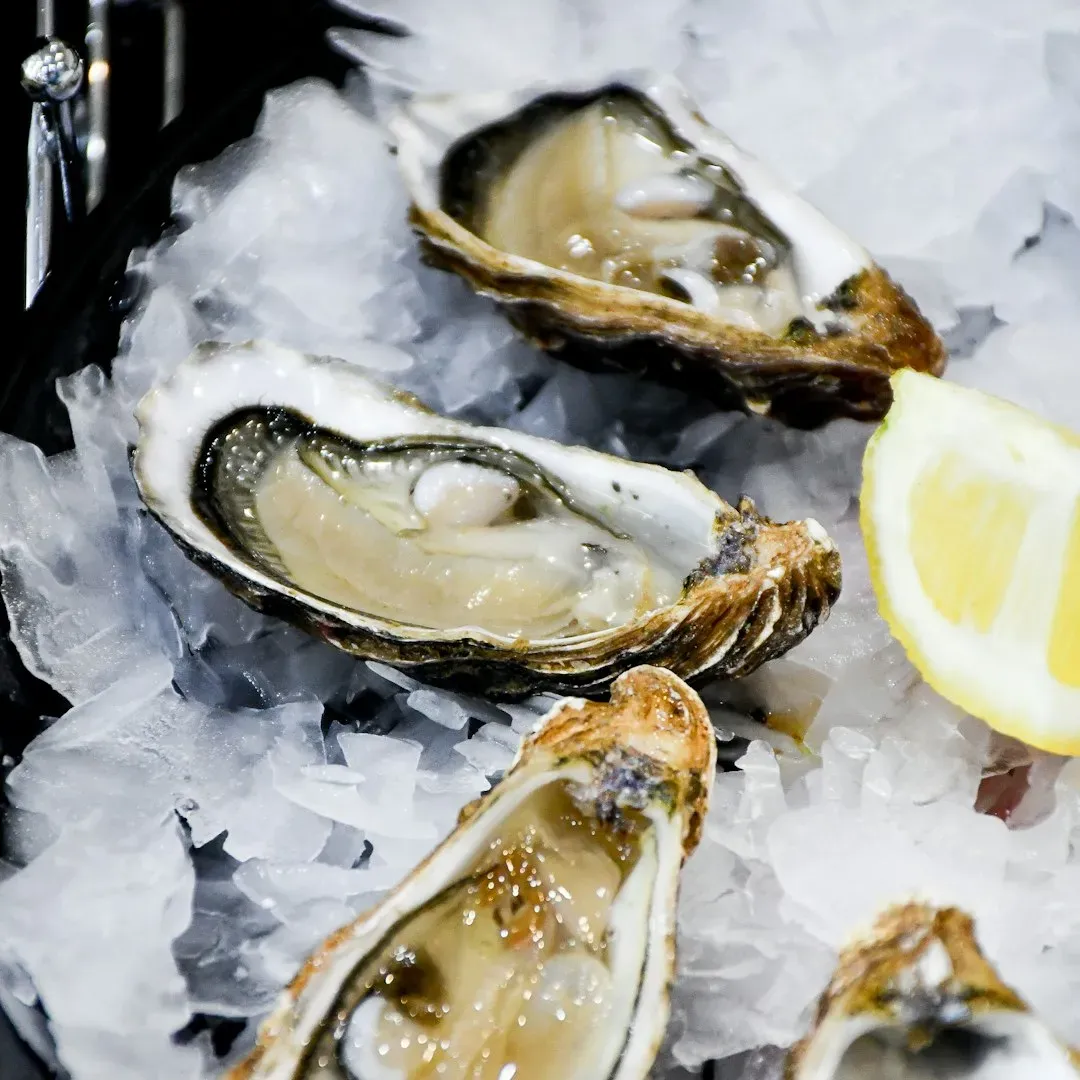
Raw shellfish carries a known risk. The CDC and FDA both warn that raw oysters can carry bacteria such as Vibrio, and that cooking is the reliable way to remove that risk. People with liver disease, weakened immune systems, or certain other conditions are advised to avoid them entirely.
Specialty oyster bars turn over stock quickly and live or die by their sourcing. A casual dining chain may sell far fewer, so the oysters could sit longer. I save raw oysters for places that clearly specialize in them.
Soup of the Day
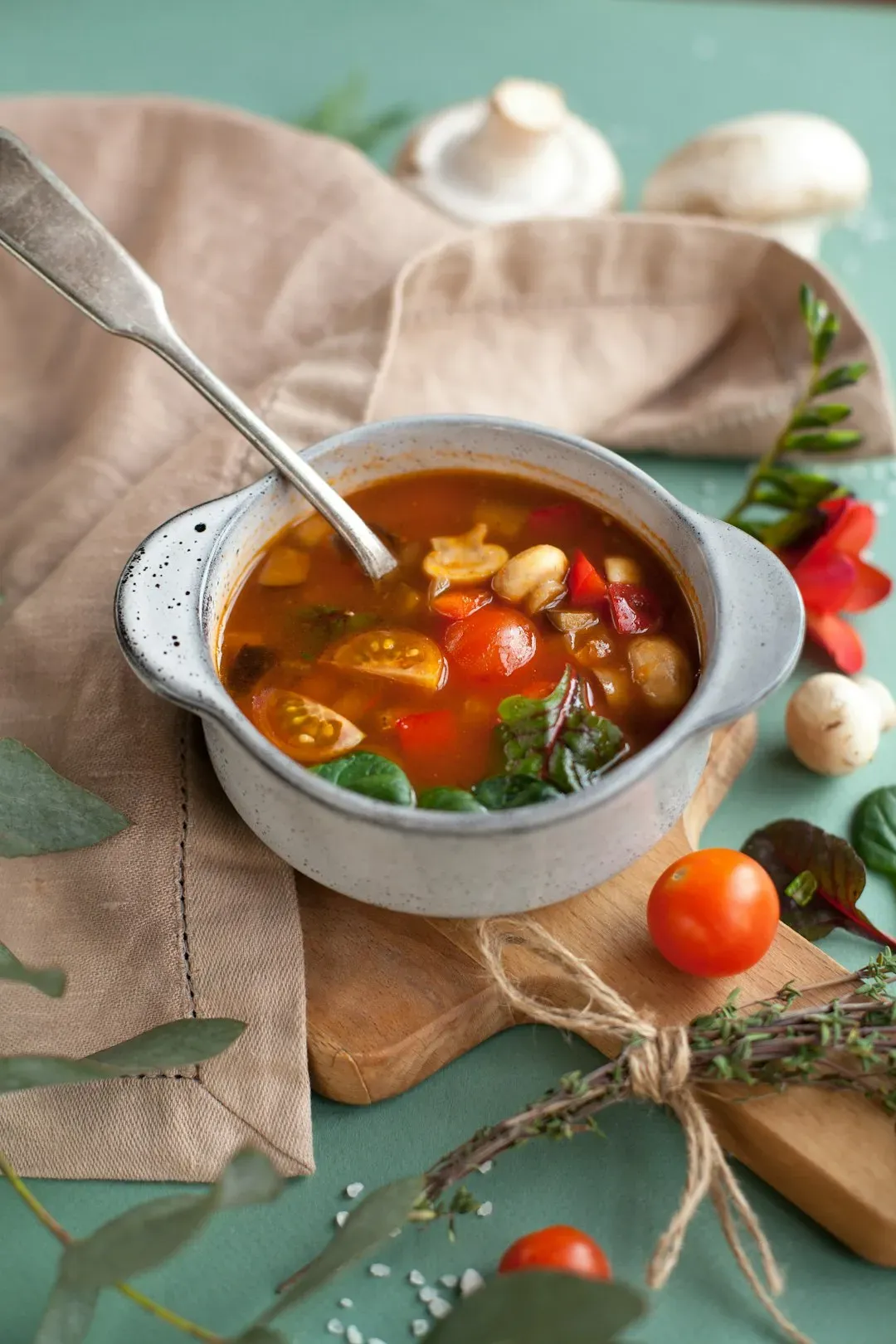
Soup sounds homemade, and at some independent spots it is. In many chain kitchens, soups arrive premade in bags or tubs and get heated to order. That’s efficient and consistent, though it isn’t the comforting pot simmering in the back that the name suggests.
Cream based soups can also sit in warming equipment for long stretches during slow periods. Texture can suffer, and it often ends up salty to make up for flavor. A simple side salad or a grilled item usually gives me more for my money.
The Appetizer Sampler
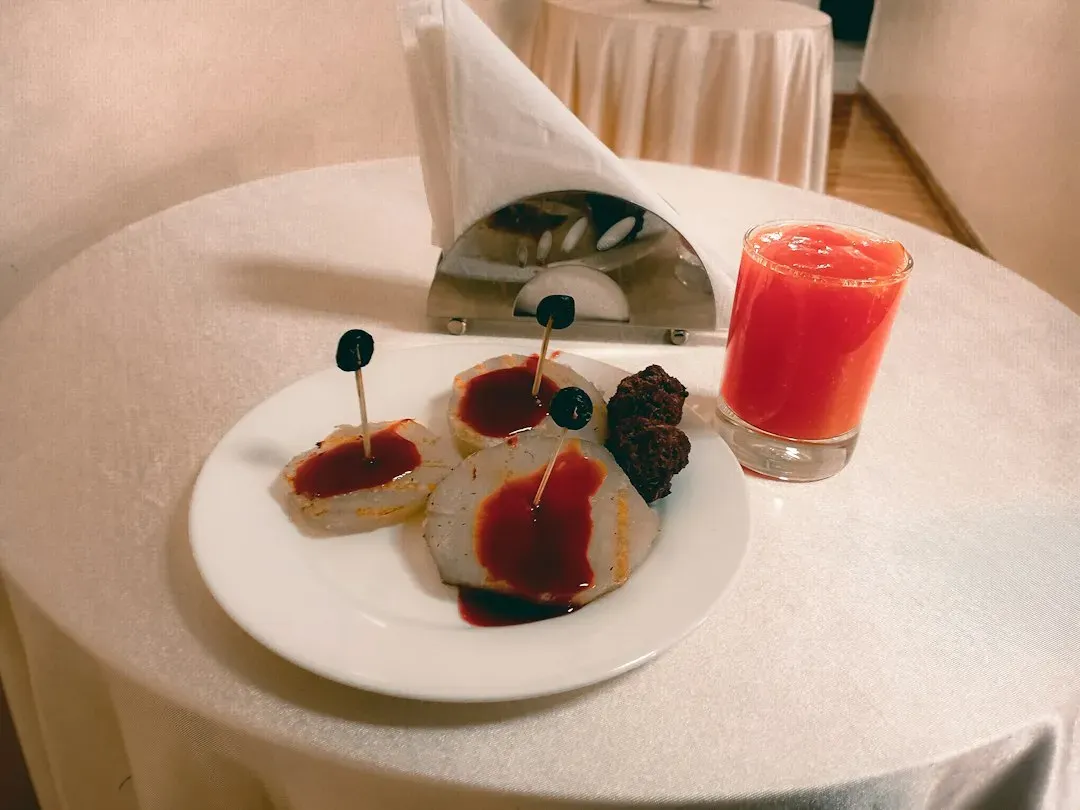
Sampler platters are built for speed and margin. Many of the pieces, such as mozzarella sticks, wings, and spring rolls, come frozen and go straight into the fryer. They taste fine, but they also taste like what you’d find in the freezer aisle at a grocery store.
The other issue is the portion. A shared platter can pack in more calories and sodium than a full entrée, and it’s easy to lose track while you’re chatting. Ordering one appetizer you really want is a smarter move.
Big Salads With Heavy Toppings
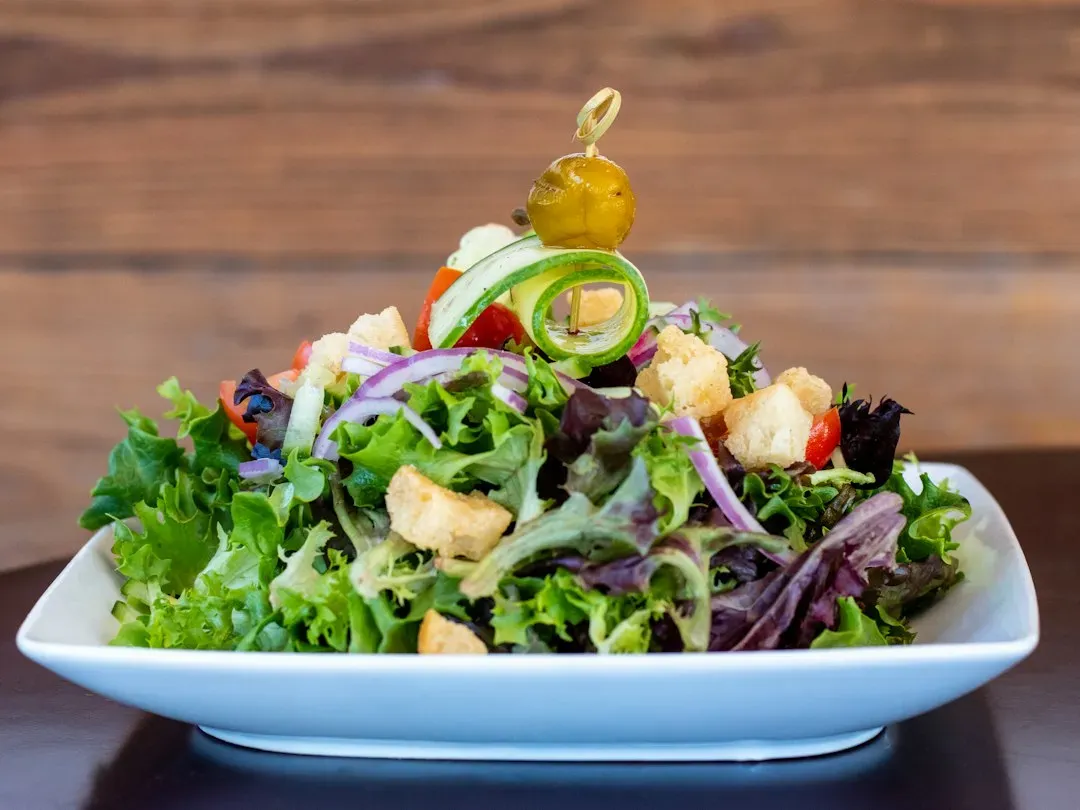
A salad feels like the safe pick, though the toppings can change that quickly. Crispy chicken, candied nuts, cheese, croutons, and creamy dressing can push a bowl of greens past many of the entrées. Nutrition information published by large chains has shown this for years, and the details are worth checking online.
Quality matters too. Pre-cut lettuce mixes and bottled or batch dressings are standard in high volume kitchens. If I order a salad, I ask for dressing on the side and keep the toppings simple.
Desserts That Arrive Ready Made
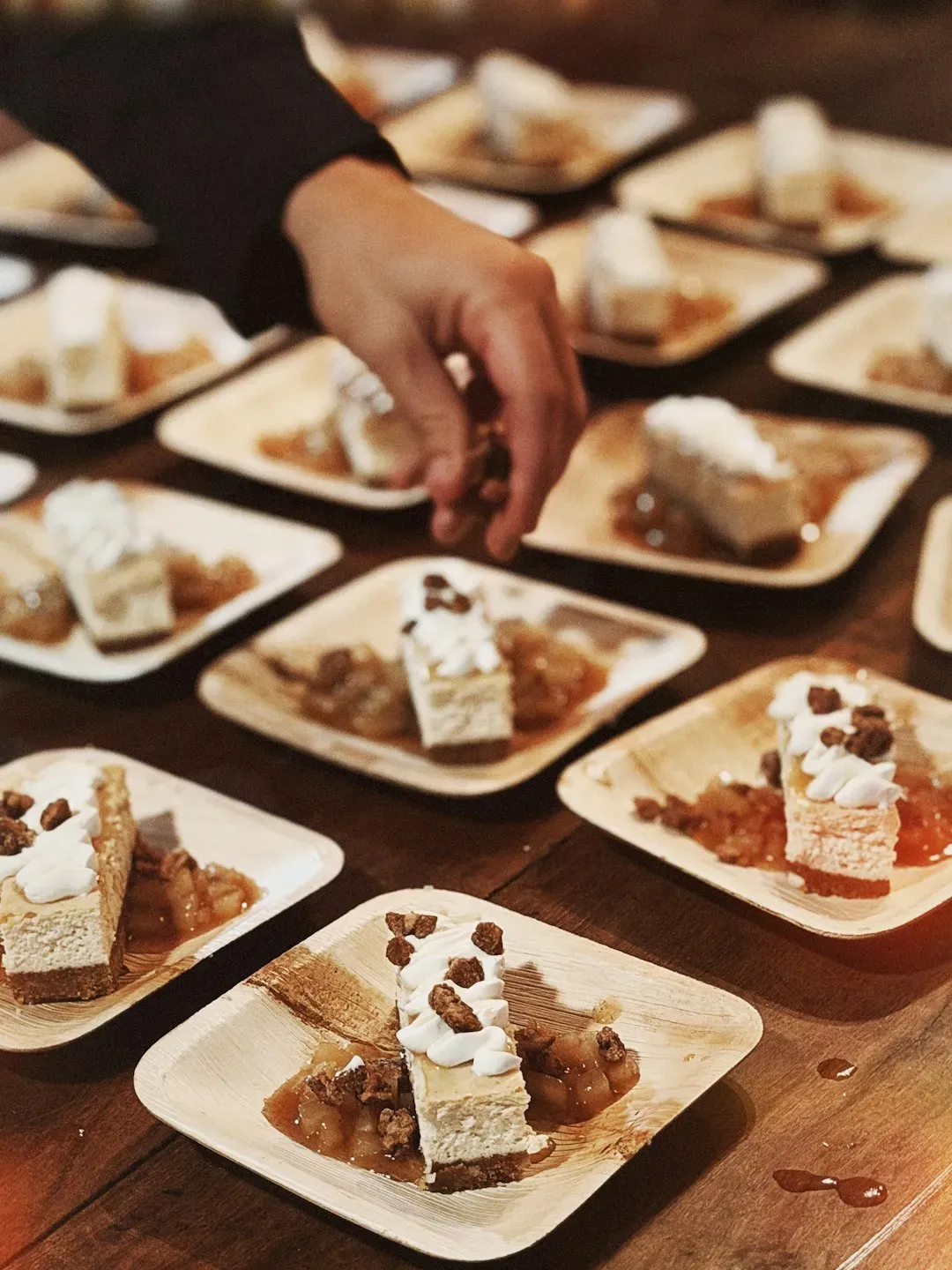
Cheesecakes, lava cakes, and layered chocolate cakes at many chains are made off site and shipped in. The kitchen thaws them, plates them, and adds a drizzle or a scoop of ice cream. There’s little baking happening in the building.
That doesn’t make them bad, only expensive for what they are. Dessert is one place where a local bakery or a scoop shop down the street tends to do better. I’d rather spend that money there.
A Simple Way to Order
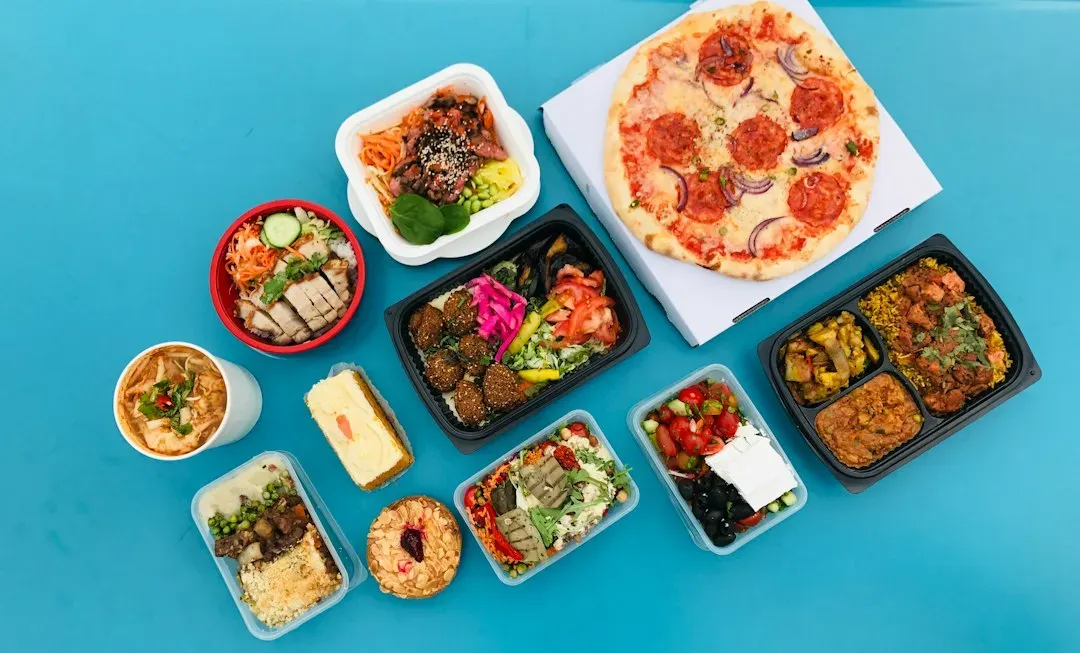
Pick dishes the kitchen cooks from scratch or to order, such as burgers, grilled chicken, or pasta with a simple sauce. Those items depend more on the cook’s timing than on a shipping schedule. They also tend to be the dishes a chain has refined the most.
Check posted nutrition information when it’s available, and skip anything that would be unsafe or disappointing if it sat too long. Those choices cover most of what I avoid on the menu.



Leave a Reply