
Most cat owners I meet are devoted. They read labels, they worry about the right bowl, and they’d happily rearrange their evenings around a sulking tabby. Feeding mistakes rarely come from carelessness. They usually come from kindness, habit, or advice that sounded reasonable at the time.
Cats are also quiet about problems until those problems have grown. A little extra weight, a mild urinary issue, or a skipped meal can look like nothing at first. Here are seven feeding mistakes that come up again and again, along with what the evidence says about each.
Leaving the Bowl Full All Day
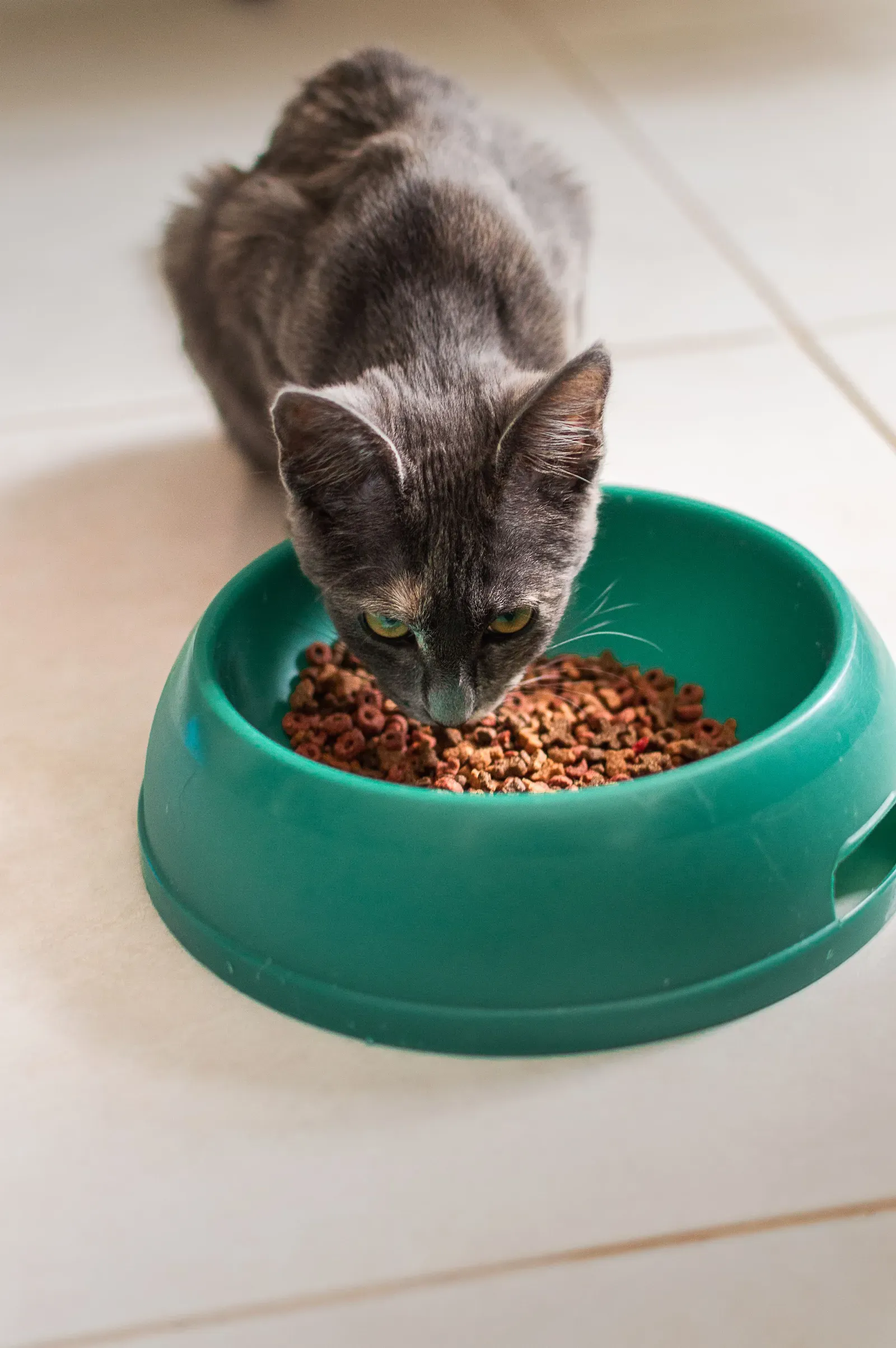
Free feeding feels natural, since cats do tend to nibble small meals. The trouble is that many indoor cats eat out of boredom, not hunger. Surveys from the Association for Pet Obesity Prevention have repeatedly found that well over half of American cats are overweight or obese.
Extra weight raises the risk of diabetes, arthritis, and urinary problems. Measured meals make it easier to notice appetite changes, too. Start with the feeding guide on the food label, then adjust with your vet based on your cat’s body condition, not just the number on the scale.
Letting Treats Quietly Take Over
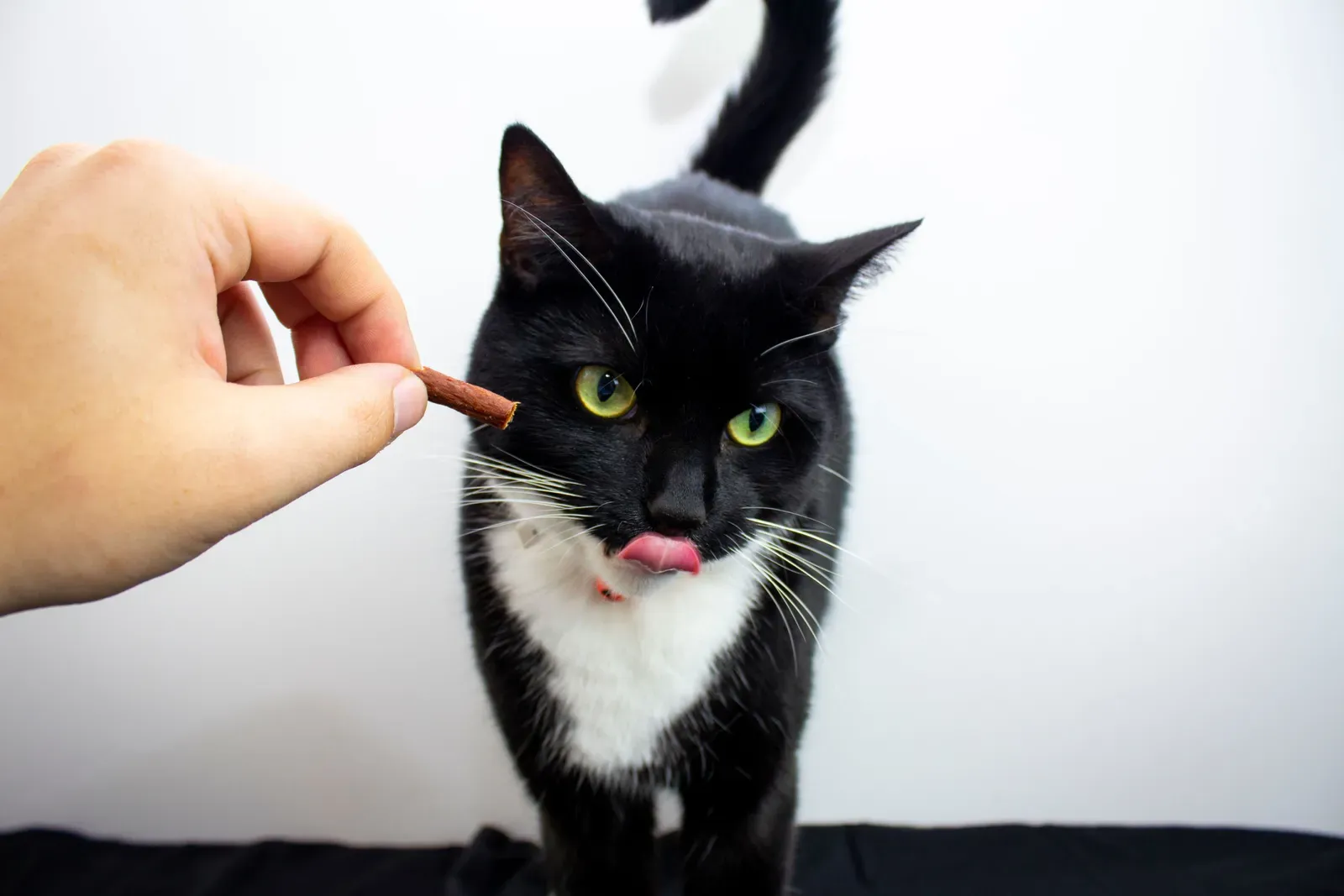
A few treats here and there seem harmless. Cats are small, though, so a handful can represent a surprisingly large share of the day’s calories. Veterinary nutrition guidelines commonly suggest keeping treats to roughly ten percent of daily calories or less.
Dental chews, lickable pouches, and bits of cheese all count. If your cat begs constantly, try using part of the regular kibble as a reward instead. It keeps the routine without adding to the total.
Sharing Dog Food, Table Scraps, and Milk
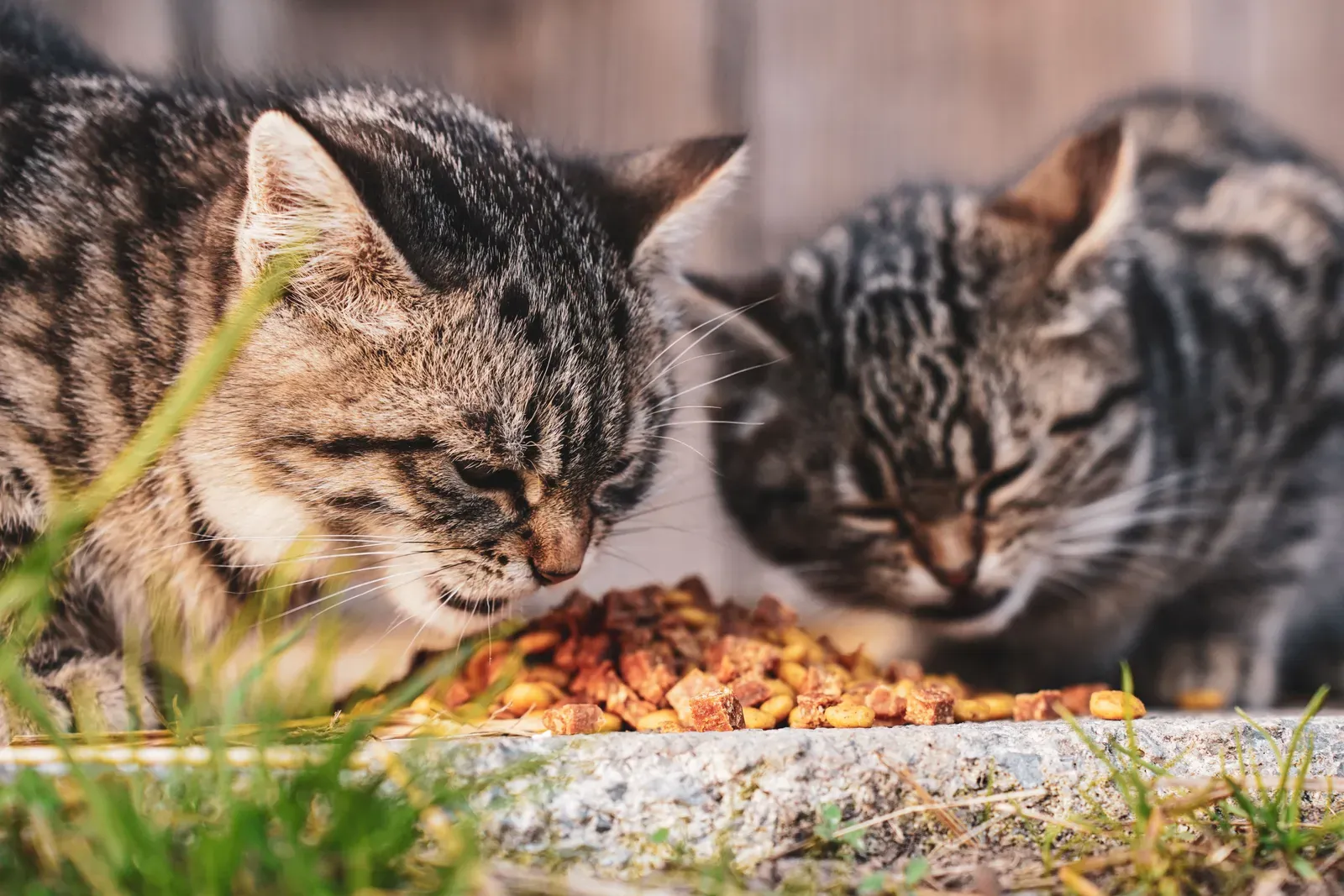
Cats are obligate carnivores, which means their bodies depend on nutrients found in animal tissue. Taurine is one example, and a shortage can lead to serious heart and eye problems. Dog food isn’t formulated with those needs in mind, so it’s a poor long term substitute even if a cat happily steals a few bites.
Milk is another common myth. Many adult cats don’t digest lactose well, and the result can be an upset stomach or diarrhea. Onions and garlic, which sit in plenty of human leftovers, can also damage a cat’s red blood cells.
Relying Only on Dry Food With Little Water
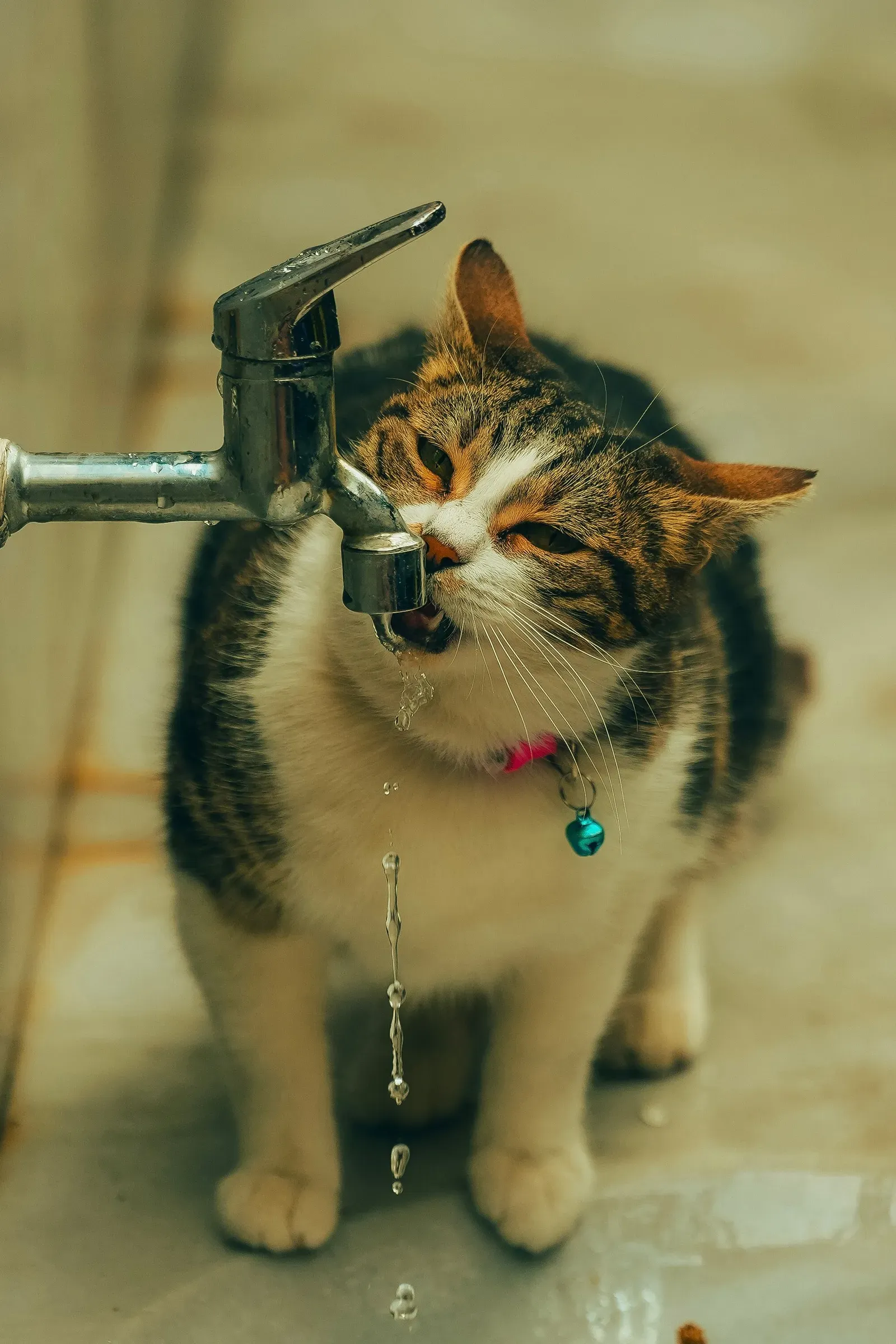
Dry food is convenient and often affordable, and plenty of cats do fine on it. Still, cats evolved from desert dwelling ancestors and often don’t drink much on their own. Kibble contains far less moisture than canned food, so a cat eating only dry food may take in less water overall.
That matters for the urinary tract, especially in male cats prone to blockages and in cats with kidney disease. Adding wet food, offering fresh water in several spots, or trying a fountain can help. It’s worth discussing with your vet if your cat has a history of urinary trouble.
Feeding Raw Diets Without Understanding the Risks
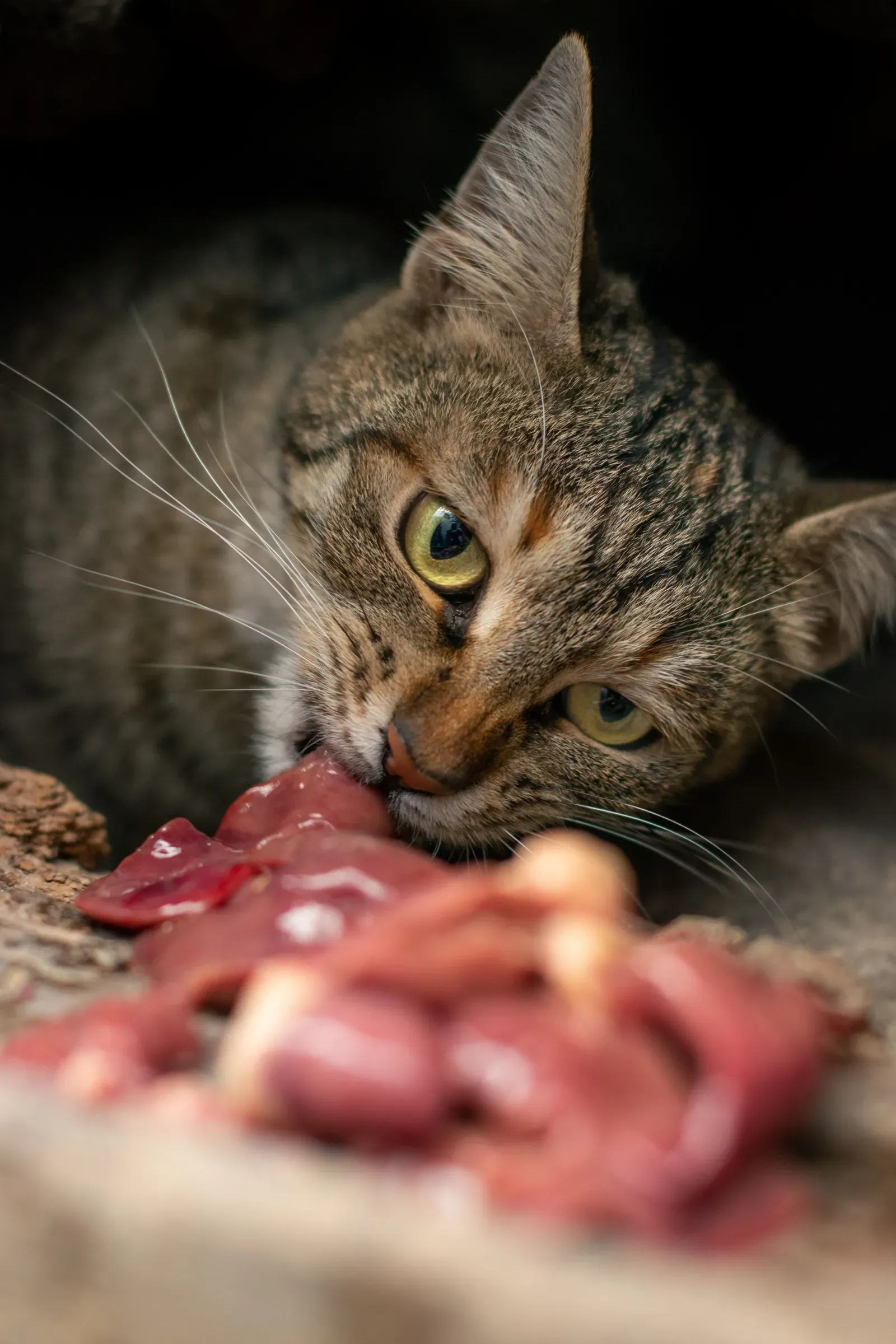
Raw feeding has a loyal following, and the appeal makes sense because it feels closer to what wild cats eat. The risks are real, however. Raw meat can carry bacteria such as Salmonella and Listeria, which can sicken pets and the people handling the food.
More recently, the U.S. Food and Drug Administration has linked several raw pet food products to H5N1 avian influenza infections in cats, some of them fatal, during 2024 and 2025. Commercial raw foods have also been recalled for this reason. Many veterinary organizations advise against raw diets, and if you still choose one, talk it through with a vet or board certified nutritionist first.
Switching Foods Too Quickly
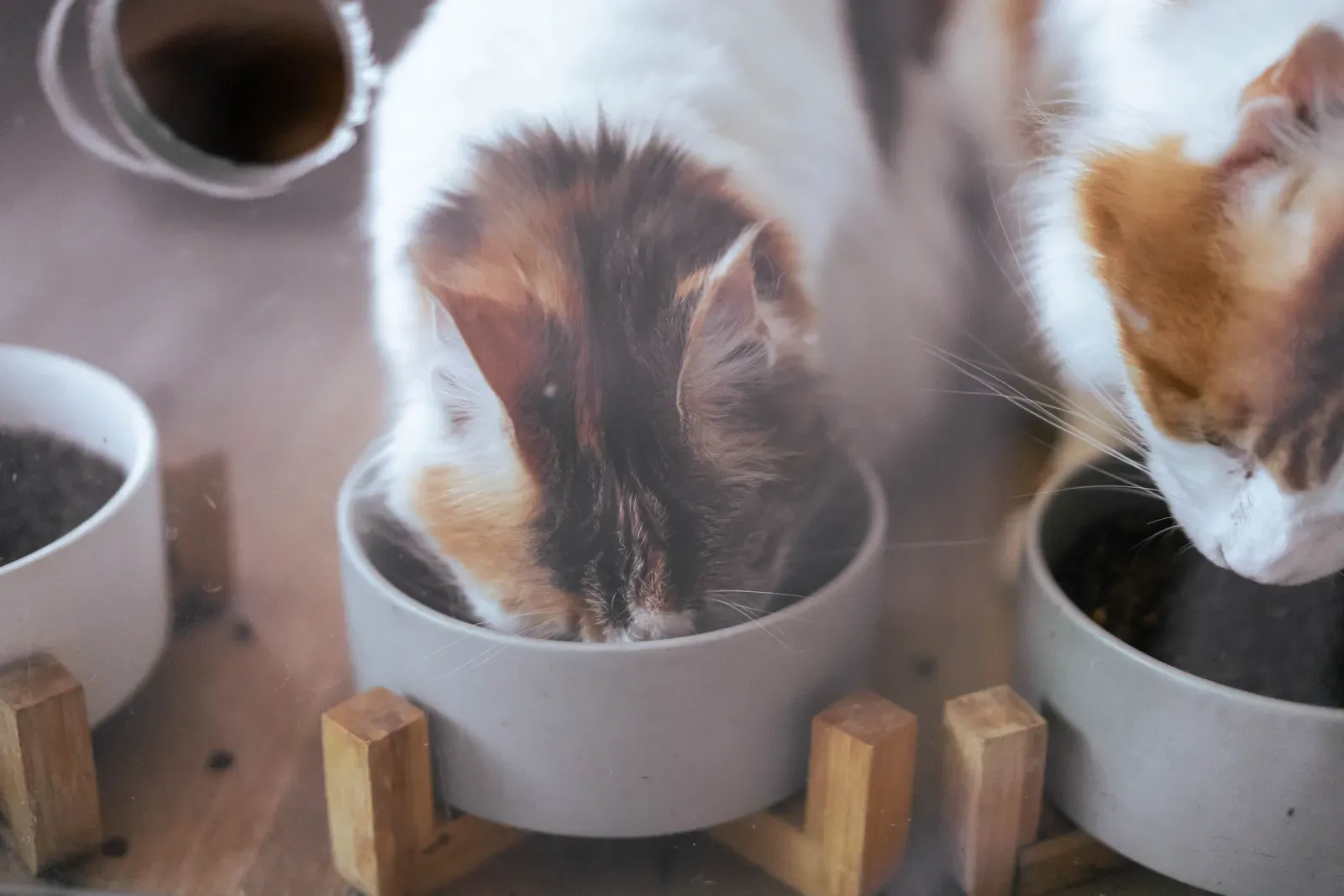
A new brand, a sale, or a recommendation from a friend can prompt a sudden change. Cats have sensitive digestive systems, and an abrupt swap can cause vomiting or loose stools. Some cats will also simply refuse the new food, which creates a different problem.
A gradual transition over seven to ten days is the usual advice. Mix a small amount of the new food into the old, and increase the share every day or two. If your cat resists, slow down instead of pushing harder.
Waiting Too Long When a Cat Stops Eating
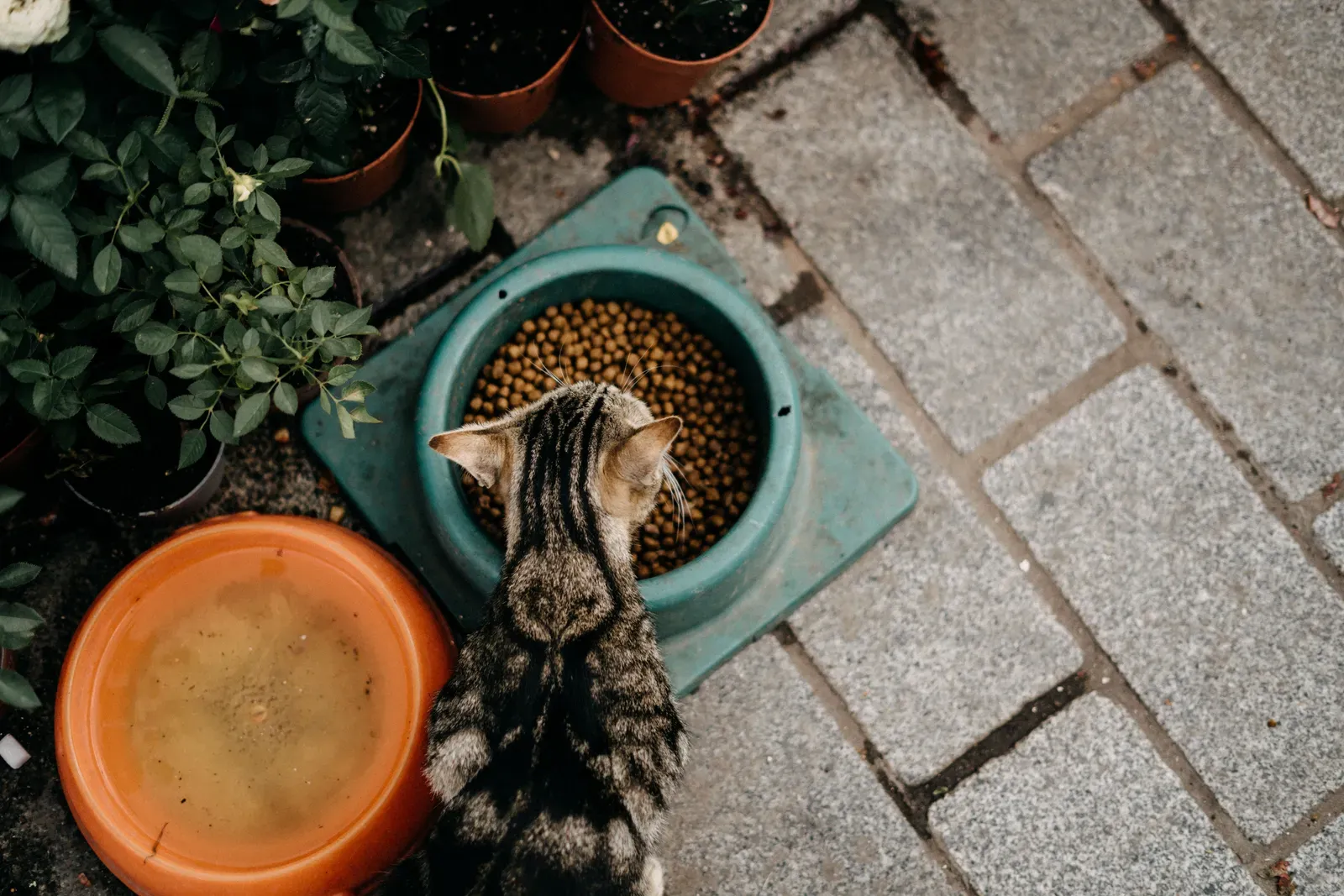
Owners often assume a cat that skips meals is just being fussy. A cat that eats very little for even a day or two deserves attention, though. Cats, especially overweight ones, can develop hepatic lipidosis, a serious liver condition triggered when the body breaks down fat too quickly.
Changes in appetite can point to dental pain, kidney disease, hyperthyroidism, or stress. Don’t try to starve a cat into eating a diet it dislikes. If your cat refuses food for more than a day, or shows other symptoms like vomiting or hiding, call your vet.
Final Thoughts
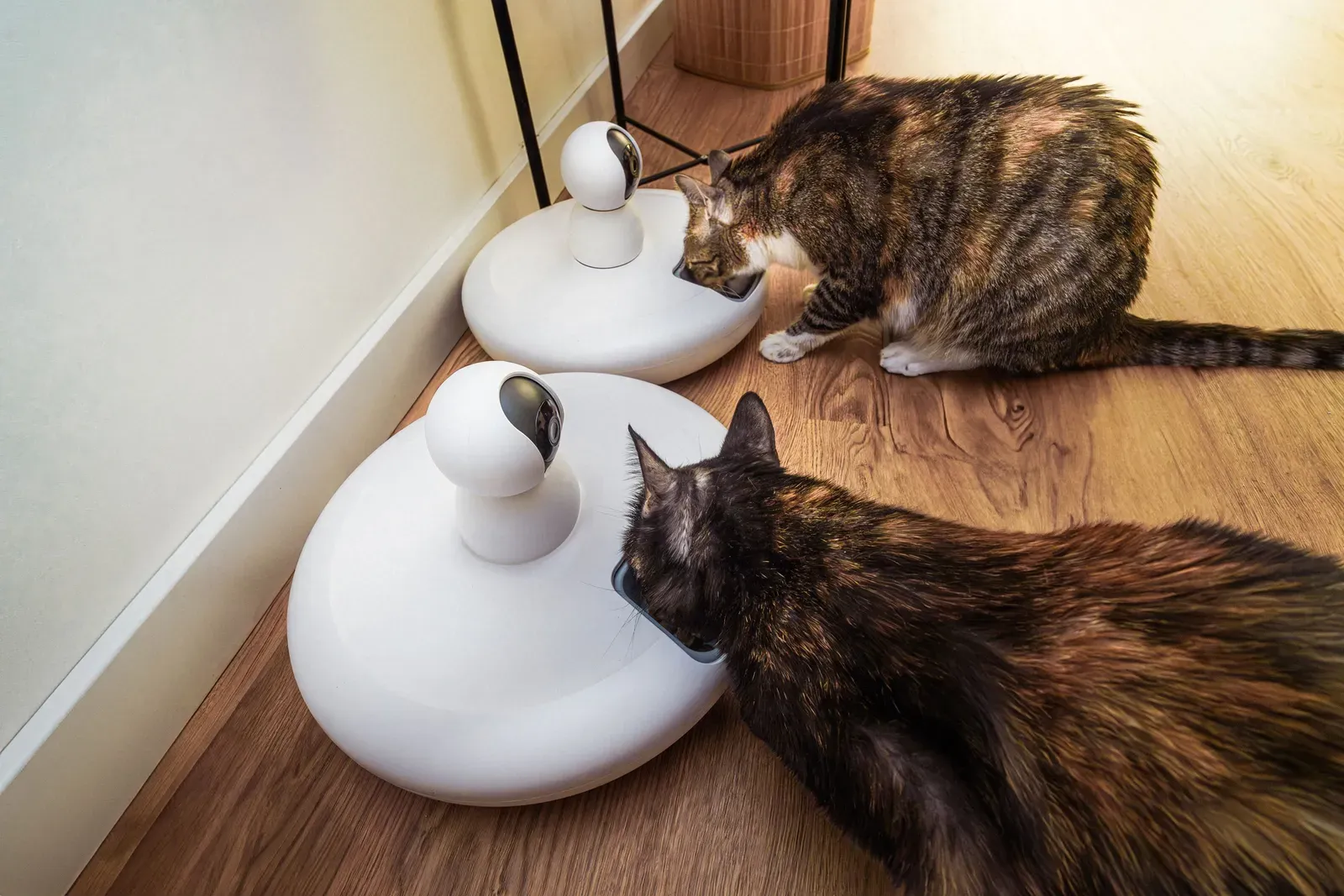
Good feeding comes down to measured portions, a complete and balanced diet, enough water, slow changes, and quick attention when appetite shifts. Small adjustments in these areas often make the biggest difference in a cat’s long term health.



Leave a Reply