
Most pantries don’t fall apart in one dramatic weekend. They drift. A bag of rice gets shoved behind the cereal, a second jar of cumin shows up, and three months later nobody can find anything.
The good news is that tidy kitchens rarely depend on fancy bins or a big overhaul. They depend on a few small routines that people repeat without much effort. These eight are the ones that hold up over time.
Give Every Category a Fixed Home
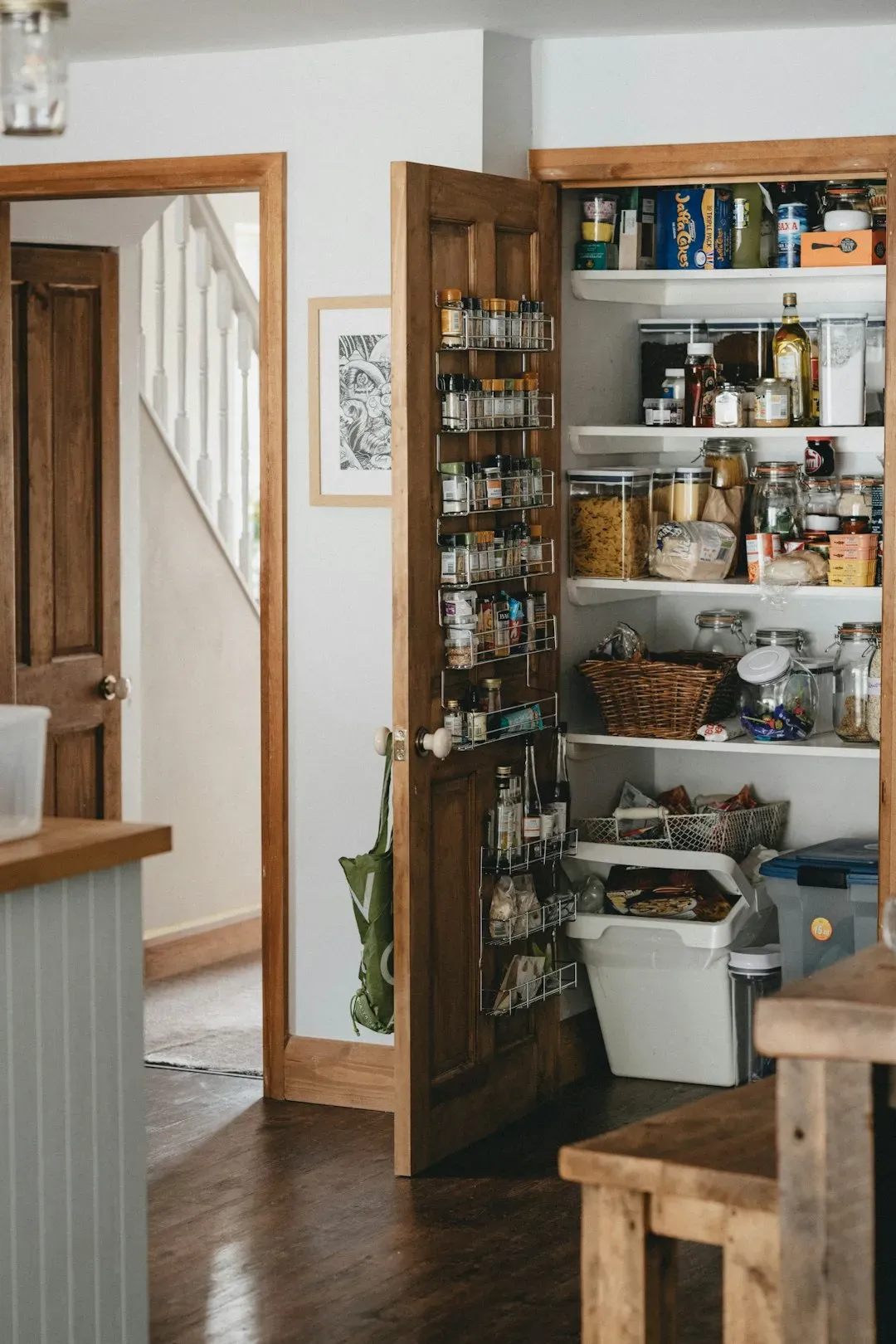
Start by sorting food into broad groups, such as baking, breakfast, canned goods, snacks, and grains. Then assign each group one shelf or zone and keep it there. When items have a permanent address, putting groceries away takes minutes and stray items stand out right away.
Keep the categories broad, not fussy. Too many tiny labels are hard to maintain, and people quit them within weeks. Put the things you use daily at eye level, and let heavy or rarely used items sit low or high.
Store the Oldest Food in Front
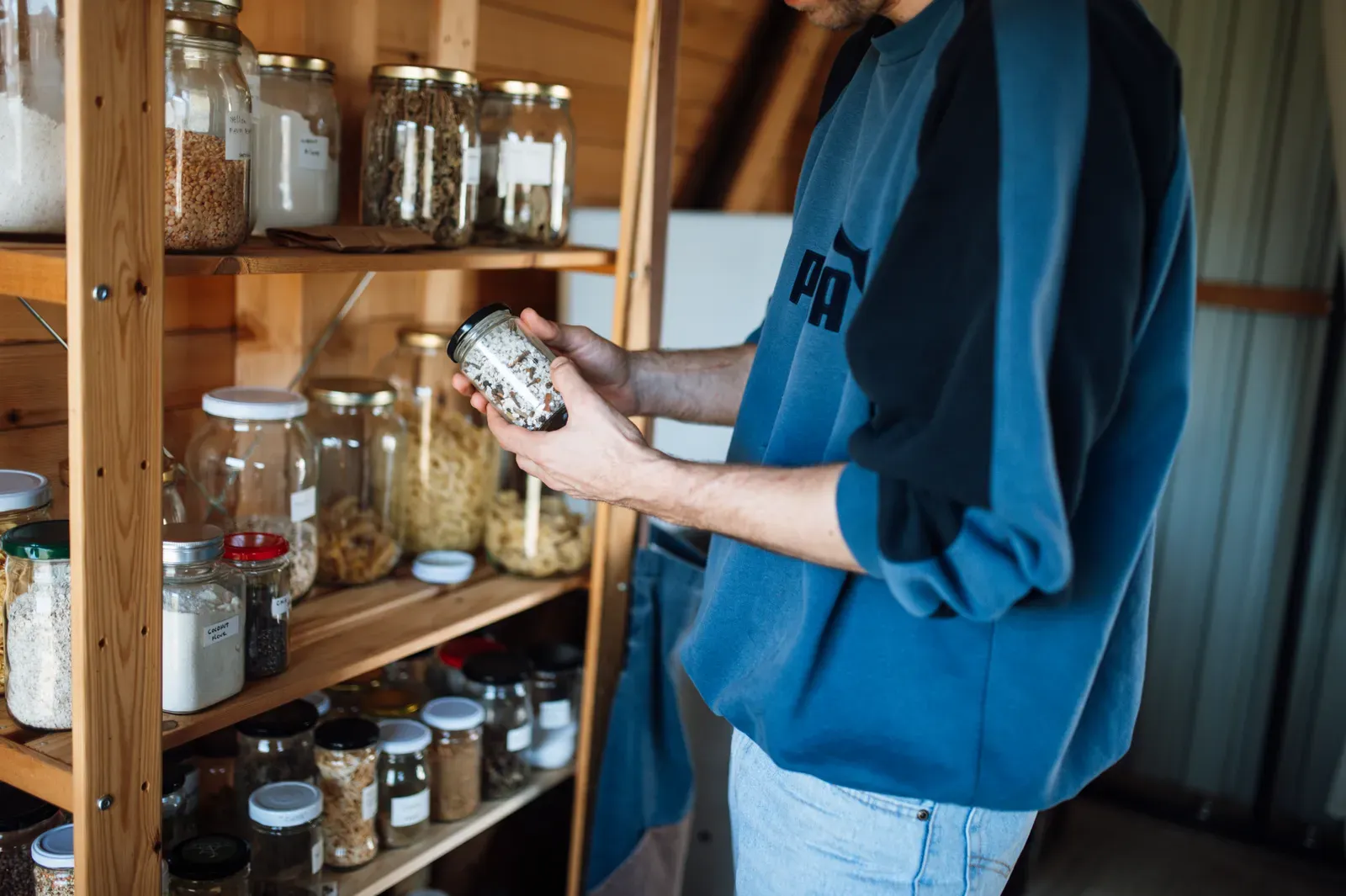
Professional kitchens use a rule called first in, first out, and it works just as well at home. New groceries go behind older ones, so the older items get used first. It’s a simple shift that cuts down on forgotten cans and stale crackers.
The stakes are real, too. The USDA’s Food Safety and Inspection Service explains that date labels on most foods relate to quality, not safety, so a product past its date often isn’t dangerous. Still, rotating stock means you’ll eat it while it tastes its best.
Decant Only What You Actually Use Up
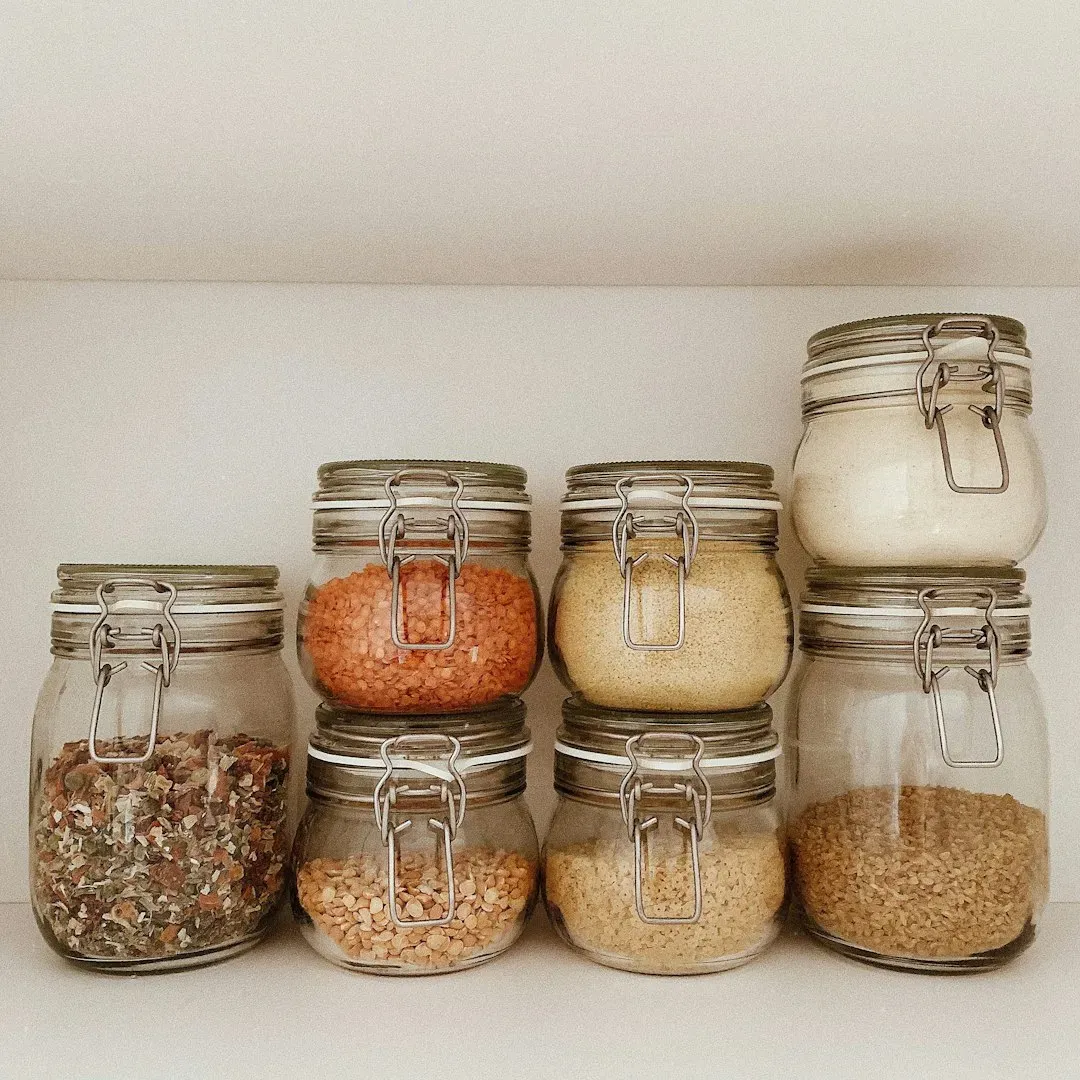
Clear containers look lovely, but they aren’t required for every product. I’d suggest decanting staples you buy in bulk and finish regularly, such as flour, sugar, oats, and pasta. Bags that are opened often tend to spill, tear, or attract pests.
Leave rarely used items in their original packaging. That way you keep the cooking instructions and expiration information on hand. Airtight containers also help protect dry goods from pantry pests like moths and beetles, which are a common nuisance in warm months.
Use a Weekly Ten Minute Reset

Pick one day, ideally just before grocery shopping, and spend a few minutes straightening up. Push items forward, return strays to their zones, and toss anything obviously spoiled. Doing it before shopping also shows you what you’re actually low on.
This tiny habit prevents the slow buildup that leads to big cleanouts. Think of it as brushing your teeth for your pantry. It’s dull, but it works.
Follow a One In, One Out Rule for Duplicates
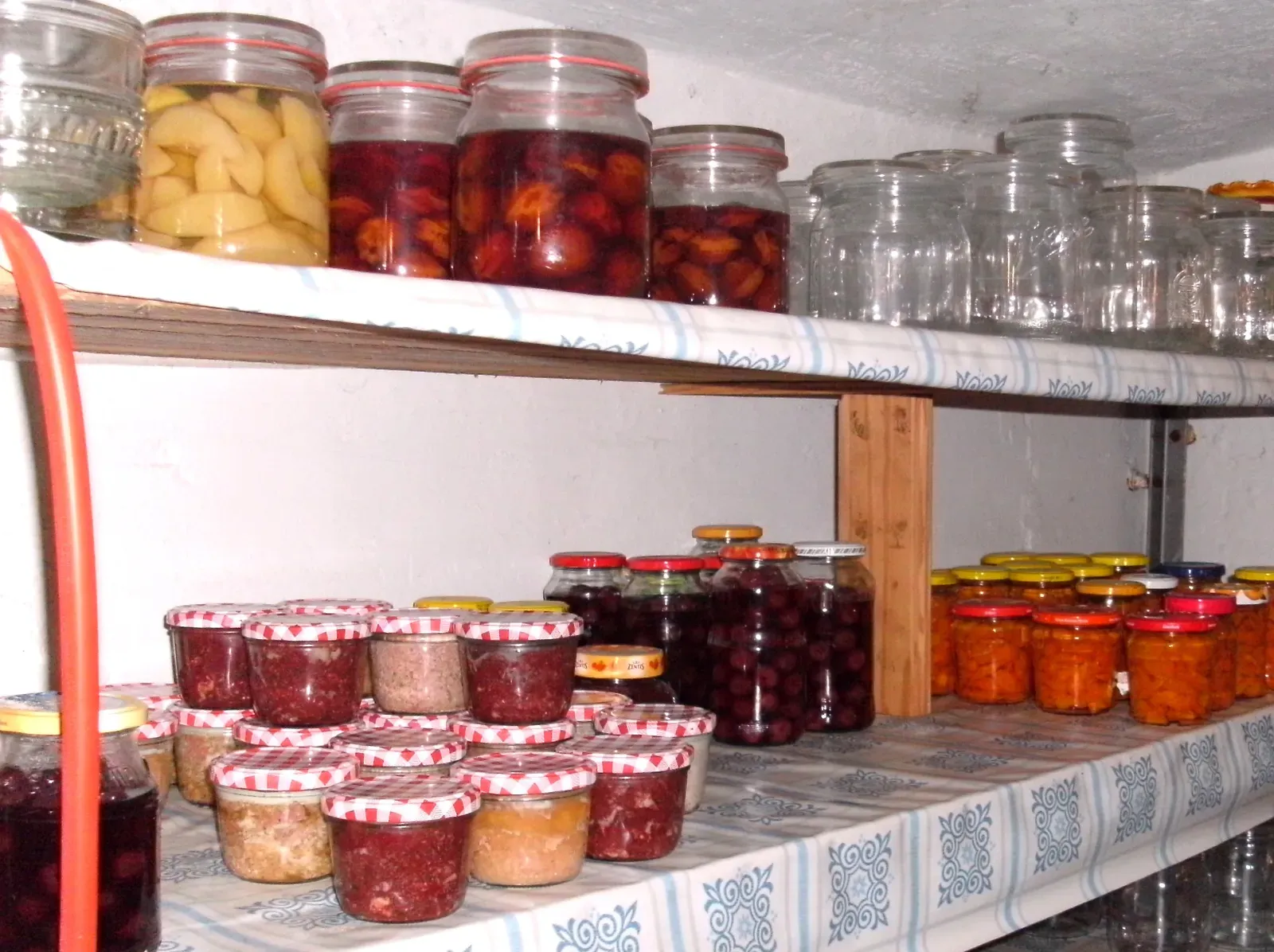
Duplicates are the quiet enemy of order. Extra jars of pasta sauce and three half-empty bags of chips take up space and hide what you own. When you bring a new item home, finish or donate the old version first, if you can.
This doesn’t mean you can’t stock up on things you use heavily. It means setting a sensible limit, such as two cans of tomatoes on the shelf, so the stockpile stays visible and manageable.
Label What Isn’t Obvious
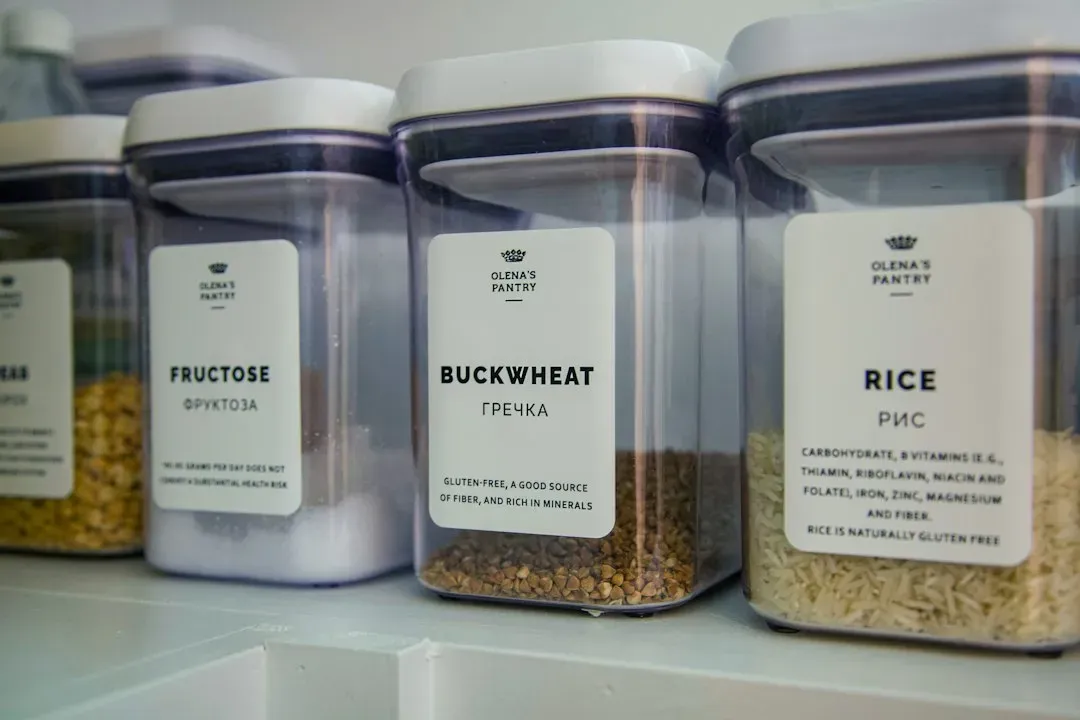
A label is most useful when a container hides its contents or when several products look alike. Flour, baking soda, and powdered sugar are the classic confusion trio. Add a note with the purchase or open date on anything you decant, so you know how long it’s been sitting.
Skip labeling everything, though. Shelf edges and bin fronts are enough. A simple marker and masking tape does the job, and it’s easy to change when your needs shift.
Measure Before You Buy Storage
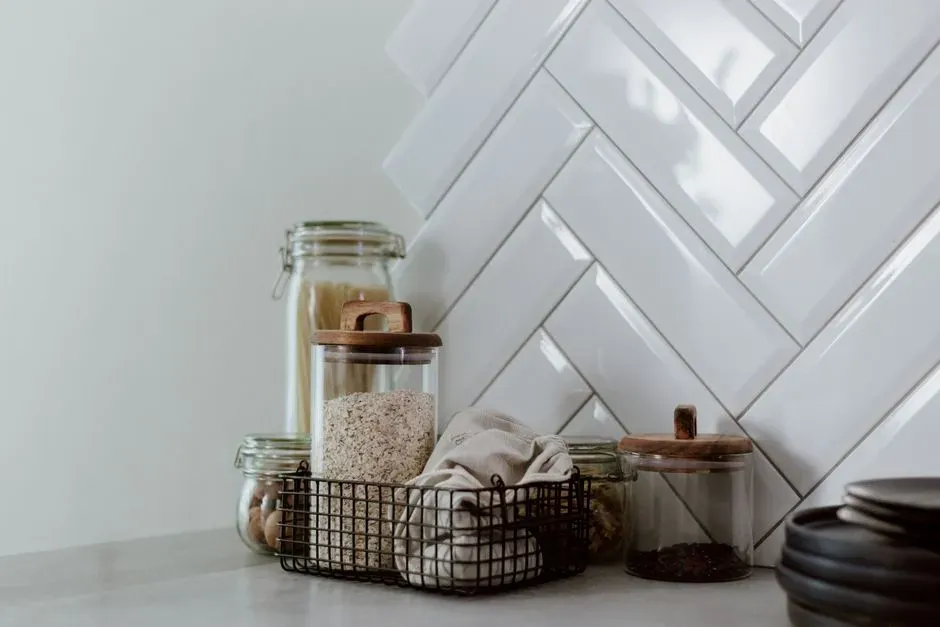
Buying bins before measuring is a common mistake. Check shelf depth, height, and width first, then choose containers that fit with a little room to spare. Stackable, square containers usually waste less space than round ones.
Also consider how you reach for things. Deep shelves benefit from pull-out drawers or turntables, while narrow shelves do well with risers. Storage should make grabbing an item easier, not add a step.
Do a Seasonal Check of Expired and Unused Food
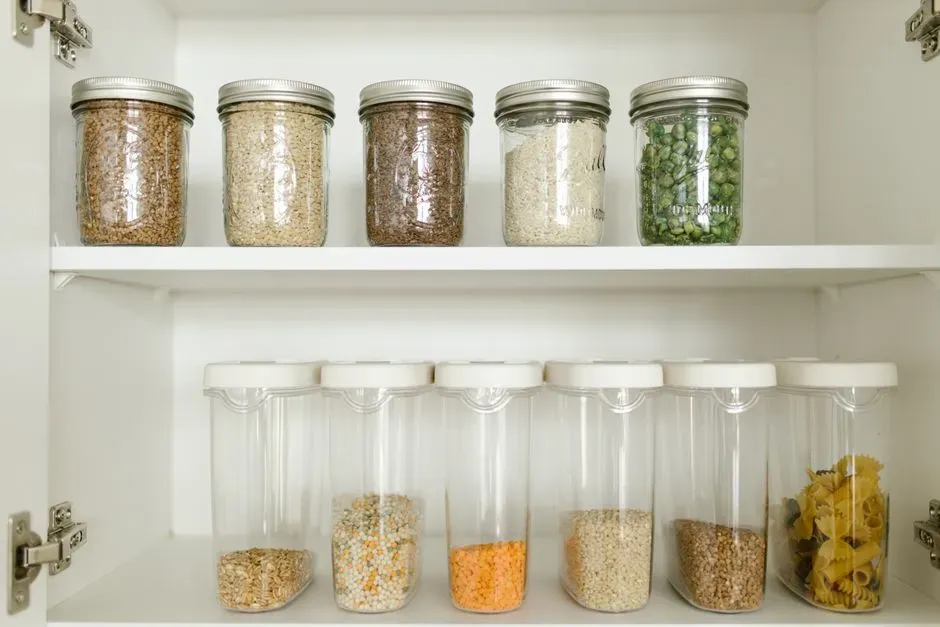
Four times a year, pull everything off one shelf at a time and wipe it down. Check dates, look for signs of pests, and set aside unopened items you know you won’t eat. Many food banks accept unopened, unexpired non-perishables, though it’s smart to check with the local one first.
Tie the check to something memorable, like the change of seasons or a time change. Anchoring it to a date makes it far more likely to happen. By the time you finish, the pantry usually needs only light upkeep for the next few months.




Leave a Reply