
Most of us have a few cans of carrots, peas or green beans sitting at the back of the pantry. They’re cheap and they keep, though they rarely get anyone excited. Julia Child had a different view of them.
The ingredient she reached for is not exotic, and it won’t surprise anyone who knows her cooking. What matters more is how she used it, and the details are worth getting right.
The Ingredient Is Butter
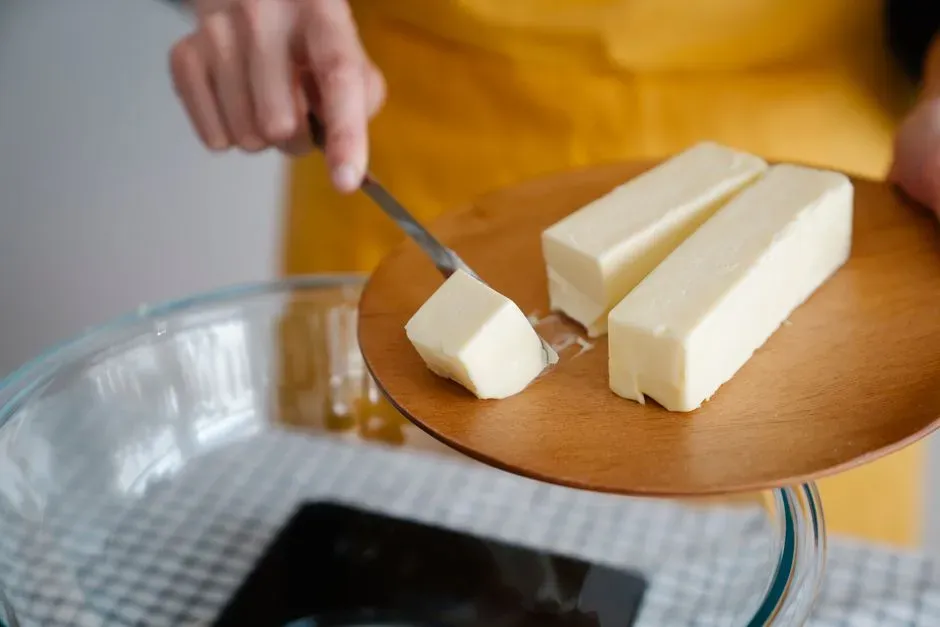
The trick comes down to one word, and it’s butter. The upgrade is butter, but it’s all about the preparation method. Simply stirring a pat into warmed vegetables isn’t the same thing.
On “The French Chef,” her tip was to strain canned vegetables and then sauté them in butter. It’s a short instruction, yet it changes how the vegetables taste and feel.
Not Served Straight From the Tin
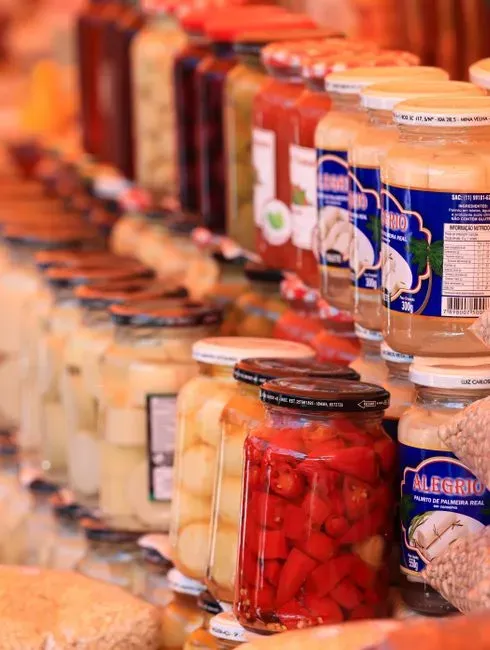
Child was not above canned vegetables, but she didn’t serve them simply warmed from the tin. She treated them as a starting point rather than a finished dish.
She liked to refresh them and dial up their flavor by sautéing the drained vegetables in butter. That small shift in mindset is the real lesson here.
Drain First, Then Cook
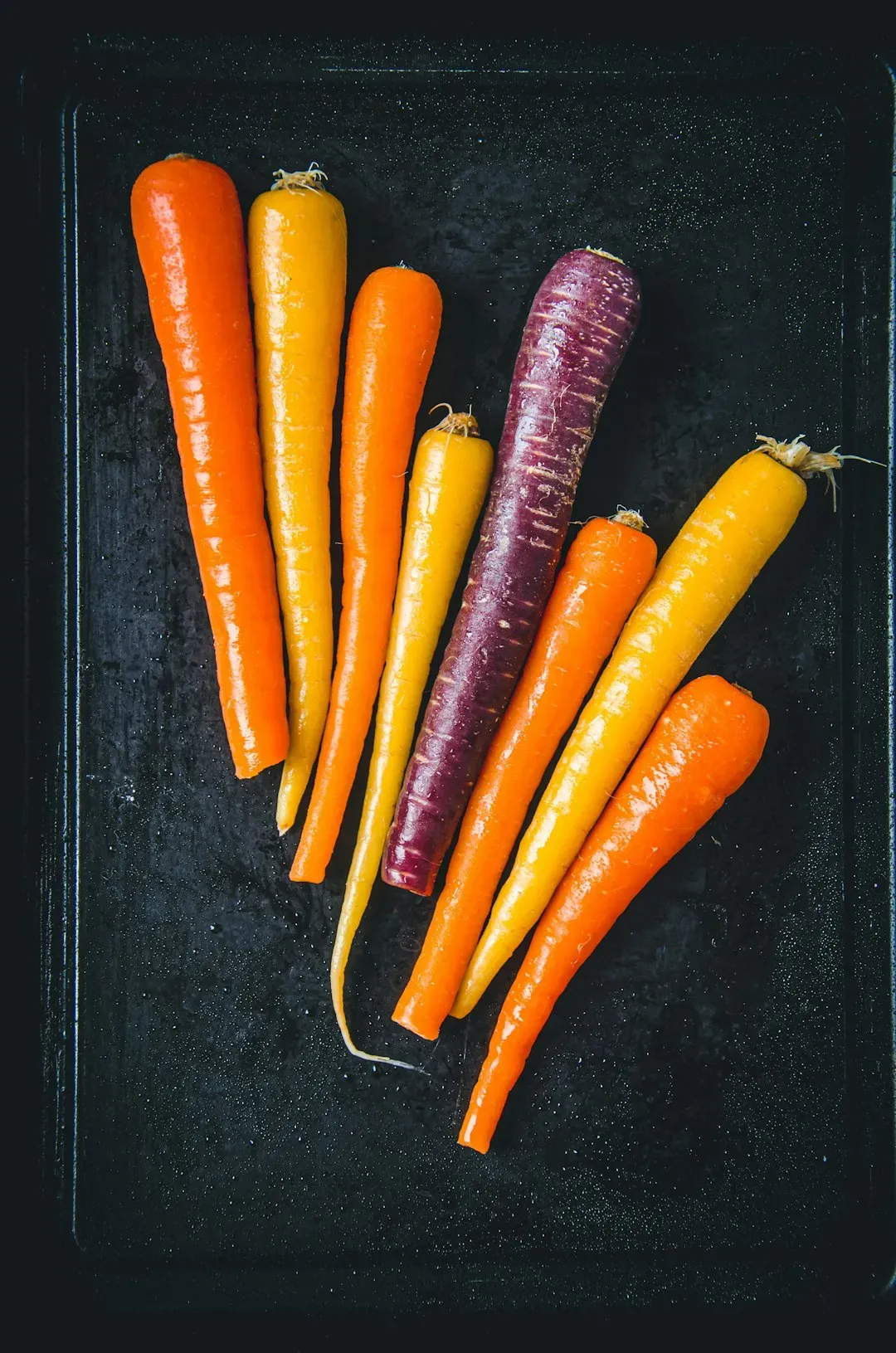
Child starts with a simple step, draining the carrots before cooking. Wet vegetables steam in the pan instead of browning, so getting rid of the canning liquid matters.
One related tip is to keep the liquid. The canning liquid can go into sauces and soups for a fuller vegetable flavor.
Getting the Butter Temperature Right
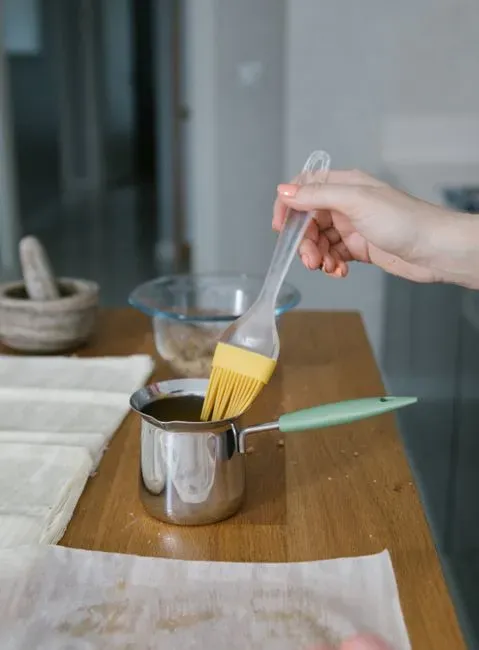
Timing is the part people tend to skip. Make sure the butter is fully melted and sufficiently hot.
The butter should be past the point where it stops foaming and before it starts browning. One write-up of her demonstration describes cooking the butter in a frying pan for about four minutes, until it has stopped foaming and is almost browning.
Why Browning Changes the Flavor
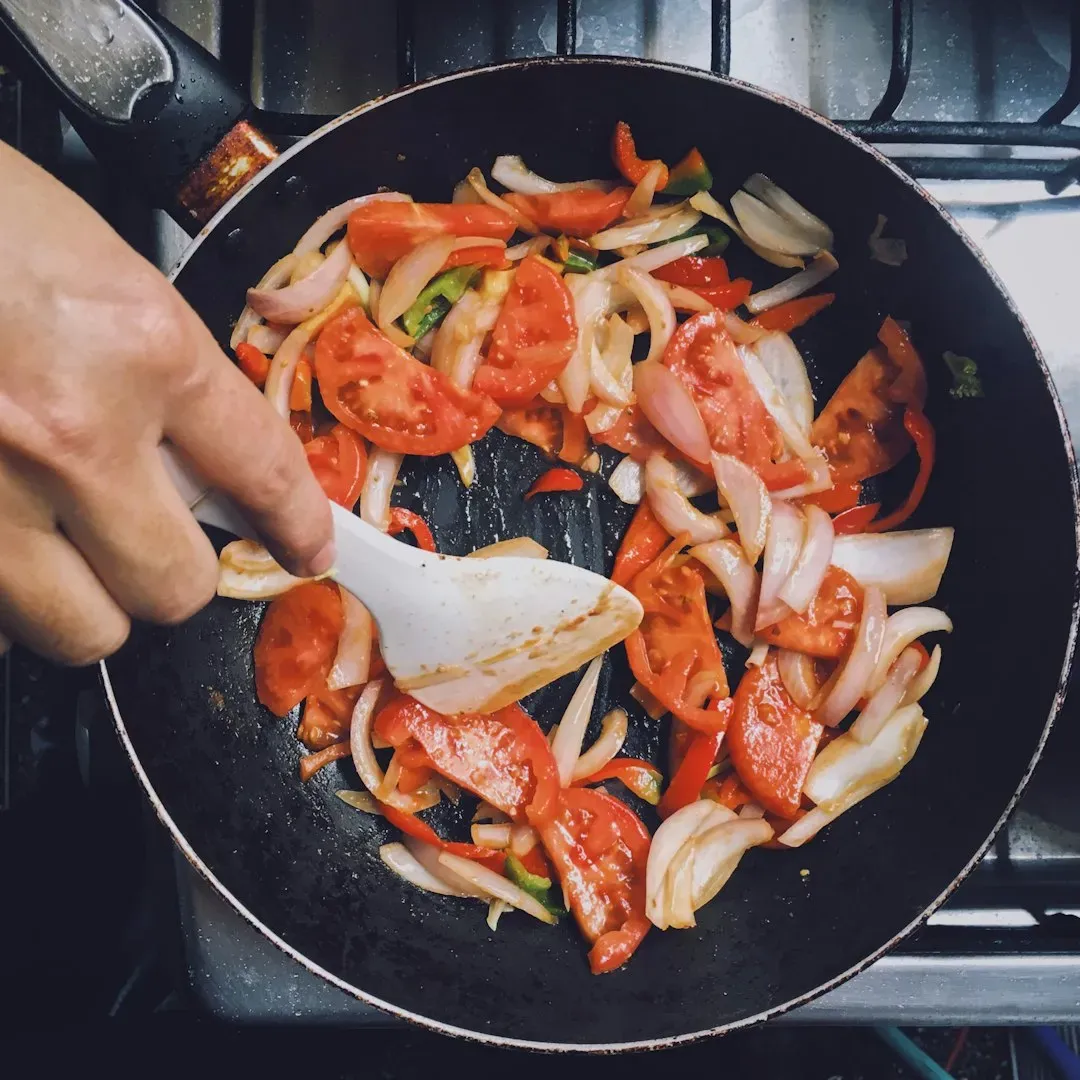
Canned vegetables are already cooked, so the pan’s job is to add something new. When they go into hot butter, they begin to brown and pick up a depth of flavor they couldn’t have straight from the can.
Butter helps in another way as well. Fat helps carry flavor across the palate. That’s part of why a plain can of vegetables can taste so flat on its own.
Use a Nonstick Pan
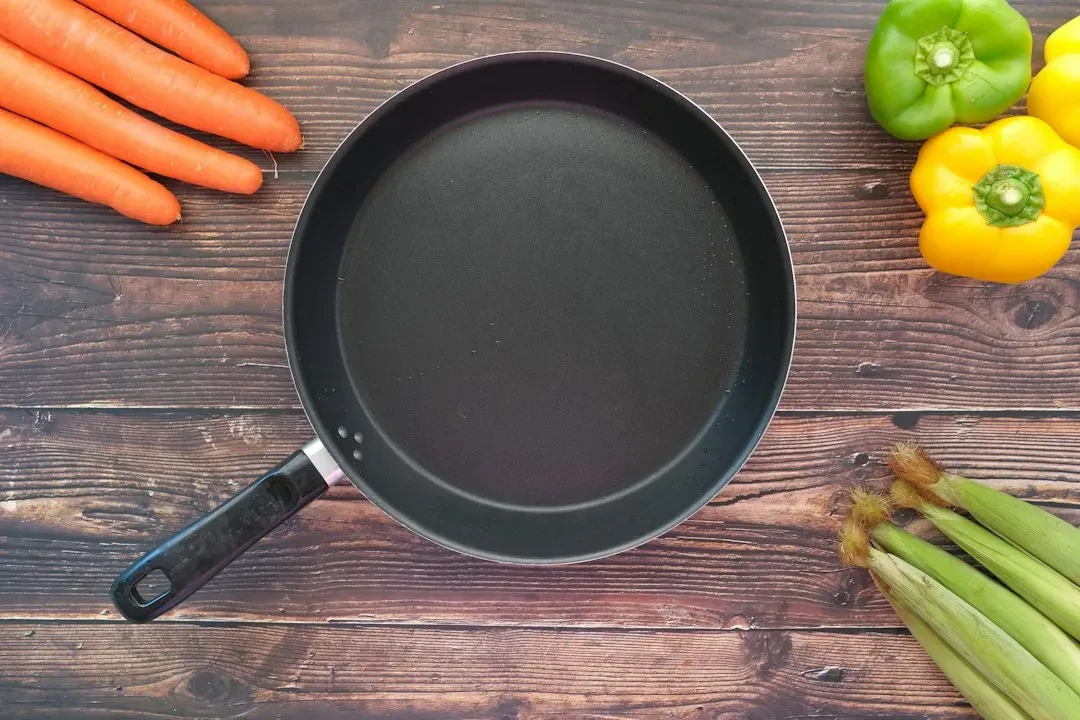
Child’s pan advice is practical. According to Child, it’s important to use a nonstick pan.
The reason is simple. Canned vegetables are soft and delicate, and if they stick to the pan, they won’t stand a chance. Gentle stirring helps too.
Finishing With Parsley and Scallions
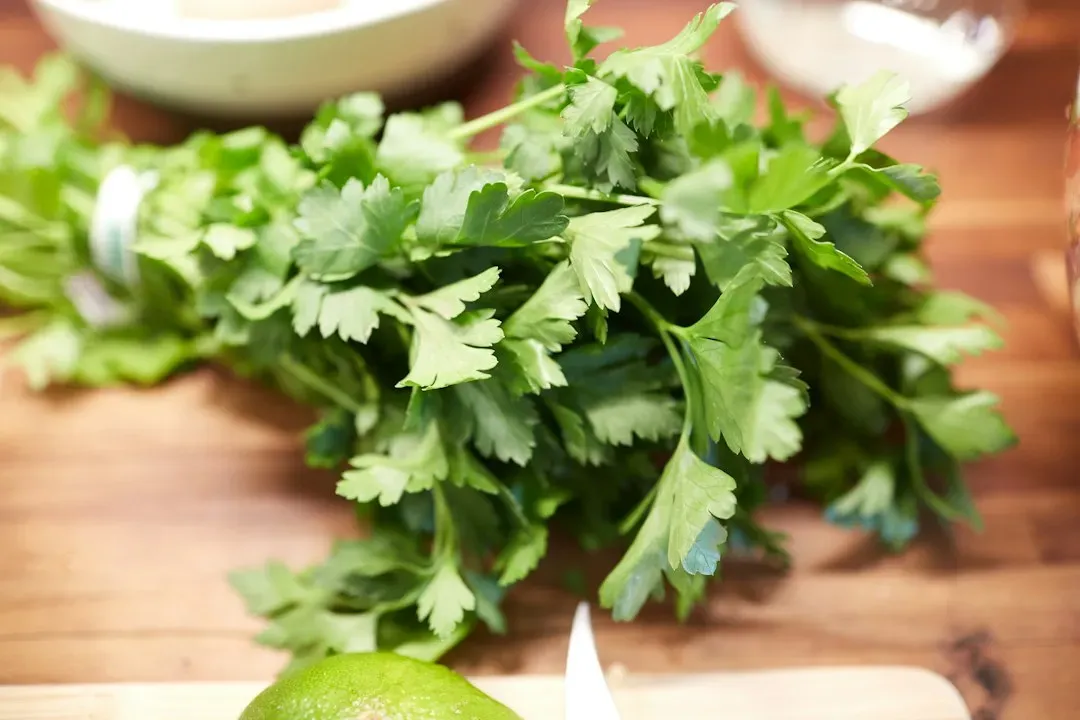
Once the vegetables have some color, they can be served as they are. Child recommended finishing them with a combination of fresh parsley and scallions.
The fresh herbs give a bright, green contrast to the rich butter. It’s a quick finish, and it makes a side dish look like you made an effort.
Dairy-Free Alternatives
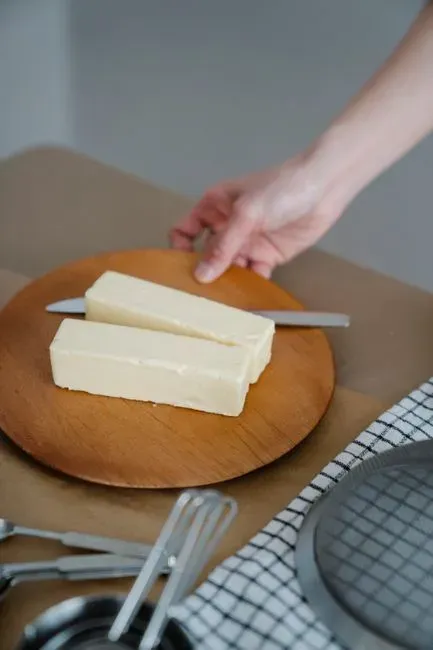
Not everyone wants butter. Vegan butter, olive oil or bacon grease work just as well, since the point is to brown the vegetables in a tasty fat.
The method stays the same with any of them. Heat the fat, add the drained vegetables, and let them take on color.
Which Canned Vegetables Work
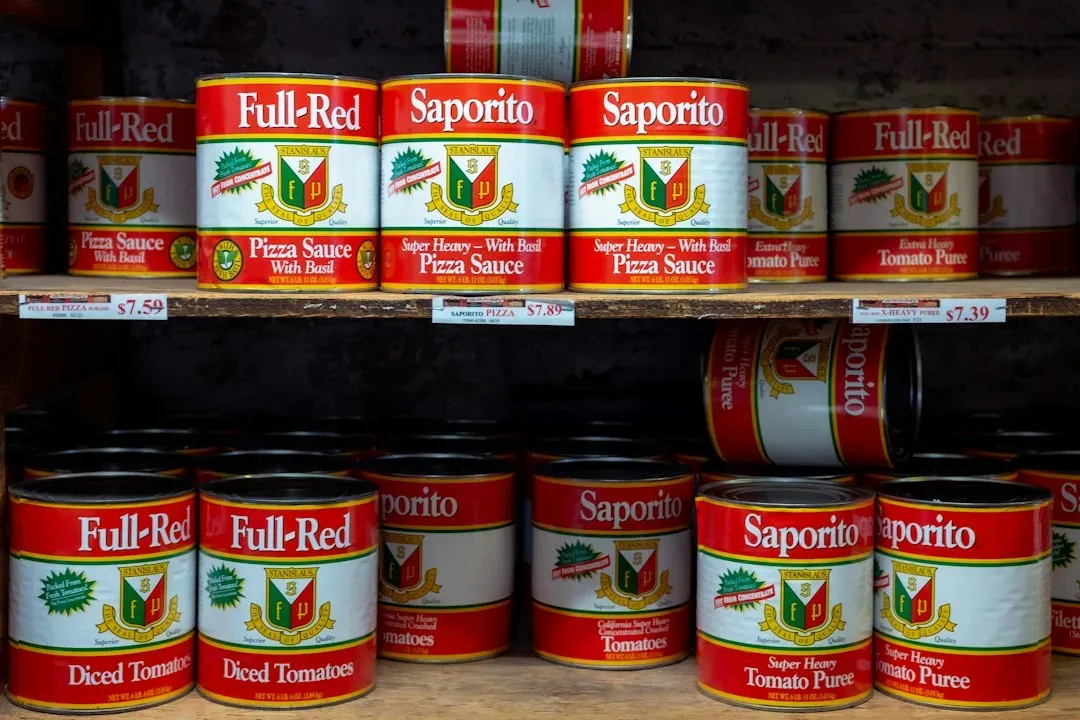
The approach isn’t limited to one vegetable. A recent roundup of the technique says it works with green beans, peas, carrots, corn, mushrooms and even potatoes.
That same piece suggests adding about a tablespoon of butter and a pinch of bouillon powder to a standard can. It also advises rinsing if you want to get rid of the salty canning liquid.
Treat Cans as Base Ingredients
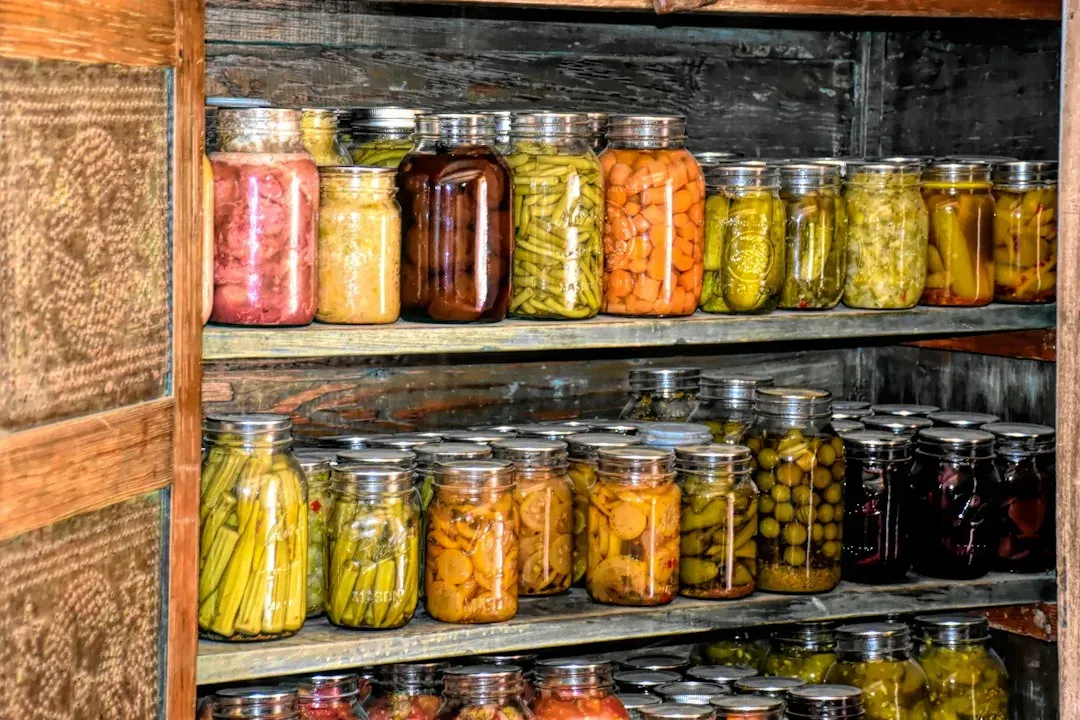
Child’s broader attitude is what gives the tip staying power. Her reported advice was to think of canned foods as base ingredients that you flavor up as nicely as you can.
Seen that way, the can is just the first step. Sautéing, seasoning and brightening canned vegetables with fresh herbs gives busy home cooks an elevated approach.




Leave a Reply