
There’s a certain kind of traveler you’ve probably met. They don’t have a wall of passport stamps as a screensaver. They won’t bore you with a slideshow at the dinner party. Yet somehow, when you actually ask where they’ve been lately, the answer quietly floors you. Mendoza. The Faroe Islands. A private villa on the Amalfi Coast. No fuss. No filters.
This is the world of low-key luxury travel, and it’s far more common than the Instagram highlights reel would suggest. The people who travel the best are often the ones who talk about it the least. So how do you actually spot them? Let’s dive in.
They Skip the Obvious Destinations – On Purpose
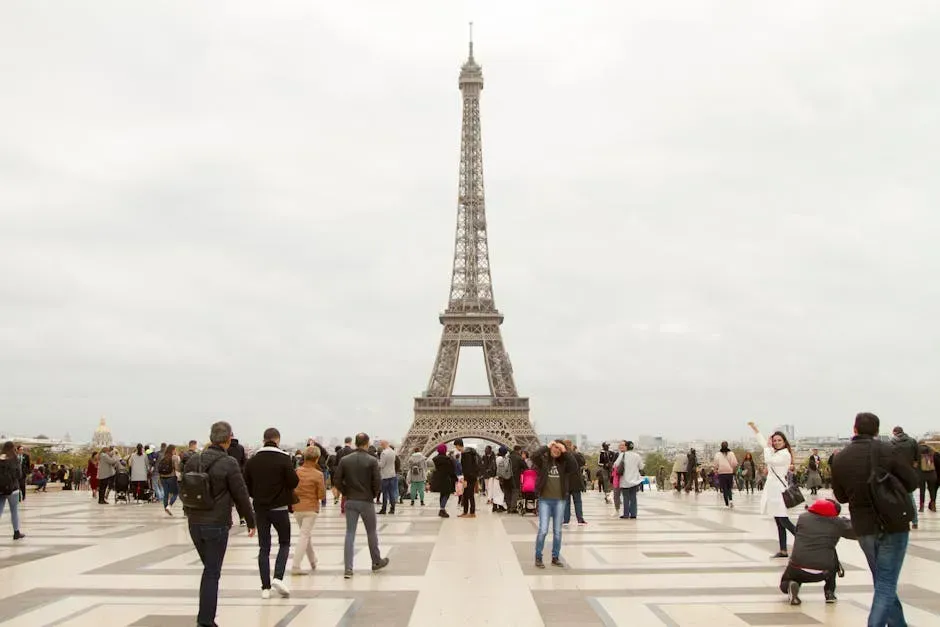
Here’s the thing about truly experienced travelers: they’ve already been to Paris three times. They’re not going back just to photograph the Eiffel Tower again. Their preferences are shifting toward unique, immersive experiences and lesser-known destinations, with places like Hokkaido in Japan, Mendoza in Argentina, and Mersa Matruh in Egypt emerging as sought-after hotspots.
This isn’t just a small niche group doing this. Some 63% of travelers said they are likely to visit an off-the-beaten-track destination on their next trip, according to Expedia’s “Unpack ’25,” a travel trend report which surveyed 25,000 respondents from 19 countries. Honestly, the shift feels tectonic. While iconic cities like London, Paris and Tokyo remain in demand, the fastest-growing destinations are often far from the typical tourist crowds.
Skift Research describes a type of traveler as “a mid-career aspiring jetsetter with the wealth and time to travel nearly anywhere but discriminating enough to not visit just anywhere,” with a strong passion for experiences that take them off the traditional travel pathways to less obvious destinations. That quiet woman at your office who just came back from Oman? She’s probably one of them.
They Spend Serious Money – Without Showing Off
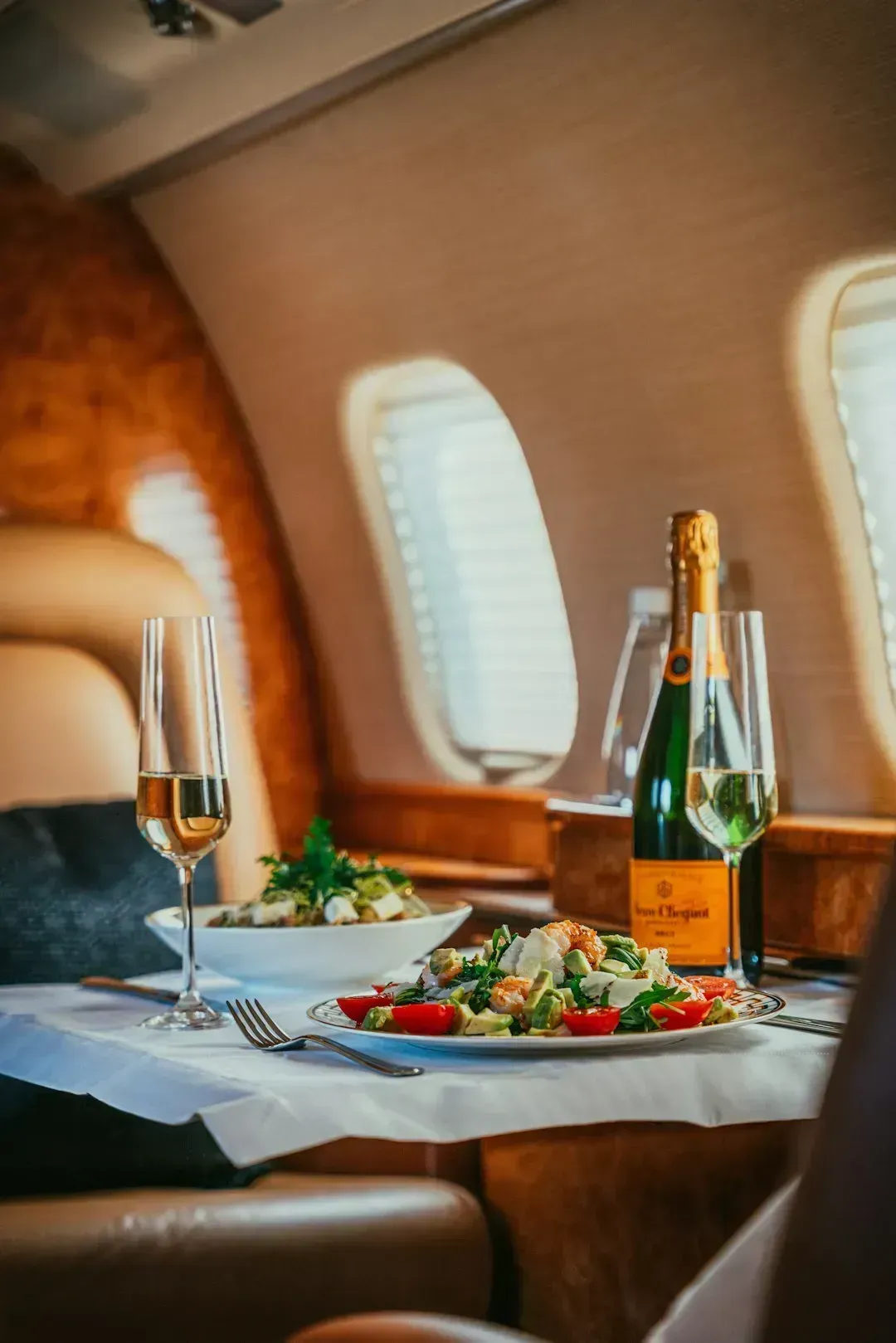
Think luxury travelers always arrive in branded luggage and post about their champagne tower at check-in? Think again. Ultra-high-net-worth individuals tend toward “quiet luxury”: remote, private destinations, such as private islands and safari camps, with white-glove, personalized service. The goal isn’t visibility. The goal is an experience that money can actually buy.
Luxury travelers typically spend between $10,000 and $24,999 per trip, according to the Luxury Travel Advisor report, with nearly half of respondents citing this range as the norm. Another 25 percent of clients spend between $25,000 and $49,999. That’s a staggering amount of money, yet many of these same people return home without a single social media post to show for it.
Those earning in the highest income brackets actually registered the lowest engagement rates in luxury travel discussions online, at just a fraction of a percent. This doesn’t mean the higher earners don’t travel; it simply means they don’t perhaps share as much about their experiences online as they’re more accustomed to this way of seeing the world. The silence is the giveaway.
They Travel More Often Than Anyone Realizes
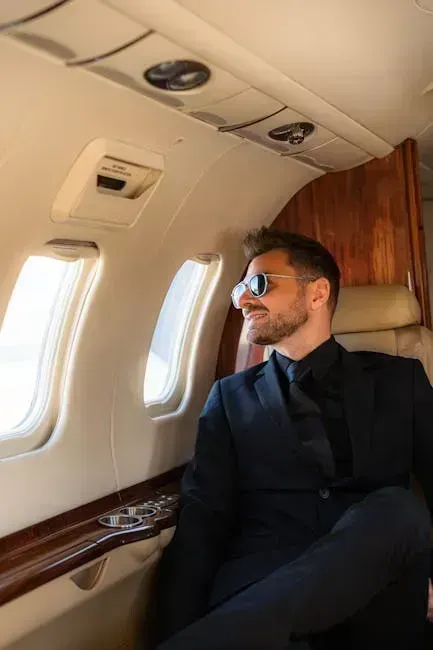
Low-key luxury travelers don’t do one big Instagram trip a year. They just travel, quietly and regularly, like breathing. According to the 2025 Luxury Travel Report by Preferred Hotels and Resorts, affluent travelers have an average of eight leisure trips planned in the next year, with three of those being international. That’s basically a trip every six weeks.
Affluent travelers tend to travel more often than average. Visa and YouGov data show wealthy consumers plan nearly twice as many trips as non-affluents over 12 months. Meanwhile, luxury travelers engage in travel twice as frequently as other travelers, with a notably higher interest in recognized brands and personalization, according to Simon-Kucher’s 2024 global travel survey of more than 5,400 respondents.
They’re not chasing a once-in-a-lifetime experience. They’re building a life full of them. I think that’s the part most people overlook – it isn’t one grand adventure. It’s a quiet, consistent pattern of going.
They Obsess Over Bespoke – Not Brand Names
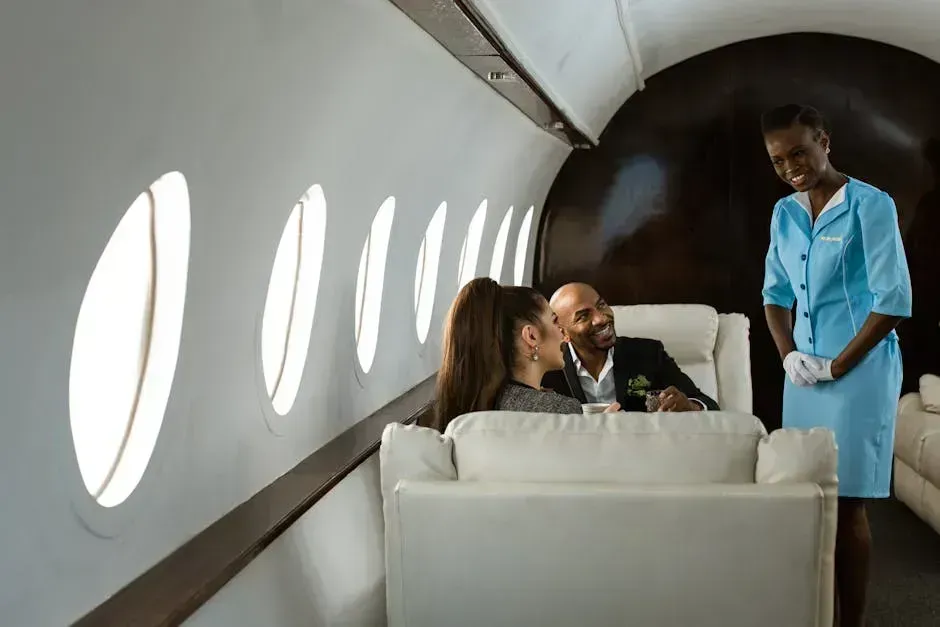
Let’s be real: a genuinely sophisticated traveler isn’t dropping names of hotels. They’re describing experiences. A private cooking lesson in Tuscany. A dawn camel trek with a local guide in Morocco. A marine biologist-led dive in the Maldives. The modern ultra-high-net-worth traveler isn’t just looking for a beautiful destination – they crave experiential, deeply personal journeys. Think truffle hunting in Tuscany, followed by a Michelin-starred dinner prepared at your private villa, or a one-on-one masterclass with a world-renowned sommelier in Bordeaux.
According to the Marriott report, 93% of travelers surveyed now expect every detail of a trip to be tailored to their preferences, up from 83% the previous year. Personalization has moved from a perk to a baseline expectation. Bespoke itineraries, exclusive access and VIP treatment are expected both online and in person, while authenticity through local culture, cuisine and meaningful connections remains a top priority.
Customized and private vacations accounted for a revenue share of over 27% in 2024, driven by a growing demand for personalized travel experiences that cater to individual preferences. These aren’t packaged tours. These are journeys designed from scratch, often months in advance, with a dedicated travel advisor at the helm.
They Choose Privacy Over Prestige
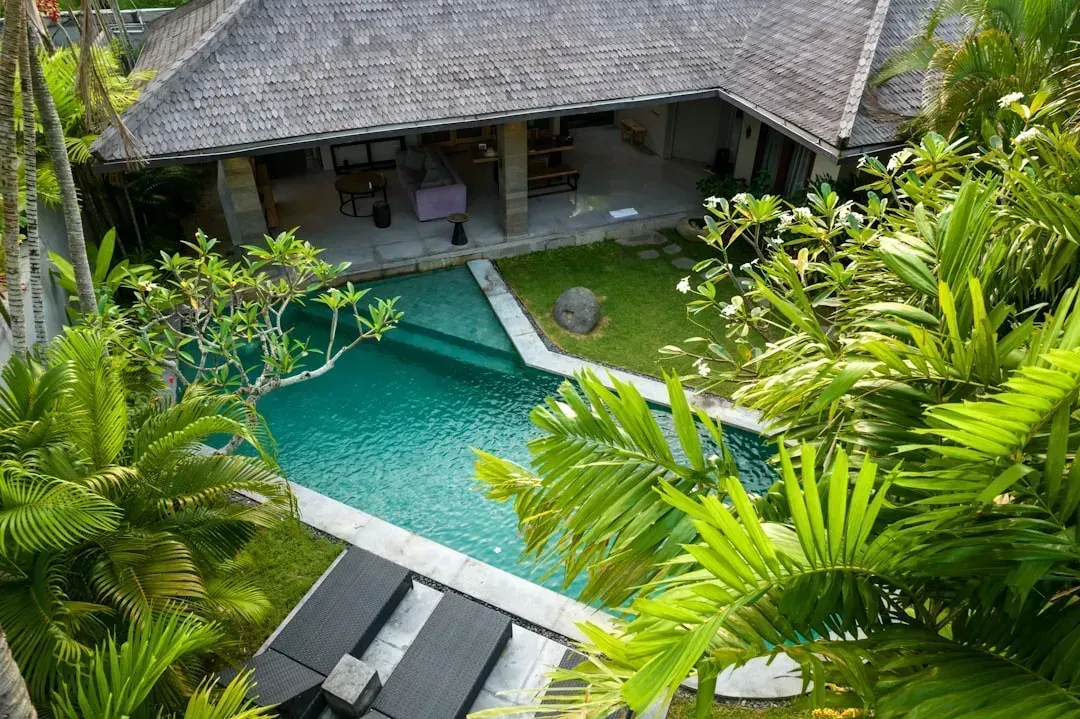
The low-key luxury traveler isn’t staying at the hotel everyone talks about. They’re renting the villa no one’s heard of, staffed with a private chef, a housekeeper, and a car. Wealthy travelers choose destinations where privacy, access, and service can be controlled – often through fully staffed private villas, private-use estates, and discreet concierge-led experiences.
The ultra-rich of the world are becoming more selective when it comes to their travel. According to Globetrender’s “Luxury Traveller Journey Scale,” while new-money travelers are eager to quickly tick off bucket locations, the top-tier travelers who have already seen the world twice over are now seeking curated itineraries, obscure locales, and exclusive experiences in 2025.
This growing trend focuses on disconnecting from the hustle of everyday life and embracing relaxation in private vacation rentals. Travelers are seeking peaceful retreats where they can unwind and recharge without the pressure of constant connectivity or social media updates. Privacy, it turns out, is the new status symbol.
They’re Driven by Experience, Not Ego
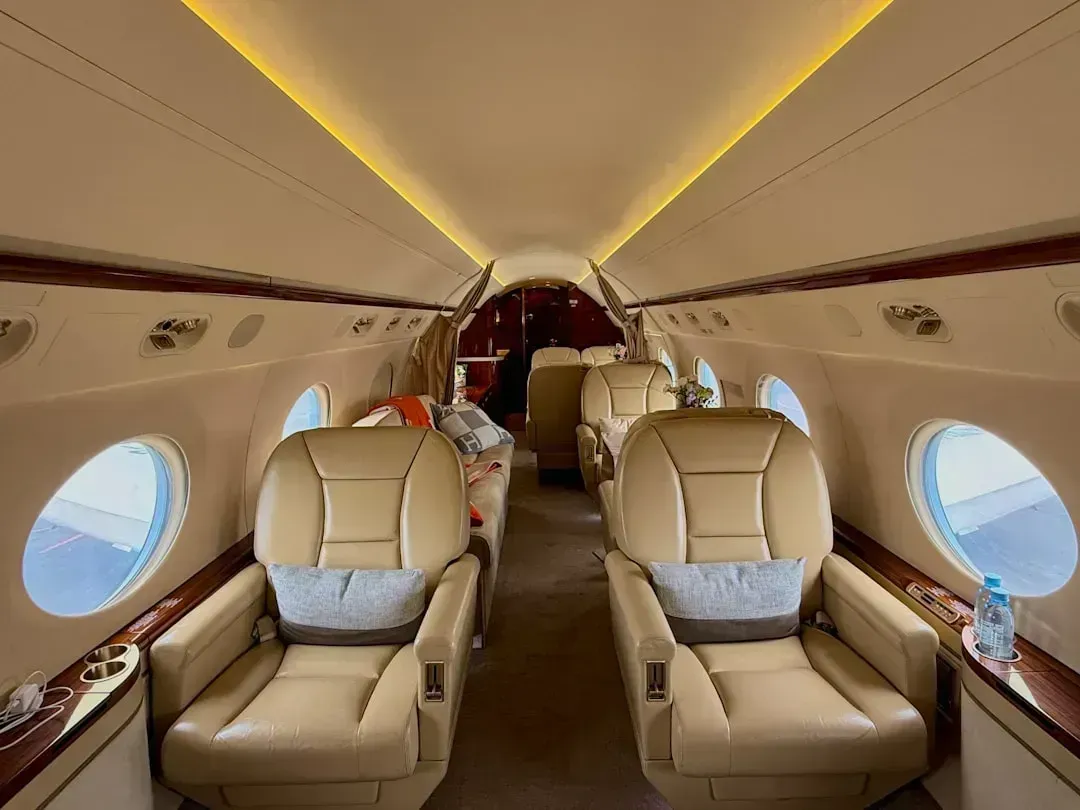
Something genuinely interesting has happened in the psychology of high-end travel over the past few years. Showing off has become gauche. Rather than focusing solely on exclusivity, the new affluent traveler seeks value in meaningful experiences, emotional connections, and environmental responsibility. That’s a massive cultural shift – and it’s real.
Today’s luxury traveler values authenticity, sustainability, and personalization over traditional symbols of status. Spending time with family and loved ones, discovering new destinations, and seeking transformative experiences were cited as the top three reasons for luxury travel in a 2024 survey of top travel advisors. Not a trophy. Not a flex. A feeling.
Luxury travelers are scaling back, not in spend, but in volume. 2025 was all about high-return, emotionally resonant trips. Luxury travelers are opting to travel less but still spend the same when they do. It’s quality distilled down to its purest form. Think fewer trips, deeper roots, longer memories.
They’re Quietly Reshaping Where the World Goes Next
Here’s something worth pausing on. The low-key luxury traveler isn’t just a personality type. Affluent consumers, defined as households earning over $200,000 per year, are having an outsized impact on global travel trends despite broader economic slowdowns and affordability challenges. Although they represent only a small portion of the population, they account for as much as one in every four dollars spent on travel globally.
IATA’s 2024 World Air Transport Statistics Report showed that international premium class travel grew by nearly 12%, outpacing growth in global economy travel. The total number of international premium-class travelers in 2024 was 116.9 million, representing about 6% of total international passengers. A small group, enormous footprint. It’s hard to say for sure where the next wave of discovery will land, but travelers from emerging markets are gravitating toward destinations with distinctive cultural appeal, natural beauty, and elevated experiences – reshaping what “luxury travel” looks like around the world.
This shift is particularly prominent among Gen Z and Millennial high-net-worth individuals, who now favor immersion, purpose, and authenticity. These generations are already commanding a larger share of discretionary wealth, supported by a historic $84 trillion intergenerational wealth transfer set to occur in the United States by 2045. The quiet traveler of today is already writing the future map of where the world will want to go tomorrow.
Conclusion

Low-key luxury travel isn’t really about secrecy. It’s about intention. The people doing it best have simply realized that the experience matters far more than the audience. No hashtag captures what it feels like to eat with a local family in rural Japan, or to watch a sunrise over a private lagoon in the Maldives with no other soul in sight.
The global luxury travel market is on an extraordinary upward curve, projected to grow into the trillions over the coming decade, driven by a growing class of travelers who want more meaning and less noise. The quiet ones, it turns out, are often the ones who have figured it all out.
Do you know someone who fits this description? Or maybe, just maybe, you’re one of them yourself – and you haven’t told anyone. What do you think? Tell us in the comments.




Leave a Reply