
Sunbathing for a “healthy glow”
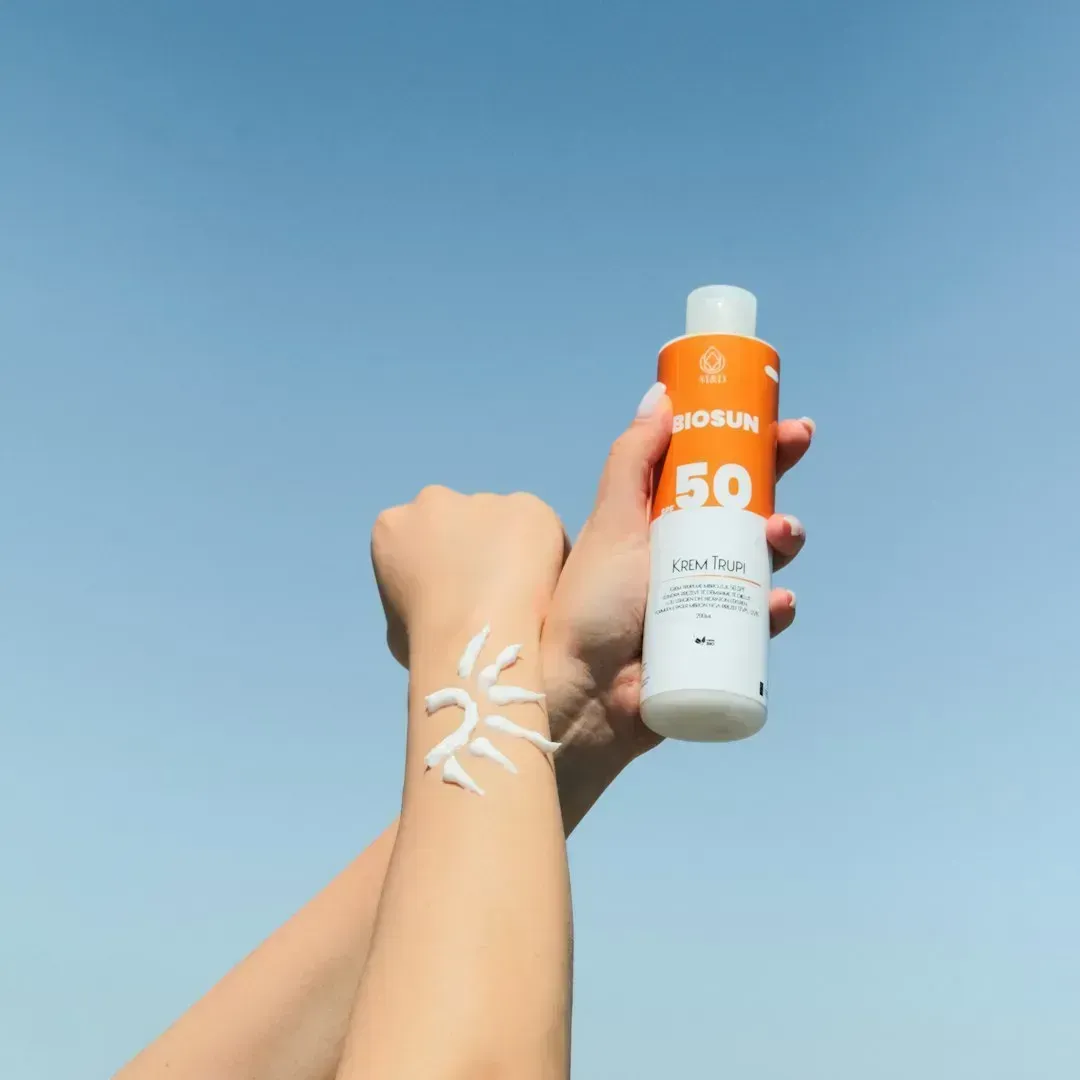
For decades, a deep tan was treated as a sign of vitality rather than a risk. Many boomers grew up applying baby oil instead of sunscreen, chasing the kind of bronzed look that magazines and beach culture celebrated at the time. Tanning was framed as something the body needed, almost like a vitamin ritual rather than a cosmetic choice.
Dermatologists have spent the last few decades reversing that message, tying UV exposure directly to premature aging and skin cancer risk. Younger generations, raised on SPF reminders and skin cancer awareness campaigns, are far more likely to see a tan as a cosmetic risk rather than a health marker. The generational gap here isn’t stubbornness so much as a shift in what “healthy skin” is even supposed to look like.
Powering through pain instead of resting

A common boomer instinct is to keep moving through minor injuries, treating rest as something close to laziness. This mindset was shaped by a work culture that rewarded stoicism and saw taking a sick day or nursing a sprain as a sign of weakness. The phrase “walk it off” wasn’t just advice, it was practically a life philosophy.
Physical therapists today generally push back on this approach, especially for soft tissue injuries where early rest supports better healing. Younger adults, more exposed to sports medicine content and injury-prevention messaging, tend to treat rest as a legitimate part of recovery rather than an excuse. It’s less about toughness and more about understanding what the body actually needs to repair itself.
Heavy reliance on multivitamins

Popping a daily multivitamin has been a near-universal ritual for boomers, often taken on faith rather than based on any specific deficiency. The habit took off in the mid-20th century when vitamin marketing convinced entire households that a pill could cover whatever their diet might be missing. For many, it became as automatic as brushing their teeth.
Large-scale studies over the past two decades have repeatedly failed to show clear benefits from multivitamins for healthy adults without diagnosed deficiencies. Younger consumers, more likely to research supplements before buying them, often skip the daily multivitamin in favor of targeted nutrients like vitamin D or specific blood-test-driven choices. It’s a shift from blanket insurance to a more evidence-based approach to supplementation.
Using mentholated rubs for everything
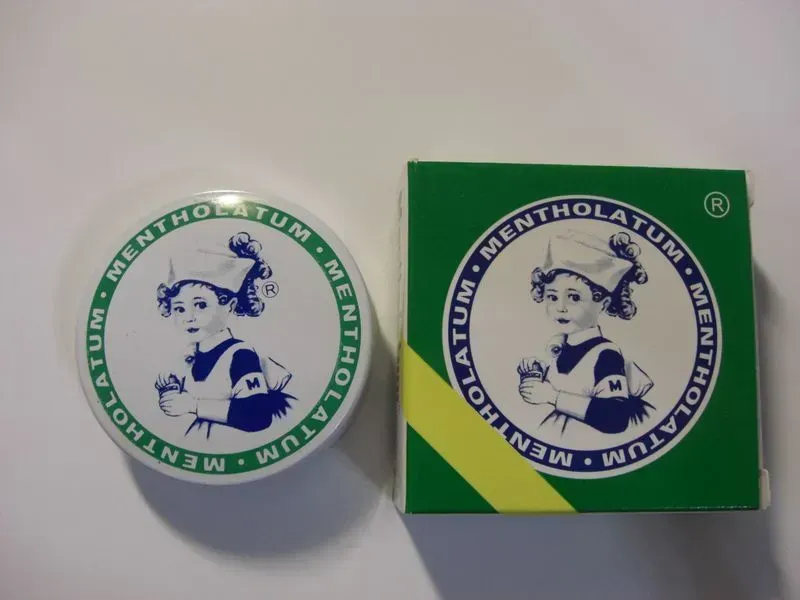
Menthol-based chest rubs have a near-mythical status among boomers, used for colds, sore muscles, headaches, and sometimes just general malaise. The scent alone seems to carry a placebo-like comfort, tied to childhood memories of being cared for during illness. It became a household staple that got passed down almost automatically.
Modern medicine acknowledges menthol can offer mild symptomatic relief for congestion, but it isn’t treated as a cure-all the way older generations sometimes use it. Younger people tend to reach for more targeted over-the-counter treatments or evidence-backed remedies rather than a single product for every ailment. The rub still has fans, just fewer people asking it to do quite so much work.
Low-fat, high-sugar dieting

The low-fat diet craze that dominated the 1980s and 1990s left a lasting mark on boomer eating habits, with many still gravitating toward “low-fat” labels as a shorthand for healthy. This era encouraged food companies to strip fat out of products and replace it with added sugar to maintain flavor, a swap that wasn’t well understood by consumers at the time. Margarine over butter, skim milk over whole, and fat-free snacks became default choices.
Nutrition science has since shifted substantially, with more emphasis now placed on sugar intake and overall food quality rather than fat content alone. Younger generations, influenced by whole-food and macro-tracking trends, are generally more comfortable with moderate fat intake and more wary of added sugars. The pendulum swung, and a lot of younger eaters simply grew up on the other side of it.
Home remedies over medical consultation
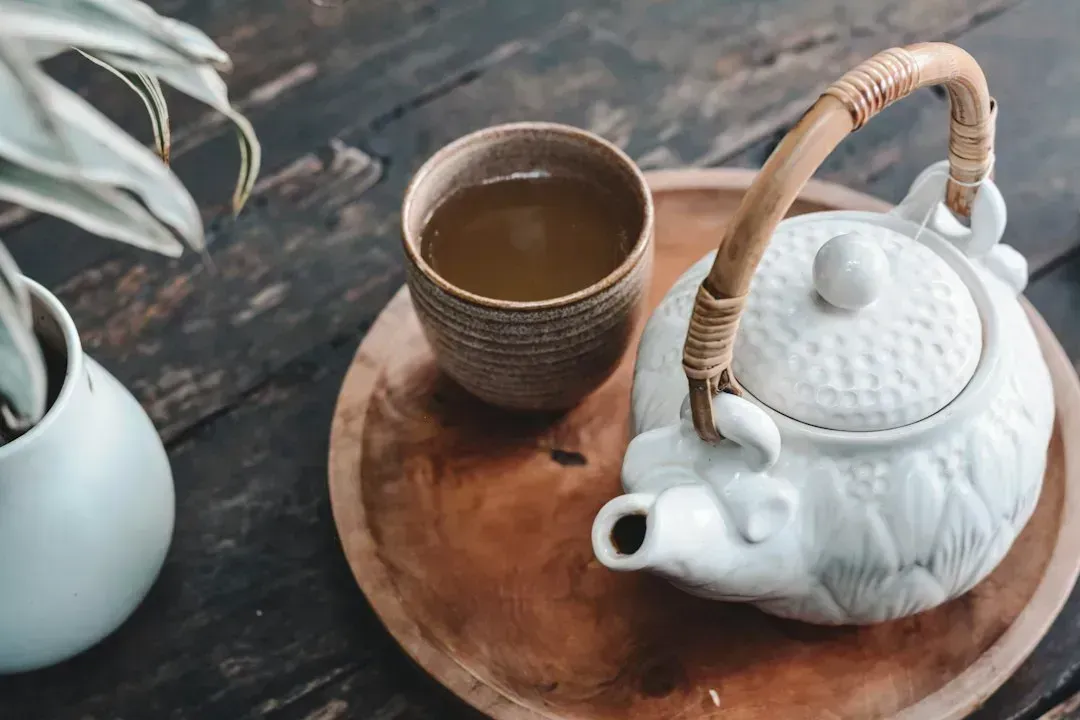
Many boomers default to home remedies before considering a doctor’s visit, treating things like chicken soup, saltwater gargles, or specific teas as first-line treatment for minor illnesses. This habit often reflects a generation raised with less convenient access to healthcare and a cultural norm of “toughing it out” before seeking help. It wasn’t unusual to try several home fixes before ever picking up the phone to call a clinic.
Younger adults, especially those with access to telehealth and walk-in clinics, tend to seek professional advice earlier, partly because it’s simply more convenient than it used to be. There’s also generally more skepticism among younger people toward remedies that lack any clear scientific backing. Neither generation is entirely right or wrong here, but the threshold for “when to call a doctor” has clearly moved.
Extreme detox diets and cleanses

Detox teas, juice cleanses, and colon cleanses had a strong foothold in boomer wellness culture, often framed as a way to “reset” the body after indulgence. The appeal was rooted in a simple, almost mechanical idea of the body accumulating toxins that needed periodic flushing out. It fit neatly into a broader wellness narrative that prized dramatic, visible results.
Medical experts have long pointed out that the liver and kidneys already handle detoxification without help from special teas or juices. Younger consumers, more attuned to debunking content on social media, are often quicker to dismiss detox products as marketing rather than medicine. The wellness industry still sells the idea, but the audience buying into it skews noticeably older.
Skipping sunscreen on cloudy or cooler days
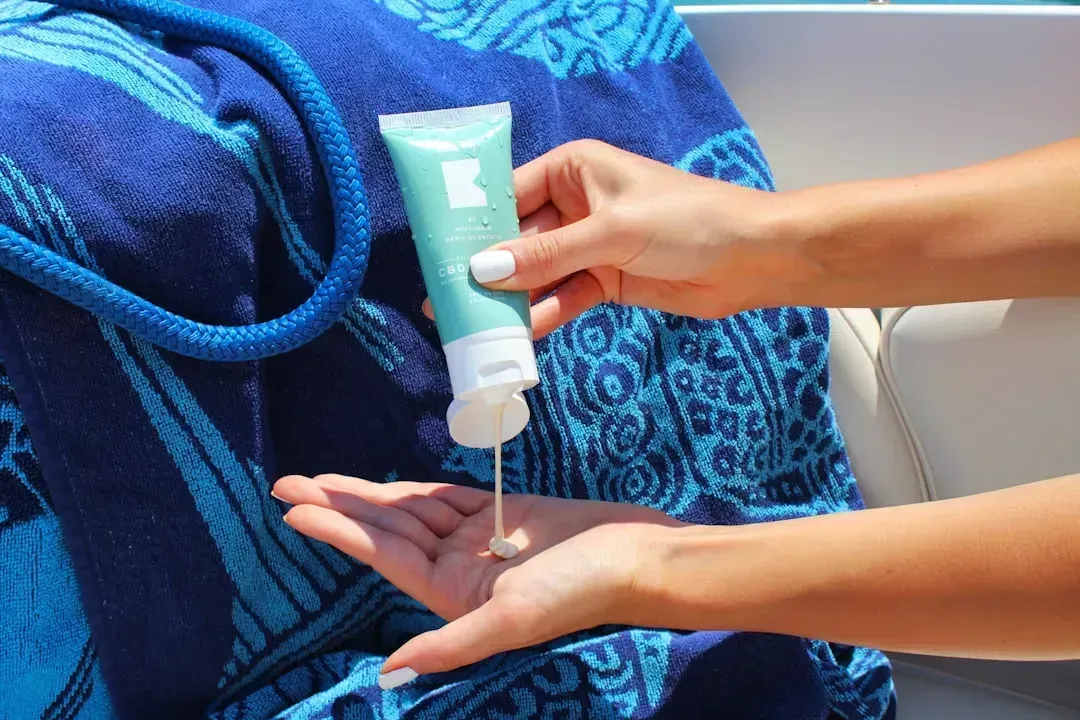
Many boomers associate sun protection strictly with hot, sunny weather, skipping sunscreen entirely on overcast or cooler days. This idea took hold before UV index reporting and skin cancer awareness campaigns became mainstream, when sunburn risk was judged mostly by how warm or bright a day felt. It’s an understandable assumption, just not an accurate one.
Dermatological guidance now makes clear that UV rays penetrate cloud cover and can cause skin damage even when temperatures are mild. Younger generations, having grown up with year-round SPF messaging in skincare routines and beauty products, are far more likely to apply sunscreen daily regardless of weather. It’s one of those quiet habits where the science moved faster than old assumptions did.
Trusting fad exercise machines and gadgets

From vibrating belts to spot-reduction gadgets, boomers came of age during an era when infomercials sold quick-fix fitness equipment as legitimate solutions. These products promised toned muscles or fat loss with minimal effort, and many households ended up with at least one such device tucked in a closet. The appeal was obvious: fitness without the grind of consistent exercise.
Exercise science has since made clear that spot reduction isn’t how fat loss works, and that sustainable fitness relies on consistent strength training and cardiovascular activity. Younger people, shaped by fitness influencers and more accessible exercise science content, are generally more skeptical of gadgets promising shortcuts. The infomercial era hasn’t fully disappeared, but its audience has aged along with the product line.
Heavy salt and processed meat consumption without much concern
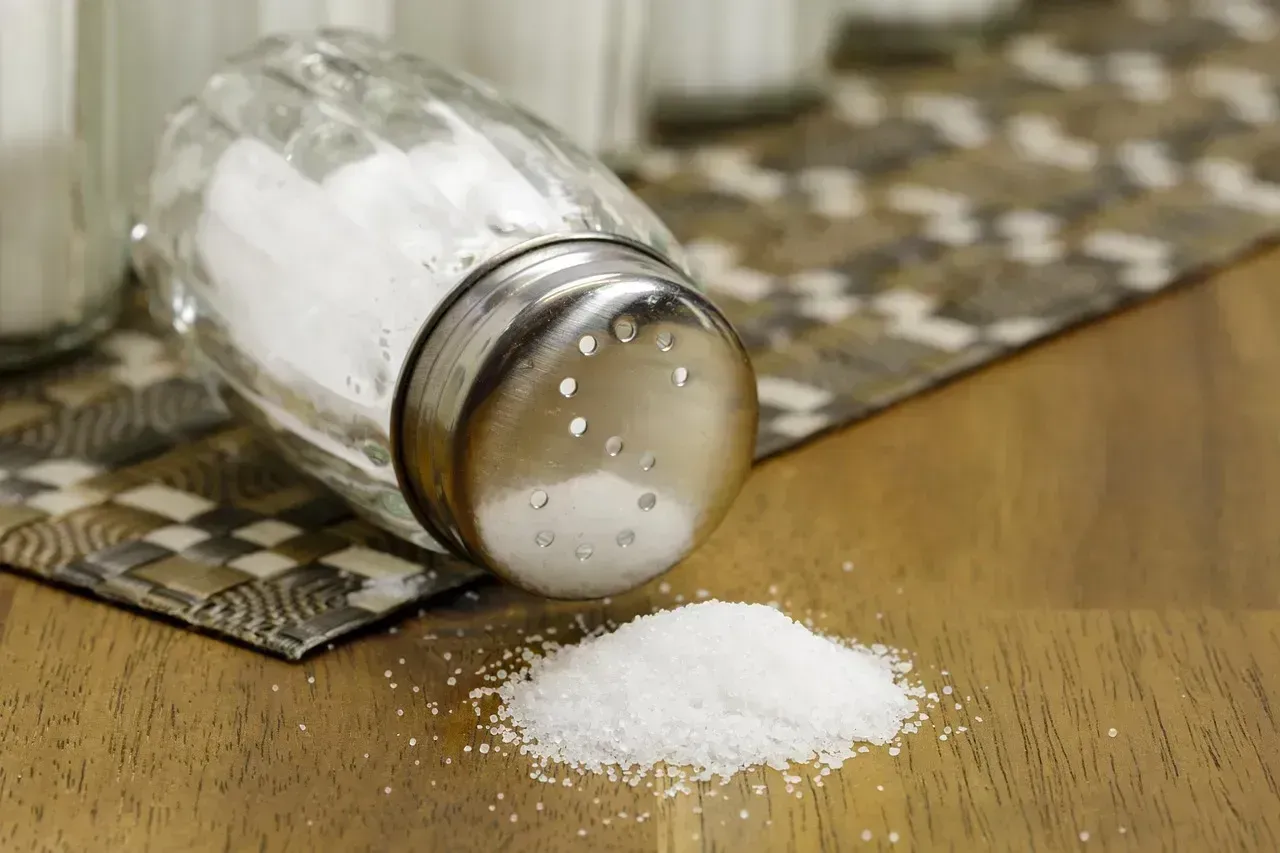
Boomers largely grew up in a food culture that didn’t flag sodium or processed meats as major health concerns, making canned soups, deli meats, and salty snacks a normal part of daily eating. Public health messaging around sodium’s link to blood pressure and heart disease didn’t become widespread until later in their lives. By then, the habits were already deeply set.
Current nutritional guidance links high sodium intake and frequent processed meat consumption to increased risks of hypertension and certain cancers. Younger consumers, more exposed to labeling requirements and health-conscious food marketing, tend to pay closer attention to sodium content and lean toward fresher, less processed options. It’s a shift driven less by willpower and more by simply growing up with different information on the shelf.
Final thoughts

None of these habits make one generation smarter or more careless than the other. They’re mostly a reflection of the information, marketing, and medical guidance available at the time each generation was forming its daily routines. Boomers built habits around the best available knowledge of their era, and younger generations are doing the same with the tools and research available to them now.
What’s interesting is how many of these trends will likely repeat themselves. Today’s wellness habits, from cold plunges to biohacking supplements, may look just as outdated to the next generation as detox teas do now. Wellness has always been a moving target, and every generation ends up holding onto a few habits the next one quietly leaves behind.




Leave a Reply