
Walk up to a fish counter and the word fresh seems to settle the matter. It looks like the obvious pick, sitting on ice with a clean shine. The label doesn’t always tell you what happened to the fish before it got there.
Behind the counter, many fishmongers see things differently. Freezing is a routine, regulated part of how seafood gets from boat to plate. Here’s what the evidence says about why it’s often a sound choice.
What Previously Frozen Actually Means
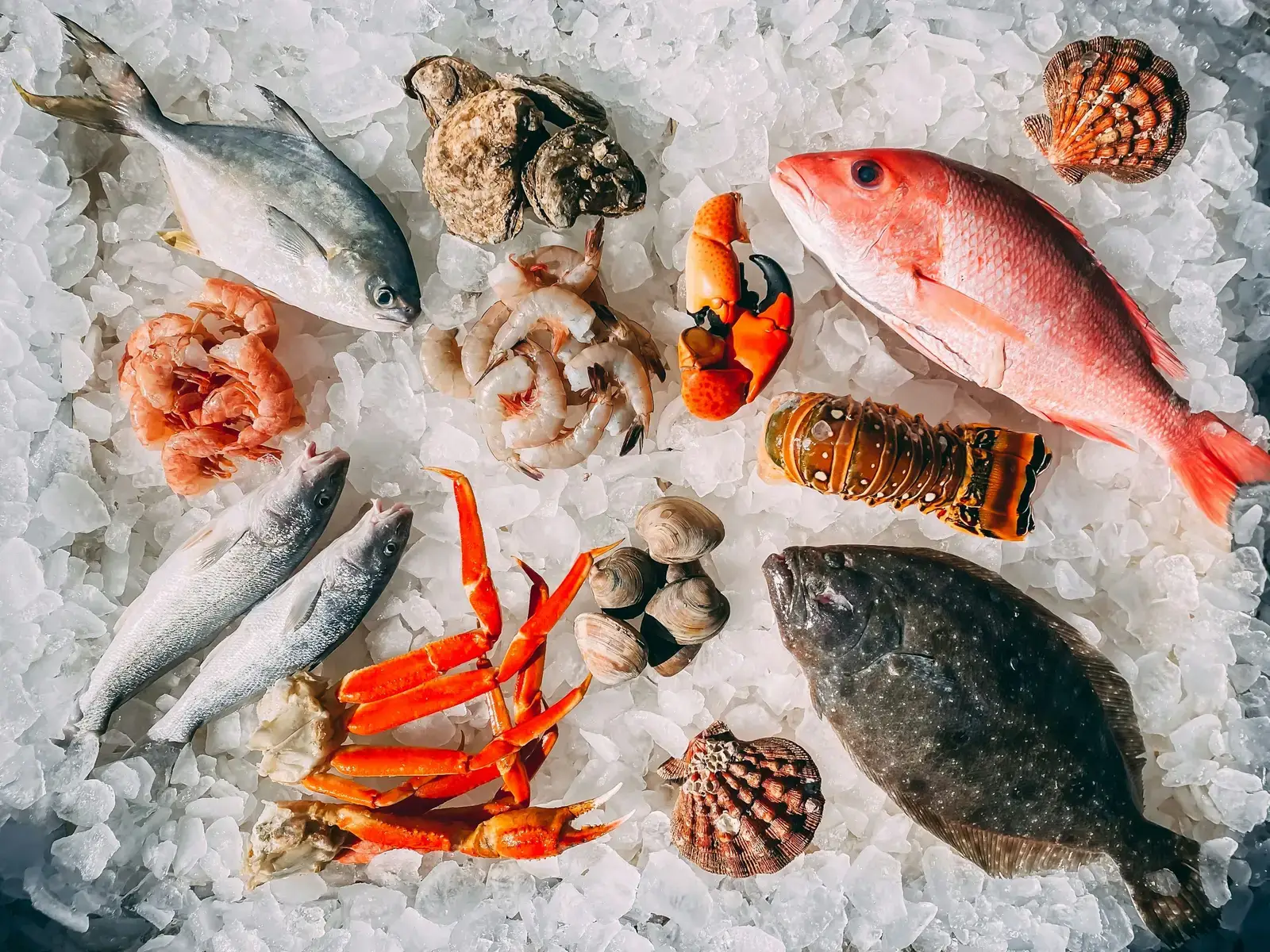
Previously frozen fish is fish that was frozen after harvest, often within hours, and then thawed for sale. Retailers usually mark it as such, and some shops thaw it gradually in the back before it goes on display.
That differs from fish that has never been frozen at all. Neither one is automatically better. The result depends on how quickly the fish was chilled, how cold it stayed, and how carefully it was handled afterward.
Why Freezing Matters for Parasites
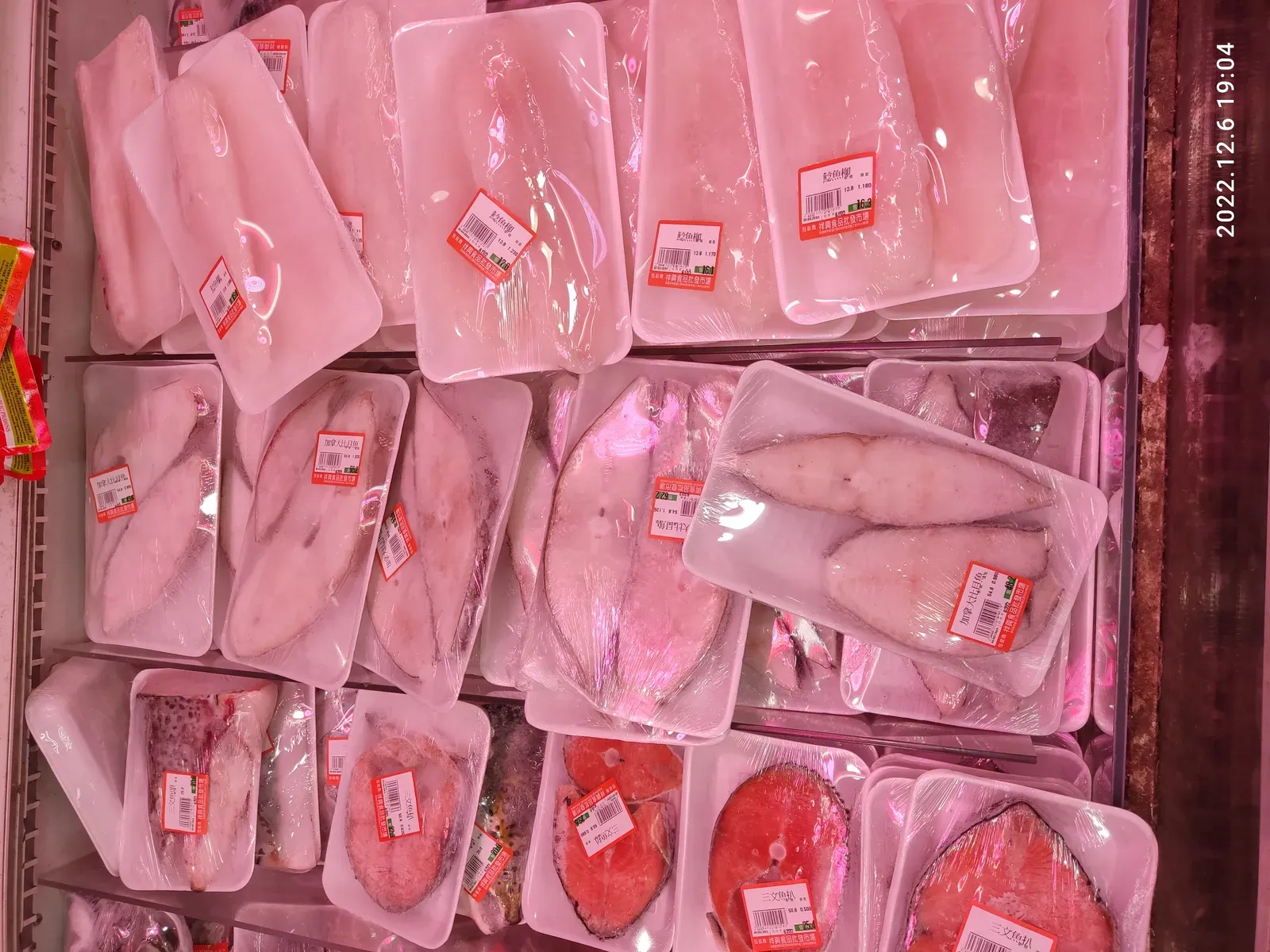
Parasites are a natural feature of many wild fish. One health department guide describes them as a natural occurrence, not contamination, and as common in fish as insects are in fruits and vegetables.
Cooking handles the issue. Parasites are killed during cooking, so they aren’t a concern in thoroughly cooked fish. They become a concern with raw, undercooked or lightly preserved fish such as sashimi, sushi or ceviche.
The Time and Temperature Rules
The FDA sets specific freezing regimes for fish served raw or partially cooked. One option is storage at minus 4°F (minus 20°C) or below for a minimum of seven days.
There are faster routes for those with colder equipment. Fish can be frozen at minus 31°F (minus 35°C) or below until solid, then stored at that temperature for at least 15 hours. A third option pairs that initial deep freeze with storage at minus 4°F for at least 24 hours.
Why Sushi Grade Usually Means Frozen
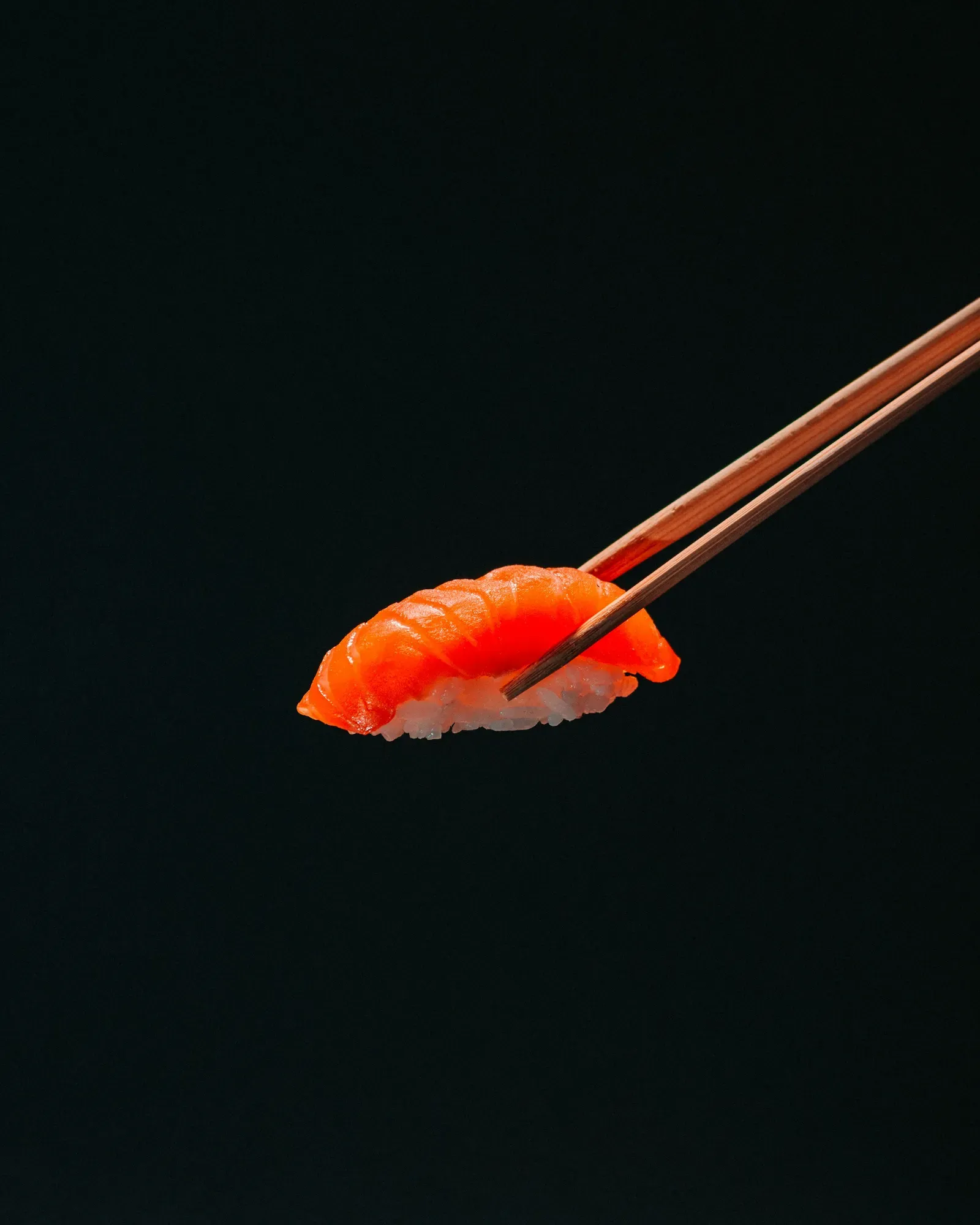
The term sushi grade isn’t a formal government grade. In practice, fish is generally considered sushi grade when it has been frozen and stored at or below minus 20°C for seven days, or at comparable times and temperatures. The reason is parasite destruction.
One seafood seller puts the practical point plainly. The label is a seller’s declaration, and it means only as much as the seller’s handling and freezing practices back it up. So asking how the fish was frozen is more useful than trusting the wording alone.
Where Exemptions Apply
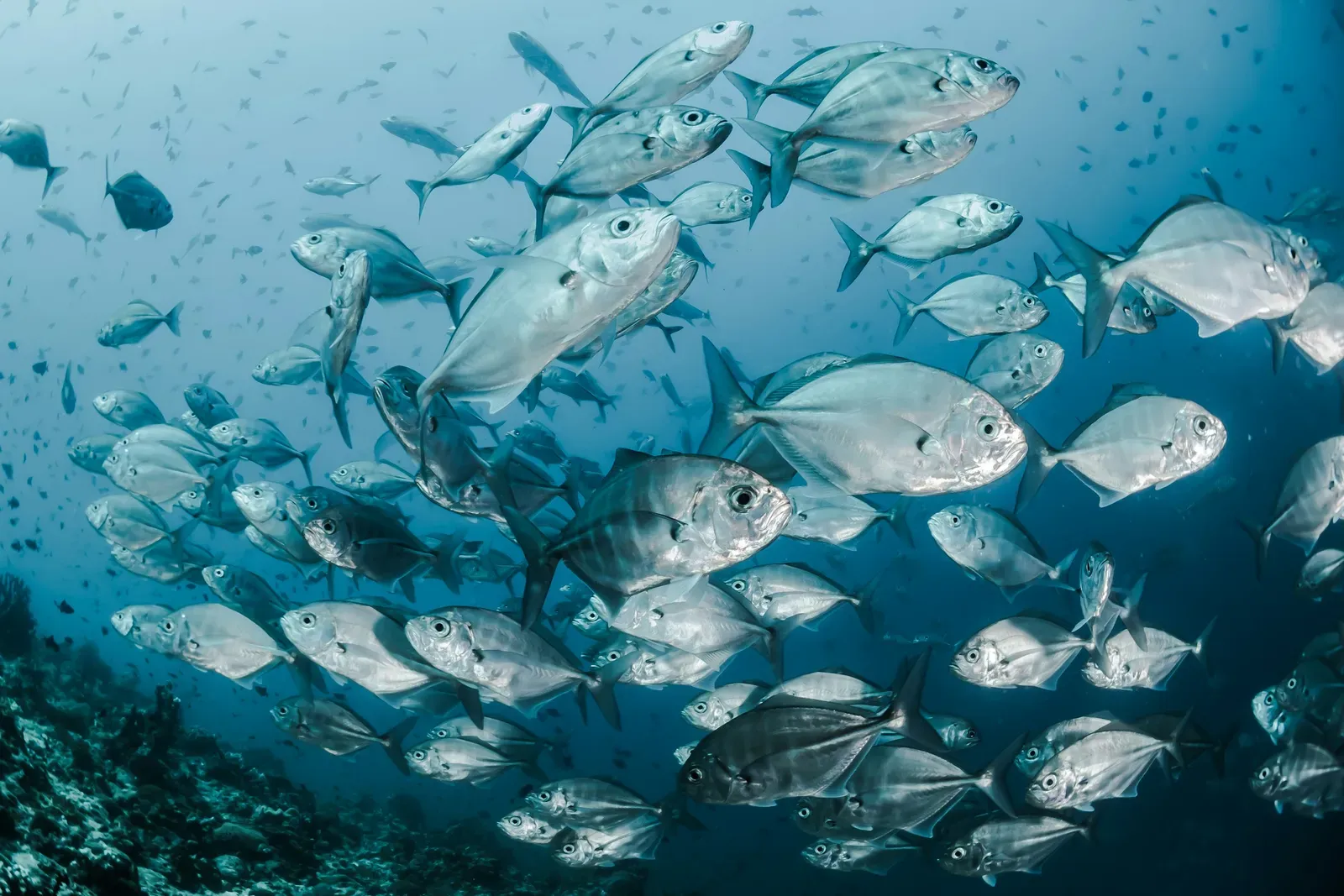
Not every fish needs this treatment. Aquacultured fish and certain tuna species are exempt from freezing for parasite destruction. Farmed fish raised on formulated feed are considered low risk because the feed itself carries no live parasites.
Details vary by species and by local code, so exemptions aren’t a blanket rule. Industry summaries note that six named tuna species are exempt, but that list does not include Pacific bluefin. Wild salmon sold for raw use generally falls under the freezing requirement.
How Freezing Affects Quality
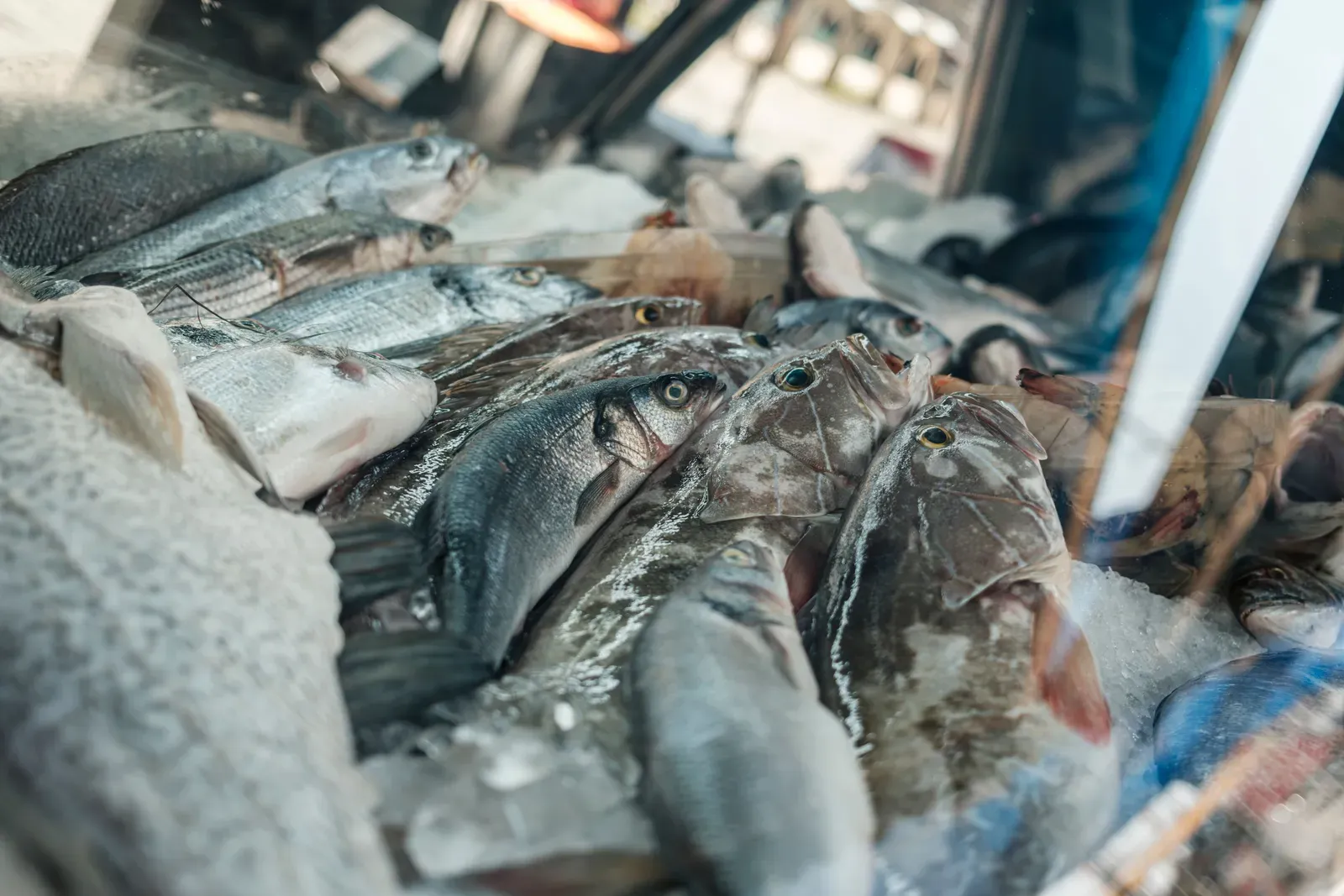
Many people assume freezing damages texture and flavor. Speed and temperature matter a great deal, though. It’s widely accepted that fish quality holds up better when it’s frozen lower and quicker.
Fish frozen soon after catch can also stay closer to its original state than a fish that spends days in transit on ice. A fillet labeled fresh may be several days old by the time you buy it. That’s one reason many fishmongers don’t treat frozen as a lesser option.
What Freezing Doesn’t Fix
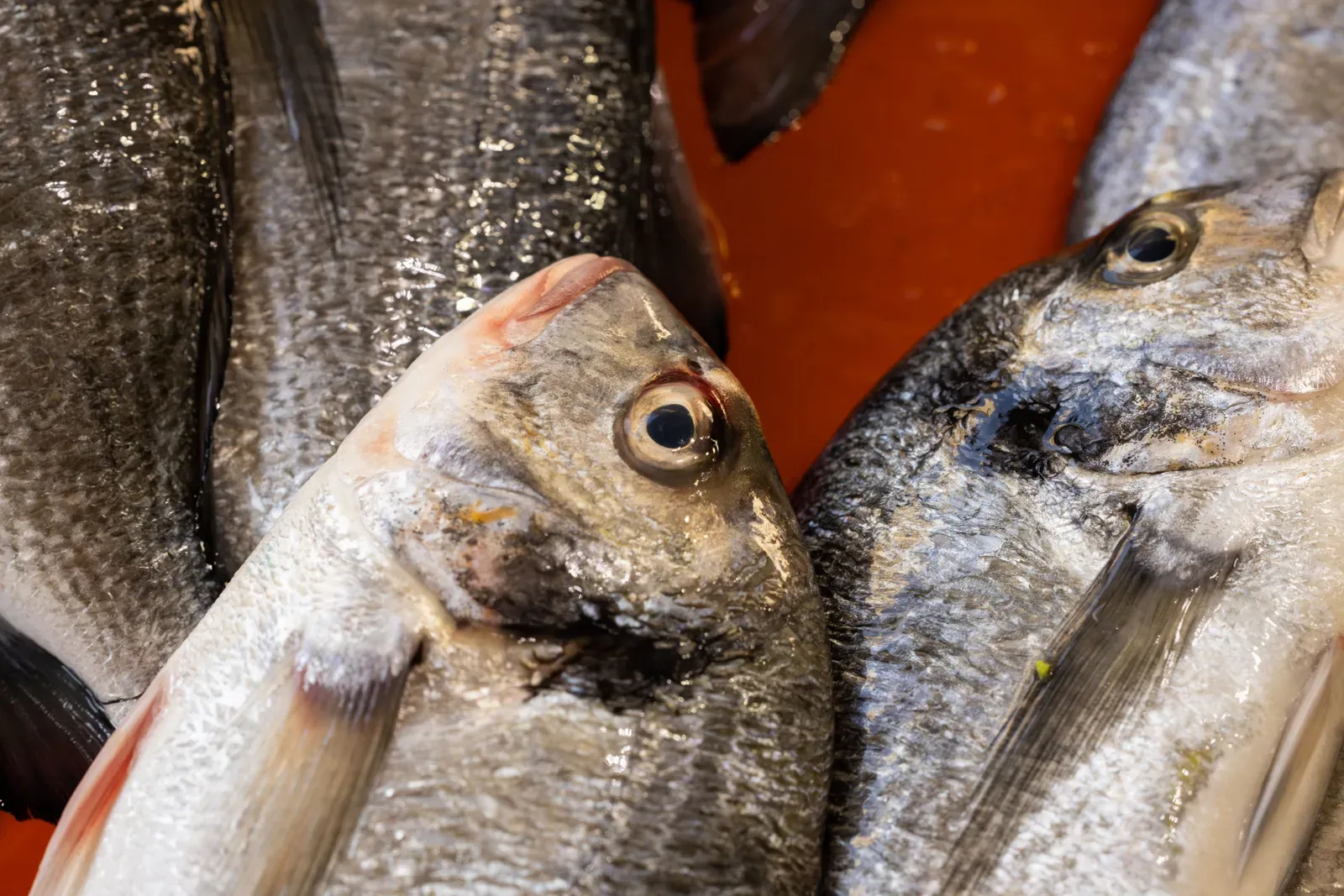
Freezing targets parasites, not bacteria. Raw fish of any grade is still raw protein. Handling after thawing therefore still matters.
Some groups should avoid raw seafood altogether. The FDA advises that pregnant women, young children, older adults and people with weakened immune systems skip raw or undercooked seafood. Cooking the fish fully is the safer path for them.
Thawing and Storing It Properly
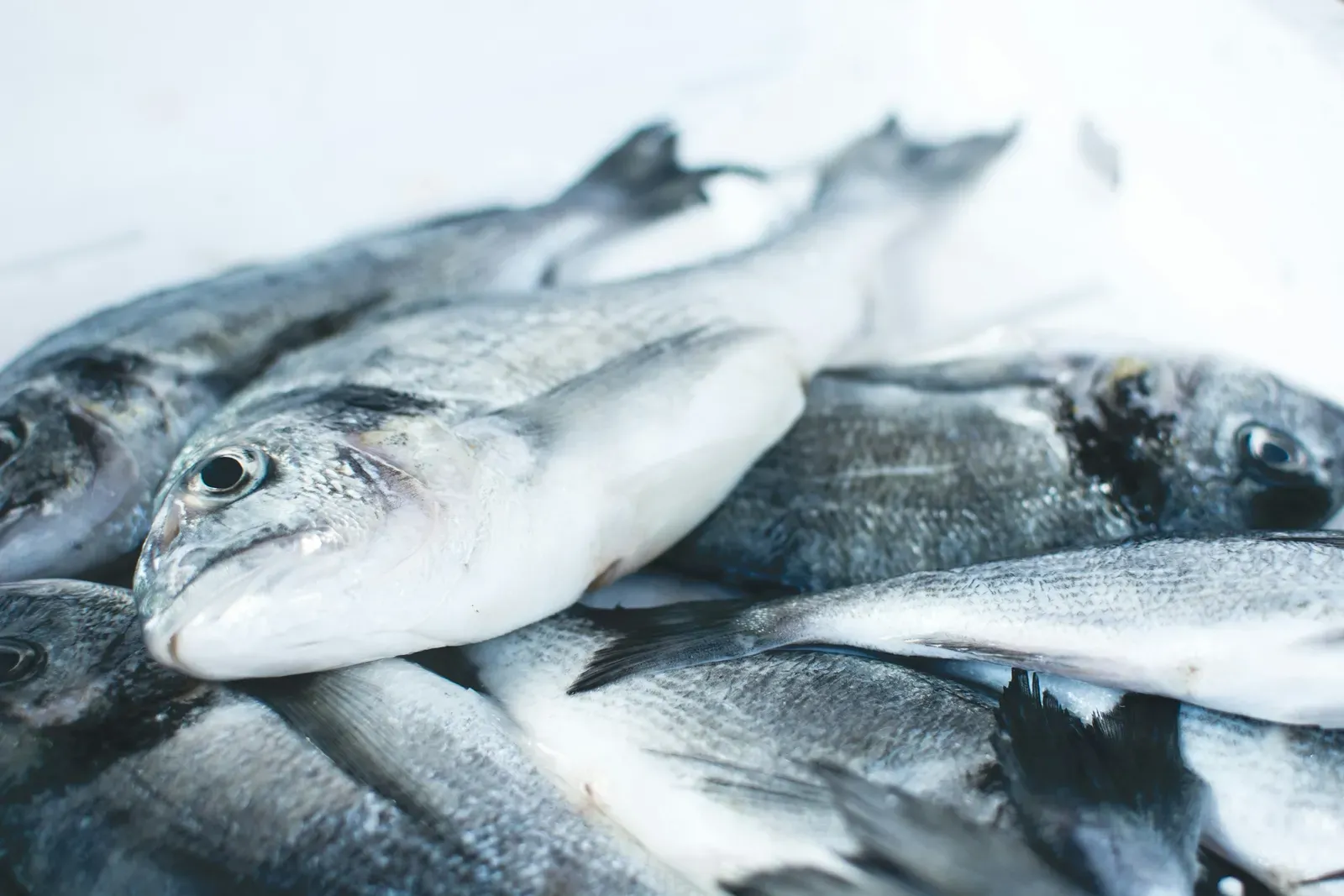
Once fish thaws, the clock starts. One supplier advises slicing and serving raw fish the same day it finishes thawing, keeping it refrigerated below 40°F until then.
Thawing slowly in the refrigerator is the usual recommendation, rather than leaving fish out on the counter. Once fish is thawed, it’s best not to refreeze it at home, since texture suffers. Cook it within a day or two.
Questions Worth Asking Your Fishmonger
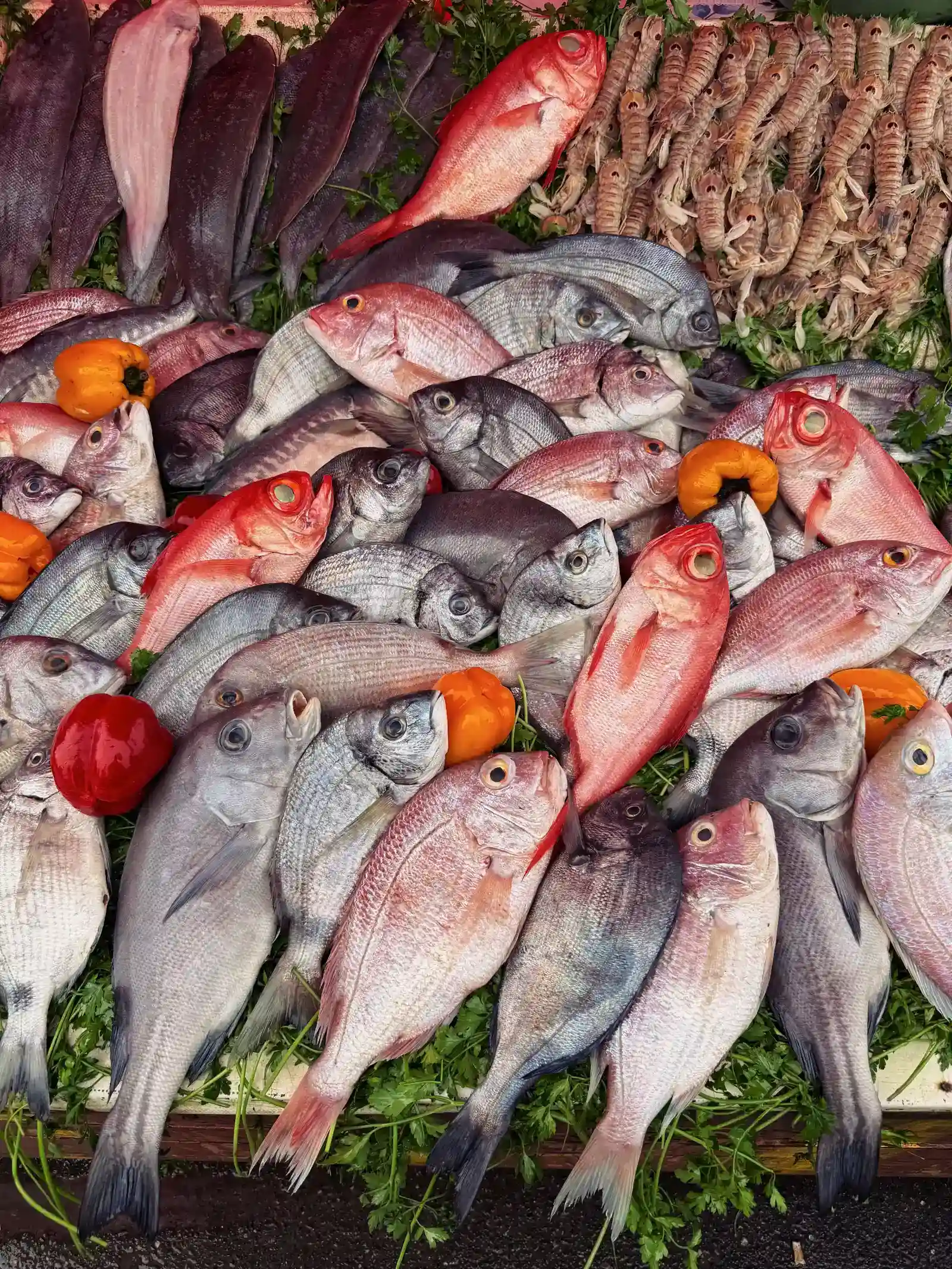
A good fishmonger won’t mind specifics. You can ask whether the fish was previously frozen, whether it was wild or farmed, and whether it’s intended for raw use. Under FDA guidance, a supplier that freezes fish for parasite destruction must provide a written statement of the time and temperature used.
Restaurants and retailers follow records rules too. Establishments that freeze fish themselves must keep records of the freezing temperature and time for 90 days beyond service. If a shop can’t tell you how its raw fish was treated, cooking it is the safer choice.
Buying Previously Frozen Fish With Confidence
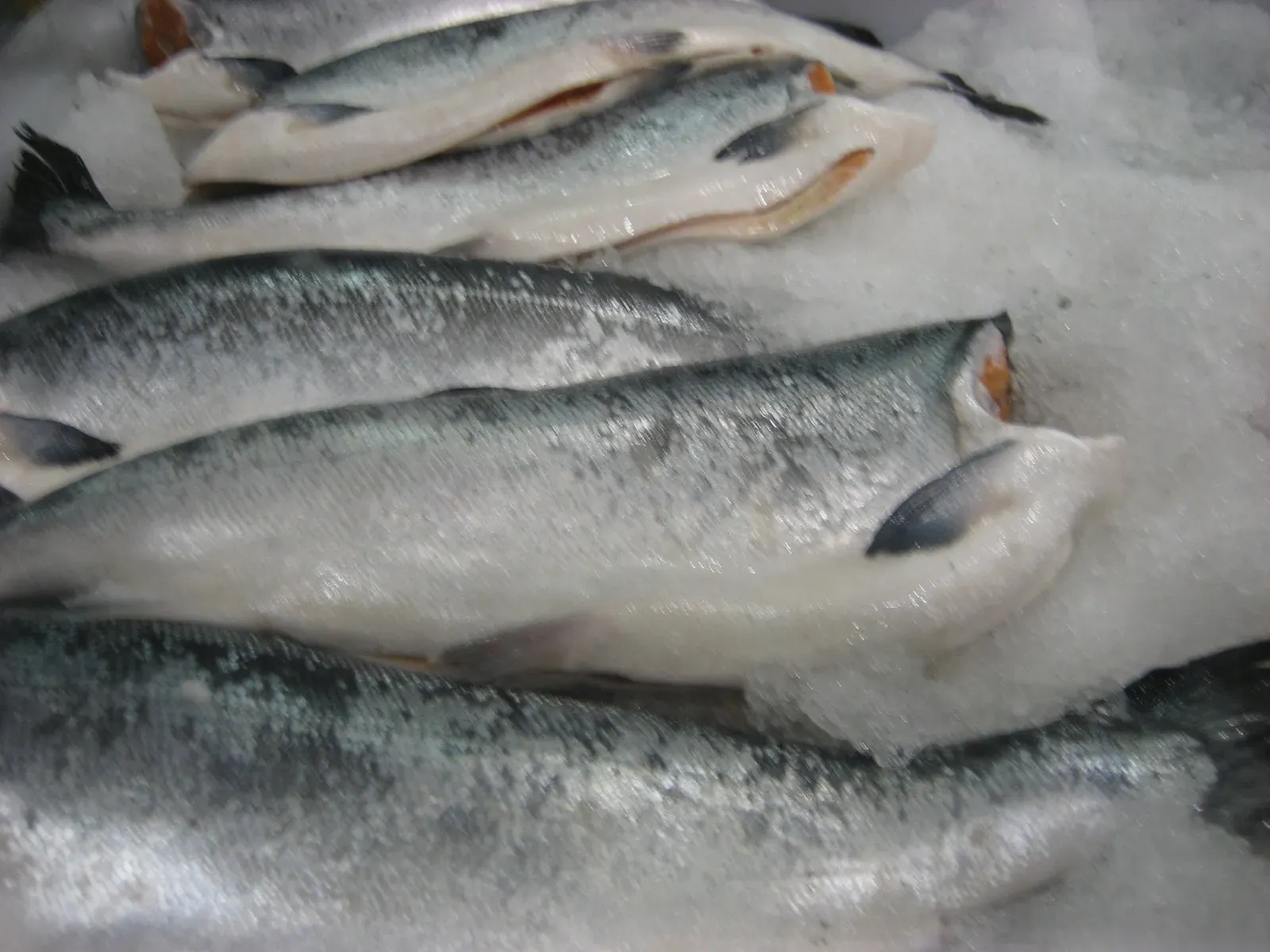
For fish you’ll cook, previously frozen is a practical, often high quality option. For fish you plan to eat raw, confirmed freezing to FDA standards is the condition that matters most. Fish not frozen to those recommendations can be expected to carry a much higher risk of viable parasites.
Check the label, ask about the source, and thaw it in the refrigerator. Use it promptly and cook it fully if anyone at the table is in a higher risk group.





Leave a Reply