
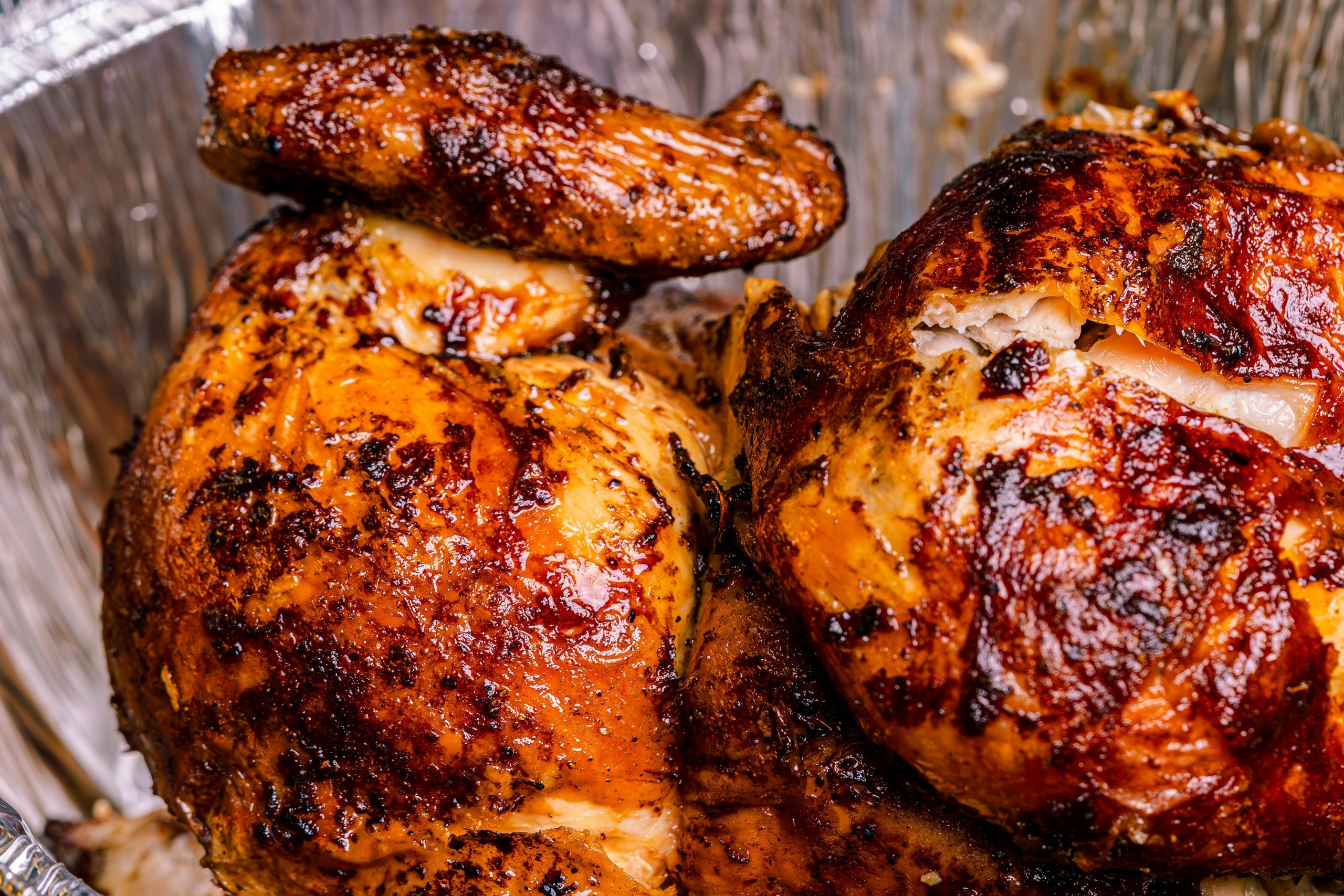
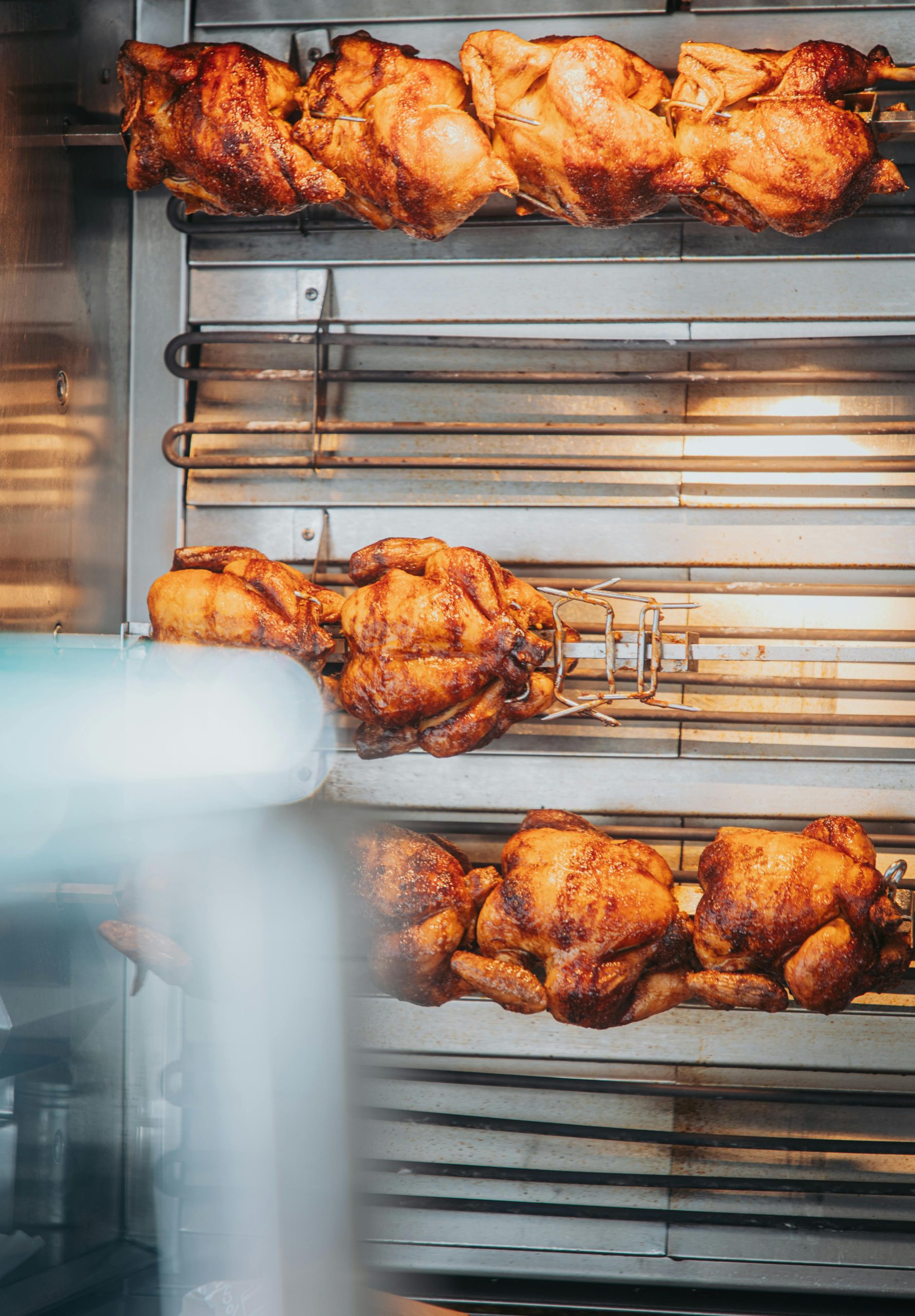
Walk into almost any grocery store, and the smell hits you immediately. That irresistible aroma of golden-brown rotisserie chickens spinning under heat lamps, promising convenience and comfort for less than the price of a fast-food meal. It seems like a gift from the retail gods. A perfectly cooked, ready-to-eat bird for just a few dollars? Who could resist?
Yet behind that tempting display sits a secret the grocery industry would rather you not think about too hard. These birds aren’t the generous bargain they appear to be. They’re bait. Carefully calibrated, expertly positioned bait designed to manipulate your shopping habits in ways you probably never realized.
The Staggering Volume Nobody Talks About
In 2025, Costco sold roughly 157 million rotisserie chickens to hungry customers across the globe. Let that sink in for a moment. We’re talking about more than 430,000 chickens leaving stores every single day. The retail value of rotisserie chicken sales in the United States reached approximately $5.5 billion in 2023.
These numbers reveal just how massive this industry has become. Honestly, when you consider that scale, you start to realize this isn’t about chickens at all. It’s about getting bodies through doors and wallets open, plain and simple.
Losing Money on Purpose: The Loss Leader Strategy Explained
Costco’s CFO stated in 2015 that Costco loses between $30 to $40 million annually on their famous rotisserie chickens. Let that number settle for a second. Thirty to forty million dollars intentionally thrown away. The packaging update in early 2024 likely resulted in a roughly $380 million financial loss annually for Costco, per industry analysts.
Here’s the thing: this isn’t a mistake or poor business planning. The retailer’s rotisserie chickens are what is known as a “loss leader,” which is a method of marketing that involves selling a good or service far below what it’s actually worth, encouraging customers to engage with the business and potentially leading them to purchase other more expensive products. Retailers have used this psychological trick for decades, but few execute it with the precision of rotisserie chicken placement.
The Price That Refuses to Rise
Costco’s popular chickens have stayed fixed at $4.99 for more than a decade, even in the face of raging inflation. Think about that price point. Adjusted for inflation, Costco should be selling its chickens for $8.31. Everything else in your shopping cart has climbed in price, yet this bird stubbornly refuses to budge.
Each chicken costs approximately $6 to $7 to produce and prepare when factoring in the bird itself, labor, packaging, and energy costs for cooking. Stores are literally selling you something for less than it costs them to make. This defies every basic principle of capitalism, unless you understand the bigger game being played.
Where the Real Money Comes From
Costco collected $4.8 billion in membership fees in fiscal 2024, and these fees account for the majority of their profits. There’s the uncomfortable truth laid bare. You’re not the customer when you buy that chicken. You’re the product. The membership model transforms everything about retail psychology.
Costco maximizes the chances of additional purchases by placing the rotisserie chickens at the back of the store, next to its wines and side dishes, and these chickens reinforce the idea that the Costco brand is a good deal, potentially leading to more membership sign-ups. Every step you take through that warehouse is calculated. You pass electronics, clothing, seasonal items, household goods. The chicken becomes your justification for the journey, but the journey itself is the real point.
The Hidden Health Concerns Nobody Mentions
Consumer Reports found that a 3-oz serving of rotisserie chicken from Sam’s Club had 550 mg of sodium, while Costco chickens had 460 mg of sodium per serving. For context, that’s roughly one-fifth of your maximum recommended daily sodium intake in just three ounces of chicken. All rotisserie chickens are enhanced with a solution injected into the bird to keep the birds moist and tasty, and the injection solution can include sugar, processed ingredients such as natural flavors, gums, and carrageenan, and especially problematic amounts of sodium.
Sodium and phosphorus-based food additives contribute to a higher consumption of sodium and phosphorus which may pose health risks for people with chronic kidney disease, cardiovascular disease, and decreased bone health. Yet these additives remain classified as safe for public consumption, essentially allowing their use with minimal restrictions. It’s hard to say for sure, but this seems like a gap in consumer protection that deserves more attention.
Why Raw Chicken Actually Costs More
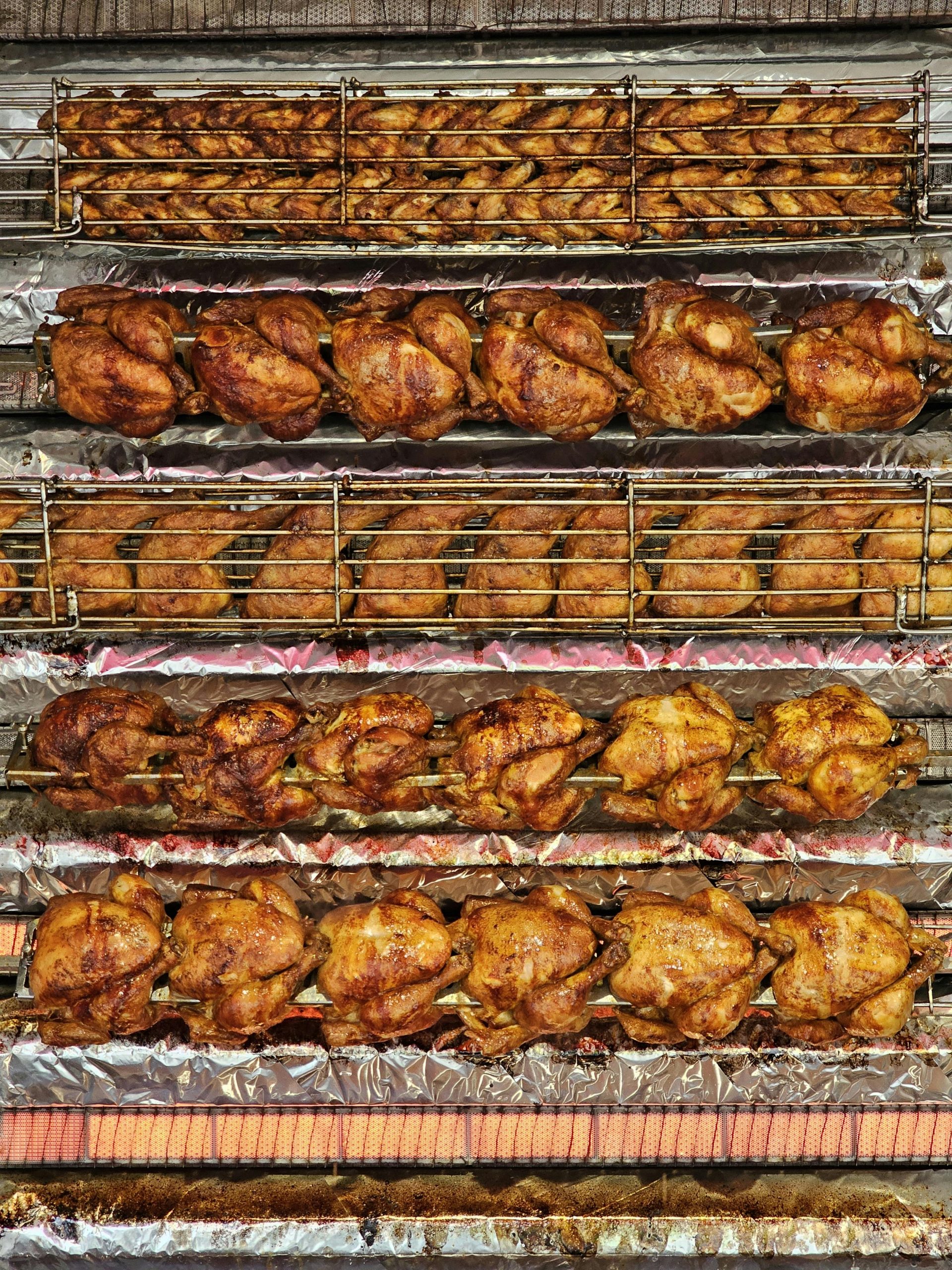
By the end of 2024, at a Safeway in Portland, Oregon, a hot rotisserie chicken cost about $10, meanwhile, a whole, raw chicken cost between $13 and $18. This backwards pricing defies logic until you understand the dual strategy at play. Rather than toss out perfectly good meat, grocery stores commonly repurpose these foods into ready-to-eat rotisserie chicken, and since those whole, raw chickens are still safe to eat when they hit their sell-by date, it makes sense for stores to do something with them to incentivize buyers.
The cooked bird costs less than the raw one because the raw one isn’t designed to get you through the entire store. It’s that simple. Rotisserie chickens can encourage people to buy sides to go with that item, and those prepared sides, like mashed potatoes or mac and cheese, bring in “great margins” for grocery stores. Those sides sitting conveniently next to the chicken? They’re where the real profit lives.



Leave a Reply