
Every traveler has a mental checklist of places they feel obligated to see before they die. The problem is that many of those places – the ones splashed across Instagram feeds and travel magazines for decades – have become something else entirely: crowded, commercialized, and deeply underwhelming in person. In the ever-evolving world of American tourism, where iconic sites draw millions annually, a growing chorus of visitor feedback is challenging long-held assumptions about must-see destinations. Recent analyses reveal that hype often outpaces reality, leading to widespread disappointment among travelers who expect grandeur but encounter crowds, commercialization, and underwhelming experiences. These are six of the biggest offenders.
1. Times Square, New York City
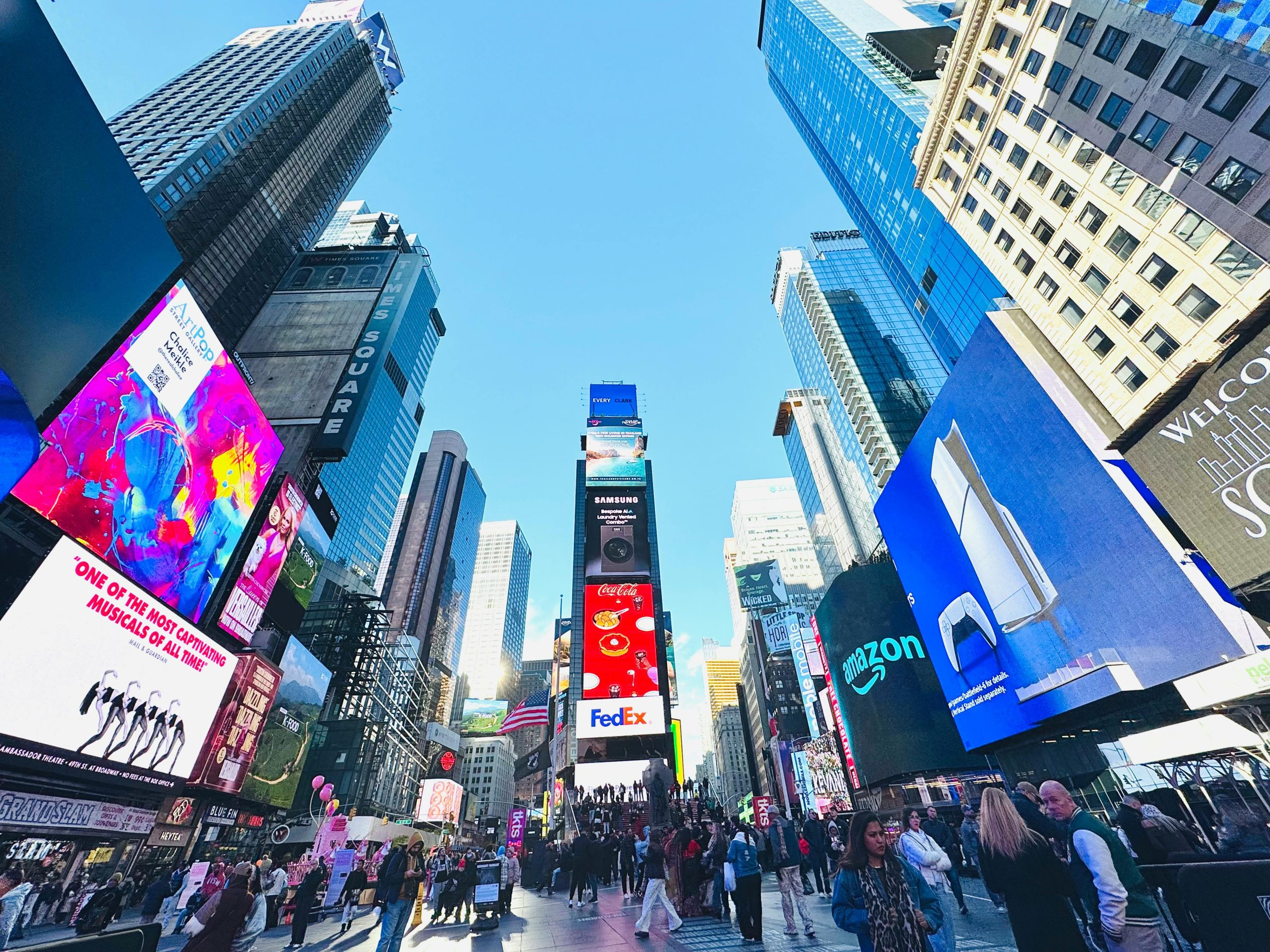
One popular NYC spot is so incredibly crowded that it was recently named America’s worst tourist trap – none other than Times Square. A 2025 ranking by U.K.-based travel website LoveExploring.com named Times Square the worst tourist trap in the United States, ahead of popular spots like SeaWorld, the Hollywood Walk of Fame, and Plymouth Rock. Times Square, often called the planet’s most-visited attraction with roughly 50 million visitors per year, was a shoo-in for worst-of lists, according to researchers. Reviewers complained about the crowds, and called the LED-lit locality dirty and boring.
A study by Preply analyzed popular sites to find “the most overrated and underwhelming tourist destinations in the world.” Times Square was ranked first, with 1,761 not-so-great reviews. A 2024 Business Insider article revealed that even experienced travelers, including one who had visited all 50 states, labeled Times Square as profoundly overrated. The area, once celebrated for its cultural significance, is now seen as little more than a spectacle filled with chain stores and aggressive vendors, leaving little room for authentic New York experiences. Between 250,000 and 300,000 pedestrians visit Times Square per day, with peak days reaching over 400,000 pedestrians – a figure that sounds impressive until you’re trying to walk through it.
2. The Hollywood Walk of Fame, Los Angeles
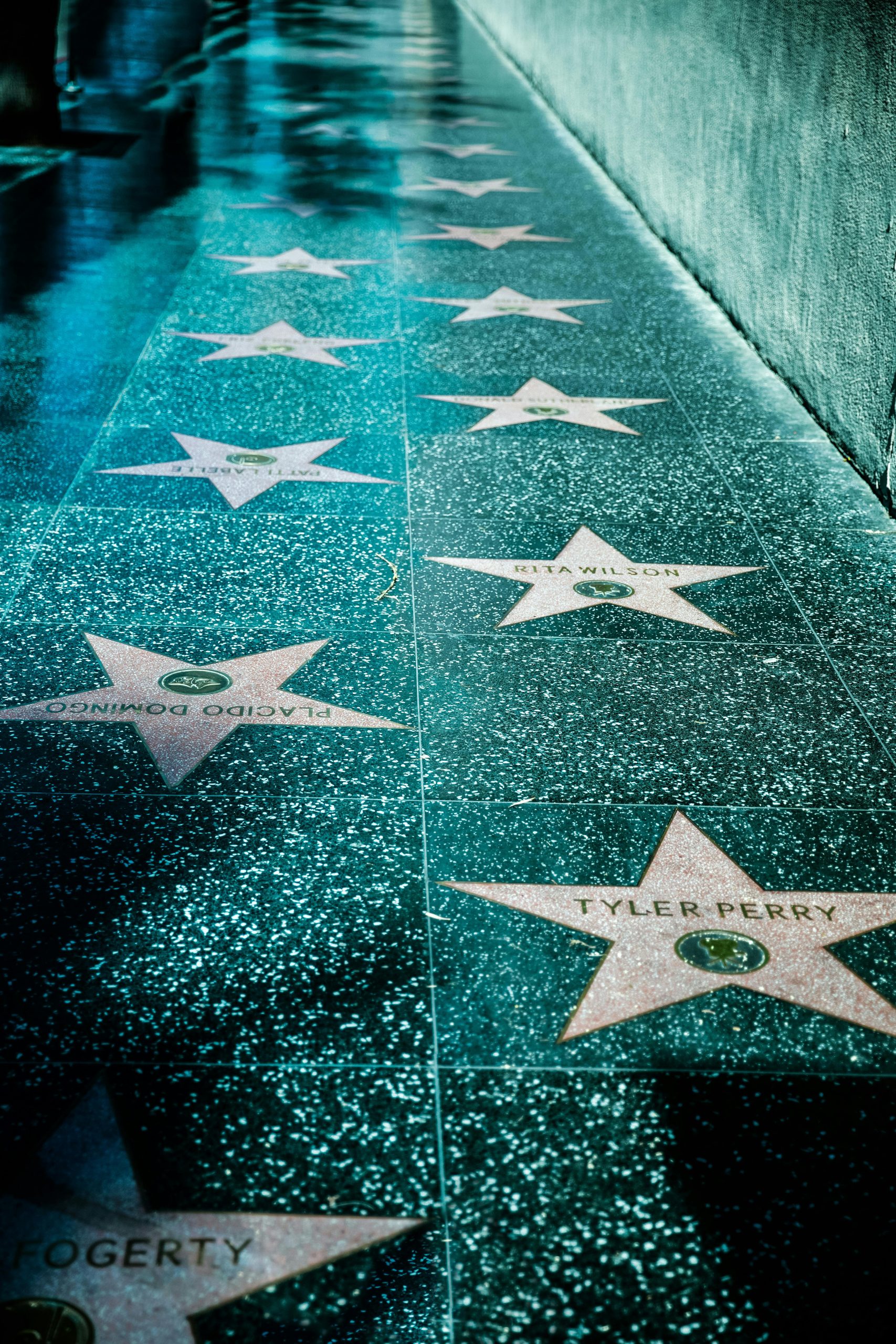
According to a ranking released by luggage storage company Stasher, the Hollywood Walk of Fame was named the worst tourist attraction in the world. The study evaluated more than 100 famous attractions using a mix of Google review scores, TikTok engagement, safety data, airport accessibility, and accommodation quality. Despite its global name recognition, the Walk of Fame finished dead last. The iconic landmark scored a paltry 2.67 out of 10 despite global fame and constant presence in films and TV shows.
Visitors cited overcrowding, cleanliness concerns, aggressive street performers, and disappointment over how little there actually is to do once you arrive. One reviewer quoted in coverage of the ranking described the area as “run down” and “chaotic,” adding that it felt disconnected from the Hollywood image they had imagined. The Hollywood Walk of Fame in Los Angeles, where tourists expect to see the glamour of the entertainment industry immortalized in gold stars, often falls short of expectations. While this sidewalk is home to the names of some of the world’s biggest stars, many visitors are shocked by the area’s grittiness and inauthenticity. Instead of the glitz and glamour they envisioned, tourists often encounter costumed performers, souvenir shops, and a general sense of commercial exploitation.
3. Mount Rushmore, South Dakota
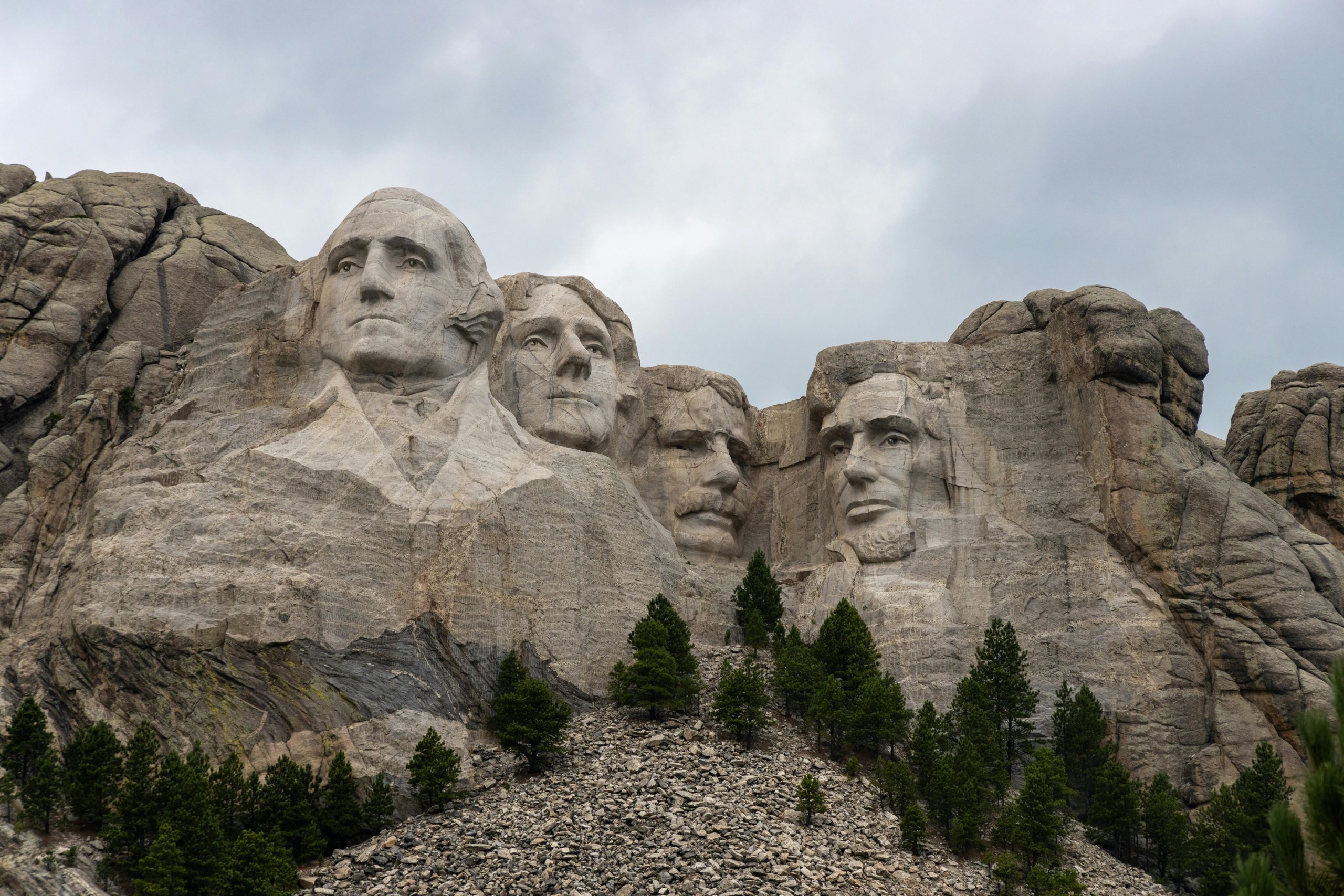
Mount Rushmore draws more than two million visitors annually, and many leave feeling underwhelmed. Up close, the granite sculpture is smaller than you’d think and takes all of five seconds to absorb. Then you realize there’s not much else to do besides walk up a bunch of steps on a subpar nature trail, check out some state flags, and pop into an average museum. The National Park Service confirmed the memorial saw 2.43 million visits in 2023, yet the scale of the experience on the ground rarely matches the scale of anticipation.
The grandiosity of the monument, with its massive granite faces carved into the Black Hills of South Dakota, promises visitors an awe-inspiring experience. However, many travelers report feeling underwhelmed upon seeing the site in person. The monument, while historically significant, is often described as smaller and less impressive than expected. Complaints about limited viewing angles and the high entry fees have contributed to its reputation as one of America’s most disappointing attractions. The average length of stay for tourists visiting Mount Rushmore is relatively short, as most visitors spend about 2 to 4 hours at the memorial itself.
4. The Las Vegas Strip, Nevada
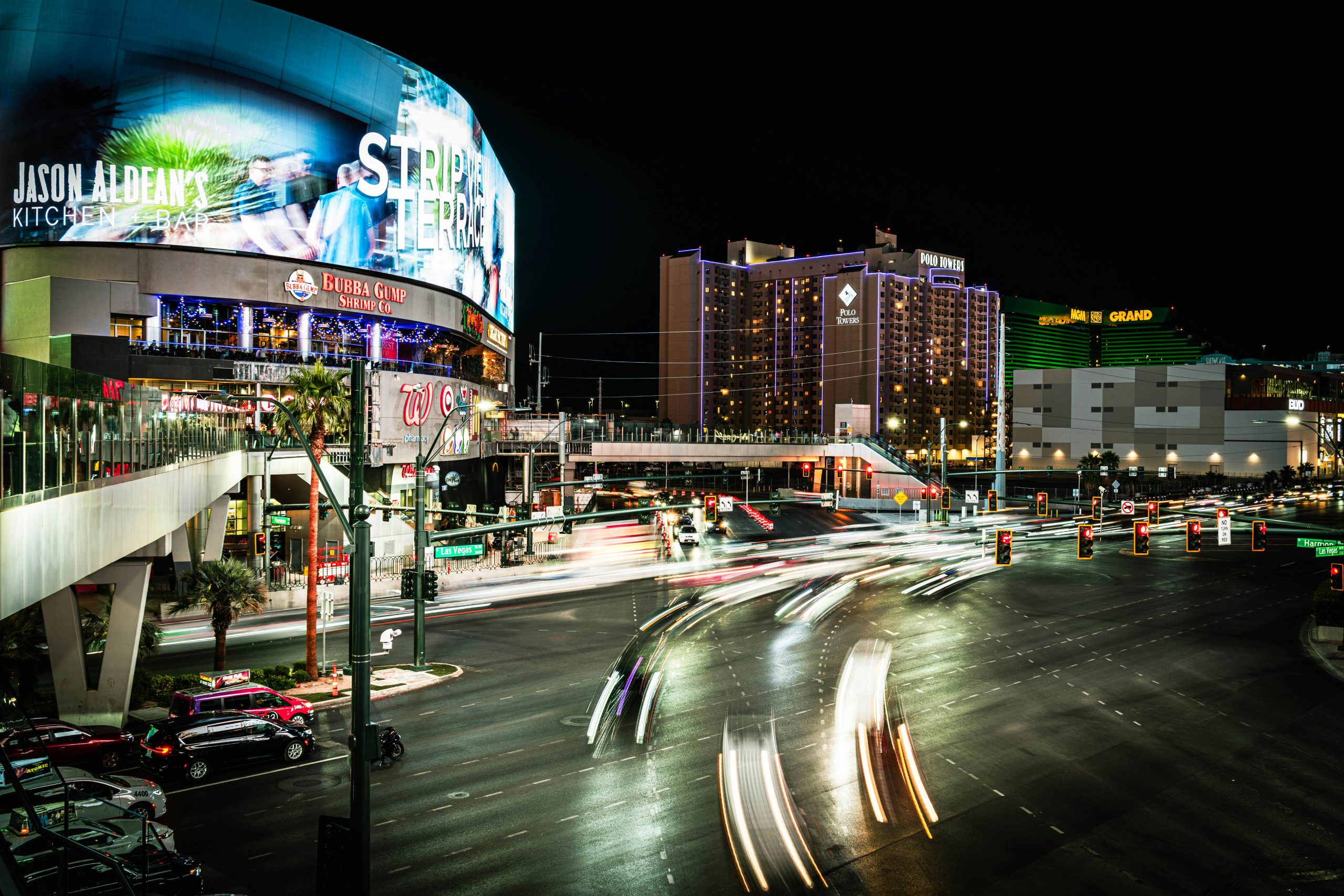
Vegas is a blast at night, but wandering the Strip in the daylight reveals the peeling paint, the grime, and the relentless desert heat. The “magic” is strictly neon-dependent. For most adults over the age of 30, roaming around the Vegas Strip is likely going to be an exhausting experience full of unsightly scenes. The buffets are subpar and the common Vegas traveler is likely going to lose a lot of money. The broader numbers are telling a story the industry can no longer ignore.
Las Vegas welcomed approximately 38.5 million visitors in 2025, a 7.5% drop from 2024 and the lowest annual total since the post-pandemic rebound in 2021, according to the Las Vegas Convention and Visitors Authority. Despite the tourism downturn, Las Vegas Strip gaming revenue reached roughly $8.8 billion – a slight year-over-year gain that set a new annual record. Several factors have contributed to the tourism downturn. Industry analysts and hospitality executives say softening consumer confidence, higher travel and lodging costs, and an ongoing slump in international visitors – especially from Canada and Mexico, historically two of Las Vegas’ largest overseas markets – have played a role. The gap between the city’s polished marketing and its real-world experience is widening.
5. The Hollywood Sign, Los Angeles
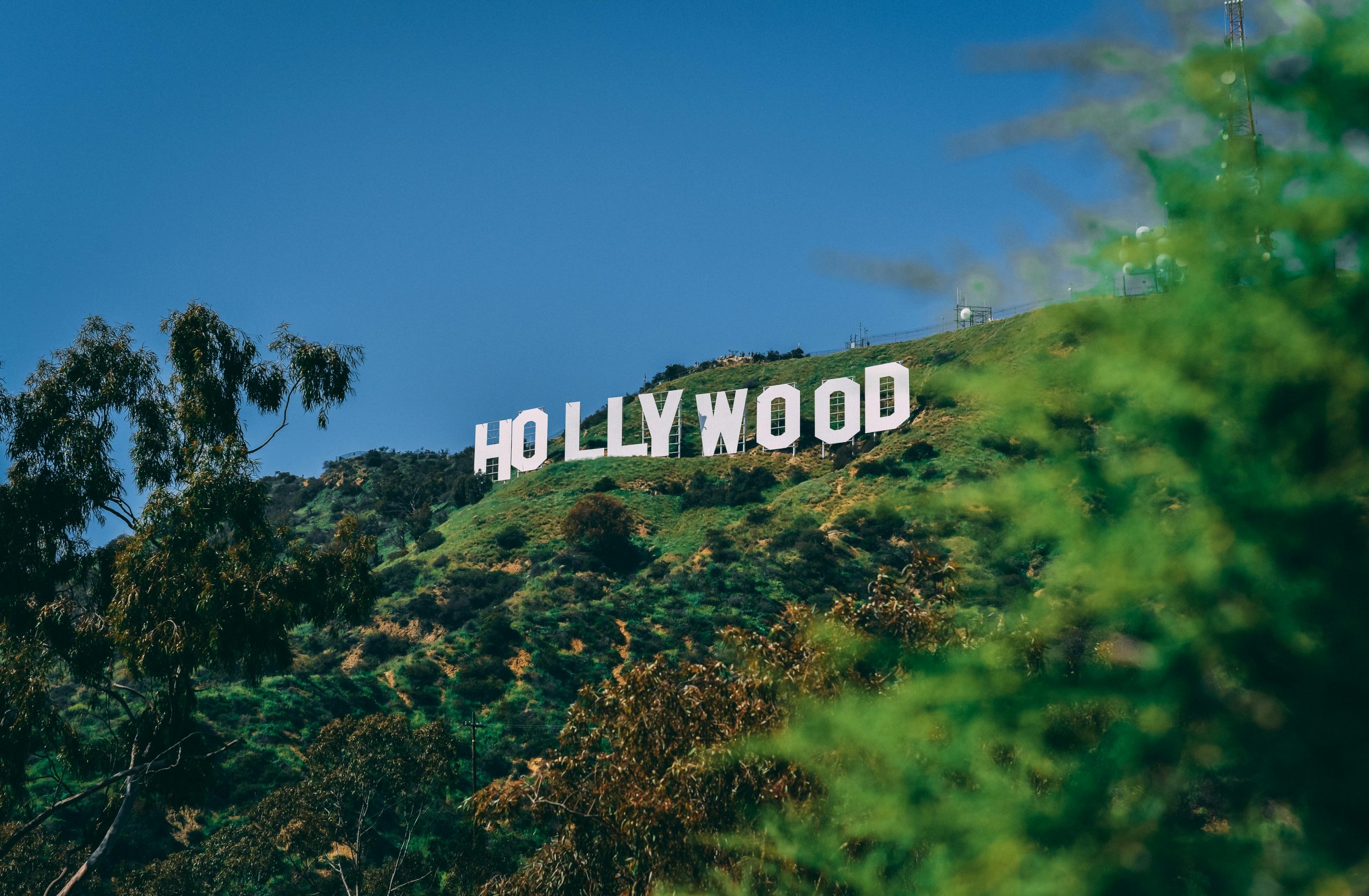
For many visitors to Los Angeles, there is no more coveted photo than a shot of the world-famous Hollywood sign. Many are surprised to learn, however, that it’s illegal to get close to it. The closest you can get is a half-mile away, and that’s after battling two to four hours of traffic, a chaotic mess of tour buses and a rather unspectacular hike through Beachwood Canyon. The experience, for most people, is the definition of a let-down.
Expectation: glitz and glamour. Reality: dirty sidewalks, intense heat, and a massive crowd hovering over a brass star. There isn’t much “Hollywood magic” to be found here; you’re better off hiking to the Griffith Observatory for a real view. Bypassing Hollywood for Griffith Observatory yields panoramic views and a taste of real LA culture that the sign itself, seen from a distance behind a fence, simply cannot offer. Visitors walk away with a blurry long-distance photo and a sore pair of feet.
6. The Kennedy Space Center, Florida
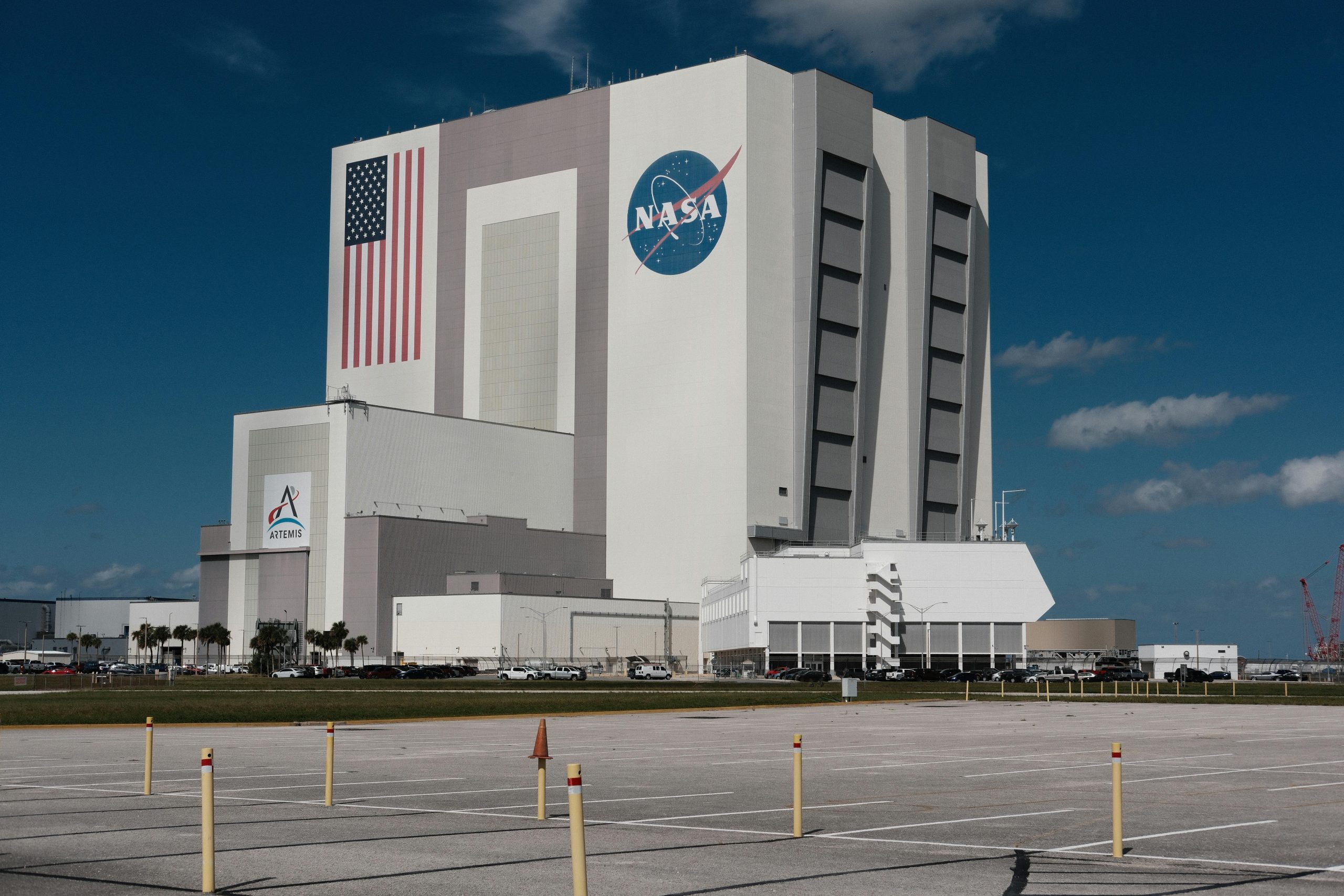
A study looked at 45 popular U.S. tourist attractions to see which had the highest percentage of only 1–3-star TripAdvisor and Google reviews with terms relating to disappointment, such as “bad experience,” “did not enjoy,” and “disappointed.” Kennedy Space Center, based in Florida, ranks as the most disappointing tourist attraction in America, with 20.19% of all 1–3-star reviews stating that they were disappointed in some way. That is a startlingly high figure for a place that commands premium entry prices and draws visitors from around the world.
One user on TripAdvisor stated that the center was a “huge disappointment,” while another said that it was the “biggest waste of money.” Many tourists have high expectations based on marketing, reputation, or hearsay. Analyzing reviews helps understand where these expectations are not being met, as well as indicate problems with the attraction itself, such as poor maintenance, overcrowding, or unfriendly staff. The gap between the awe-inspiring imagery of space exploration and the often crowded, overpriced reality of the visitor experience is where the disappointment lives. Visitor data from platforms like TripAdvisor shows a roughly 15% uptick in negative reviews for major American landmarks since 2023.





Leave a Reply