
Oaxaca, Mexico: the republic of mole
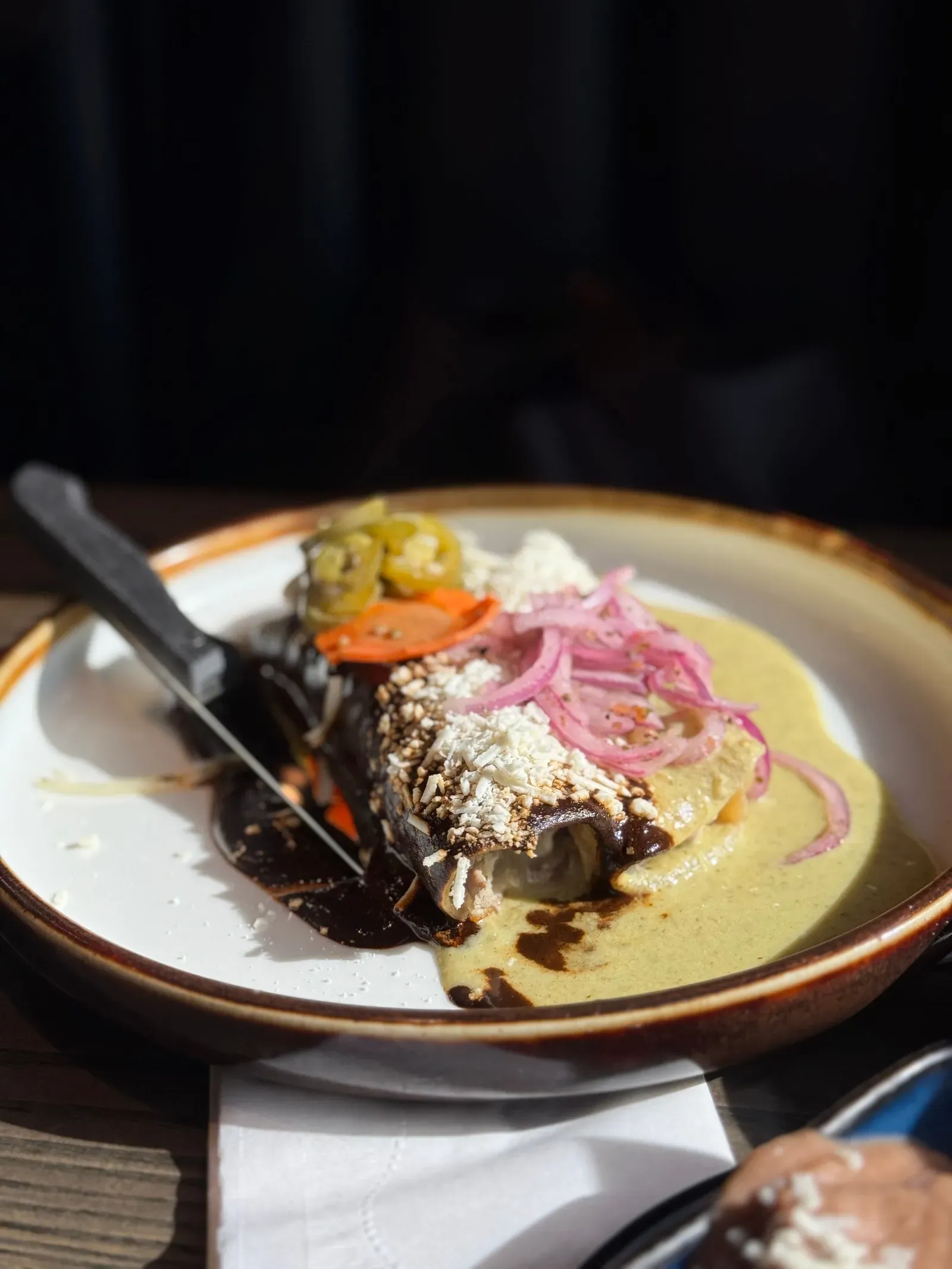
Oaxaca carries the nickname “land of the seven moles,” and the phrase understates how central these sauces are to daily life here. The state’s seven sacred moles include mole negro, mole rojo, mole verde, mole amarillo, mole colaradito, mole chichilo, and mole manchamanteles, which evolved through a fusion of Spanish ingredients with pre-Hispanic ones. Mexican cuisine, Oaxacan traditions included, holds UNESCO Intangible Cultural Heritage status, a recognition that reflects centuries of Zapotec and Mixtec culinary practice rather than a passing trend.
As of 2025, the city counts two Michelin-starred restaurants, a notable jump for a place still best known for market stalls and tlayuda vendors. Street food remains remarkably affordable, with dishes like memelas and tacos running roughly two to three dollars, while a restaurant-plated mole might cost closer to eight to twelve dollars. The city’s historic downtown also holds UNESCO World Heritage status, and the nearby town of Santiago Matatlán is widely recognized as the mezcal capital of the world.
George Town, Penang: hawker food as heritage
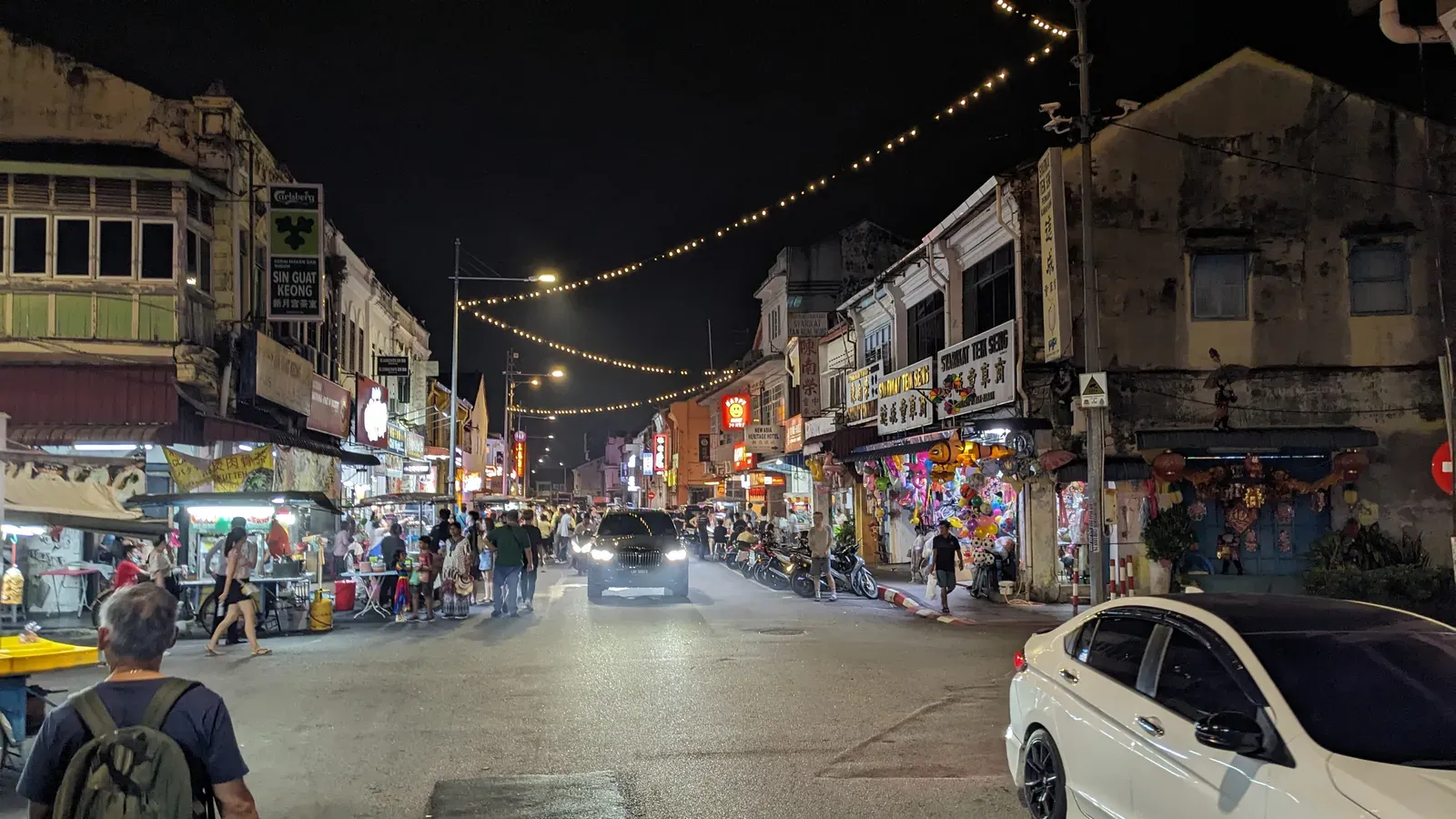
George Town is Malaysia’s food capital, and its status as a UNESCO World Heritage site, inscribed jointly with Melaka in 2008, was built as much on shophouse architecture as on the hawker stalls tucked beneath it. George Town is Malaysia’s food capital and a UNESCO World Heritage site. The mix of Malay, Chinese, and Indian communities shows up on every menu, sometimes within the same dish.
Assam laksa and char kway teow anchor most visits, but the real education happens at night markets like the one on Kimberley Street, where dozens of stalls specialize in exactly one thing each. Travelers on a hawker-only budget can expect to spend somewhere between thirteen and twenty two dollars a day, a figure that barely rises even with a sit-down meal added in. Three or four days is generally considered enough time to work through the heritage trail and the major food streets without rushing.
Lyon, France: the bouchon tradition
Palermo, Sicily: street food built on empire
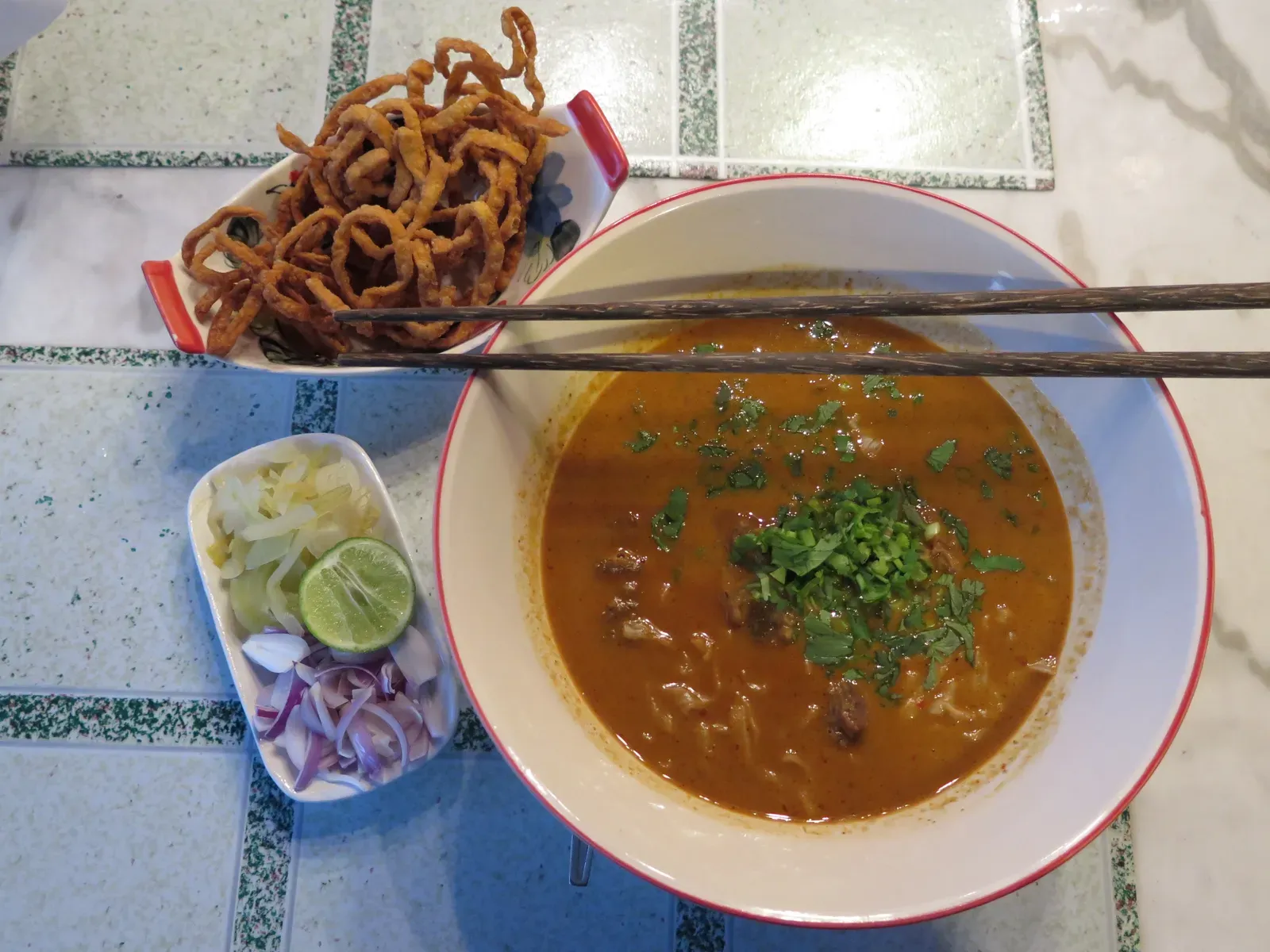
Chiang Mai, Thailand: northern flavors away from the coast
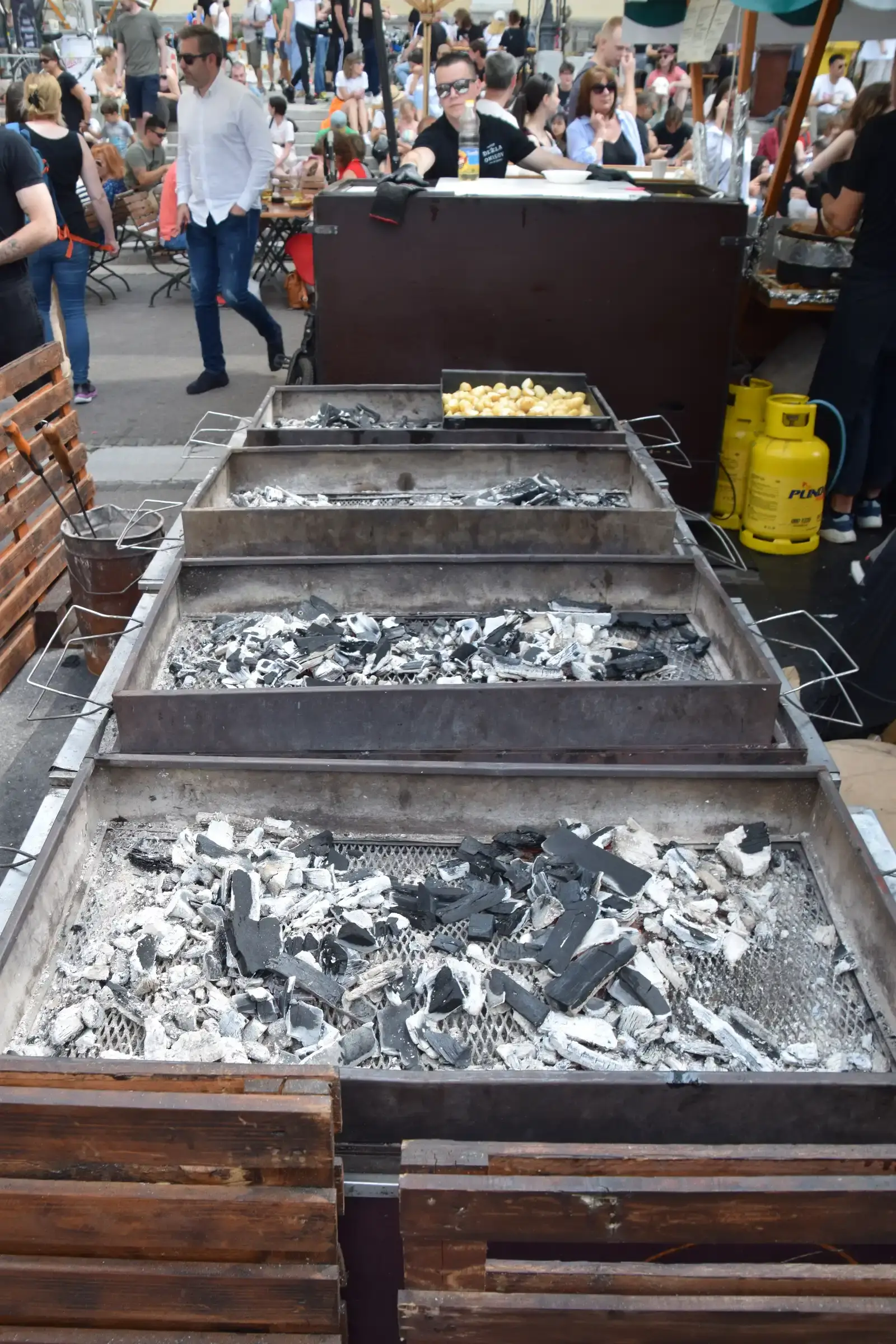
Ljubljana, Slovenia: a quiet capital rewriting its reputation
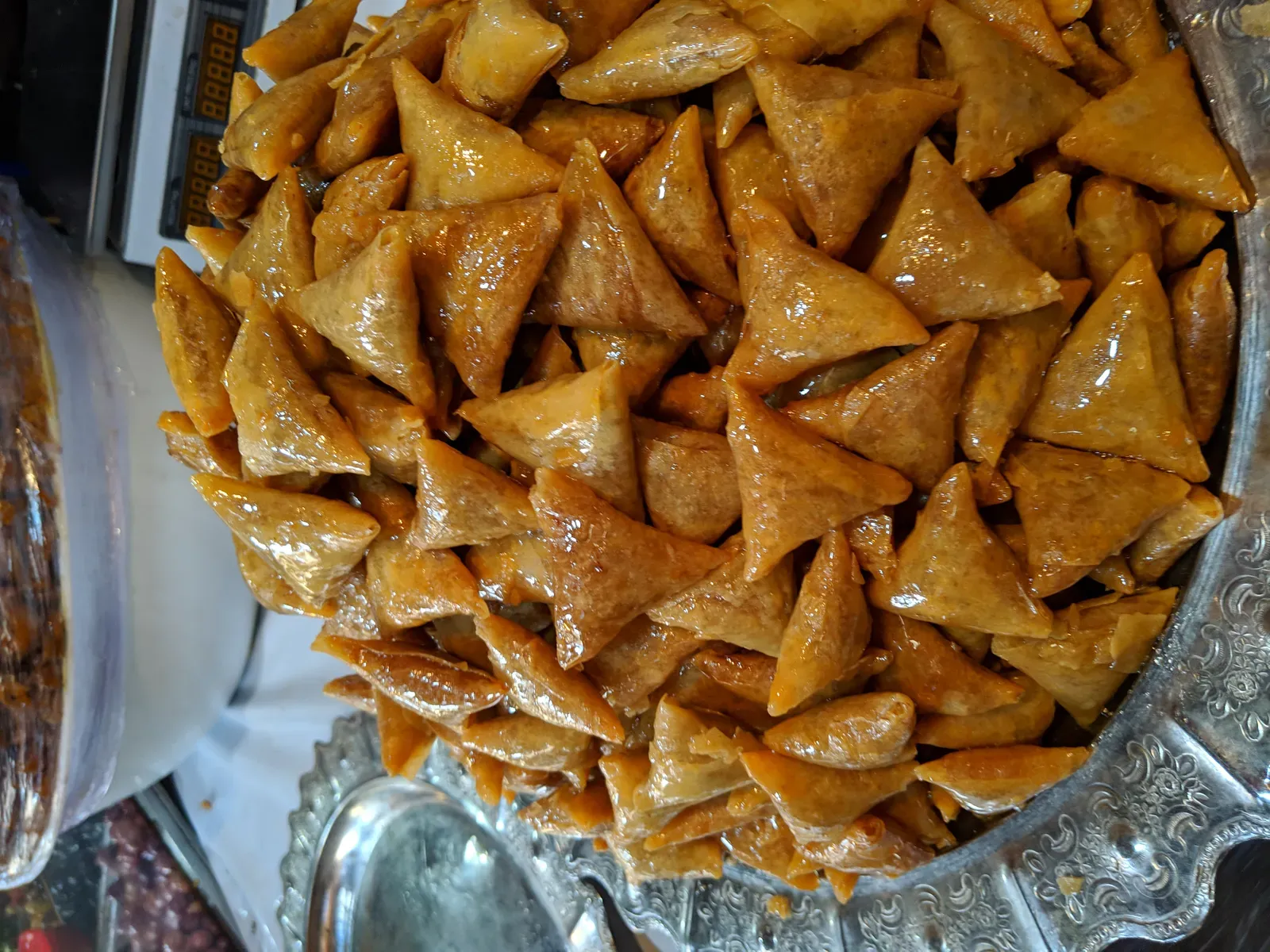
Fez, Morocco: the medina as a kitchen
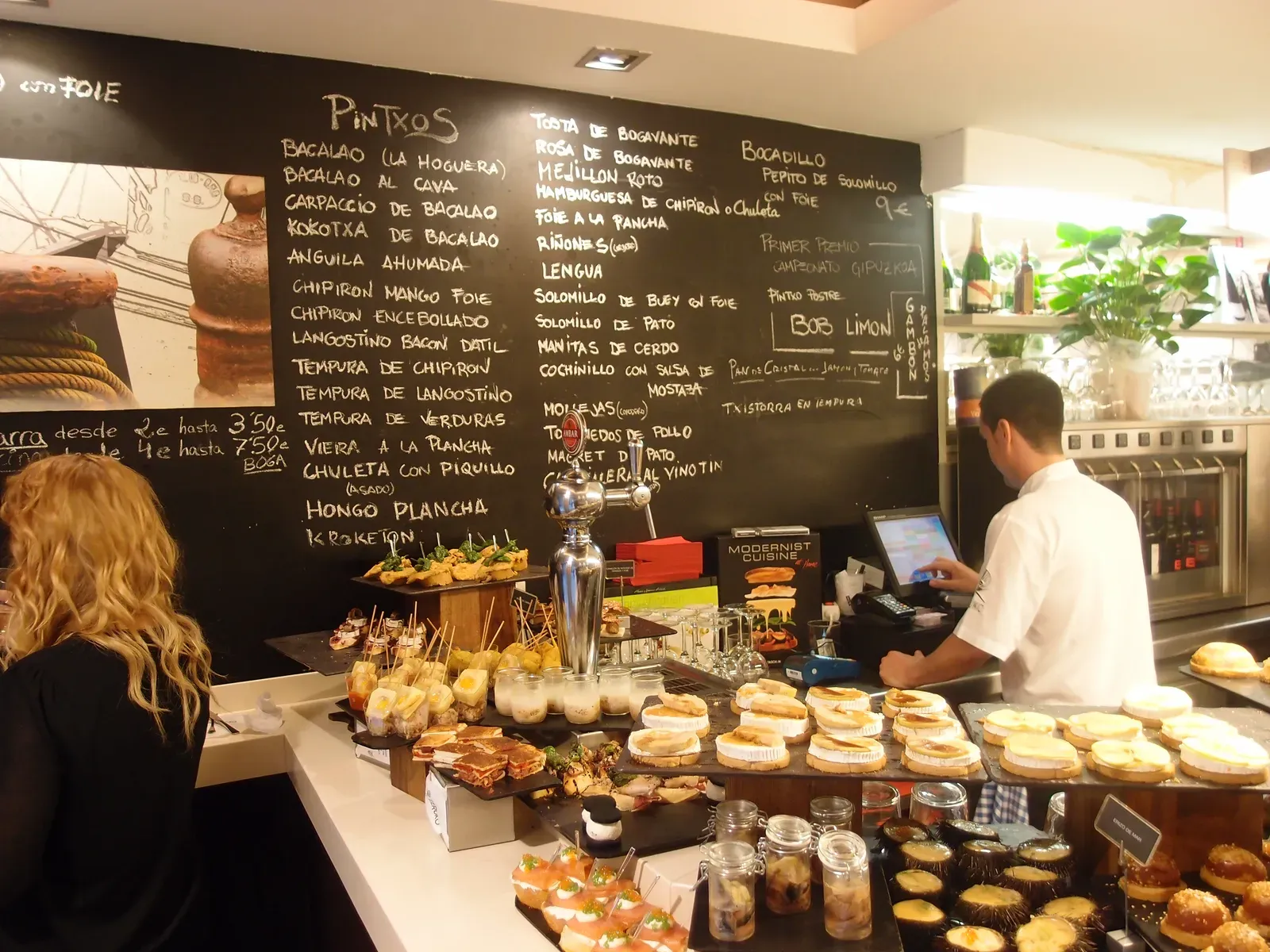
San Sebastian, Spain: pintxos and an unusual concentration of stars
Hoi An, Vietnam: a small town punching above its weight
Final thoughts

Leave a Reply