
1. Rome, Italy
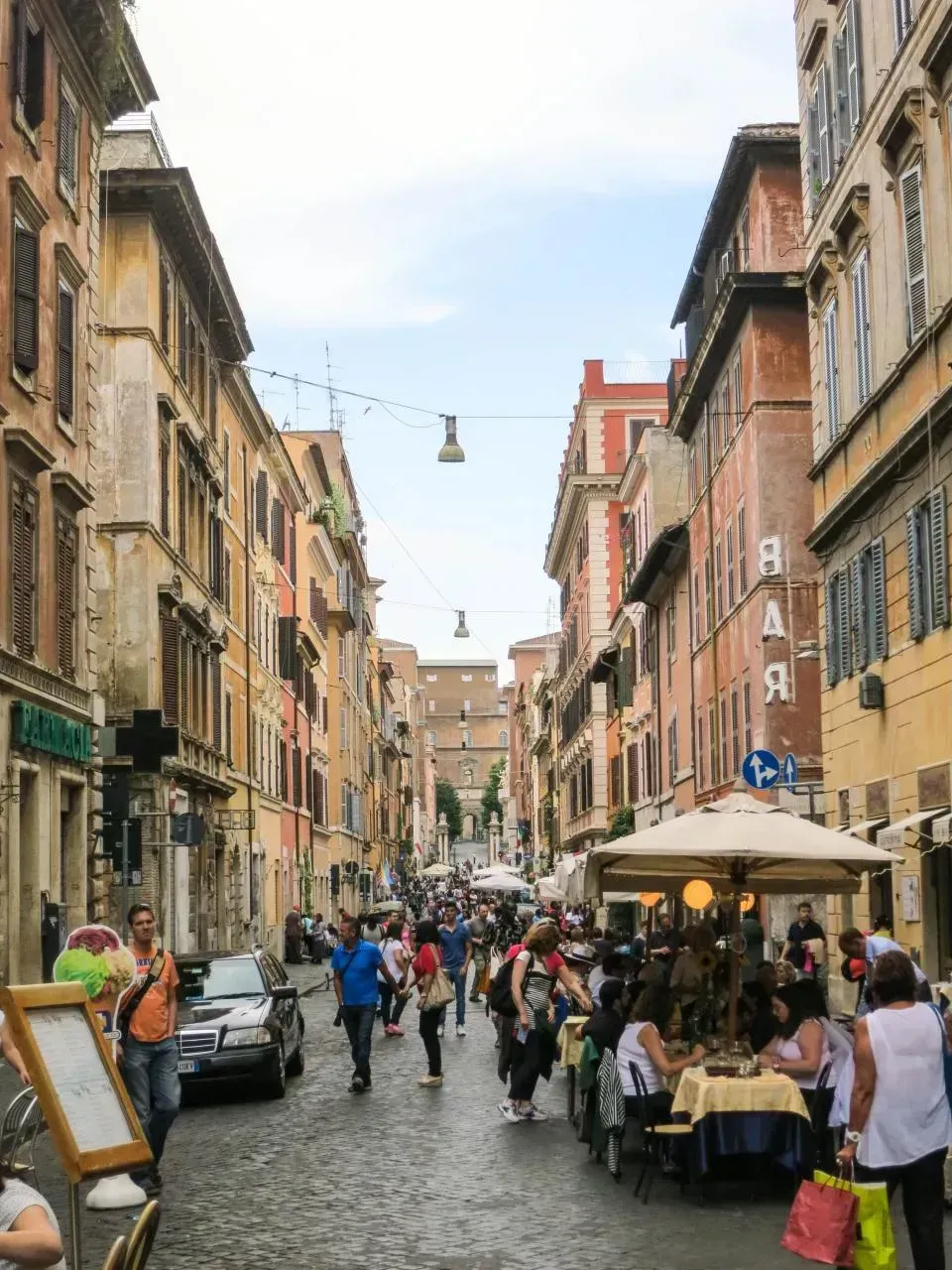
Rome took the top spot in GuruWalk’s 2026 report on the world’s most walkable cities, and the reasoning behind that ranking reads almost like a food itinerary in disguise. Rome tops the list of the most walkable cities in the world, thanks to its unmatched mix of ancient history, cobblestone streets and cultural landmarks. Wandering from the Pantheon to the Trevi Fountain naturally means passing dozens of trattorias, gelaterias, and espresso bars along the way.
Rome’s food identity is built on a handful of pasta dishes, carbonara, cacio e pepe, amatriciana, that locals treat with near religious seriousness. The city’s neighborhoods, from Trastevere to Testaccio, are compact enough that a single afternoon walk can cover multiple distinct culinary districts. It’s a city where getting lost is rarely a problem, since there’s usually a good meal within sight.
2. Florence, Italy
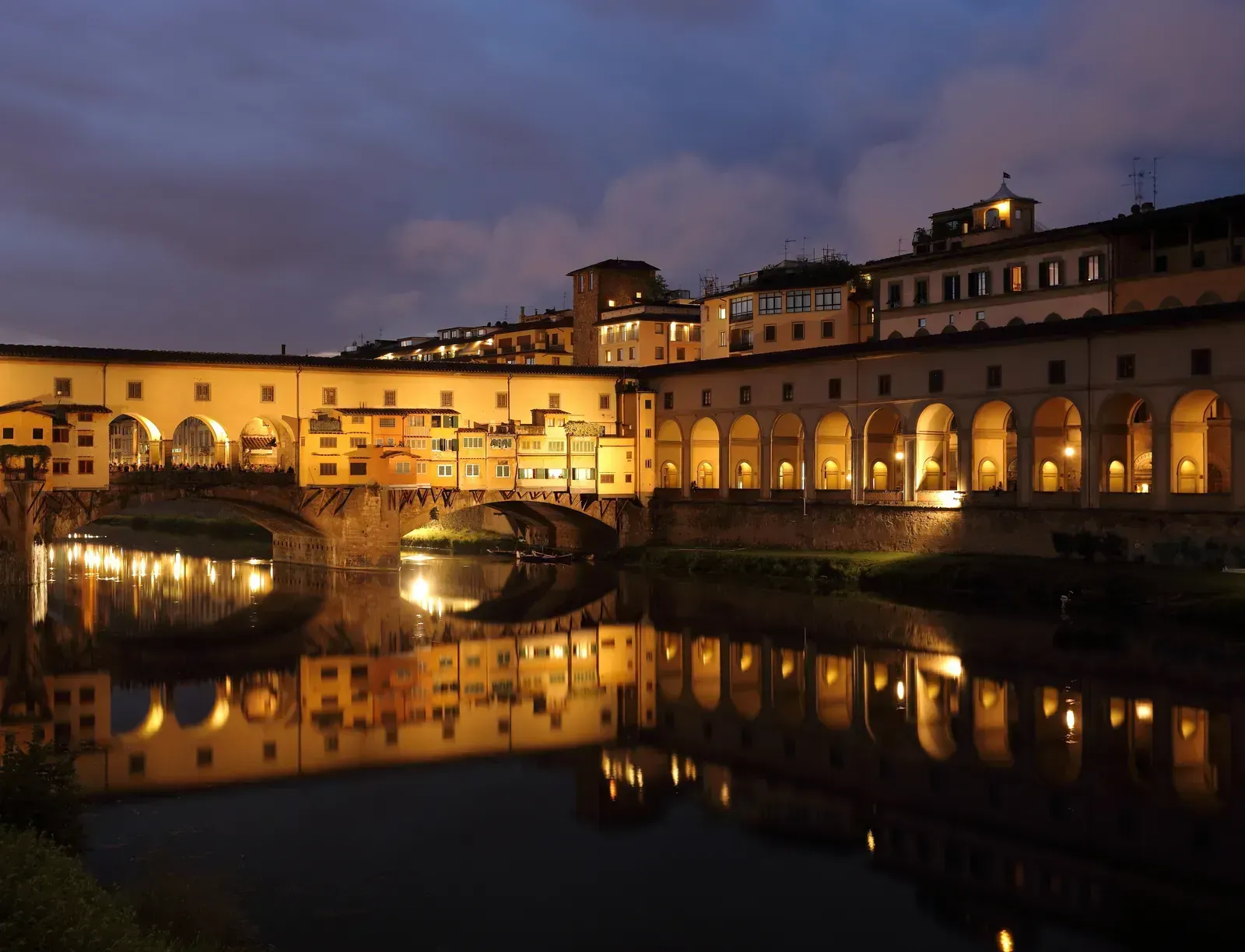
Florence has repeatedly topped walkability rankings for its compact, pedestrian friendly historic core. Florence, the birthplace of the Italian Renaissance, tops the Tour Lane’s list of the world’s most walkable cities, and in a 10-minute walk, travelers can visit the famous Romanesque-style arched river bridge, Ponte Vecchio. That same compactness applies to its food scene, with markets, bakeries, and wine bars tucked into nearly every street radiating from the Duomo.
Tuscan cuisine here leans on simplicity done exceptionally well, think bistecca alla fiorentina, ribollita, and pici pasta with wild boar ragu. The Mercato Centrale gives visitors a single indoor stop packed with regional producers, while smaller trattorias hide just a few steps from major tourist routes. Florence rewards travelers who are willing to detour slightly off the main piazzas.
3. Bangkok, Thailand
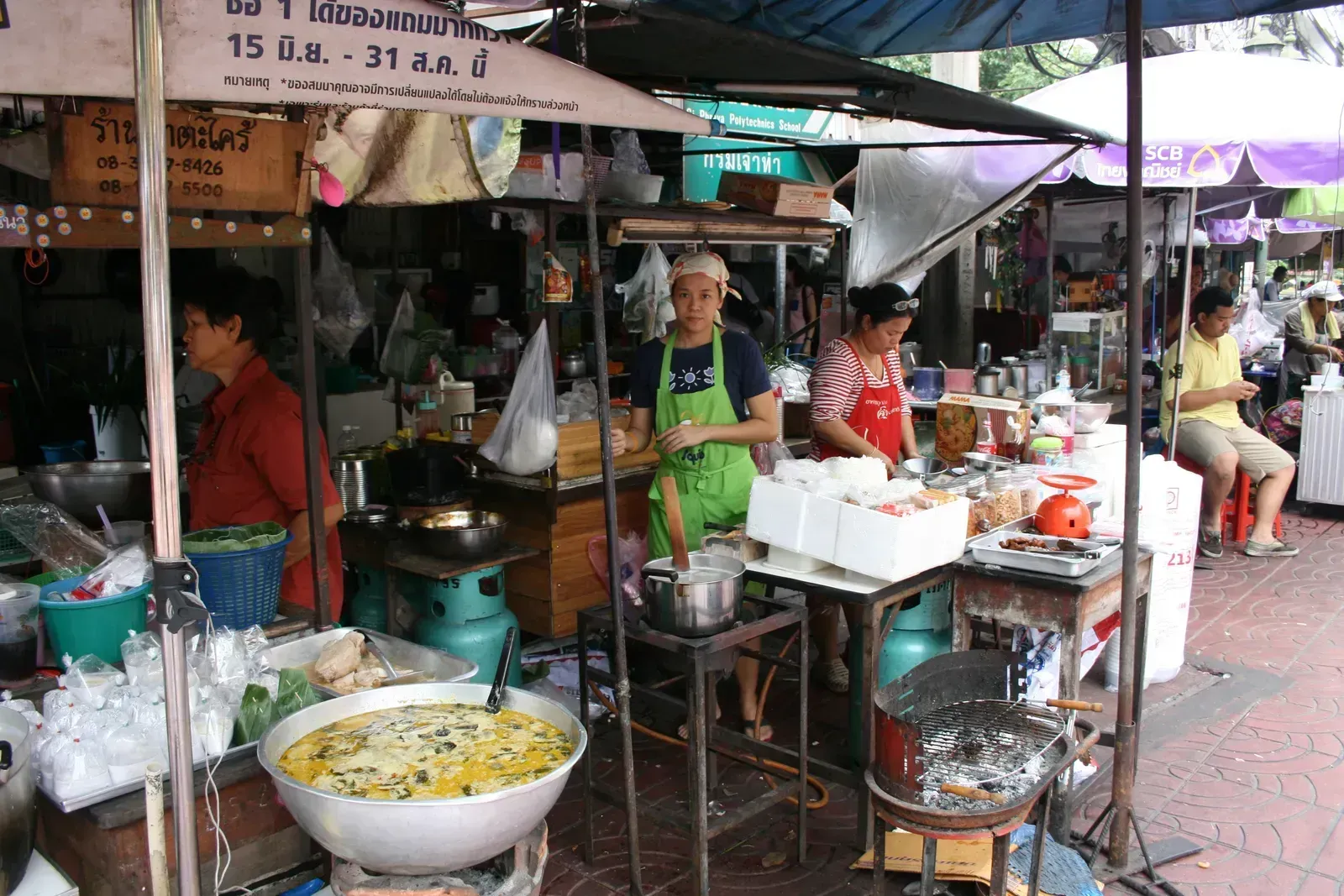
Bangkok has earned a reputation as a serious food city, not merely a street food novelty. Bangkok is one of the few cities in the world where street food is taken seriously by the Michelin Guide, and inspectors do not treat street stalls as a novelty or a separate category, instead evaluating them using the same core standards applied to restaurants. Neighborhoods like Yaowarat, Bangrak, and Ari cluster dozens of notable stalls within easy walking distance of each other.
The city’s most famous street food destination remains Jay Fai, whose Raan Jay Fai is the ONLY Thai street food eatery awarded 1-Michelin star in Bangkok. What makes the city walkable for food lovers specifically is the density of these clusters. Bangrak and Silom are long-established food neighborhoods shaped by office culture and daily routines, where vendors depend on repeat local customers, which drives consistency and value.
4. Osaka, Japan
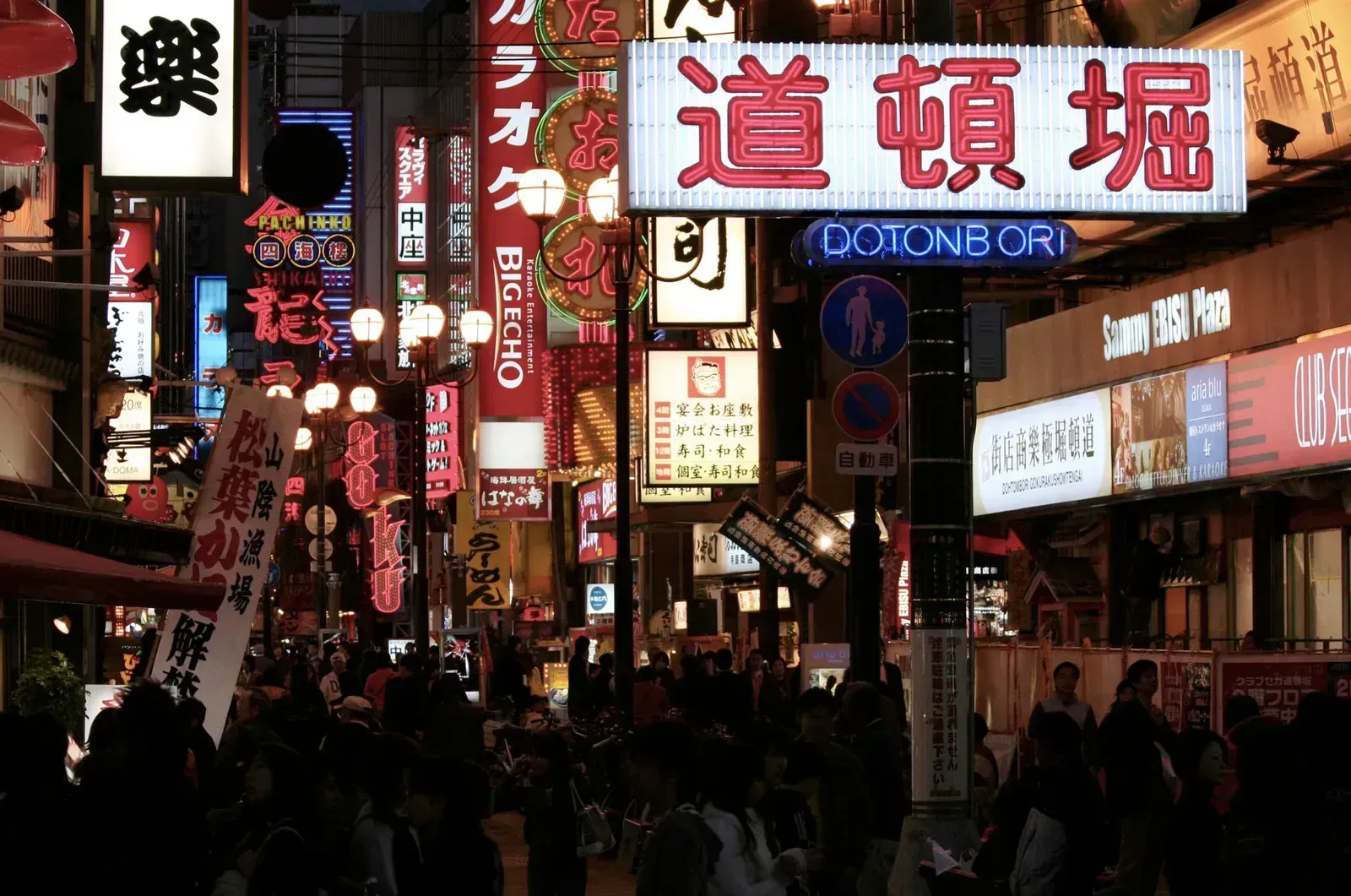
Osaka carries the nickname “Japan’s Kitchen” for good reason, and its geography practically insists that visitors explore on foot. The Dotonbori, Namba, and Shinsaibashi districts form a walkable triangle where most visitors spend their evenings on foot, hopping between takoyaki stalls and neon-lit arcades. This isn’t a sprawling food scene requiring taxis or trains between stops.
Within that same walkable pocket sits Kuromon Ichiba Market, where a 5-minute walk east of Namba, Kuromon Ichiba Market is a 580-meter covered market with over 170 food stalls and shops, with fresh fish as the star. Takoyaki, okonomiyaki, and kushikatsu skewers are sold within steps of each other along the canal. Locals note that every street in this neighborhood feeds into the next, which is what makes Minami one of Japan’s most walkable districts.
5. Madrid, Spain
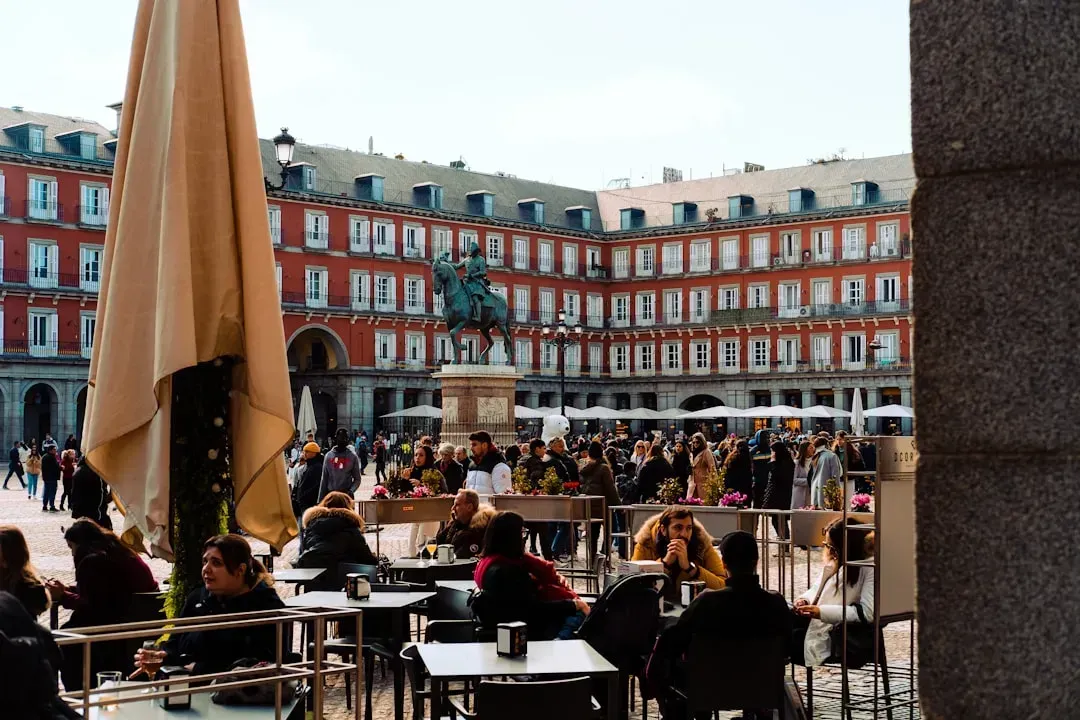
Madrid ranks near the very top of multiple walkability lists, and its layout of wide boulevards and lively squares makes casual food hopping effortless. GuruWalk’s 2026 report places the Spanish capital second overall among walkable cities worldwide, noting the city rewards walkers with wide boulevards, lively squares and major cultural sites. Tapas culture thrives here precisely because bars are stacked closely together, encouraging a slow crawl from one small plate to the next.
Mercado de San Miguel and the surrounding La Latina neighborhood pack dozens of tapas bars into a few walkable blocks. Madrid also scores well on separate rankings measuring rainfall and daylight hours, both of which matter for a city built around outdoor terraces and evening strolls. It’s a city where the food scene and the walking route are essentially the same experience.
6. Mexico City, Mexico
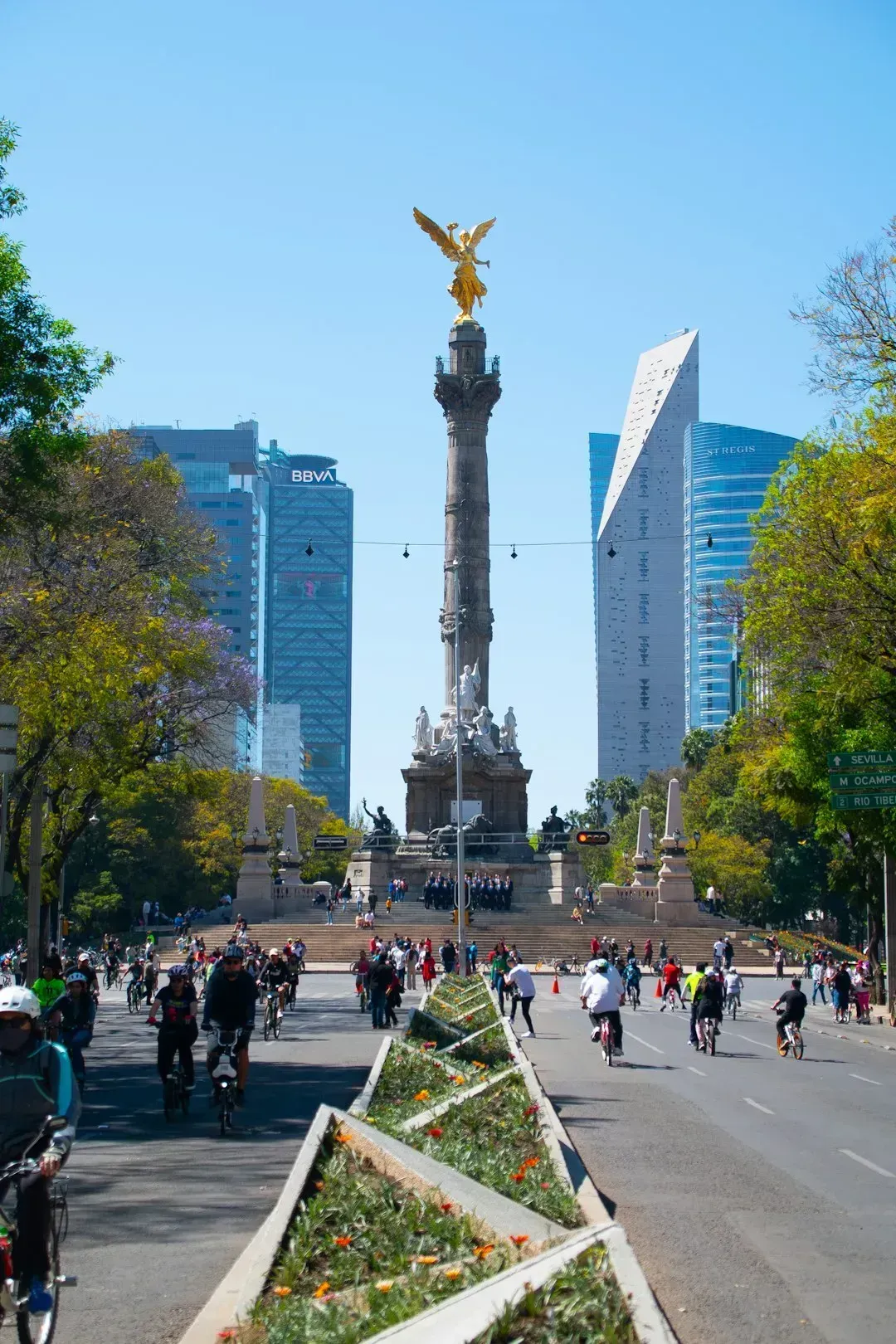
Mexico City’s culinary reputation has grown substantially since the Michelin Guide expanded there in 2024, and its historic center remains dense and walkable despite the city’s overall sprawl. Mexico City is where ancient traditions meet cutting-edge creativity, and the guide recommends two-starred restaurants Pujol and Quintonil, as well as places such as Mercado de San Juan for street food. Neighborhoods like Roma Norte and Condesa are particularly friendly to walkers, with tree lined streets connecting taco stands to sit down restaurants.
Classic street fare remains central to the experience. Classic dishes include tacos al pastor, tamales, and pozole, a limey, hearty soup crammed with either pork or chicken. Markets function as informal food halls where visitors can sample multiple regional specialties without traveling far, a structure that suits pedestrian exploration well.
7. New Orleans, USA
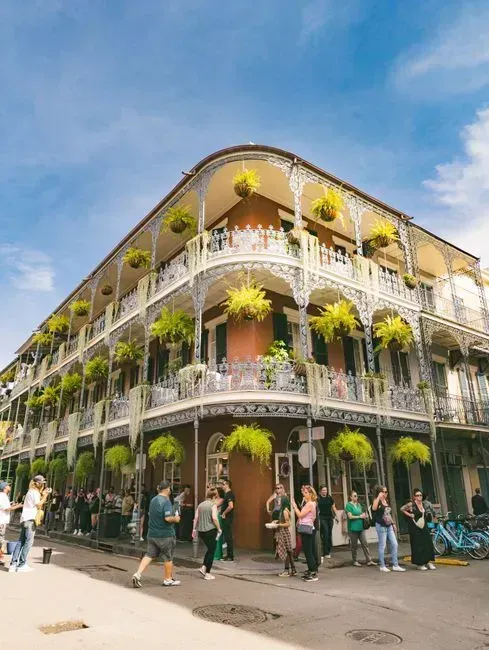
New Orleans earned recognition as the top food city in the world according to Time Out’s 2025 rankings, a distinction rooted heavily in how locals rate their own dining scene. New Orleans is the Best City in the World for Food right now, according to locals whose survey ratings were combined with insights from Time Out’s experts, with 93% of locals rating their city highly for restaurants and dining out. The French Quarter and Garden District remain compact enough to explore almost entirely on foot.
Gumbo, beignets, and po’boys anchor a food identity shaped by centuries of cultural blending. With a rich, diverse culinary history shaped by global influences, the city serves up something for every palate, from traditional favourites celebrated at dedicated festivals to world-class fine dining and iconic street food. Unlike many American cities built around cars, New Orleans’ older neighborhoods retain a walkable, human scaled layout.
8. Seoul, South Korea
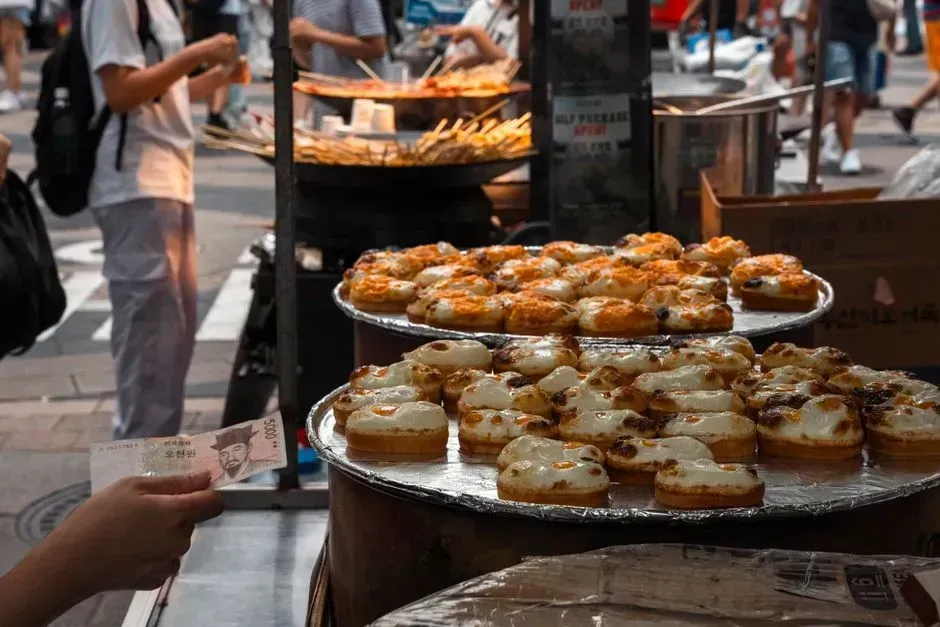
Seoul might seem too large for a walkability list, yet it consistently defies that assumption. A city doesn’t have to be small to be walkable, and Seoul is one of the largest cities on the list by surface area and population, but its impressive 93 percent approval rating from locals has secured the South Korean capital joint-first position. Neighborhoods built for foot traffic make it easy to move between food districts without relying on the subway.
Areas like Myeongdong and Hongdae combine street food stalls with sit down restaurants in tight, walkable clusters. The city has a reputation as an exceedingly safe place to stroll by day and night, home to neighbourhoods such as Myeongdong, Insadong, and Hongdae, all primed for exploring on foot, along with pedestrian infrastructure like Seoullo 7017, an elevated sky garden home to 24,000 different plants. Korean barbecue, street toast, and tteokbokki stalls sit within easy reach of these pedestrian corridors.
9. Lisbon, Portugal
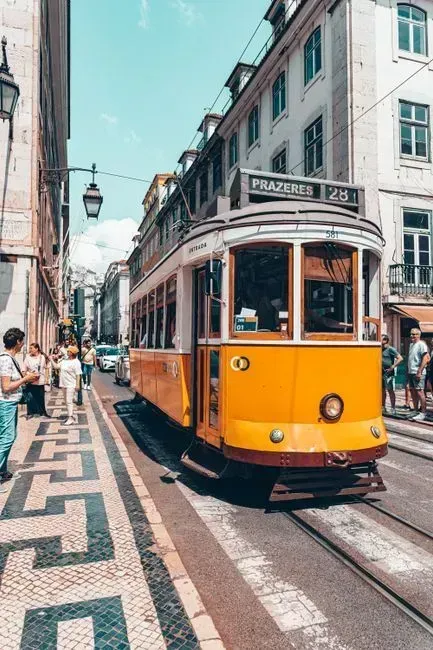
Lisbon’s hilly, compact layout has made it a regular fixture on walkability rankings, even if those same hills occasionally challenge tired legs. Lisbon lands in ninth place with 84% of residents living near services, a statistic that reflects how tightly packed the city’s neighborhoods are. Alfama and Bairro Alto in particular reward slow, meandering walks between pastel de nata bakeries and seafood taverns.
Grilled sardines, bacalhau prepared dozens of different ways, and custard tarts define much of the city’s everyday food culture. The layout of narrow, winding streets means restaurants and small tascas appear frequently along any given walking route, rather than requiring a deliberate detour. Lisbon’s food scene rewards curiosity more than planning.
10. Istanbul, Turkey
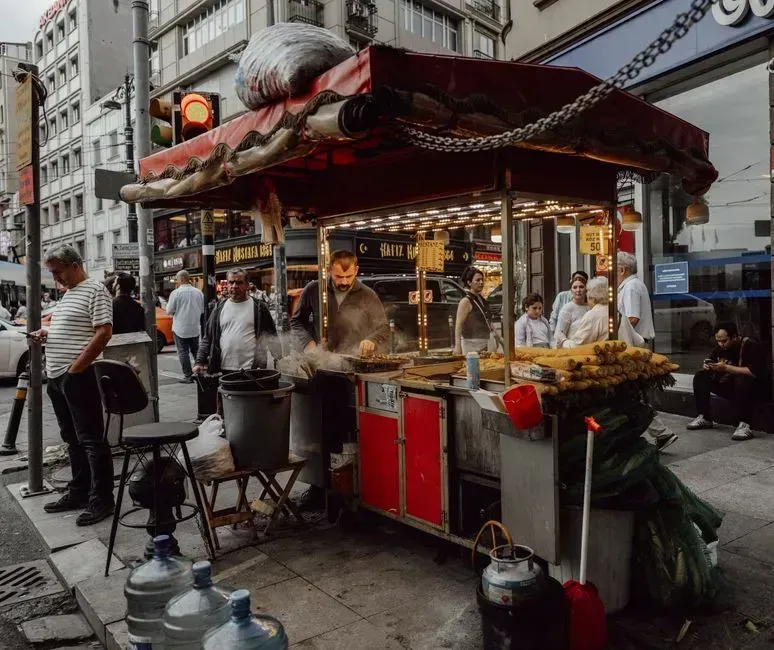
Istanbul closes out this list thanks to a combination of dense historic geography and an equally dense food culture. History buffs can marvel at the Blue Mosque and Galata Tower while exploring the winding streets of Istanbul, one of the world’s largest cities, but its main attractions are surprisingly close together. That same closeness applies to its food stalls, which cluster around ferry terminals, bazaars, and market streets.
Simit vendors, balik ekmek fish sandwich stands, and baklava shops appear in tight succession throughout neighborhoods like Karakoy and Eminonu. The Grand Bazaar and nearby spice markets sit within a short walk of the city’s most photographed landmarks, making food exploration feel like a natural extension of sightseeing rather than a separate errand. Istanbul manages to combine centuries of history with an immediate, tangible food culture on nearly every corner.
Final Thoughts




Leave a Reply