
Walk into almost any trendy restaurant today and you’ll find a tablet where the menu used to be, bass-heavy music rattling the glassware, and a bill at the end that somehow costs thirty dollars more than the menu suggested. For baby boomers, who grew up in an era when dining out meant tablecloths, real servers, and food that arrived in generous portions, this new reality can feel like a slow erasure of everything they loved about restaurants.
Baby boomers still control a massive share of consumer spending, and adults 65 and older are projected to account for nearly one fifth of all U.S. restaurant spending by 2030, up sharply from about a tenth in 2025. Research from McKinsey and other hospitality analysts shows that generational differences in dining priorities are widening, with older diners placing far more emphasis on service, comfort, consistency, and value. These aren’t trivial preferences. They reflect decades of dining culture that modern restaurants are quietly dismantling, one QR code at a time.
1. QR Code Menus
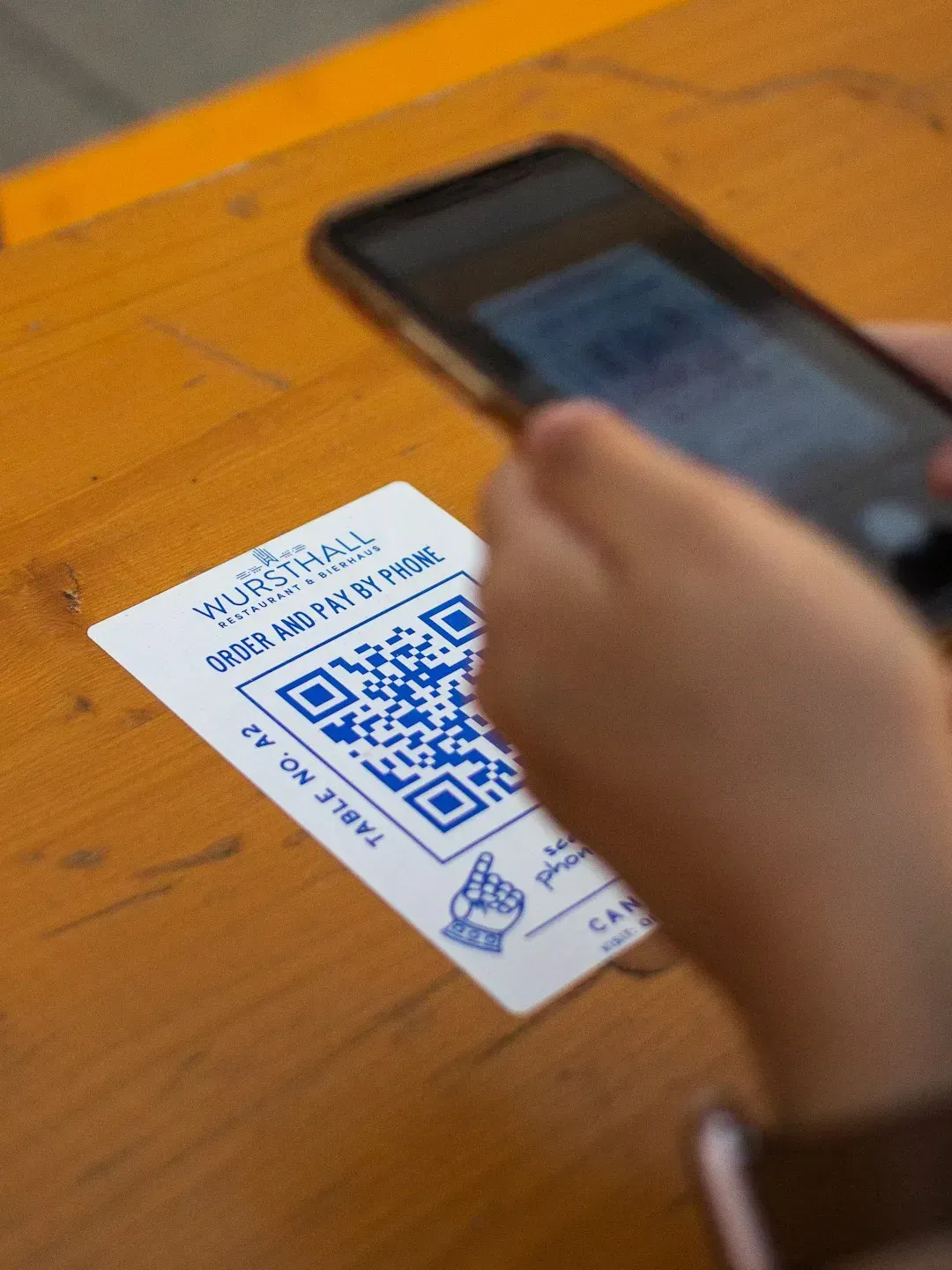
A 2024 Datassential survey found that nearly four in five boomers hadn’t accessed a menu via QR code, indicating a strong preference for physical menus. A further study by William Blair found that only about half of boomers said they’d even be open to using one. The objection isn’t always about the technology itself. For boomers, dining out has always been a tactile experience. You dressed up, carefully chose the restaurant, flipped through a heavy menu, and discussed the options together. Replacing that with a black-and-white square that requires loading and scanning takes away some of the joyful rituals associated with eating out.
The problem extends beyond tech comfort levels. Many QR-linked menus are poorly formatted PDF files, and if you’ve ever scanned a code that led to a page requiring constant scrolling just to read the menu, you know exactly how frustrating that is. Consumer dislike for the codes spans every generation, but almost every boomer surveyed in one study agreed they prefer paper menus, coming in at roughly 95 percent. The preference is nearly universal among the group, which makes it particularly puzzling why so many restaurants continue to go fully digital.
2. Deafening Noise Levels
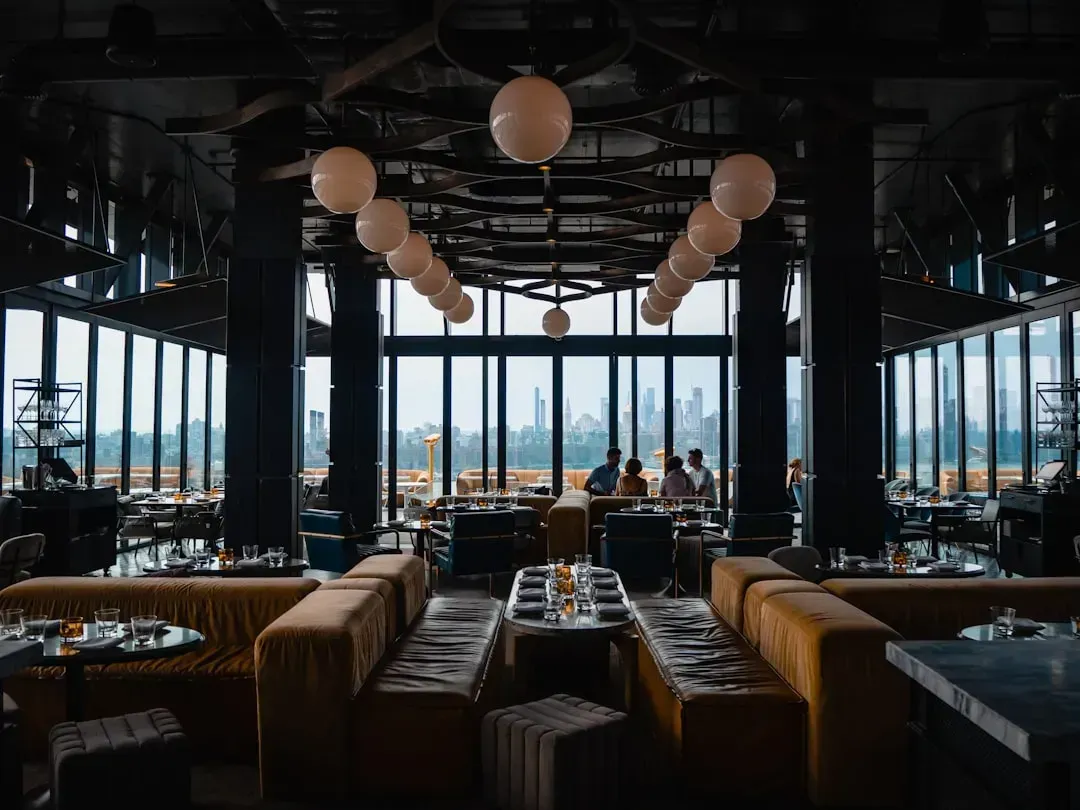
Modern restaurants increasingly prioritize energetic, nightclub-style atmospheres with loud music, open kitchens, and crowded seating layouts. While these choices create a trendy vibe, many diners report that excessive noise levels make meals far less enjoyable. Conversation is one of the most important parts of dining out, yet in many contemporary restaurants, guests find themselves shouting across the table just to be heard.
This honestly isn’t an unreasonable complaint to have. A lot of the time, music in restaurants is simply too loud, cranked up in a bid to create a lively atmosphere. Unfortunately, it doesn’t create the vibe that the boomer generation has grown up with and come to expect when dining out. For older customers, eating at a restaurant is a convivial experience where you come together with friends and talk, without having blaring music inhibit the conversation.
3. Hidden Fees and Surcharges

Few things ruin a nice meal faster than a bill that suddenly grows extra limbs. A “service fee,” “wellness fee,” “kitchen appreciation fee,” “credit card fee,” and “administrative fee” can make a simple dinner feel like a cable bill with fries. According to TouchBistro’s 2025 American Diner Trends Report, more than half of boomer respondents are deterred by service charges, and operators can retain boomer diners by having transparent pricing and value-based offerings.
In 2025, several states, including California, Colorado, Florida, and Massachusetts, enacted laws regulating or prohibiting automatic service charges, emphasizing clear disclosure and transparency to protect consumers. Colorado’s Protections Against Deceptive Pricing Practices law, signed in April 2025 and taking effect January 1, 2026, requires restaurants and bars to clearly disclose any mandatory charge before customers make a purchase decision. No more finding out at the end of the meal. The fact that legislation became necessary says everything.
4. Tip Creep and Tablet Guilt Trips
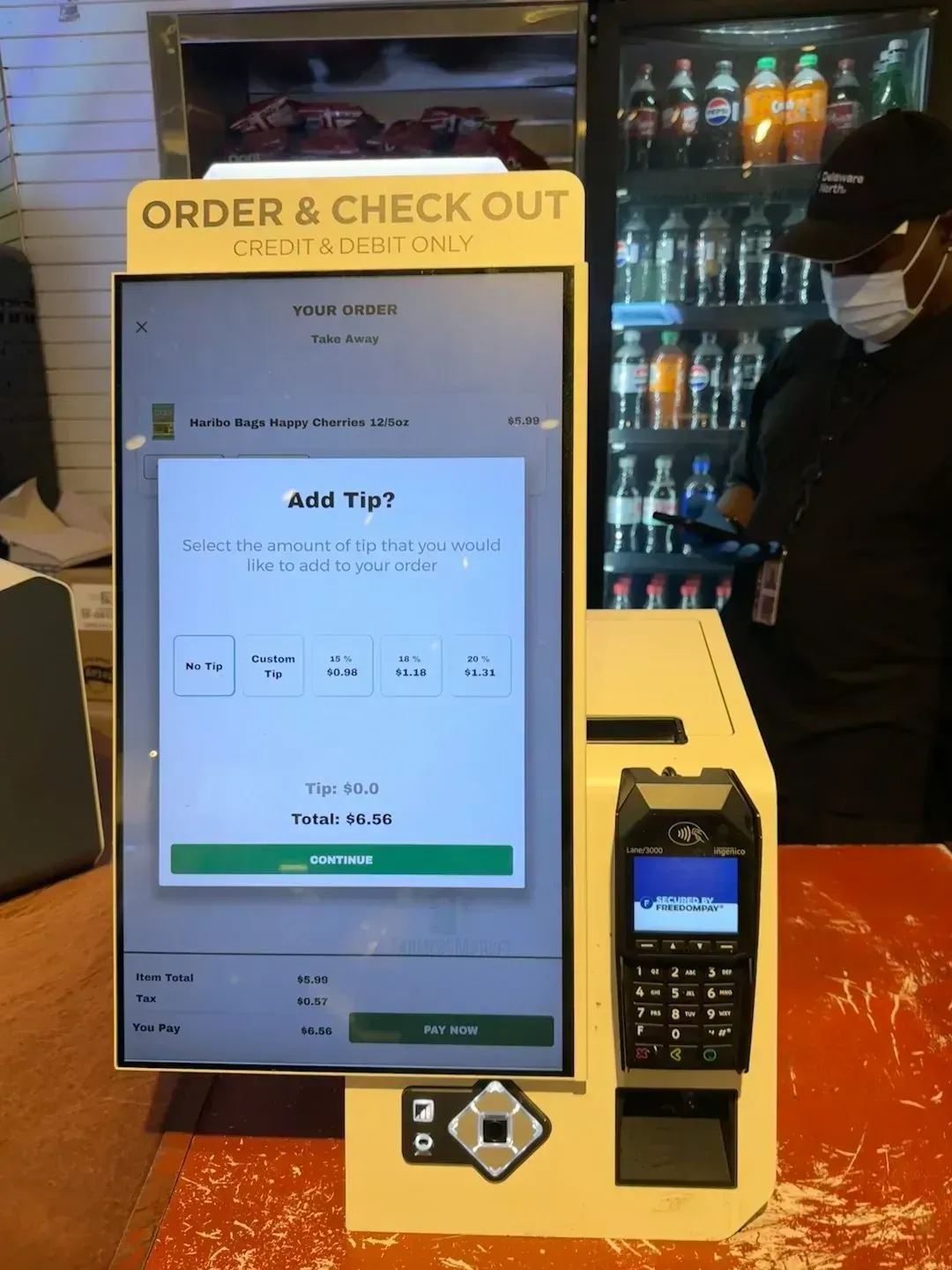
Food and Wine reported that nine in ten Americans say tipping culture feels out of control, with more than half saying they often tip because of social pressure. Boomers grew up with tipping as a reward for table service, so a tablet guilt trip at a counter feels less like gratitude and more like an ambush with a swivel screen. Restaurant Dive reported that the share of consumers tipping servers 20 percent or more fell from 45 percent in September 2025 to 41 percent by March 2026, with analysts linking the pullback to tipping fatigue and price pressure. The average full-service restaurant tip sat at 19.2 percent in Q3 2025, just above a seven-year low.
Boomers don’t hate tipping good servers. They hate feeling ambushed before anyone has even brought water to the table. The prompt now appears everywhere, from coffee counters to takeout windows, and boomers who remember when tipping was tied specifically to table service find the expansion disorienting rather than generous. A WalletHub survey conducted in 2024 found that the vast majority of Americans believe automatic service charges should be banned, and nearly half said they tip out of social pressure rather than genuine appreciation of service quality.
5. Shrinking Portions at Rising Prices
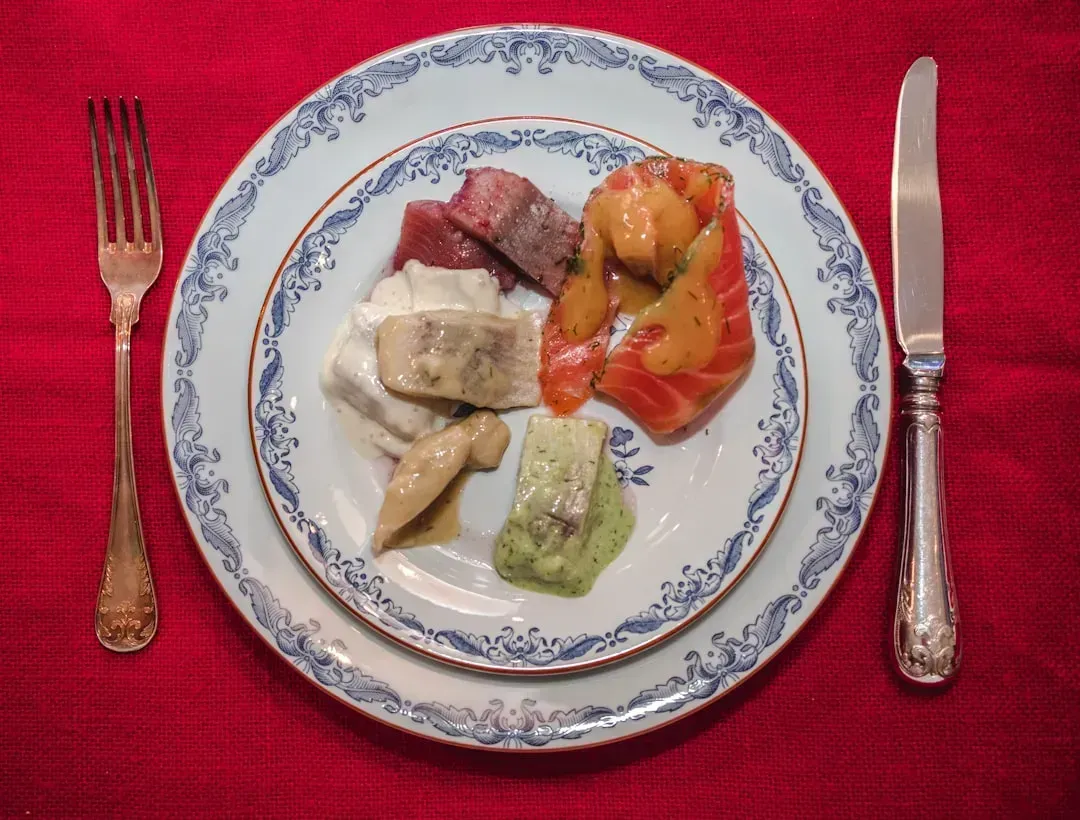
Boomers have a special radar for shrinking portions, and restaurants keep testing it. Menu prices rose 3.8 percent from March 2025 to March 2026, with full-service prices up 4.3 percent over that period, according to National Restaurant Association economic data. Diners feel it fast when the salmon arrives smaller, the side costs extra, and the cocktail looks like it was poured during a sneeze.
Older diners get a feeling of being scammed when presented with a large plate containing a tiny portion of food, and it’s no wonder why. It just looks plain wrong, like the restaurant is skimping. It’s a trend that may please the Instagram-loving crowd, but for boomers, it feels like a con. Modern restaurants often defend smaller portions with words like curated, seasonal, elevated, and chef-driven. A hungry guest still wants dinner, not a museum exhibit with parsley.
6. Unfamiliar and Overhyped Ingredients
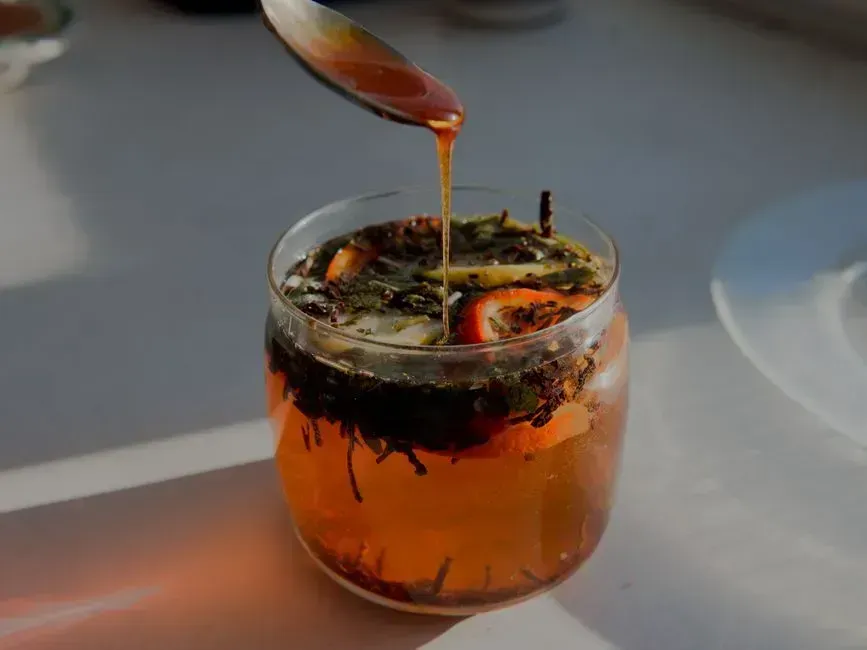
The trend of bolder, more outgoing sauces and condiments is very much a real thing. According to Food and Beverage Magazine, major trends in the 2025 sauce landscape included more briny flavors, fermentation, umami, and the combination of sweet and spicy. In addition to items like hot honey, more restaurants are playing with combinations like gochujang-maple, chili-spiked chocolate, and spicy fruit chutneys.
Then there’s the repetition of the same handful of ingredients. Turmeric, chia seeds, and apple cider vinegar get recycled endlessly, each one presented as the next miracle fix. For boomers, the resistance isn’t to eating well. It’s to the idea that eating well suddenly requires a list of rules and a rotating cast of superfoods to make it acceptable. They’d often rather have a good roast chicken described in plain English than a “heritage bird with fermented allium jus.”
7. Dim Lighting That Makes Menus Unreadable
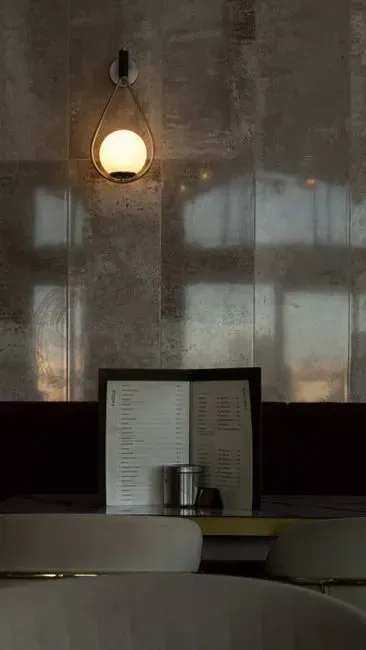
Everything has its place in a restaurant, including noise and lighting. Dark settings can be intimate and accent lighting draws the eye, but while complaints about these things do come from younger diners as well as older ones, the lion’s share comes from the latter. Younger diners may find a dimly lit restaurant to be part of the experience, while boomers tend to find it annoying. Boomers will actively return to restaurants with good acoustics and complain about ones that are too loud or dark.
From an accessibility angle, dark restaurants where you can’t read the menu or see the person you’re sitting across from are a real problem, and may be particularly difficult for an older diner with deteriorating eyesight. It’s not simply a generational preference. Poor lighting creates a genuine barrier for a large and growing demographic, and restaurants that ignore it are quietly signaling who they care about serving.
8. Constantly Rotating and Reduced Menus
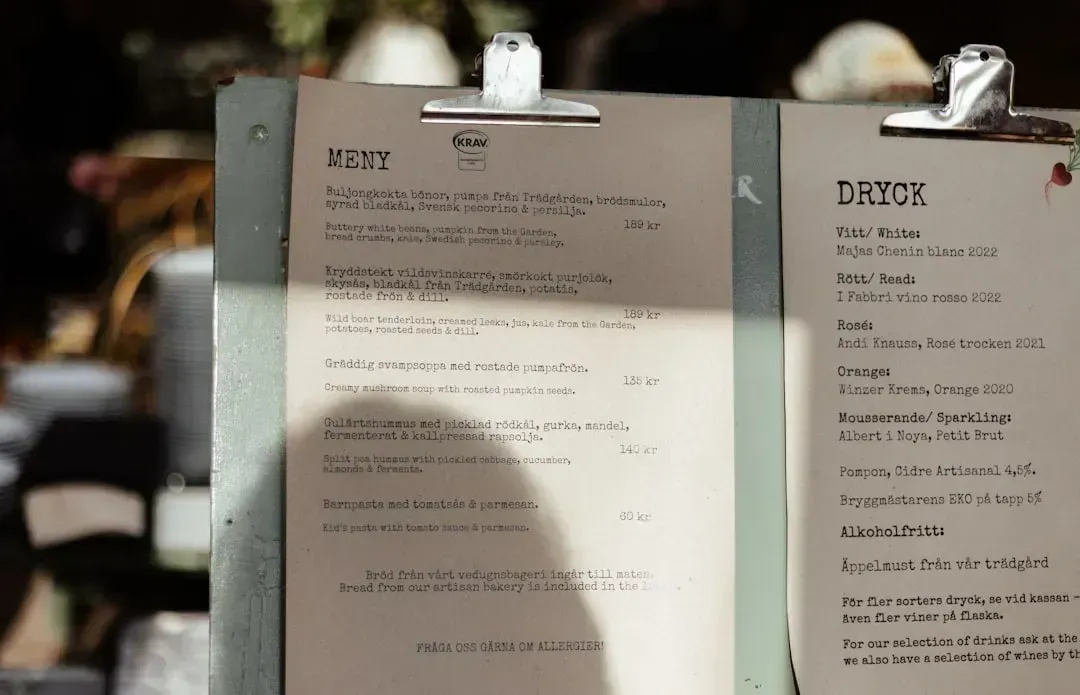
According to revenue management research, half of restaurant guests report they no longer find what they ordered in the past and feel there is less variety on today’s menus. For boomers, menu consistency is closely tied to the reason they visit a restaurant in the first place. Research by Vox Media Insights and Research in 2025, drawn from a survey of 2,000 U.S. diners, found that roughly nine in ten boomers rank comfort and relaxation as among the things they look for most when they go out to eat.
Boomers tend to visit the same restaurants and order the same things because they know what they’re getting. Research found that this comfort-seeking behaviour contrasts sharply with Gen Z, which tends to gravitate more toward cultural and culinary exploration. When a beloved dish disappears from the menu with no warning, it can genuinely put a boomer off returning. For them, a menu isn’t just a list of food. It’s a promise.
9. Inattentive or Undertrained Service

Boomers expect nothing less than great service and have a low tolerance for errors, meaning operators should focus on exceptional service and order accuracy to keep boomers coming back. Boomers are also the most skeptical generation when it comes to AI and technology replacing human interaction in restaurants. When a server can’t answer a basic question about the menu, or disappears for twenty minutes mid-meal, it registers as a deeper failure of hospitality rather than just a minor inconvenience.
Boomers visit restaurants where they feel they are getting a good deal. Research from a 2025 Vox Media Insights and Research study of 2,000 U.S. diners found that boomers considered fair and reasonable prices among their top deciding factors when choosing a new restaurant. When service falls short and prices remain high, it closes off any grace a boomer might otherwise extend. The value calculation simply doesn’t work in the restaurant’s favor.
10. App-Based Ordering and Loyalty Programs
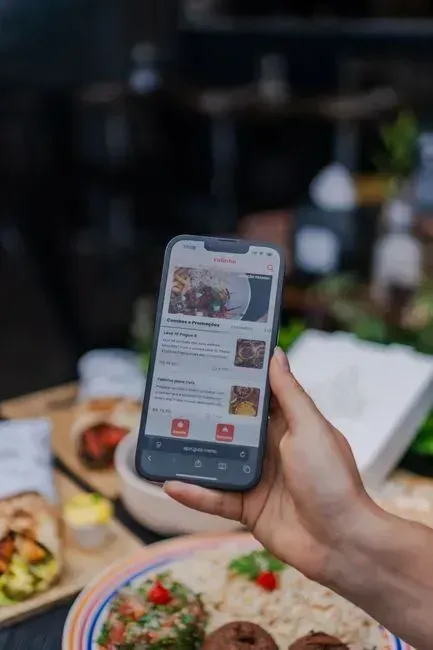
Restaurants are racing to appeal to younger customers with QR-code menus, app-based loyalty programs, loud social-media-friendly interiors, and fast-turn dining experiences. For boomers, being told to download an app just to see the daily specials, redeem a discount, or join a waitlist feels like an unnecessary hurdle. Boomers are the least comfortable generation with technology in the restaurant setting and the most skeptical of AI-driven hospitality tools.
The friction is real and cumulative. A generation that prefers to call ahead, speak with a host, and receive a handwritten note on a check finds app-first systems cold and unwelcoming. When rewards are locked behind smartphone interfaces and points expire without notice, many boomers simply opt out and take their business somewhere else. That’s a meaningful decision, given the spending power they represent.
11. Instagram-Driven Food Presentation Over Taste

The idea of photographing food and sharing it with the world can be credited to the rise of Instagram. Restaurateurs and chefs started catering to this craze, and food for social media was born. Dishes started being presented differently, as they weren’t just meant to taste good but had to look good too, worthy of stopping someone mid-scroll. Boomers are having none of it.
For them, mealtimes are about sitting together with friends or family and enjoying a meal. How the food looks is secondary. The idea that a plate should be judged by how many likes it gets rather than how delicious it is feels like a complete shift in priorities. There’s something genuinely deflating about being served a dish that clearly spent more time being composed for a camera than cooked for a person.
12. Escalating Menu Prices with No Clear Justification
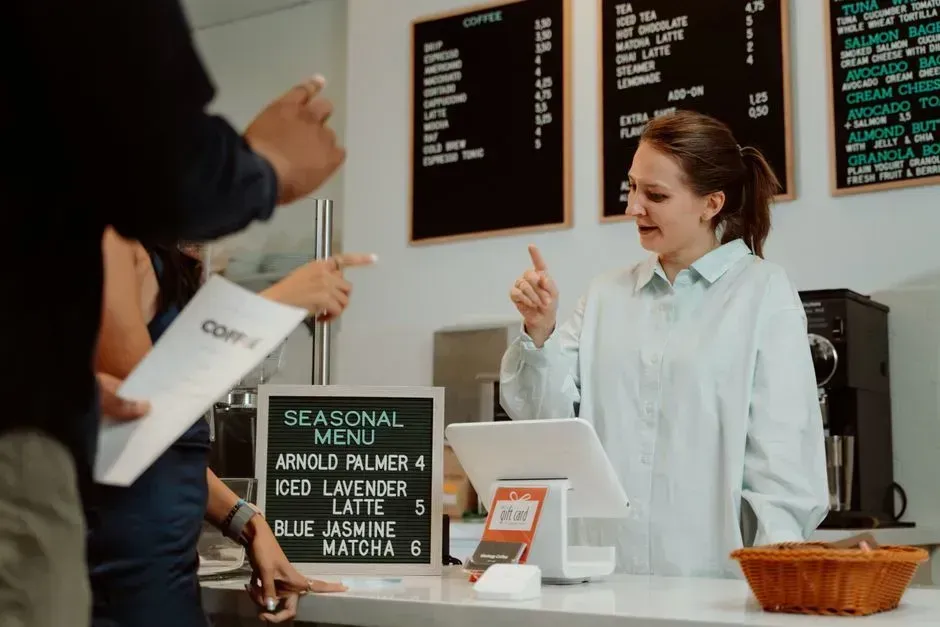
According to the National Restaurant Association, food prices have been slowly but surely increasing across the board. A report released by the NRA in February 2026 noted that in 2025, food prices away from home grew at 0.4 percent monthly, and menu prices have risen 4 percent year-over-year since January 2025. In 2025, the Northeast experienced a 4.2 percent increase in menu price growth, with the West at 4.1 percent, the South at 3.9 percent, and the Midwest at 3.8 percent.
Meanwhile, sixteen popular chain restaurants increased their prices by an average of 42 percent between 2020 and 2025, according to a Finance Buzz study. A big part of this gripe from boomers comes down to a generational perception of value. Boomers visit restaurants where they feel they are getting a good deal, while younger diners are more willing to spend for experiences or places they genuinely want to visit. When rising prices aren’t accompanied by noticeably better food or service, boomers notice immediately and vote with their feet.
None of these twelve frustrations are purely generational grievances. Hidden fees, deafening noise levels, and portions that don’t match their price tags bother diners of every age. The difference is that boomers, shaped by decades of a different dining culture, feel the distance between what restaurants used to be and what many have become far more acutely. Restaurants that want their loyalty would do well to remember that hospitality was never really about technology. It was always about making people feel genuinely welcomed at the table.



Leave a Reply