
Singapore

Singapore holds the title of the world’s most powerful passport in July 2026, according to the Henley Passport Index 20th-anniversary report, with its citizens able to travel visa-free or visa-on-arrival to 192 destinations worldwide. That is not a fluke or a one-off result either. Singapore clung onto the number one spot for the second year in a row.
What makes this even more striking is the sheer scale of the gap between Singapore and the countries below it. Singapore tops the 2026 ranking with visa-free access to 192 destinations, and the gap is massive, with the strongest passports offering access to five times more countries than the weakest. A small, densely populated city state has effectively outmaneuvered much larger nations in terms of pure travel freedom, largely through decades of careful trade diplomacy and a reputation for financial and political stability.
Japan
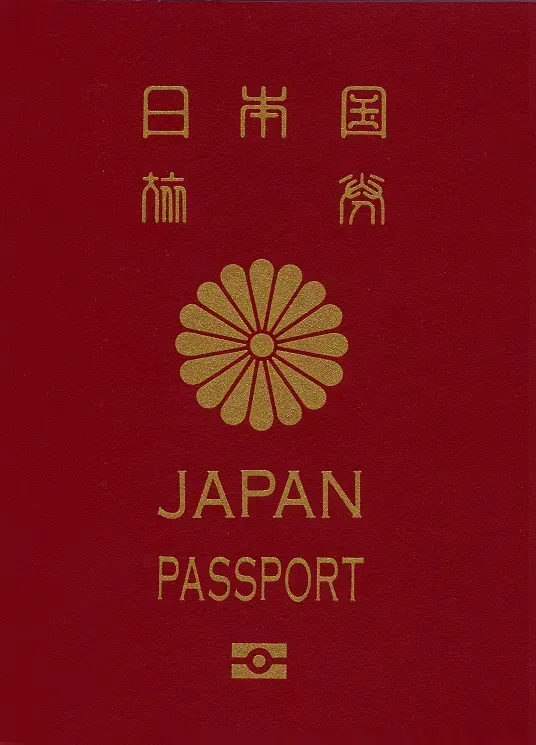
Japan has spent years trading the top spot with a handful of other nations, and in 2026 it sits just below Singapore in a three way tie. Three countries tied for second place, Japan, South Korea and the United Arab Emirates, with visa-free access to 188 destinations, compared to Singapore’s 192. That is still an extraordinary number, covering the vast majority of the planet’s recognized destinations.
It is worth noting that Japan was not always in second place. In past years, Japan previously held the No. 1 position but has since fallen to No. 2, joining South Korea with access to 188 countries. The shift shows how fluid these rankings can be, since even a single new visa agreement elsewhere can quietly reshuffle the entire top tier.
South Korea

South Korea shares that same second place position with Japan and the UAE, and it has earned it through a similarly deliberate approach to diplomacy. Seoul has spent years expanding trade partnerships and reciprocal travel agreements across Asia, Europe, and the Americas, and the payoff shows up directly in the passport rankings. Holding steady at 188 visa-free destinations puts South Korean travelers on almost equal footing with two of the world’s most connected economies.
What stands out about South Korea’s position is the consistency behind it rather than any single dramatic jump. The country has built its mobility advantage gradually, through long-term diplomatic investment rather than a sudden policy shift. That kind of steady climb tends to be more durable than a quick spike, since it rests on a wide network of individual agreements rather than one fragile deal.
United Arab Emirates

Of all the countries in the top tier, the UAE’s rise is the one that gets the most attention, and for good reason. The UAE recorded the biggest rise in passport strength over 20 years, gaining access to 153 new destinations since 2006. The biggest climber of the past 20 years is the United Arab Emirates, which now ranks second, having climbed 60 places in that time.
Two decades ago, an Emirati passport barely registered on the global mobility scale. Today it sits shoulder to shoulder with Japan and South Korea, a shift driven largely by an aggressive push to sign visa waiver agreements across continents. It is one of the clearest examples in the entire ranking of how quickly a country’s diplomatic strategy can translate into real travel freedom for its citizens.
Sweden

Sweden holds a solo position in third place, just behind the crowded second tier. Sweden holds third place with 187 destinations. Sweden came in third place, with access to 187 countries.
Sweden’s strength reflects a broader Nordic pattern that shows up throughout the upper half of the rankings. Small, stable, economically secure countries with long histories of neutral or cooperative foreign policy tend to accumulate visa waiver agreements at a steady pace over the years. Sweden’s passport has rarely dropped out of the top five in recent editions of the index, which speaks to how consistent that diplomatic groundwork has been.
France

France sits in the fourth tier of the 2026 rankings, part of a large cluster of European nations. Just below the top three, with access to 186 destinations, were Belgium, Denmark, Finland, France, Germany, Ireland, Italy, Luxembourg, the Netherlands, Norway and Spain. That eleven country tie is one of the largest groupings anywhere in the top ten, underscoring just how tightly bunched Western Europe’s passport power really is.
France’s position is not new, either. As recently as 2024, France was tied for first place globally, sharing that top spot with countries including Germany, Japan, Singapore, and Spain at 194 destinations. The slight slide since then is less about France losing ground and more about other countries, particularly in Asia, gaining faster.
Germany
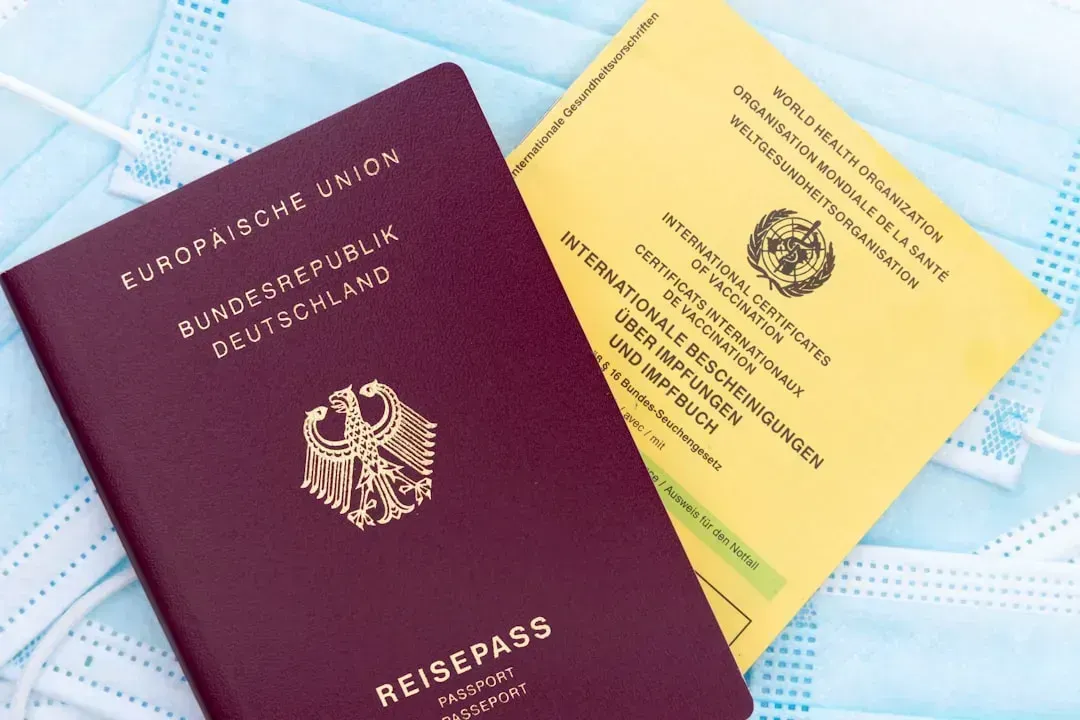
Germany shares that same fourth place tier with France, also offering visa-free or visa-on-arrival access to 186 destinations. Like its European neighbors, Germany benefits from decades of integration through the European Union along with an extensive independent network of bilateral travel agreements. The result is a passport that has rarely fallen far from the very top of the global rankings.
Germany’s history in this index is a useful reminder of how relative these rankings really are. In the 10 most powerful passports of 2024, France, Germany, Italy, Japan, Singapore, and Spain were all tied for first place with access to 194 destinations. Germany has not necessarily lost travel access since then, it has simply been overtaken by countries that expanded their own agreements even faster.
Spain

Spain rounds out this list, tied with France and Germany in the fourth place cluster at 186 visa-free destinations. Spain’s passport strength has long benefited from its position within the European Union as well as strong historical ties to Latin America, which has translated into reciprocal travel arrangements across much of that region. That combination of European integration and Latin American diplomatic reach makes Spain’s passport unusually well rounded compared to some of its neighbors.
As with France and Germany, Spain’s current standing represents a slight step down from its 2024 position, when it shared first place globally. France, Germany, Italy, Japan, Singapore, and Spain were tied for first place in 2024 with access to 194 destinations each. The shift over just a couple of years shows how competitive the upper tier of this ranking has become, with even small differences in new visa agreements enough to move a country several places in either direction.




Leave a Reply