
Chef’s knife
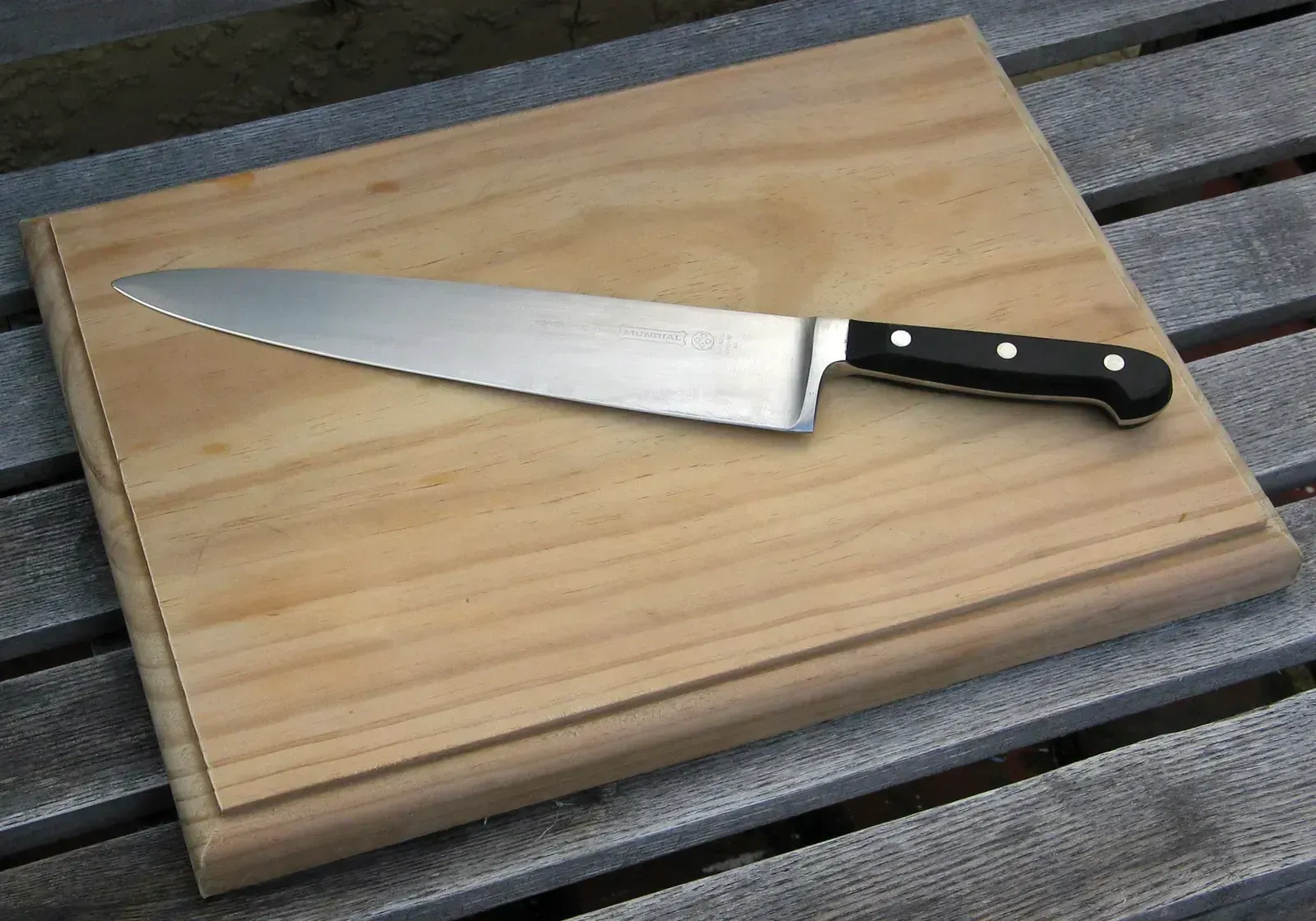
A chef’s knife is the most used tool in almost any kitchen, yet a huge number of home cooks grip it incorrectly. The common mistake is wrapping all fingers around the handle only, when professional technique calls for pinching the blade itself just above the handle with the thumb and index finger. This “pinch grip” gives far more control and reduces wrist strain during repetitive cuts.
Another overlooked issue is sharpening frequency. A dull blade actually increases the risk of slipping and cutting yourself, because more force is needed to cut through food. Culinary schools generally recommend honing a knife every few uses and having it professionally sharpened a couple of times a year, depending on how often it’s used.
Garlic press
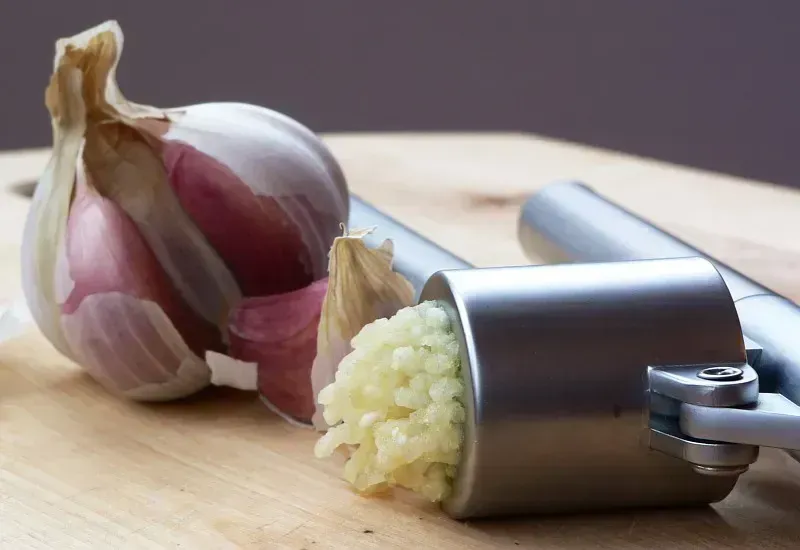
The garlic press looks simple, but plenty of people struggle with it because they leave the papery skin on the clove. Removing the skin first allows the garlic to pass through the holes more cleanly and produces a finer, more even mince. Skipping this step is why so many presses end up clogged and abandoned in a drawer.
Cleaning technique matters too. Rinsing immediately after use, before the garlic residue dries, keeps the mesh holes clear and extends the tool’s lifespan significantly. A small brush or an old toothbrush works better than a sponge for reaching into the tiny holes.
Can opener
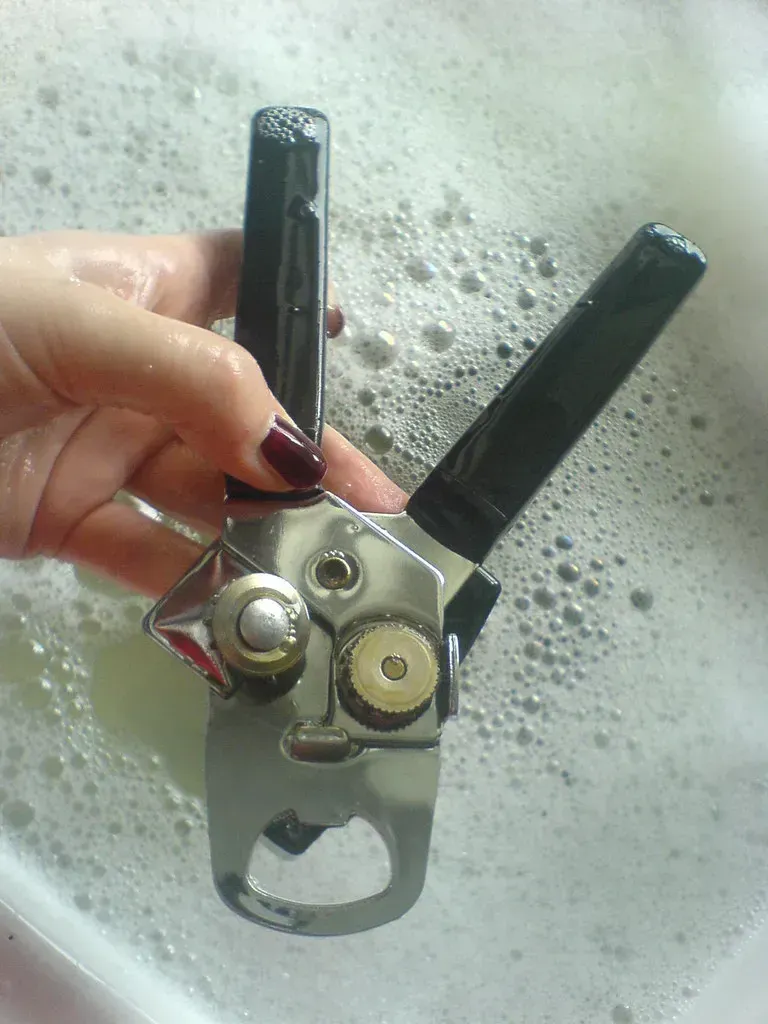
Traditional can openers are often used with the cutting wheel pressed against the top rim of the can, which leaves a sharp, jagged edge. The safer and cleaner method involves positioning the wheel to cut along the side of the rim, so the lid pops off with a smooth edge and no sharp metal exposed. This small adjustment reduces the risk of cuts significantly.
Many people also fail to keep the opener’s gears clean, which causes it to slip or struggle on tougher cans over time. Wiping the mechanism after each use and occasionally applying a drop of food-safe oil keeps the gears turning smoothly for years.
Cutting board
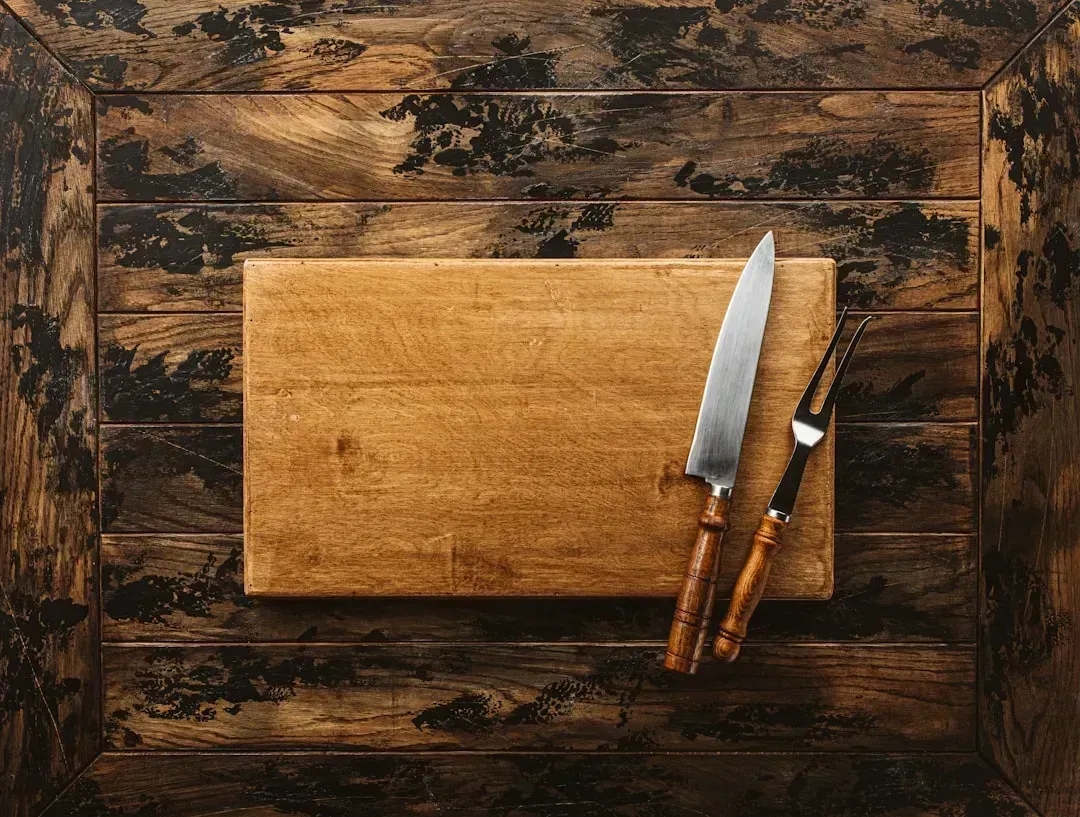
A cutting board seems foolproof, but most people use the same side and the same spot for years without rotating it. This creates deep grooves that harbor bacteria and make cleaning far less effective. Rotating and occasionally flipping the board spreads out wear and keeps the surface safer for food prep.
Wood and plastic boards also require different care. Wood boards should be oiled periodically to prevent cracking, while plastic boards should be replaced once deep scoring becomes visible, since grooves can trap bacteria even after washing. Using separate boards for raw meat and produce remains one of the simplest ways to avoid cross contamination.
Measuring cups
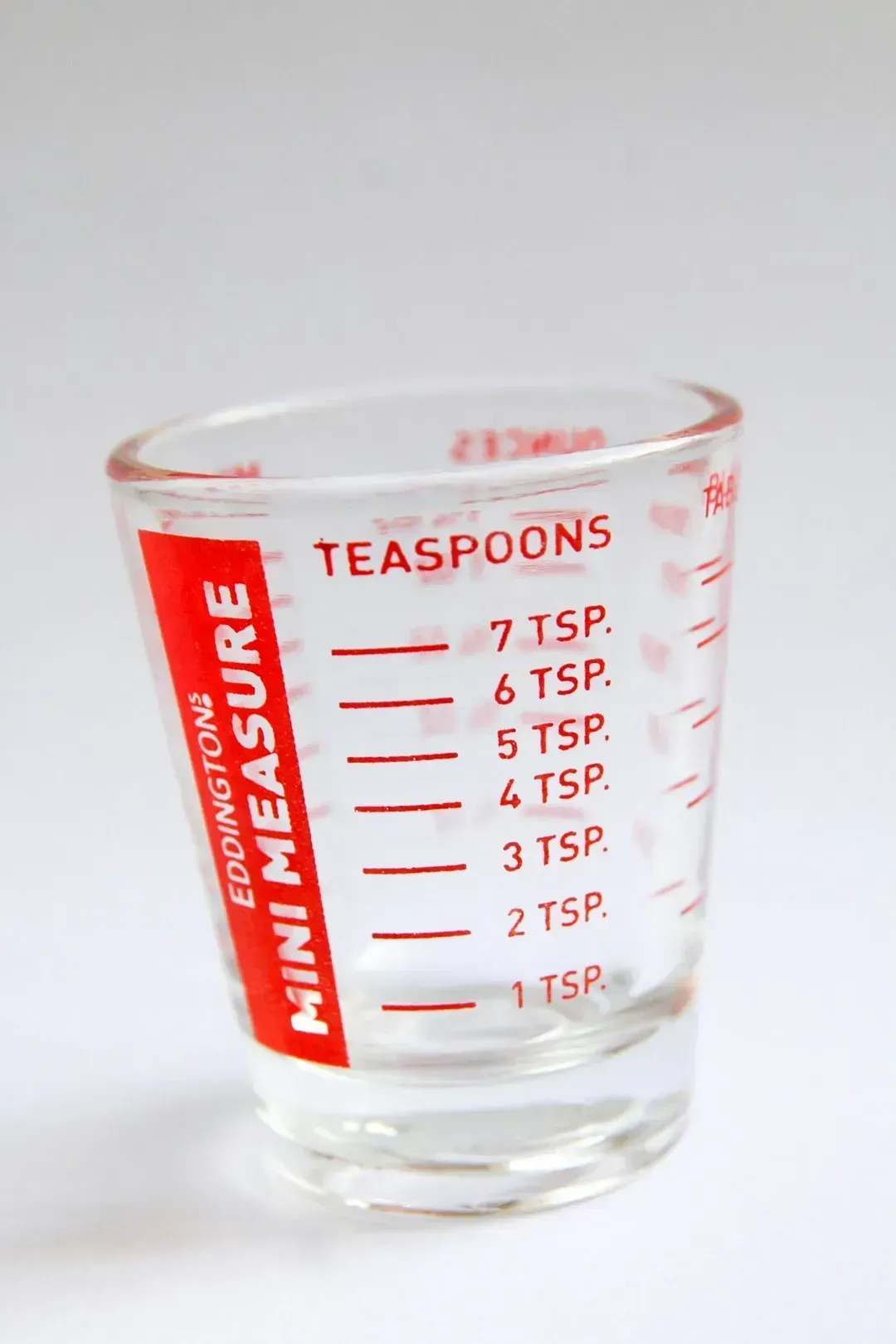
Dry and liquid measuring cups are not interchangeable, though many cooks use them as if they were. Dry measuring cups are designed to be filled to the top and leveled off, while liquid measuring cups have a spout and extra headspace, meant to be read at eye level. Using the wrong type for the wrong ingredient is one of the most common reasons baking recipes fail to turn out as expected.
Packing versus scooping also changes results dramatically, especially with flour. Scooping flour directly from the bag compacts it into the cup, often adding a meaningful amount of extra flour compared to spooning it in lightly before leveling. This is why professional bakers frequently recommend weighing ingredients with a kitchen scale for consistency.
Vegetable peeler
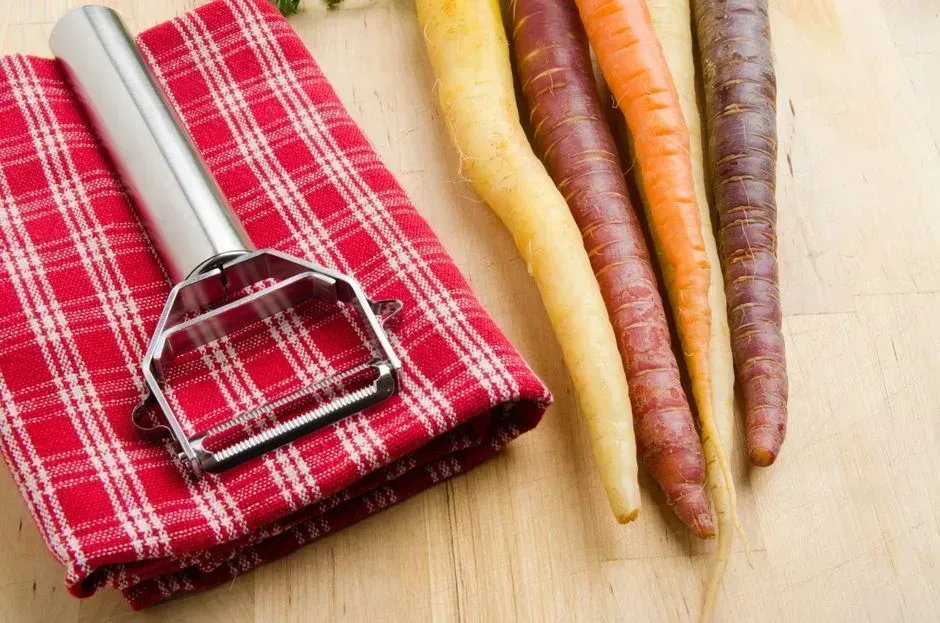
Most people push the peeler away from their body in short strokes, but pulling it toward the body in long, smooth motions with a stable grip on the vegetable often produces cleaner, thinner peels. The angle of the blade matters as well, since tilting it slightly rather than pressing flat reduces waste and prevents gouging into the flesh. A dull peeler forces more pressure and increases the chance of slipping, so replacing them periodically is worthwhile since they are inexpensive.
Many cooks also overlook the julienne or serrated edge found on some peelers, which is meant for a completely different task than the main blade. Rotating a peeler between hands or using the notch typically found near the top for removing potato eyes are small features that go unused far more often than not.
Colander
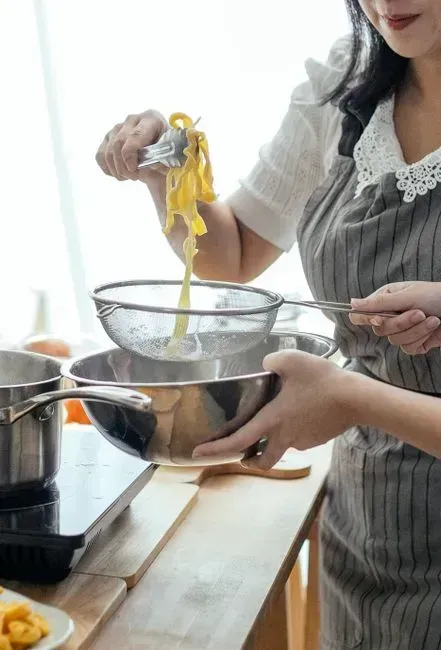
Colanders often get used purely as static drainers, set in the sink while pasta or vegetables sit and cool inefficiently. Shaking or lightly tossing the food during draining speeds up the process and prevents sogginess, particularly with pasta, which continues to absorb starchy water if left standing. Positioning the colander over a bowl rather than directly in the sink also allows the liquid to be saved for stocks or sauces instead of going straight down the drain.
Size mismatch is another common issue, where a colander too small for the batch of food causes overflow and mess. Choosing a size proportional to typical batch cooking, and nesting smaller strainers inside for rinsing berries or grains, makes the tool far more versatile than most people realize.
Kitchen tongs
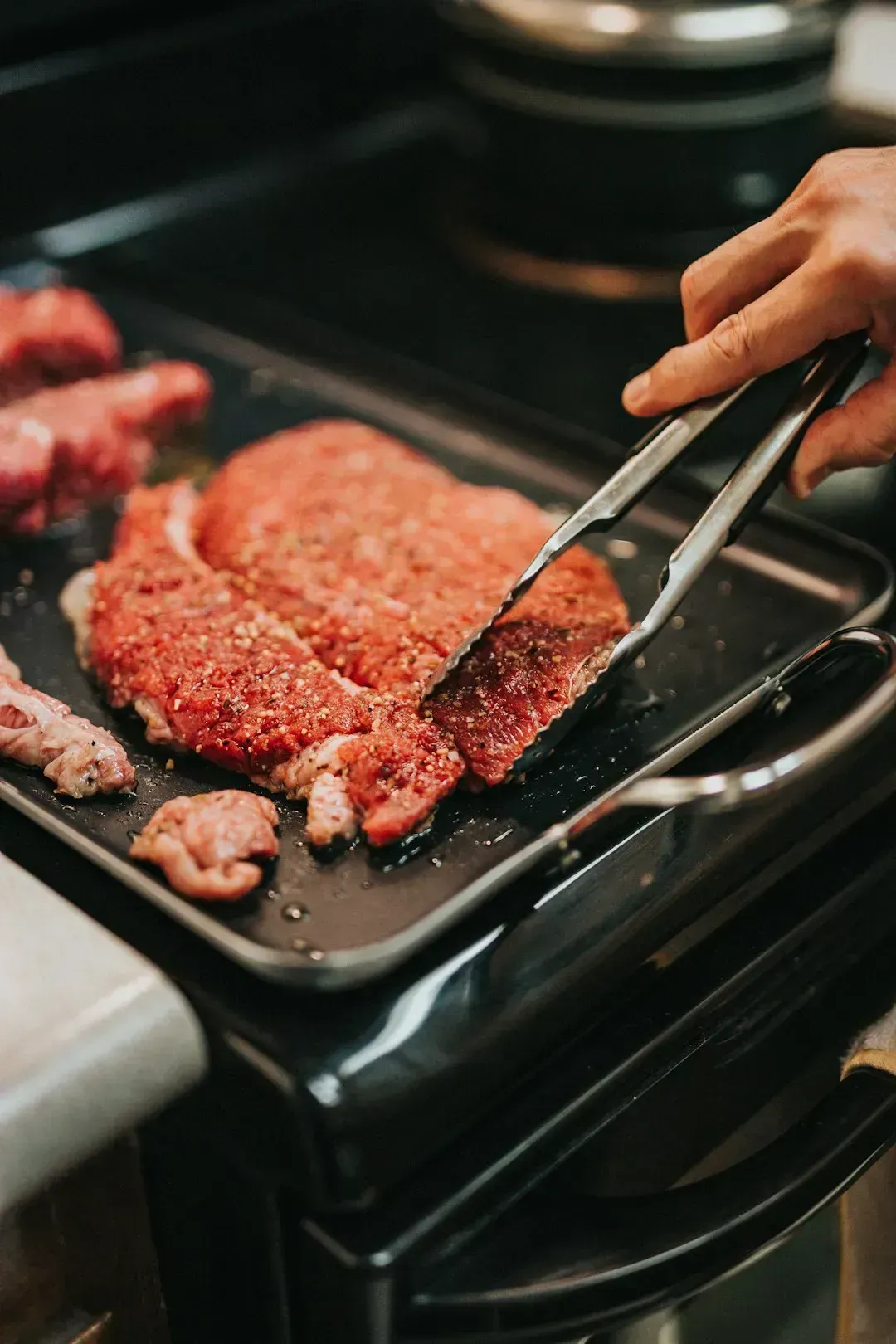
Tongs are frequently used with a full-hand squeeze grip that tires the hand quickly and reduces precision, when a lighter, fingertip-based grip near the hinge gives far better control. Many tongs also come with a locking mechanism on the handle meant for compact storage, which is often ignored, leading to tangled drawers and misplaced pairs. Matching tong size to the task, using smaller ones for delicate items like herbs and larger ones for meats, prevents crushing or dropping food during cooking.
Scalloped or silicone tipped tongs are designed for nonstick pans specifically, yet they often get used interchangeably with metal tipped versions on delicate coated surfaces. This mismatch is a leading cause of premature scratching on nonstick cookware. Keeping at least two distinct types on hand, one for searing and one for delicate cooking, extends the life of both the tongs and the pans they touch.




Leave a Reply