
Tokyo, Japan
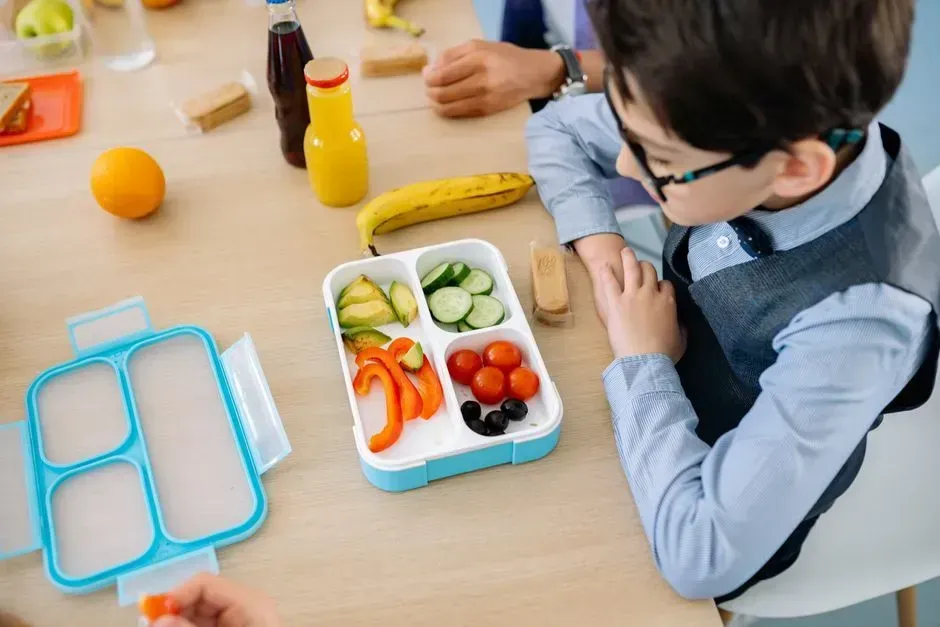
Japan built food education directly into its national policy nearly two decades ago. Following the introduction of Western fast food in the late 20th century, the Japanese government mandated education in nutrition and food origins, starting with the Basic Law of Shokuiku in 2005, and followed with the School Health Law in 2008. That single decision shaped how an entire generation of Tokyo kids relates to food.
The system goes beyond textbooks. As of May 2021, 99.7% of all public elementary schools and 98.2% of all junior high schools provide school meals, and many of those meals are cooked on site rather than trucked in. One of the most distinctive strengths of Japan’s school lunch system is its on-site cooking model, and many schools have their own kitchens, so during class, aromas and sounds drift through the hallways, stimulating students’ senses and naturally sparking their curiosity about food. For a child growing up in Tokyo, cooking smells aren’t a weekend novelty, they’re part of the school day itself.
Parma, Italy
Parma sits in the middle of Emilia-Romagna, a region so thick with food tradition that Italians simply call it the Food Valley. Its culinary credentials aren’t just local bragging rights either. Parma has been declared the Italian Creative UNESCO City for Gastronomy, underlining and honouring the extraordinary wine and food traditions of the Emilia Romagna region.
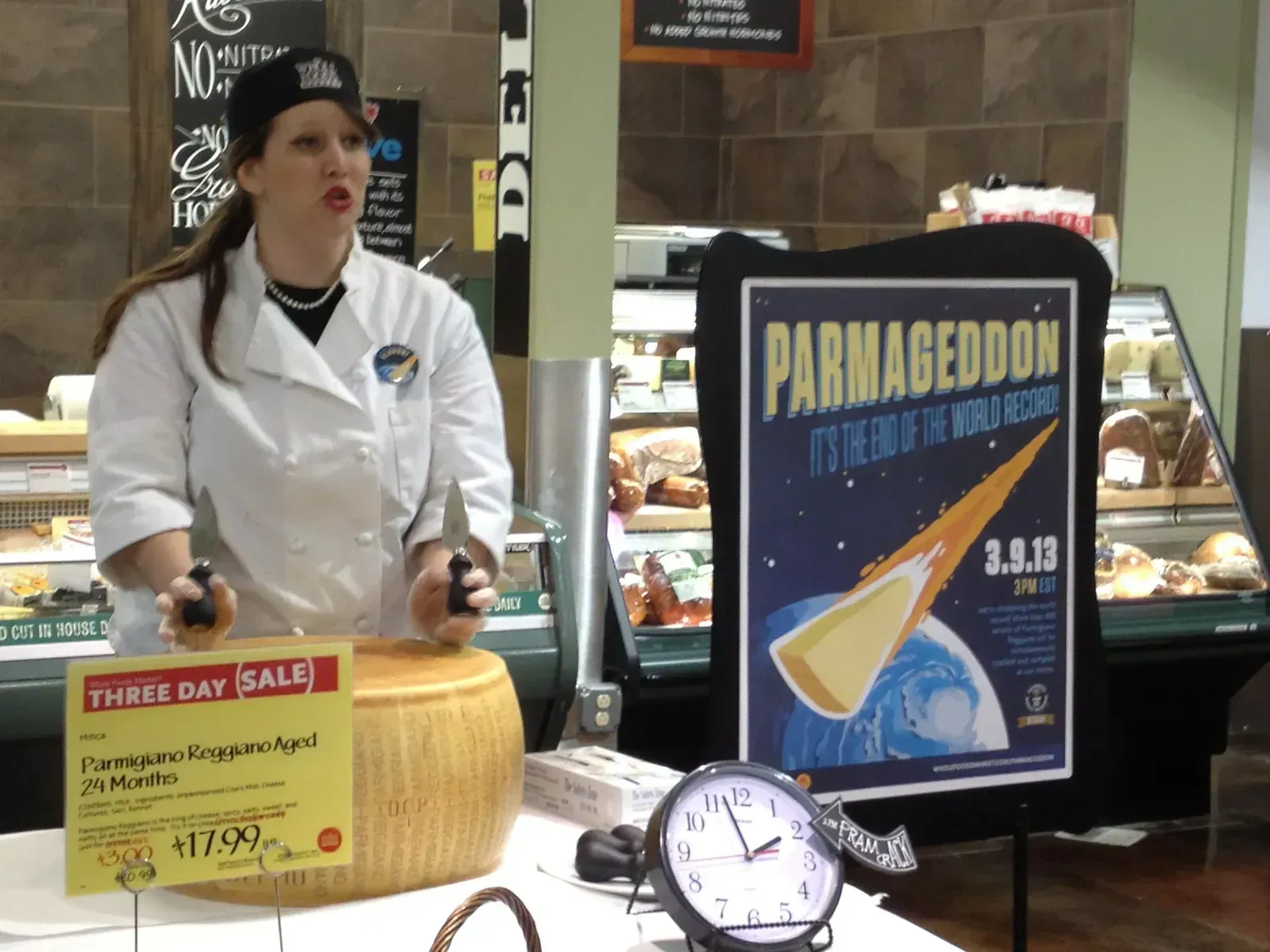
What makes it special for kids is how visible the food production actually is. Families can walk through cheese-making facilities and watch wheels of Parmigiano-Reggiano age in real time, turning an abstract ingredient into something tactile and understandable. Parma is one of the tastiest cities in the world and is well known for its food products of excellence, including Parmigiano-Reggiano, Prosciutto di Parma, Culatello from Zibello, Felino salame and porcini mushrooms from Borgotaro. A child who has stood next to a wheel of cheese taller than they are tends to remember that lesson longer than any classroom diagram.
Lyon, France
Lyon carries the weight of French gastronomy on its shoulders, largely thanks to the legacy of Paul Bocuse, one of the most influential chefs of the 20th century. Paul Bocuse was a French chef based in Lyon known for the quality of his restaurants and his innovative approaches to cuisine, and was dubbed the pope of gastronomy. That reputation didn’t fade after his passing in 2018. It shaped an entire ecosystem of cooking education that continues today.
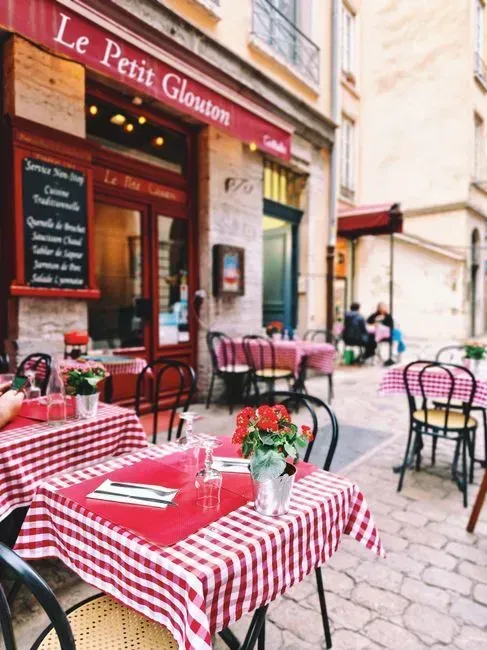
The Institut Paul Bocuse remains the anchor of that ecosystem, but it’s the smaller, family oriented workshops around the city that matter most for young cooks. Children aren’t forgotten either, with fun, age-appropriate gourmet workshops offered around the city. Many of these sessions include a stop at Les Halles de Lyon Paul Bocuse, the city’s famous covered market, where kids pick ingredients before heading into a kitchen studio to cook with them, connecting the shopping trip directly to the meal in a way that sticks.
San Sebastián, Spain
This Basque coastal city has an unusual secret weapon for raising food-curious kids: gastronomic societies, private cooking clubs where members gather to prepare meals together, often with children in tow from a young age. These societies date back well over a century and remain a genuine part of local social life rather than a tourist attraction. Kids who grow up around them absorb kitchen skills the way other children absorb sports, through repetition and family involvement rather than formal instruction.
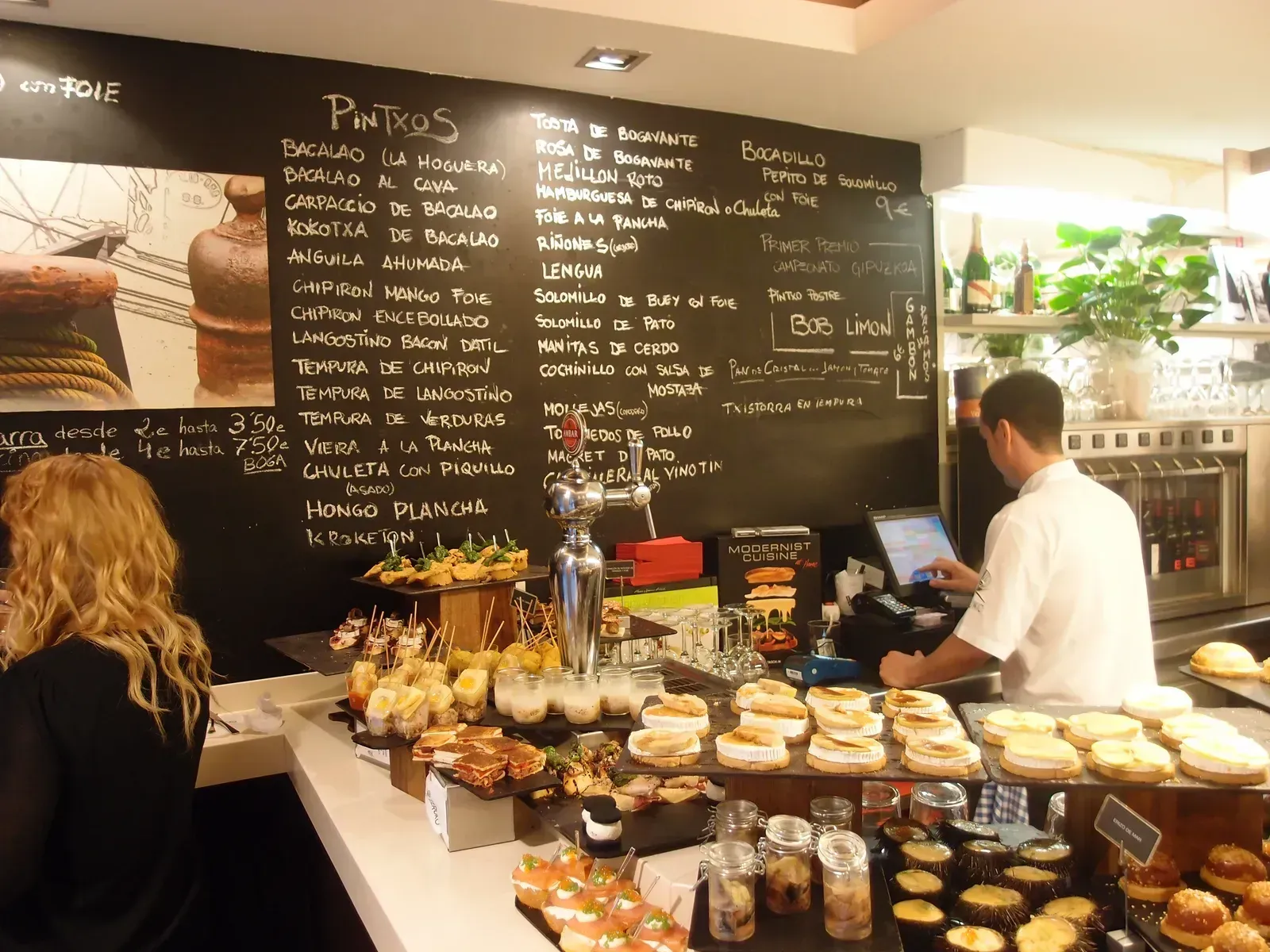
San Sebastián also holds one of the highest concentrations of Michelin starred restaurants per capita anywhere in the world, which sets a quietly high bar for what good food looks like from an early age. Pintxos bars line the old town, serving small, shareable plates that make food approachable and social rather than intimidating. For a child, that means learning to appreciate texture, seasoning, and presentation almost by osmosis, simply by growing up surrounded by it.
Copenhagen, Denmark
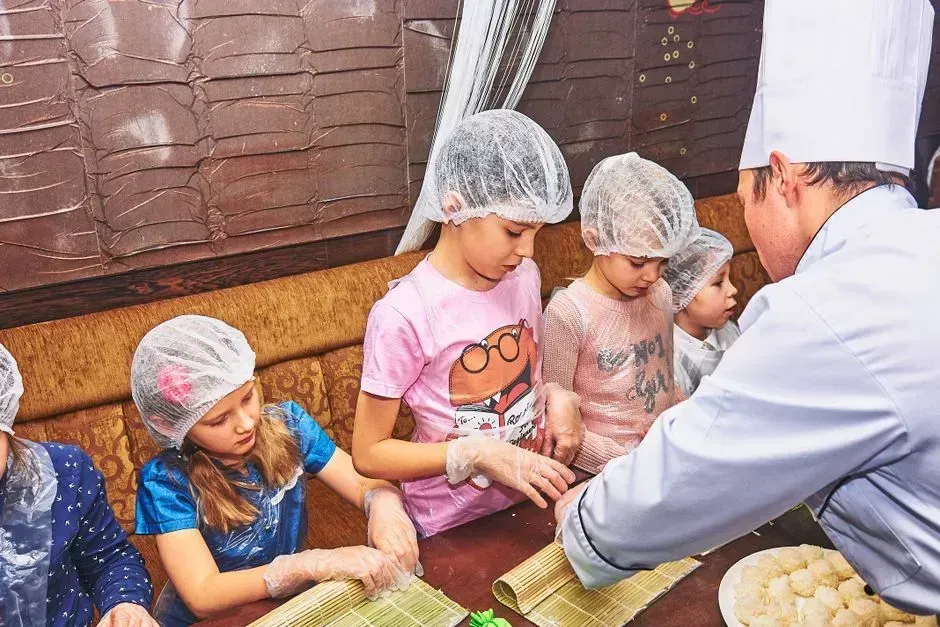
Copenhagen treats food literacy as civic infrastructure, not an extracurricular extra. The city runs a formal network of food schools where children cook, ages 6 to 15, as part of an approach where the meal is at the centre of learning. This isn’t a niche program either, it’s built into the city’s official food strategy.
Outside the classroom, the tradition runs even deeper. The school gardens in Copenhagen are run by the Association of Copenhagen School Gardens, which is currently experiencing such demand that there is a waiting list, and each week 1400 children in Copenhagen get the opportunity to get their hands dirty in the gardens. Add to that after school cooking clubs like Meyers Madhus, founded by Noma co-founder Claus Meyer, and Copenhagen kids end up learning to grow, harvest, and cook food as one continuous process rather than three separate ideas.
Singapore
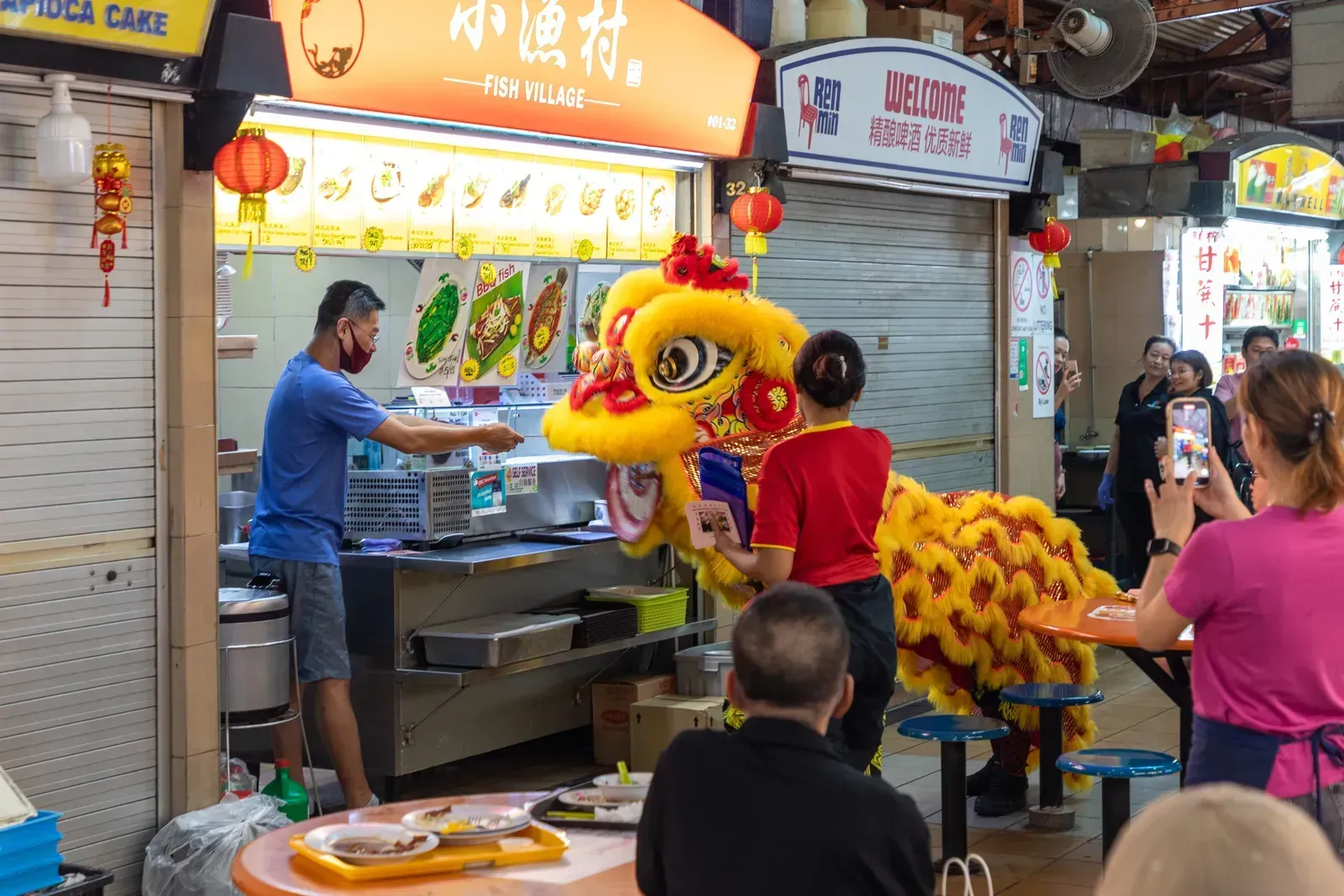
Singapore’s food culture earned global recognition in 2020 when its hawker centers were added to a prestigious international heritage list. Hawker culture in Singapore, community dining and culinary practices in a multicultural urban context, was inscribed in 2020 on the Representative List of the Intangible Cultural Heritage of Humanity. That recognition matters for kids because it validates something they already experience daily, eating and learning about food across Chinese, Malay, Indian, and other traditions in a single sitting.
Hawkers prepare a variety of food for people who dine and mingle at hawker centres, which serve as community dining rooms where people from diverse backgrounds gather and share meals over breakfast, lunch and dinner. Children who grow up visiting these centers regularly pick up an intuitive sense of flavor layering and technique diversity that would take years to teach in a classroom. Many families also pass cooking knowledge down directly, since hawkers transmit their recipes, knowledge and skills to younger family members or apprentices, keeping the learning personal rather than institutional.
Portland, Oregon
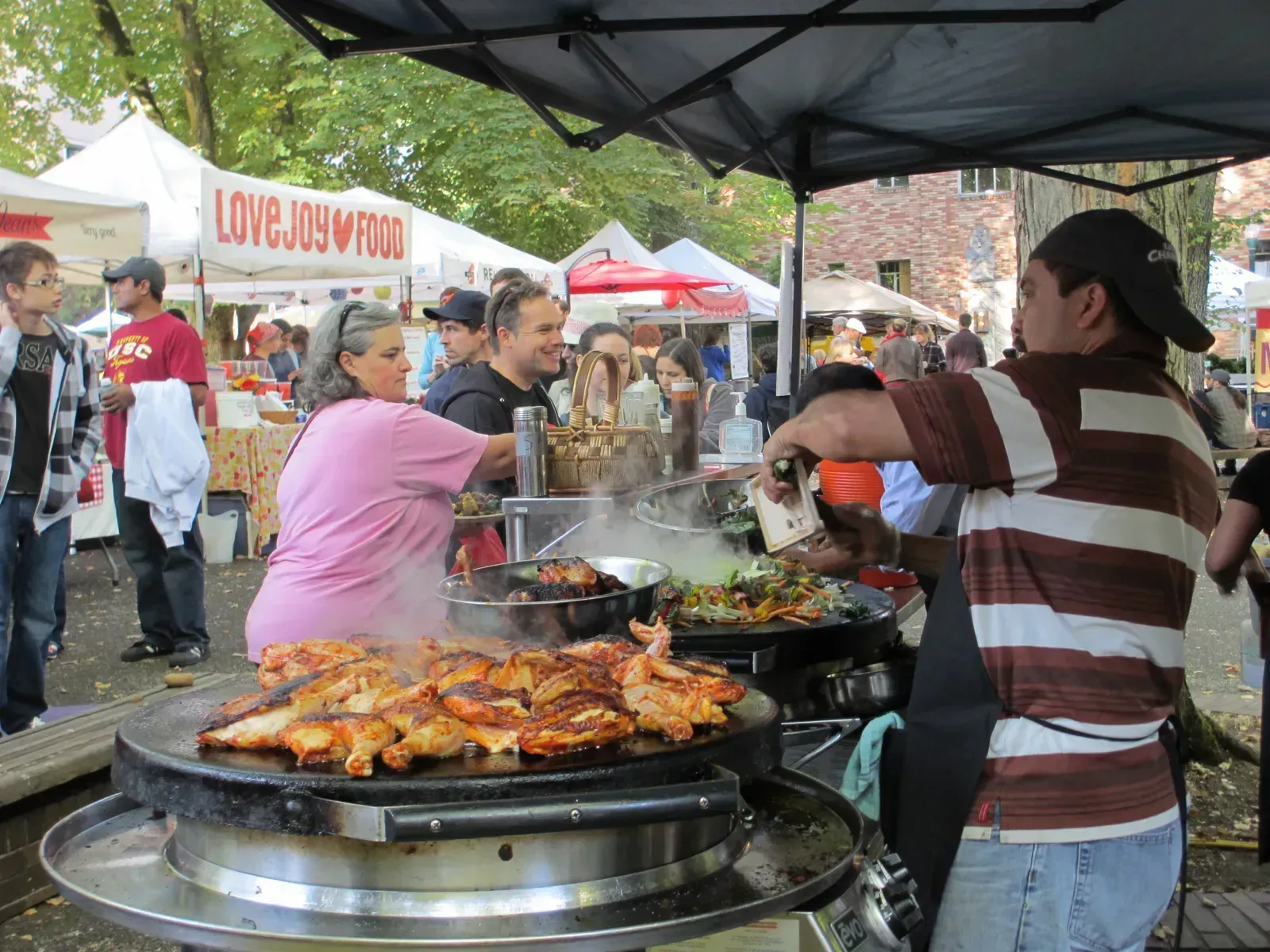
Portland built its food identity around the farm to table movement long before it became a national trend, and that culture trickles down naturally to how families cook at home. The city’s farmers markets operate nearly year round, giving kids regular exposure to seasonal produce, local cheesemakers, and small batch producers who are often happy to explain what they’re selling. That kind of direct access turns grocery shopping into something closer to a lesson.
Cooking schools and community centers around the city regularly run youth focused classes, often tied to seasonal ingredients pulled straight from the markets. Portland’s relatively compact, walkable neighborhoods make it easy for families to build weekly market visits into their routine without much effort. Over time, that regular contact with growers and producers gives kids a grounded, practical understanding of where food actually comes from.
Melbourne, Australia
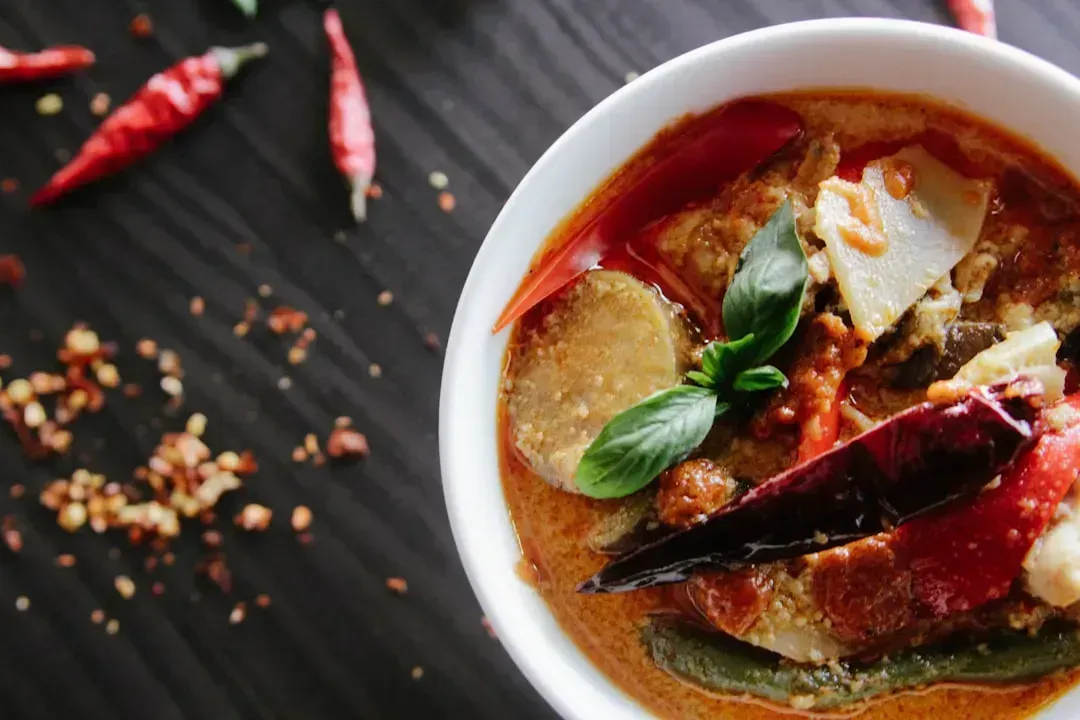
Melbourne’s food scene reflects its population, which draws heavily from Italian, Greek, Vietnamese, Chinese, and Middle Eastern communities among many others. That diversity shows up on ordinary street corners, not just in high end restaurants, giving kids constant exposure to different cooking techniques and flavor profiles simply by walking through neighborhoods like Footscray or Brunswick. It’s the kind of everyday multicultural immersion that’s difficult to replicate through books or occasional restaurant visits.
The city also has a strong tradition of school and community cooking programs, many of them built around kitchen garden initiatives that pair growing food with preparing it. These programs encourage children to plant, harvest, and cook in the same stretch of time, reinforcing the connection between the two. For families, the sheer variety of cuisines within a short drive means kids get a broader culinary education just by growing up there.
Mexico City, Mexico
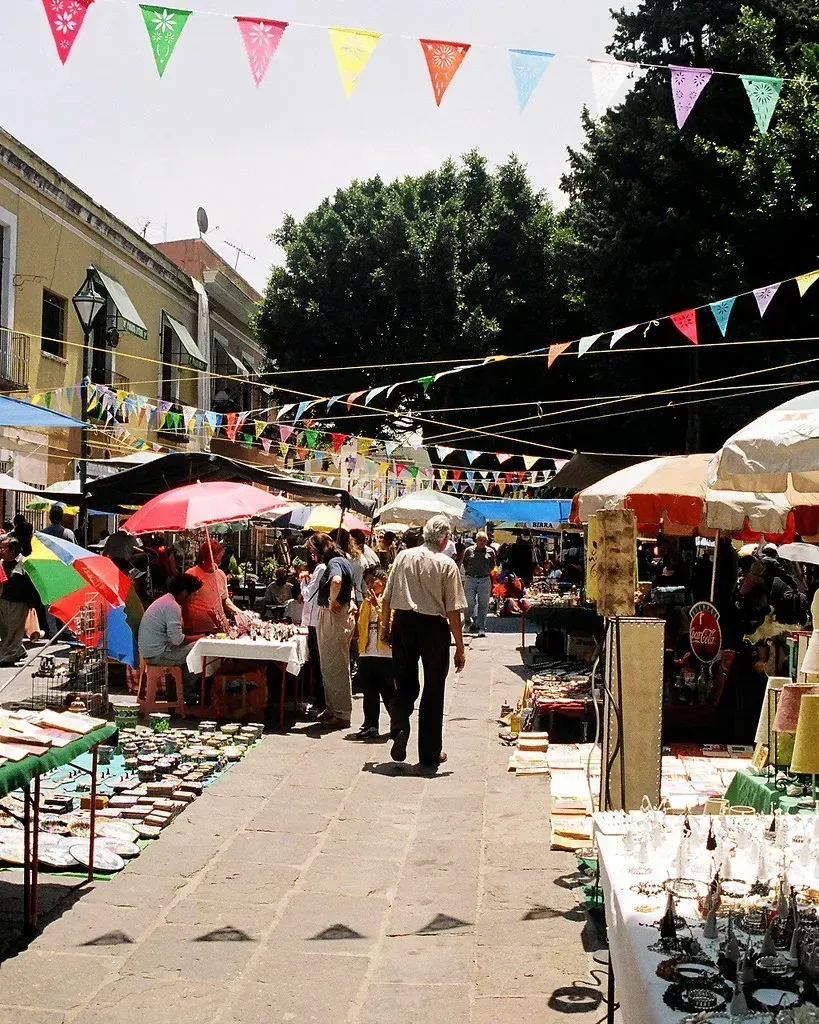
Mexico City’s food culture runs on markets, and there are hundreds of them scattered across the city, from small neighborhood mercados to the sprawling Central de Abasto, one of the largest wholesale food markets on earth. Kids who grow up shopping in these spaces learn early to recognize dozens of chile varieties, fresh masa, and seasonal produce most visitors never encounter. That kind of ingredient literacy tends to translate directly into cooking confidence later on.
Home cooking also remains deeply intergenerational here, with recipes for dishes like mole or tamales often passed down through grandmothers rather than written in cookbooks. Street food stalls, taquerias, and family run kitchens double as informal cooking schools, since much of the preparation happens in full view of customers, including children. That visibility, more than any formal program, is what keeps culinary knowledge moving from one generation to the next in Mexico City.
Final Thoughts


Leave a Reply