
1. Swimming Pools
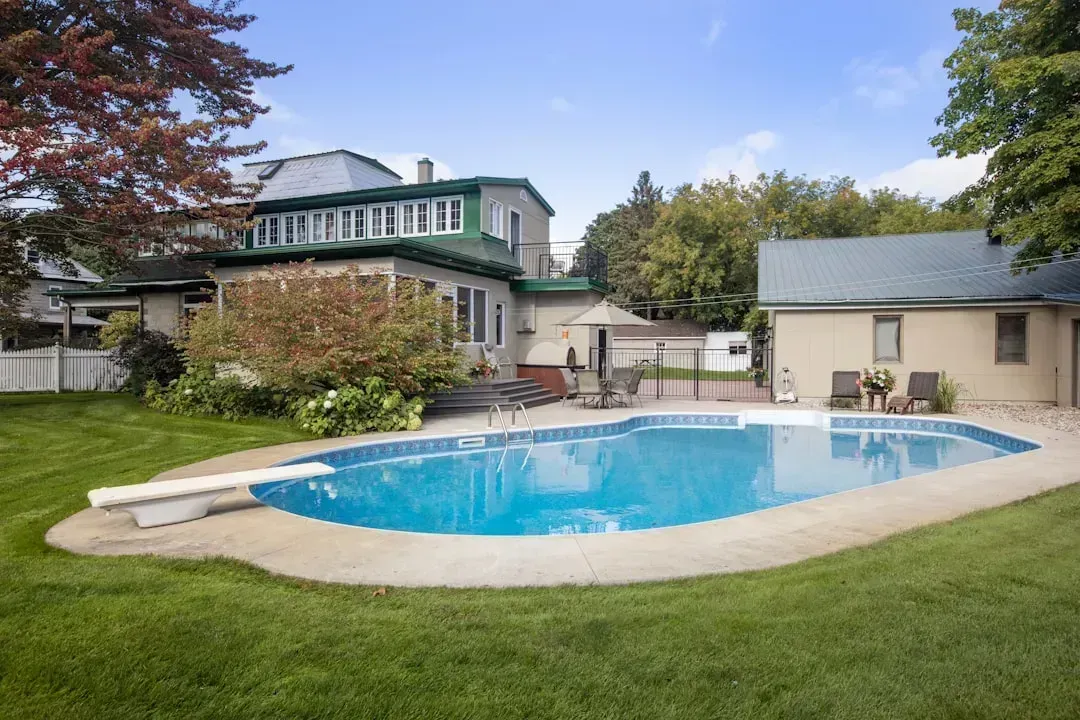
Few features generate as much backyard fantasy and as little financial payoff as an in-ground pool. National data suggests the picture is not encouraging outside of hot climates. Homes with pools sell for only modestly more than comparable homes without them, while installation and upkeep pile up fast.
Zillow’s analysis found that homes with swimming pools sell for approximately 1.5% more than comparable homes without one. Meanwhile, installing an inground pool often costs $60,000 to $90,000, before factoring in maintenance, utilities, insurance, and repairs. In this scenario, the homeowner experiences a net financial loss, even under relatively favorable conditions. Above-ground pools fare even worse; real estate agents describe them as something buyers actively want removed rather than a selling point.
2. Over-the-Top Luxury Kitchen Remodels
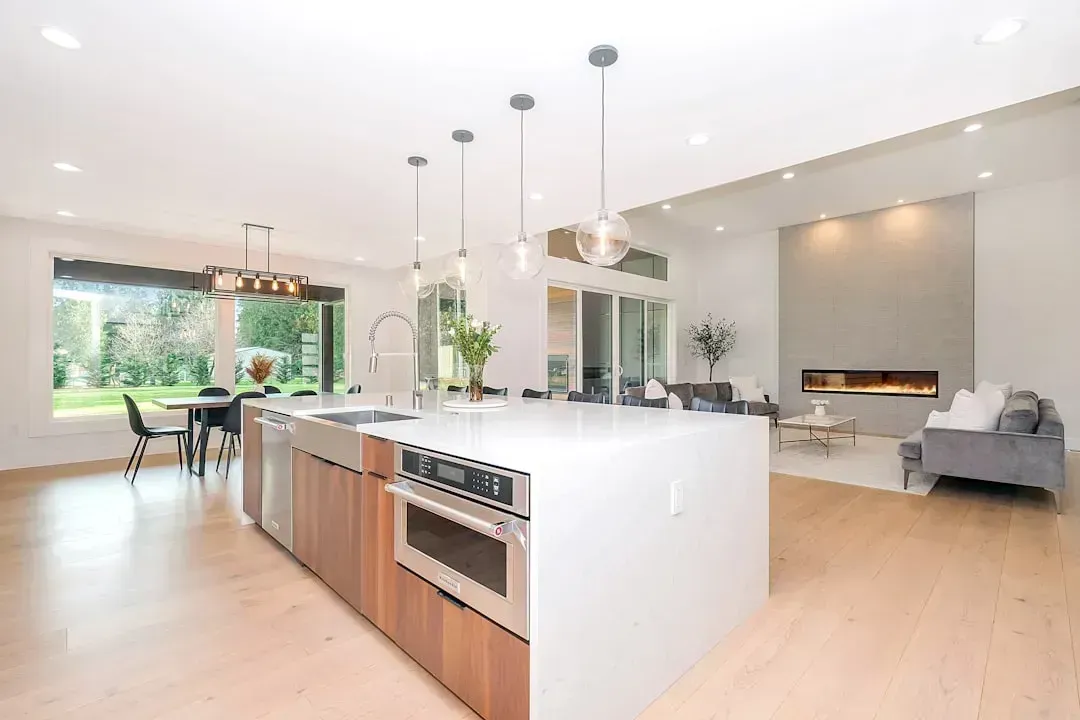
Kitchens sell houses, which is exactly why so many homeowners overspend on them. The instinct makes sense emotionally but rarely pencils out financially once the renovation crosses into true luxury territory.
According to recent Cost vs. Value figures, minor remodels return 113% nationally, while major upscale remodels return 36%. That gap is not a rounding error. It reflects the reality that a major upscale kitchen remodel can cost $80,000 to $150,000 or more, so even a large value increase translates into roughly 40% ROI. Gutting a kitchen for waterfall quartz islands and commercial-grade ranges tends to please the current owner far more than the future buyer.
3. Garage Conversions
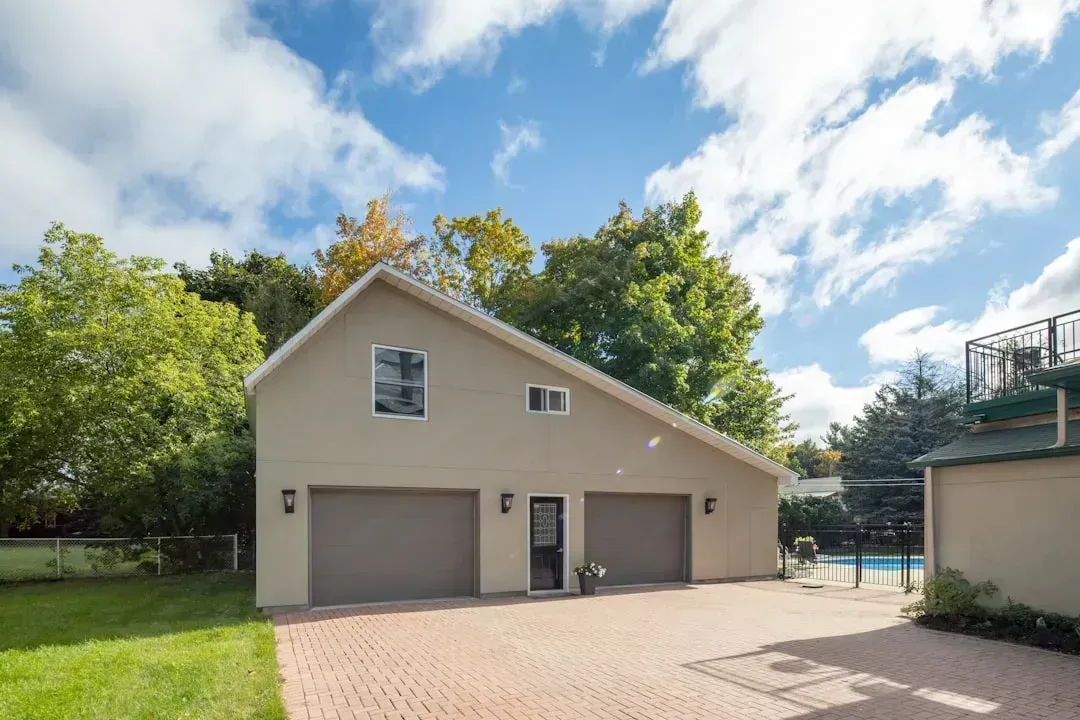
Turning a garage into a home gym, studio, or extra bedroom feels like a clever way to add square footage without a full addition. Buyers, however, often see it differently, especially in markets where covered parking is a genuine selling point.
Most homeowners spend between $6,002 and $27,705 to convert a garage into a livable space, but this renovation project typically doesn’t add value to the home. The concern isn’t just cost, it’s function. Converting a garage into additional living space may seem practical, but removing or repurposing a garage can have a negative impact on a home’s value and can limit the functionality many buyers seek.
4. Removing the Home’s Only Bathtub
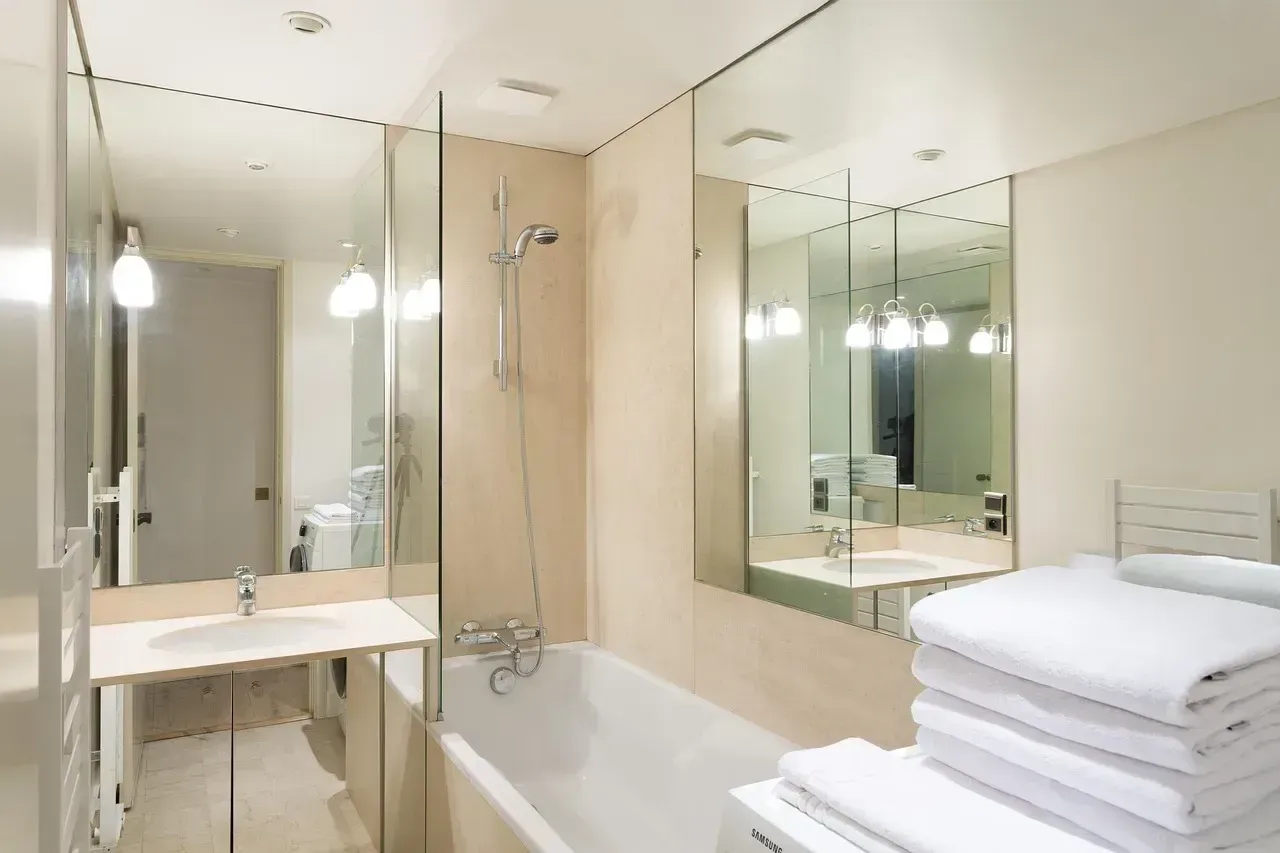
Spa-style bathrooms with oversized rainfall showers look stunning in listing photos, but there’s a catch many homeowners overlook. If that renovation eliminates the last tub in the house, it can quietly narrow the pool of interested buyers.
It’s common to upgrade bathrooms with rainfall showers and a spa-like atmosphere, but eliminating a home’s last bathtub can be costly, since many families looking to buy their next house will prefer at least one bathroom with a tub. A combination tub-shower unit, updated with modern tile and fixtures, typically satisfies both the design urge and the practical need without closing doors on buyers with young children.
5. Bold Wallpaper and Heavy Wall Texture

Wallpaper has cycled back into style in design magazines, but resale reality hasn’t fully caught up. Anything beyond a subtle accent wall risks becoming a project the next owner has to undo before they can even move in.
With its patterns and texture, wallpaper can be an overwhelming design choice, and it’s notoriously difficult to remove, so homebuyers might view wallpaper removal as a potential headache and a tipping point against a move-in ready home. The same logic applies to heavily textured walls and ceilings. Just like wallpaper, texture on walls and ceilings is difficult to remove, and simply knowing that a timely project lies ahead might cause homebuyers to decrease their offer.
6. Carpet Installed Over Original Hardwood
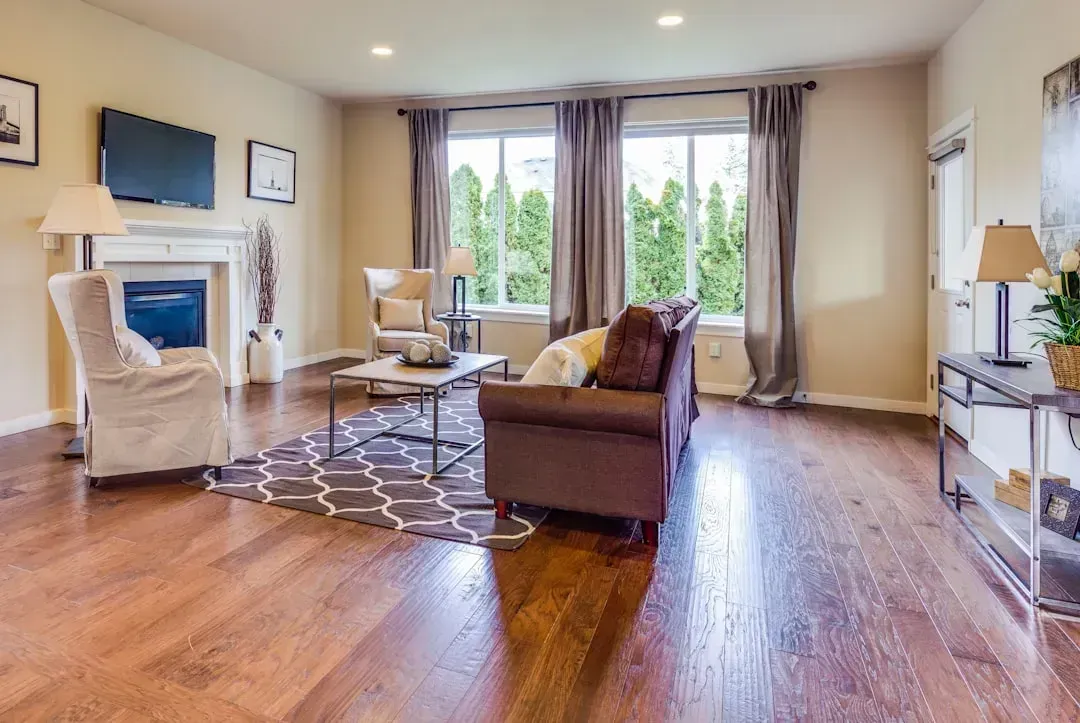
This one shows up surprisingly often in older homes, usually done for comfort or a quick budget fix rather than any design strategy. It’s also one of the more reversible mistakes on this list, but reversing it costs the buyer time and money they didn’t sign up for.
Most new homeowners prefer to remove carpets if they are of poor quality, and carpeting adds no value to a property when it’s covering wood underneath. The contrast in returns is stark: refinished original hardwood floors rank among the highest-return projects in the entire remodeling market, while the carpet meant to protect them typically works against the sale.
7. Eliminating Closets and Storage for Open-Concept Space
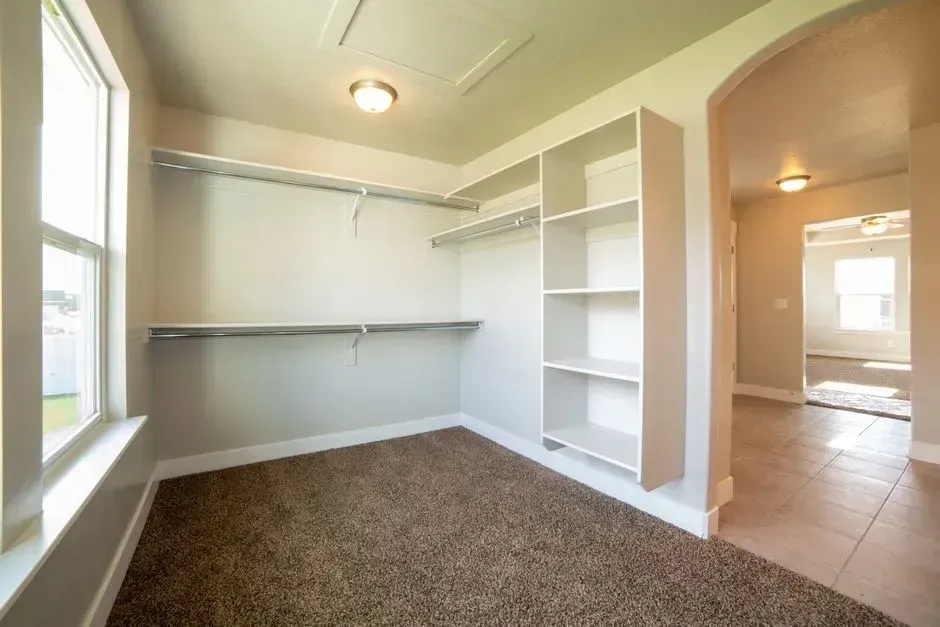
Open-concept living has been a dominant trend for years, and sometimes achieving it means sacrificing a closet or two to open up a sightline. That trade-off can backfire once buyers start touring with their own furniture and belongings in mind.
Eliminating essential spaces, such as closets or storage areas, can harm a home’s value, since many buyers value the convenience and functionality of having a closet and storage space, and converting or eliminating them may devalue a home and limit its appeal. Removing storage spaces can make it challenging for potential buyers to envision their belongings in the home and may lead to concerns about insufficient storage capacity that turns buyers off.
8. Niche Personal Spaces Like Home Theaters and Wine Cellars

Some renovations are built for lifestyle, not resale, and that’s fine as long as the homeowner understands the tradeoff going in. Problems arise when these highly personal builds replace genuinely useful space, like a pantry or a spare bedroom.
Some projects make a home better to live in without adding much resale value, since a home theater, custom wine cellar, or themed room might bring the owner joy, but most buyers won’t pay extra for these features. It gets worse when the conversion is permanent. Permanent conversions for niche hobbies, such as soundproof recording studios, built-in darkrooms, or wine cellars that replace pantries, force future buyers to calculate the cost of reversing the work.
9. High-End Primary Suite Additions That Outpace the Neighborhood
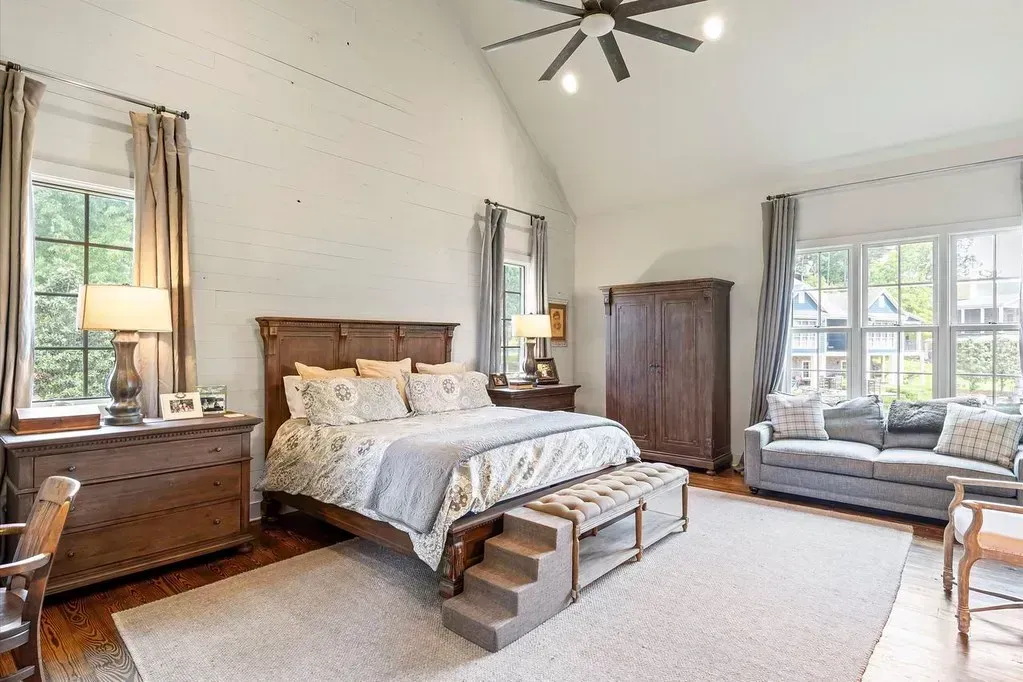
Adding a sprawling primary suite with a sitting area, dual walk-in closets, and a spa bathroom sounds like a guaranteed value boost. In practice, it’s one of the riskiest bets on this list, particularly when the finished product outclasses everything else on the street.
Adding a primary suite or remodeling a high-end home are examples of major renovations that usually don’t give a good return on investment, in the range of 24 to 36%, and are better suited for personal enjoyment than resale value. This connects to what agents call the neighborhood ceiling: if homes in an area top out at $350,000, spending $80,000 on renovations to push a home to $400,000 likely won’t work. Buyers shopping in a given price bracket are comparing homes against each other, not rewarding one property for reaching beyond its surroundings.
None of this means renovation is a bad idea. It means the projects that photograph well on social media are not always the ones that make financial sense at closing. The properties that hold their value best tend to be the ones renovated with restraint, updated for function and broad appeal rather than built around one owner’s particular taste.



Leave a Reply