
Spending Up Every Time Income Goes Up

Lifestyle creep is the habit advisors mention most often, and the numbers back up their concern. Average wages rose 21.4% between January 2020 and January 2024, while the personal savings rate fell from 7.2% to 4% during the same period. That gap tells a clear story about where the extra income actually went.
Wells Fargo economists described a change in psyche that has taken place, noting that coming out of the pandemic, households had a lot of liquidity to spend, particularly on services. The problem isn’t earning more. It’s that spending tends to rise just as fast, leaving little room for savings to catch up.
Holding Too Much Cash “Just in Case”

It sounds counterintuitive, but advisors say plenty of middle-class households actually keep too much money sitting idle. Kaylee McClellan, a certified financial planner and financial advisor at Innovative Planning, said one of the most common and quietly costly habits she sees among middle-class households is holding far more cash than is actually necessary for financial security.
She explained this usually comes from a reasonable place, a desire for stability and control, but in practice, excess cash sitting in a checking or traditional savings account can significantly erode long-term financial progress. Money that never leaves a low-yield account misses years of potential growth, which compounds into a real opportunity cost over a decade or two.
Buying the Appearance of Wealth Instead of the Real Thing
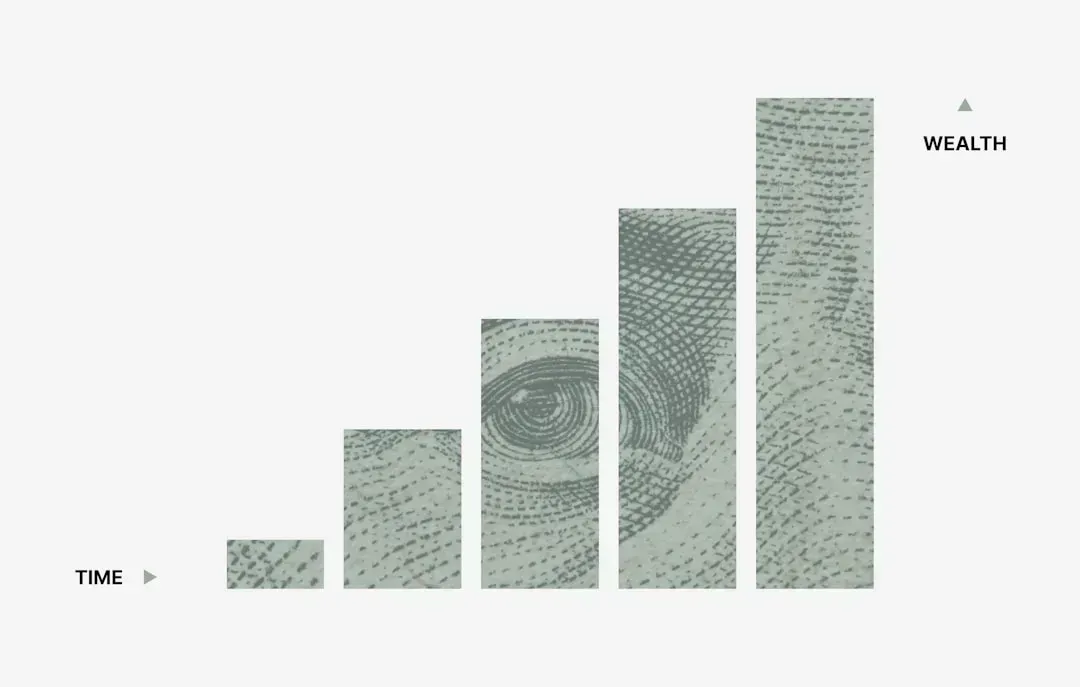
Advisors frequently point to a mismatch between how people look financially and how they actually are financially. A common misconception is that driving a luxury car or living in a bigger house signifies wealth, but while these might be indicators of a higher income, they don’t necessarily translate to long-term wealth if they’re financed with debt.
Spending money to keep up with appearances is one of the worst investments a person can make, since emotional spending like this rarely helps someone become as rich as they’re pretending to be, and it’s usually detrimental to financial health instead. The car in the driveway or the address on the mailbox can signal income, but it says nothing about what’s actually sitting in a retirement account.
Letting Subscriptions and Memberships Pile Up

No single streaming service or retail membership feels like a budget-breaker on its own, which is exactly the trap. Many middle-class people today have memberships to multiple retail stores or subscriptions to every online app or streaming service they come across, and even if each one is inexpensive individually, adding them together can be quite a substantial sum each month.
Even a basic package for Netflix, Hulu, Max and Apple TV combined could add up to around thirty eight dollars in monthly expenses. Multiply that across streaming, meal kits, retail memberships, and app subscriptions, and a household can easily be paying several hundred dollars a year for services it barely uses.
Carrying Balances and Paying Only the Minimum

Credit card debt remains one of the toughest habits to shake, partly because minimum payments feel like progress even when they aren’t. Paying the minimum avoids fees and protects a credit score, and as long as payments aren’t missed, a household stays afloat, but minimum payments are also a way of keeping someone in debt as long as possible.
Credit card companies benefit when customers only pay the minimum, since it means thousands of dollars in profit for them, making this one of the most expensive money habits to maintain. The interest that accumulates quietly in the background can end up costing far more than the original purchase ever did.
Avoiding Money Conversations With Family

Talking about finances openly still feels taboo in many households, and advisors say that silence has real costs. According to McClellan, another habit that quietly undermines financial stability is avoiding money conversations within families, since many middle-class households view finances as deeply private, which can unintentionally create confusion, missed planning opportunities and stress when money eventually does transfer between generations.
For aging parents, this often means estate wishes, beneficiary designations or long-term care plans remain unclear until a crisis occurs, while younger generations can enter adulthood without even a basic understanding of budgeting, saving or credit simply because those topics were never openly discussed. A single conversation at the dinner table can prevent years of confusion later.
Covering Adult Children’s Bills Near Retirement

Helping grown kids financially comes from a good place, but advisors warn it often arrives at the worst possible time. One frequent mistake middle-class families make is taking care of their grown children’s bills, such as rent or healthcare, right as they’re nearing retirement themselves.
The advice to avoid falling into this parental money pit is to teach kids financial independence, since stopping the funding of their lifestyle can free up money to fund a more comfortable retirement instead. It’s a hard boundary to set emotionally, but advisors see it as one of the more fixable habits once families actually name the problem out loud.
Relying on a Single Paycheck

Many middle-class households run on one income stream, and that concentration creates fragility even when everything seems fine day to day. Many middle-class families don’t have more than one income stream, and while it’s perfectly normal to rely on just one paycheck, it’s risky, since a job loss, reduced hours, or a company closing can throw finances into chaos.
Freelance work, a small side business, or a way to earn passive income are all reasonable ways to diversify that risk. None of these require quitting a day job, but advisors say even a modest second stream of income changes how a household weathers a bad month.
Never Tracking Where the Money Actually Goes

The simplest habit on this list may also be the hardest to sustain: knowing exactly where money is spent each month. Tracking spending is a way to hold yourself accountable and ensure you aren’t devoting too much money to things you shouldn’t buy, and without tracking, it’s easy to be shocked at how much gets spent at restaurants or on daily coffee runs.
Whether it’s a spreadsheet, an app, or a plain notebook, the method matters less than the consistency. Households that track spending for even a month or two often discover leaks they never noticed, which tends to be the real turning point advisors look for.




Leave a Reply