
Walk down any cleaning aisle and it’s easy to feel like you need a dozen specialized bottles just to keep a house presentable. Professional cleaners who spend their days scrubbing other people’s homes tend to see through the marketing faster than the rest of us. Many of them have quietly stopped buying certain products altogether, favoring simpler tools that actually get the job done without the hype or the price tag.
Spray Floor Cleaners
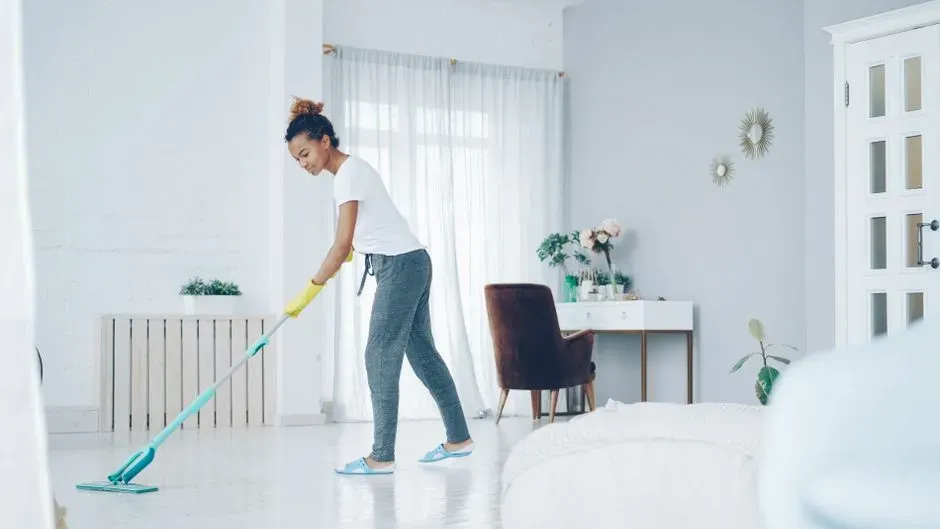
Those convenient spray mops that let you clean with the push of a button look appealing on a store shelf, but professionals often skip right past them. Cleaning expert Castro has noted that they tend to leave a film that makes floors appear dirtier over time. The convenience is actually part of the problem.
The convenience of being able to spray directly at the touch of a button is actually the drawback according to Castro, since it’s easy to overuse the product without realizing it. A bucket, a proper mop, and a diluted all-purpose cleaner usually does a better job for less money.
Chemical Drain Cleaners
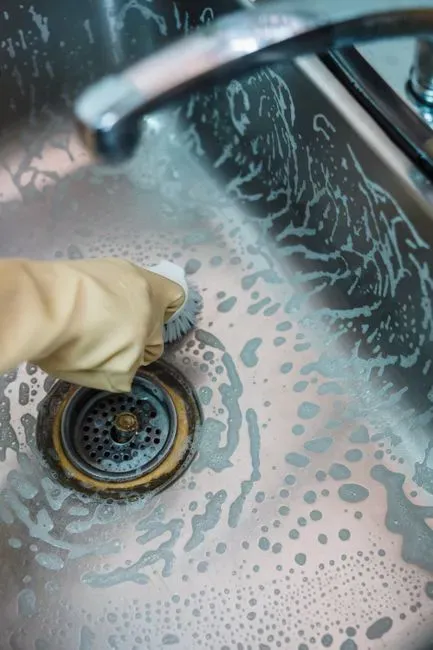
Bottles that promise to melt away clogs in minutes are a tempting quick fix, but plenty of pros steer clear of them entirely. One professional cleaner explained that these products “can burn our skin, eyes, and lungs if they splash back onto us.” That risk alone gives many cleaners pause.
Beyond the safety concerns, these products often don’t even solve the underlying issue. Industry experts have found that drain cleaners often don’t even manage to complete the job, and that continual use can result in residue build-up, which in turn can actually make the problem worse, triggering more clogs. A simple drain snake or a wet/dry vacuum tends to outperform the chemical route without the fumes.
Bleach as a Standalone Cleaner
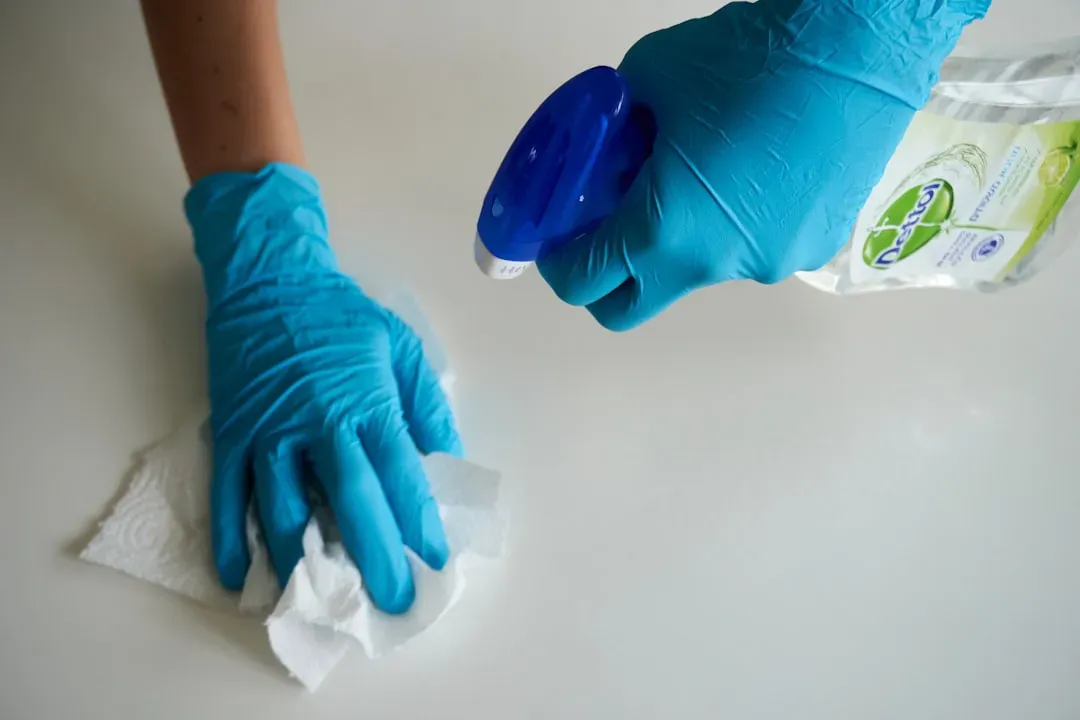
Bleach has a reputation as a cure-all for grime, but professionals are quick to point out that it isn’t actually a cleaner at all. Operations manager Kathy Cohoon has explained that if you put bleach on a dirty surface, all you’re doing is spreading germs around. Disinfecting only works once the surface is already clean.
There’s also a real hazard in how people use it. Cleaning professionals warn that many people don’t realize you can’t mix it with other cleaners, and doing so can result in harmful fumes that can be dangerous, if not deadly. Many pros prefer peroxide for brightening whites or rubbing alcohol when disinfecting is genuinely needed.
Multi-Surface Sprays That Leave Residue
The idea of one bottle handling every surface in the house sounds efficient, but not every multi-purpose spray lives up to that promise. Cleaning professional Kathy Cohoon says she avoids any product “that feel sticky or leave a film behind.” That leftover residue defeats the purpose of cleaning in the first place.
The sheen these sprays leave behind can actually attract more grime over time, meaning homeowners end up cleaning the same spots more often, not less. Concentrated, pH-balanced multi-purpose cleaners that can be diluted differently for floors versus bathrooms tend to be the smarter buy. A single concentrate mixed at different strengths often replaces an entire shelf of specialty sprays.
Disposable Disinfecting Wipes
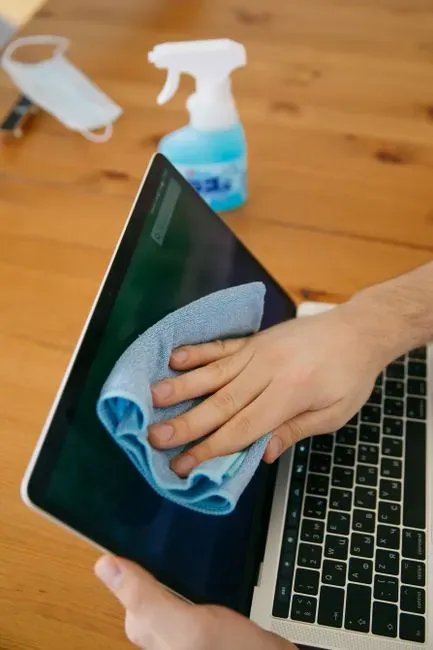
Wipes became a pandemic-era staple, but professionals have grown skeptical of relying on them as a primary cleaning tool. A Molly Maid operations executive pointed out that the surface has to stay wet for a number of minutes in order to disinfect properly, which can be difficult to accomplish unless your wipe is thoroughly soaked or you use a few wipes to ensure the surface remains wet. Most people wipe once and move on, which means the disinfecting step rarely actually happens.
For everyday grime, the same expert notes that soap and water work much better to remove bacteria. Reusable microfiber cloths paired with a refillable spray bottle cost far less over time and don’t add to the pile of single-use waste that wipes generate.
Automatic Drop-In Toilet Tablets
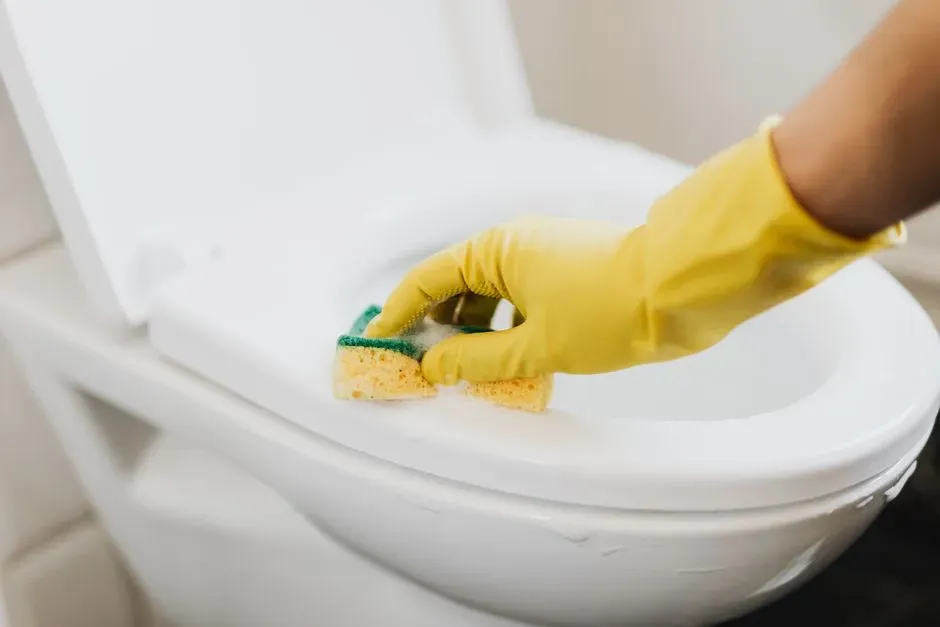
Those tablets that sit in the toilet tank and tint the water blue every flush seem like a set-it-and-forget-it solution. Plenty of professional cleaners avoid them because of what they can do to the toilet’s inner workings over time. According to cleaning guides that track this issue, automatic toilet cleaners, often in the form of drop-in tablets, can damage your toilet’s internal components over time, leading to costly repairs.
The chemicals in these tablets, often chlorine-based, can degrade rubber seals and other components inside the tank. A cheaper and gentler approach is pouring distilled white vinegar into the tank periodically, which naturally maintain cleanliness and freshness between deep cleans without the mechanical wear.
Steam Mops
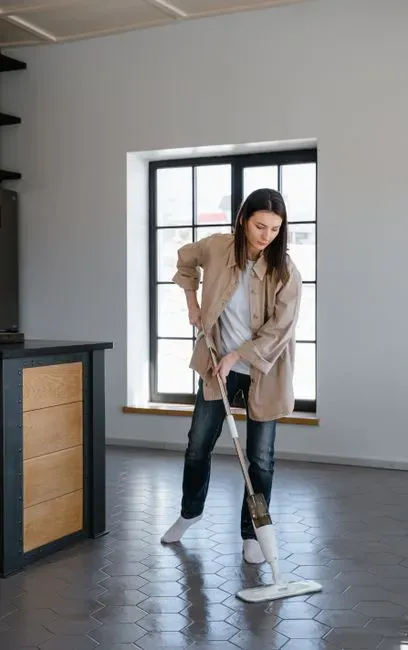
Steam mops were marketed as a modern upgrade to the old bucket and mop, but testing has not been kind to them. Consumer Reports evaluations found that the majority of steam mops tested failed to impress, simply pushing aside big messes and leaving floors looking dull. That’s a disappointing result for a device that costs considerably more than a basic mop.
There’s also a durability concern that many buyers don’t consider until it’s too late. Steam mops can actually damage floors, especially hardwood and laminate, by leaving behind excessive moisture, and some flooring manufacturers will even void your warranty if you’ve been using a steam mop to clean. A regular spin or squeeze mop, where you control the moisture level yourself, tends to be the safer and cheaper choice.
Laundry Detergent Pods
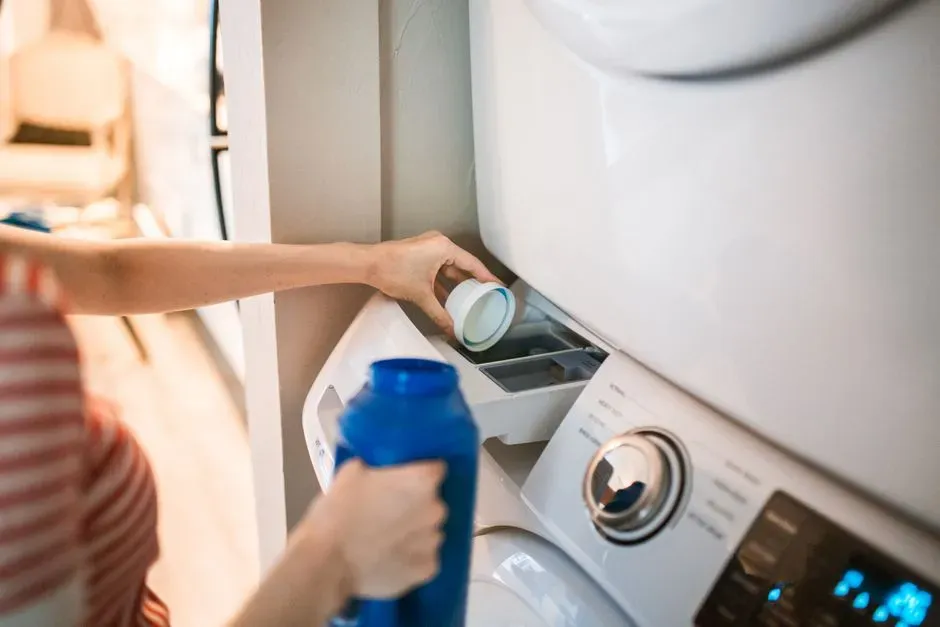
Pods are undeniably convenient, but the premium you pay for that convenience adds up fast. A cost comparison from cleaning researchers found that a 72-load case of Tide Pods may run you around $19, while the same $19 could get you a large bottle of liquid Tide that would power through at least 96 loads. That’s a meaningful gap for a product used every single week.
Performance doesn’t make up for the price difference either. Reviewers have noted that as a group, pods just don’t clean as well as liquid detergent, sometimes even leaving stains and residue behind. A store-brand liquid detergent, measured out with a simple cap, usually cleans just as well for a fraction of the cost per load.
Fabric and Air Freshener Sprays
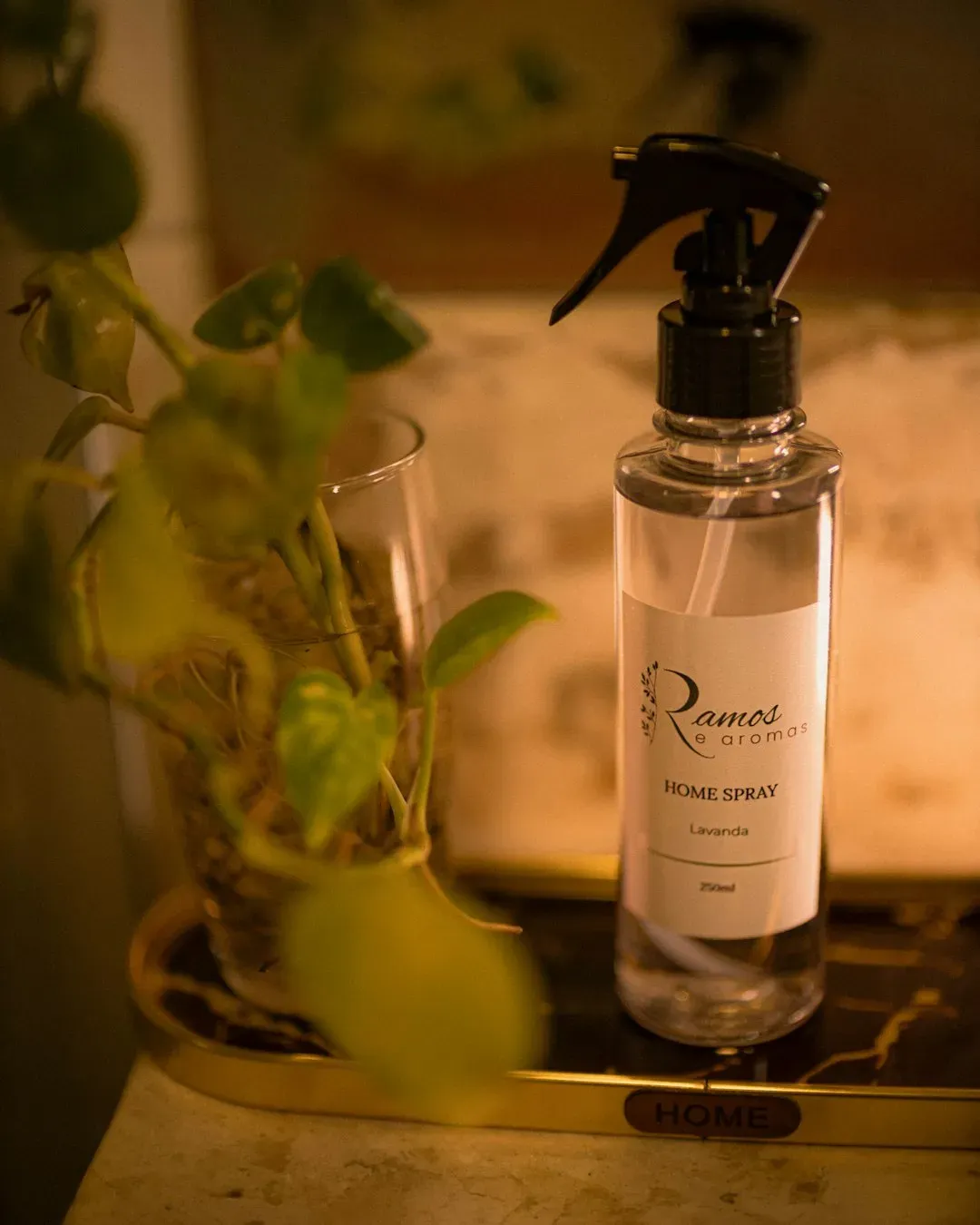
Scented sprays promise to erase odors, but most of them are only masking the smell rather than removing it. According to research into wasteful cleaning purchases, these sprays market themselves as miracle odor neutralizers, but most only mask smells temporarily, and the perfumes fade quickly while the residue can actually trap more dirt over time. That’s a frustrating cycle for anyone trying to keep a room feeling fresh.
The repeat-purchase design of these products is part of why they land on so many “don’t buy” lists. Analysts note that many of these sprays rank high among wasteful cleaning products because they encourage constant repurchasing. A simple mix of baking soda left to sit before vacuuming tends to neutralize odors more permanently, and it costs almost nothing.
UV Light Cleaning Wands
Marketed as a futuristic shortcut to sanitizing, UV wands promise to kill germs just by hovering a light over a surface. Cleaning expert Jade Piper has been openly skeptical, explaining that “they sound fancy and high-tech, but I simply don’t believe they can clean by simply hovering over surfaces.” Her doubts echo a common theme among professionals: gadgets that promise speed rarely deliver on it.
Even when these devices do have some effect, the process isn’t as fast as it looks in advertisements. Piper points out that “if they do work, they are slow as you need to hover several times just to kill the germs.” A basic disinfectant spray combined with the right dwell time remains far more reliable, and it costs a fraction of what these wands typically sell for.



Leave a Reply