
There’s a strange kind of feeling you get when you land somewhere new, pull out a $20 bill, and realize it’s going to cover dinner, drinks, and a taxi home. Honestly, it never gets old. For American travelers, that feeling has become increasingly common across a wide stretch of the globe, where exchange rates and low local costs are combining to create some of the most rewarding value windows in years.
Several global factors have contributed to the continued strength of the US dollar. Stable interest rates, strong demand for US assets, and inflation differentials across economies have all played a role, and for American travelers, this translates directly into increased purchasing power in many parts of the world. The result is a kind of informal “dollar-strong map” that’s reshaping how smart travelers plan their trips. Let’s dive in.
1. Vietnam: Where Every Dollar Feels Like Three

Vietnam maintains a managed exchange-rate regime, resulting in minimal daily volatility. The dong’s generally soft level supports exports, while the dollar’s stability and stronger purchasing power remain attractive to investors and travelers alike. Think about that for a moment. You’re basically arriving with three times the economic firepower you’d have at home.
One of the most reliable indicators is the World Bank’s price level ratio. Vietnam regularly posts a ratio of around 0.30, meaning that on average, your dollar buys roughly three times as much there as it does back in a mid-sized American city. That’s not a rounding error, that’s a lifestyle upgrade. Vietnam is one of the most culturally rich countries in the world. You could find yourself one morning soaking up city sights with a cup of famous Vietnamese coffee, then visiting war history museums or one of the country’s eight UNESCO World Heritage sites in the afternoon. The average daily travel cost is just $12 per person. It’s almost absurd value, in the best possible way.
2. Indonesia: 17,000 Islands, One Very Friendly Exchange Rate
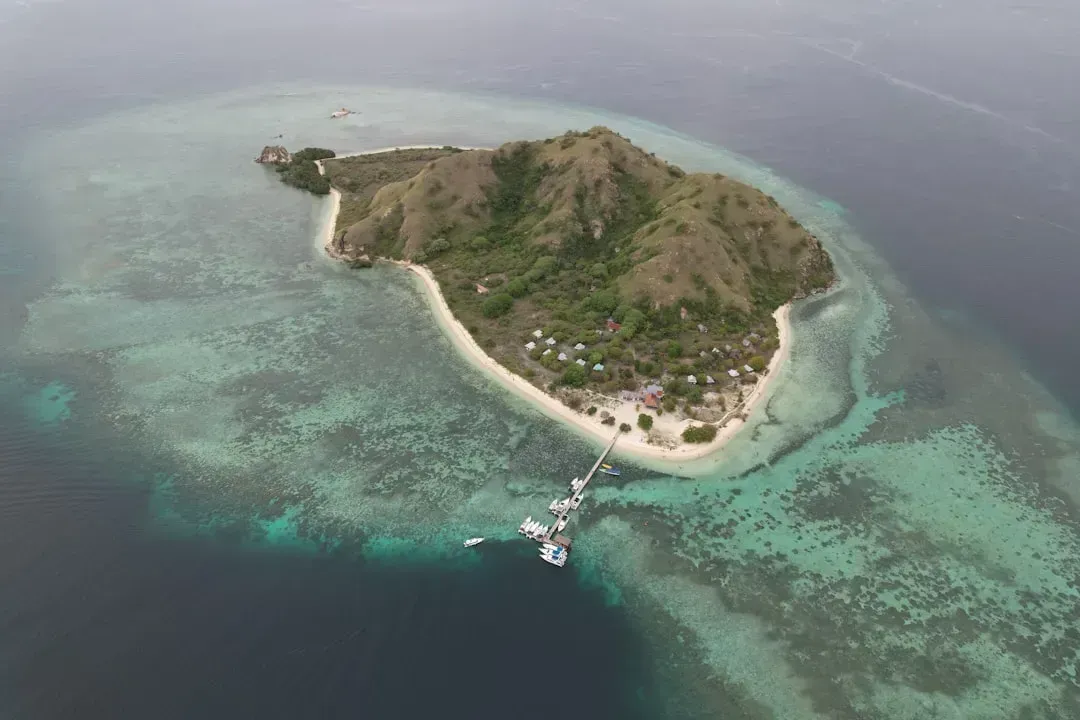
Indonesia’s extremely favorable exchange rate, along with residents’ knack for simple, low-cost living, adds up to one of the most affordable destinations on the globe. Hotels in the Southeast Asian archipelago can be booked for well under $100 per night, and you don’t have to skimp on meals, tours, and spa days, either.
In Indonesia, the USD stretches remarkably far. One American dollar earns travelers over 16,000 Indonesian rupiah, meaning you can snorkel off the coast of West Papua or explore the island chain for genuinely little money. Bali gets all the glory, and sure, it deserves some of it. But Bali has long been a mainstay on lists of the world’s cheapest travel spots. For a less crowded experience, equally fascinating isles like Sulawesi, Lombok, and Komodo await. Adventures involving hidden temples, surfing beaches, monkey-filled forests, and giant lizards are easy to find and easy to pay for.
3. Argentina: A Steak Dinner for the Price of a Coffee Back Home

Let’s be real, Argentina’s economy has been a rollercoaster. But for American dollar holders, that rollercoaster has been going very much in the right direction. After steep peso devaluations, daily costs feel noticeably lighter: premium steak dinners, Malbec tastings, and boutique stays often undercut recent years significantly.
Argentina is one of the most visited countries in South America, with millions of tourists per year. From the cosmopolitan streets of Buenos Aires to the unique biodiversity of Patagonia, the experiences on offer are extraordinary. Buenos Aires is a hub for art lovers, featuring institutions like the Museo Nacional de Bellas Artes and MALBA, alongside colorful street art in neighborhoods like Palermo. Beyond the capital, regional traditions shine through festivals in Salta and Jujuy, where Indigenous music, crafts, and dance come to life. The value here right now is genuinely hard to overstate.
4. Turkey: Ancient Wonders at a Fraction of the Cost
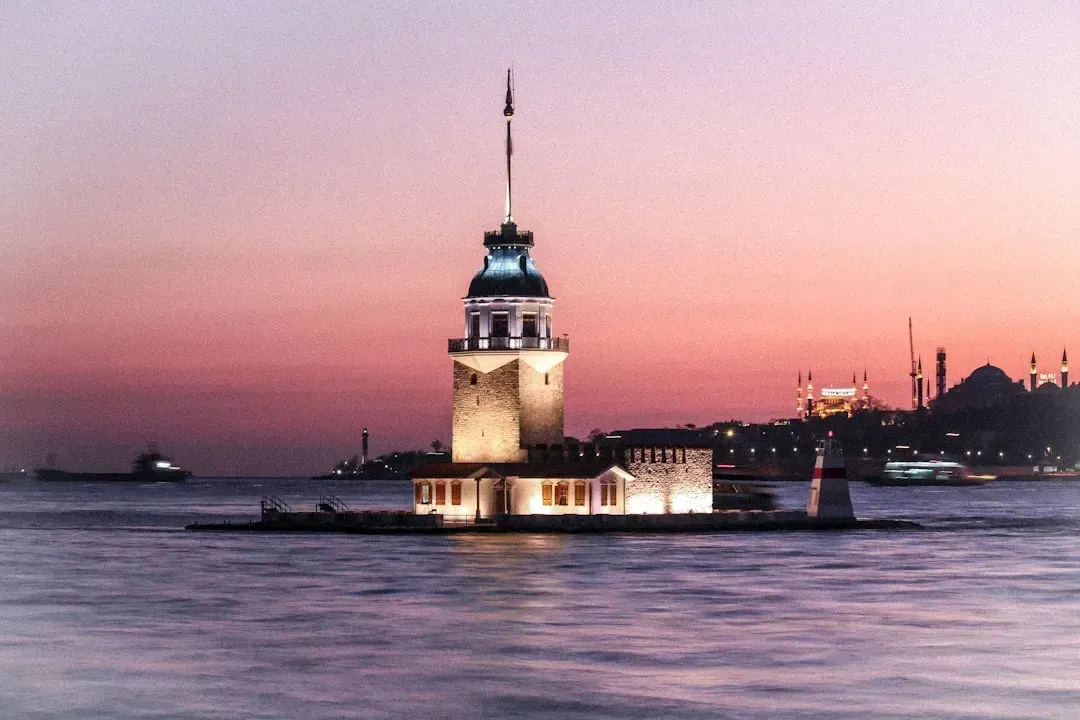
The Turkish lira has been through the wringer, and the lira has been struggling for years, making a trip to Turkey cheaper for Americans thanks to the exchange rate. The US dollar just keeps growing stronger against it. In fact, the dollar’s value against the lira has more than sextupled over the last five years. That is not a typo. Six times.
The downside is that inflation has hit Turkey hard on the ground, meaning your dollar doesn’t go quite as far as it might once have. Still, it remains an incredibly cheap destination for Americans and an incredibly underrated country, too. Famously straddling Europe and Asia, Turkey has historic, cultural, and natural wonders to rival any spot on either continent. From Cappadocia’s fairy chimneys to the bazaars of Istanbul, the spectacle-to-dollar ratio here is extraordinary.
5. South Africa: Safari Dreams on a Budget
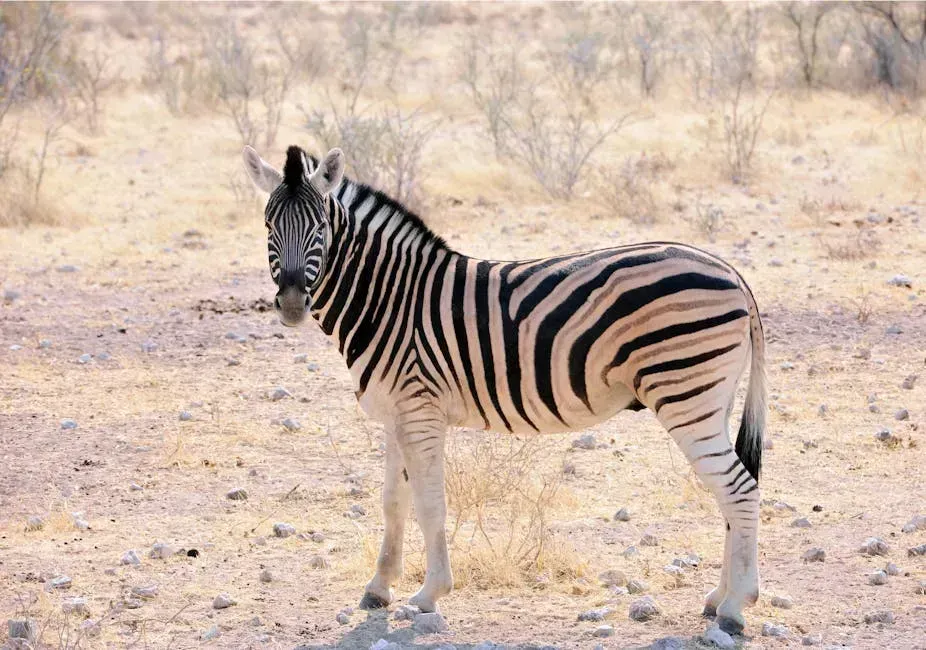
This one genuinely surprises people. South Africa sounds expensive in the imagination, a long-haul flight, epic safaris, wine country. But the numbers tell a very different story. South Africa combines natural beauty with a favorable dollar exchange rate, making safari tours, vineyards, and luxury accommodations in Cape Town more accessible. Inflation and a weak rand mean travelers can now afford more activities and exclusive experiences.
Everything from Uber rides to meals to some of the most underrated wines on the planet turns out to be shockingly cheap, thanks to a combination of low prices and an advantageous exchange rate from the US. Bucket lists are easily vanquished in South Africa, where elephants lumber through national parks, waves crash into craggy cliffs at the Cape of Good Hope, and cable cars ascend the iconic Table Mountain. The country also has beaches, vineyards, and, most importantly, penguins. Though airfare to South Africa is usually steep, Americans benefit once they arrive from a favorable exchange rate and midrange hotel rooms that often go for around $100 a night or less.
6. Egypt: World Heritage on Every Corner, Wallet Barely Touched
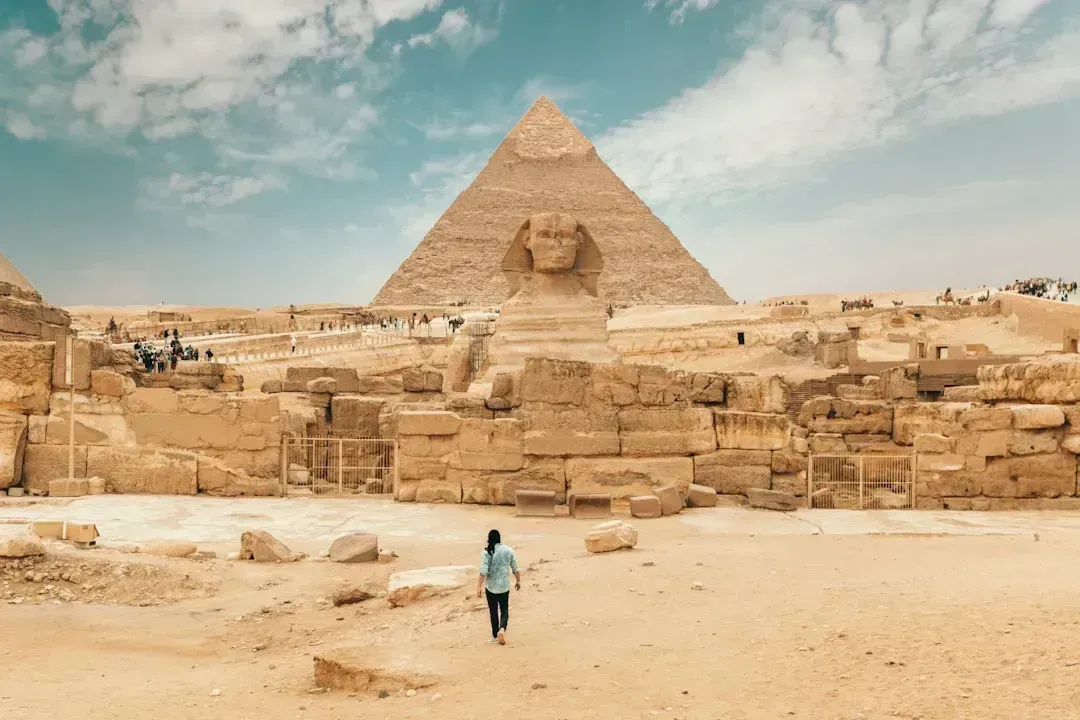
Egypt is one of those places that defies the imagination, and then defies your budget expectations too. Successive devaluations now stretch the dollar across headline experiences: private guides at Giza, Nile cruise cabins with views, and daylong museum immersions. Cairo’s café culture and Luxor’s temples pair world-class heritage with prices that can feel markedly lower than prior years.
Egypt is actually cheaper this year than it was in the 1990s, though for sad reasons related to regional instability impacting tourism broadly. That makes it a genuine buyer’s market for anyone who does go. Ancient wonders like the Pyramids and the Nile Valley come with a generous exchange rate that keeps tour costs and accommodations genuinely low. Few places on earth offer this combination of depth and value simultaneously.
7. Poland: Europe’s Secret Budget Champion

Here’s the thing about Eastern Europe: people keep discovering it, and Poland in particular keeps punching well above its weight. In Poland, three cities ranked in the top 10 among Europe’s most affordable places on the 2025 City Costs Barometer compiled by the UK’s Post Office: Warsaw in third, Gdansk in seventh, and Krakow in eighth. All three places make compelling cases for visitors interested in castles, historic squares, and wide-ranging cultural experiences.
A smart strategy for saving money in Europe is to travel east, where prices for hotels and airfare tend to drop as you move away from Western Europe. Poland is perhaps the finest example of this principle in action. Whether you’re trying Hungarian goulash, taking a river cruise along the Danube, or listening to a traditional folk band in Budapest, the costs of dining out, transportation, and entertainment in Eastern Europe are all significantly lower than their Western counterparts. Rich culture adds immense value to its affordability, and in Poland, you can marvel at architectural wonders like historic castles and thermal baths that date back to Roman times.
8. Japan: The Yen’s Weakness Is Your Windfall
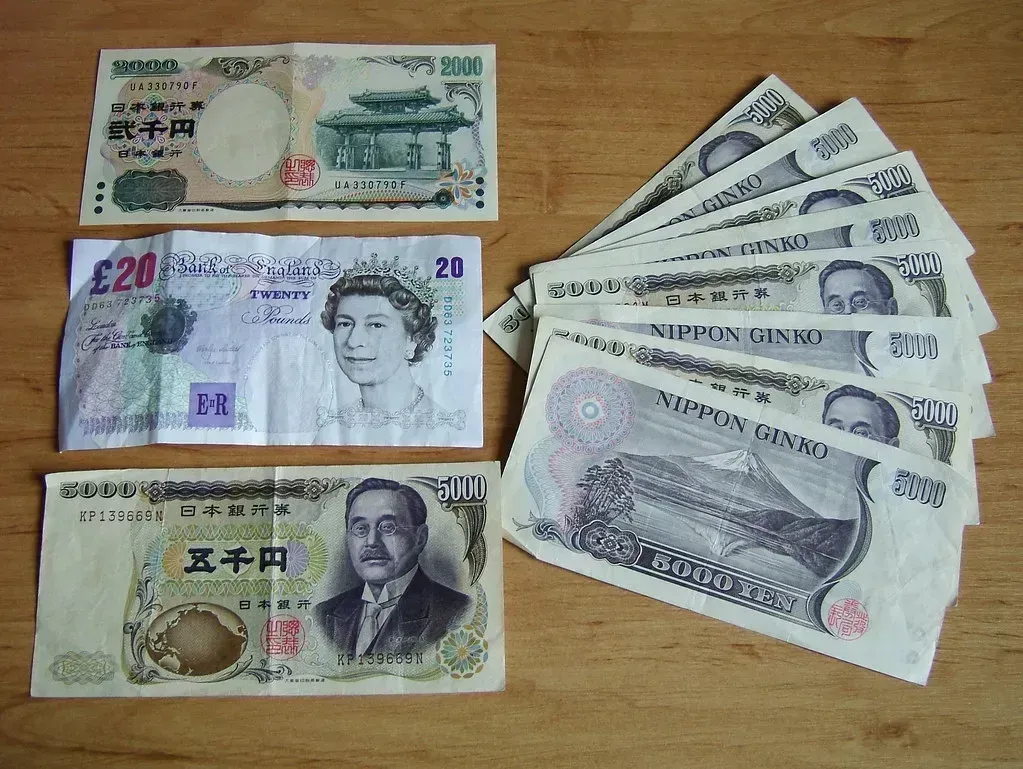
Japan used to be the destination that made travelers wince at their bank statements. Elaborate kaiseki dinners, bullet train tickets, exquisite ryokan stays, it all added up fast. Then the yen weakened, and something remarkable happened. Since the 2020 pandemic, the Japanese yen has significantly dropped against the American dollar. While Japan isn’t the cheapest destination compared with regions like Southeast Asia, the exchange rate means that American travelers can make their dollars go further in what remains a relatively affordable destination.
A softer yen makes a long-perceived premium trip more attainable: shinkansen passes, omakase counters, and ryokan stays with onsen are easier to fit in, especially off-peak. Planning around shoulder seasons unlocks standout rates in Kyoto and Kanazawa. Tipping is strongly discouraged in Japan and is even considered offensive, which leads to even more savings on already affordable goods and services. It’s honestly one of the more elegant travel economies in the world right now.
9. Brazil: South America’s Giant Goes on Sale
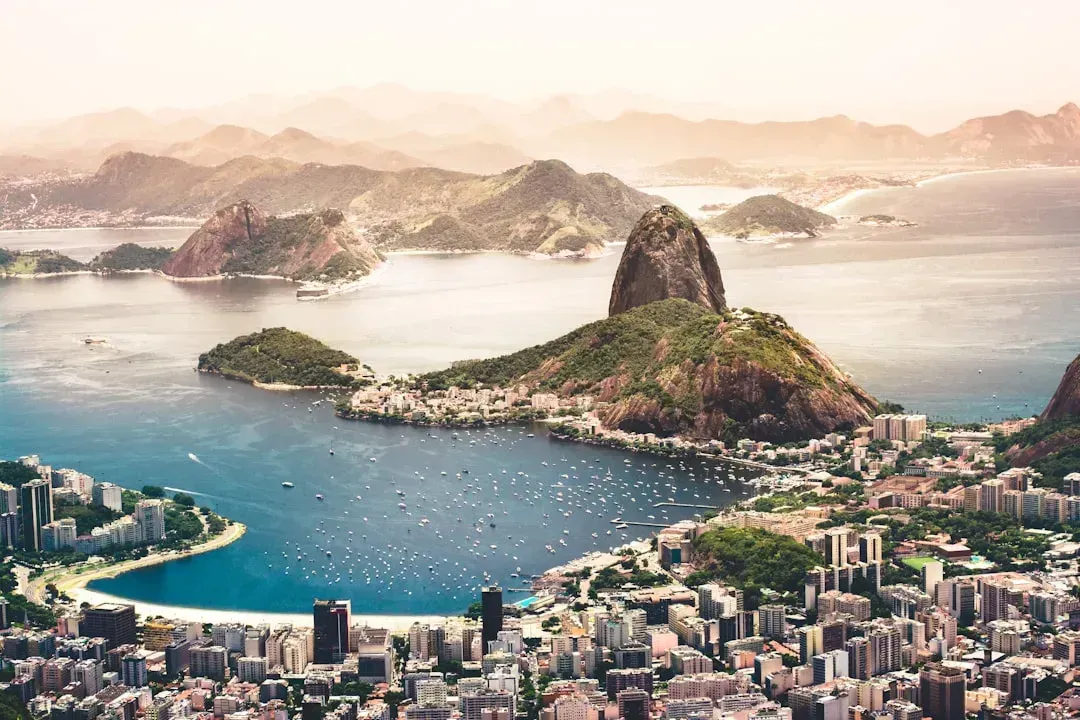
Brazil is vast, loud, beautiful, and right now, very reasonably priced for dollar holders. Though Brazil’s real continues to rebound from its plunge in late 2024, the currency remains weaker than the dollar, giving US travelers more spending power while visiting South America’s largest country and its famed beaches, vibrant cities, awe-inspiring natural wonders, and impressive cultural landmarks.
When compared to Brazil’s real, the dollar has strengthened considerably over the past year or so, according to an analysis of exchange rate data released by NetVoucherCodes. That gap between currencies means everything from beachside pousadas in the northeast to trekking in the Amazon becomes meaningfully cheaper for Americans. The comparatively low prices help offset the extra charge tourists from the United States have to pay for Brazil’s visa requirement, which relaunched in 2025. It’s a minor administrative hurdle for a majorly rewarding destination.
10. Thailand: The Gold Standard of Dollar-Friendly Travel

Thailand has been on this list for so long it almost feels like a given. But it keeps earning its place because the value proposition remains genuinely impressive. Thailand is long known for affordability, and in 2025 and into 2026, the dollar further enhances its value against the local currency. Luxury accommodations, private tours, and gourmet meals are now more accessible to a wider range of travelers, and visitors can add more activities and higher-end lodging without increasing their budgets.
A favorable exchange rate and low cost of living combine to make Thailand an enduring hot spot among budget-minded international travelers. Whether lazing on beaches, popping into palaces and Buddhist temples, or sampling the nonstop commotion in Bangkok, you’ll spend so little on transportation, renowned street food, and entertainment that you’ll likely have plenty left over for a luxury resort splurge. I think this is the place people mean when they talk about feeling rich abroad for the first time.
The Bottom Line: Why Now Is the Time

Planning the perfect trip in 2025 and 2026 has never been more challenging, as inflation is affecting almost every global destination. Yet there are countries where your dollar literally stretches further, allowing for more luxurious experiences, better accommodations, and more activities without overspending.
As of late 2025, the US dollar still has significant purchasing power across global markets. However, its strength fluctuates because of exchange rates, inflation, economic stability, and geopolitical influences, which means conditions can shift. The window doesn’t stay open forever. Choosing the right destination can dramatically increase the value of your travel budget, and in 2025 and into 2026, several countries continue to offer exceptional exchange rates against the US dollar, allowing you to experience more while spending less.
The best time to use a strong dollar is while you have one. Which of these destinations would you put at the top of your list? Tell us in the comments.


Leave a Reply