
Kyrgyzstan: The Mountain Republic That’s Finally Having Its Moment
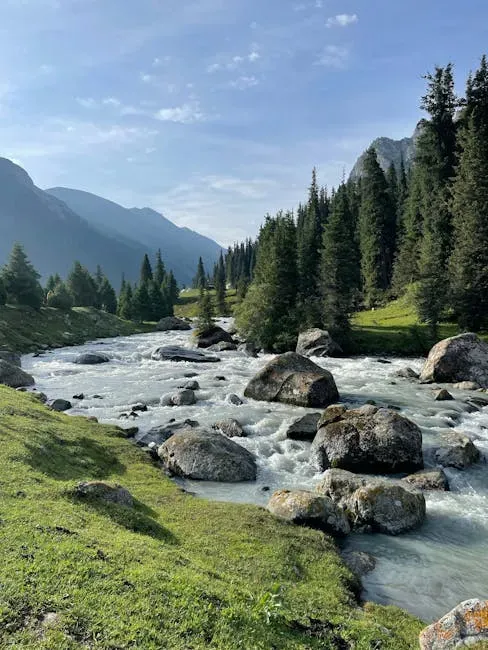
Kyrgyzstan, a mountainous nation long overshadowed by more established Silk Road destinations, is quietly emerging as one of the fastest-growing tourism economies in Central Asia, with tourism revenues climbing by more than 8 percent in 2025 and surpassing one billion dollars for the first time. That figure matters because it signals real momentum, not just a blip.
With more than 90 percent of the country covered by mountain ranges, Kyrgyzstan is positioning itself as a prime destination for adventure lovers who really want to get away from it all, offering stunning natural attractions without the crowds. Home to the trails of ancient nomads and Silk Road travelers, today’s Kyrgyz society honors the old ways of living, inviting visitors to spend a night in a yurt camp, visit Solomon’s Throne, and travel through some of the world’s most impressive yet still largely unknown scenery.
Albania: The Adriatic’s Best-Kept (and Diminishing) Secret
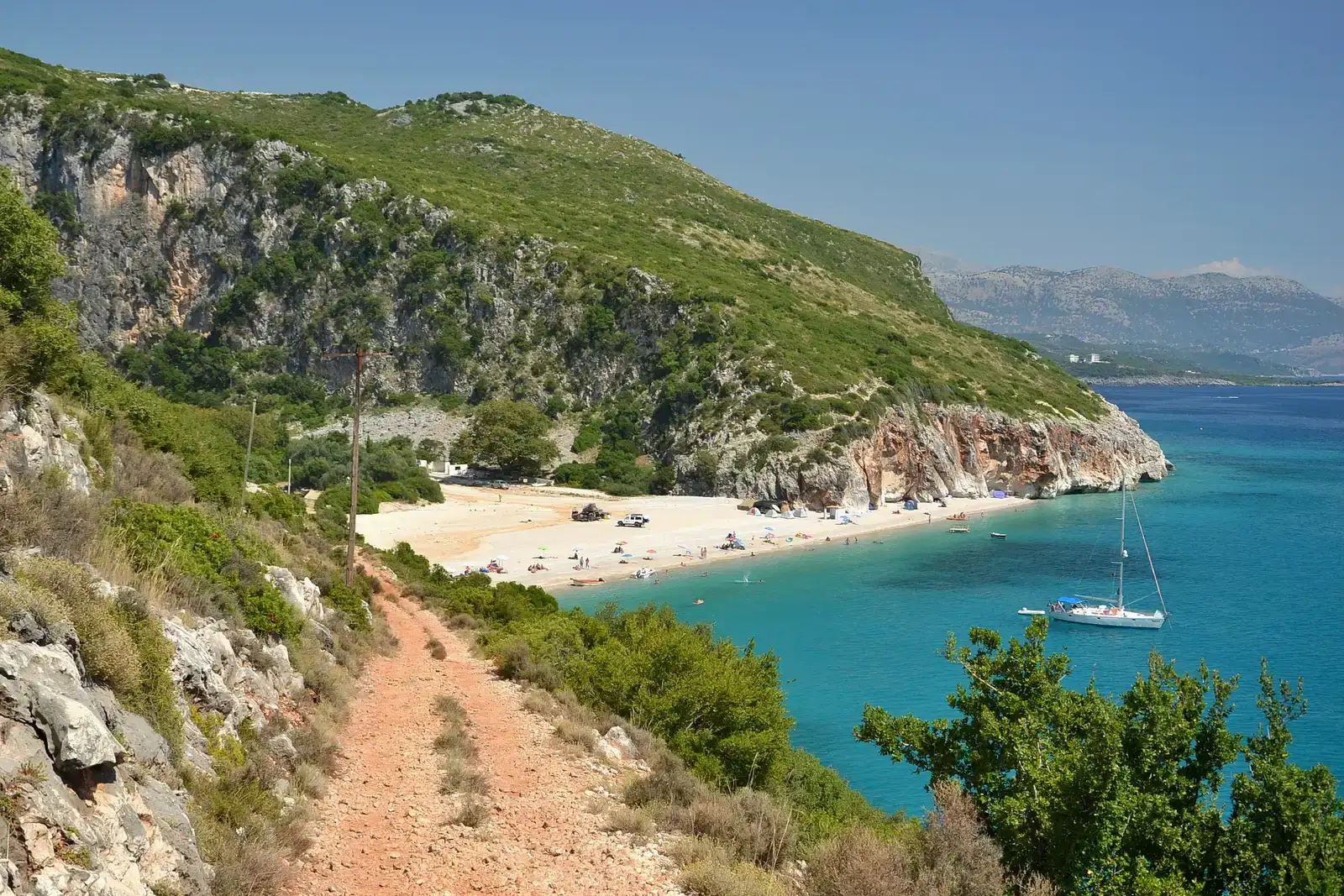
Travel experts have described Albania as “effectively the hidden-secret version of Greece or Croatia – stunning beaches, exceptional food and historic towns – but without the crowds or inflated prices.” That comparison does genuine work: Albania offers a remarkably similar Mediterranean palette at a fraction of the cost and congestion.
For decades, Albania was kept off the tourist map, but today it’s a paradise for adventurers, history lovers, and beachgoers seeking an authentic, crowd-free experience, offering stunning Riviera beaches, charming UNESCO-listed towns, breathtaking Albanian Alps hikes, and ancient ruins. The Vjosa Wild River National Park, a new protected area around one of Europe’s last truly wild rivers, is already poised to become a major ecotourism destination.
Sierra Leone: A UNESCO Milestone That Changes Everything
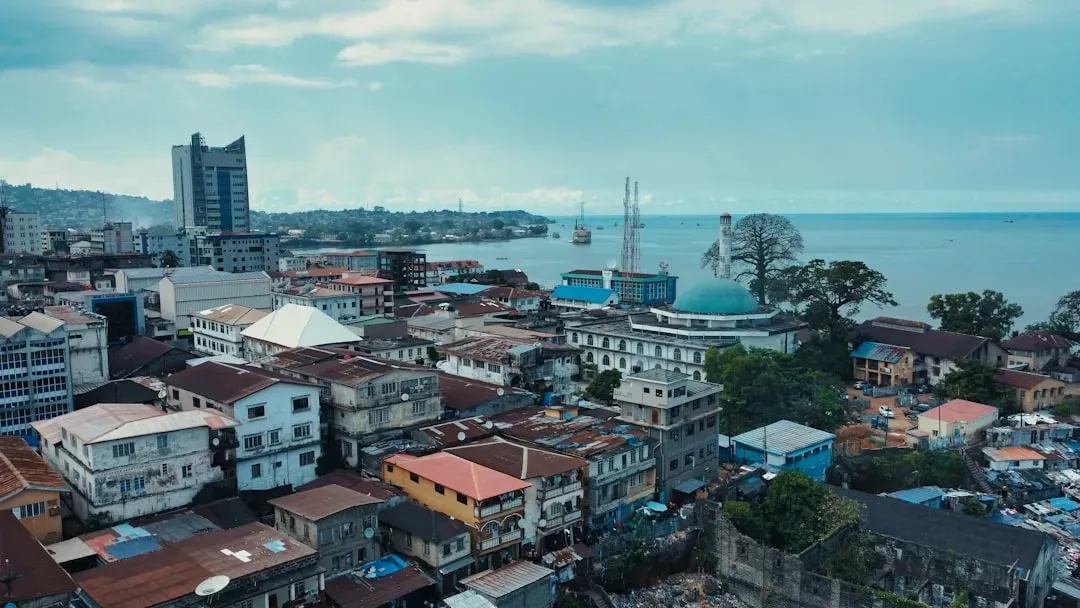
At roughly 3,000 acres, Tiwai Island sits within Sierra Leone, one of the world’s least-visited countries, which welcomed just 69,000 international visitors in 2023. That number is about to change. The successful inscription of the Gola-Tiwai Complex as a UNESCO World Heritage Site is not only a testament to the country’s remarkable ecological treasures but also a catalyst for transforming Sierra Leone’s tourism sector, as the nation embraces 2025 as the “Year of Ecotourism.”
The entirety of Tiwai Island is a wildlife sanctuary with one of the world’s highest concentrations of primates, including the endangered Diana monkey and the western chimpanzee, while the island is also home to over 135 bird species and more than 700 plant varieties, many with medicinal properties that local communities have relied on for centuries. The ecotourism camp is run by the Sierra Leone division of the Environmental Foundation for Africa, and every dollar spent directly funds the eight communities surrounding Tiwai, so rather than just consuming a wild place, a visitor’s stay helps sustain the communities who protect the island from logging, mining, and poaching.
Montenegro: Adriatic Drama Without the Dubrovnik Chaos
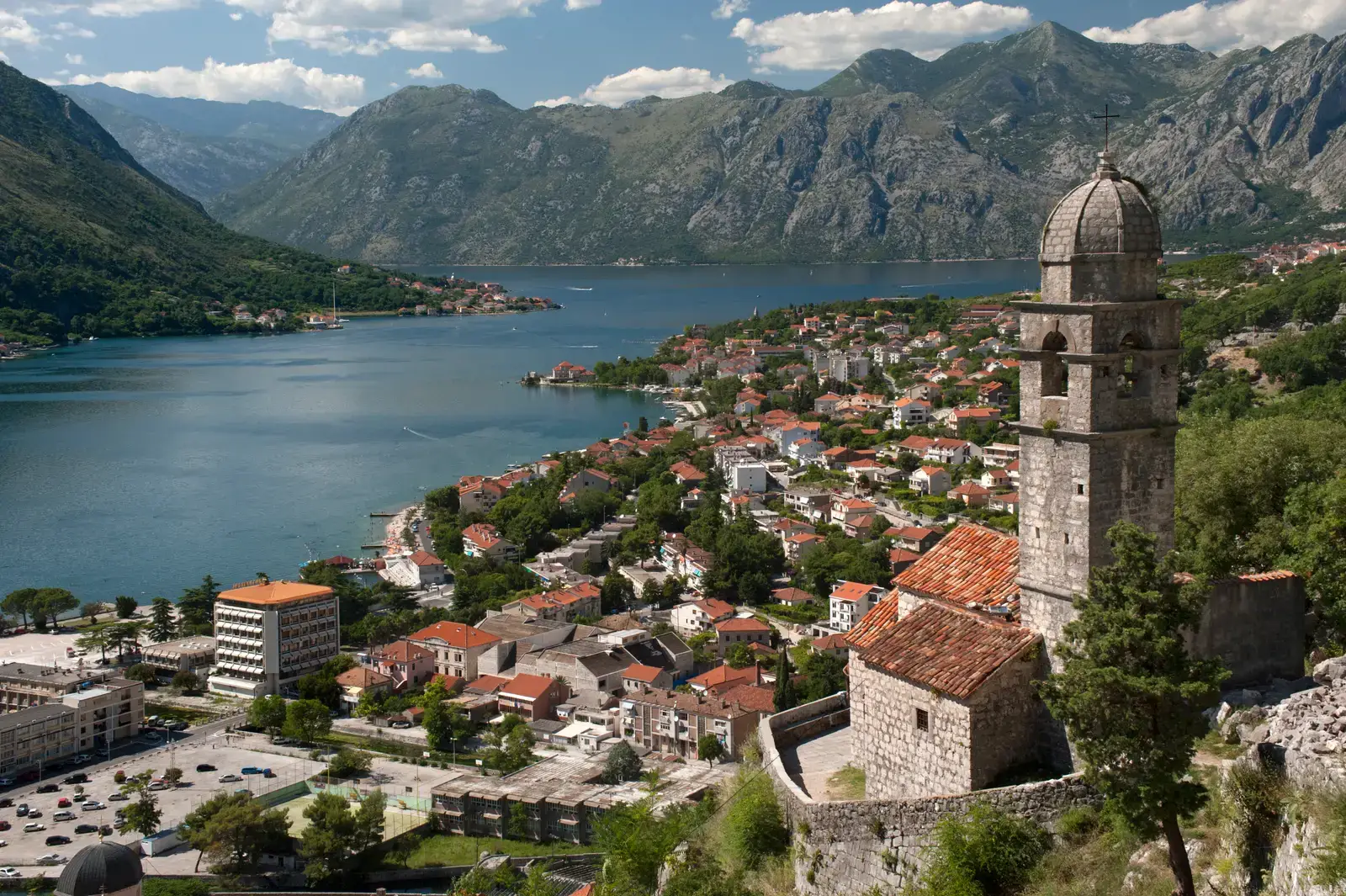
While Croatia steals the spotlight, Montenegro offers similar Adriatic beauty without the big crowds and is an affordable destination that still feels undiscovered, with plenty to do from hiking in Durmitor National Park to exploring medieval Kotor or relaxing along the Bay of Kotor. The geography alone makes a convincing argument: fjords, mountains, and a coastline all within a country roughly the size of Connecticut.
Montenegro, mostly unknown to the outside world, has incredible nature with mystical fjords, crystal clear beaches, mountains sitting right next to the sea, and charming historic towns, and while it isn’t as inexpensive as Albania, its charm, friendly people, much smaller crowds, and gorgeous nature make it a lovely place to vacation. As Croatia steers visitors away from overcrowded destinations, Montenegro’s Vis island region is emerging as a serene refuge, having shaped an approach to tourism grounded in small-scale, local experiences that celebrate unspoiled charm and a slower pace.
Slovenia: The Alps Without the Alpine Price Tag
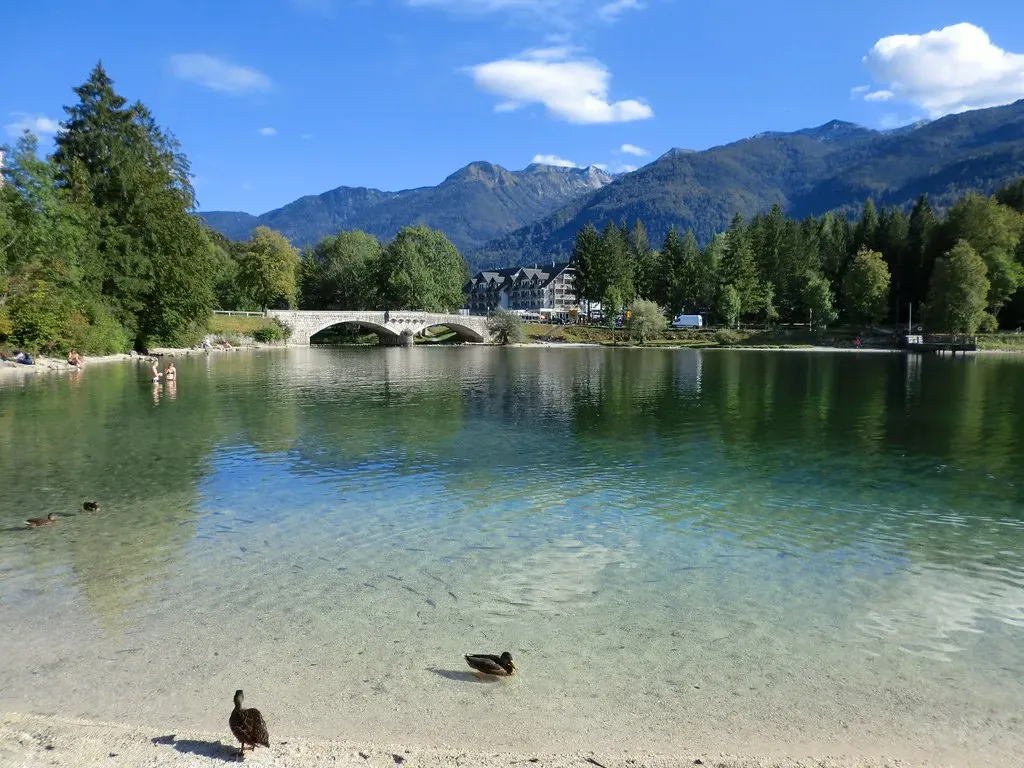
Slovenia is an extremely underrated travel destination, which is a shame because it is one of the most picturesque countries in the world, with its most beautiful place widely considered to be Lake Bohinj, featuring crystal-clear blue water surrounded by towering mountain peaks. Most travelers who’ve heard of Slovenia think of Lake Bled, the one with the island church. Lake Bohinj, just over the ridge, is twice as striking and sees perhaps a tenth of the foot traffic.
Ljubljana, the capital, is one of the most relaxed and manageable capital cities in Europe, with a medieval, fairytale feel, safe and compact with a city center easy to explore on foot, where you can stroll along the river, stop at cafes, walk up to Ljubljana Castle for panoramic views, and take in a distinct mix of Baroque and Art Nouveau architecture. The Julian Alps offer pristine lakes without the Alpine price tags found across the border in Austria or Switzerland.
Ecuador: Four Worlds, One Small Country
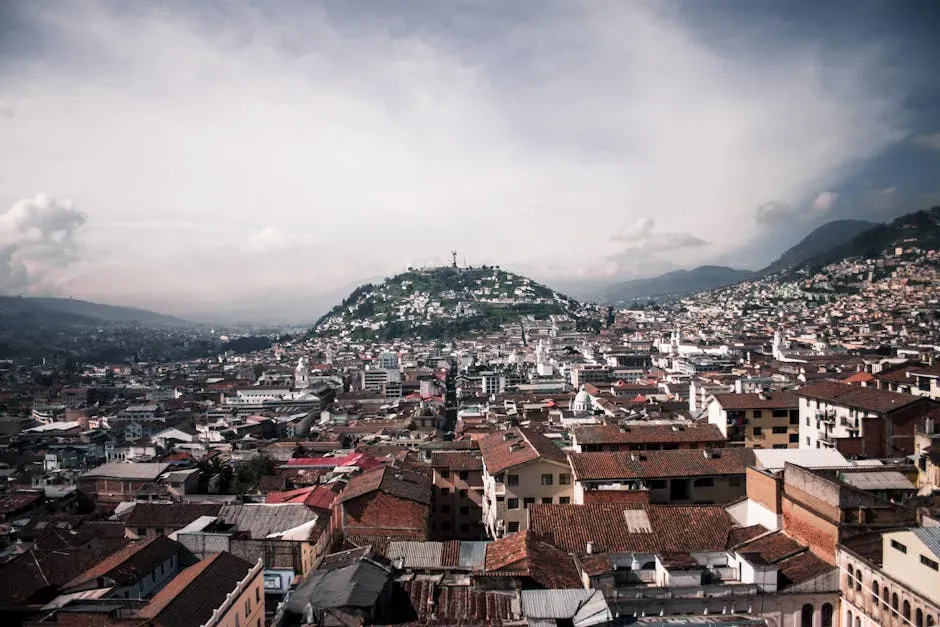
Ecuador kind of has it all, from scuba diving in the Galapagos Islands to high-peak mountain climbing in the Andes to jungle adventures in the Amazon to beach towns on the Pacific, with the capital Quito surrounded by both high mountains and rainforest so that day trips can cover both gorgeous peaks and jungle exploration. Few countries on Earth pack that kind of ecological variety into a single itinerary.
Within its small borders, Ecuador offers lush Amazon rainforests, towering Andean peaks, natural wonders, and historical gems in one trip, allowing travelers to immerse themselves in the cultures of indigenous communities, explore ancient ruins, and marvel at colonial architecture in cities like Quito and Cuenca. The Galapagos alone could justify the trip, but the mainland tends to reward travelers who linger longer and explore beyond the obvious.
Malta: The Island That’s About to Become Impossible to Ignore
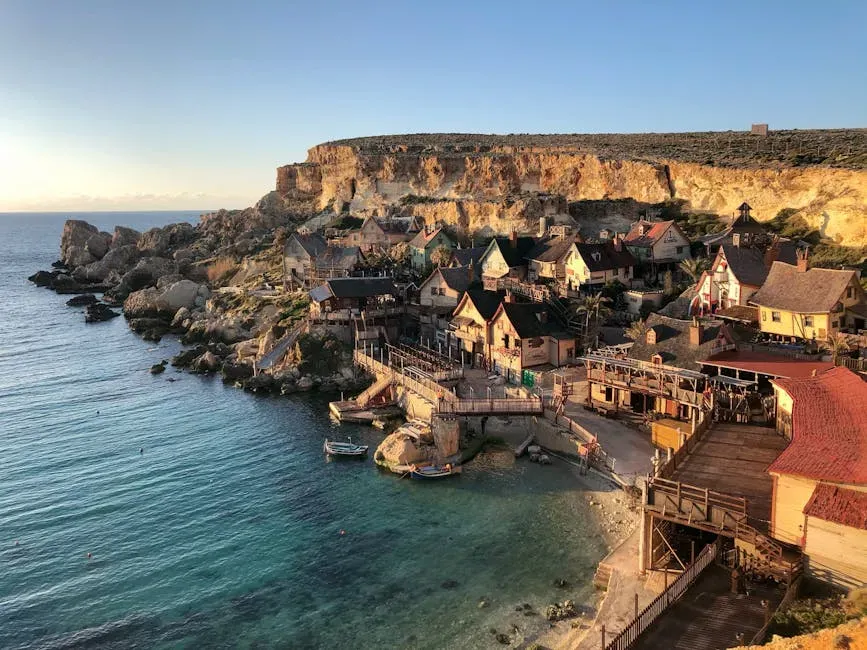
Malta’s appeal among North American travelers continues to accelerate, fueled in part by Delta Air Lines launching direct seasonal flights to Malta beginning in June 2026, as well as great connectivity from European cities that makes it a perfect pairing destination for city and island itineraries. Direct flights have a way of turning “maybe someday” into actual bookings fast.
Malta has everything for every taste, from the quiet, historic streets of Mdina to the slower pace of Gozo, where horses still walk on the streets and much of the landscape still looks as it did a thousand years ago. The island is also home to some of the oldest freestanding structures in the world, predating both Stonehenge and the Egyptian pyramids, which puts even Rome in perspective. The window to experience Malta before it fully tips into mass-market tourism is narrowing, and the people who’ve been watching it know it.


Leave a Reply