
1. Celery juice
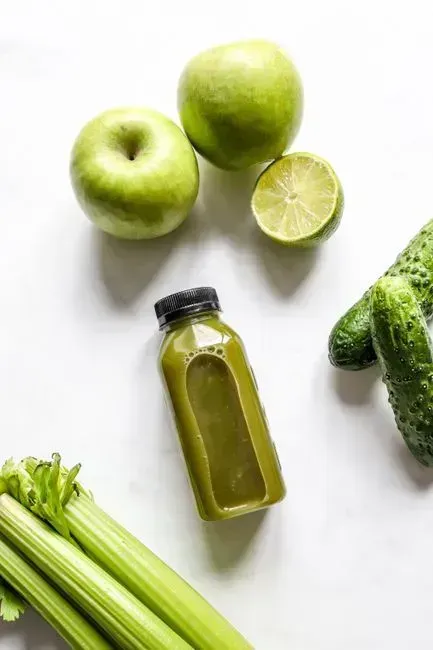
Celery juice built its reputation on claims of liver detoxification, clear skin, and cured digestive issues, largely thanks to social media influencers rather than clinical research. The #celeryjuicechallenge continues to trend despite all of these claims being debunked again and again, with real science telling us that claims about celery detoxing your liver are totally bogus. Your kidneys and liver already do that job, juice or no juice.
Celery juice is void of fiber, an important nutrient for digestive health, according to registered dietitian Lindsay Krasna. Whole celery still has real value, offering vitamins and antioxidants, but juicing it strips away the one thing that made it filling and gut-friendly in the first place. A stalk from the produce aisle does more for you than a fifteen-dollar bottle labeled “cleanse.”
2. Coconut oil
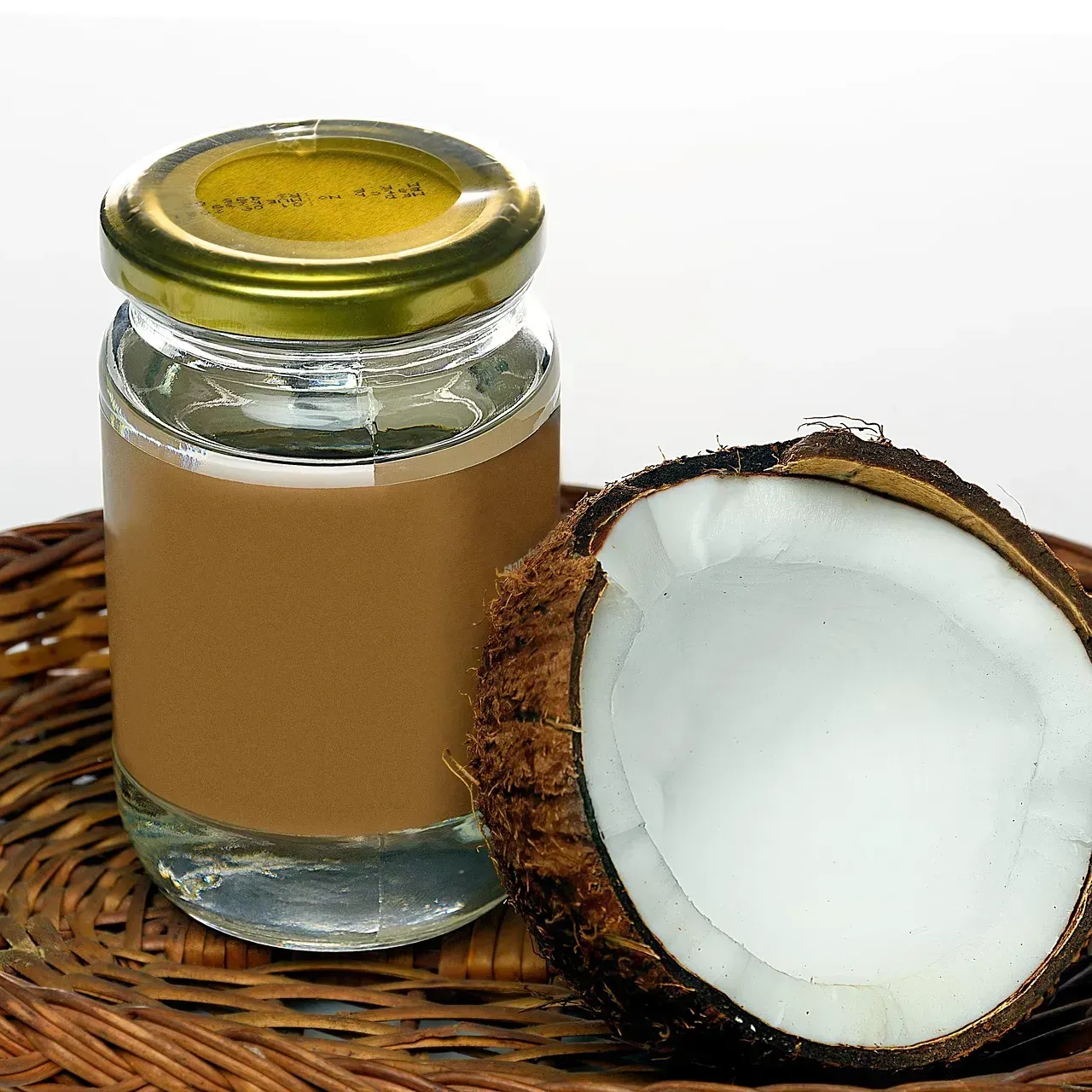
Coconut oil earned superfood status thanks to buzz around medium-chain triglycerides and metabolism claims that never quite held up under scrutiny. Many people think coconut oil is healthy, but it’s not much different from bacon grease when it comes to levels of saturated fat. More than 80% of coconut oil is saturated fat, and one tablespoon of coconut oil has 12 grams of saturated fat.
A science advisory from the American Heart Association, an analysis of more than 100 published research studies, reaffirmed that saturated fats raise LDL cholesterol. For heart health, the best types of oils are monounsaturated and polyunsaturated oils, primarily extra virgin olive oil. Coconut oil isn’t poison, but treating it as a health food rather than an occasional indulgence gets the science backward.
3. Kombucha
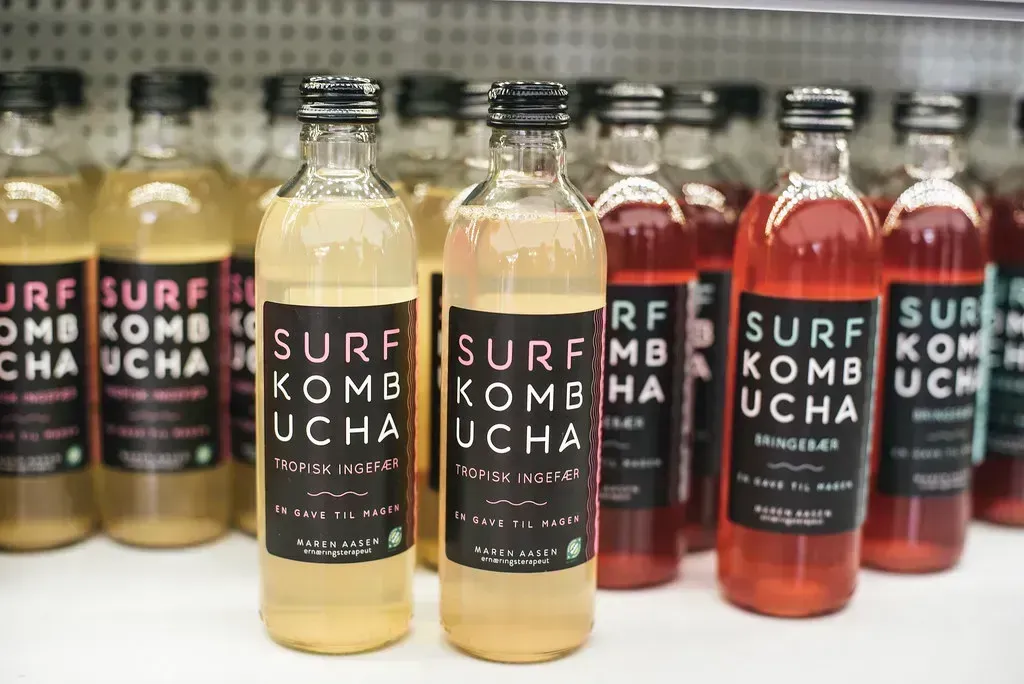
Fermented tea has become a wellness aisle staple, marketed heavily on probiotic content and gut health benefits. The trouble is that many commercial bottles pack in added sugar to balance out the tart, vinegary fermentation flavor, and the live bacteria strains inside vary wildly by brand and batch. Pasteurized versions, which many grocery store bottles are, kill off the very probiotics people are paying for.
None of this makes kombucha unhealthy exactly, but it does mean the drink rarely lives up to the miracle-cure framing on its label. A serving of yogurt or a piece of fermented vegetable often delivers more reliable probiotic content for less sugar and less cost. Reading the nutrition label before assuming “fermented” automatically means “beneficial” is a habit worth building.
4. Agave nectar

Agave nectar rode into health food stores as a gentler, more natural alternative to refined sugar, often marketed as lower on the glycemic index. Registered dietitians who specialize in food politics have pushed back hard on that framing for years. One dietitian has flatly called agave nectar the most overrated health food, noting it’s basically pure sugar, and that many companies use it while even labeling it raw when it’s not, despite it being essentially the equivalent of high fructose corn syrup.
The lower glycemic index comes from its high fructose content, which affects the liver differently than glucose does and isn’t automatically a metabolic win. In practice, a tablespoon of agave has calories and sugar in the same ballpark as table sugar or honey. Swapping one sweetener for another dressed up in a nicer bottle doesn’t change how your body processes the sugar itself.
5. Acai bowls

Acai berries built an entire industry around the word “antioxidants,” turning a simple Amazonian fruit into a breakfast bowl that can run well over ten dollars at a juice bar. This amazonian berry has exploded onto the wellness scene with clever marketing about being high in antioxidants, yet most people are completely unaware that the acai berry contains roughly the same levels of antioxidants as an apple.
If you’re looking to up your intake of antioxidants, any red berry is a good source, as is fresh fruit and vegetables, and much cheaper too. The bigger issue with most acai bowls isn’t the acai itself but everything piled on top. Granola, honey drizzles, and sweetened acai puree can turn a fruit bowl into a dessert with more added sugar than a candy bar.
6. Packaged granola bars
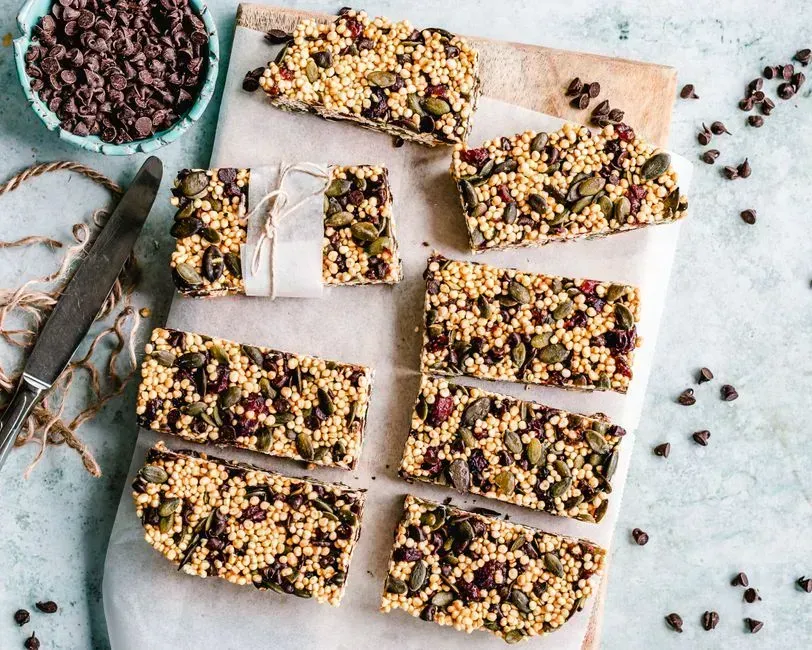
Granola bars look wholesome sitting next to a photo of oats and berries on the wrapper, but the ingredient list often tells a different story. People think they’re healthy because they’re often made with grains high in fiber and contain protein-rich nuts and dried fruit, but despite their health halo, many granola bars are full of added sugar, coated in chocolate and dressed up with a little protein powder, making them nothing more than a glorified candy bar.
One registered dietitian has pointed out seeing bars with as much as 25 grams of added sugar, which she called ludicrous. Many popular bars have as much sugar as a cookie, often hiding under sneaky names like brown rice syrup or tapioca syrup, while despite the healthy-looking oats, some bars offer very little protein or fiber. Checking the added sugar line rather than trusting the front of the package is the only reliable way to tell the good bars from the candy in disguise.
7. Coconut water

Coconut water gets marketed as nature’s sports drink, praised for its electrolyte content and hydration power after workouts. It does contain potassium, which is genuinely useful, but the actual electrolyte load is fairly modest compared to what marketing implies, and sodium, the electrolyte you actually lose most through sweat, is quite low. A bottle can also carry more natural sugar than people expect for something marketed as a plain hydrating drink.
For casual daily hydration or a light workout, plain water does the job just as well without the calories or the price tag. Coconut water isn’t a bad choice, but it’s closer to a mildly sweetened beverage than a scientifically superior hydration solution. Athletes doing intense, prolonged exercise are the group most likely to actually benefit from its electrolyte profile.
8. Cold-pressed juice cleanses
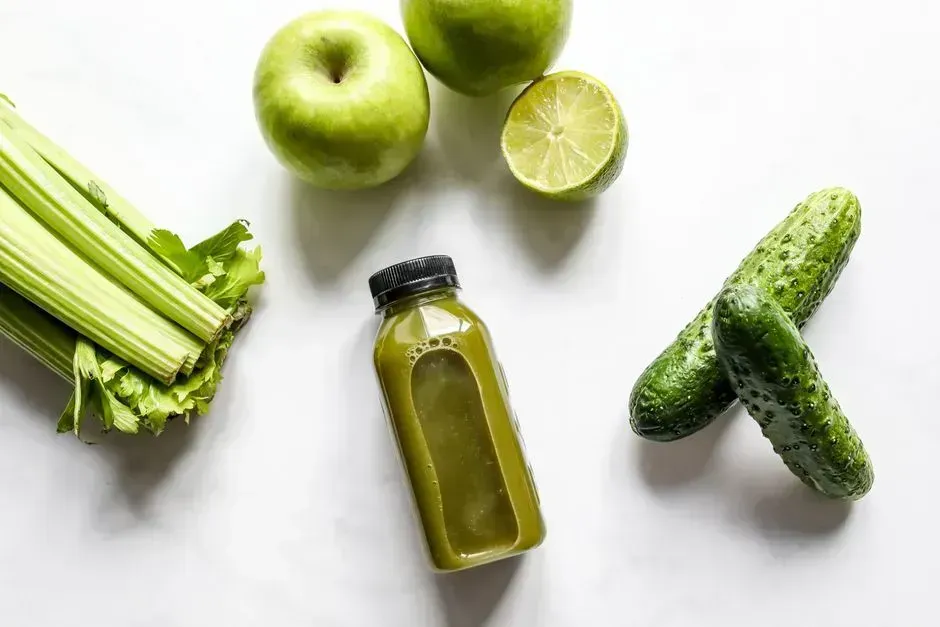
Multi-day juice cleanses promise to reset your system and flush out toxins, usually at a steep price for a week of bottled produce. The biggest concern about detox trends is that they’re often used as replacements for actual meals, and based on research, detox cleanses aren’t generally recommended by health professionals.
A 2018 study also found that cleanses can lead to restrictive eating patterns. Juice alone can’t provide the daily nutrients your body needs and can lead to undesirable side effects such as fatigue, dehydration, headaches, and irritability if done over an extended period of time. Your liver and kidneys are already handling detoxification around the clock, with or without a green juice subscription.
9. Gluten-free packaged snacks

For people with celiac disease or a genuine gluten sensitivity, gluten-free products are essential, not optional. But the wider trend of buying gluten-free crackers, cookies, and bread as a general health upgrade rests on a shakier premise. Removing gluten from a processed snack doesn’t automatically remove sugar, refined starch, or excess sodium, and manufacturers often compensate for lost texture by adding more of both.
Many gluten-free versions of packaged snacks end up with a similar or even higher calorie count than their gluten-containing counterparts, simply because gluten-free flours behave differently and need extra binding ingredients. Unless there’s a medical reason to avoid gluten, swapping a regular cookie for a gluten-free cookie rarely changes much nutritionally. The healthiest move is usually to eat fewer processed snacks overall, gluten or not.
10. Protein bars
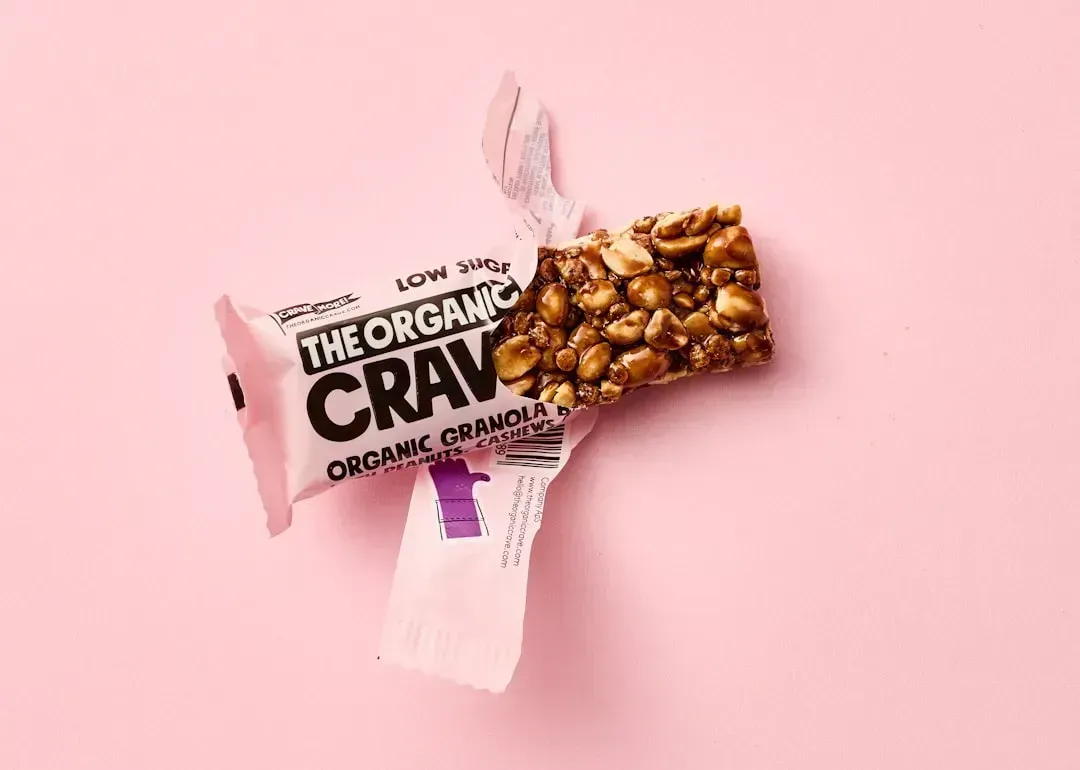
Protein bars have become the default grab-and-go snack for anyone chasing a fitness goal, but not all of them earn their spot in a gym bag. Granola and snack bars marketed around protein aren’t necessarily rich in it, and in fact, some have little to no protein at all. Dietitians recommend picking a bar with at least 5 to 10 grams of protein for a well-balanced snack, since bars can also be rich sources of added sugar and saturated fat, two things that should be consumed in limited amounts.
Some bars marketed heavily toward athletes are closer to a candy bar with a protein dusting than an actual balanced snack. The fix is simple: flip the bar over and look at grams of protein, fiber, and added sugar rather than trusting the bold claims on the front. A bar with 20 grams of added sugar isn’t a smarter choice just because it also has 15 grams of protein.
11. Veggie chips

Veggie chips lean on the word “vegetable” to suggest they’re a lighter, better-for-you alternative to potato chips, but the manufacturing process tells a different story. Most are made by slicing vegetables thin, then frying them in oil just like regular chips, which means the calorie and fat content often lands close to what you’d get from a standard bag of chips. The vegetable content that survives frying and seasoning is also minimal compared to eating the actual vegetable.
A serving of real vegetables, whether raw, roasted, or steamed, delivers fiber and nutrients that fried veggie chips largely lose in processing. That doesn’t mean veggie chips are a nutritional disaster, but they belong in the same category as regular chips: a treat to enjoy occasionally, not a stand-in for actual vegetable intake. The green packaging does a lot of heavy lifting that the ingredient list doesn’t back up.
12. Activated charcoal drinks
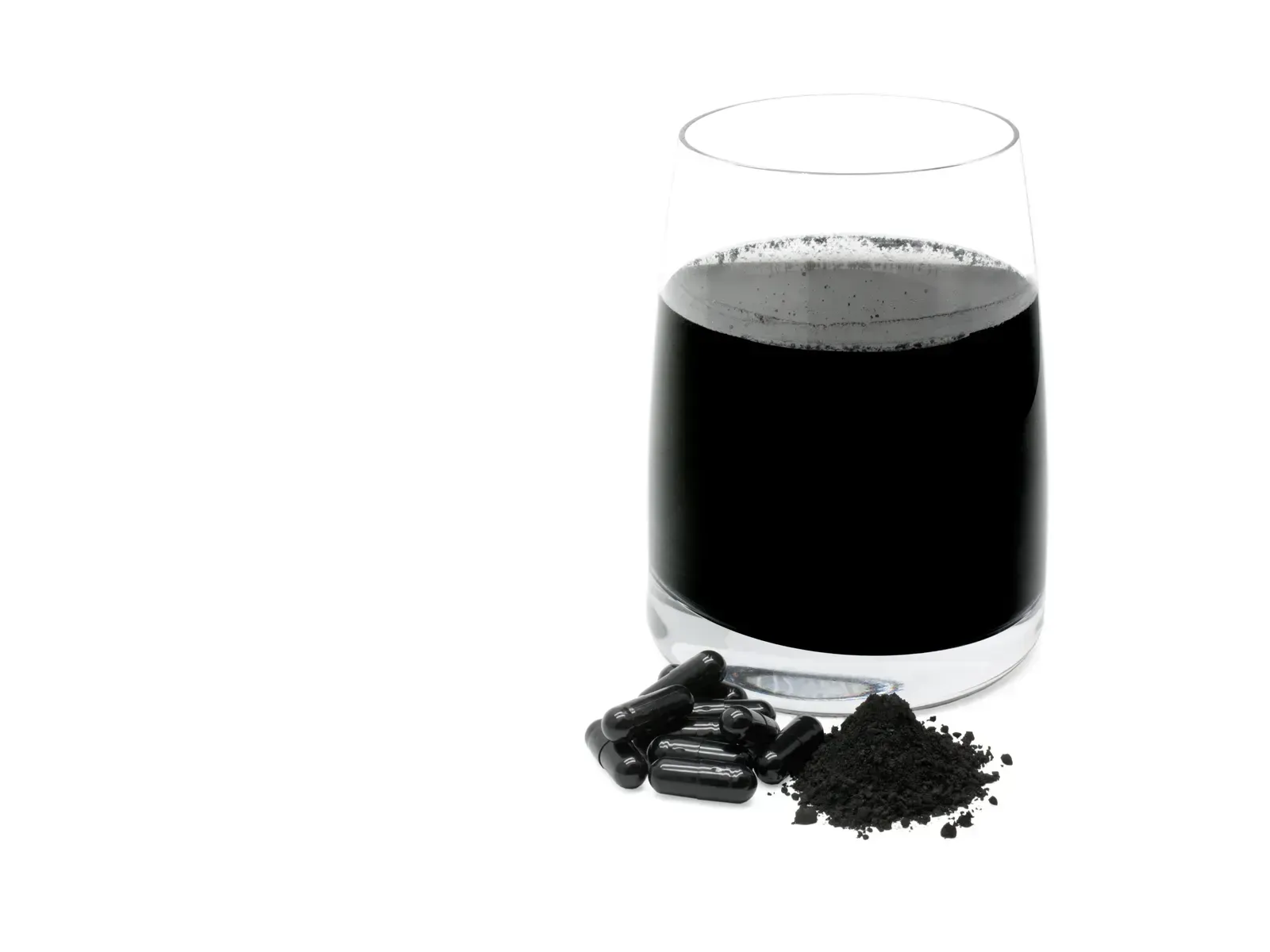
Activated charcoal detox drinks and lemonades promise to flush toxins and brighten skin, borrowing credibility from its legitimate use in emergency medicine for poisoning. Activated charcoal cleanses are a pseudoscientific use of a proven medical intervention, and such claims that regular use will detoxify the body, boost energy, and brighten skin violate basic principles of chemistry and physiology.
Charcoal, when ingested, will absorb vitamins and nutrients as well as prescription medications present in the gastrointestinal tract, which can make it dangerous to use unless directed by a medical doctor. Because activated charcoal will bind with nutrients along with gas or toxins, it’s just not something to use on a regular basis, according to a dietitian at Ohio State’s Family Medicine and Integrative Medicine. Outside of emergency treatment, there’s simply no solid evidence it does what the marketing promises.





Leave a Reply