
America is one of the most breathtaking travel playgrounds on the planet. Endless coastlines, iconic skylines, legendary food scenes. There is almost too much to see. Yet for every city that earns its postcard-perfect reputation, there are others where the gap between expectation and reality can leave travelers genuinely shaken.
The stories roll in constantly on travel forums and social media. Tourists who booked based on the city’s cultural reputation and landed somewhere that felt uncomfortable, exhausting, or frankly dangerous. This list pulls from the latest FBI crime data, recent safety studies, and firsthand traveler accounts to give an honest look at eleven U.S. destinations that keep showing up on the wrong side of people’s trip reports. Let’s dive in.
1. Memphis, Tennessee: The Numbers Don’t Lie
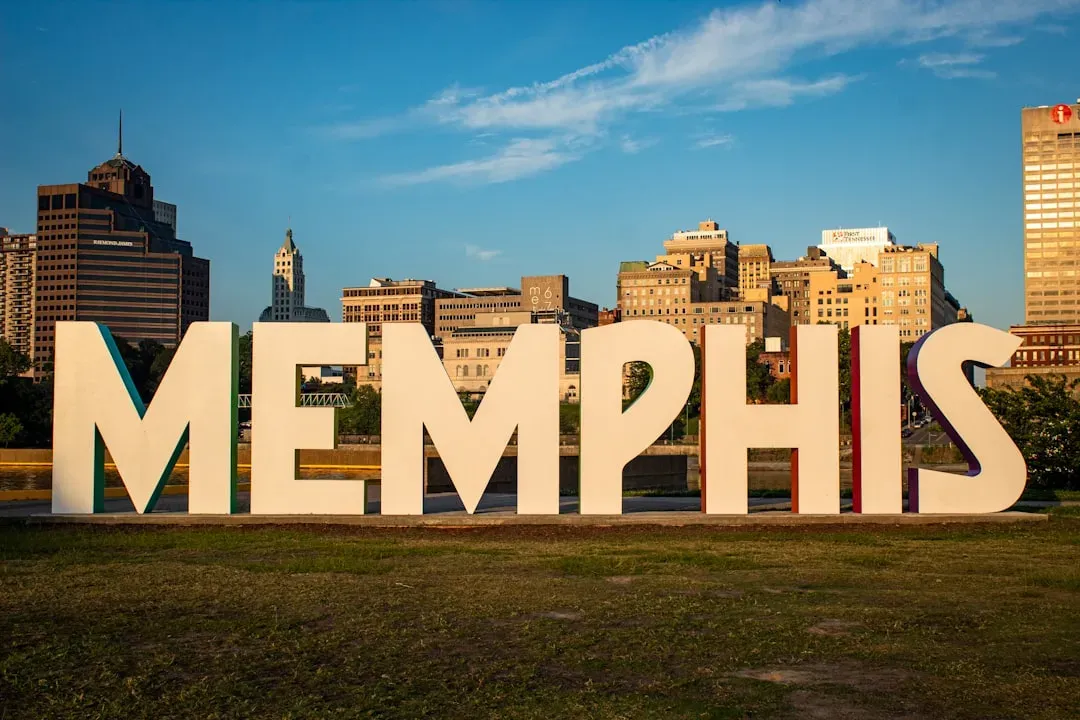
Here’s a hard truth most travel guides won’t tell you upfront. Memphis has one of the highest crime rates in the country, and according to FBI 2024 data, it recorded around 2,501 violent crimes per 100,000 residents, which is nearly six times the national average of 359.1. That is not a typo. Six times. Think of it like living next to a highway with traffic moving six times faster than the speed limit.
In 2023, Memphis hit a record high for homicides with a shocking 397 murders. Aggravated assault accounts for roughly three-quarters of all violent offenses, with gun involvement in assaults rising to nearly three-quarters of all cases. There is no way to spin those figures into something reassuring for a first-time visitor.
Despite persistent challenges, homicides and robbery trended downward for the second consecutive year in 2024, and early 2025 data from the Memphis Shelby Crime Commission shows further declines. So yes, things are slowly improving. Hotspot neighborhoods, including Downtown, Frayser, and Whitehaven, drive most of the city’s crime incidents, while suburbs like Germantown and Collierville consistently rank among Tennessee’s safest.
2. St. Louis, Missouri: A City Still Haunted by Its Own Statistics
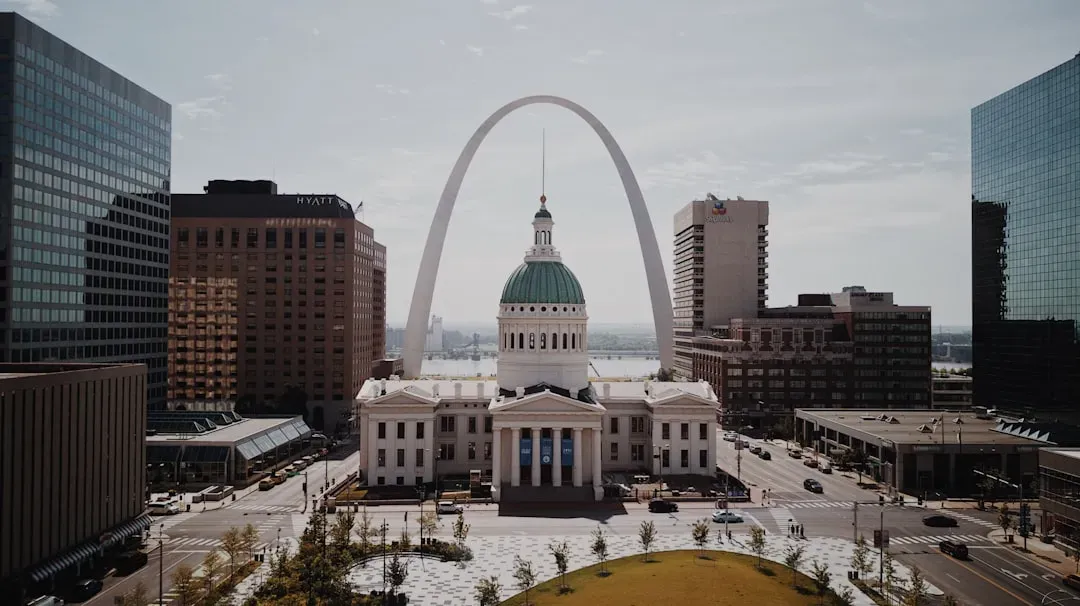
For decades, St. Louis has appeared in reports highlighting America’s highest violent crime rates as one of the world’s most dangerous cities. St. Louis carries one of the heaviest crime reputations in the entire country, with crime rates roughly 234% above the national average and around 7,847 crimes per 100,000 residents. That is a number that should stop you mid-scroll.
According to Neighborhood Scout data, you have roughly a one in 70 chance of falling victim to a violent crime in St. Louis, compared to one in 218 throughout the rest of the state. Let that sink in for a second. Despite this troubling distinction, nearly 25 million visitors still make their way here each year, coming to see the Gateway Arch, sample toasted ravioli, and catch a Cardinals baseball game.
Things are improving, according to the St. Louis Metropolitan Police, who note that 2024 saw the lowest number of homicides in 11 years. More recent data from the SLMPD shows the city reported 125 homicides in 2025, with the homicide rate dropping by about 22% compared to the first half of 2024. Progress is real, but still, the overall baseline remains daunting for casual visitors unfamiliar with the local landscape.
3. Baltimore, Maryland: Charm City’s Darker Side
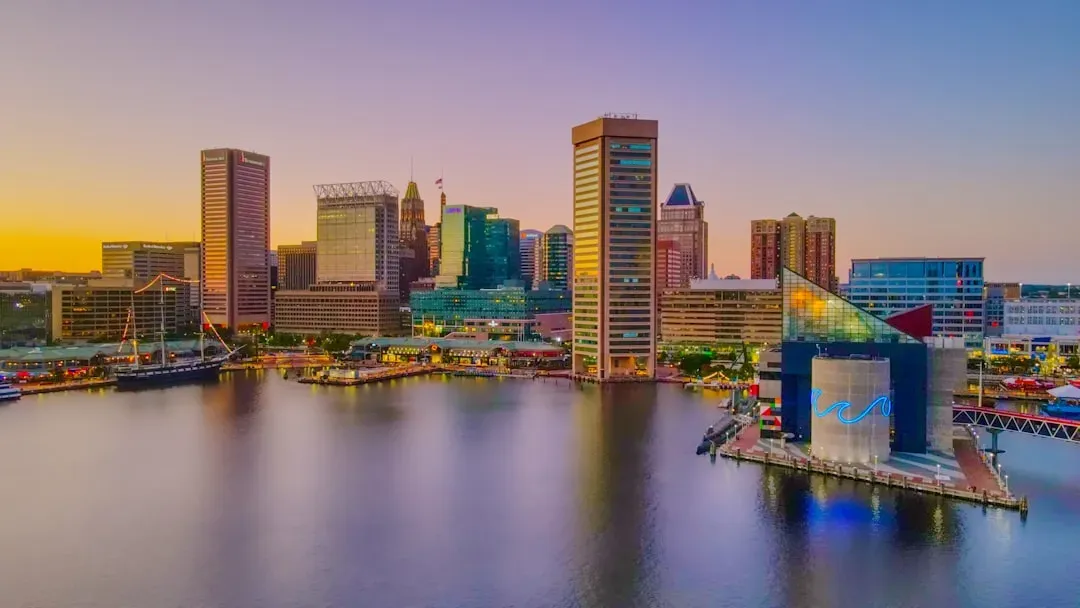
Baltimore, Maryland is an East Coast city located under an hour from the nation’s capital, and while it often tops lists of the most dangerous cities in the country, it was also ranked by The New York Times among the top 52 places to visit around the world in 2024. That contrast is almost absurd. A city that makes you want to go and also makes you wonder whether you should.
In 2024, Baltimore was named the deadliest city in the country based on a study analyzing FBI crime reports. The city’s poverty rate sits at roughly 22%, which is triple the national average, and that correlates directly with geographic concentrations of crime. The two things are inseparable here, and tourists wandering beyond the Inner Harbor can find themselves in a completely different city.
Baltimore has shown remarkable progress, with robbery rates and auto thefts down as of mid-2025, and the homicide clearance rate jumping from 40.3% in 2020 to 68.2% in 2024, a sharp increase in investigative effectiveness. Visitors are often encouraged to avoid walking alone at night outside major tourist corridors. That advice still holds very much in 2026.
4. Detroit, Michigan: The Motor City’s Unfinished Comeback
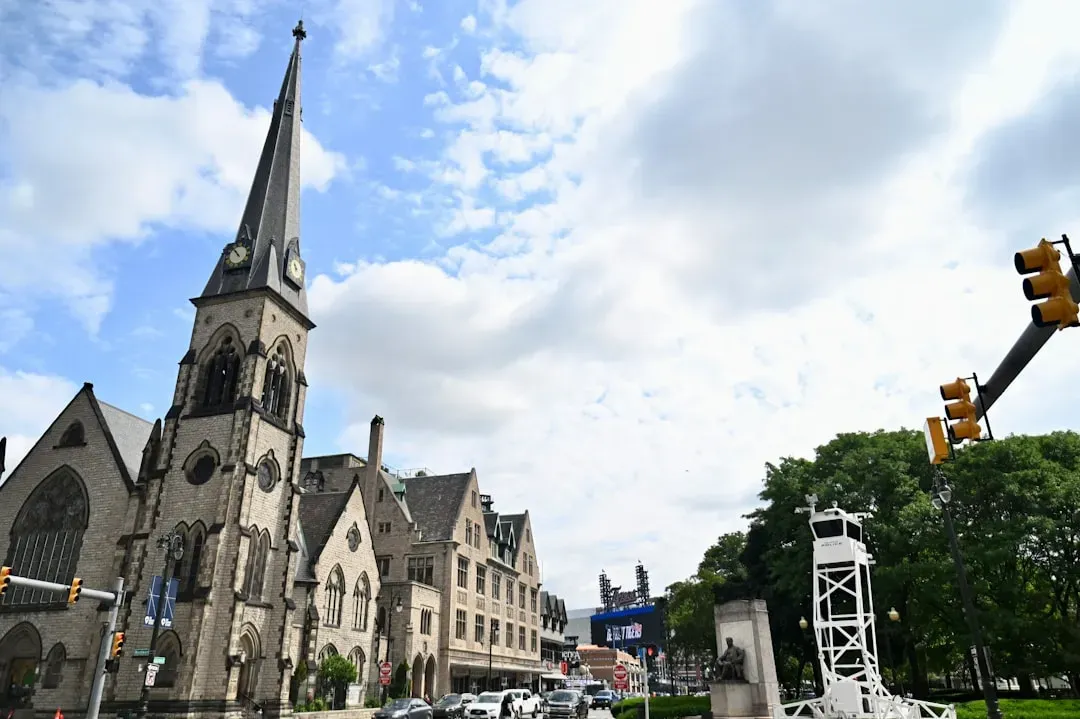
Detroit’s reputation as one of America’s most dangerous cities has deep roots, but the picture in 2025 is more complicated than the headlines suggest. Crime remains high compared to national averages, but both violent and property crime are falling, with 2023 marking Detroit’s lowest homicide count in 57 years. That is genuinely impressive progress, though the raw numbers still give pause.
Detroit has the third-highest murder rate among cities of similar size and remained near the top across several violent crime categories, continuing its long struggle with high crime rates rooted in decades of economic decline, population loss, and inadequate resources following the city’s 2013 bankruptcy. The scars of deindustrialization are physically visible. Entire blocks of abandoned homes have become almost a strange attraction in themselves.
Although Detroit is still considered one of the most dangerous cities in the country, things are improving quickly, and it’s becoming a popular vacation spot known for culture. Travelers can explore fascinating museums, stay in gorgeous hotels, and indulge in some of the best food in Michigan, but should make sure to use caution and common sense. The West Side neighborhood has a particularly bad reputation, but is easy to avoid when exploring the more touristed areas of the city.
5. Oakland, California: High Risk, High Culture

Oakland topped the list in multiple property and violent crime categories, leading all medium-sized cities in aggravated assault, robbery, larceny-theft, and motor vehicle theft. Honestly, that is a sweep no city wants. Oakland is in many ways a more culturally vibrant city than its Bay Area neighbor San Francisco, yet its crime problem is arguably worse and far less reported.
The most dangerous city in California is probably Oakland, not San Francisco. According to Oakland’s official tourism website itself, visitors should maintain awareness of their surroundings throughout their visit and travel in groups, stick to busy, well-lit streets if walking alone at night, and park in a secure garage rather than the street, never leaving valuables in their vehicle. When the city’s own tourism page is essentially a safety manual, that tells you something.
The city has shown remarkable progress recently, with robberies and auto thefts down as of mid-2025, while the homicide clearance rate jumped from 40.3% in 2020 to 68.2% in 2024. It’s a promising direction. Still, first-time visitors should approach with their eyes wide open and a solid plan in hand.
6. San Francisco, California: The City That Reality Left Behind

San Francisco faces a persistent homelessness and behavioral health crisis, despite government spending billions over decades. Roughly two people die every day from overdose in the city, and more than 8,000 people experience homelessness nightly, according to the 2024 Homelessness Point in Time Count. For a city this expensive, that reality shock hits hard when you step off the cable car.
Headlines claiming the city is caught in a spiraling “doom loop” became so prominent that a city commissioner anonymously advertised a tour showcasing “doom and squalor,” offering views of the city’s open-air drug markets and abandoned tech offices for $30 per person. I know it sounds like satire, but it genuinely happened. In 2025, Mayor Lurie framed the city’s narrative around a “comeback,” though he faced obstacles including the nation’s highest downtown office vacancy rate, struggling retail, and open-air drug markets persisting across multiple communities.
The office of San Francisco Mayor Daniel Lurie reported that crime in San Francisco was down nearly 30% year to date through early September 2025. Property crimes in popular tourism spots like Fisherman’s Wharf, Pier 39, and North Beach were down roughly 60% for 2024 versus 2023, and another 46% lower in 2025 versus 2024. The improvements are real and measurable, but the city’s image problem lingers well beyond what the data now suggests.
7. New Orleans, Louisiana: A Good Time That Comes With Asterisks
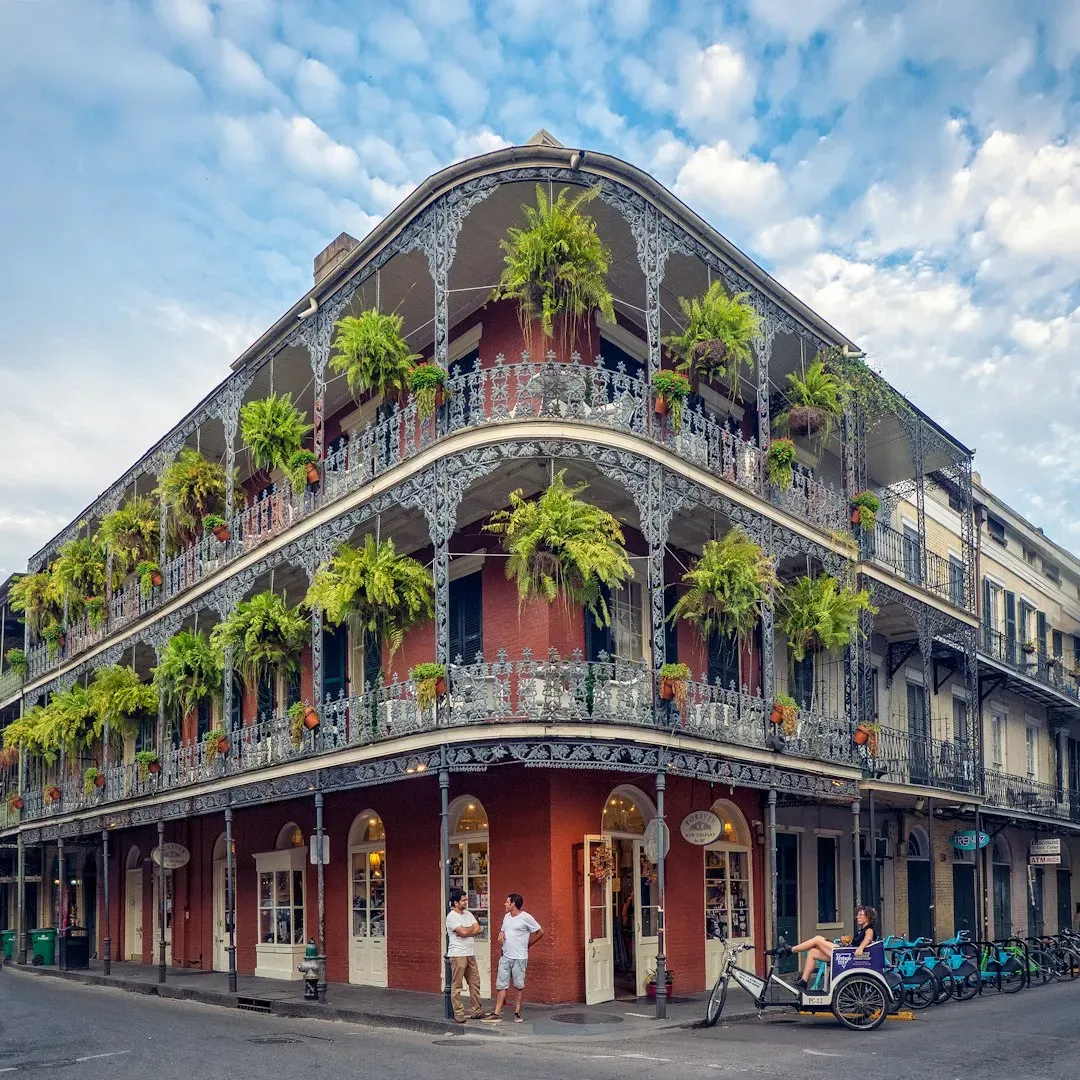
New Orleans is one of those cities that seduces you completely. Jazz pours out of every doorway, the food is extraordinary, and the streets feel electric. New Orleans is both a cultural gem and one of the nation’s most crime-prone cities, facing significant challenges related to crime and violence, while neighborhoods beyond the tourist center struggle with high violent crime rates and limited access to community resources.
New Orleans is known for its music and nightlife, but crime spikes have raised concerns for some travelers. The French Quarter attracts heavy foot traffic, which can create opportunities for theft and pickpocketing. Late-night activity increases risks in certain areas. It’s the kind of city where the line between a great night and a bad one can be thin, especially if you wander away from the main corridors after midnight.
The remarkable 29% decrease in overall crime for 2024 compared to 2023 represents the most significant public safety improvement in New Orleans’ modern history, with comprehensive reductions extending across virtually all crime categories. New Orleans achieved its lowest homicide numbers in nearly five decades, with murders dropping from 192 in 2023 to 124 in 2024. That is genuinely remarkable progress for a city that has struggled for generations.
8. Milwaukee, Wisconsin: A City Quietly on the Edge
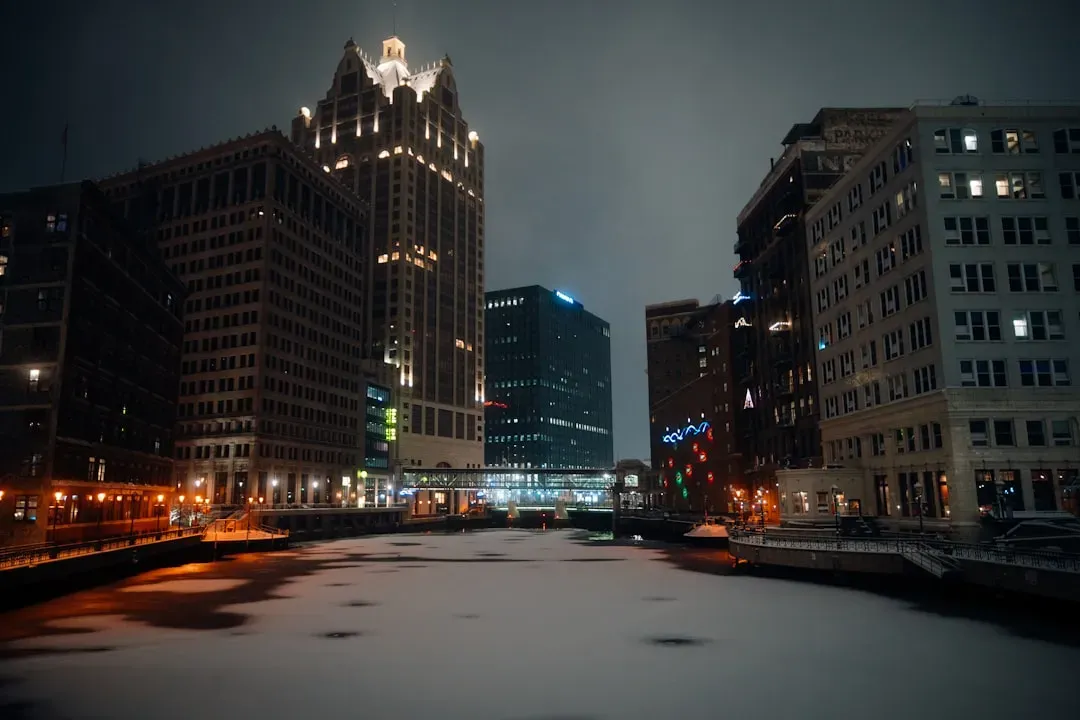
Milwaukee rarely makes the front page of national travel warnings, which is almost its biggest problem. Travelers arrive unprepared. Milwaukee is among the most dangerous cities in the U.S., with a crime rate of roughly 5,016 crimes per 100,000 people, which is more than double the national average. That is not a small-city fluke. It’s a persistent structural issue tied to concentrated poverty and inequality.
Despite Wisconsin’s population being nearly six million, much of the state’s violent crime is concentrated in Milwaukee. As its largest city, Milwaukee has seen years of economic decline and social inequality that have made it one of the more dangerous cities in America for both residents and visitors. Property crime in Milwaukee has decreased overall, with auto thefts down by around 10%, however carjackings have risen by roughly 17%.
In Milwaukee, tourism is deemed safe especially in areas like the Historic Third Ward, East Town, and Bay View, though caution is advised at night. North Milwaukee and parts of East Milwaukee are identified as higher-risk areas with elevated crime rates. Milwaukee has its no-go zones, even for locals, and travelers should avoid going west of the Milwaukee River on North Ave, Center St, or Capital Dr, and steer clear of alleys citywide.
9. Albuquerque, New Mexico: Breaking Bad Left a Lasting Image For a Reason
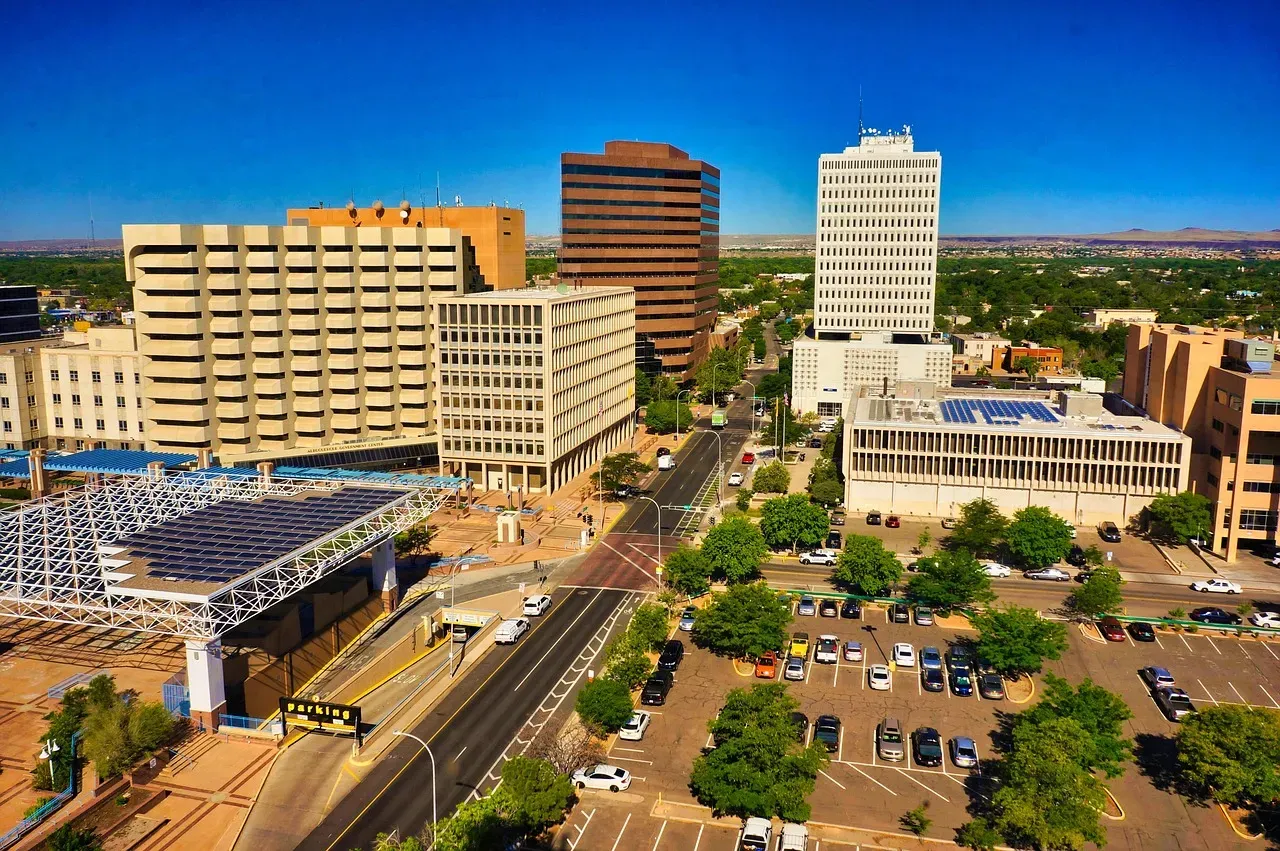
There is something almost surreal about visiting Albuquerque. The landscape is gorgeous, the food is fantastic, and the International Balloon Fiesta is genuinely one of the most beautiful spectacles in the entire country. Yet the crime data paints a very different picture of the city you arrive in. According to U.S. News and World Report, Albuquerque has a higher crime rate than most other American places, at 968.5 incidents per 100,000 people, with a violent crime rate more than twice the national average.
According to survey data gathered by Numbeo, Albuquerque scores 85.99 out of 100 on the crime index, which is a very high value. With a population of around 562,000, Albuquerque has a crime rate of roughly 6,356 per 100,000 people, making the city approximately 171% more dangerous than the national average. Those are staggering figures for a city that markets itself heavily as a cultural tourism hub.
Albuquerque has a high crime rate, but most crimes occur in specific areas. Travelers should avoid neighborhoods south of Central Avenue, including East Central, South Valley, and the area around Trumbull Park, and instead stick to well-lit, popular areas like Old Town, Uptown, and the areas around the Albuquerque Museum and the Indian Pueblo Cultural Center. Smart routing genuinely makes a difference here. It is just a shame that tourists have to do so much homework before stepping out the door.
10. Myrtle Beach, South Carolina: Not the Breezy Beach Getaway You’re Picturing
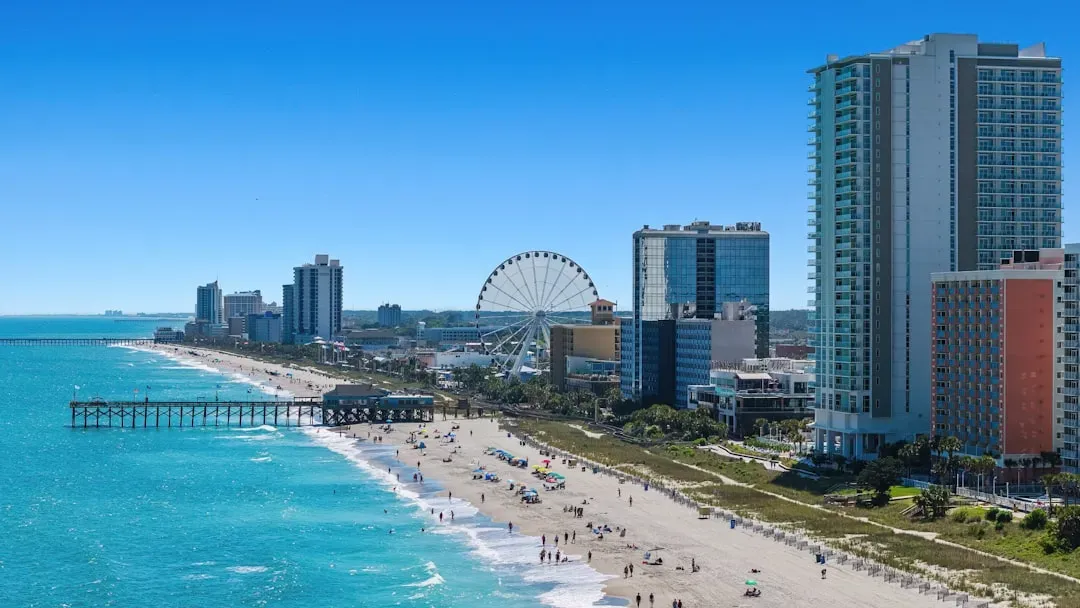
On paper, Myrtle Beach sounds perfect. Ocean views, seafood, miniature golf. It is the kind of destination families have been booking for decades without a second thought. Here’s the thing, though. According to Axelrod and Associates, the violent crime rate for Myrtle Beach in 2025 was estimated at approximately 49.31 per 1,000 residents, with a robbery rate of around 262 per 100,000 people for 2024, and the rate of violent crime surpassing both the state average for South Carolina and the national average.
In 2024, the burglary rate was reported at around 1,633 per 100,000 residents, while larceny rates were approximately 13,004 per 100,000. Think of it this way: larceny in Myrtle Beach is like the common cold in winter. Everyone knows someone who caught it. Property crimes form the bulk of incidents and represent the principal exposure for both residents and tourists, with the influx of tourists and seasonal population increases complicating per-capita metrics as law enforcement is challenged by fluctuating populations.
Local commentary notes declines in violent offenses in recent years, although the absolute level remains elevated. Property crime is especially prevalent, and property crimes form the bulk of incidents representing the principal exposure for tourists. It’s hard to relax on a beach when you’re constantly looking over your shoulder at the parking lot where your car is sitting.
11. Seattle, Washington: A Property Crime Capital with a Gorgeous Skyline
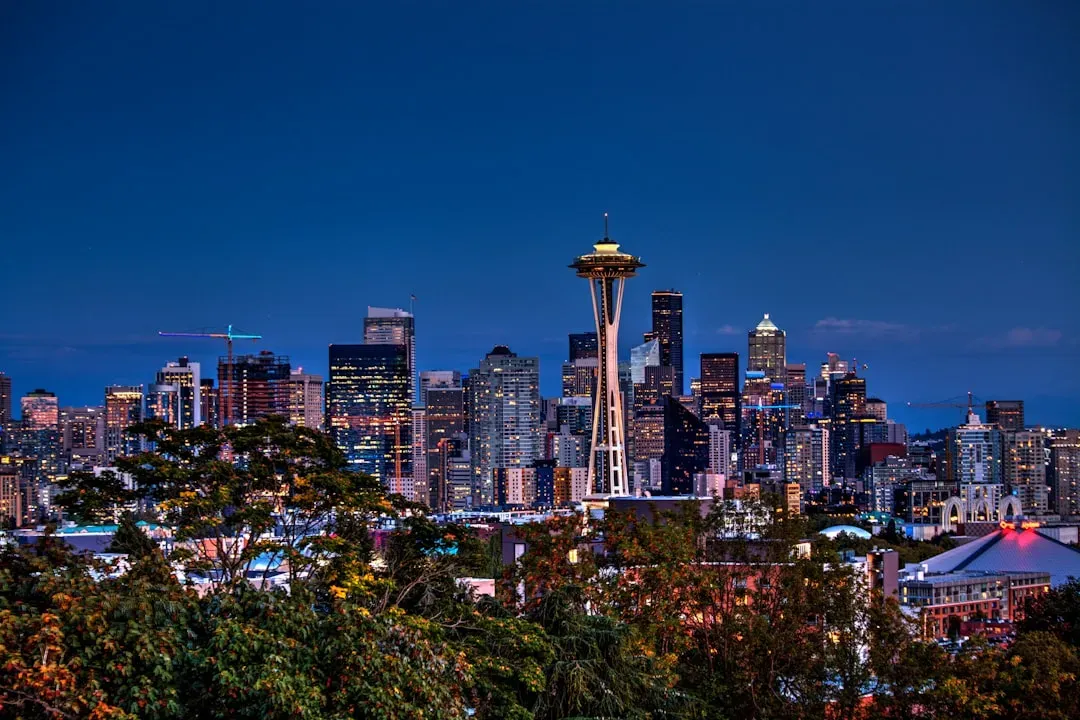
Seattle is legitimately stunning. The mountains, the coffee, Pike Place Market, the tech-fueled energy. It has the look and feel of a world-class destination. Seattle ranked worst in the nation for burglary, continuing a troubling trend that has persisted despite efforts to address property crime. The city’s overall property crime rate of roughly 5,007 per 100,000 residents is approximately 184% higher than the national average. That is the highest burglary rate in the entire country, and it is not a close race.
Seattle ranks among the top five most dangerous U.S. cities for international tourists, with a crime rate of around 2,579 per 100,000, and the Emerald City sees around 579,000 overseas visitors per year while petty theft remains especially common in downtown areas. Portland and Seattle both had rather high property crime rates in 2024. The two Northwest cities seem to compete endlessly for the top spot on the wrong kind of list.
It’s hard to say for sure whether Seattle’s property crime issue will improve substantially in the near term. FBI statistics show violent crime nationwide dropped 4.5% and property crime fell 8.1% between 2023 and 2024. Seattle’s trajectory is slowly following the national trend, but it still sits near the very top of the property crime rankings. Visitors should treat their rental car like it is completely see-through because, in this city, it essentially is.
The Bigger Picture: America’s Crime Landscape in 2026

According to FBI data, the national violent crime rate was 359.1 per 100,000 residents in 2024, the lowest in roughly 20 years, with rape falling more than 15% and murder dropping nearly 15%, bringing both categories to pre-pandemic levels or below. That is genuinely good news that often gets buried under alarmist headlines. The national trend is heading in the right direction.
According to the Council on Criminal Justice, the rate of reported homicides was 21% lower in 2025 than in 2024, marking what would be the lowest rate ever recorded in law enforcement or public health data going back to 1900. That is an extraordinary milestone that almost no one is talking about loudly enough. Tourist districts in high-crime cities often experience 40% to 70% lower crime rates than residential areas, and seven of the top ten most dangerous cities from 2019 have shown 10% to 30% reductions in violent crime by 2025.
None of this means you should book blindly. Research still matters enormously. Knowing which neighborhoods to avoid, using rideshares instead of walking late at night, and not leaving valuables visible in rental cars can make the difference between a memorable trip and a nightmare. The cities on this list all have real things to offer. They also all come with real risks that deserve honest acknowledgment before you pack your bags. What do you think? Would any of these destinations still make your travel list?





Leave a Reply