
Step into a quiet car on a weekday morning and you’ll notice something unusual. Dozens of people share a small space, and almost nobody speaks. It works because of a shared understanding, not because anyone is checking.
Quiet cars exist on several commuter and intercity services, including Amtrak’s Northeast Corridor and some New Jersey Transit and Metro-North trains. The posted signs cover the basics, yet much of the etiquette goes unwritten. Here are eight habits that keep the peace.
Keep Your Voice Down, Then Lower It Again
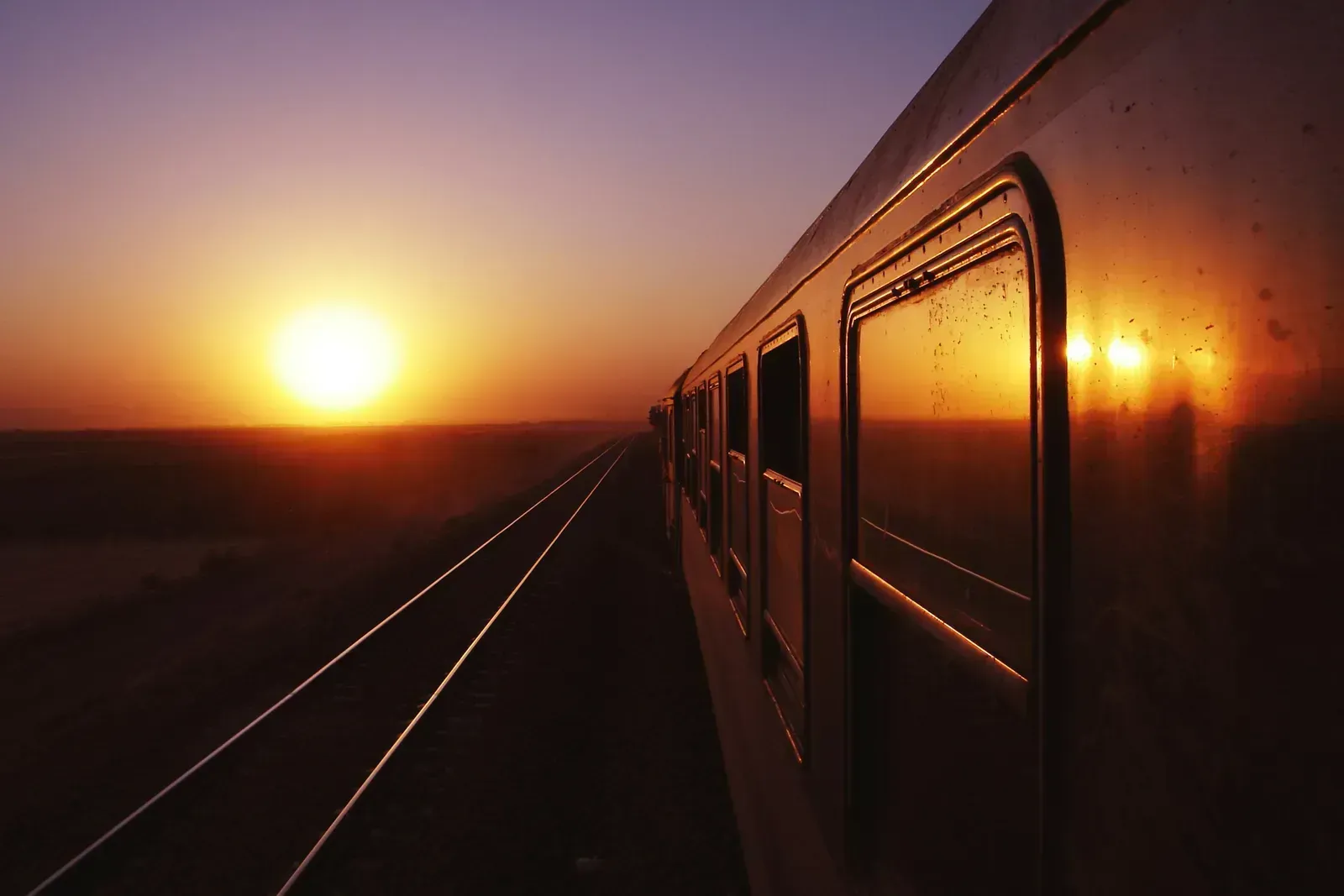
The central rule is simple: talk as little as possible. Where quiet cars are offered, they’re meant for reading, working, or resting. If you must speak, a brief whisper is the accepted norm.
Whispering still carries further than people think in a hushed carriage. Anything longer than a sentence or two is better handled in the vestibule between cars. Many regulars simply wait for a different car.
Take Calls Elsewhere

Phone calls are the most common reason quiet car passengers get annoyed. On most quiet car services, calls are discouraged or banned outright. Check your operator’s rules, since they differ from one railroad to another.
If something urgent comes up, stand in the vestibule or move to a regular car. A text is usually faster anyway. Missed calls can wait a few minutes without much harm.
Mind Your Audio

Headphones are fine, but leaking sound isn’t. If the person across the aisle can hear your podcast, the volume is too high. Open speakers for videos or games are out of bounds in any shared train car.
Silence your device’s notification sounds before you board. Keyboard clicks, ringtones, and keyboard-style alerts all travel surprisingly well in a quiet space. Setting your phone to vibrate or silent takes about five seconds.
Be Considerate With Seats and Bags
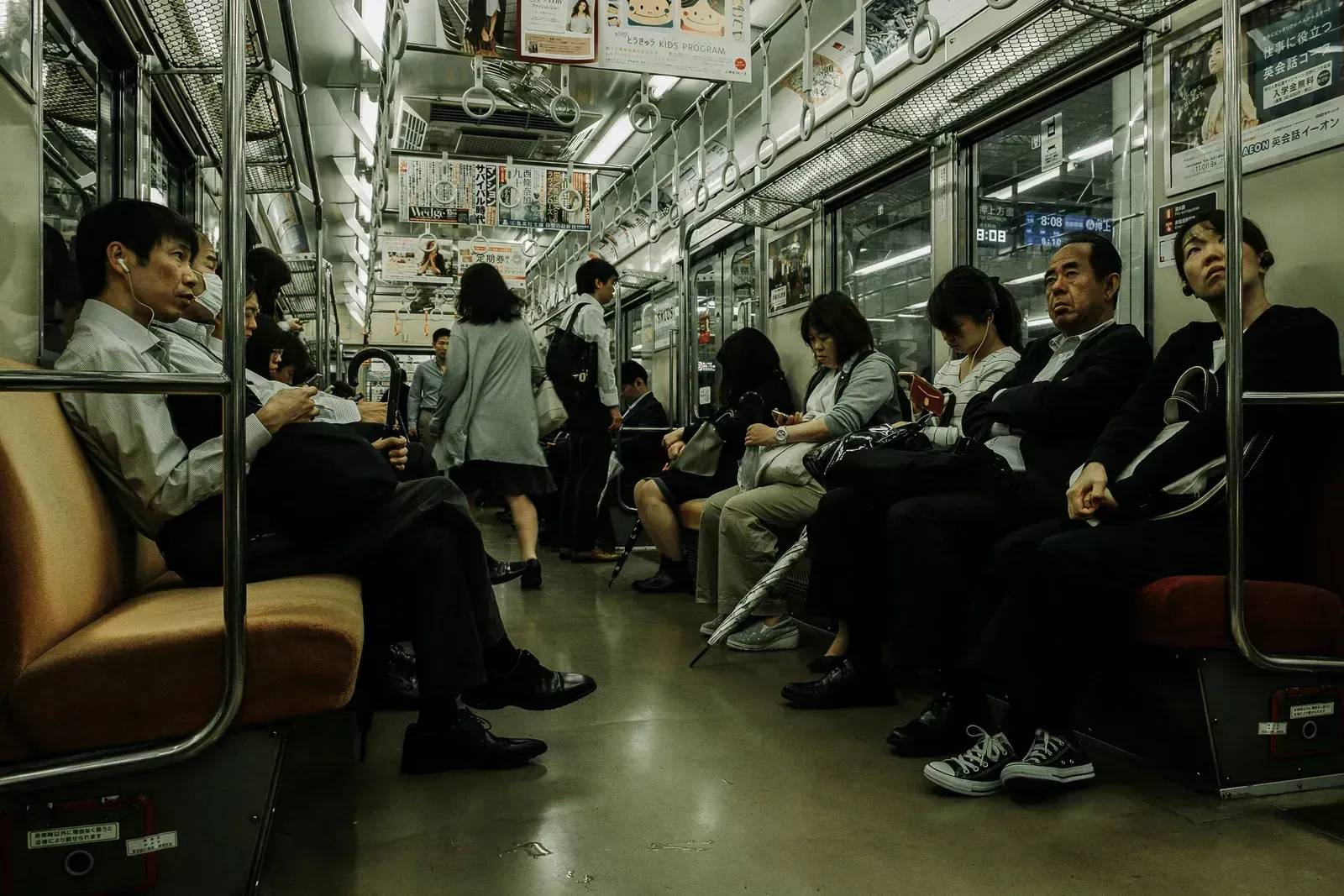
A bag on the seat beside you is a small act of claiming space, and it gets awkward fast on a crowded train. Move it to your lap, the overhead rack, or the floor once the train fills. Most people won’t ask, so it’s easier to offer.
Priority seating deserves a quick look too. Seats near doors are often meant for older riders, people with disabilities, or those who are pregnant. If someone who needs the seat appears, giving it up is the standard courtesy.
Let People Off Before You Get On
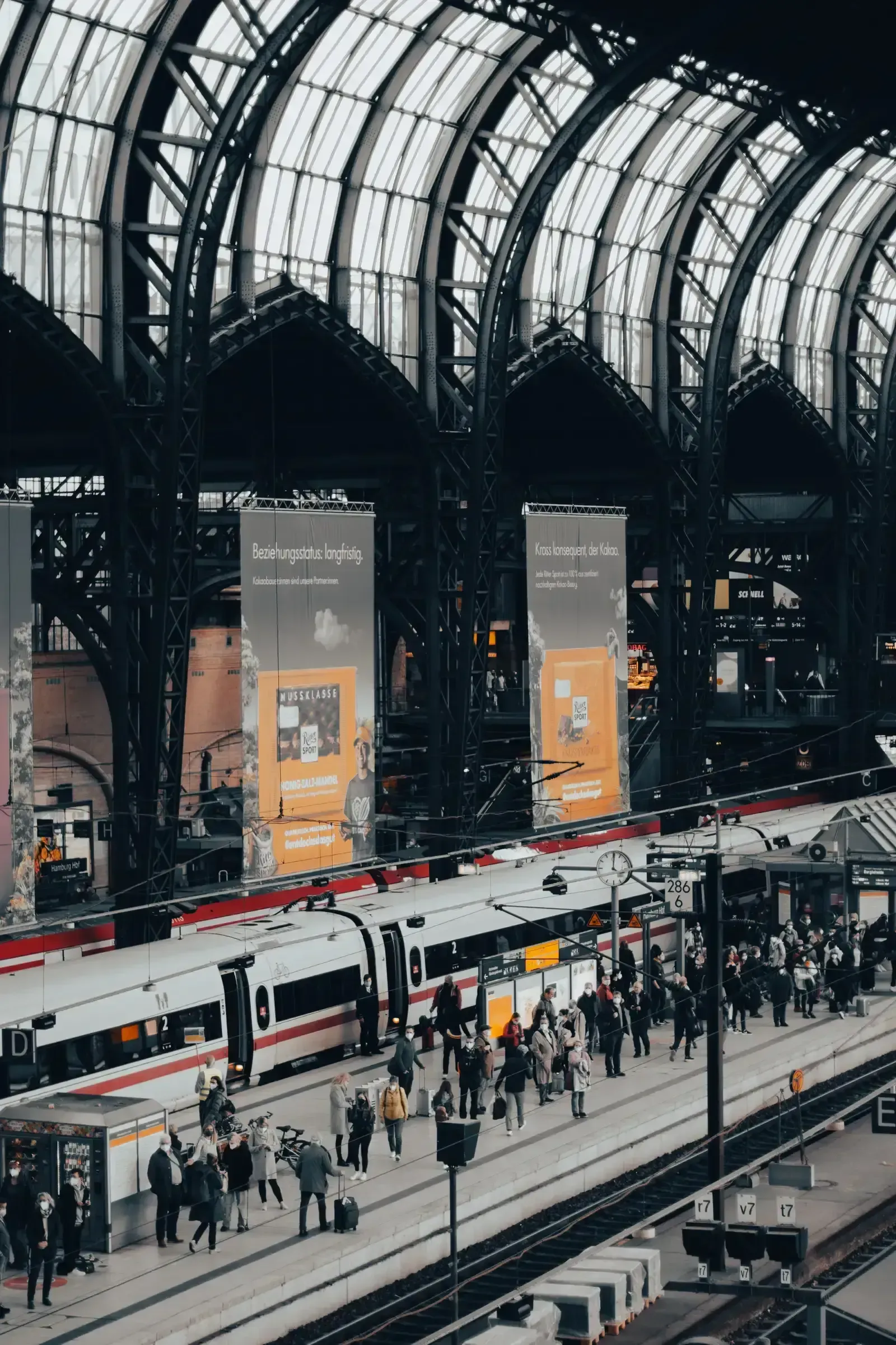
Boarding is where tempers flare. Step aside from the doors, let passengers exit, and then move in. Blocking the doorway slows every stop, and delays pile up over a full route.
Once inside, don’t stall in the entry area. Move down the aisle so others can enter. A little forward movement keeps the whole train on schedule.
Watch the Food and Smells
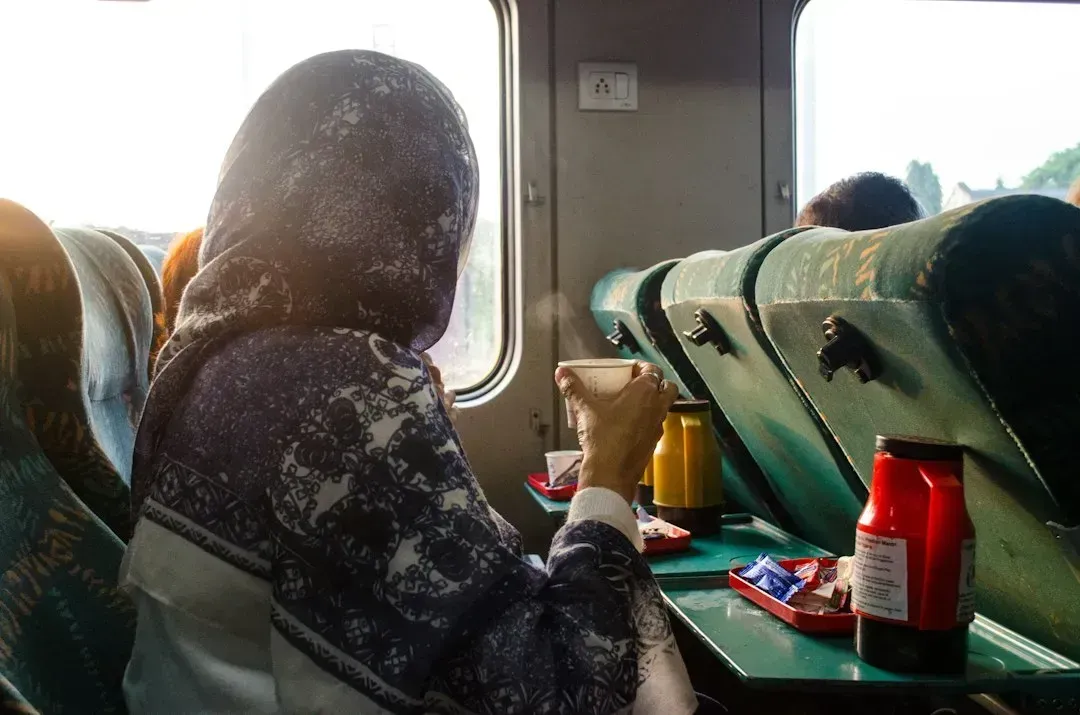
Strong odors travel in a closed carriage with recirculated air. Fish, eggs, and pungent leftovers may be fine at home but are harder on fellow riders. Many agencies allow eating but ask passengers to be thoughtful about what they bring.
Crinkly wrappers and loud crunching also count in a quiet car. Choose something simple, or save the meal for the platform. Take your trash with you, or use a bin when you leave.
Respect Personal Space
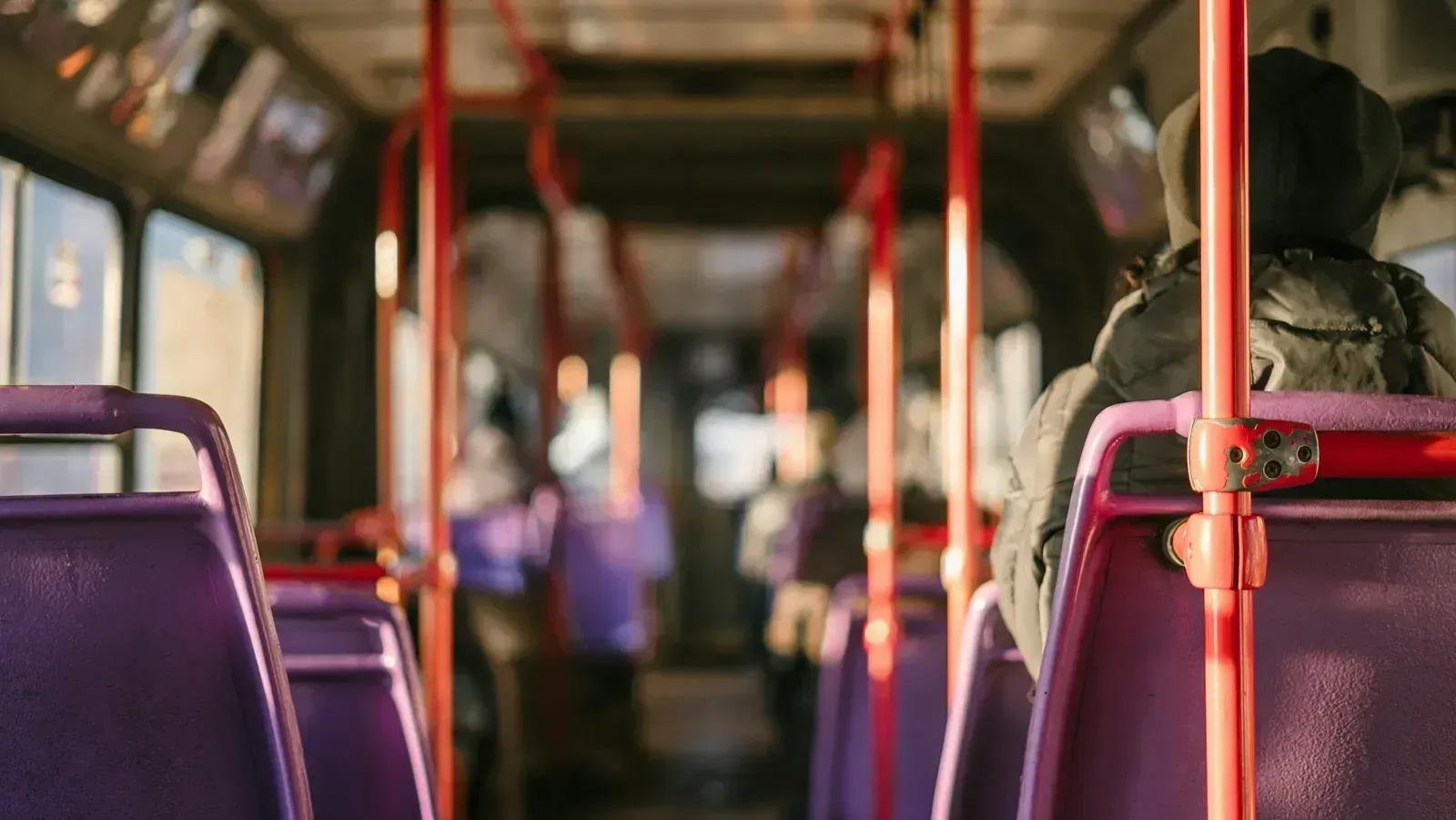
Commuter trains are close quarters, so small things matter. Avoid spreading your legs into the next seat, leaning on a neighbor, or reading over someone’s shoulder. Standing riders should keep backpacks low or held in front.
Eye contact and chitchat aren’t required. Most commuters value being left alone, and a polite nod is plenty. If someone clearly wants to talk, they’ll show it.
Handle Mistakes Gracefully

Everyone slips up eventually. You might forget the car is quiet or let a call run too long. A quick apology, a lowered voice, or a move to another car is usually all it takes.
Likewise, if someone else breaks the rules, a calm, quiet request works better than confrontation. Conductors can step in when needed. Keeping it low-key preserves the calm everyone came for.
Final Thoughts
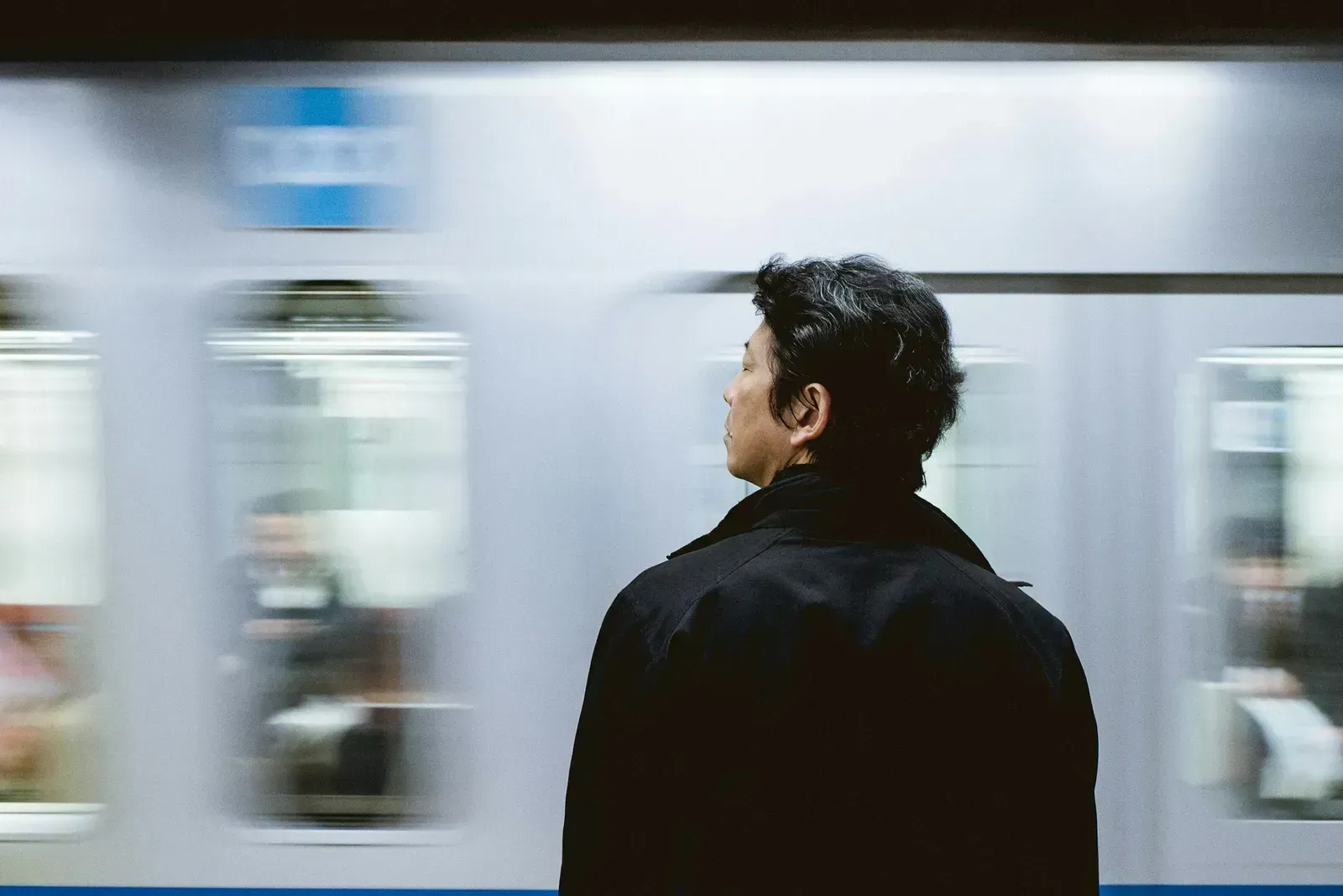
None of these rules are complicated, and most come down to awareness. Keep sound low, give space, and move with consideration. A quiet commute is built from small choices repeated by many people.

Leave a Reply