
1. Major upscale kitchen remodels
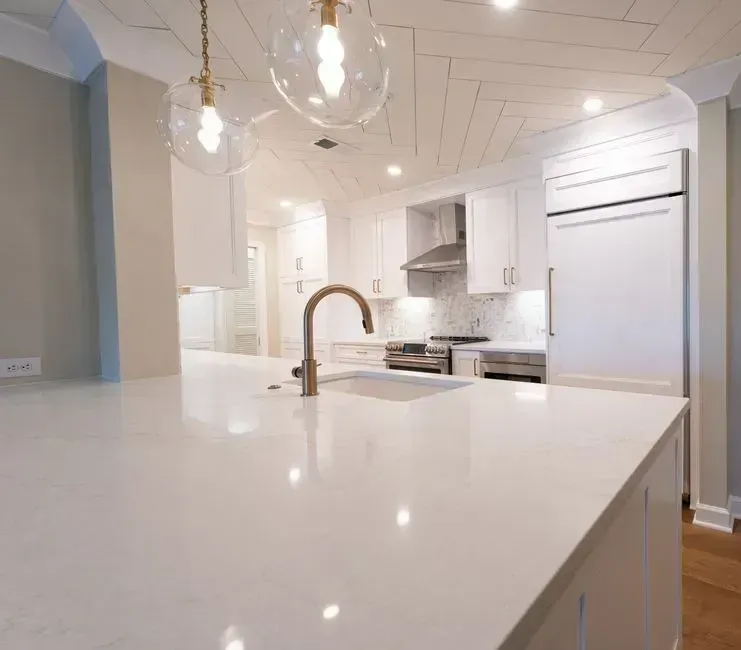
A full kitchen gut, complete with custom cabinetry, high-end appliances, and stone counters throughout, sounds like the safest bet in home improvement. A major or upscale kitchen remodel with a new layout, custom cabinetry, and high-end appliances costs anywhere from $80,000 to $160,000 or more for a large kitchen. Despite that price tag, the return doesn’t scale with the spending.
The worst-performing interior remodel category in recent Cost vs. Value data is the major upscale kitchen, which returns roughly 36% of its cost. Compare that to a smaller refresh: a $28,000 minor kitchen refresh returns 113% of cost, while a $164,000 major upscale kitchen gut renovation returns just 36%. That’s not a small gap. It’s the difference between a project that pays for itself and one that quietly eats tens of thousands of dollars.
2. Swimming pools

Pools remain one of the most requested and most financially disappointing additions a homeowner can make. Pools have long been uncertain investments, and installation costs, which can run high, typically provide only a small bump in most markets, while insurance premiums and safety liability concerns can also make many buyers back out before making an offer.
Recent data backs up that skepticism further. Among the lowest-ROI projects tracked in 2026 reporting are upscale major kitchen remodels at about 40%, upscale master suite additions at about 35%, and swimming pools at about 24%. A pool might be a wonderful thing to enjoy for a decade, but it’s rarely a smart financial move if resale is on the horizon anytime soon.
3. High-end primary suite additions
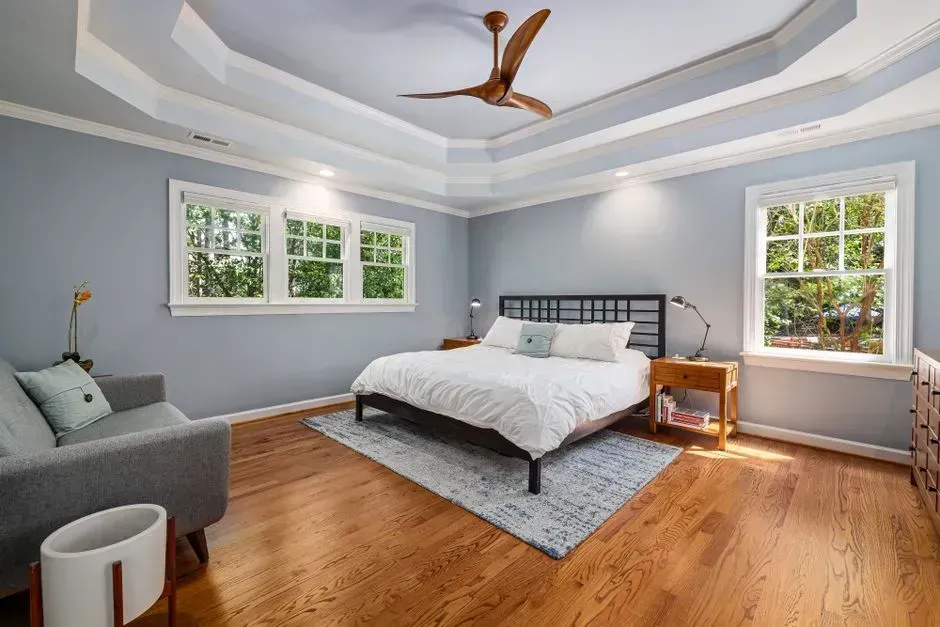
Adding a sprawling primary bedroom with a spa bathroom and a walk-in closet the size of a small apartment sounds like an easy value-add. In practice, it’s one of the weaker performers on the list. Adding a primary suite or remodeling a high-end home are examples of major renovations that usually don’t give a good return on investment, in the range of 24 to 36%, and they tend to be better for personal enjoyment than resale value.
Part of the problem is scale. These additions often cost far more than comparable homes in the neighborhood can support, meaning the extra square footage and luxury finishes simply don’t translate into a matching jump in appraised value. Buyers shopping in a given price range expect a certain type of home, and an oversized suite can make a house feel mismatched with everything around it.
4. Home theaters and specialty rooms
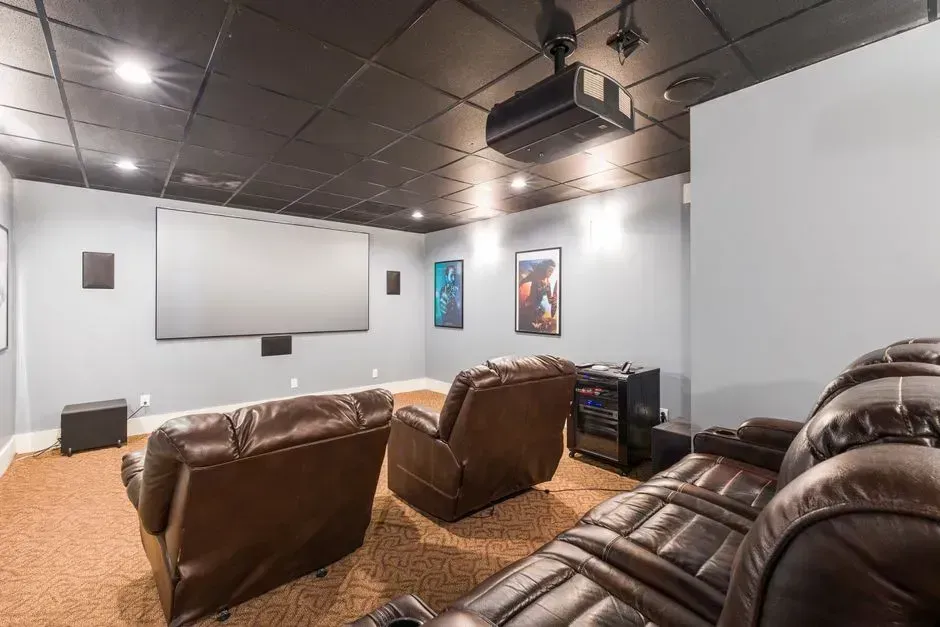
Dedicated theater rooms once felt like the height of home luxury. These days, they’re increasingly seen as dead weight by buyers who’d rather have flexible space. Buyers increasingly see high-end additions like full theater rooms as costly, outdated and impractical, especially at a time when streaming and high-quality TVs meet most entertainment needs without sacrificing space.
The core issue is that these rooms are built around one very specific use case. A “400-square-foot bonus room might’ve been a great perk 20 years ago,” but a “not-remotely-air-conditioned micro family room” isn’t appealing to most buyers now. A flexible bonus room or extra bedroom will almost always find a wider audience than a room built for one hobby.
5. Saunas and single-purpose wellness rooms
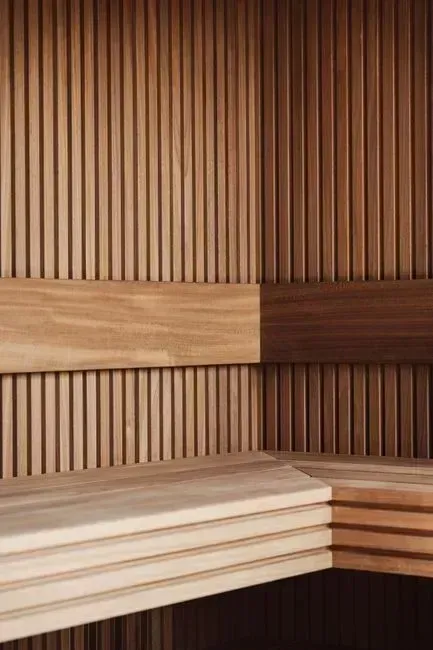
Wellness features photograph beautifully and sell well on social media, but that popularity doesn’t always carry over to a buyer’s actual checklist. Saunas, for example, “are a great idea in theory, but in reality you just don’t see them being used enough,” and while they may look good on a social media feed, it’s “a huge miss for ROI.”
The pattern here is familiar. A feature that’s exciting to install often ends up underused within a year or two, and buyers touring the home later see it as extra maintenance rather than a perk. Contractors who install these rooms often say the enthusiasm at the planning stage rarely matches how often the space gets used down the line.
6. Bedroom conversions to offices or gyms
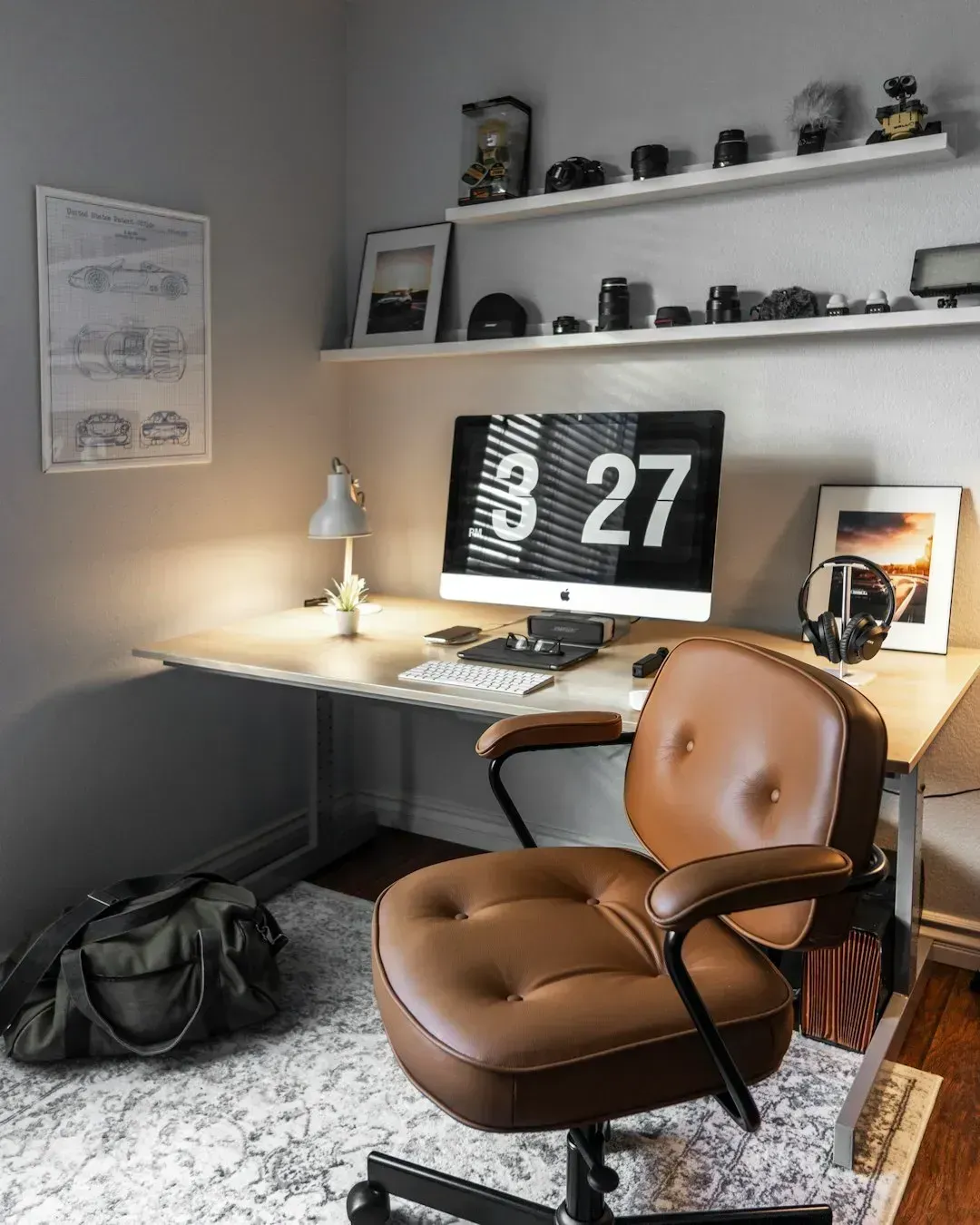
Converting a spare bedroom into a home office or gym felt like an obvious move for a lot of homeowners during and after the pandemic years. That trend has started to reverse. Knocking down walls to combine spaces into one large room was the norm a decade ago, but many house hunters today value the separation that a few walls and a door bring, with buyers now asking where they’re supposed to work, take video calls, or put the kids when everyone’s home at once.
Bedroom count matters more than people expect at resale. It’s generally more profitable to market a three-bedroom home than a two-bedroom one with an office. If flexibility matters, contractors generally suggest reversible furnishings over permanent walls that erase a bedroom for good.
7. Rooftop solar (for pure resale purposes)

Solar panels are a fascinating case because the utility savings are real, but the resale math doesn’t always reflect that. Rooftop solar delivered the second-lowest ROI in the entire recent report, not because solar is a bad investment, but because the methodology only captures resale value added, not lifetime utility savings.
This is an important distinction for anyone weighing the decision. If you plan to stay in the home for years and benefit from lower electric bills, solar can still make financial sense. If the goal is purely to boost the sale price in the near term, though, contractors tend to point out that the appraisal bump is smaller than most people assume.
8. Bold, highly personalized finishes
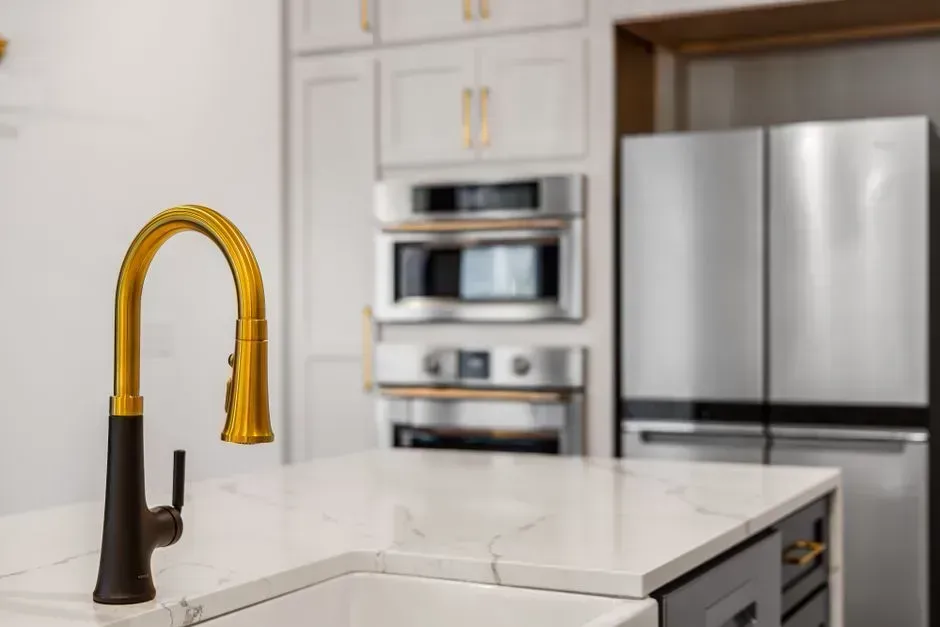
Dramatic color choices, unusual tile patterns, and one-of-a-kind design statements can make a home feel unique to the people living there. They tend to work against a seller once the house goes on the market. Charissa Bright, owner of Bright Buys Houses, said major kitchen remodels, specialty rooms, elaborate landscaping, and other bold cosmetics are losing their reselling power, and these types of overhauls can outweigh the added property value.
The issue isn’t quality. It’s that a highly personal look narrows the pool of buyers who can picture themselves living there. These remodels are often highly personal, since homeowners tend to splurge on high-end materials and finishes based on their own preferences rather than broader appeal. A more neutral palette, even if it feels less exciting during the renovation, tends to hold up better when it’s time to sell.
The Bottom Line

None of this means these projects are mistakes. A pool, a home theater, or a bold kitchen redesign can bring years of genuine enjoyment, and that’s worth something no spreadsheet can capture. The pattern across the data is simply that smaller, more universal upgrades tend to recoup costs far more reliably than large, personalized ones.
If resale value is the priority, the safer path usually runs through modest, broadly appealing updates rather than dramatic overhauls. If the home is simply where you plan to live for a long time, the math matters a little less, and comfort can reasonably take the lead.




Leave a Reply