
Every great dish has a face attached to it. A name on the menu, a TV appearance, a Michelin star etched in gold. What we almost never think about is who was standing two feet away when that dish first took shape – testing, adjusting, tasting, and quietly making it work. Executive chefs tend to be the stars of the show, earning Michelin stars, James Beard Awards, and accolades for their most artfully prepared dishes. The person who often made those dishes possible is someone else entirely.
Despite the acclaim heaped upon their mentors, sous chefs seldom get credit for dishes they’ve created that make it onto a restaurant menu, and in most cases there are few restaurant patrons who even know their names. This is their story – or at least the version of it that history managed to preserve.
The Role That Makes Everything Else Possible
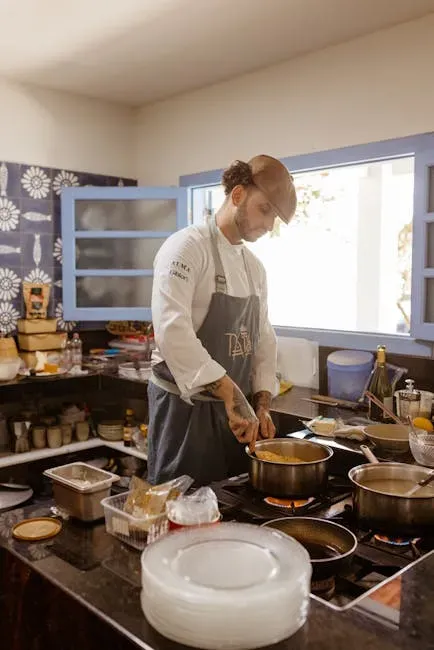
A sous chef, which translates to “under chef” in French, is the second-in-command in a professional kitchen, responsible for supporting the head chef in managing the kitchen, overseeing food preparation, and maintaining high culinary standards – often the right-hand person, taking charge of the kitchen in the head chef’s absence. It’s a position that demands complete fluency in every corner of the kitchen, from stocks and sauces to plating and staff management.
A sous chef plays a significant role in the creative process, working closely with the executive chef to develop new menu ideas and dishes, and is responsible for researching and testing new ingredients and techniques. They must be able to think creatively and come up with innovative solutions to culinary challenges, and their creative input is invaluable in helping to drive the kitchen’s culinary direction.
The Quiet Architect Behind the Brigade
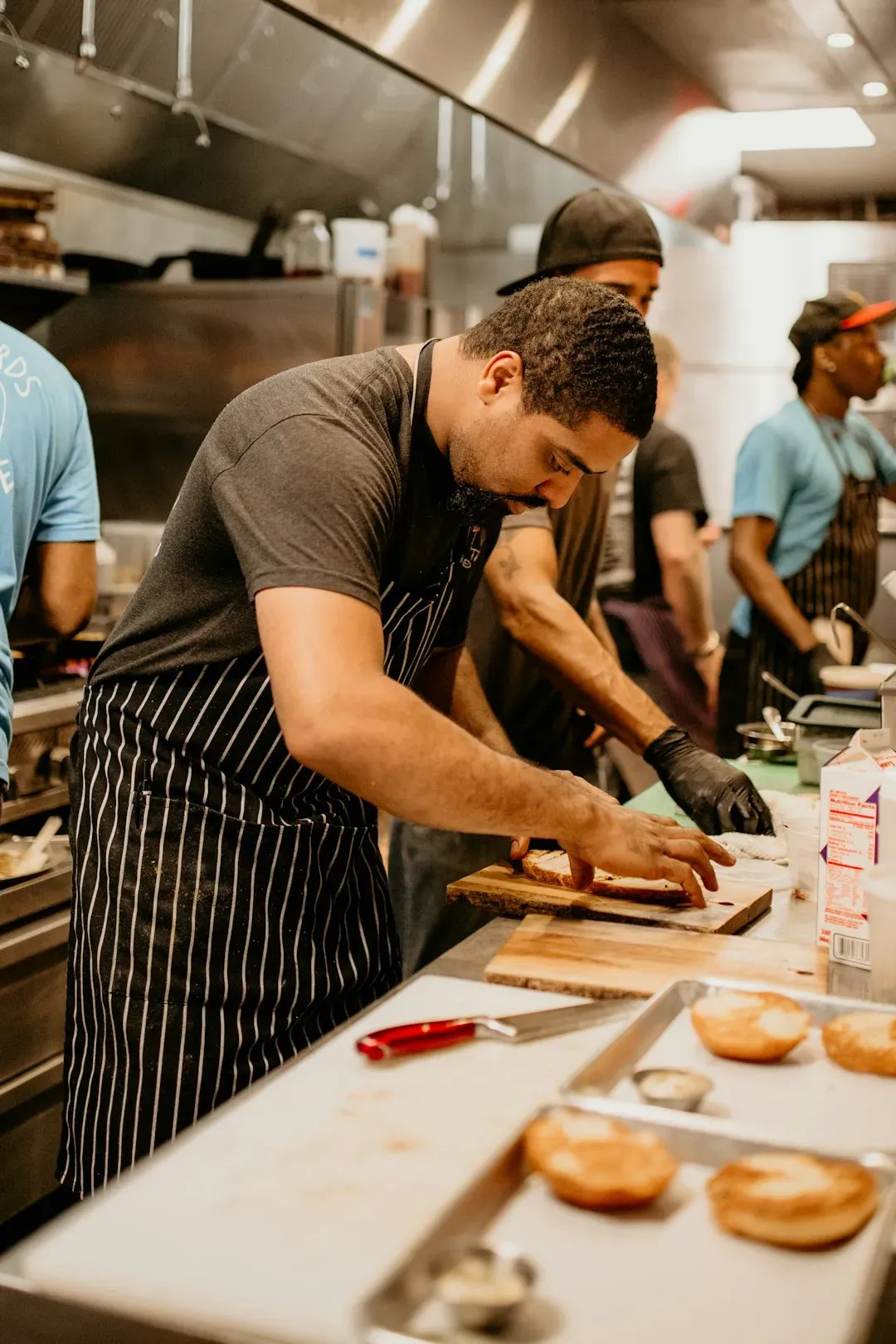
One of Escoffier’s most notable innovations was the implementation of the brigade system in professional kitchens – a hierarchical structure that divided kitchen staff into specialized roles, ensuring smooth and efficient operation, with each member having a specific skill set, from the head chef down to the sous chefs, line cooks, and plongeurs. Within that system, the sous chef was the linchpin, the person who translated the chef’s vision into something the entire brigade could actually execute every night.
These indispensable executors are painstakingly trained and nurtured to do everything the boss can do, but they also need to be willing to do just about anything needed to keep the kitchen running, including counting towels, boiling water, or supervising prep cooks and dishwashers. The great irony is that this total immersion in kitchen life is precisely what makes them the most knowledgeable people in the room – and the least likely to get a byline.
When a Dish Gets a Famous Name but Loses Its Creator
Escoffier has some claim to being the first celebrity chef, through a unique career that spanned decades, countries, and seven cookbooks, and in the late 19th century he set a precedent in which the chef came out of the kitchen and into the limelight – with the hundreds of dishes he named after Belle Epoque superstars being just one part of how he helped transform modern cheffery. This naming convention, elegant as it was, quietly buried the contributions of the sous chefs and station cooks who refined those recipes through dozens of trial services.
Escoffier came up with thousands of new recipes, many of which he served at London’s Savoy Hotel and the Paris Ritz – some were genuine leaps of ingenuity, others a twist on a classic French dish, and many carry someone else’s name. What the historical record rarely captures is how many of those recipes were shaped, seasoned, and finished by the sous chefs working silently at the stove beside him.
Georges Pralus and the Dish That Changed Fine Dining Forever

In 1974, chef Georges Pralus had a problem: he was working at the famous three-Michelin-starred Troisgros restaurant in Roanne, France, where foie gras was an incredibly popular and expensive dish. Pralus, who at the time held a sous chef level role within the kitchen’s operational structure, was tasked with finding a way to preserve the yield of that costly ingredient. His answer changed culinary technique permanently.
Pralus discovered in 1974 that wrapping foie gras in plastic prevented the fatty liver from shrinking as it cooked – a simple, practical fix to a yield problem that became the genesis of sous vide cooking as fine dining knows it. The experiment worked, saved the restaurant a huge amount of money and gave birth to a new culinary technique, and at around the same time Bruno Goussault was using the method to prolong shelf life on a much larger scale – while Georges showed how it could be used to cook food artistically in a fine-dining environment.
The Saucier: The Unsung Station That Built a Dish’s Identity
The saucier, or sauté and sauce station chef, held one of the most important and exacting stations in the kitchen, demanding experience and expertise in making sauces and sautéing most dishes. In the hierarchy that Escoffier formalized, this role sat just below the sous chef, but in terms of a dish’s final character, the saucier often had the most decisive hand. A sauce made one degree too thin or one reduction too short could sink a recipe that had taken weeks to develop.
Escoffier codified classical recipes and procedures in his 1903 work Le Guide Culinaire, and his refinement and formalization of the five mother sauces established a foundational system still taught in culinary schools today. Those mother sauces did not spring fully formed from a single genius – they were tested, rebuilt, and honed by station chefs whose names appear nowhere in the text, but whose palates are encoded in every derivative sauce still made from that framework.
The Invisible Collaborators in Nouvelle Cuisine
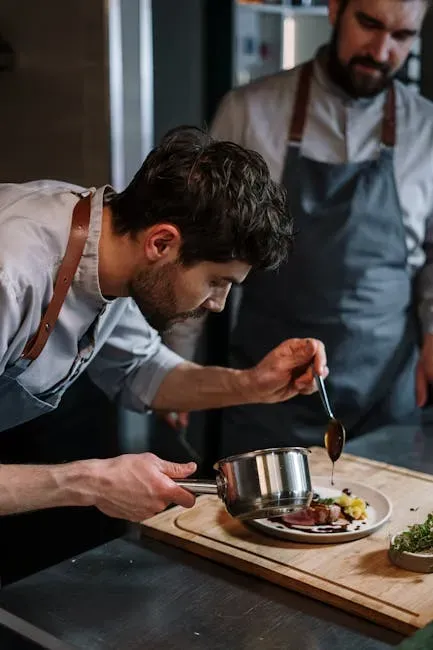
Paul Bocuse, the father of nouvelle cuisine, revolutionized French cooking by introducing freshness, simplicity, and lightness into a world dominated by heavy sauces and complex presentations, with his culinary philosophy focused on highlighting ingredients at their peak of flavor – a radical shift from the traditional, labor-intensive styles that came before. What is rarely discussed is that this shift in philosophy demanded an enormous amount of technical experimentation at the sous chef level, where the burden of actually executing lighter, faster, more precise cooking fell daily.
Bocuse’s emphasis on mentorship and quality inspired a generation of chefs who carried his values worldwide, and today the farm-to-table and fresh ingredient movements owe much to his enduring vision. The sous chefs who worked those kitchens, who learned to reduce without masking, to season without obscuring, became the quiet transmitters of that philosophy across an entire generation of French cooking – passing it on long before any book or television program explained it to the world.
Why the Credit Gap Still Exists
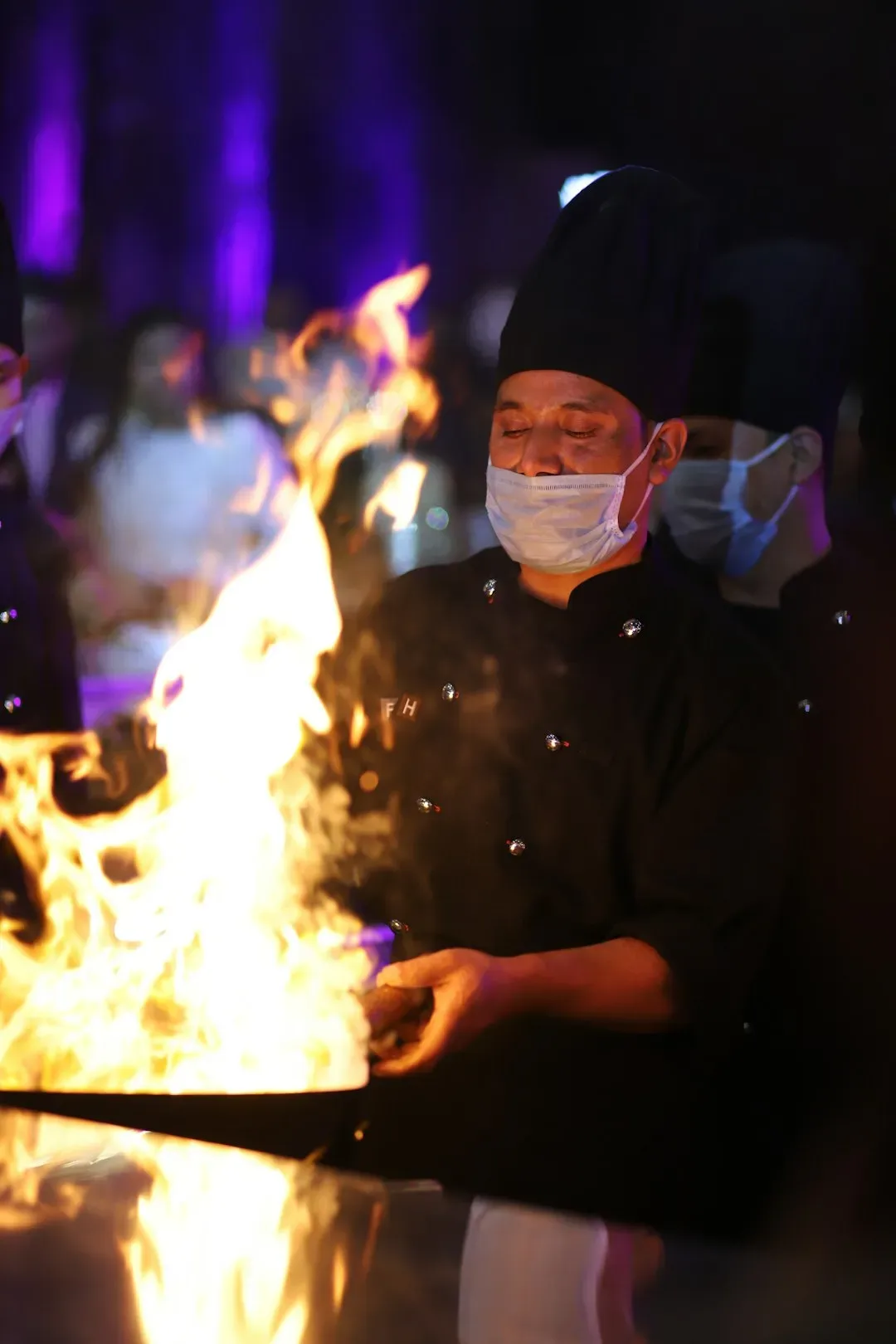
Sous chefs aren’t lauded with awards, aren’t mentioned in most restaurant reviews, and seldom get credit for dishes they’ve created that make it onto a restaurant menu. The structure of the industry itself makes this gap nearly inevitable. When a dish succeeds, it belongs to the restaurant’s brand and, by extension, the name at the top of the kitchen. When it fails, the sous chef usually knows exactly why – and quietly fixes it before service the next evening.
The sous chef is often the unsung hero of the kitchen, working behind the scenes to ensure the success of the restaurant, and their role is critical to the smooth operation of the kitchen, with their skills and expertise essential to delivering high-quality food and exceptional customer service. Recognition, when it comes at all, tends to arrive years later – when a sous chef finally opens their own restaurant and puts their name on the door for the first time. By then, the dish that made them great has already been credited to someone else for decades.



Leave a Reply