
For years, the direction of travel in American retail looked settled. More kiosks, fewer cashiers, and a steady push toward shoppers doing the scanning themselves. Then, in 2026, the country’s largest retailer started pulling machines out of at least one store.
The move was small in scale, yet it landed with weight. It raised questions about theft, labor, customer patience and what automation actually delivers. Here’s what is known so far, and where the picture is still unclear.
The South Philadelphia Store That Started the Conversation

In March 2026, Walmart removed every self-checkout machine from its South Philadelphia Supercenter on Columbus Boulevard, and human cashiers took over. It was one of Walmart’s five locations in Philadelphia.
A company spokesperson told The Philadelphia Inquirer the change followed a review of how customers shop at that store. Customer and employee feedback played a role too. Walmart framed it as a local decision rather than a company-wide verdict on the technology.
Not a Nationwide Removal
Headlines made it sound bigger than it is. This is not a nationwide removal of every self-checkout lane, and only a small number of stores have fully removed it so far.
One report lists select stores in Missouri, Ohio, New Mexico and California alongside Philadelphia. Walmart has removed self-checkout lanes entirely from certain stores, but it isn’t planning to remove them from all locations. Anyone expecting the kiosks to vanish across the country is likely to be disappointed, or relieved, depending on their view.
A Mix of Strategies Rather Than One Policy
What Walmart is really doing looks more like a menu than a mandate. It had already limited self-checkout in other locations, only for Walmart+ members or during certain hours, as part of a broader review of its checkout model.
At the same time, Walmart is expanding an artificial intelligence based scanning tool to modernize self-checkout in half of its stores. Another account puts the current figure closer to about three in ten stores, so the exact rollout number is worth treating with some caution.
The Remodel Program Behind the Headlines
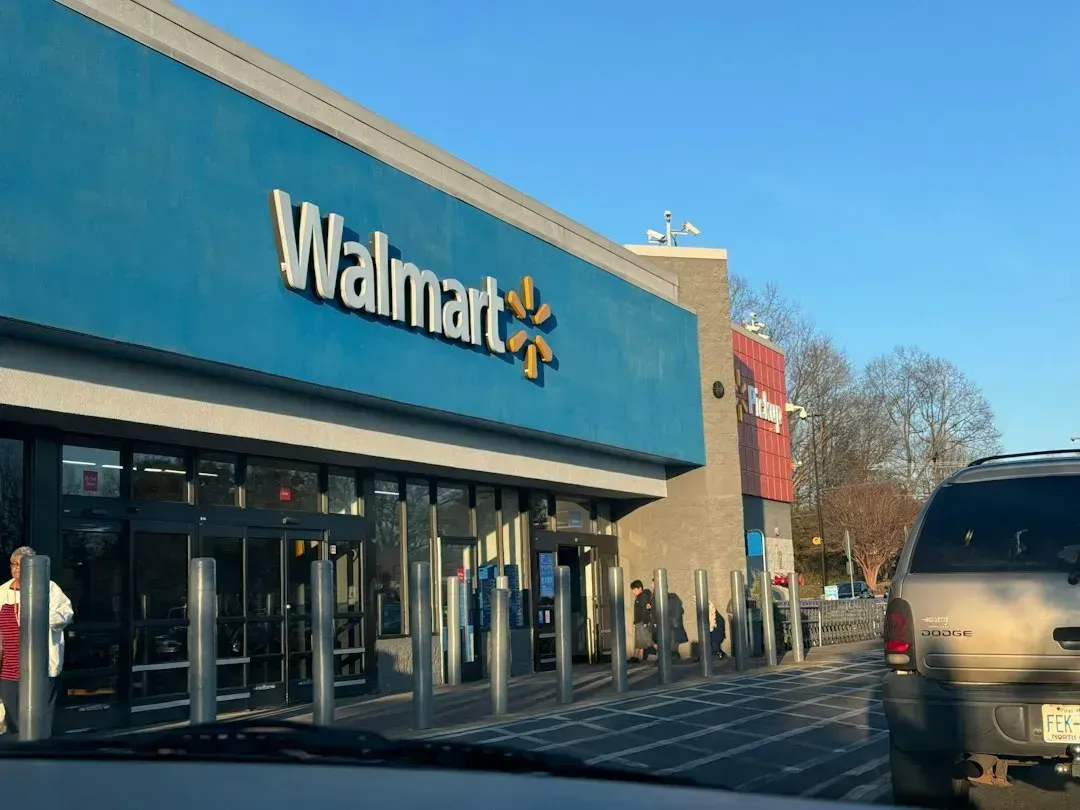
On April 16, 2026, Walmart announced that over 650 stores across the U.S. will be remodeled during the 2026 fiscal year. About 20 new stores are due to open by early 2027.
The remodels include 32 stores in Pennsylvania, four of them in the Philadelphia region. The remodel program and the checkout changes are linked in news coverage, though Walmart has presented the Philadelphia decision as based on that store’s own shopping patterns.
Theft Is Central to the Argument
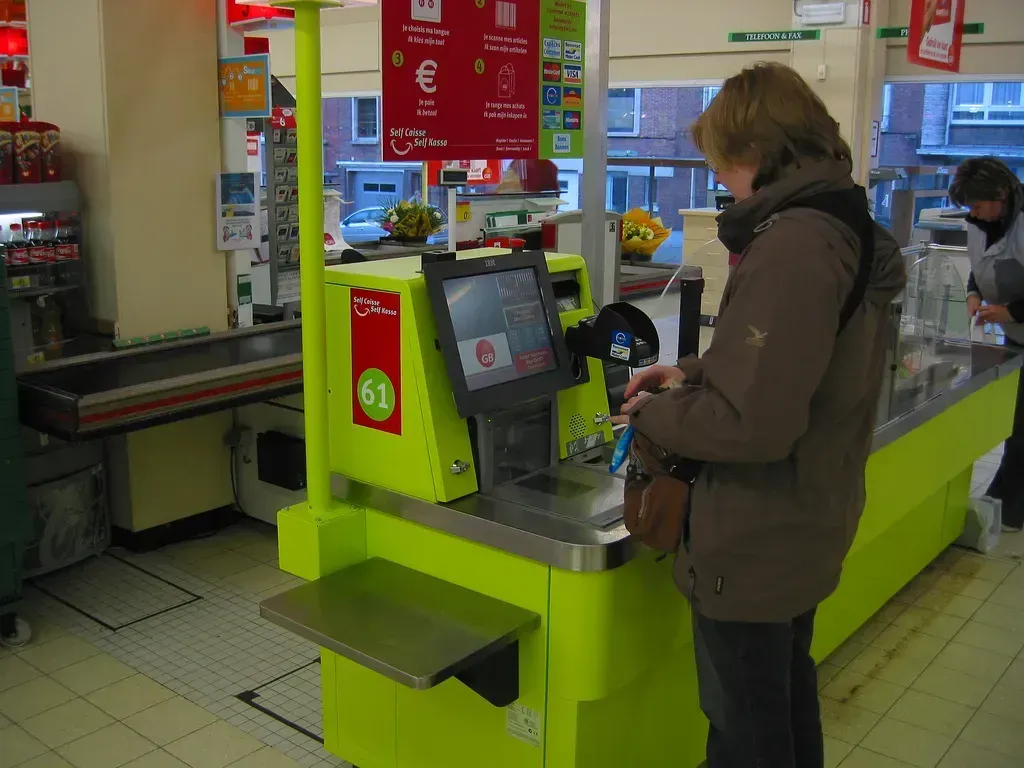
Self-checkout was initially put in place to reduce labor costs, but an unforeseen effect of adding more lanes has been higher theft rates. That claim is common in retail commentary, though the scale varies by retailer and is hard to pin down from public data.
Industry observers describe self-checkout theft, both purposeful and accidental, as rampant. Walmart has also tried technical fixes. Customers can scan Great Value items anywhere on the packaging, using technology from Digimarc, which Walmart partnered with in 2022.
Other Retailers Got There First
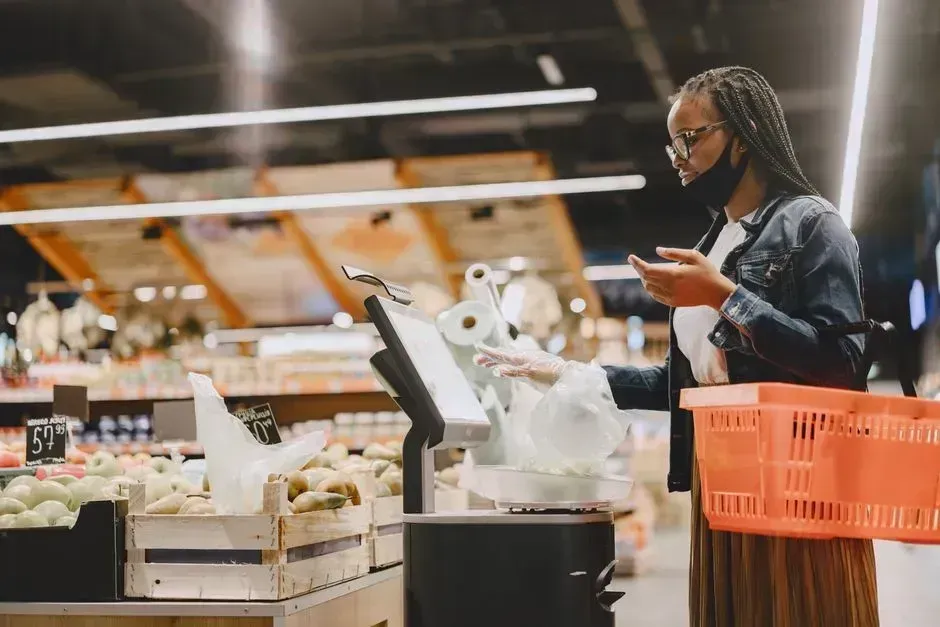
Walmart isn’t alone. In 2024, Dollar General stripped self-checkout kiosks from roughly 12,000 stores nationwide.
Sam’s Club, a Walmart subsidiary, announced last year that it would phase out traditional self-checkout in favor of AI powered scan and go options. So even inside the Walmart family, the answer isn’t removal alone. It’s a shift toward different technology.
What Shoppers Are Likely to Notice
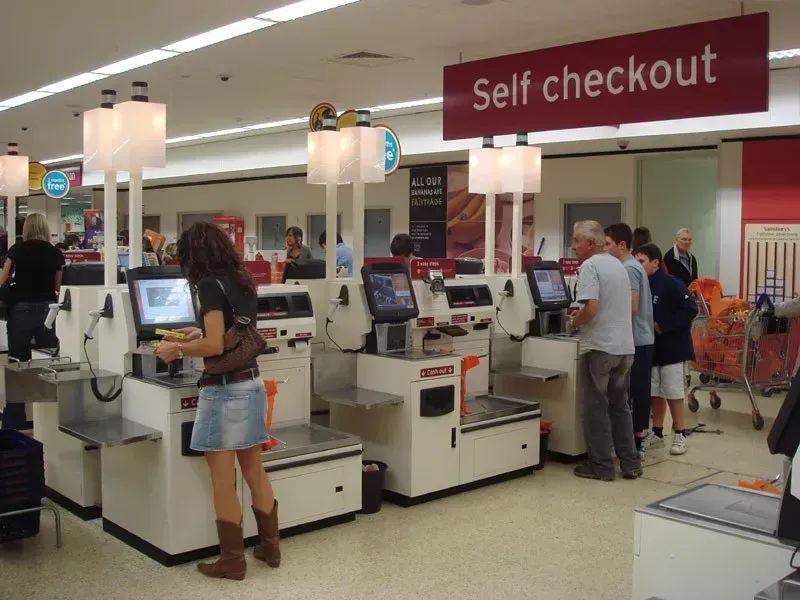
Where traditional self-checkout is removed, service returns to human cashiers. Where the AI tool is deployed, the system identifies fresh products without needing to scan barcodes.
Reactions are mixed. With fewer lanes and more scrutiny from employees and cameras, customers could face longer waits. Some families like fast, tech driven options for quick trips, while others say locked cases and fewer lanes make errands feel slower.
Receipt Checks and Customer Friction
Security measures at the exit have drawn complaints of their own. As more shoplifters use fake receipts, Walmart employees are scanning receipts as customers leave the store.
This has outraged some shoppers. A few have pointed out that staff posted at doors could instead be running registers, which is partly the logic behind bringing cashiers back.
Rising Costs and the Pressure on Retailers
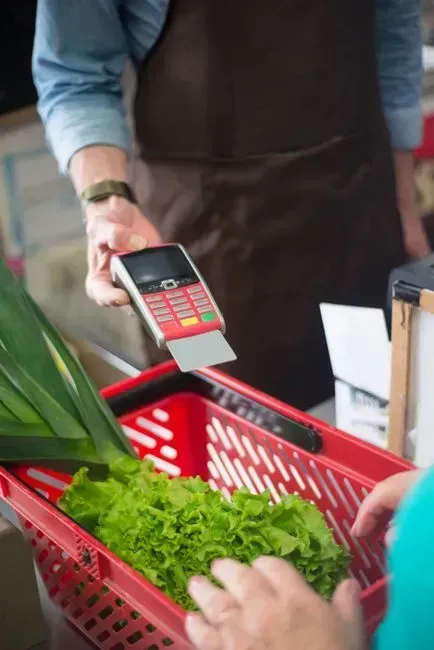
Money sits underneath all of this. Grocery prices kept climbing through 2026, with food costs a few percentage points above the year before.
Some analysts believe financial pressure changes behavior at checkout, including more accidental and intentional non-scanning, and unstaffed lanes make that easier. That is an analyst view rather than a proven cause, but it helps explain why retailers are reconsidering the balance between labor savings and lost merchandise.
Where the Debate Stands
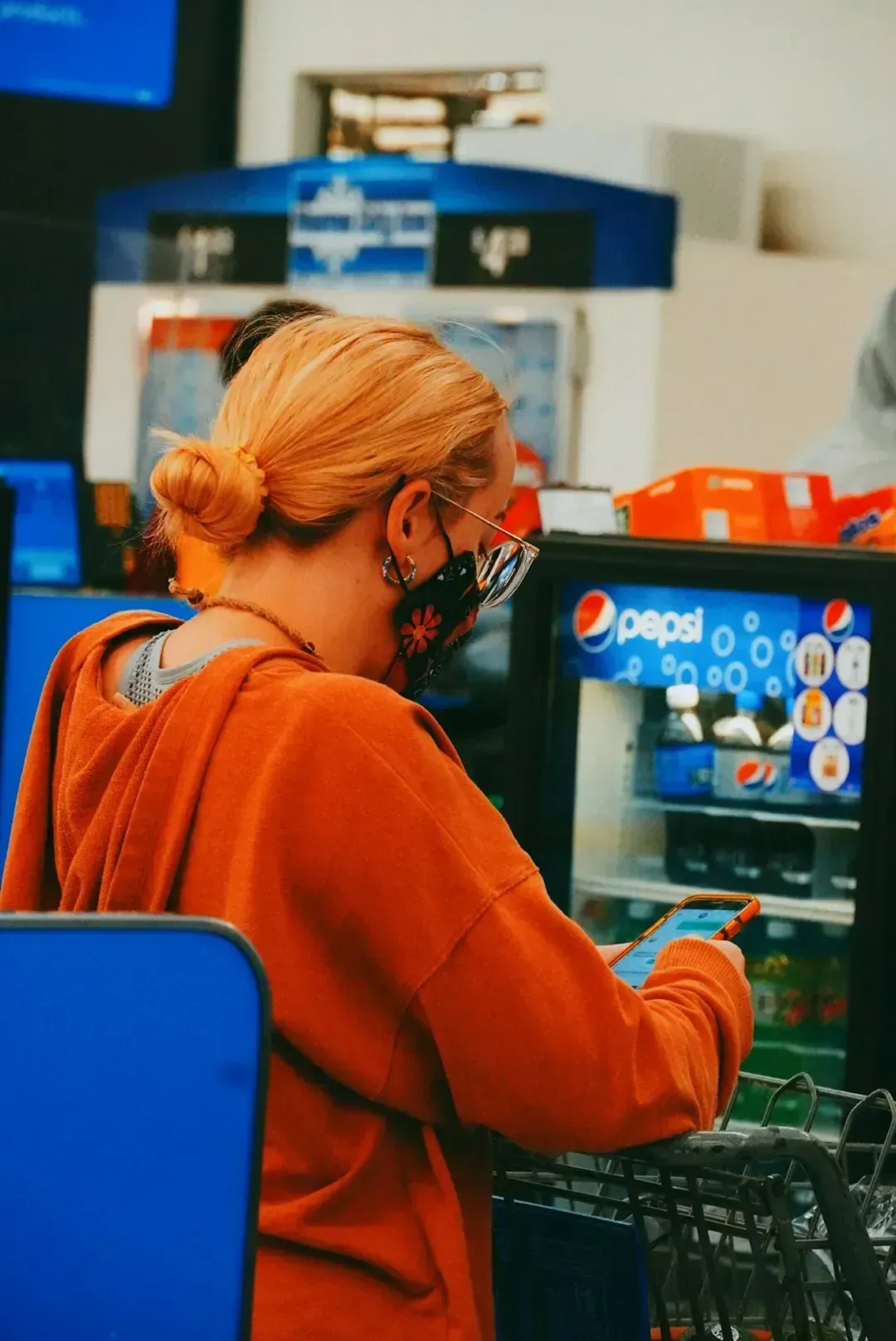
Lawmakers have taken an interest too. Coverage in May 2026 noted that theft was surging and lawmakers were moving to regulate automated checkout lanes. Details of specific bills vary by state.
For now, Walmart’s approach is a store by store experiment, mixing cashiers, limited hours and AI scanning. How far it spreads will depend on theft data, labor costs and how patient shoppers are in the checkout line.





Leave a Reply