
Taco Bell: The Undisputed Speed Champion
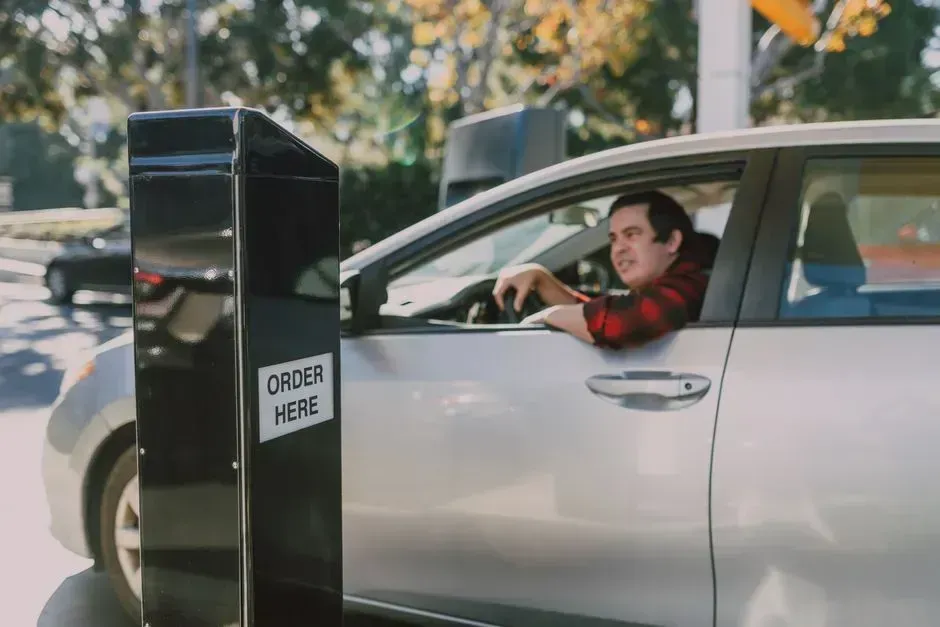
For the fifth year in a row, Taco Bell ranks as the fastest drive-thru in America, with customers spending an average of 256.8 seconds, about 4 minutes and 17 seconds, in line. That consistency is notable given how much the menu has expanded over the years, with customizable bowls and layered burritos that could easily slow things down. Instead, the chain has managed to hold onto its crown through five straight annual studies.
The report found it takes Taco Bell an average of 256 seconds to complete an order, nearly 73 seconds faster than the industry average. Taco Bell’s own leadership has framed the achievement as more than just a stopwatch win. Taco Bell’s chief digital and technology officer, Dane Mathews, has said today’s drive-thru success isn’t just about how fast or precise the drive-thru is, but about how the experience makes you feel.
KFC: Closing the Gap on First Place
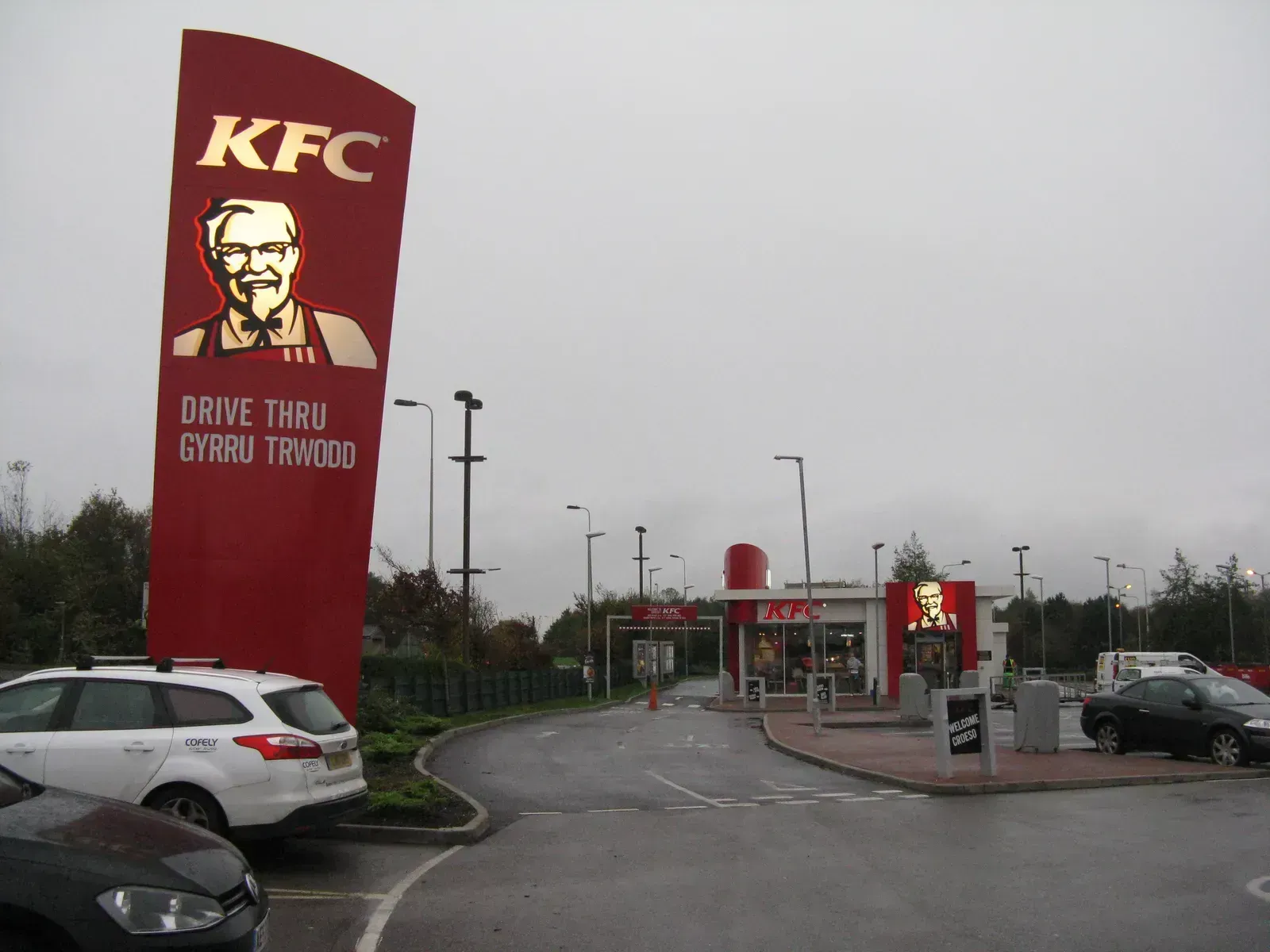
KFC has quietly become one of the most improved chains in the entire study, and it’s now nipping at Taco Bell’s heels. KFC comes in second at 261.2 seconds, roughly 4 minutes and 21 seconds. That’s a razor thin gap of just a few seconds separating first and second place nationally.
The improvement is even more striking when you look back a year. KFC is only an average of three seconds slower than Taco Bell in this year’s study, a big improvement over its time the previous year, which sat at 5:03. Losing nearly 45 seconds in a single year is not a small operational shift. It suggests real changes at the kitchen and window level rather than a lucky sampling season.
Tim Hortons: The Coffee Chain Punching Above Its Weight
Tim Hortons landed in third place overall, a strong showing for a chain best known for coffee and pastries rather than full meal orders. Tim Hortons came in at 265.9 seconds, about 4 minutes and 26 seconds. That places it ahead of nearly every traditional burger chain in the study.
Part of the reason may be order complexity, or the lack of it. Many Tim Hortons transactions involve simple coffee and baked goods orders that move quickly through the line. Tim Hortons smoked the competition when measuring how long it took to place an order after entering the line, suggesting its speaker and menu board setup works particularly well.
Arby’s: The Steady Middle-of-the-Pack Performer
Arby’s doesn’t get the headlines that Taco Bell or Chick-fil-A do, but it has consistently posted solid numbers among traditional fast food chains. Among the Classic restaurants, Taco Bell took the crown for the fifth year in a row, followed by Arby’s at 4 minutes and 32 seconds. That puts Arby’s comfortably ahead of the bigger burger names in the same category.
Arby’s has never marketed itself around speed the way some competitors do, focusing instead on its rotating menu of roast beef and specialty sandwiches. Even so, its drive-thru numbers suggest a kitchen that handles a varied menu without much friction. It’s a reminder that a complicated menu doesn’t automatically mean a slow line.
Wendy’s: Fastest of the Big Three Burger Chains
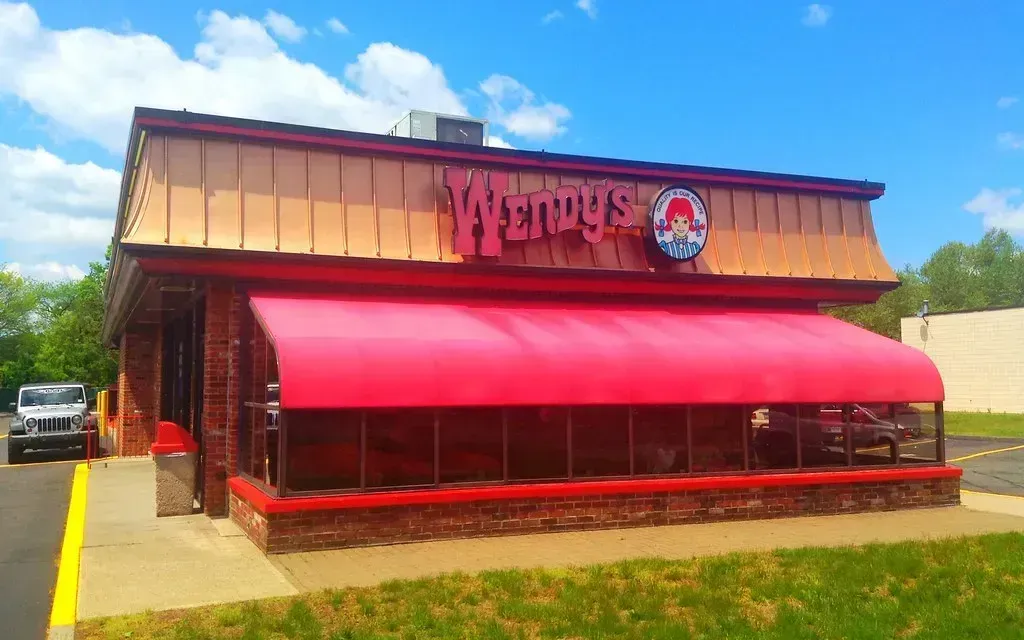
Among the major traditional burger giants, Wendy’s consistently outpaces both McDonald’s and Burger King. Wendy’s posted an average total time of 4 minutes and 53 seconds in the latest study. That’s noticeably quicker than its two biggest rivals in the same segment.
Historically, Wendy’s has held bragging rights in this category for decades. The high-water mark for speed in the study’s history remains Wendy’s 116.2-second performance back in 2003. Times have slowed industry wide since then, but Wendy’s has largely kept its relative edge over other classic burger chains.
Burger King: A Middle Tier Stumble
Burger King finds itself well behind the leaders, landing closer to the slower end of the traditional fast food category. Burger King’s average total time came in at 6 minutes and 2 seconds in the latest study. That’s more than a minute and a half slower than Taco Bell’s pace.
The chain has been testing newer technology to close that gap. Burger King has been experimenting with conveyor belts as a way to speed up food delivery to the window. Whether those experiments translate into faster real-world numbers in future studies remains to be seen, since the most recent data still places Burger King solidly in the slower half of the field.
McDonald’s: Size Doesn’t Always Mean Speed
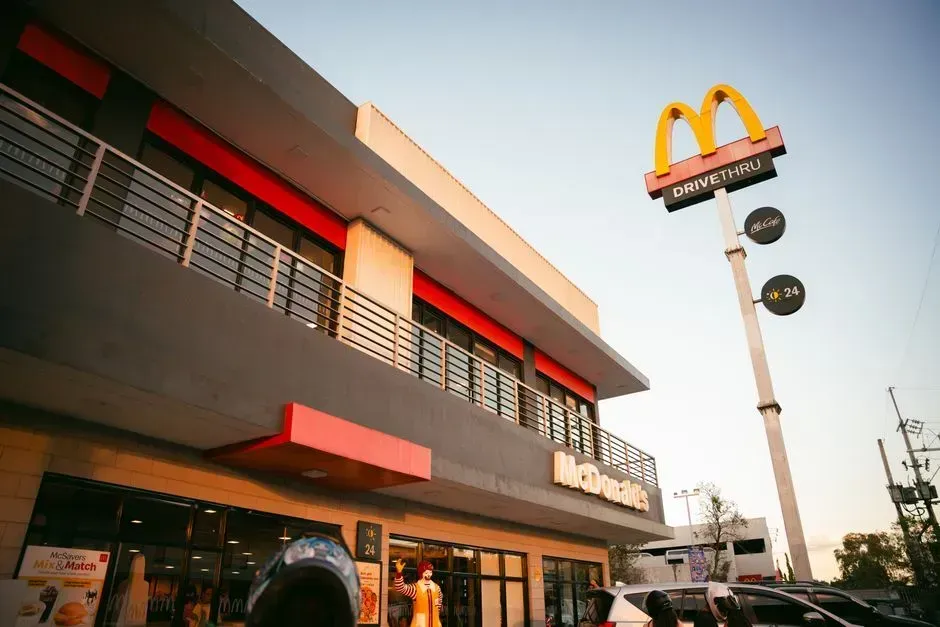
As the largest fast food chain in the world, McDonald’s might be expected to have drive-thru operations refined to perfection. The numbers tell a more complicated story. McDonald’s posted an average total time of 6 minutes and 3 seconds, essentially tied with Burger King for the slowest spot among classic chains.
McDonald’s has invested heavily in technology to address this, including automated ordering systems. McDonald’s has tested voice ordering technology, which yields 85 percent order accuracy. Speed gains from these pilots haven’t yet shown up dramatically in the national averages, though the company continues to expand its digital ordering footprint across thousands of locations.
Raising Cane’s: Popular but Far From Fast
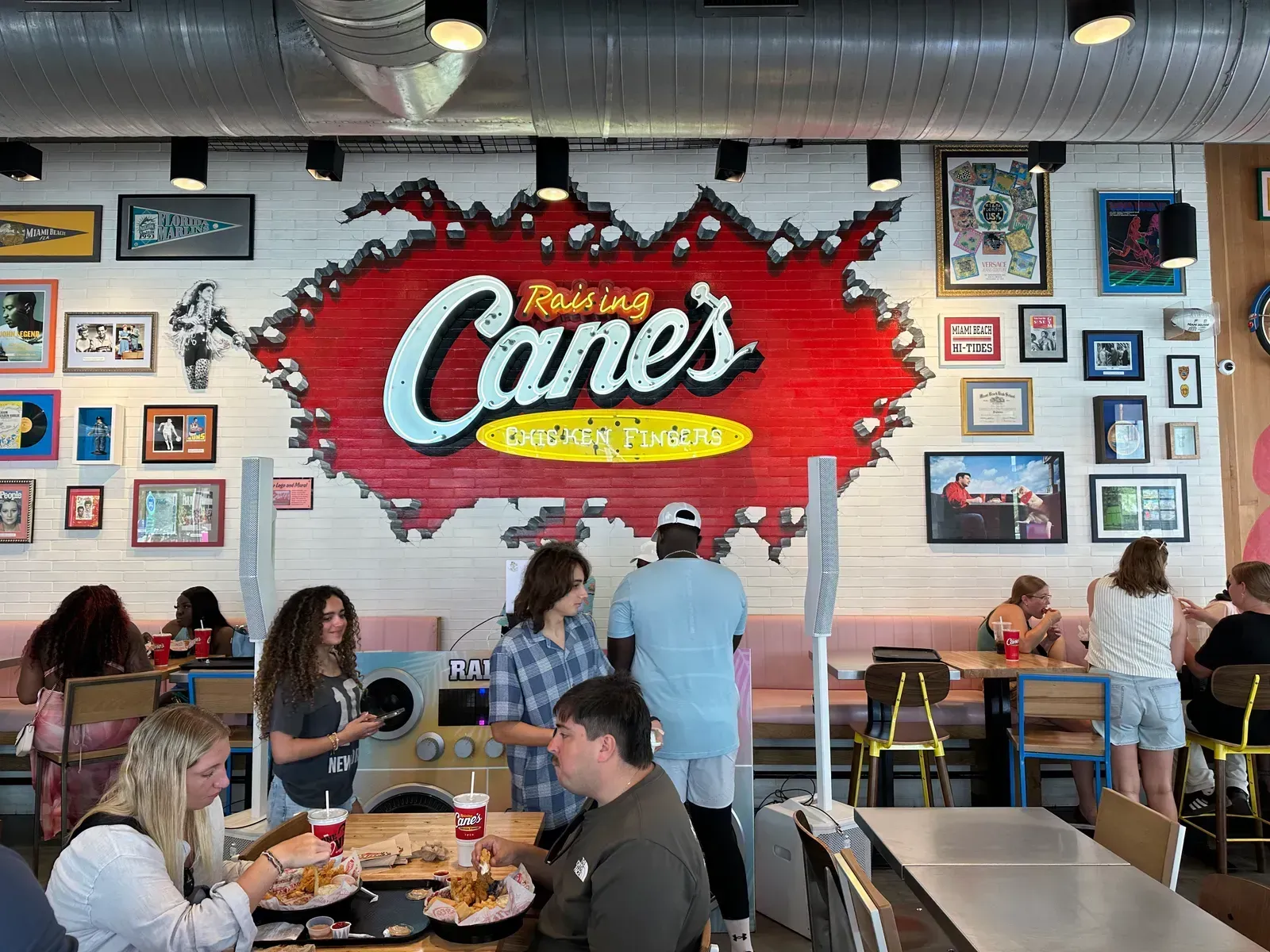
Raising Cane’s has built a passionate following around its simple menu of chicken fingers, but that popularity comes with a cost at the drive-thru window. Raising Cane’s ranked as the third slowest chain in the study, with a total service time of 383.3 seconds, or about 6 minutes and 23 seconds. That’s more than two minutes slower than Taco Bell’s pace.
The slower times likely reflect the sheer volume of customers the chain attracts rather than inefficiency. Long lines wrapped around buildings are common at Raising Cane’s locations during peak hours. Chicken places overall took longer than any other fast food category in the study, combining for an average service time of around 269.9 seconds above the traditional burger chains.
Popeyes: Flavor First, Speed Second
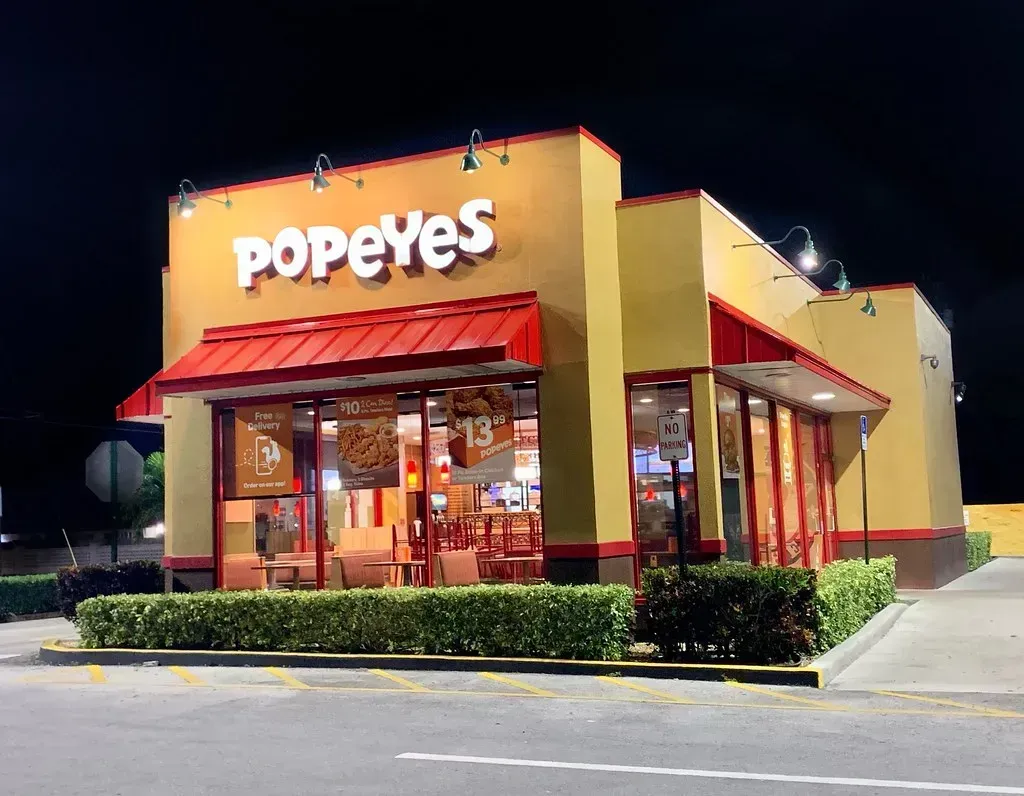
Popeyes lands in the second slowest position nationally, a reflection of both demand and the nature of made-to-order fried chicken. Popeyes takes an average of 410.5 seconds, or 6 minutes and 50 seconds, putting it just ahead of Chick-fil-A on the slow end of the rankings. That’s nearly two and a half minutes longer than the study’s fastest performer.
Much of this comes down to the cooking process itself. Fried chicken simply takes longer to prepare fresh than a burger patty or a taco. The tradeoff seems to work for the brand, since Popeyes has continued expanding aggressively despite the slower average times showing up year after year in these studies.
Chick-fil-A: Slowest Times, Highest Satisfaction
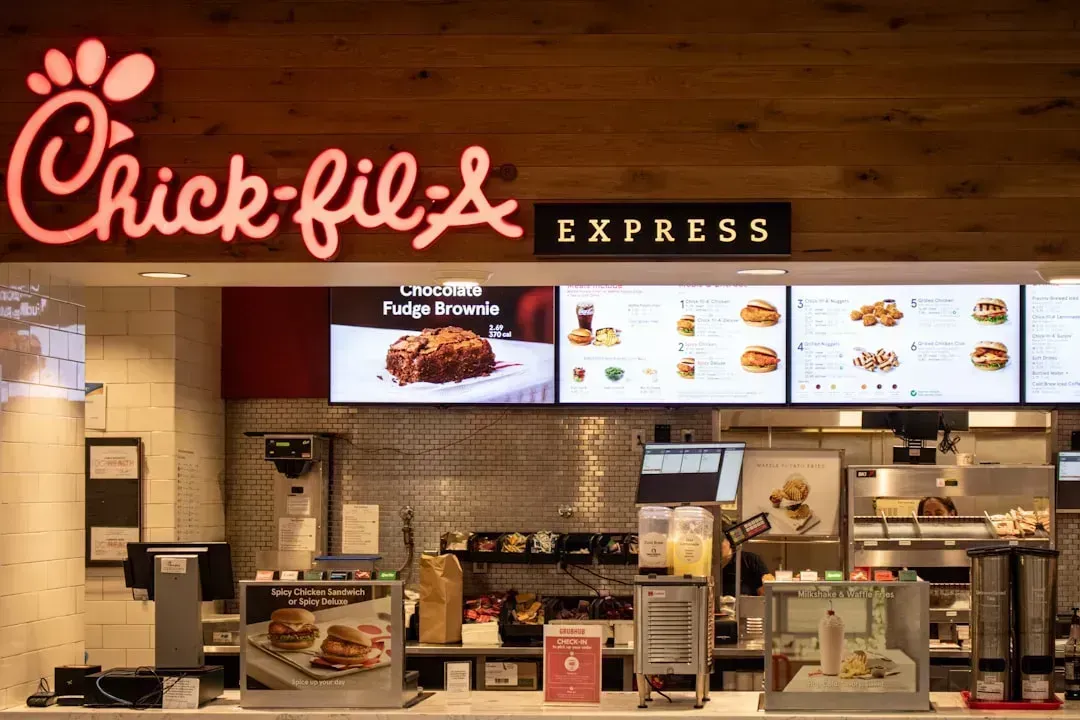
Chick-fil-A is the twist ending of nearly every drive-thru speed study, and this year is no exception. Chick-fil-A ranks as the slowest drive-thru overall, with an average service time of 427 seconds, or 7 minutes and 7 seconds. That’s roughly three minutes longer than Taco Bell’s leading time.
Yet raw speed doesn’t tell the whole story here. Although Chick-fil-A had the longest wait times, much of that is due to the sheer volume in its drive-thru, and the chain actually had the fastest pickup orders when factoring in cars in line, with an average total time per car of 139.4 seconds. On top of that, Chick-fil-A recorded the longest total time but continues to win on charm, with secret shoppers ranking it highest for friendliness, followed by Dutch Bros and Raising Cane’s. Long lines, it turns out, don’t stop people from lining up in the first place.
Final Thoughts
The clearest takeaway from this year’s numbers is that raw speed and customer satisfaction don’t always move in the same direction. Taco Bell and KFC win on the stopwatch, but chains like Chick-fil-A prove that people are willing to wait if the experience feels worth it. Taco Bell led on speed, while Chick-fil-A still led on satisfaction, showing that the fastest brand is not always the brand with the strongest overall guest experience.
As more chains experiment with AI ordering and redesigned lanes, these rankings are likely to keep shifting in the years ahead. For now, though, the fastest way through a drive-thru still runs straight through a Taco Bell.





Leave a Reply