
The novelty effect on the brain
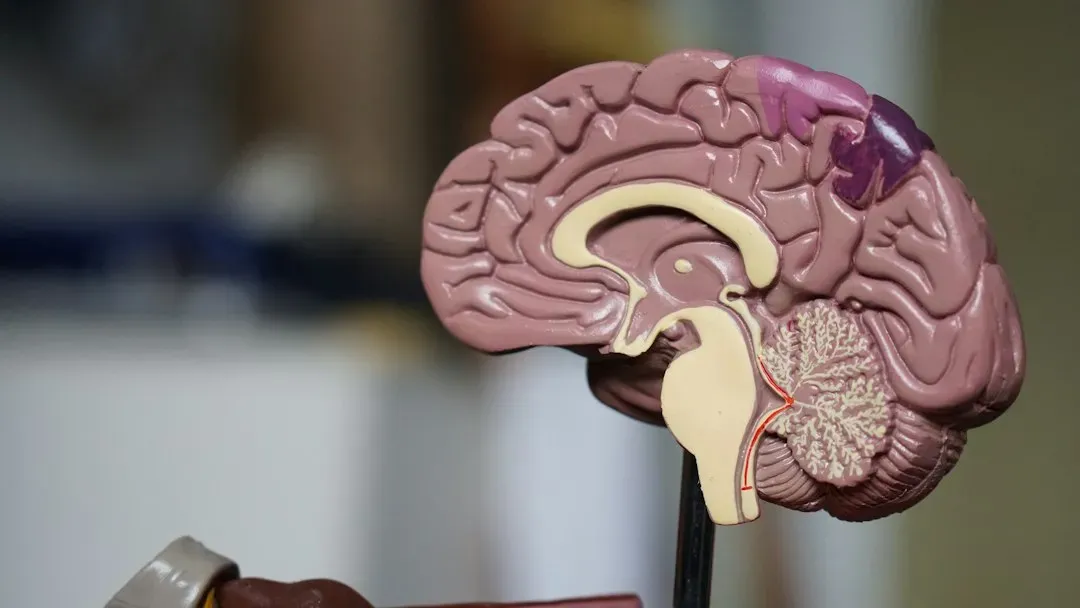
New experiences activate the brain’s reward circuitry in ways that routine ones simply don’t. When something is unfamiliar, the brain treats it as noteworthy, which triggers a small release of dopamine tied to anticipation and pleasure. This is part of why the first bite of an unusual street food dish can feel almost thrilling, even if the ingredients themselves are ordinary.
Psychologists studying novelty seeking have long noted that unfamiliar stimuli demand more attention than familiar ones, and that heightened attention shapes how intensely an experience is felt. Eating something you’ve never tried before forces a kind of sensory focus that a fifth bowl of your usual weeknight pasta never really requires. That focus alone can make flavors register as bigger and brighter than they might in a routine setting.
Context shapes how flavor is perceived

Flavor perception isn’t purely a matter of taste buds. It’s assembled by the brain using smell, sight, sound, texture, and even the surrounding environment, a phenomenon sensory scientists call multisensory integration. Sitting at a rickety table overlooking the sea, surrounded by unfamiliar chatter, changes the sensory backdrop against which food is being judged.
Studies on context and eating, including well known work from food scientists like Charles Spence at Oxford, have shown that ambient sound, lighting, and setting can measurably shift how sweet, salty, or satisfying food tastes to the person eating it. A meal enjoyed with a scenic view or lively market sounds is processed differently by the brain than the same dish eaten in a quiet, familiar kitchen. Travel supplies exactly this kind of altered sensory context almost constantly.
Hunger and timing play a bigger role than people admit

Travelers often eat on a different schedule than they do at home, skipping breakfast to catch a train or delaying lunch because a museum line ran long. Genuine hunger intensifies the perceived pleasantness of food, a basic physiological response tied to blood sugar and appetite hormones like ghrelin. Arriving at a meal properly hungry, rather than out of habit or boredom, changes the entire experience of eating it.
At home, eating often happens on autopilot, driven by the clock rather than actual need. Abroad, meals are frequently tied to activity, walking, sightseeing, waiting, which naturally produces sharper hunger cues. That physiological hunger amplifies satisfaction in a way that has nothing to do with the food’s actual quality.
Freedom from routine removes mental noise

Eating at home is layered with distraction: work stress, chores, scrolling a phone, thinking about tomorrow’s schedule. Attention is split, and split attention consistently dulls the experience of taste, according to research on mindful eating and sensory attention. Travel strips much of that noise away, at least temporarily.
On a trip, there’s rarely an inbox to check mid meal or laundry waiting afterward. That mental clearing allows more attention to land directly on the act of eating itself. When the brain isn’t juggling five other tasks, the sensory experience of a meal tends to register more fully.
Local ingredients often really are different

It isn’t only psychology at work. Produce, seafood, and meat consumed close to where they were grown or caught frequently taste different because of freshness, ripeness, and reduced transport time. A tomato picked ripe in a Mediterranean garden and eaten within a day genuinely differs in sugar content and texture from one shipped and stored for a week elsewhere.
Regional cooking methods and ingredient varieties also play a role. Local cheese, wine, or bread is frequently made using strains, breeds, or techniques that simply aren’t exported, meaning the flavor profile at the source can be objectively distinct rather than just perceived that way. This gives travel dining a real, measurable edge in some cases, not just an emotional one.
Altitude and cabin pressure change taste in the air
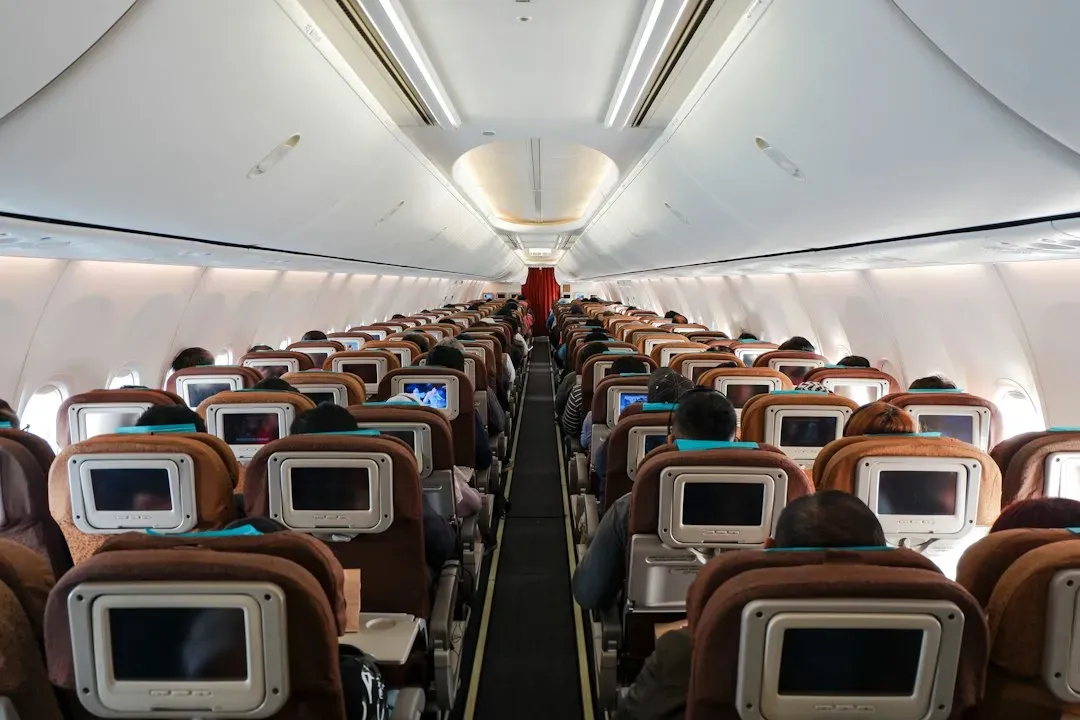
Anyone who has eaten on a plane and thought the food tasted flat has stumbled onto a documented phenomenon. Studies, including research associated with German airline Lufthansa and the Fraunhofer Institute, found that low cabin humidity and pressure reduce sensitivity to sweet and salty tastes by a notable margin, while sensitivity to umami can hold steady or even shift.
This is part of why airline meals are often seasoned more heavily and why tomato juice, rich in umami, has become an unusually popular in flight drink. The reverse effect can show up once travelers land: after a numbed flight experience, flavors on the ground can feel unusually vivid by comparison. Coming from a bland environment back into a rich one heightens the contrast.
Memory tags experiences that feel meaningful

The brain doesn’t store every meal equally. Memories tied to emotionally significant moments, including the excitement or slight anxiety of being somewhere new, are encoded more vividly thanks to the involvement of the amygdala in emotional memory formation. A meal eaten during a memorable trip becomes fused with that emotional charge.
This is why the taste of a specific dish can instantly transport someone back to a specific street, a specific afternoon, years later. It isn’t that the food was necessarily extraordinary in isolation. It’s that the emotional stakes of the moment made the sensory memory unusually durable and vivid in recollection.
Social atmosphere adds its own layer of pleasure

Meals abroad are often shared, whether with travel companions, new acquaintances, or even friendly strangers at a communal table. Social eating has been linked in nutrition research to increased enjoyment and even improved digestion, partly through relaxed nervous system states associated with comfortable social settings. Laughter, conversation, and shared discovery all layer additional pleasure onto the physical act of eating.
At home, meals are frequently solitary or rushed, lacking that same social charge. On the road, breaking bread with someone new, or simply people watching in an unfamiliar café, adds a social dimension that intensifies enjoyment independent of the food itself. The plate becomes part of a larger experience rather than the entire point of the moment.
Expectation and storytelling shape the final verdict

Before ever taking a bite, travelers often arrive primed by guidebooks, recommendations, or social media buzz about a particular dish or restaurant. Expectation has a documented effect on taste perception, sometimes called a placebo like effect in sensory science, where anticipated quality shapes actual reported enjoyment. Believing something will be excellent can genuinely make it taste more excellent.
There’s also the narrative layer that gets attached afterward. A meal becomes part of the story of the trip, discussed, photographed, remembered fondly, and retelling that story tends to reinforce and even inflate the original impression over time. The food doesn’t just get eaten; it gets folded into a memory that continues to feel special long after the plate is cleared.
Bringing it all together

Taste while traveling is rarely shaped by one single factor. Novelty, hunger, context, altered brain chemistry, genuine ingredient freshness, emotional memory, and social atmosphere all overlap and reinforce one another during a single meal abroad. That layering is precisely why recreating the exact dish at home so often falls short of the original impression.
None of this means food abroad is an illusion or a trick of the mind. Some of the difference is entirely real, tied to freshness and regional technique, while some of it is genuinely psychological, tied to attention, emotion, and expectation. Together, these forces explain why a simple bowl of soup eaten far from home can end up tasting like one of the best things a person has ever eaten.




Leave a Reply