
Open almost any organizing feed and you’ll see the same picture: a refrigerator lined with transparent bins, each one neatly labeled. Then scroll a little further and you’ll often find the same clear bins stacked in a closet. The look is tidy, but the two spaces don’t work the same way, and the advice from professional organizers often reflects that difference.
This article isn’t about a strict rule. It’s about why see-through containers tend to earn their place in a fridge, and why they’re a more mixed choice for clothing and linens. The reasoning comes down to visibility, hygiene, food safety and how people actually use each space.
Visibility Is the Whole Point in a Fridge
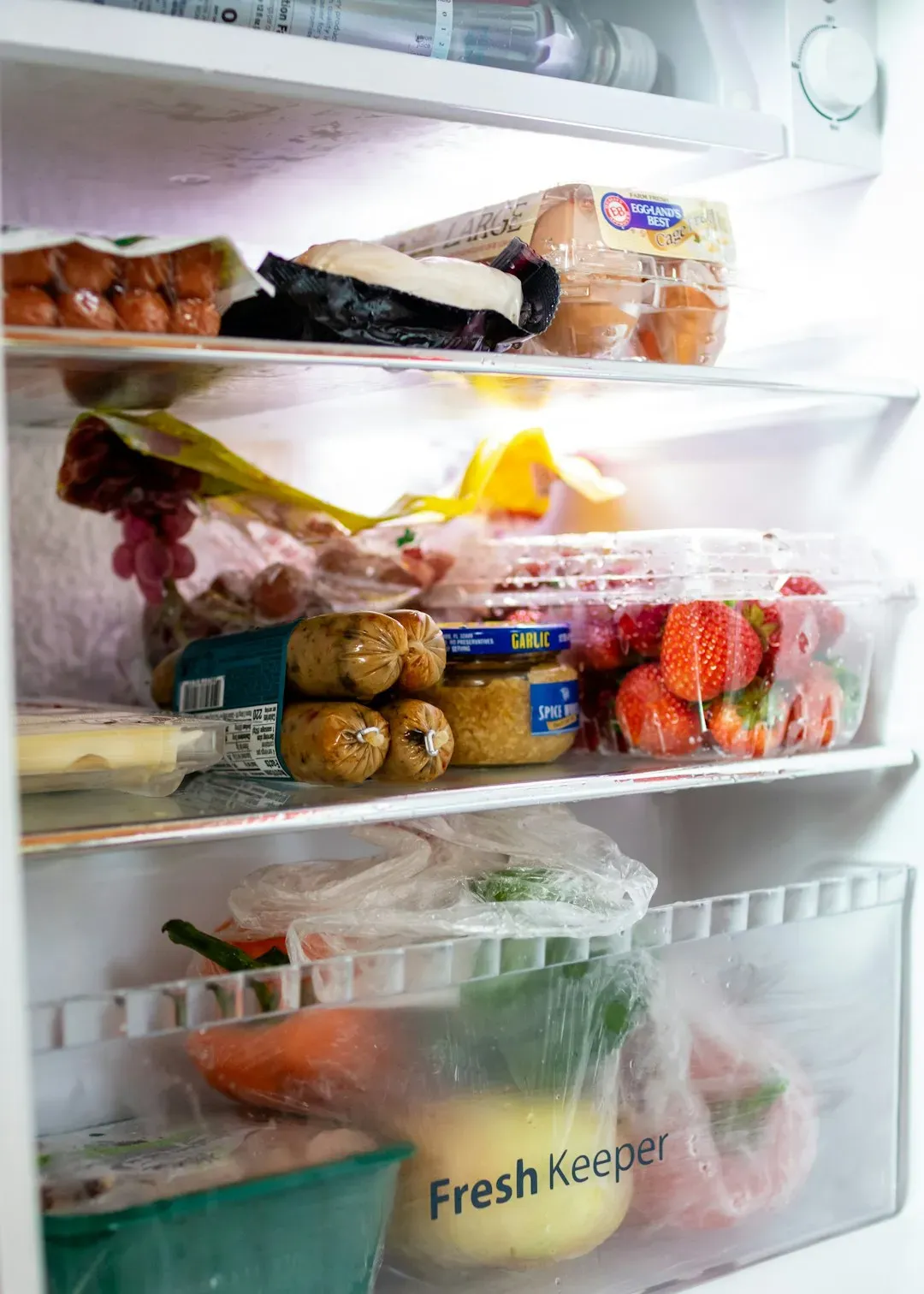
A refrigerator is a place where forgotten items turn into waste. Clear bins let you see what’s inside without pulling anything out, so a container of leftovers doesn’t vanish behind a jar of pickles. When you can scan a shelf in a couple of seconds, you’re more likely to use what you already have.
The fridge is also a shared, fast-moving space. People open it several times a day, often while hungry and in a hurry. Seeing everything at a glance helps everyone in the household find things quickly and keeps the door open for less time.
Food Waste Gives the Fridge a Real Payoff
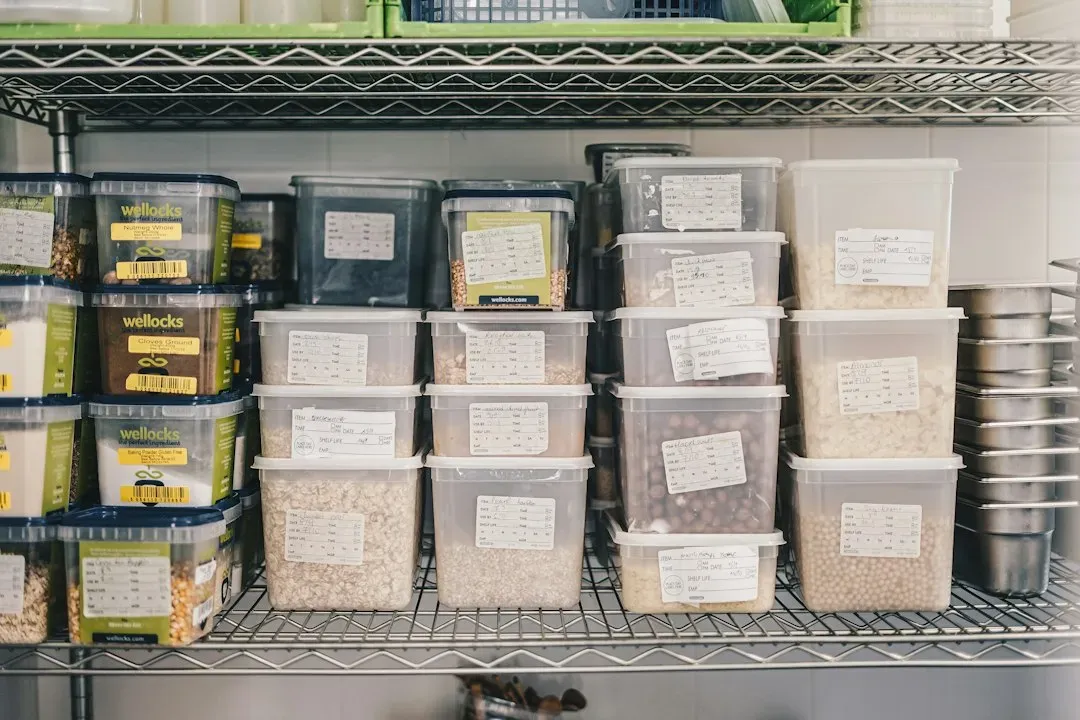
Food waste is a well documented problem. The U.S. Environmental Protection Agency estimates that food is the single largest material in municipal landfills, and the USDA has long said roughly 30 to 40 percent of the U.S. food supply goes uneaten. Better visibility is one practical way a household can chip away at its share.
That doesn’t mean a bin fixes the problem by itself. Still, grouping similar items, such as dairy, snacks or ready-to-eat leftovers, gives food a visible home. Organizers often pair this with a “eat first” bin so soon-to-expire items get attention.
Bins Contain Spills and Make Cleaning Easier
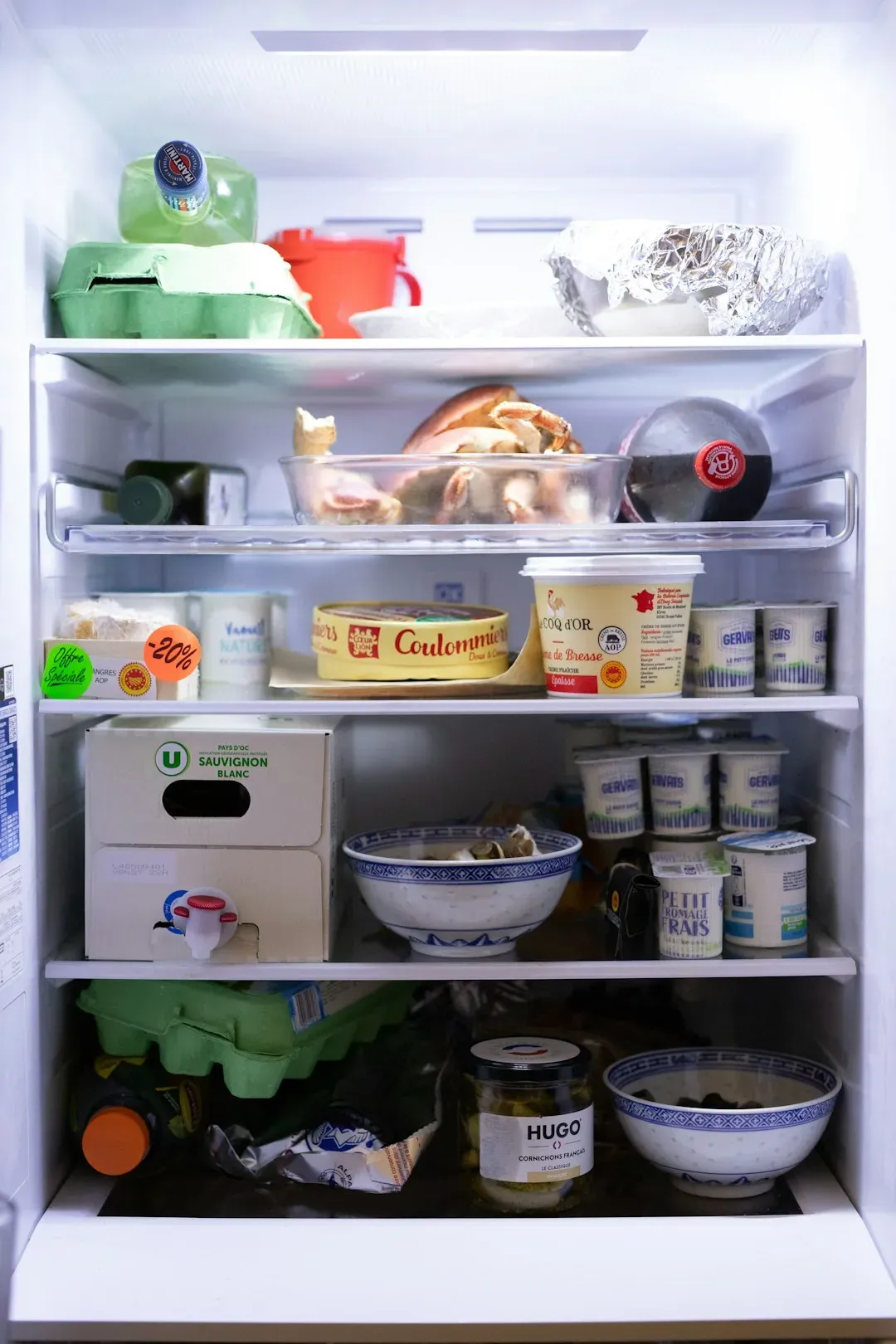
Fridge shelves collect drips, crumbs and the occasional leaking container. A bin works like a small tray, catching spills so you can lift out one container and wash it instead of wiping every shelf. Clear plastic or glass wipes down easily and shows when something needs cleaning.
Food safety guidance supports keeping things clean and separated. The USDA advises storing raw meat, poultry and seafood so juices can’t drip onto other foods, usually on the lowest shelf and in a container or on a tray. A dedicated, washable bin for raw meat is a simple way to follow that advice.
Standard Fridge Dimensions Suit Standard Bins
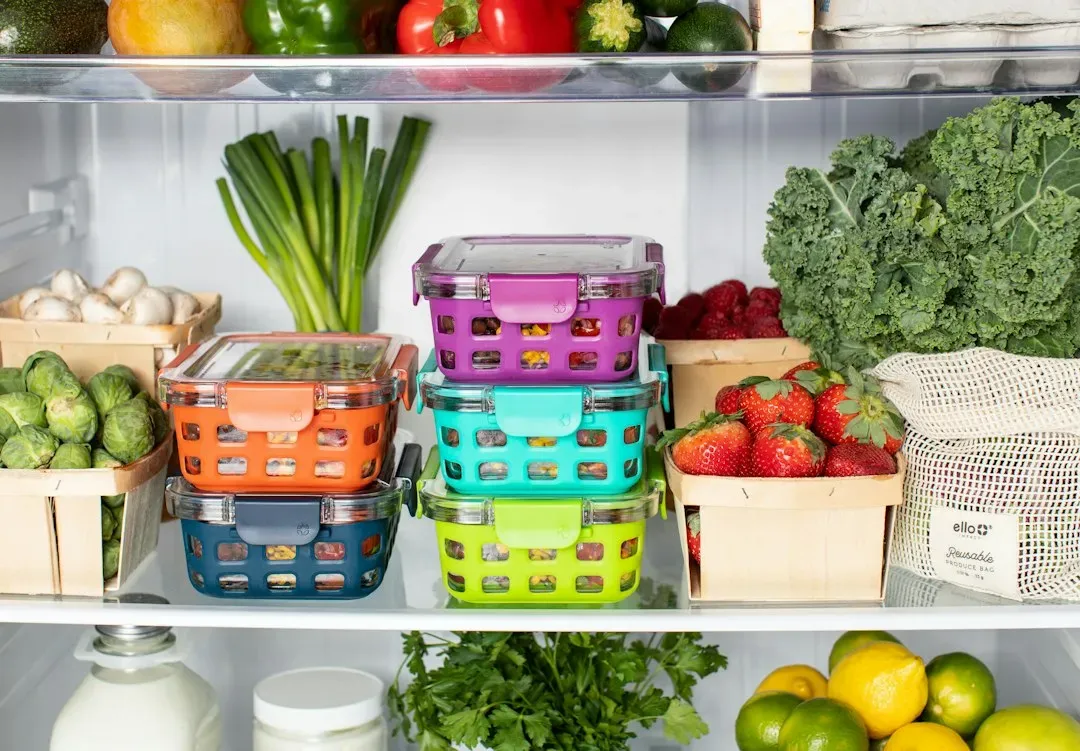
Refrigerator shelves are fairly predictable in depth and spacing, and what you store there is usually jars, cartons and packaged goods. That makes it easy to find bins that fit well and to stack or slide them like drawers. The pull-out motion also gives you access to items at the back.
Closets are less uniform. Shelf depth, rod height and the shapes of the items vary a lot from home to home. A bin that works beautifully in one fridge may be a tight, awkward fit elsewhere, so it pays to measure before buying in either space.
Clothes Don’t Need to Be Seen Through Plastic

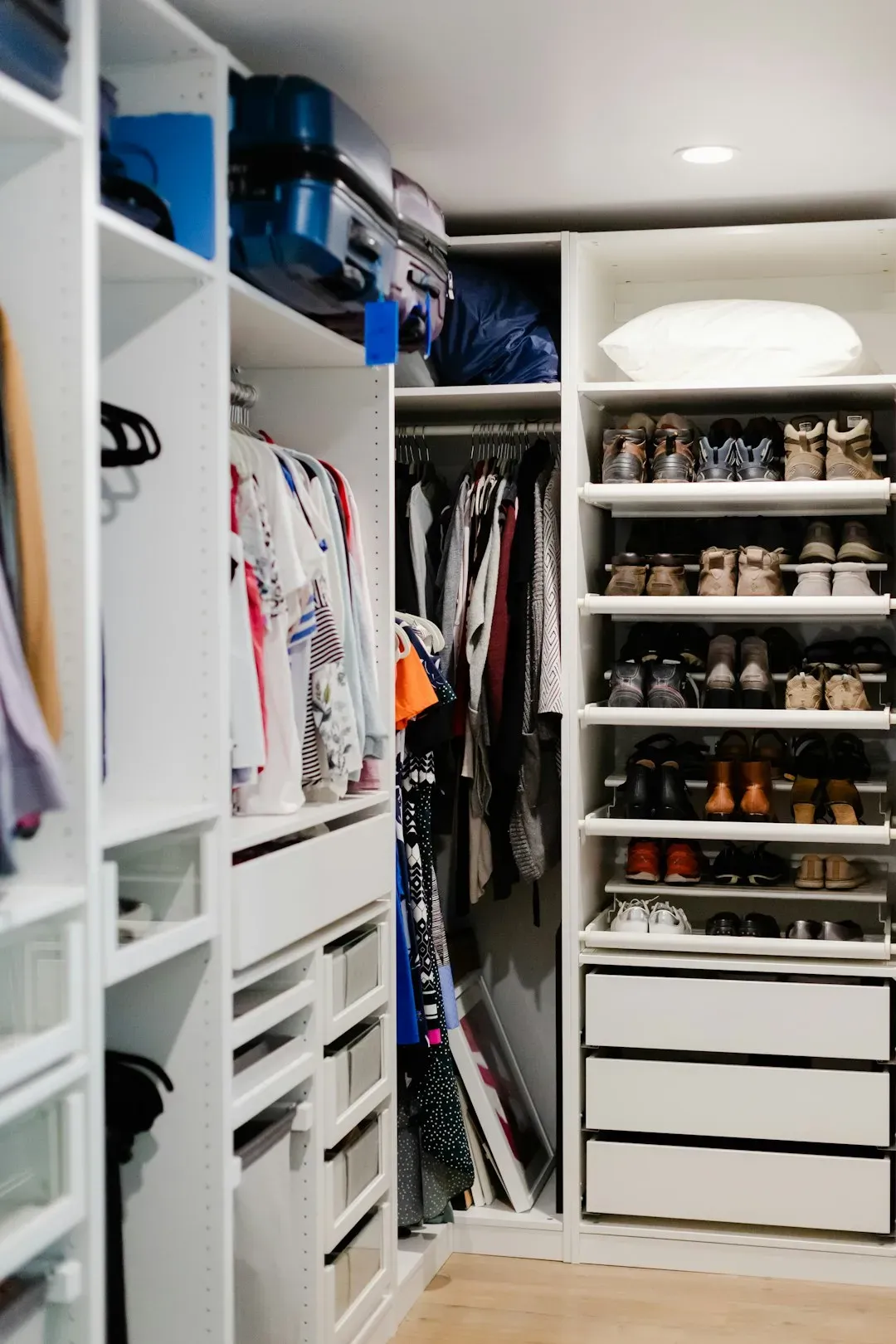
In a closet, the organizing goal is different. Folded sweaters or stacked T-shirts are already visible when you open a shelf, and hanging clothes are visible by design. Adding a clear bin often creates an extra layer to lift, open and put back, which can make daily use slower.
Many organizers instead favor open shelves, shallow baskets, drawer dividers and uniform hangers for everyday items. These keep things in reach and let you see what you own without lids. Clear bins still make sense for out-of-season storage, but that’s a separate job from daily access.
Plastic Can Trap Moisture and Cause Problems for Fabrics
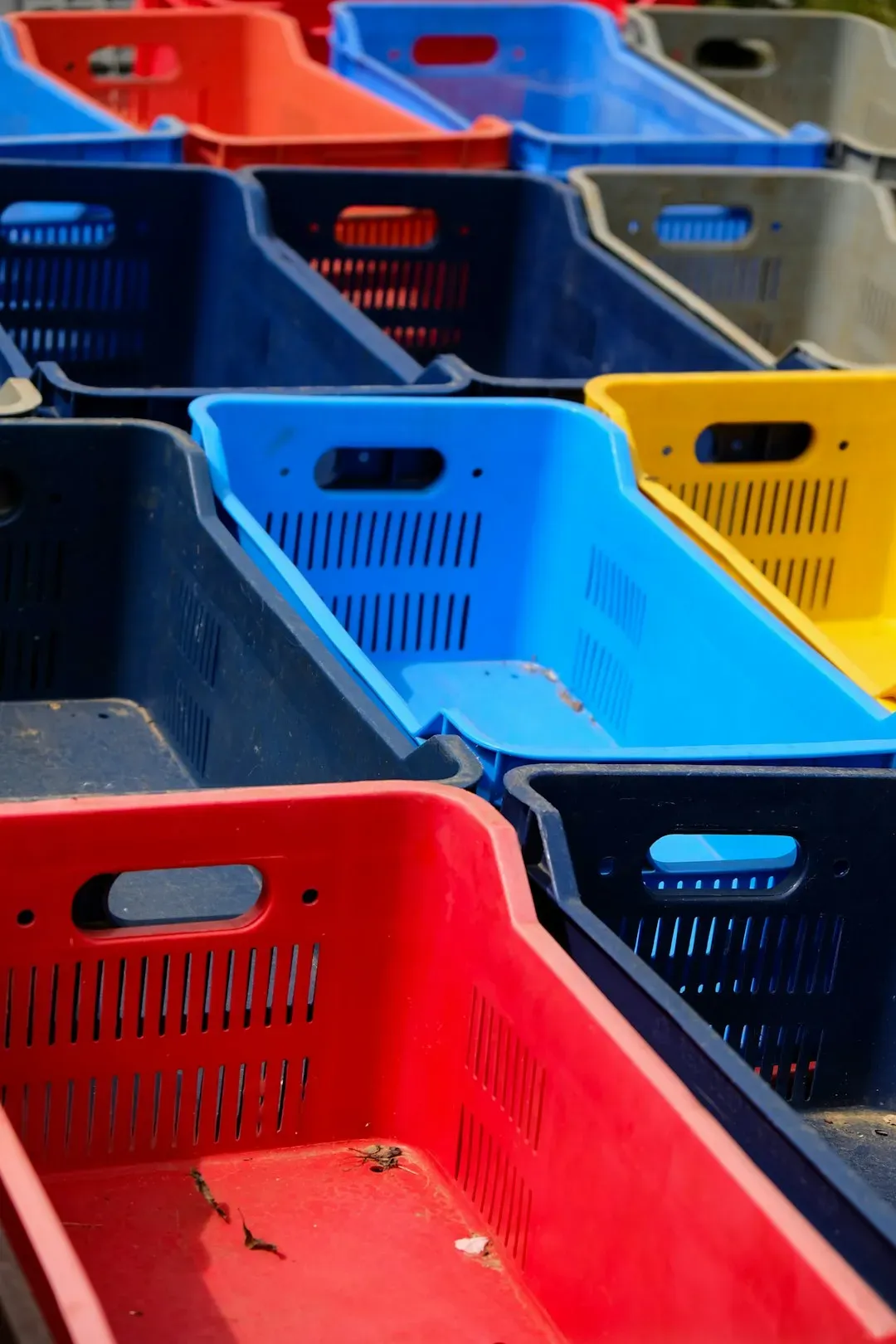
Fabric needs to breathe, and sealed plastic can trap humidity. Conservation guidance from museums and archives generally warns against storing textiles in airtight plastic for long periods, since moisture and off-gassing can contribute to mildew, odors and yellowing. For everyday clothes that rotate often, the risk is lower, but it’s a reason to be cautious with tightly sealed bins.
If you do use bins for long-term storage, make sure items are clean and fully dry first. Breathable cotton bags or boxes are often suggested for delicate or treasured pieces. Clear bins are better for sturdy items you’ll check on occasionally.
Light and Visual Clutter Work Against the Closet
Clear bins show everything, including the mess. In a fridge that’s useful, but in a closet a stack of see-through boxes crammed with mismatched items can look busier than a closed box or a uniform basket. Some organizers prefer opaque containers because they create a calmer look.
Light is another factor. Prolonged exposure can fade some fabrics, particularly in a closet near a window or with bright bulbs. A fridge is dark and cool most of the time, so visibility carries no such downside.
The Takeaway: Match the Container to the Job
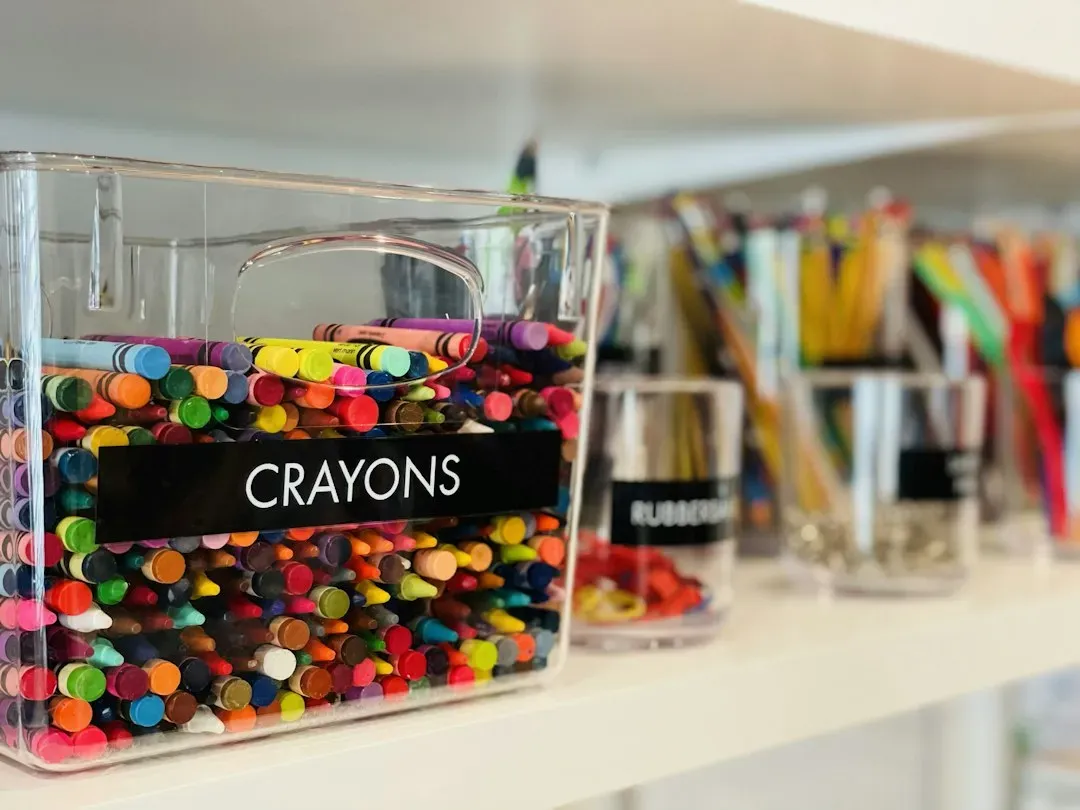
Clear bins shine where you need to track perishable items, contain spills and wash surfaces often. In a closet, the priorities shift to easy access, airflow and a calm look, which often points toward open shelving, drawers or breathable baskets. That’s why advice can seem to contradict itself when it’s really being consistent.
So treat the clear bin as a tool, not a trend. Use it where seeing and cleaning matter most, and choose something else where a lid or a layer of plastic only gets in your way.

Leave a Reply