
The Florida math that’s pushing people out

The trigger for a lot of this isn’t really about wanting adventure. It’s about arithmetic. Florida’s average annual home insurance cost of $11,163 equals about 34 percent of the average retirement income for the state, compared with roughly 8 percent nationally. That’s not a minor inconvenience for someone living on a fixed income, it’s a structural problem.
Property insurance premiums haven’t just crept up, they’ve spiked. Average annual premiums reached $8,292 by the end of 2025, roughly three times the national average, and some homeowners can’t even find a carrier willing to write a policy in higher-risk coastal areas. Add in a broader cost-of-living surge, where the state’s regional price growth averaged about 1.3 percent annually in the previous decade but jumped to roughly 5.8 percent per year in recent years, and it’s easy to see why so many retirees are running new numbers on old plans.
Portugal: mild winters and a visa built for pensioners

Portugal has become something like the default answer whenever the topic of retiring abroad comes up, and the reasons are fairly concrete. The D7 visa is Portugal’s primary residency visa for retirees and those with passive income, requiring proof of at least €820 per month, equal to one Portuguese minimum wage, which can come from Social Security, pension distributions, rental income, or dividends. That’s a low bar compared to most of Western Europe.
The savings tend to show up fastest in housing and healthcare. Areas like the Algarve offer rents roughly 60 percent lower and groceries around 40 percent cheaper than comparable US cities, and the healthcare side is just as striking. Public healthcare is free upon registration with a health card, GP visits cost between 5 and 10 euros, and private insurance for retirees over 80 runs approximately 100 to 300 euros a month, a fraction of comparable US premiums.
Panama: the dollar economy retirees already understand
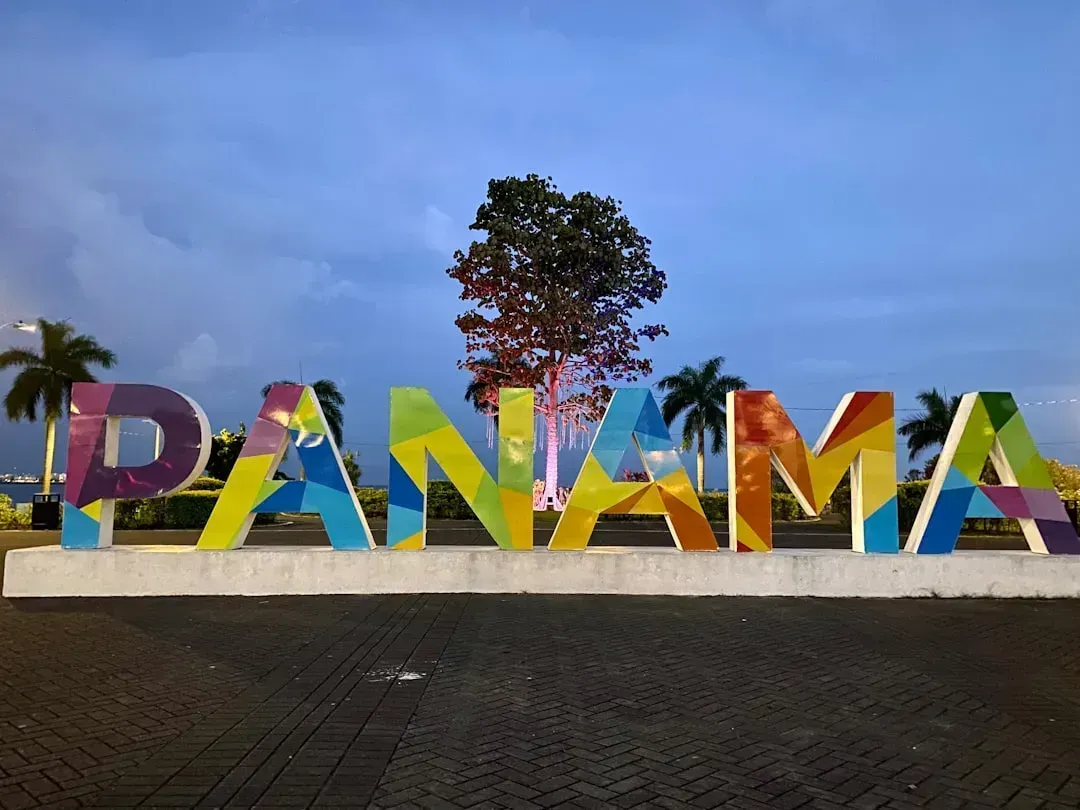
Panama solves a problem that trips up a lot of first-time expats, which is currency risk. The country uses the US dollar and is home to one of the world’s most stable international banking centers, meaning a Social Security deposit lands with the same purchasing power it would have in Florida, before local prices even enter the picture.
Then there’s the Pensionado program, which International Living has called its number one pick for ease and special benefits among retiree visas worldwide. Qualifying is straightforward too, since Panama sets its pension income threshold at around $1,000 per month, and the discounts that come with it are unusually generous. The Pensionado visa is issued to retirees with a qualifying lifetime pension of at least $1,000 a month and includes discounts of 50 percent on entertainment, 30 percent on public transport, and 25 percent off restaurant bills.
Mexico: familiarity, proximity, and a tighter door than before

Mexico has long been the practical choice for American retirees who don’t want to give up quick flights home or a well-worn expat pipeline. Places like Lake Chapala, just three hours from the US, offer low rents and strong expat networks that make the transition less isolating than moving somewhere entirely unfamiliar.
That said, the door has narrowed in recent years. New income requirements introduced by 2025, $4,200 per month for temporary residency and $7,000 for permanent residency, have made the visa unattainable for many retirees relying solely on Social Security. Some consulates still apply the rules with a bit of flexibility, and Mexico’s temporary resident process remains relatively forgiving, with reasonable income or savings requirements and permanent residency available after four years, but the math simply doesn’t work for every retiree the way it once did.
Costa Rica: no tax on foreign pensions and a lower cost floor

Costa Rica sits comfortably alongside Panama in terms of retiree-friendly policy, and it shares one of the same key advantages. Costa Rica does not tax Social Security income, which means a monthly check goes further than it would back in a state with rising property taxes and insurance bills eating into it.
The entry requirements are similarly accessible. Costa Rica sets its pension income threshold at around $1,000 per month, putting it in the same affordable tier as Panama and well below what countries like Spain or Thailand ask for. Combined with a healthcare system that regularly ranks well for quality relative to cost, Costa Rica appeals to retirees who want tropical living without sacrificing medical access.
Ecuador: the lowest bar to entry and a dollarized economy

If the goal is simply to stretch a modest retirement income as far as it will go, Ecuador tends to come up first. The Pensionado Visa requires just $1,446 per month in pension income, with Social Security qualifying and no age minimum, one of the lowest income thresholds of any residency program in the world. For a retiree drawing an average benefit, that’s an easy hurdle to clear.
Ecuador also removes the currency guesswork entirely. Like Panama, Ecuador uses the US dollar, eliminating currency risk, and in practical terms that means budgeting feels familiar even in an unfamiliar country. Expats gravitate toward Cuenca in particular, where a couple can live on $1,200 to $1,800 per month including private healthcare, a figure that would barely cover insurance and property taxes on a modest Florida home.
What’s actually driving the decision

None of these five destinations are perfect substitutes for Florida, and nobody serious about the move pretends otherwise. Distance from grandchildren, language barriers, and the loss of an established social network are real costs that don’t show up on a spreadsheet, and the immediate diminishment of your social network is often cited as the primary downside of retiring abroad.
Still, the financial gap has become hard to ignore. Between insurance premiums that have tripled in five years, property taxes that reset sharply when a home changes hands, and grocery bills climbing faster than Social Security’s cost-of-living adjustments can keep up with, the retirees making this move aren’t chasing novelty. They’re doing the math, and increasingly, the math points somewhere else.
The bottom line for anyone weighing the move

The countries pulling Florida retirees away share a few common threads: manageable visa requirements, lower housing and healthcare costs, and in several cases, favorable tax treatment on pensions and Social Security. Portugal and Spain offer European infrastructure and public healthcare access, while Panama and Ecuador remove currency risk entirely through dollarization, and Costa Rica and Mexico offer a middle path with shorter flights home.
None of this means Florida has stopped working for retirees, plenty still find it worth the cost. But for a growing number of people on fixed incomes, the decision has stopped being about climate or culture and started being about whether the numbers still add up, and for them, increasingly, they don’t.




Leave a Reply