
You’ve done everything right. The water was hot, the timing was perfect, and yet there you are, peeling away chunks of egg white along with the shell, turning what should have been a beautiful hard boiled egg into something that looks like a lunar crater. Sound familiar? Almost everyone who boils eggs regularly has stood over the sink with that exact frustration. The thing is, there’s actually real science behind why this happens – and once you understand it, the fix becomes surprisingly straightforward. Let’s dive in.
The Real Culprit Is Not the Shell – It’s the Membrane
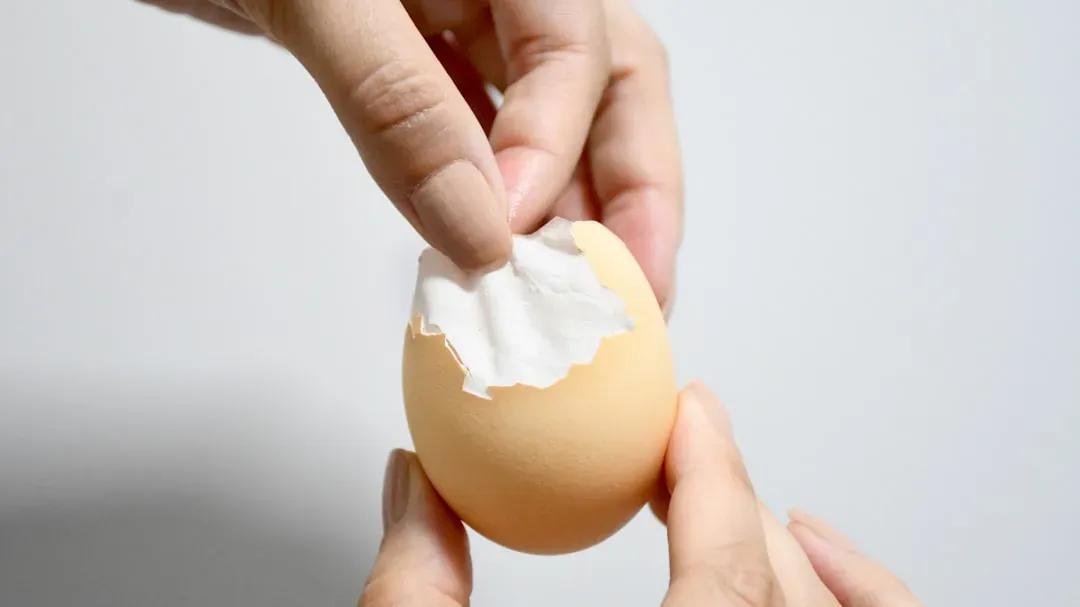
Most of us assume the shell is sticking directly to the egg white. Honestly, that’s the natural conclusion. Most home cooks assume that when an egg is difficult to peel, it is because the shell is sticking to the egg white – but it’s the membrane between the shell and the white that is really the problem.
Think of that membrane like a piece of clingy plastic wrap sitting between the shell and the egg white. When an egg is very fresh, the proteins in the white bond to the membrane instead of to one another, and the membrane becomes cemented to the white and impossible to peel away, leaving an unappealingly pitted exterior.
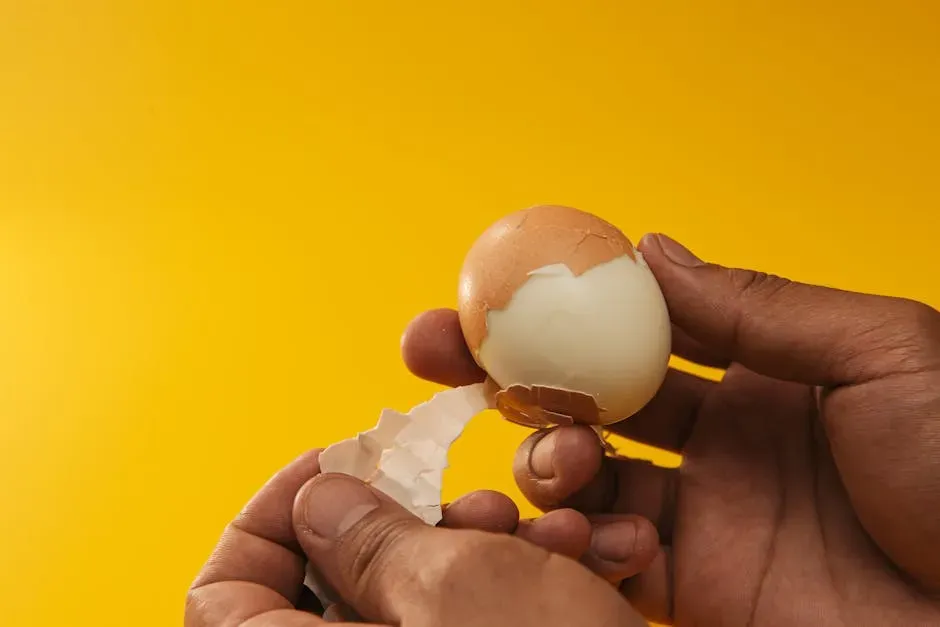
The key to peeling a boiled egg is to get separation from the inner and outer membranes of the egg. The shell is attached to the outer membrane, so being able to lift that membrane away from the egg allows for the cleanest peeling. Without that separation, you’re essentially wrestling the egg apart piece by tiny piece.
Carbon Dioxide Is the Hidden Chemistry Behind Your Problem
As a rule, the fresher the egg, the more difficult it is to peel cleanly. The albumen, or white, of a just-laid egg contains a store of dissolved carbon dioxide, a weak acid. That dissolved CO2 is the starting point for all the trouble.
In fresh eggs, the albumen sticks to the inner shell membrane more strongly than it sticks to itself because of the more acidic environment of the egg. The white of a freshly laid egg has a pH between 7.6 and 7.9 and an opalescent, cloudy appearance due to the presence of carbon dioxide.
The inner membrane of an egg is made partly from a protein called keratin, which is tougher in an acidic environment. At the lower pH of a fresh egg, the proteins in the egg white bind tightly to the keratin in the membrane during the cooking process, which makes it nearly impossible to remove the shell without chunks of white attached. It’s a small but powerfully inconvenient chemical reaction.
Fresh Eggs Are the Biggest Factor – Here’s Exactly Why
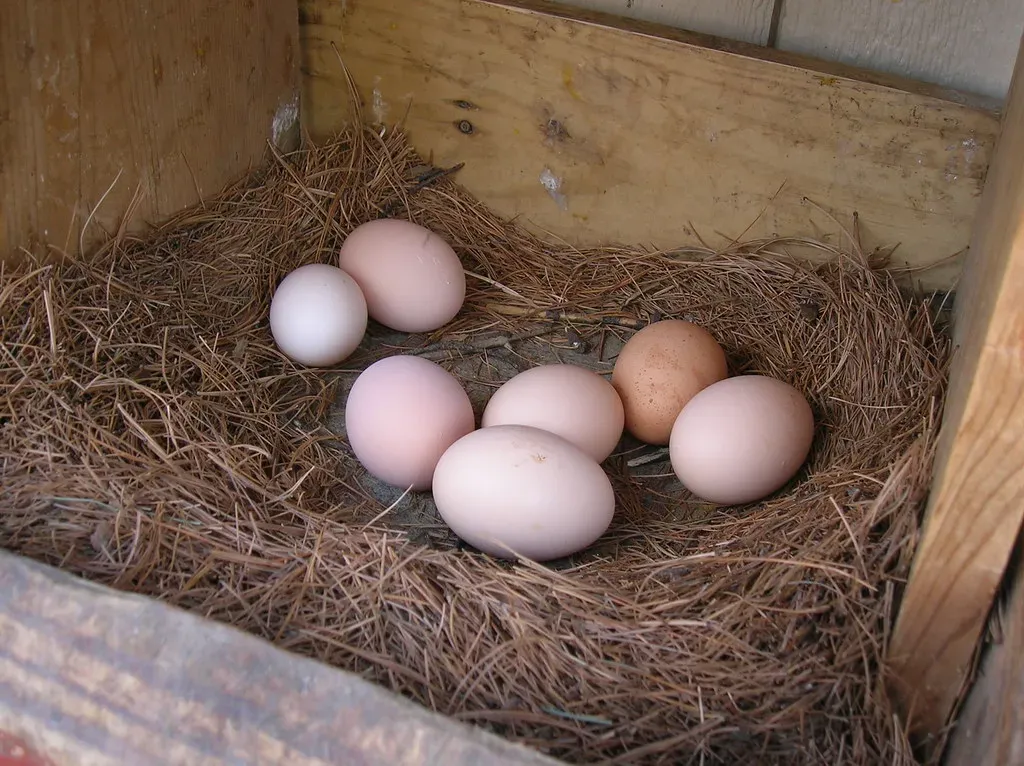
Here’s the thing that surprises most people: the problem is not your technique, your timing, or your pot. It’s almost always the age of your eggs. In fresh eggs, the inner membrane adheres strongly to the albumen and protein bonds are tighter, making them difficult to peel. In older eggs, after seven to fourteen or more days, CO2 has escaped through the shell, the pH of the white rises and becomes more alkaline, and membranes separate slightly from the albumen – making peeling easier.
As eggs grow older, the eggshell’s protective coat slowly wears off, the egg becomes porous, absorbs more air, and releases some of its carbon dioxide. This makes the albumen less sticky to the inner membrane. The egg white also shrinks slightly, so the air space between the eggshell and the membrane grows larger, resulting in boiled eggs that are easier to peel.
An average commercially produced egg, if kept chilled, reaches the ideal pH for peeling – between 8.6 and 8.9 – seven to ten days after it’s laid. So if you grabbed eggs from your farmer’s market or backyard flock this morning, you are fighting an uphill biochemical battle every single time you boil them.
The Farm-Fresh Egg Paradox
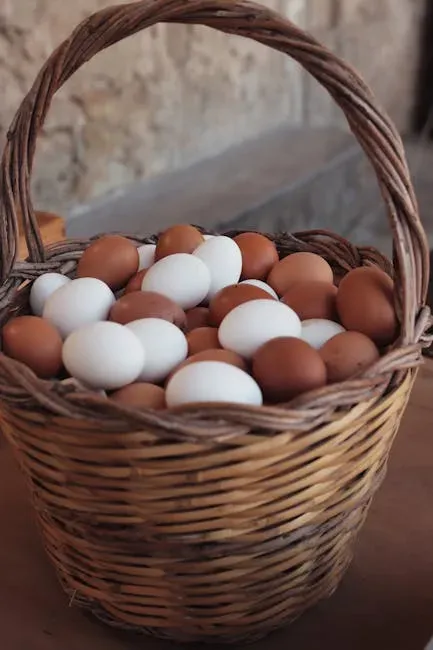
I know it sounds counterintuitive, but buying the freshest, most nutritious eggs can actually make your kitchen life harder in this one specific way. Eggs sold in grocery stores are often six weeks or older, compared to farmers market eggs, which are often just days old. That means the supermarket carton of eggs sitting in your fridge for a week is, ironically, better for boiling than the freshly harvested ones from a local farm.
Just before an egg is laid, the hen applies a protective coating to the shell called a cuticle or bloom, which slows the rate of CO2 loss. The Agriculture Department requires that all inspected eggs be washed and sanitized, a process that removes the cuticle. However, if you buy your eggs from a farmers’ market or farm shop, the cuticle probably hasn’t been washed away, which means those eggs will take a few days longer than their commercial counterparts to become easy to peel.
There’s an added wrinkle for store-bought eggs too. About one in ten commercially produced eggs are sprayed with an odorless, tasteless mineral oil to replace the cuticle. The mineral oil seals the pores in the eggshell and prevents CO2 from escaping, which means that oiled eggs will never peel well. Unfortunately, processors are not required to indicate if their eggs have been coated with oil, but a slightly shiny surface is a telltale sign. Worth checking next time you’re at the store.
The Ice Bath: Why You Should Never Skip It
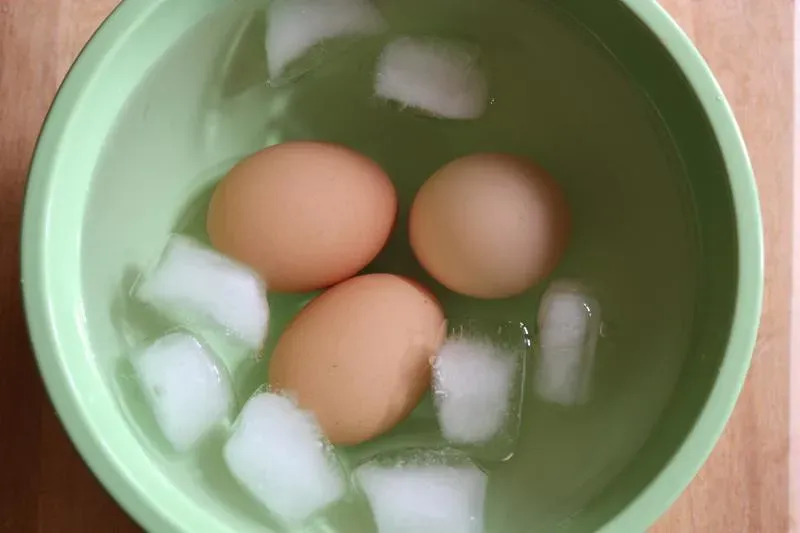
Temperature shock is your best friend when it comes to peeling. Heat makes things expand by speeding up molecular motion and cold makes things contract by slowing motion down. Rapid, extreme temperature changes cause the molecules that make up the membranes to expand and contract at different rates, making membrane separation easier.
Gentle, even heating reduces tearing, while rapid cooling via ice bath after cooking causes slight contraction of the egg contents, separating the membrane from the shell and making peeling easier. The gap created between the egg white and the shell is small – almost invisible – but it makes all the difference when your thumbs get involved.
How big does that ice bath actually need to be? Tests showed that one tray of ice cubes plus two cups of water is the minimum required for four eggs, so twelve eggs require three trays and six cups. Chill for at least three minutes, making sure to fully submerge the eggs. Skimping on the ice is one of the most common mistakes home cooks make, and it costs them dearly at the peeling stage.
Smart Fixes You Can Use Right Now
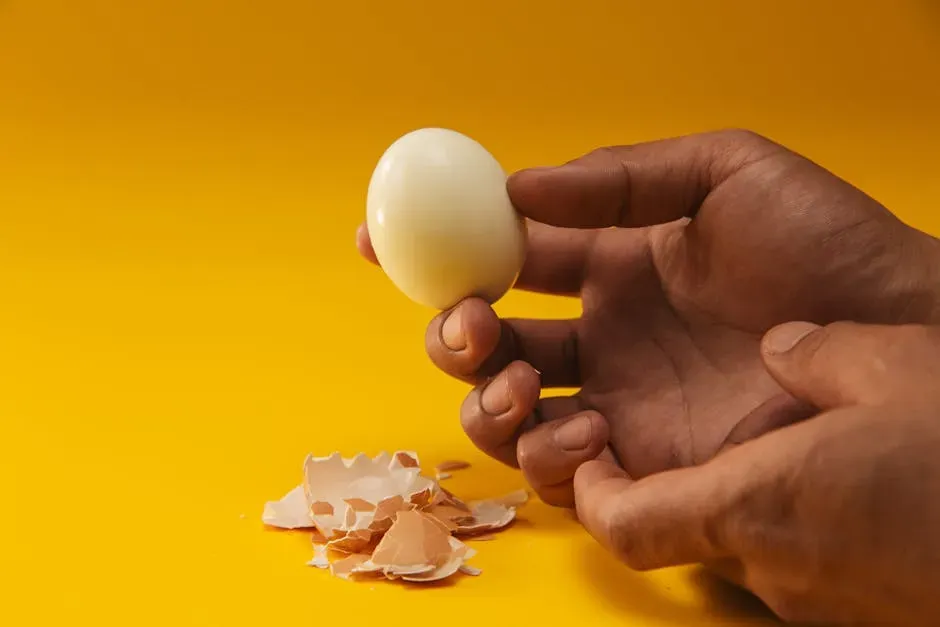
If you have no choice but to boil fresh eggs today, there are several science-backed workarounds. The alkaline in baking soda will help your egg whites loosen up from the shell, making it easier to peel – and the baking soda will not alter the taste of the egg whatsoever. Just add a small amount to the boiling water before the eggs go in.
By changing the pH with baking soda or vinegar, the bond between the egg white and the shell is weakened, while quickly cooling the eggs in an ice bath causes the shell to contract and separate from the egg. These are not just internet rumors. The chemistry genuinely supports both approaches. It’s hard to say for sure which one works better for every kitchen situation, because egg age and water mineral content also play a role.
Both cooking experts López-Alt and Kimball agree that starting with refrigerator-cold eggs in a hot environment is critical – starting the eggs with cold water always produced hard-to-peel eggs. So drop cold eggs directly into already-boiling water, not cold water that heats up gradually. That quick hot start makes it easier for the egg white proteins to denature and bond to each other, rather than to the membrane.
The Instant Pot and Steaming Methods That Actually Deliver
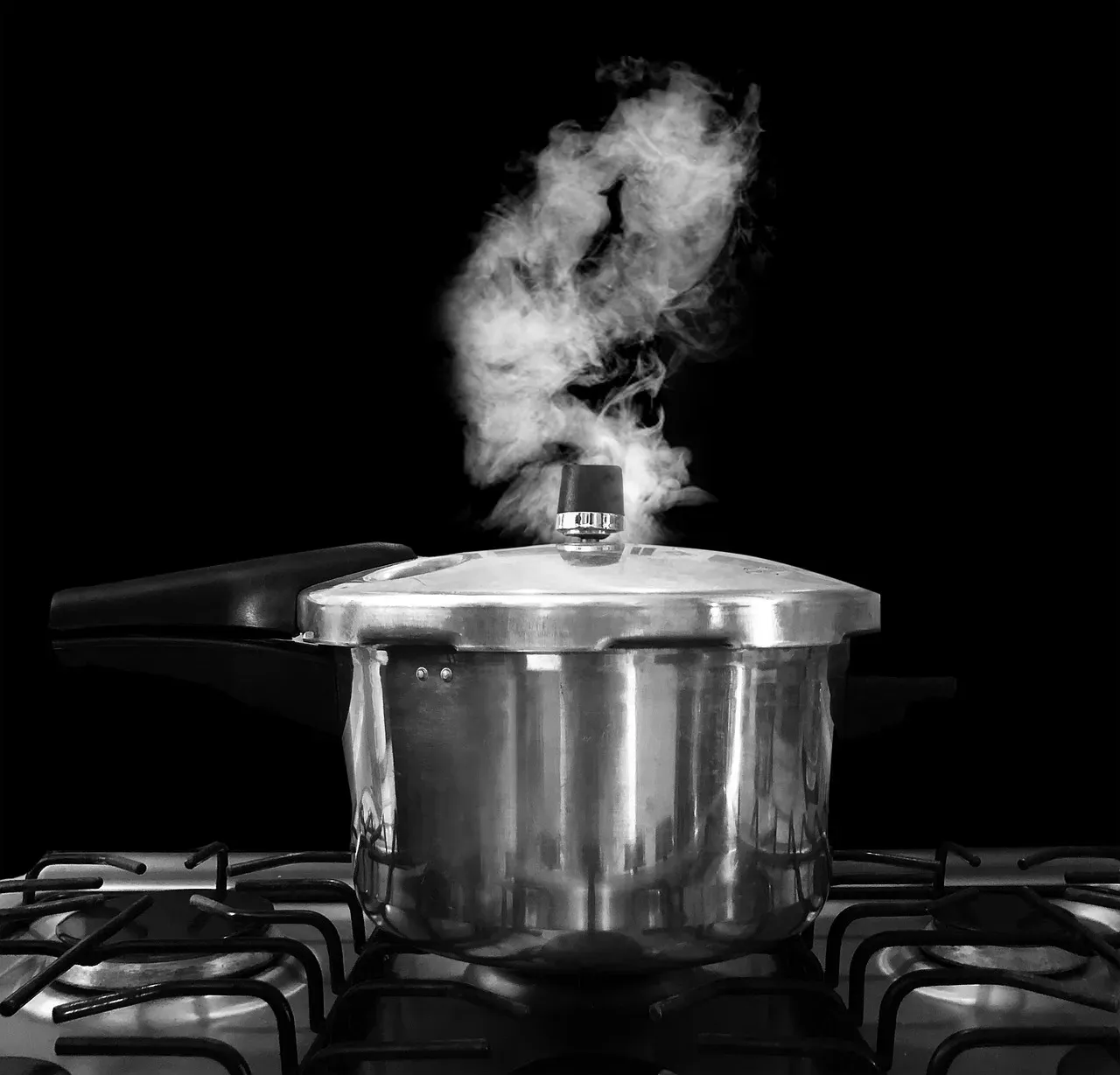
Let’s be real – sometimes you just want a foolproof, repeatable method regardless of how fresh your eggs are. Steaming and pressure cooking are widely considered the most reliable options available. In steaming eggs, some proponents theorise that water vapour permeates the eggshell, loosening the membrane from the egg white, and thereby making the egg much easier to peel.
The Instant Pot has gathered an almost cult-like following specifically for this reason. Both fresh farm eggs and older eggs from the grocery store cooked in the Instant Pot using the 5-5-5 method peel like a dream. The 5-5-5 method means five minutes on high pressure, five minutes of natural pressure release, then five minutes in an ice bath. Simple as that.
Using a pressure cooker can significantly reduce cooking time while enhancing peelability. This method is gaining popularity for its efficiency and consistent results. The combination of pressurized steam and the rapid ice bath cool-down creates the ideal separation between membrane and shell. If you’ve tried every trick in the book and still struggle, a pressure cooker may genuinely be the upgrade your egg routine needs.
What seemed like a simple kitchen annoyance turns out to be a surprisingly deep rabbit hole of food chemistry, egg biology, and technique. The age of your egg, the pH of the white, the temperature shock at the end – all of it matters more than most people realize. Once you know why the shell sticks, every fix stops feeling like a guess and starts feeling like a choice. What do you think – did any of these explanations surprise you? Drop your thoughts in the comments.



Leave a Reply