
1. BYOB is often the norm, not the exception
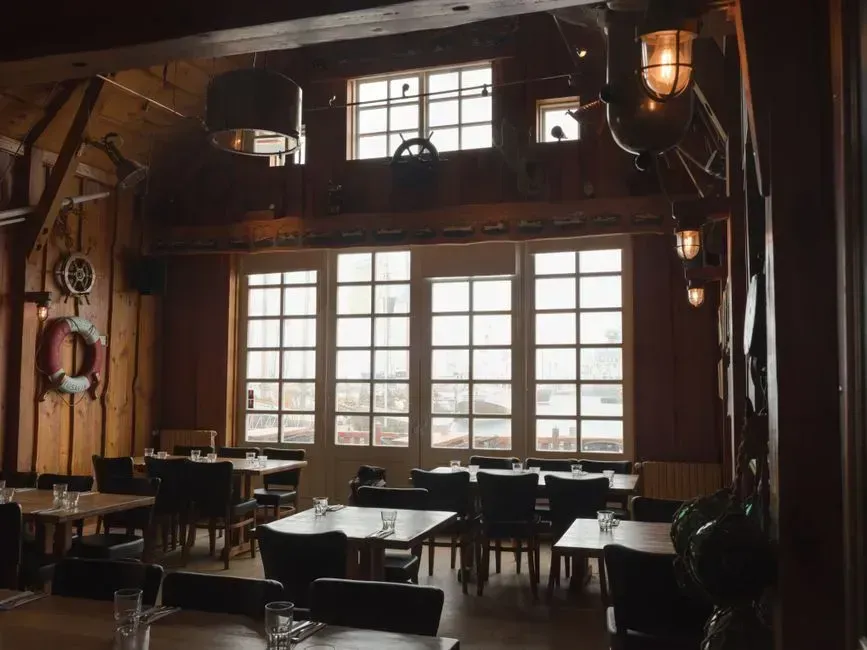
Plenty of Cape Cod’s most beloved seafood spots never bothered to get a liquor license, and locals wouldn’t have it any other way. Sesuit Harbor Cafe is BYOB, so visitors need to stop at a nearby liquor store if they want alcoholic beverages with their meal. The same goes for other classic shacks scattered across the peninsula.
Moby Dick’s Restaurant in Wellfleet is BYOB, with both indoor and outdoor seating. First-timers sometimes show up assuming they’ll order a beer at the counter, only to realize they should have planned ahead. It’s a small ritual that regulars know by heart: grab the wine or six-pack before you even think about the lobster roll.
2. Cash still rules at many clam shacks
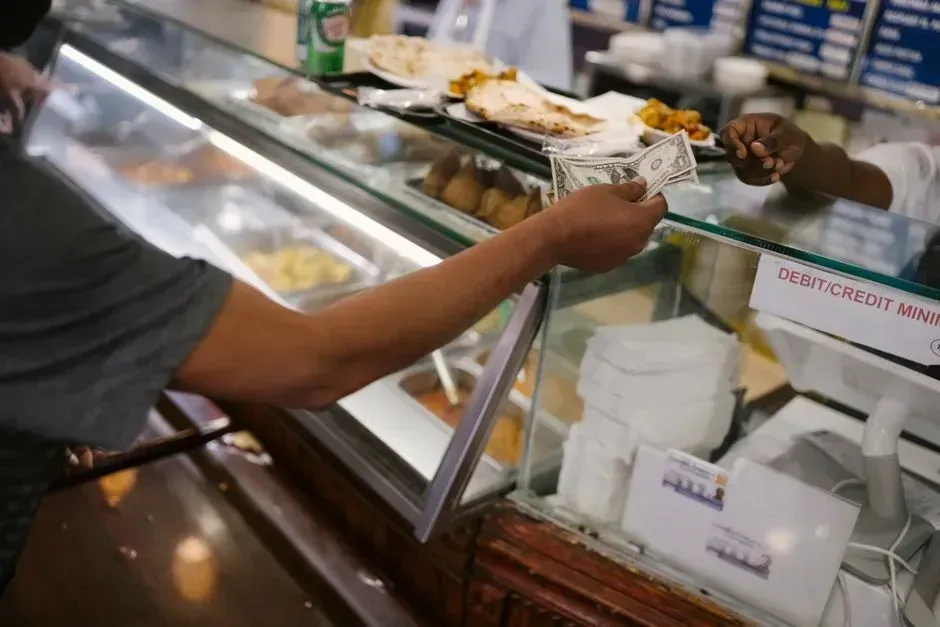
Credit cards are everywhere in 2026, yet a surprising number of Cape institutions still expect cash. The Sesuit Harbor Café is cash only, though there’s an ATM inside if needed. It’s not a gimmick or an inconvenience meant to annoy tourists, it’s simply how these small, family-run operations have always worked.
Some spots keep it simple: cash only, though there’s usually an ATM inside, paired with limited hours. Visitors who plan to hit more than one shack in a day quickly learn to keep a stash of twenties in the car.
3. Reservations are often pointless, because they don’t take them
Fine dining reservations make sense at the Cape’s upscale spots, but plenty of the most iconic seafood destinations simply refuse them. At places like the Lobster Trap, diners can sit in the dining room, patio, or bar, and reservations aren’t taken at all. The same philosophy applies at Sesuit Harbor Cafe, where reservations aren’t accepted and it can be extremely busy, with lines sometimes streaming down the side of the restaurant.
This walk-in-only approach can frustrate visitors used to booking ahead online. On Cape Cod, though, waiting in line is treated less like an inconvenience and more like part of the summer ritual.
4. You order at the counter, then find your own seat
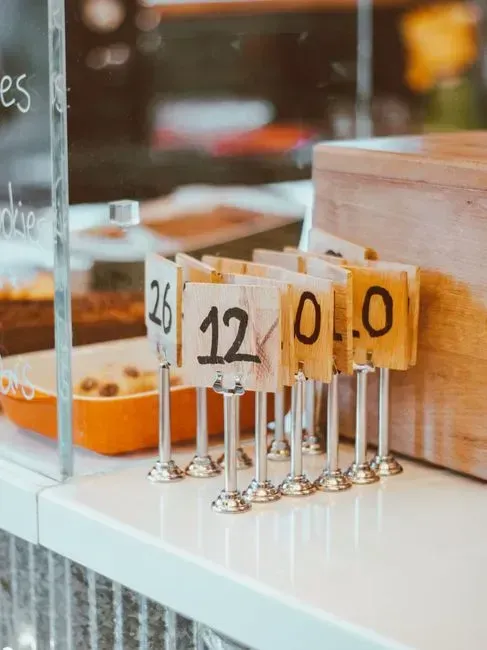
Table service is far from guaranteed, even at places with real dining rooms. At Captain Frosty’s, diners choose from a board above the counter, place their order with staff, and pay the cashier, since there’s no table service. Arnold’s Lobster & Clam Bar follows the same script.
Diners order and pay at the counter, then retrieve their food when staff calls their number, with an informal presentation of paper plates and plastic utensils. It’s efficient once you know the drill, but visitors expecting a server to greet them at a table sometimes stand around confused for a minute or two.
5. Raw bars often run as their own separate operation
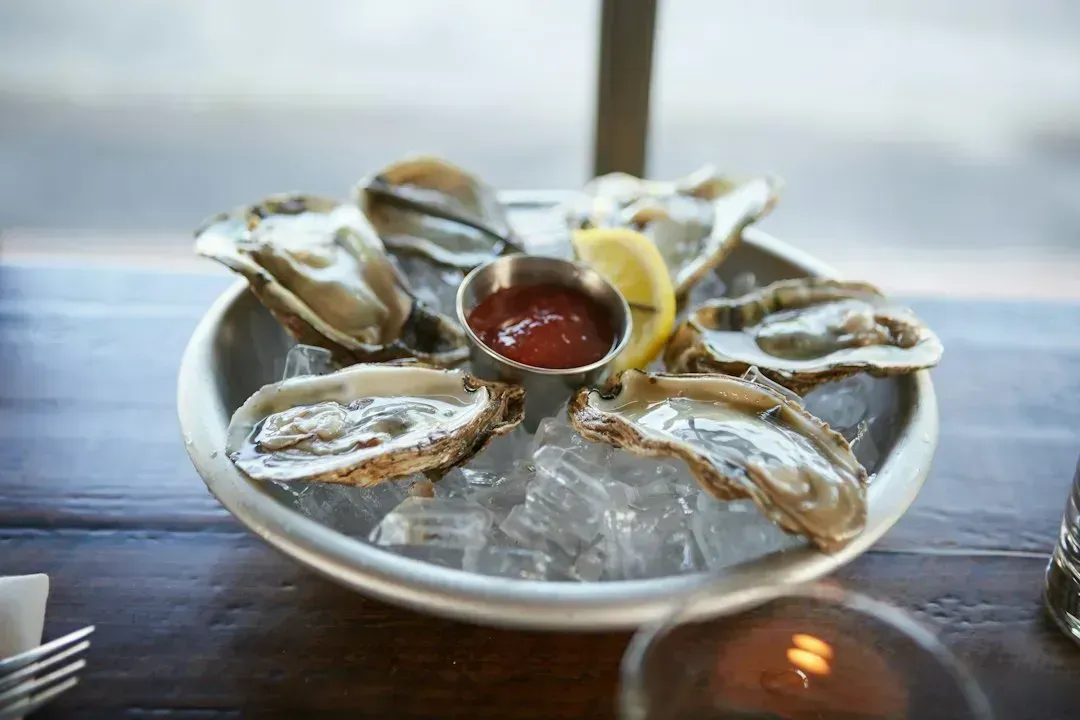
Many clam shacks split their menu into two distinct lines, one for the fried classics and another entirely for the raw bar. Sesuit Harbor Cafe offers seafood specialties like lobster dinners and lobster rolls, plus a raw bar along the side with a separate line offering oysters, shrimp, and more. Newcomers who don’t realize this end up in the wrong queue, waiting for oysters at the fried food counter.
The Seagrove’s dining roundup notes several outer Cape spots built around exactly this setup, with lobster, chowder, and oysters served alongside a bay inlet view. It’s worth scanning the layout before joining any line, since the two systems rarely overlap.
6. Many restaurants vanish for half the year
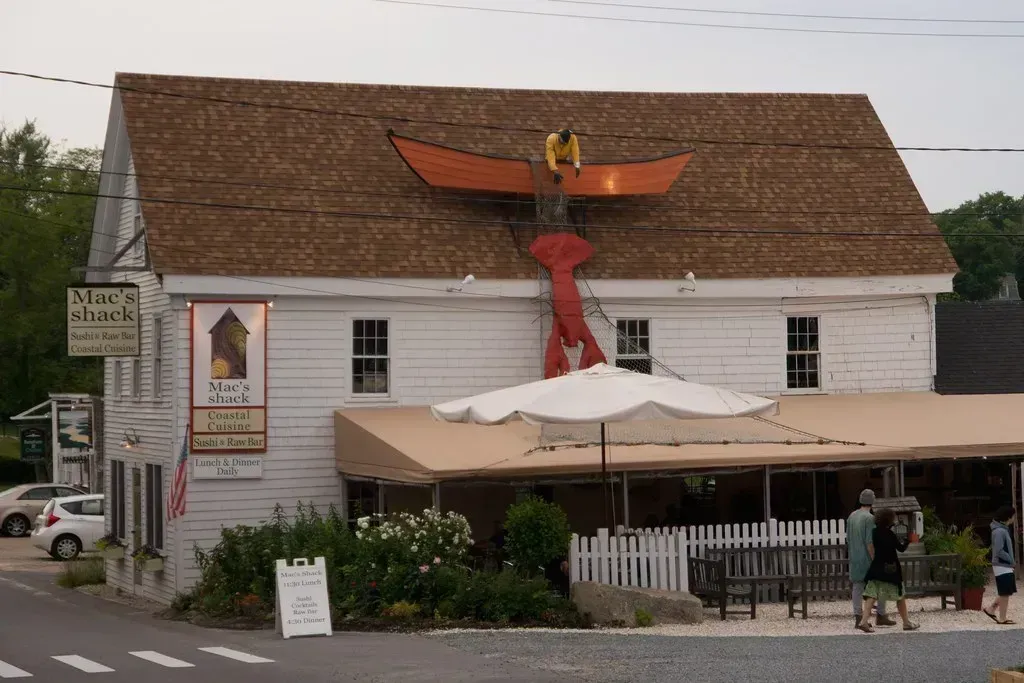
Cape Cod runs on a tourist season, and its restaurant scene follows suit. While some Cape Cod restaurants are open in the off-season, many do close, so visitors should check with the specific restaurant to find out their opening and closing dates. This surprises out-of-towners who assume a place seen on Instagram in July will be open on a random weekend in November.
The Seafood Shanty, for example, opens for the season in April and closes after Columbus Day. Locals plan their seafood cravings around this calendar without a second thought, but visitors need to check ahead or risk finding a locked door.
7. Hot versus cold lobster roll is a real dividing line
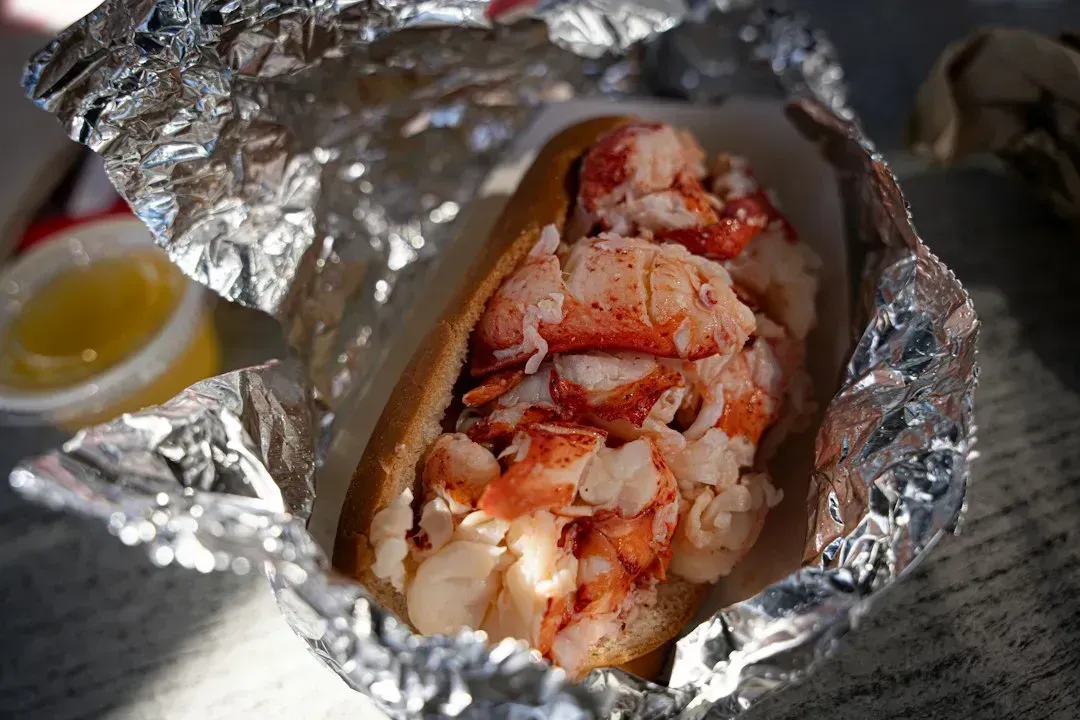
Ask ten Cape Cod locals how a proper lobster roll should be served and expect at least three different opinions. Some shacks serve theirs cold with mayonnaise, others hot and dripping in butter, and a few offer both so nobody has to argue about it. Fastfoodclub’s roundup of the region’s fried clam spots notes that lobster rolls at one popular Cape shack come hot or cold, packed generously rather than skimped.
Visitors who assume there’s one “correct” style are often surprised to learn this is genuinely regional, sometimes even town by town. Ordering without specifying a preference means you’re leaving the outcome up to the kitchen’s default style that day.
8. Picnic tables are the default, not a downgrade
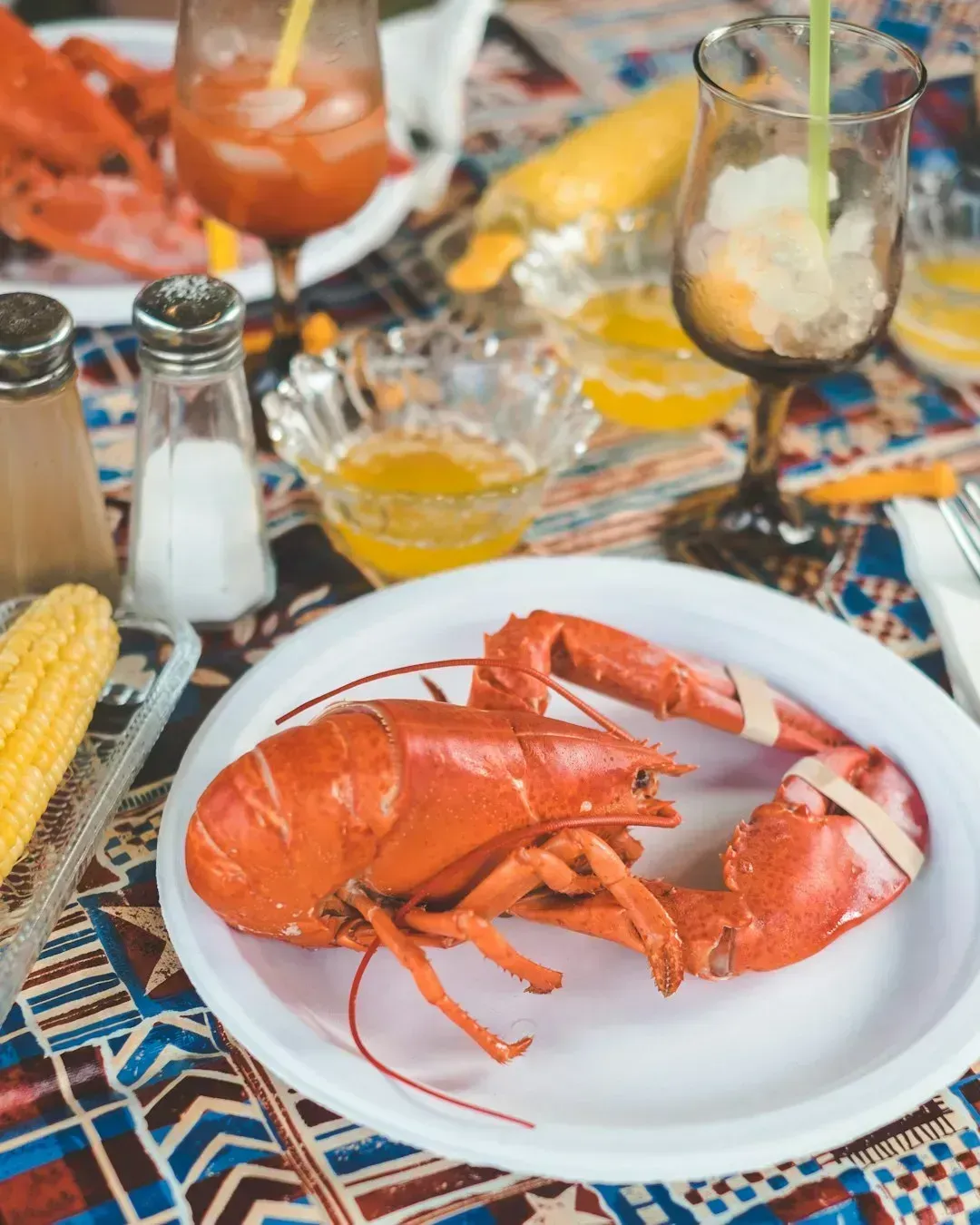
Plenty of Cape Cod’s most celebrated seafood spots have no indoor dining room at all. Sesuit Harbor Cafe is open only in season and only offers outdoor seating on picnic tables. This isn’t a budget compromise, it’s the whole appeal.
The setup pairs harbor views, salt air, and casual plastic cutlery with food that regularly gets ranked among the region’s best. Visitors expecting linen napkins at a “top rated” restaurant sometimes need a moment to recalibrate their expectations once they see the picnic benches.
9. Hours can be shorter and quirkier than expected

Even in peak season, some of the Cape’s most talked-about shacks keep tight, particular schedules rather than staying open long into the evening. One well-known fried clam spot keeps limited hours, closed Wednesday and Tuesday, open only from four to eight in the evening the rest of the week. Showing up at 2pm expecting lunch can mean an unexpected wait until the doors actually open.
This isn’t laziness on the owners’ part so much as a reflection of small staff sizes and a deliberate choice to avoid burnout during the frantic summer months. Checking hours the same day you plan to visit, not just the week before, has become second nature for regulars.
10. Locals eat on off nights to dodge the chaos
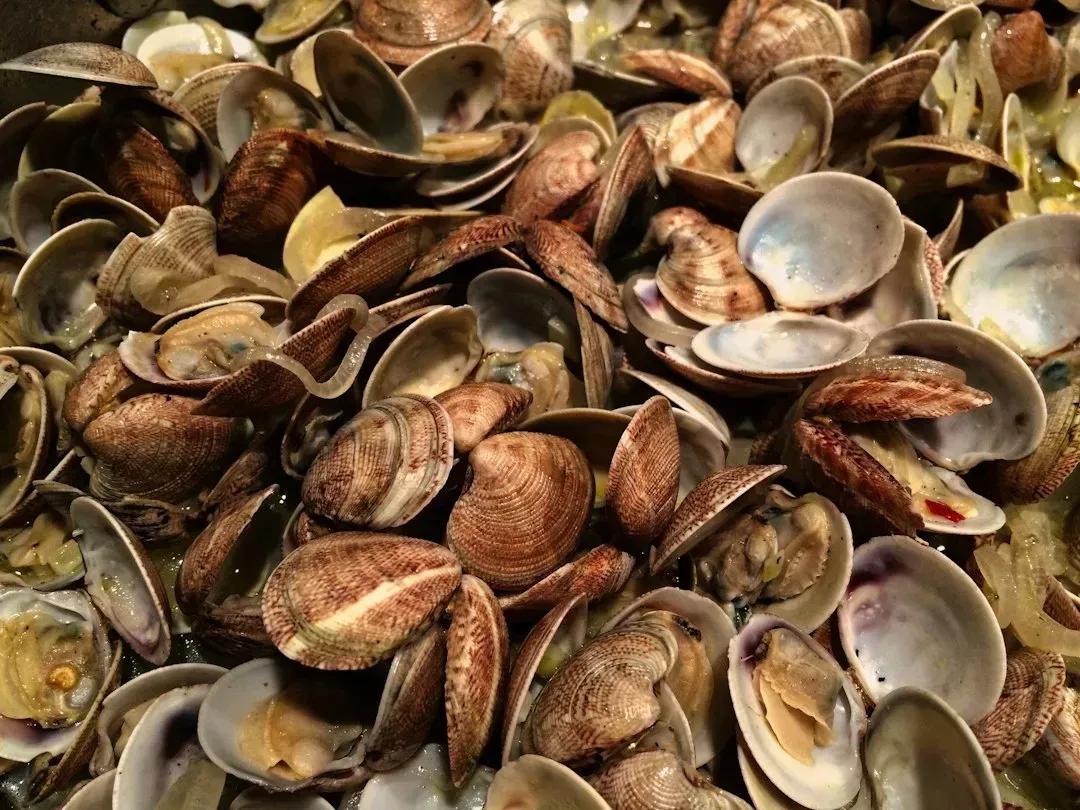
Weekend dinner crowds at Cape Cod’s most famous shacks can be genuinely daunting, so residents have quietly shifted their habits. Locals figured out the trick years ago: they eat on Tuesdays and Wednesdays instead of Saturdays, getting the same fried clams and harbor views with half the wait. It’s less a secret than an open pattern that most visitors simply never notice.
Weeknight visits also tend to come with shorter parking hunts and calmer patios, which matters more than people expect once the August crowds roll in. Anyone planning a Cape Cod trip around actual relaxation, rather than logistics, might want to borrow this habit rather than fight the Saturday rush. These customs add up to something distinct: a dining culture built around fishing schedules, small family businesses, and a general resistance to over formalizing what has always worked just fine. None of it is complicated once you know what to expect, and most visitors end up appreciating the lack of pretense within a day or two. It’s less about learning rules and more about slowing down enough to notice how the Cape has always done things.




Leave a Reply