
There’s a particular kind of loss that doesn’t announce itself. No farewell dinner, no final serving. One decade, a dish is on every table in the country. The next, it’s just gone – surviving only in handwritten recipe cards tucked inside dusty cookbooks or in the distant memory of someone’s grandmother.
For much of the 20th century, the American dinner table revolved around hearty casseroles, gelatin molds, meatloaf, and TV dinners. Eating habits in the U.S. have changed dramatically over the last few decades. Convenience foods, restaurant meals, and prepared grocery items increasingly replaced labor-intensive recipes that were once staples in American kitchens. As schedules became busier and tastes evolved, many classic dishes slowly faded from everyday menus. Some survive as nostalgic comfort foods at holidays or potlucks, but others have nearly vanished altogether. Here are ten of the most notable ones.
1. Creamed Chipped Beef on Toast
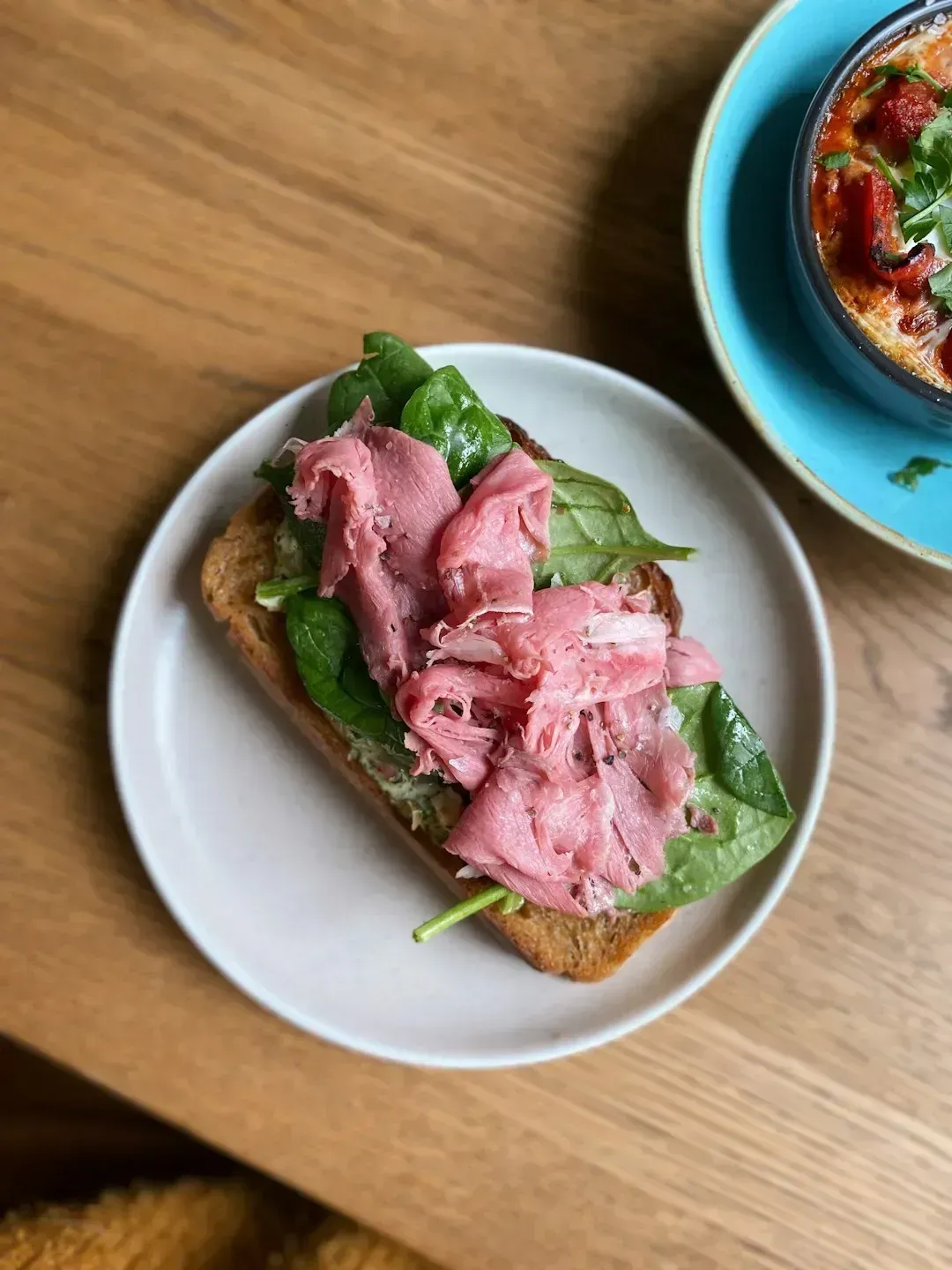
Creamed chipped beef combined dried, salted beef in a thick white béchamel sauce, served over toast for a filling breakfast or dinner. World War II veterans brought their taste for this dish home, making it popular in the 1940s and 50s. The meal was cheap, quick, and packed with protein, perfect for feeding large families on tight budgets.
Modern tastes find the salty, creamy combination unappealing, and dried beef has become hard to find in stores. This once-common comfort food has nearly disappeared except in the memories of older generations. For the veterans who grew up eating it in mess halls, the dish carried a whole world of associations that simply didn’t translate to a new generation raised on entirely different food experiences.
2. Jell-O Salad
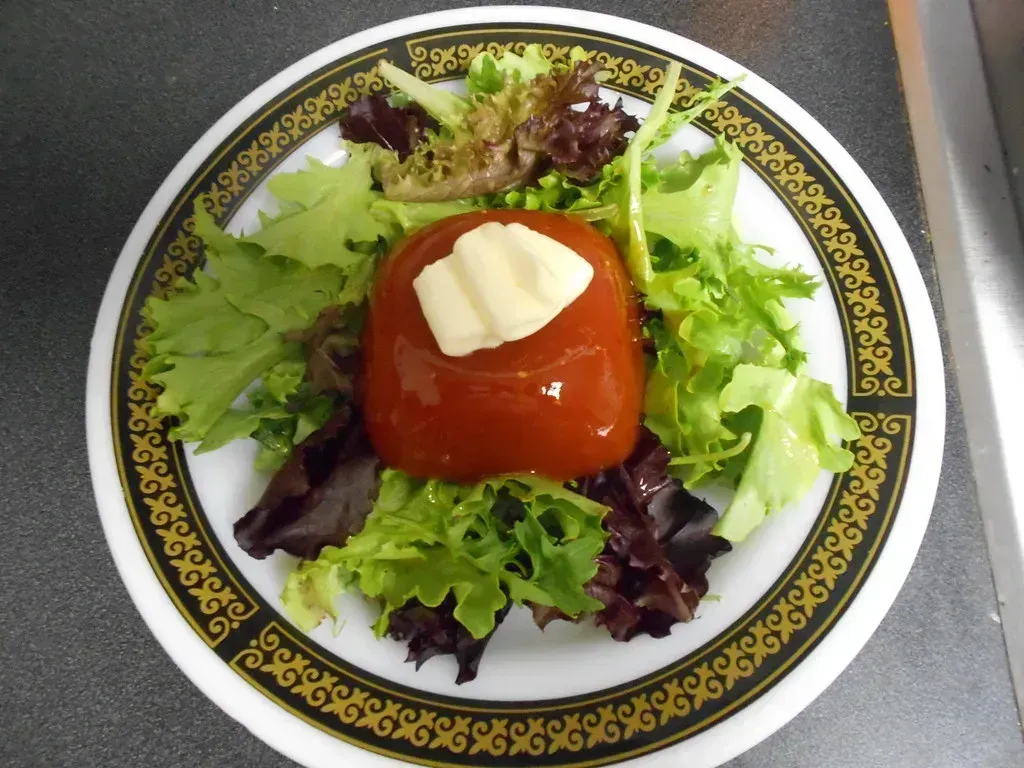
In the mid-sixties, no social gathering was complete without a wobbling tower of lime green jelly filled with shredded carrots. These shimmering creations were the height of sophisticated hosting and allowed home cooks to show off their creative flair. They were the visual centerpiece of every holiday table, looking more like a science project than an actual side dish.
If it could be suspended in gelatin, Americans in the 1950s and 60s would put it there – vegetables, fruits, even seafood. Jell-O salads came in countless varieties, from lime gelatin with shredded carrots to strawberry with bananas and nuts. These wiggly creations were considered sophisticated and modern, perfect for showing off at gatherings. The shift toward natural, unprocessed foods in the 1980s basically sealed the fate of these colorful molds. Now they’re mostly a punchline in retro cooking videos.
3. Chicken à la King
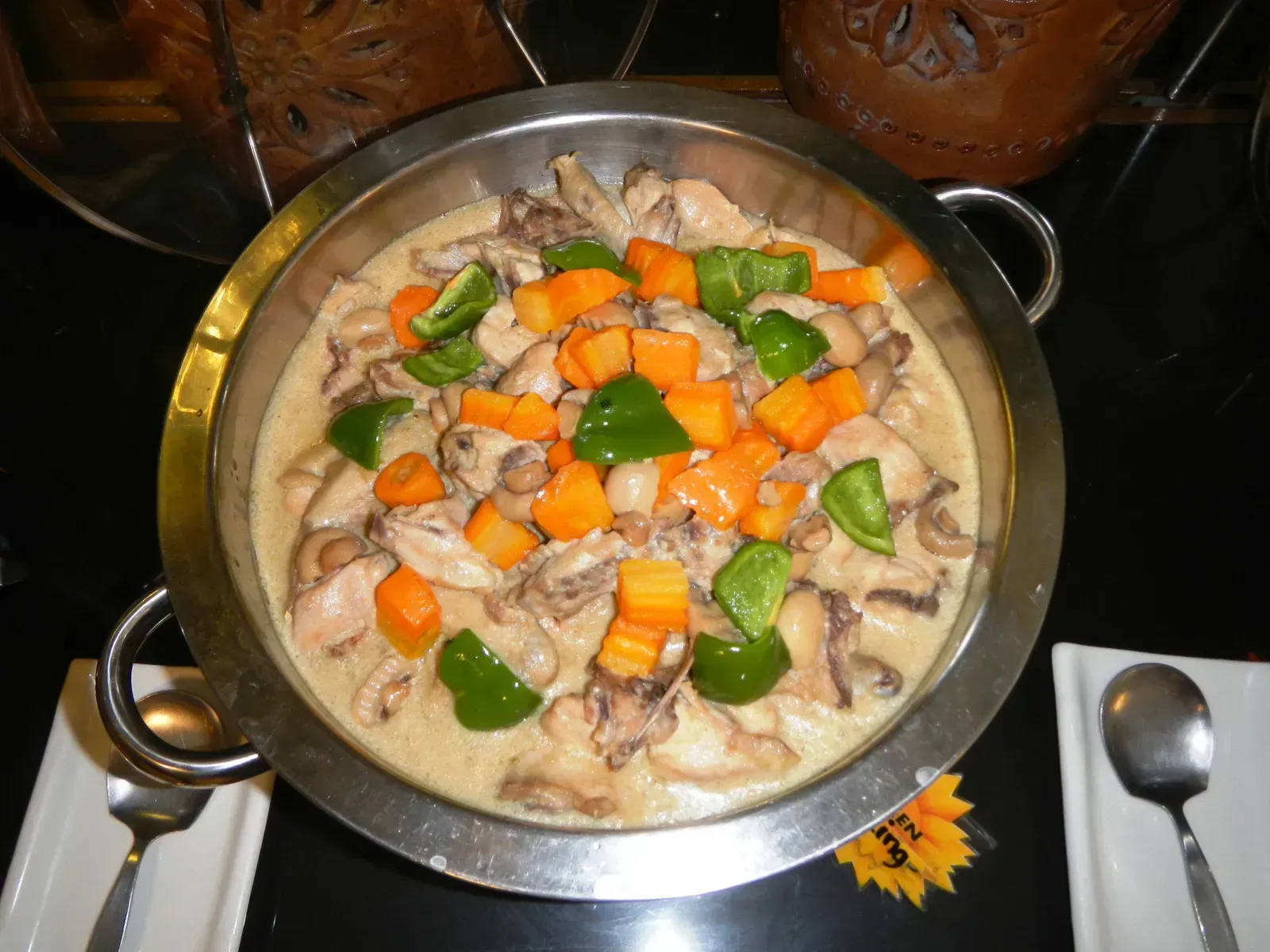
Chicken à la King once signaled hotel polish and mid-century comfort, pairing tender chicken with mushrooms and peppers in a velvety cream sauce. Served over toast points, puff pastry, or rice, it felt celebratory yet familiar, ideal for luncheonettes and banquet menus. The dish demanded careful sautéing and reduction to achieve its lush consistency and sheen.
According to Bklyner, chicken à la king was likely created in early 20th century New York at the Brighton Beach Hotel in honor of the hotel’s owner, E. Clara King II. Chicken à la king was featured on over 300 menus in the first half of the 20th century, but attempting to find it today often results in a scavenger hunt. As tastes tilted toward lighter fare and streamlined plating, its richness grew unfashionable and its labor hard to justify.
4. Tuna Noodle Casserole
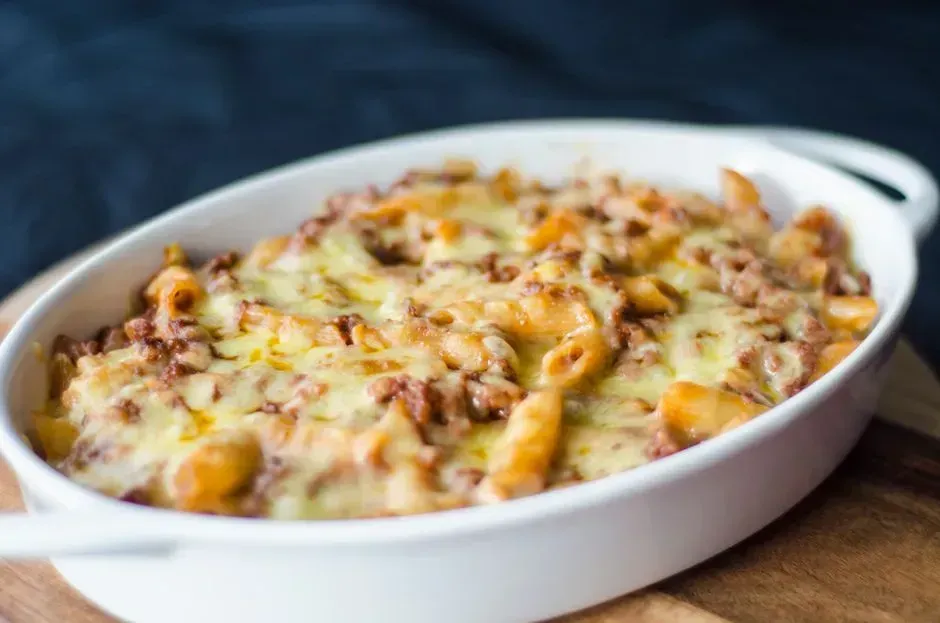
Canned tuna met egg noodles in this creamy, budget-friendly wonder that saved countless weeknight dinners. Topped with crunchy potato chips or breadcrumbs, it was the ultimate comfort food hack. As fresh-food movements gained traction, this pantry staple started feeling a bit too processed for modern palates.
The Washington Post states that canned tuna is not as popular as it used to be. In the 1990s, U.S. Americans ate about 4 pounds of tuna per capita yearly. By 2008, that number had halved, remaining steady into 2018. Younger generations now prefer poke bowls and fresh tuna steaks over the canned variety. The casserole’s fate was largely sealed by the fate of its main ingredient.
5. Salisbury Steak
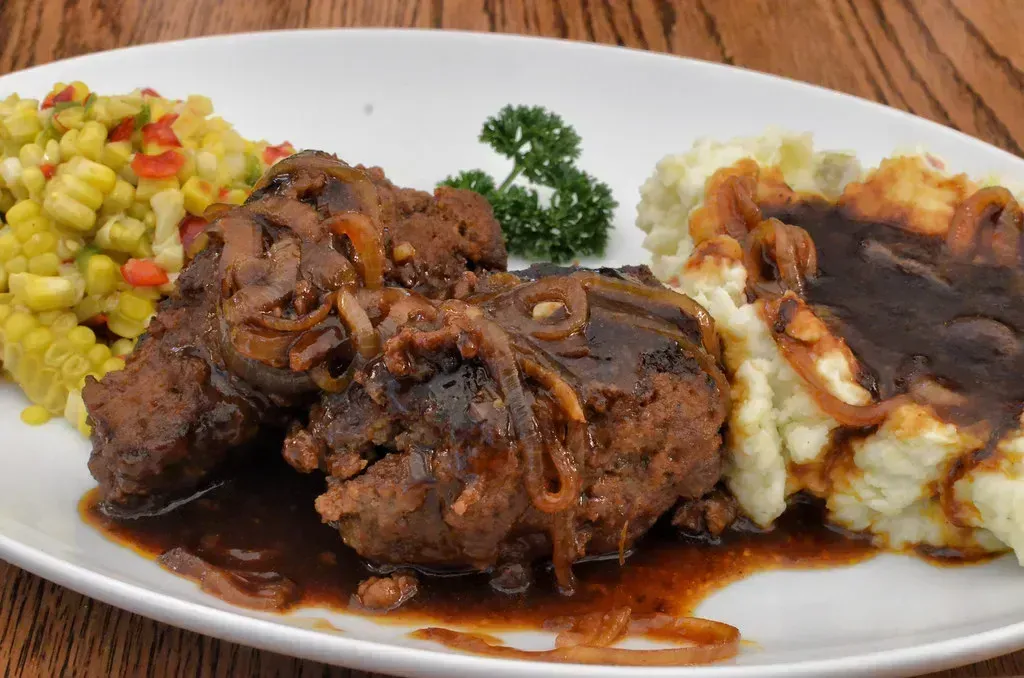
Salisbury steak promised steakhouse vibes on a budget, shaping seasoned ground beef into a patty and bathing it in onion-mushroom gravy. Paired with mashed potatoes, it defined diner comfort and freezer-aisle convenience. Salisbury steak was once a standard American dinner, served in restaurants, school cafeterias, and home kitchens alike. Made from seasoned ground beef and smothered in gravy, it was filling, affordable, and easy to prepare.
Over time, gourmet burgers, premium beef cuts, and wellness concerns overshadowed it, and gravy-heavy plates lost cachet. Still, the technique shines when treated with care: pan deglazing, proper sear, and stock reduction. A well-made version tastes deeply beefy and satisfying without pretense. It’s one of those dishes that deserved a better ending than a freezer section clearance shelf.
6. Ambrosia Salad
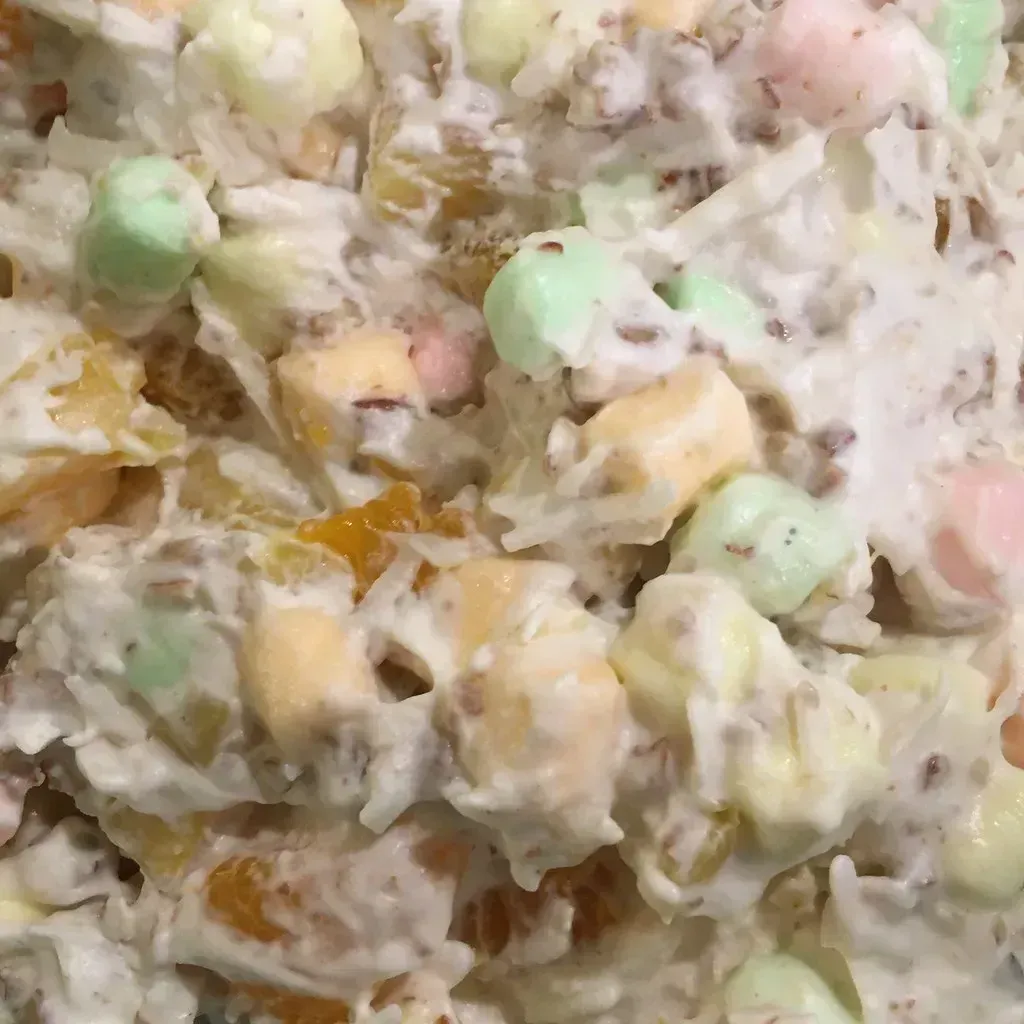
Named after the food of the Greek gods, this sweet concoction was a must-have at every holiday gathering and church potluck. Ambrosia salad mixed canned fruit cocktail, mini marshmallows, shredded coconut, and sour cream or whipped cream into a fluffy, sweet side dish. Some families added maraschino cherries or chopped pecans for extra flair. Popular from the early 1900s through the 1980s, it represented a time when canned fruits were considered convenient and modern.
Today’s preference for fresh ingredients and less sugary sides has made ambrosia seem outdated and overly sweet. You might still spot it at Southern gatherings, but it’s mostly a nostalgic memory now. The dish tells you a great deal about what “special” meant in mid-century America, a time when canned tropical fruit felt genuinely luxurious to many families.
7. Tomato Aspic
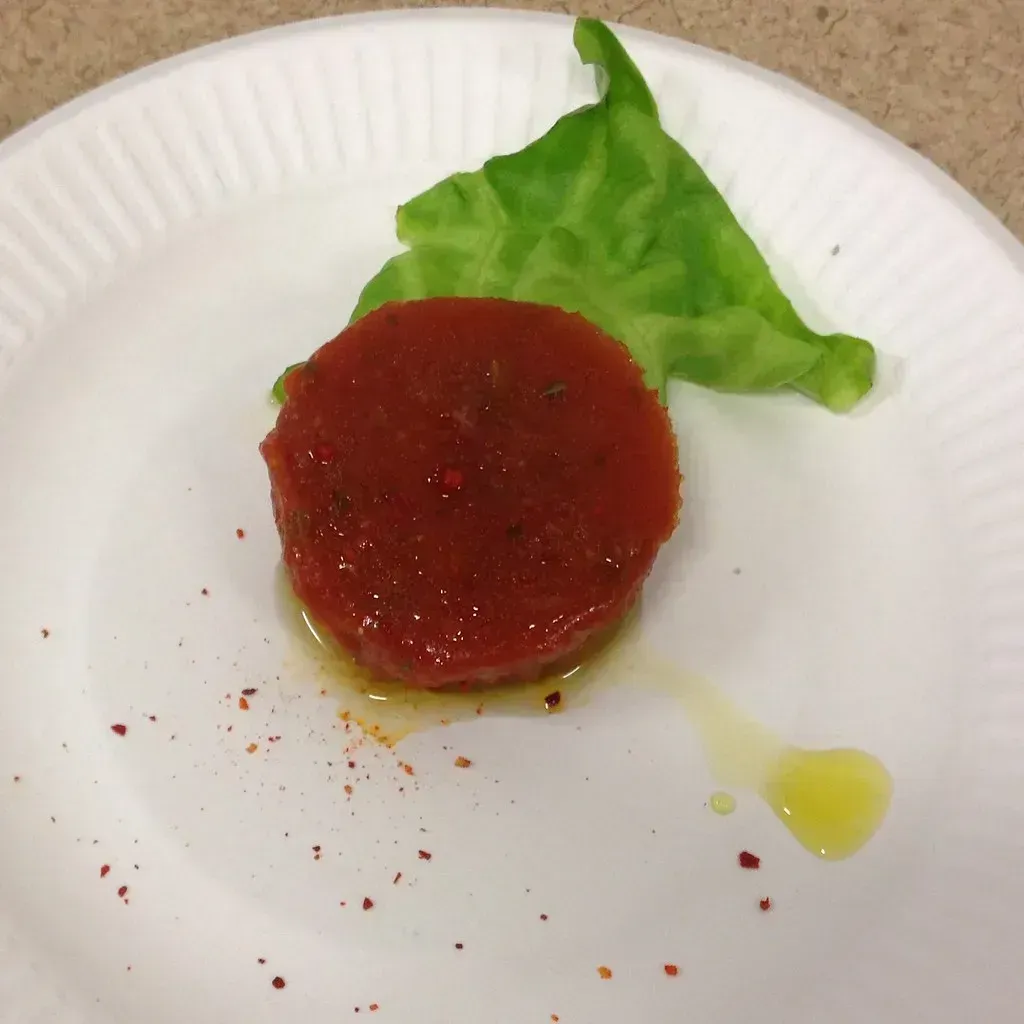
Back in the 1950s and 60s, no potluck was complete without a wobbly, shimmering tomato aspic. This savory gelatin dish combined tomato juice with unflavored gelatin, creating a jiggly mold that often contained vegetables like celery, onions, or olives. Families proudly displayed their aspics in fancy ring molds or decorative shapes. The dish fell out of favor as tastes changed and people began associating gelatin more with desserts than savory foods.
As tastes moved away from gelatinous textures and formal presentations, aspic seemed stilted and old-fashioned. Still, its clarity, seasoning, and structural finesse reveal classic technique. With careful bloom, precise seasoning, and a pristine mold, the result is striking. It’s a relic of dinner parties where presentation mattered as much as flavor, and the buffet shimmered like stained glass.
8. Liver and Onions
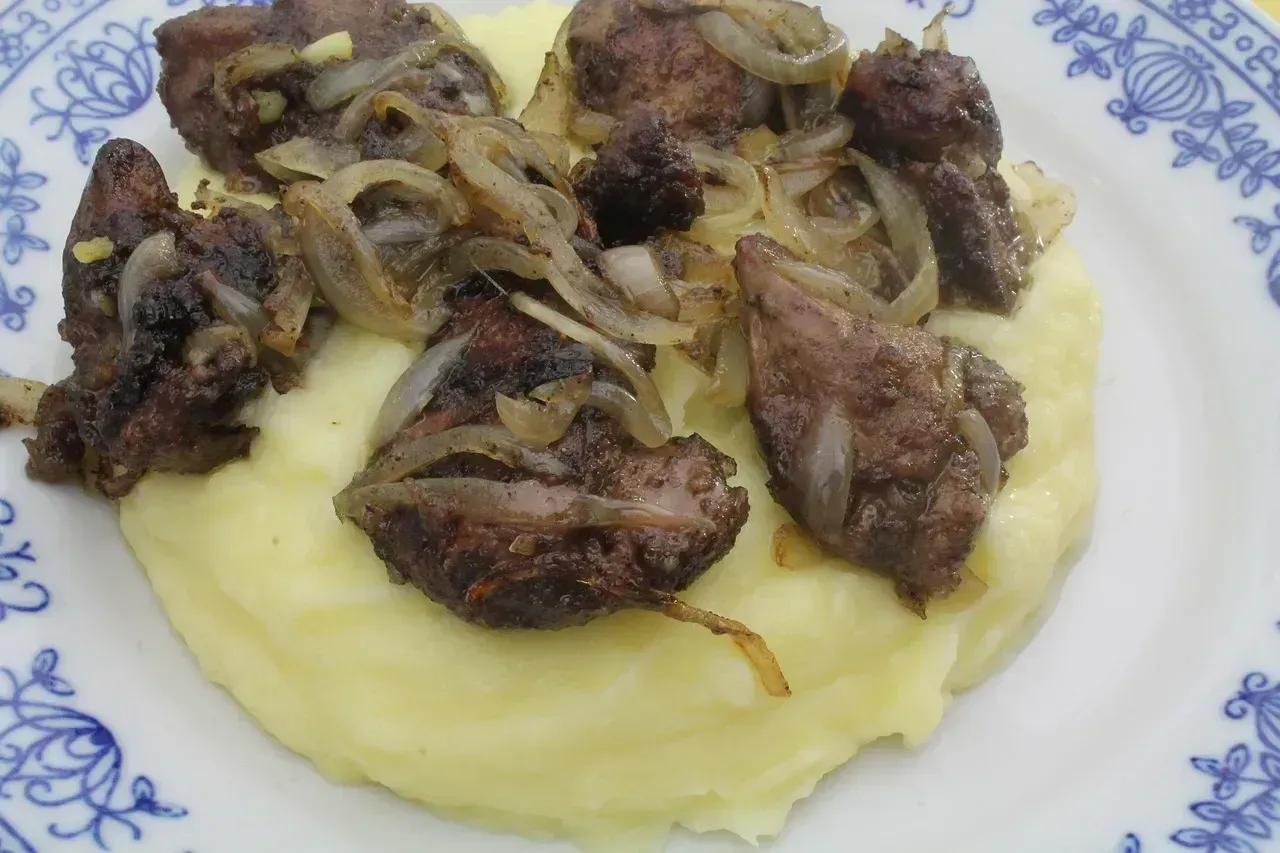
Liver and onions once anchored weekday dinners with iron-rich thrift and straightforward technique. Quick searing kept the liver tender, while deeply caramelized onions added sweetness to balance its mineral bite. Many grew up with it on the stove, a practical answer to budget and nutrition.
Over time, organ meats fell from mainstream favor, eclipsed by leaner cuts and milder flavors. Yet prepared precisely, it’s undeniably delicious: silky centers, browned edges, and a pan sauce deglazed with stock or vinegar. Nostalgia aside, this dish showcases a nose-to-tail ethic modern cooks increasingly appreciate. The generation that ate it by necessity never quite understood why the next generation refused it so firmly.
9. Succotash
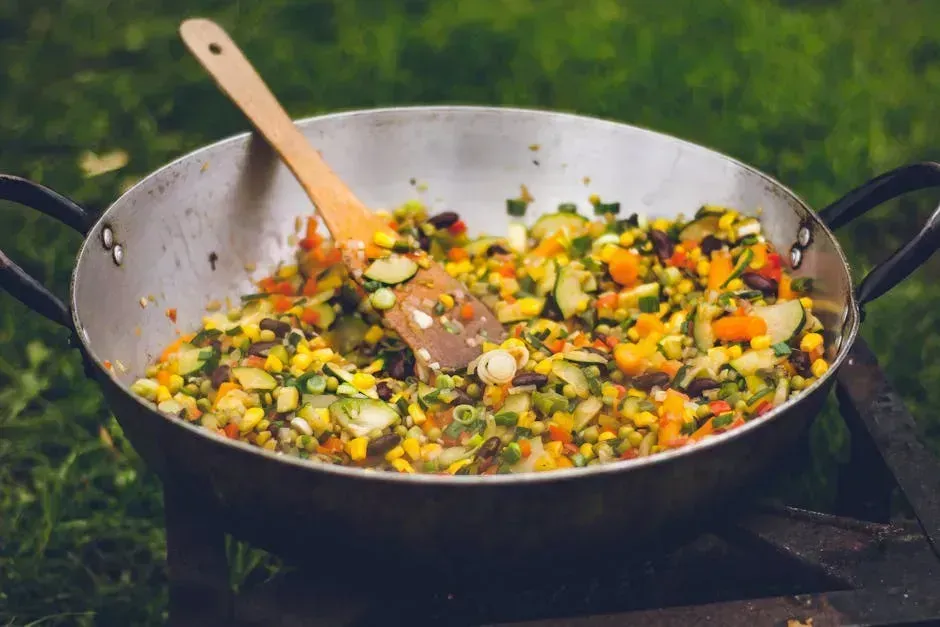
This humble mixture of lima beans and corn was once a beloved side dish that celebrated the harvest of the American heartland. It has roots that stretch back to the indigenous peoples of the continent and was a staple on colonial tables for centuries. It was a reliable and nutritious way to fill a plate without needing many expensive ingredients.
As home cooks experiment with edamame, chickpeas, quinoa, and international grain blends, lima beans have quietly slid to the back of the pantry. Succotash has become a word people recognize more from old cartoons than from menus at local eateries. That’s a strange fate for a dish with such deep roots in American history, one that fed people long before the country even had a name.
10. Pineapple Upside-Down Cake

This dessert, often baked in a single layer, features caramelized pineapple and maraschino cherries forming a bright pattern, reflecting the mid-century fascination with tropical flavors. It’s a visually appealing slice of beauty that screams mid-century food inspiration. The glossy fruit glistened under a golden cake layer. Canned pineapple made this cake accessible year-round, bringing tropical luxury to landlocked American kitchens.
Its popularity peaked in the 1950s and 1960s when convenience foods reigned supreme. Today’s dessert trends favor artisanal ingredients and complex techniques, pushing this simple showstopper to the margins. The occasional diner or retro-themed restaurant might feature it, yet it rarely appears in modern home baking. There’s something almost poignant about a cake that was once the crown jewel of a Sunday dinner now struggling to earn a spot on a seasonal menu.
What these ten dishes share isn’t just nostalgia. They each reflect something real about how Americans once lived, what their kitchens contained, and what comfort meant to them on any given Tuesday evening. Across America, once-beloved dishes are slipping from menus and memories, replaced by lighter trends and global flavors. Yet these plates tell stories of hotel dining rooms, church potlucks, and weekday suppers that shaped how the nation ate. The recipes didn’t disappear because they failed. They disappeared because the world around them changed – and that’s worth remembering the next time something familiar quietly leaves the table.




Leave a Reply